

Flying to Tuvalu isn’t like booking a quick hop to a big city. It’s a bit of a mission, but that’s part of the adventure. You’ll need to plan ahead, pack smart, and be ready for a slower pace once you land. Whether you’re going for the beaches, the local vibe, or just to say you’ve been somewhere most folks haven’t, this guide will walk you through the basics and help you know what to expect.
Key Takeaways
There are only a few flight routes to Tuvalu, and seats can fill up fast—book early and double-check schedules.
Funafuti International Airport is small, so don’t expect big city amenities or lots of shops.
The dry season (May to October) is the best time to visit for sunny days and calmer seas.
Pack everything you’ll need—supplies and medicine can be limited or expensive on the islands.
Tuvalu is safe and friendly, but you should still keep an eye on your stuff and respect local customs.
Flight Routes and Airlines Serving Tuvalu
Getting to Tuvalu isn’t exactly like hopping on a direct flight to a major city. It takes a bit of planning. The main gateway is Funafuti International Airport (FUN), and flights are pretty limited. Currently, Fiji Airways is the primary carrier, usually flying from Suva, Fiji, a couple of times a week. This means you’ll almost certainly need to fly into Nadi International Airport (NAN) in Fiji first, and then catch your connecting flight to Tuvalu.
The flight schedule can change, so always double-check with Fiji Airways directly for the most up-to-date information. Sometimes, there might be other charter flights or occasional services, but relying on Fiji Airways is your safest bet.
Fiji Airways: The most consistent option, connecting Nadi (NAN) to Funafuti (FUN).
Frequency: Typically twice a week, but this can vary.
Booking: Book well in advance, especially if you’re traveling during peak times.
Visa Requirements and Entry Documents
For most nationalities, visiting Tuvalu for tourism purposes for a short stay doesn’t require a pre-arranged visa. You’ll usually be granted a visitor’s permit upon arrival. However, it’s always wise to check the latest requirements with the Tuvalu Immigration Department or your local embassy before you travel.
Here’s what you’ll generally need:
Return or Onward Ticket: Proof that you plan to leave Tuvalu.
Sufficient Funds: You might be asked to show you have enough money to support yourself during your stay.
Completed Arrival Card: You’ll receive this on your flight or at the airport.
It’s a good idea to have copies of all your important documents, including your passport and flight details, stored separately from the originals. This can be a lifesaver if anything gets lost or stolen.
Important Airport Information in Funafuti
Funafuti International Airport (FUN) is small, and that’s part of its charm. It’s located on the main atoll, Fongafale, and it’s pretty much the only way in and out of the country.
Terminal: Don’t expect a sprawling complex. It’s a single, modest terminal building. It handles both arrivals and departures.
Services: You’ll find basic facilities like restrooms and a small waiting area. There isn’t a wide array of shops or restaurants inside the airport itself, so plan accordingly.
Connectivity: Wi-Fi can be spotty, so don’t count on it for heavy internet use upon arrival. It’s best to have offline maps or important information downloaded.
Getting Around: The airport is conveniently located close to the main village and many accommodations. Taxis or pre-arranged transport are usually available.
Best Times to Fly to Tuvalu for Weather and Value
Deciding when to book your flight to Tuvalu really boils down to what you’re hoping to get out of your trip. Are you chasing sunshine and calm seas, or are you on the hunt for the best possible deals? Tuvalu’s weather is pretty consistent year-round, with temperatures hovering around a warm 27-31°C (80-88°F). So, you’re pretty much guaranteed a tropical experience no matter when you go.
Tuvalu’s Tropical Seasons Demystified
Tuvalu basically has two main seasons: the dry season and the wet season. The dry season runs from about May to October. This is generally considered the sweet spot for visitors. You can expect less rain, which means more opportunities for outdoor activities and generally more comfortable conditions. Humidity tends to be lower during these months, making the heat feel a bit more manageable.
The wet season, on the other hand, kicks off around November and lasts until April. During these months, you’ll likely encounter heavier rainfall and higher humidity. While it doesn’t rain all day, every day, you should be prepared for sudden downpours. This can sometimes make activities like snorkeling or fishing a bit less appealing or even tricky due to rougher seas.
How Weather Affects Flight and Travel Plans
When you’re planning a trip to a remote island nation like Tuvalu, the weather can play a bigger role than you might think. During the wet season, those sudden, heavy rains can sometimes disrupt flight schedules, though this is less common than in larger, more remote destinations. More significantly, the weather directly impacts what you can do once you’re there. Calmer seas in the dry season are ideal for exploring the lagoon and enjoying water sports. If you’re dreaming of clear snorkeling sessions or trying your hand at fishing, aiming for the drier months will likely give you the best experience.
The consistent daylight hours, with sunrise around 6 AM and sunset near 6 PM year-round, mean you won’t be fighting against the clock for daylight, regardless of the season you choose.
When to Find the Best Deals and Fewer Crowds
Tuvalu isn’t exactly overrun with tourists, so you’ll likely find a sense of solitude no matter when you visit. However, there’s a slight uptick in visitors during the dry season, as it’s generally considered the most pleasant time to be there. If you’re looking to snag the best deals on flights and accommodation, or if you prefer to have even more space to yourself, consider traveling during the shoulder months or even the wet season.
Dry Season (May – October): Generally more popular, potentially slightly higher prices, but the best weather for activities.
Wet Season (November – April): Fewer crowds, often better deals, but be prepared for rain and higher humidity.
Shoulder Months (May & October): Often hit a sweet spot, offering a good balance of decent weather, fewer people, and more reasonable prices.
Ultimately, the best’ time to fly depends on your priorities. If perfect weather is non-negotiable, aim for the dry season. If saving money and avoiding any hint of a crowd is your main goal, the wet season might be your ticket, just pack a good raincoat!
https://www.youtube.com/embed/CoGvhYVHeiE
What to Expect at Funafuti International Airport
So, you’re flying into Tuvalu, and your first stop is Funafuti International Airport (FUN). Think of it less like a bustling international hub and more like a friendly, small-town airstrip. It’s literally the only airport in the country, so it’s got a unique role. The runway is right there, and sometimes, life just happens around it – like kids playing or people crossing. It’s all part of the charm, really.
Arrival Procedures and Customs

When you land, things are pretty straightforward. You’ll likely disembark right onto the tarmac, which is always a bit of a thrill. Head into the small terminal building. Immigration and customs are usually handled efficiently, but don’t expect lightning speed. Patience is key here. You’ll need your passport and any necessary entry documents. They’re mostly checking that you have everything in order and that you’re not bringing anything prohibited.
Passport and Visa Check: Make sure your passport is valid and you have any required visas.
Baggage Claim: Your luggage will be brought in, often by the airline staff themselves.
Customs Declaration: Fill out the form if required, declaring any goods.
Facilities and Accessibility
Don’t expect a wide array of shops or lounges. The terminal is basic but functional. There’s usually a small area for arrivals and departures, and sometimes a small counter selling snacks or drinks. Restrooms are available. For accessibility, it’s a small airport, so getting around is generally easy, but advanced notice might be helpful for specific needs.
Information Desk: Limited, but staff are usually helpful.
Refreshments: Basic snacks and drinks might be available.
Restrooms: Available for passengers.
Getting from the Airport to Your Accommodation
This is where the adventure really begins! Funafuti International Airport is conveniently located close to the main town and most accommodations. Taxis are the primary way to get around , though they might not be waiting right outside like in bigger cities. You can often arrange a ride through your guesthouse or hotel, or simply ask around. Walking is also an option if you’re staying nearby and don’t have much luggage. Bicycles can be rented in town and are a popular way to explore the island.
Taxis: The most common option. Agree on the fare beforehand.
Guesthouse/Hotel Transfer: Often the easiest way if arranged in advance.
Walking: Feasible for short distances.
Bicycle Rental: A great way to get around the island once you’re settled.
The airport’s location means you’re usually just a short drive or even a walk away from experiencing the local life and settling into your island stay. It’s a gentle introduction to Tuvalu time.
Local Guesthouses and Lodging Options
When you fly into Tuvalu, especially if you’re heading towards Funafuti, you’ll find that accommodation leans heavily towards the charmingly simple. Forget sprawling resorts; think more along the lines of local guesthouses and small lodges. These places are often run by families and offer a genuine slice of island life. It’s a great way to connect with the community and get insider tips on what to see and do. You’ll likely find a friendly, communal atmosphere where travelers often end up sharing stories and experiences over a cup of tea or a local snack. Don’t expect five-star luxury, but do expect a warm welcome and a comfortable, clean place to rest your head after a day of exploring.
What to Know About Staying near Tefala Beach
Tefala Beach is a popular spot, and staying nearby means you’re right in the heart of the action, or at least, the island’s version of it. The accommodations here are generally budget-friendly and cater to backpackers and independent travelers. You’ll be close to the water, with easy access to snorkeling spots and the general laid-back vibe that Tuvalu is known for. It’s a place where you might share your morning walk with local fishermen heading out to sea. Keep in mind that services can be limited, so it’s wise to pack accordingly. Think of it as embracing the simplicity of island living.
How to Book and What to Expect in Terms of Comfort
Booking your stay in Tuvalu usually involves direct contact with the guesthouse or lodge. Many smaller places don’t have extensive online booking systems, so you might need to send an email or even make a phone call. It’s part of the adventure! When it comes to comfort, manage your expectations. Rooms are typically basic but clean. Air conditioning might be available in some places, but it’s not a given everywhere, so be prepared for the tropical heat. Hot water can also be inconsistent. However, the trade-off is the authentic experience and the chance to really immerse yourself in the local culture. It’s a different kind of comfort – the comfort of genuine hospitality and a slower pace of life.
Here’s a quick rundown of what to generally expect:
Rooms: Usually simple, with a bed, a fan, and perhaps a small desk.
Bathrooms: Often shared, and hot water might not always be available.
Meals: Some guesthouses offer meals, often home-cooked local dishes. It’s a good idea to inquire about this when booking.
Connectivity: Wi-Fi can be spotty or non-existent. Consider this a chance to disconnect.
Remember that Tuvalu is a remote island nation. Infrastructure is developing, and services you might take for granted elsewhere might be different here. Embracing this reality is key to enjoying your trip.
Staying Healthy in a Tropical Climate
You’ll notice the climate in Tuvalu is warm, muggy, and can be tough if you aren’t used to it. Make sure to give yourself a few days to get comfortable with the heat. The humidity hits you when you step off the plane, and you might need to drink more water than you’re used to. Try to:
Always carry a refillable water bottle (stick to boiled or bottled water).
Take regular shade breaks if you’re moving around during the day.
Use plenty of sunscreen, and reapply often—nothing burns like that first equator sunburn!
In the first few days, I found myself sweating through shirts and always searching for cold drinks, so pack lightweight clothing that dries out easily. Hydration tablets are great too, just pop one in your bottle after a long afternoon walk.
Dealing with Sun, Tides, and Marine Life
Living near the water is one of Tuvalu’s charms, but you’ve got to be smart about it. The ocean can go from gentle to rough without much warning, and there are a few small hazards floating around.
Exposure Table
Some quick reminders before you swim or snorkel:
Wear reef-safe sunscreen or a rash guard to protect yourself and the reef.
Watch for warning flags or advice from locals about tides or strong currents.
Always shuffle your feet in the sand to avoid stepping on stingrays.
Keeping Your Belongings Secure
You might feel totally safe in Tuvalu—it’s got a welcoming, small-town feel. But it pays to stick to the basics, especially when you’re tired from travel.
Use luggage locks on your bags, and never leave your phone or wallet unattended on the beach.
Keep your passport and visa somewhere waterproof and secure; a small dry bag around your neck is a game-changer.
If you’re sharing accommodation, don’t leave valuables out in the open.
Even on an island as relaxed as Tuvalu, jet lag and heat can make you careless. Double-check your stuff before heading out each morning, and keep important items in one place so you don’t have to tear apart your bag every time you need something.
Take these safety and health tips seriously and you’ll have a smoother, more relaxed start and finish to your Tuvalu adventure.
Cultural Etiquette and Local Experiences Not to Miss
When you touch down in Tuvalu, you’re stepping into a place where community and tradition are really important. It’s not just about seeing the sights; it’s about connecting with the people and their way of life. Being respectful of local customs will go a long way in making your trip memorable and meaningful.
Connecting with Community at the Beach
The beach isn’t just a place for sunbathing here; it’s a social hub. You’ll see families gathering, kids playing, and people just enjoying the day together. If you get a chance, strike up a conversation. A simple "Talofa" (hello) can open doors. You might even be invited to join in a game of beach volleyball or just sit and chat. It’s a great way to get a feel for the island’s rhythm.
Enjoying Authentic Island Cuisine
Food is a big part of any culture, and Tuvalu is no exception. Forget fancy restaurants; the real taste of Tuvalu is found in local dishes. Think fresh fish, taro, and breadfruit. Many guesthouses can arrange meals, or you might get lucky and be invited to share a meal with a local family. Don’t be shy about trying new things – it’s part of the adventure!
Here’s a little peek at what you might find:
Seafood: Grilled or baked fish is a staple, often caught the same day.
Root Vegetables: Taro and pulaka (a type of swamp taro) are common sides.
Coconut: Used in everything from drinks to cooking.
How to Join Local Activities and Social Events
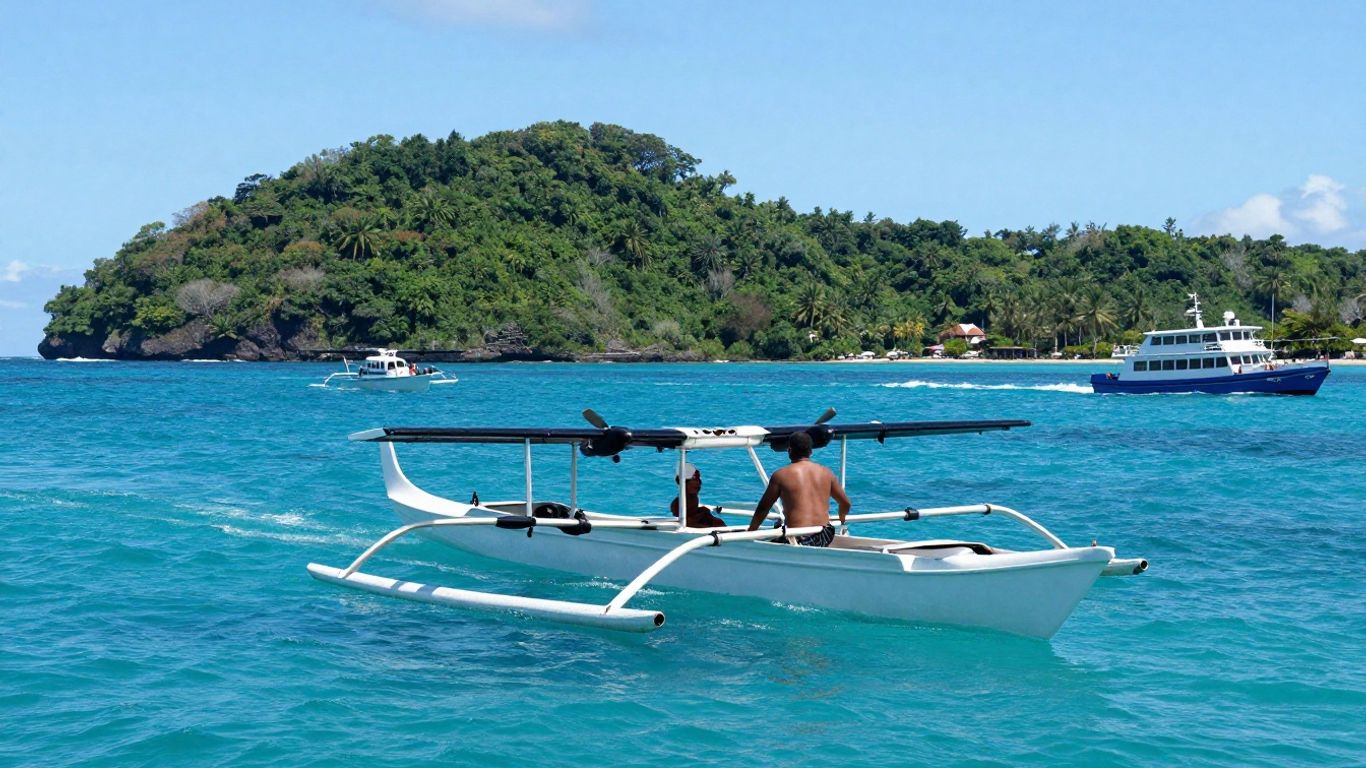
Life in Tuvalu often revolves around community events. If there’s a local celebration, a church gathering, or even just a casual get-together, showing up with a friendly attitude is usually welcome. Ask around at your accommodation or chat with locals you meet – they’ll often know what’s happening. Remember, it’s about participating and showing genuine interest, not just observing.
Tuvaluans have a strong sense of community, and visitors who show respect for their traditions and engage with them openly are often met with incredible warmth and hospitality. It’s a chance to experience a different pace of life and gain a new perspective.
Learn a few basic Tuvaluan phrases: "Talofa" (hello), "Ko raba" (thank you), and "Manuia" (cheers/good luck) will be appreciated.
Dress modestly when visiting villages or attending events: While beachwear is fine for the beach, cover up a bit more when interacting in other settings.
Ask before taking photos: Always seek permission before snapping pictures of people, especially children.
Must-Have Items to Pack When Flying to Tuvalu
Packing for Tuvalu isn’t your typical vacation prep—it’s more like prepping for a remote island sleepover where convenience stores are about as rare as snow. What you put in your bag will make or break the trip. Forgetting a few basics might leave you hunting down supplies from friendly locals or paying top dollar at tiny shops with slim pickings. Here’s what you’ll actually use and what you’ll be glad to have when you’re there.
Beach and Snorkeling Essentials
Tuvalu’s draw is the water, no question. Even if you’re not a hardcore swimmer, prepare to get salty:
Lightweight, quick-drying towel (it gets damp and stays damp if you don’t)
Reef-safe sunscreen—there’s hardly anywhere to re-stock
Snorkel mask and fins if you want to explore the fringing reef, since rentals are patchy
Rash guard or swim shirt for extra sun protection
Simple waterproof dry bag for stashing your phone or cash when wading
The reef out here isn’t just for snorkeling—at low tide, you can wander tidal pools, check out wild little shells, and spot crabs. You’ll end up barefoot a lot, so keep slippers or water shoes handy so you’re not stepping on sharp coral.
Health and Hygiene Musts for Remote Islands
You’ll sweat, you’ll get sandy, and the store might be out of basics, so pack like you’re camping:
Small first aid kit (plasters, painkillers, antiseptic wipes)
Insect repellent —the mosquitoes can be relentless after rain or at dusk
Travel-size soap, shampoo, and a couple of packs of tissues (for rare public restrooms)
Reusable water bottle (tap water is sometimes fine, but ask locally)
Hand sanitizer—shops and restaurants may not always provide it
Preparing for Limited Services and Shops
Internet might be slow or expensive. Services can be spotty; guesthouses run out of things. Here’s what regular travelers wish they’d packed (or packed more of):
Universal power adapter (Tuvalu uses Australian plugs, but availability is not guaranteed)
Extra phone charging cable (bendy plastic ones tend to break)
Snacks: nuts, bars, or anything small; shops mostly sell basics
Lightweight rain jacket for sudden downpours
Flip-flops AND sturdy sandals (roads are bumpy and muddy after rain)
When you’re done packing, look again and take out anything you don’t really need. Lighter bags mean easier island hopping—and more room for those random souvenirs locals might give you.
Traveling to Tuvalu isn’t just about what tropical outfits to wear. It’s about covering the basics and giving yourself some peace of mind when there’s nowhere to buy the extras. If you’re ready, you’ll be free to enjoy the lazy beach days, reef wanderings, and spontaneous village get-togethers without scrambling for stuff. Happy packing!
Planning a trip to Tuvalu? Don’t forget the essentials! Packing the right items can make your island adventure smooth and enjoyable. From sun protection to comfortable footwear, we’ve got you covered. Make sure you have everything you need for a fantastic time. For a complete checklist and more travel tips , visit our website today!
Wrapping Up Your Tuvalu Adventure
So, there you have it—flying to Tuvalu isn’t your average trip, but that’s kind of the point. It’s a place where things move slow, the beaches are real and lived-in, and you’ll probably end up chatting with locals over a plate of fresh fish before you know it. Sure, the flights can be a bit of a puzzle and the weather might throw you a curveball, but if you roll with it, you’ll get stories and memories you won’t find anywhere else. Pack light, keep your plans flexible, and don’t stress about the little stuff. Tuvalu rewards the curious and the patient. By the time you’re watching the sun set over the lagoon, you’ll wonder why you didn’t come sooner. Safe travels, and enjoy every minute—quirks and all.
What’s the best way to get to Tuvalu?
Getting to Tuvalu usually involves flying. Flights land at Funafuti International Airport. You’ll likely need to connect through another country, as there aren’t many direct flights. It’s a good idea to check with airlines that fly to the Pacific region to see which ones stop in Tuvalu.
Do I need a visa to visit Tuvalu?
Many visitors can enter Tuvalu without a visa for short stays. However, rules can change, so it’s super important to check the latest requirements for your nationality before you book your trip. Make sure your passport is valid for at least six months after you plan to leave.
When is the best time to visit Tuvalu?
The dry season, from May to October, is generally the best time to visit. The weather is a bit nicer with less rain, making it perfect for exploring beaches and enjoying outdoor activities. The wet season can bring heavy rain and more humidity.
What should I expect at Funafuti International Airport?
Funafuti International Airport is quite small. When you arrive, you’ll go through immigration and customs. It’s a simple process. There aren’t a lot of fancy shops or services, so be prepared for a more basic experience. Getting to your hotel is usually easy, with taxis or pre-arranged transport available.
What kind of places can I stay in Tuvalu?
Accommodation in Tuvalu is mostly simple and friendly. You’ll find local guesthouses and small lodges, especially around Funafuti. Don’t expect luxury resorts; instead, think cozy, clean places where you can meet other travelers and get a feel for island life. Booking in advance is usually a good idea.
What are some important things to know about safety and health in Tuvalu?
The sun in Tuvalu is very strong, so always wear sunscreen, a hat, and sunglasses. Drink plenty of bottled water to stay hydrated. While Tuvalu is generally safe, it’s always smart to keep an eye on your belongings. Jellyfish can sometimes be in the water, so it’s good to ask locals if they’ve been seen recently.