Thinking about heading to Fiji? It’s a beautiful place, for sure, but like any trip, a little planning goes a long way. Forget those super fancy, honeymoon-only guides; we’re talking practical Fiji travel tips that actually help. Whether you’re trying to save a few bucks or just want to make sure you don’t forget something important, these hacks should make your island adventure a whole lot smoother. Let’s get into it!
Key Takeaways
Pack reef-safe sunscreen to protect Fiji’s delicate marine life.
Carry cash, as credit card fees can add up, and some outer islands have limited ATM access.
Grab a free tourist SIM card upon arrival and top it up yourself to save on data costs.
Pack light, especially if you plan on island hopping via small boats or the Yasawa Flyer.
Book accommodation in advance, and consider one-coconut options for more budget-friendly stays.
1. Pack Reef-Safe Sunscreen
Okay, so you’re heading to Fiji – awesome! One thing you absolutely need to pack, and I mean really need to pack, is sunscreen. But not just any sunscreen. You’ve got to go for the reef-safe kind.
Why? Because Fiji’s coral reefs are ridiculously beautiful, like something out of a movie. And the chemicals in regular sunscreens? They can really mess up the coral, making it sick and bleached. It’s a pretty big deal for the whole ecosystem. So, doing your part by choosing a sunscreen that doesn’t harm the ocean is a no-brainer.
Look for sunscreens that are "oxybenzone-free" and "octinoxate-free." These are the main culprits that damage coral. You can find plenty of options online or at outdoor gear stores.
Mineral-based sunscreens: These use zinc oxide and titanium dioxide. They sit on top of your skin and act as a physical barrier.
Biodegradable formulas: Check the label for terms like "reef-friendly" or "biodegradable."
Water-resistant options: You’ll be in and out of the water, so make sure it stays on.
Seriously, make this a priority before you even think about packing your flip-flops. It’s a small change that makes a huge difference for the places you’re going to visit.
The health of Fiji’s marine life depends on us making conscious choices. Even small actions, like choosing the right sunscreen, contribute to preserving these underwater wonders for future generations. It’s about respecting the environment that makes Fiji so special.
Don’t forget to reapply often, especially after swimming or sweating. You don’t want to end up with a nasty sunburn on top of everything else!
2. Bring Cash
While credit cards are accepted in many tourist spots, especially larger resorts and shops in places like Nadi and Port Denarau, you’ll find that cash is still king in many parts of Fiji. Don’t rely solely on plastic; make sure you have enough Fijian dollars on hand for smaller vendors, local markets, and especially for island hopping. Many smaller islands and remote resorts may not have card facilities, or they might add a significant surcharge for using them, sometimes as high as 3-5%. This can quickly eat into any travel rewards you might have earned.
ATMs are available in major towns and at the airport, but they can be few and far between once you venture out to the outer islands, like the Yasawa chain. It’s a good idea to withdraw a decent amount of cash before you leave the mainland. You’ll find plenty of ATMs at Nadi International Airport and around Port Denarau, which is a good starting point.
Here’s a quick rundown of why cash is handy:
Local Markets: Buying fresh fruit, souvenirs, or local crafts is often a cash-only affair.
Smaller Establishments: Many guesthouses, local eateries, and smaller tour operators prefer or only accept cash.
Island Transfers: Some smaller boat transfers or local transport might require cash payment.
Tips: While not always expected, tipping local guides or staff is easier with cash.
Fiji isn’t exactly a budget destination, and prices can be higher than in some other Southeast Asian or Pacific countries due to its remote location and reliance on imports. Having cash readily available helps you manage your spending and avoid unexpected fees or the frustration of finding an ATM out of order when you really need it.
3. Get A Free Tourist SIM Card
When you land in Fiji, one of the first things you’ll want to sort out is staying connected. Luckily, Fiji makes it super easy for visitors to get online. Both Vodafone and Digicel have booths right at Nadi International Airport, and they offer a free tourist SIM card to all travelers. It usually comes with a bit of data to get you started, which is handy for checking maps or sending a quick message.
Don’t let them upsell you on expensive data packages at the airport. While they’ll likely offer you deals, you can get much better rates by topping up your SIM card yourself later. It’s a simple process and can save you a good chunk of change.
Here’s a quick rundown:
Where to get it: Vodafone or Digicel kiosks at Nadi International Airport (NAN).
What you get: A free tourist SIM card, often with a few gigabytes of data included.
What to avoid: Pre-packaged, overpriced data plans offered at the airport.
What to do instead: Get the free SIM, then top it up yourself at a local shop or online for better value.
Keep in mind that cell service can be a bit spotty once you venture out to the more remote islands, especially in the Yasawa chain. But for the main islands like Viti Levu, it’s generally pretty decent. Having a local SIM means you can easily use data for navigation, looking up information on the go, or sharing your amazing travel photos without relying solely on Wi-Fi.
Staying connected makes a big difference when you’re exploring. Having a local SIM card means you can easily look up bus schedules, find directions, or even book last-minute activities without hunting for Wi-Fi. It just makes things smoother.
4. Top Up Your SIM Card Data
So you’ve snagged that free tourist SIM card at the airport – nice move! Now, about getting that data flowing. While the free SIM is a great start, the included data usually won’t last you long, especially if you plan on doing anything more than the occasional text message. Don’t let the airport kiosks talk you into expensive pre-packaged data plans. They’re often marked up significantly for tourists.
Instead, here’s the smart way to do it:
Find a local shop: Look for official Vodafone or Digicel stores away from the airport, or even smaller local shops that sell top-up vouchers. These are usually much cheaper.
Buy a top-up voucher: These come in various denominations. Grab one that suits your budget and expected usage.
Scratch and dial: Most vouchers have a PIN number. You’ll scratch it off and then dial a specific code (usually provided with the voucher or on the provider’s website) to add the credit to your SIM.
Purchase data bundles: Once you have credit on your phone, you can then text a specific code or visit a provider’s app/website to buy a data package. These are almost always cheaper than the packages offered at the airport.
For example, a 30GB data package might cost around 35 FJD at the airport, but you could likely get the same for 10-15 FJD by topping up yourself. It really adds up!
Keep in mind that cell service can be spotty outside of the main islands. While you’ll likely have decent coverage on Viti Levu (where Nadi is), don’t expect lightning-fast speeds, or even a signal at all, on some of the more remote islands in the Yasawa or Mamanuca chains. It’s good to have a backup plan, like downloading offline maps or relying on Wi-Fi when available.
5. Pack Light For Island Transfers
When you’re planning to hop between Fiji’s stunning islands, think minimal with your luggage. Seriously, less is more when it comes to island transfers. Lugging heavy bags on and off small boats and ferries can be a real hassle. Many of the smaller inter-island boats and the larger ferries like the Yasawa Flyer require you to manage your own bags, and the process can get a bit chaotic, especially during busy periods.
Here’s a quick rundown of why packing light is a good idea:
Easier Handling: Maneuvering suitcases on and off boats is much simpler with lighter loads.
Reduced Stress: Less to carry means less to worry about when you’re trying to catch a connection or find a seat.
Quicker Boarding: You’ll spend less time struggling with your luggage and more time enjoying the views.
Comfort: You’ll feel more mobile and less encumbered as you explore different islands.
Think about using a backpack or a duffel bag that’s easy to carry. If you absolutely must bring more, consider what you can leave behind or store at your mainland accommodation. You’ll find that most resorts provide amenities, so you won’t need to pack your entire bathroom cabinet. Remember, you’re heading to paradise, so try to keep your travel as breezy as the Fijian air. Packing smart means more time soaking up the sun and less time wrestling with your gear. For tips on what to bring, check out essential items for Fiji .
The transition between islands often involves smaller vessels and potentially crowded docks. Being able to easily manage your belongings will make these movements much smoother and more enjoyable. Don’t let heavy luggage weigh down your island adventure.
6. Book Accommodation In Advance
Okay, so Fiji is pretty amazing, right? But here’s a little secret: booking your stay ahead of time is a really smart move , especially if you’re traveling during peak season or have your heart set on a specific resort.
Think about it – Fiji is a popular spot, and those charming beachfront bungalows or unique island stays can fill up faster than you can say "Bula!" Trying to wing it last minute might leave you with fewer options, or worse, stuck in a place that’s not quite what you pictured. Plus, booking early often means you can snag better rates. It’s like getting a little head start on your vacation savings.
Here’s a quick rundown of why it’s a good idea:
Secures your preferred spot: Get that room with the ocean view you’ve been dreaming about.
Potentially saves money: Early bird deals are a real thing, and you avoid last-minute price hikes.
Reduces travel stress: One less thing to worry about when you land.
Allows for better planning: You can coordinate transfers and activities more smoothly.
Sometimes, especially on the smaller islands, accommodation packages might include meals. It’s always a good idea to check what’s included in your booking to avoid any surprises when you get there. Understanding the full cost upfront makes budgeting way easier.
Fiji offers a range of places to stay, from fancy resorts to more laid-back guesthouses. Some places even have a "coconut" rating system, where fewer coconuts mean a more budget-friendly option, maybe with shared bathrooms or cold showers. If you’re looking to save some cash, researching these "one-coconut" places can be a great way to go. Just remember, the more unique or sought-after the place, the quicker it’s likely to book out. So, get clicking and secure your slice of paradise!
7. Consider One-Coconut Accommodation
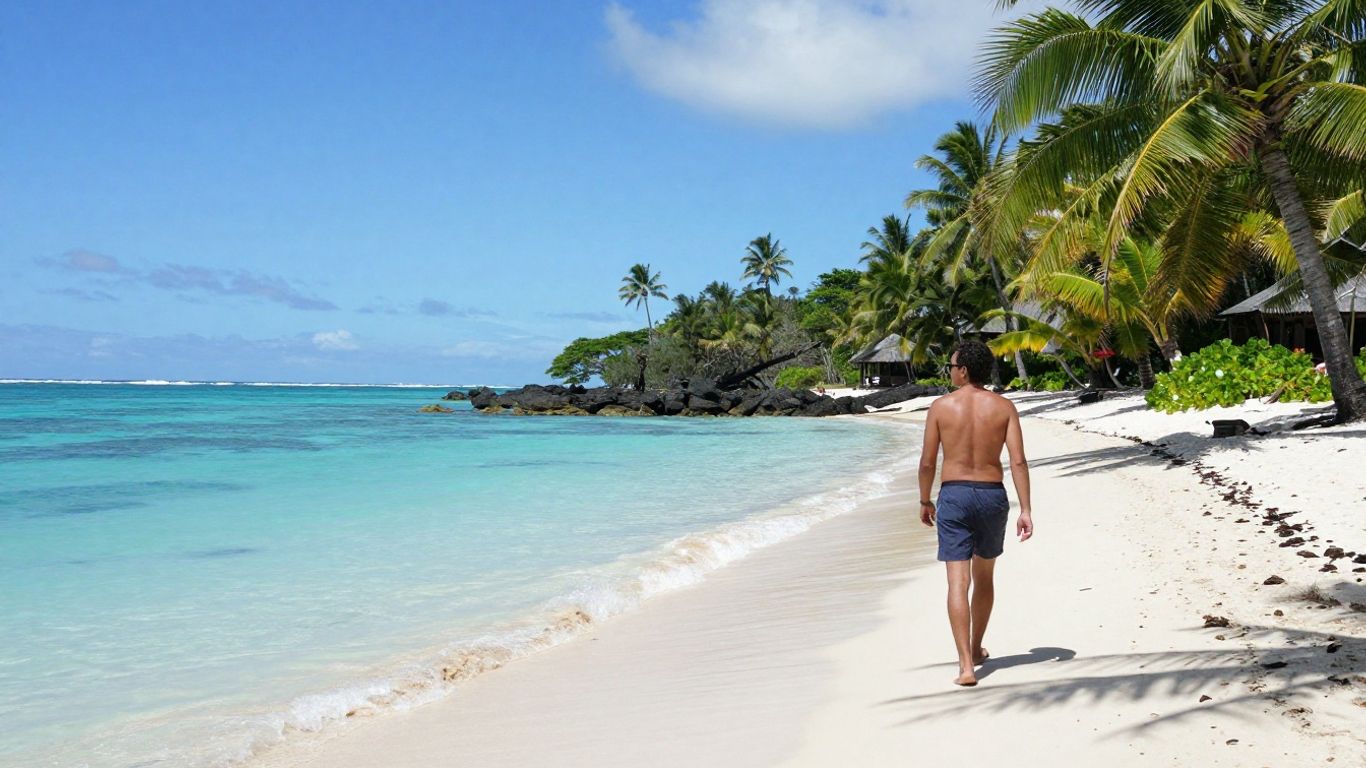
When you’re planning a trip to Fiji, especially if you’re looking to save some cash, you might hear about one-coconut’ accommodation. It’s basically Fiji’s way of grading places to stay, with one coconut being the most budget-friendly option. Think simple dorms or basic bungalows, often with cold water showers. It’s not fancy, but it gets the job done if you’re just looking for a place to crash after a day of exploring.
This is a great way to stretch your travel budget further, allowing you to stay longer or spend more on experiences.
Here’s what you might find with one-coconut stays:
Basic sleeping quarters: Often dorm-style rooms, but sometimes private bungalows that are very no-frills.
Shared facilities: Expect shared bathrooms and toilets, and sometimes communal kitchen areas.
Limited amenities: Things like air conditioning or hot water might be rare, with cold water showers being common.
Focus on location: These places are often situated in stunning island locations, giving you direct access to beaches and local life without the hefty price tag.
It’s important to read the descriptions carefully, as some places might include mandatory meal plans that add to the cost. Always check the fine print to avoid surprises. While it might not be luxurious, one-coconut accommodation offers a genuine, down-to-earth experience of Fiji, letting you connect more with the local vibe and save money for activities like diving or island hopping.
If you’re someone who prioritizes experiences over luxury and doesn’t mind roughing it a bit, this is definitely the way to go. It’s all about soaking in the Fijian atmosphere without breaking the bank.
8. Fly To Fiji Using Points
Thinking about a trip to Fiji but wincing at the ticket prices? You’re not alone. Flights to this island paradise can add up quickly, but there’s a smart way to make it happen without breaking the bank: travel points. Many airline loyalty programs, especially those partnered with major carriers, allow you to redeem accumulated points for flights to Fiji. It’s a fantastic way to turn those everyday purchases into a tropical getaway.
Redeeming points can significantly cut down the cash you need to spend on airfare.
Here’s a quick rundown on how to approach it:
Identify Your Points: Figure out which airline or credit card points you have. Common ones include Qantas Points, Velocity Points, or even general travel rewards cards. Check their redemption charts to see how many points are needed for a Fiji flight.
Search for Availability: Once you know your points balance, start searching for award flights on the airline’s website. Popular routes, especially from places like Australia and New Zealand, often have good availability, but booking in advance is usually best.
Consider Transfer Partners: If you have points with a credit card program (like American Express Membership Rewards), check if they partner with airlines that fly to Fiji. Sometimes transferring points can yield better redemption rates.
Factor in Fees and Taxes: Remember that even when using points, you’ll still need to pay taxes and carrier-imposed fees. These can vary, so be sure to check the total cost before booking.
Using points isn’t just about saving money; it’s about making that dream trip to Fiji a reality when the cash price seems too high. It takes a little planning, but the payoff is a much more affordable vacation.
9. Look For Flights Out Of LA
Getting to Fiji can be a big chunk of your travel budget, and honestly, I’ve never seen a flight there that I’d call super cheap. But, if you’re looking to save some cash, keeping an eye on flights departing from Los Angeles is a smart move.
North American travelers often find better deals from the West Coast. LAX, in particular, seems to get a lot of flights from various places, which can sometimes mean lower prices. You might even be able to do a little DIY planning, maybe a multi-city trip, to piece together a more affordable route.
Here’s a general idea of what you might see:
From Europe, getting to Fiji can be a bit more involved if you’re chasing a deal. Sometimes, flying via Asia and then connecting through Australia can be cheaper than a direct flight. Think about snagging a flight to Sydney for a good price, then hopping on a budget airline like Jetstar to Fiji. It’s a longer journey, for sure, but it can save you a good amount compared to the standard fares from London, for example.
While direct flights are convenient, sometimes the cheaper’ route involves a bit more planning and a longer travel time. It’s all about weighing up what’s more important to you – saving money or saving time.
10. Explore The Yasawa Islands
If you’re looking for that postcard-perfect Fiji experience, the Yasawa Islands are probably what you’re picturing. Think long stretches of white sand, water so clear and blue it almost doesn’t look real, and lush green hills rising up from the coast. It’s a chain of about 20 islands, and honestly, they feel a world away from the mainland.
Getting there usually involves a bit of planning. Most people take the Yasawa Flyer, a big catamaran ferry that runs daily from Port Denarau. It stops at pretty much every resort along the way, so it’s a great way to see a lot if you’re island hopping. Just a heads-up, it leaves pretty early in the morning, so if your flight into Nadi gets in late, you might miss it. In that case, a helicopter is an option, though it’s definitely pricier and gives you a different kind of view – a pretty amazing aerial one, though!
When you’re there, you’ll find a range of places to stay, from budget-friendly dorms to more upscale private bures. Some places even have meal plans included, which can be handy since options can be limited on the smaller islands. It’s worth checking out what’s included before you book.
Here’s a quick rundown of what makes the Yasawas special:
Stunning Beaches: Seriously, the sand and water here are next level. Perfect for just lounging or taking a million photos.
Island Hopping: The Yasawa Flyer makes it easy to visit a few different islands during your stay. Each one has its own vibe.
Underwater Wonders: Snorkeling and diving are big here. You might even get lucky and see some manta rays, especially around certain times of the year.
Relaxed Pace: Life moves a lot slower here. It’s the perfect place to disconnect and just soak in the tropical atmosphere.
Deciding which islands to visit can be tough because there are so many beautiful options. It’s a good idea to do a little research beforehand to match the island’s vibe with what you’re looking for in a vacation. Some are known for their quiet beaches, others for their diving spots or lively social scenes.
11. Visit The Mamanuca Islands
Okay, so you’ve heard about the Yasawas, but don’t sleep on the Mamanuca Islands either! They’re super close to the mainland, making them a really easy first stop or a quick getaway if you’re short on time. Think postcard-perfect beaches, clear blue water that’s just begging you to jump in, and a vibe that’s way more relaxed than you might expect.
Getting there is a breeze. Most people hop on a ferry from Port Denarau, and it’s a pretty short ride. You’ve got options for day trips if you just want a taste, or you can book a stay on one of the islands for a few nights. Some of the islands are pretty developed with resorts, while others feel a bit more untouched.
What’s the big draw? Well, besides the obvious stunning scenery, the Mamanucas are fantastic for a few things:
Snorkeling and Diving: The coral reefs here are pretty healthy, and you can see a ton of colorful fish. It’s not quite the Yasawa’s level of remote beauty, but it’s still really good and accessible.
Surfing: If you’re into catching waves, this is your spot. There are breaks for different skill levels, and it’s a popular place for surf schools.
Island Hopping: Because they’re so close together, you can easily hop between a few different islands in a day or two to get a feel for what each one offers.
Seriously, the water clarity in the Mamanucas is unreal. You can see straight to the bottom in most places, which just adds to the whole tropical dream.
A lot of visitors skip the Mamanucas because they’re so close to Nadi and Port Denarau, thinking they’re too "touristy." But honestly, they offer a really convenient and beautiful introduction to Fiji’s island life. Don’t dismiss them just because they’re easy to get to!
12. Go Hiking
Fiji isn’t just about beaches and resorts, you know. There’s a whole other side to explore, and honestly, hiking is one of the best ways to see it. The islands have these cool volcanic craters, waterfalls that look like they’re straight out of a movie, and coastlines that are just ruggedly beautiful. You can totally do some of these trails on your own, but for the tougher ones, it’s smart to grab a guide. They know the land, the plants, and can tell you stories about the place while you’re walking. Plus, they make sure you don’t get lost, which is always a win.
When you’re planning your trek, remember that the dry months, from May to October, are your best bet. The weather is usually pretty nice then, not too hot and not too rainy, making it perfect for being outdoors. You’ll want to pack smart, though. Think sun protection – a hat, sunscreen, the works. And maybe a light waterproof jacket, just in case the weather decides to do its own thing. It’s also a good idea to check the weather forecast before you head out.
Here are a few things to keep in mind for your hike:
Sun Protection: Seriously, don’t skimp on this. A wide-brimmed hat and good sunscreen are non-negotiable.
Hydration: Bring plenty of water. You’ll be working up a sweat.
Footwear: Sturdy shoes are a must. You don’t want to be slipping around.
Insect Repellent: Mosquitos can be a bit of a nuisance, especially in the evenings.
Fiji’s interior offers a different kind of beauty. Think lush rainforests, hidden waterfalls, and panoramic views that you just can’t get from the beach. It’s a chance to connect with nature and see a side of the islands that many visitors miss. Plus, the exercise is a nice bonus after all that delicious Fijian food!
If you’re looking for some specific spots, consider trails around the Garden of the Sleeping Giant or explore some of the less-visited paths on the larger islands. You might even find some local guides offering tours that combine hiking with cultural insights. It’s a great way to get a feel for the real Fiji, away from the tourist crowds. You can find some great guided tours if you look into Fiji’s natural attractions .
13. Take A Day Trip To An Island
So, you’re in Fiji, and the mainland is cool and all, but let’s be real, the islands are where it’s at. You don’t have to commit to a full island-hopping adventure to get a taste of paradise. A day trip is a fantastic way to see a different side of Fiji without all the logistical headaches.
Think about it: you can wake up, grab some breakfast, and then hop on a boat for a few hours to a nearby island. You could be lounging on a beach you’ve only seen in pictures, snorkeling in water so clear you can see your toes, or just soaking up the sun with a good book. It’s the perfect way to break up your mainland stay or just get a quick island fix.
Many resorts and tour operators offer these day excursions. They often include boat transport, lunch, and sometimes even some activities like kayaking or paddleboarding. It’s a pretty sweet deal when you consider you get to experience a whole new environment for the day.
Here are a few ideas for what a day trip might look like:
Island Beach Escape: Spend the day on a pristine, uninhabited island. Pack a picnic, swim, sunbathe, and just enjoy the peace.
Snorkel Safari: Head to a known reef spot for some incredible underwater views. Many tours provide gear, so you don’t have to worry about a thing.
Cultural Visit: Some day trips might take you to a local village on a smaller island, offering a glimpse into Fijian life beyond the resorts.
When planning, check what’s included. Some trips are super basic, just getting you there and back, while others are more like all-inclusive mini-vacations. Figure out what you’re looking for and book accordingly. It’s a great way to see more without the commitment of a longer stay.
14. Go Diving Or Snorkelling
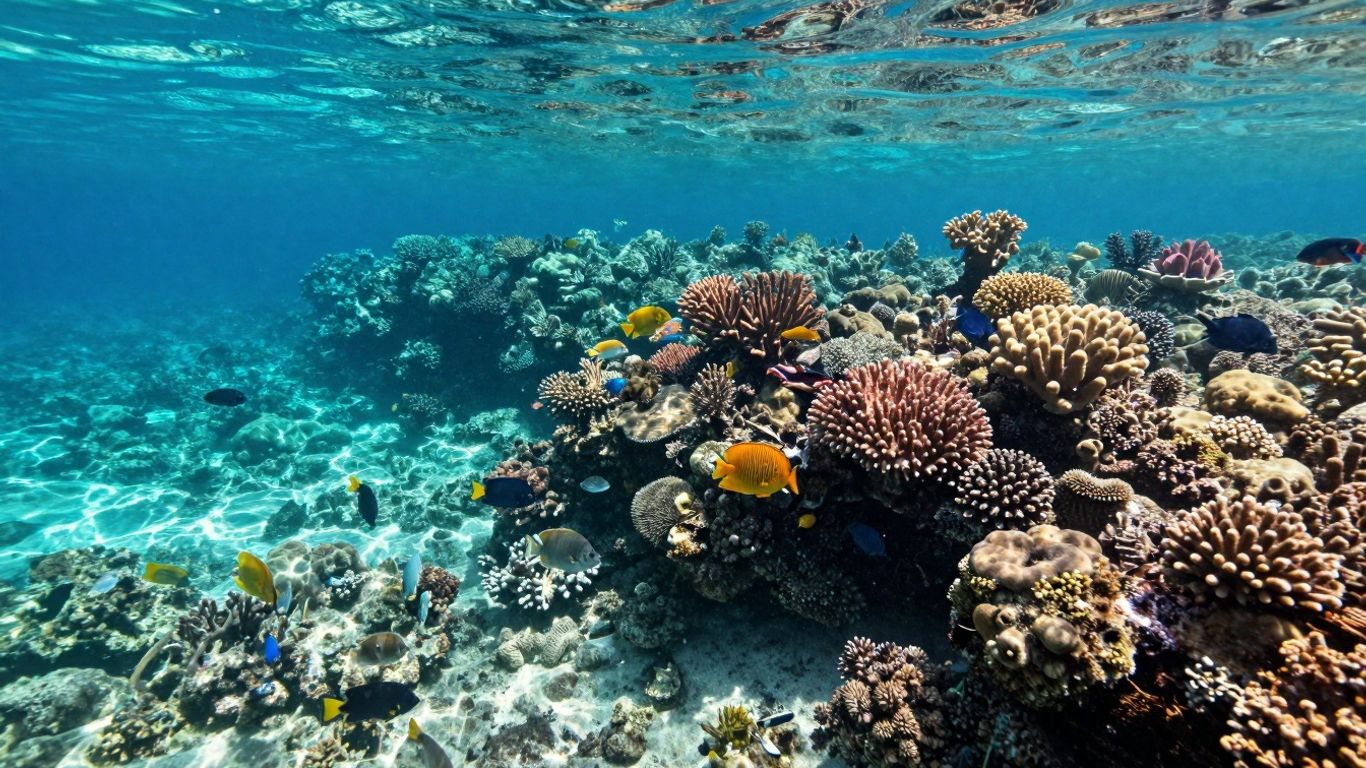
Fiji is basically a giant aquarium, and you absolutely have to get in it. Whether you’re a seasoned diver or just want to float around with a mask and snorkel, the underwater world here is something else.
The coral reefs are just bursting with color and life. Seriously, it’s like swimming through a rainbow. You’ll see all sorts of fish – tiny, bright ones darting around, bigger ones cruising by, and if you’re lucky, maybe even a reef shark or two (don’t worry, they’re usually more scared of you).
Here are a few things to keep in mind:
Reef-Safe Sunscreen is a Must: Seriously, don’t skip this. Regular sunscreen can mess up the coral, and we want to keep this place beautiful, right?
Choose Your Spot: The Mamanuca and Yasawa Islands are famous for their clear waters and amazing reefs. You can find spots for all skill levels.
Consider a Boat Trip: Lots of day trips include snorkeling or diving stops. It’s a super easy way to see a few different spots and meet other travelers.
The water clarity in Fiji is often incredible. You can see so much detail on the coral and all the little fishies swimming around. It really feels like you’ve stepped into another world, one that’s super peaceful and vibrant all at once. Just remember to breathe and take it all in.
If you’re really into it, some spots are world-renowned. The Great White Wall, for example, is famous for its soft corals that turn white in the currents. It’s a bit of a trek to get there and you have to time it right with the tides, but people say it’s totally worth it. You might even see coral spawning if you time it around a full moon – pretty wild!
15. Swim With Manta Rays
Okay, so you’re in Fiji and you’ve heard about swimming with manta rays. It’s a pretty incredible experience, honestly. These gentle giants are just amazing to see up close. The best time to catch them is usually between May and October , when they tend to hang out in certain channels. It’s not really about diving with them, more like snorkeling. You’ll find that some resorts, like Mantaray Island Resort, are right in the thick of it. They even have ways of letting guests know when the rays have shown up, which is pretty cool.
Here’s a quick rundown of what to expect:
Location: Look for channels where manta rays are known to feed. These are often in specific areas, especially around the Yasawa Islands.
Timing: The season generally runs from May to October, but it’s always good to check locally for the most up-to-date information.
The Experience: It’s mostly a snorkeling activity. You’ll get into the water and observe these magnificent creatures as they glide by. It’s a really peaceful encounter.
It’s not just about the mantas, though. The whole vibe of being out on the water, in that clear Fijian sea, is pretty special. You might even see other cool marine life while you’re out there. It’s definitely one of those pinch-me moments you’ll want to remember.
Remember that these are wild animals in their natural habitat. It’s important to be respectful of their space and follow any guidelines provided by your tour operators. The goal is to observe them without disturbing their behavior or the environment. This approach helps protect these amazing creatures for future visitors.
If you’re planning a trip and want to make sure you’re in the right place at the right time, doing a bit of research beforehand is a good idea. Some places are known for their manta ray encounters, and knowing where to go can make all the difference. You can find more details about specific locations and best times to visit online.
16. Visit The Garden Of The Sleeping Giant
If you’re looking for a break from the beaches and the ocean, the Garden of the Sleeping Giant is a fantastic spot to check out. It’s located not too far from Nadi, making it an easy trip if you’re staying in that area. This place is basically a huge botanical garden, and it’s really pretty.
What’s cool about it is that it’s home to over 30 different types of orchids. Seriously, they’re everywhere, and they come in all sorts of colors and shapes. It’s not just orchids, though; there are tons of other tropical plants and flowers too. The whole place is set up on a hillside, so you get some nice views as you wander around.
Here’s what you can expect:
A peaceful escape: It’s a really calm and quiet place, perfect for a bit of relaxation.
Beautiful flora: Get ready to see a lot of vibrant flowers and lush greenery.
Great photo opportunities: The colors and scenery make for some really nice pictures.
The main path winds through the jungle, leading you to a stunning collection of orchids. It feels like you’ve stepped into another world, away from the usual tourist hustle. It’s a good reminder that Fiji has more to offer than just its coastline.
The air here is thick with the scent of blossoms, and the sounds of the jungle are all around you. It’s a sensory experience that’s quite different from the salty air of the coast. Take your time, breathe it in, and just enjoy the natural beauty.
17. Go To Big Bula Water Park
If you’re looking for some fun in the sun that doesn’t involve the ocean, Big Bula Water Park on Denarau Island is a solid choice, especially if you’ve got kids in tow. It’s basically Fiji’s answer to a splashy good time, and honestly, it’s pretty impressive.
This place boasts the world’s largest permanent inflatable water park, which is quite a claim to fame. Think giant slides, obstacle courses that will test your balance, and plenty of pools to cool off in. It’s the kind of place where you can easily spend a few hours just bouncing around and trying not to fall into the water – though, let’s be real, falling in is half the fun, especially when it’s warm out.
Here’s a quick rundown of what you can expect:
Massive Inflatables: Seriously, they’re huge. You can climb, slide, and jump your way across them.
Water Slides: Plenty of twists and turns to get your adrenaline going.
Obstacle Courses: Test your agility and see if you can make it through without taking a dip.
Swimming Pools: For when you just want to relax and float.
It’s a great spot to break up the beach days and offers a different kind of tropical fun. Just remember to bring your swimwear and a towel, and be ready for some laughs.
While it’s a fantastic spot for families, adults can have a blast here too. Don’t let the water park’ label fool you into thinking it’s just for little ones. The sheer scale of the inflatables is entertaining for all ages, and it’s a good way to get some energy out before a nice dinner.
18. Explore Port Denarau Marina
Port Denarau Marina is basically the gateway to Fiji’s stunning outer islands, and honestly, it’s a pretty happening spot. It’s where all the big ferries and catamarans depart for the Mamanuca and Yasawa island chains, so there’s always a buzz of people heading off on adventures.
If you’re not immediately hopping on a boat, the marina itself is a nice place to hang out for a bit. You can wander around and check out all the impressive yachts and boats docked there. It’s also got a bunch of shops, cafes, and restaurants, so you can grab a bite to eat or do a bit of duty-free shopping before you head out or if you’re just visiting for the day.
While Port Denarau is a major hub for island transfers and has resort amenities, many travelers find the real Fiji charm lies beyond the mainland. It’s a convenient starting point, but don’t let it be your only stop.
It’s a good place to get a feel for the island vibe and maybe pick up some last-minute souvenirs. Plus, there are often live sports being shown at the local golf course’s clubhouse, and the nightlife options on Denarau Island are pretty decent if you’re looking for a bit of evening entertainment. It’s definitely worth a stroll, even if you’re just waiting for your ferry.
19. Go Ziplining
If you’re looking for a bit of an adrenaline rush while you’re in Fiji, you absolutely have to try ziplining. It’s a fantastic way to see the island’s lush interior from a whole new perspective. Imagine soaring through the rainforest canopy, with the wind in your hair and incredible views all around. It’s pretty exhilarating!
Most ziplining tours are located on the main island of Viti Levu, often near the Coral Coast or Nadi. They usually involve a series of cables strung between platforms built high up in the trees. You’ll get geared up with a harness and helmet, and then it’s time to fly!
Here’s what you can generally expect:
Safety Briefing: Before you even get near a zip line, you’ll get a thorough rundown on how everything works and what safety measures are in place. They really emphasize this, which is good.
The Ride: You’ll be clipped onto a cable and then off you go! The lines can vary in length and speed, offering different thrills.
Amazing Views: You get a bird’s-eye view of the jungle, waterfalls, and sometimes even the ocean. It’s a unique way to appreciate Fiji’s natural beauty.
It’s a great activity for couples or even solo travelers looking for a bit of adventure. Just be sure to wear comfortable clothing and closed-toe shoes. Some operators might have weight or age restrictions, so it’s worth checking that beforehand.
Ziplining isn’t just about the thrill; it’s also a chance to connect with Fiji’s natural environment in a really active way. You’ll get to see parts of the island that are hard to reach otherwise, all while getting your heart pumping.
20. Take A Quadbike Tour
If you’re looking to get off the beaten path and see a different side of Fiji, a quadbike tour is a fantastic option. These tours usually take you inland, away from the typical tourist spots, giving you a chance to explore the lush countryside, ride through local villages, and maybe even splash through some streams. It’s a really fun way to experience the landscape and get a bit of an adrenaline rush at the same time.
Most tours will provide you with a quadbike, helmet, and some basic instructions. You don’t need any special skills, just a willingness to get a little dusty and have a good time. The guides are usually locals who know the area well and can share insights about the culture and environment.
Here’s what you can generally expect:
Scenic Routes: Tours often wind through tropical forests, along coastal tracks, and past local farms.
Cultural Immersion: You might stop in a village to see how Fijians live, offering a glimpse into daily life.
Adventure Elements: Expect some bumpy terrain, stream crossings, and open trails that let you pick up the pace.
Quadbiking is a great way to see parts of Fiji that aren’t easily accessible by car or foot. It’s an adventure that combines exploration with a bit of excitement, perfect for those who want a break from the beach.
It’s a good idea to wear clothes you don’t mind getting dirty, and bring sunglasses and maybe a bandana to keep dust out of your face. Some tours might offer opportunities to swim in natural pools or waterfalls, so a swimsuit could be a good idea too.
Ready for Your Fiji Adventure?
So there you have it – a bunch of tips to help make your trip to Fiji smoother and maybe even a little cheaper. It’s easy to get overwhelmed with all the planning, but hopefully, these little tricks cut through the noise. Fiji is an amazing place, and with a little bit of know-how, you can really make the most of it. Don’t forget to pack smart, keep an eye on your spending, and most importantly, soak in all that incredible island beauty. We can’t wait to hear all about your adventures when you get back!
What’s the best way to stay connected in Fiji?
Grabbing a free tourist SIM card when you arrive is a smart move. You can pick one up at the airport. Just remember to top it up yourself with data instead of buying expensive packages at the store. This way, you’ll save a good chunk of change and stay connected without breaking the bank.
Should I bring cash to Fiji?
Absolutely! Cash is really important in Fiji. Many hotels and places add extra charges if you use a credit card, and some islands don’t have ATMs at all. It’s best to get cash from ATMs at the airport or Port Denarau, and bring enough with you for your island hopping adventures.
How can I save money on accommodation in Fiji?
Look for one-coconut’ accommodations. These are usually the most budget-friendly options, often featuring dorms or basic rooms. While they might not have all the fancy amenities, they offer a more affordable way to experience Fiji, especially if you’re exploring different islands.
Is it expensive to travel around Fiji?
Fiji can be a bit pricey, especially for lodging. Things often cost more because they have to be imported. Budgeting around 200 Fijian dollars a day for a more basic trip or 500 Fijian dollars for a comfier experience is a good starting point. Factor in costs for island transfers, as these can add up.
What should I pack for Fiji?
Don’t forget reef-safe sunscreen to protect the coral when you’re swimming or diving! Also, pack light, especially if you plan on island hopping, as you’ll be getting on and off boats a lot. It’s also a good idea to bring essential toiletries and any specific items you might need, as they can be hard to find outside the main islands.
Are there affordable ways to fly to Fiji?
Keep an eye out for flights from major hubs like Los Angeles, San Francisco, or Vancouver, as they sometimes have better deals. Using travel points or miles from airline loyalty programs can also significantly cut down the cost of your flights.