

So, you’re thinking about Fiji backpacking? Awesome choice! This island paradise is more than just pretty beaches; it’s a whole vibe. Imagine turquoise waters, lush green interiors, and people who greet you with a genuine smile. Whether you’re after adventure, relaxation, or a deep dive into culture, Fiji has something for every kind of traveler. ).
Key Takeaways
When planning your Fiji backpacking trip, research island culture and customs to ensure respectful interactions. Understanding visa and health requirements is also key.
Budgeting is important for Fiji backpacking.
Pack light and smart for Fiji’s tropical climate, focusing on breathable clothing, reef-safe sunscreen, and waterproof protection for your valuables.
Getting around Fiji involves a mix of public buses, taxis, ferries, and potentially car rentals. Managing your luggage, especially for island hopping, is a practical consideration.
Fiji offers various accommodation options, from hostels for social travelers to guesthouses for a local feel. Always prioritize safety and book ahead when possible.
Planning Your Fiji Backpacking Adventure
Getting ready for Fiji is half the fun, honestly. It’s not just about tossing a few things in a bag and hopping on a plane. You’ve got to do a bit of homework first to make sure your trip goes off without a hitch. Think of it as setting the stage for an amazing island experience.
Researching Island Culture and Customs
Before you even think about packing, take some time to learn about Fijian culture. These islands have a rich history and unique traditions, and showing you know a little goes a long way. It’s about respect, really. Things like knowing when to dress modestly, especially when visiting villages, or understanding the significance of a kava ceremony are super important. It helps you connect with people on a deeper level and avoid any awkward moments. You’ll find that a little effort here makes a huge difference in how you’re received.
Understanding Visa Requirements and Health Advisories
This is the practical stuff, but it’s vital. You’ll want to check out the latest visa rules for your nationality well in advance. Don’t leave this to the last minute! Also, look into any health advisories. Are there any vaccinations recommended or specific health precautions you should take? Staying on top of this means you can focus on the fun stuff once you arrive. It’s always better to be prepared, and official government travel sites are usually the best place to get this info.
Learning Essential Fijian Phrases
Seriously, a simple Bula! (hello) or Vinaka (thank you) can bring a smile to someone’s face and make interactions much warmer. It shows you’re making an effort to connect with the local way of life. You don’t need to be fluent, but picking up a few key phrases can really enrich your experience and make you feel more at home.
Being prepared before you go means you can truly relax and soak in the Fijian way of life once you’re there. It’s about setting yourself up for a smooth and memorable journey, allowing you to focus on the incredible beauty and culture that awaits.
Crafting Your Fiji Backpacking Budget
While it’s not quite as wallet-friendly as some Southeast Asian destinations, it’s definitely doable without breaking the bank. A good starting point for a comfortable trip is around $50 USD per day , but you can slash that if you’re savvy.
Estimating Daily Expenses for Accommodation and Food
Hostels are your best bet for meeting people and keeping expenses low, often around $10-$15 USD a night. Guesthouses and budget resorts offer a bit more comfort and local flavor, usually in the $15-$30 range. Food can also be super cheap if you embrace local markets and street food – think delicious, filling meals of fish and starchy vegetables for just a few dollars. Eating at resort restaurants will, of course, add up quickly.
Factoring in Transportation and Activity Costs
Getting around Fiji has options. On the main islands, local buses and shared taxis are very inexpensive for short hops. Activities like SCUBA diving or guided tours can be pricey, so decide which experiences are most important to you. Trekking and visiting national parks are generally more affordable. If you’re looking for a premium tropical escape with exquisite accommodations and unique cultural experiences, Fiji offers compelling options.
Allocating Funds for Unexpected Expenses and Travel Insurance
It’s always smart to have a buffer for the unexpected. Maybe a ferry is delayed, or you decide on a last-minute excursion. A good rule of thumb is to add an extra 10-15% to your total estimated budget. It’s a wise investment for any trip, especially when you’re exploring remote islands.
Planning your budget ahead of time means you can relax more once you’re there. Knowing what you can afford helps you make choices about where to stay, what to eat, and which adventures to embark on, ensuring a more enjoyable and stress-free experience.
Essential Packing for Fiji Backpacking
Packing for Fiji is all about balancing preparedness with keeping your load light. The tropical climate means you’ll want fabrics that breathe and dry fast. Think light cottons, linens, and quick-dry synthetics. A good rain jacket is a must, even in the dry season, as weather can change quickly.
Lightweight and Breathable Clothing Choices
When choosing what to wear, focus on comfort in the heat and humidity. You’ll likely live in shorts, t-shirts, and sundresses. For evenings or visiting villages, having a couple of longer options like a sarong or light trousers is a good idea. Don’t forget swimwear, of course!
T-shirts and tank tops
Shorts and skirts
Lightweight trousers or a sarong
Swimsuits
A light long-sleeved shirt for sun protection
Reef-Safe Sunscreen and Insect Repellent
Protecting yourself from the sun and bugs is key to enjoying your trip. Fiji’s sun is strong, so high SPF sunscreen is non-negotiable. Opting for reef-safe formulas helps protect the delicate marine ecosystems you’ll be exploring. Similarly, a good insect repellent will keep mosquitoes at bay, especially during dawn and dusk.
High SPF reef-safe sunscreen
After-sun lotion or aloe vera
Insect repellent with DEET or picaridin
Waterproof Pouches for Documents and Chargers
Keeping your important items safe and dry is a priority. A few waterproof pouches will be incredibly useful for protecting your passport, phone, and any electronics from humidity, rain, or accidental splashes. This also helps keep things organized, so you’re not digging through your bag for your travel insurance details when you need them.
Consider leaving your main, bulky backpack in storage at the airport if you plan on island hopping extensively. A smaller daypack or duffel bag will be much easier to manage on ferries and smaller boats, and you’ll find you really only need swimwear and light clothing for most island stays. This can save you a lot of hassle and make transfers much smoother.
Waterproof phone case
Dry bag for electronics and valuables
Ziploc bags for smaller items
Navigating Fiji’s Islands and Transport
Getting around Fiji is part of the adventure, and with over 300 islands, you’ll definitely be spending time on boats! Don’t let the logistics stress you out; it’s all part of the experience.
Utilizing Public Buses and Taxis

On the main island, Viti Levu, public buses are a budget-friendly way to travel between towns and villages. They run pretty frequently on major routes, offering a scenic glimpse into local life. Just be aware that schedules can be a bit flexible, especially outside of the main hubs. Taxis are readily available too, particularly in towns and at the airport. Always agree on your fare before you hop in , as meters aren’t always used. It’s a good idea to have smaller bills handy for these shorter trips.
Exploring Car Rentals and Ferry Services
If you’re looking for more freedom on Viti Levu, renting a car is an option. Keep in mind that road conditions can vary, and driving on some outer islands might be challenging. For island hopping, the ferry system is your best friend. Companies like Awesome Fiji operate services connecting many of the popular islands, especially the Mamanuca and Yasawa groups. You can often purchase a Bula Pass’ which allows you to hop on and off between islands over a set period, similar to a bus pass. This is a fantastic way to explore at your own pace. These flights offer incredible aerial views of the islands, which can be quite a sight reaching Fiji’s outer islands.
Managing Luggage for Island Hopping
When you’re moving between islands, packing light is key. Most ferries and smaller boats have limited space. Think about using duffel bags or backpacks that are easy to manage rather than rigid suitcases. If you’re taking a ferry, you’ll often transfer from the main vessel to smaller boats to reach your final accommodation, so having your gear easily accessible is a big plus. Consider what you’ll truly need for each island and try to consolidate. It makes getting on and off boats so much simpler.
’ Patience is a virtue here, and things might not always run exactly to the minute. Embrace the relaxed pace; it’s part of what makes Fiji so special.
Accommodation Options for Backpackers
When you’re backpacking Fiji, finding the right place to stay can really shape your trip. Forget those fancy, over-the-top resorts for a moment; Fiji actually has some great spots that won’t drain your wallet and will give you a real feel for the place.
Hostels for Meeting Fellow Travelers
Hostels are your go-to for meeting other travelers. They’re usually the cheapest option, with dorm beds sometimes going for as little as $10 USD. Many hostels are found in places like Nadi, which is often your first stop, or on popular island chains like the Yasawas and Mamanucas. These places are fantastic for swapping stories and planning your next adventure with new friends. Some hostels even offer meal plans, which can be convenient, though sometimes eating out locally is cheaper.
Guesthouses and Budget Resorts for Local Flavor
You might find these in local villages or on islands that aren’t as heavily touristed. Staying in these places often means you get a more authentic experience, maybe even sharing meals with the family that runs the place. It’s a nice way to connect with Fijian hospitality. Keep in mind that on the islands, accommodation is often rated by a coconut system rather than stars, so a 2 coconut place is usually a good budget option.
Prioritizing Safety and Booking in Advance
No matter where you choose to stay, safety is always a good thing to think about. Stick to places that feel secure and well-managed. For popular spots, especially during peak times, it’s wise to book ahead. This is particularly true if you’re aiming for specific islands or well-known backpacker hubs. Remember that on many islands, ATMs are rare, so having cash is important. Also, be prepared for island life – things like electricity might come from generators, and you might see a lizard or two in your room. It’s all part of the adventure!
When island hopping, remember that you’ll often take a larger boat between islands and then a smaller one to reach your specific resort. Depending on the weather, these smaller boat transfers can be a bit bumpy, especially if you’re carrying a lot of gear. Packing light, perhaps with just one main backpack, can make these transitions much smoother.
Safety Considerations for Fiji Backpacking
Fiji is generally a welcoming place for travelers, and most visits are trouble-free. However, like any destination, it’s smart to be aware and take sensible precautions to ensure your trip is as safe and enjoyable as possible. Thinking ahead about safety means you can relax and really soak in the amazing experiences Fiji has to offer.
General Precautions for Solo Travelers
When you’re exploring on your own, a little extra awareness goes a long way. Stick to well-lit areas, especially after dark, and keep your valuables secure. It’s a good idea to be mindful of who you share your travel plans with; sometimes, it’s best to keep those details to yourself until you get to know someone.
Secure your belongings: Use hotel safes or lockable compartments in your accommodation. Keep an eye on your bags in crowded places.
Be aware of your surroundings: Pay attention to what’s happening around you, especially in busy markets or when walking at night.
Trust your gut: If a situation feels off, it probably is. Don’t hesitate to remove yourself from it.
Staying Informed About Local Conditions
Things can change, so staying updated is key. This could mean checking the weather forecast before heading out on an island-hopping adventure or being aware of any local advisories. Your accommodation can often be a good source of current information.
Keeping up with local news or advisories can help you avoid unexpected disruptions and ensure you’re prepared for any changes in weather or local events. It’s a simple step that contributes significantly to a smoother journey.
Keeping Emergency Contacts Accessible
It’s always wise to have important contact information readily available. This includes local emergency numbers, your country’s embassy or consulate, and your travel insurance provider. Having these details handy can make a big difference if you ever need assistance.
Discovering Fiji’s Off-The-Beaten-Path Treasures
While Fiji’s famous islands offer stunning beauty, there’s a whole other side to this archipelago waiting for those willing to explore a bit further. Venturing beyond the usual tourist trails can lead to some truly memorable experiences and a deeper connection with the islands.
Venturing Beyond Popular Tourist Hotspots
Many travelers stick to the Mamanuca and Yasawa Islands, which are beautiful, no doubt. But if you’re looking for a more authentic feel, consider heading to islands like Taveuni, known as the Garden Island,’ or exploring the less-visited parts of Vanua Levu. These places often have quieter beaches and a more relaxed pace of life. You might find yourself sharing a stretch of sand with only a few locals, which is a pretty special feeling.
Taveuni: Famous for its waterfalls and lush interior.
Kadavu: A larger, less developed island offering incredible diving and birdwatching.
Ovalau: Home to the historic Levuka town, Fiji’s former capital, offering a glimpse into colonial history.
Exploring Inland Waterfalls and Rainforests
Fiji isn’t just about beaches; its interior is a vibrant tapestry of green. The rainforests are teeming with life, and hiking through them can be incredibly rewarding. You’ll find hidden waterfalls where you can take a refreshing dip, far from any crowds. Colo-i-Suva Forest Park, not too far from Suva, is a great example, with well-marked trails leading to lovely swimming spots.
Remember to pack sturdy shoes for hiking and insect repellent. The humidity can be intense, so staying hydrated is key. Always let someone know where you’re going and when you expect to be back, especially if you’re hiking solo.
Engaging with Local Villages and Communities
One of the most enriching aspects of traveling off the beaten path is the chance to connect with Fijian people. Visiting local villages, especially those not on the main tourist routes, offers a genuine cultural exchange. You might be invited to share a meal or witness daily life. Always approach villages with respect, dress modestly, and ask permission before taking photos. It’s a good idea to bring a small gift, like school supplies for children or something practical for the village elders. This simple gesture can go a long way in building goodwill. You can often arrange village visits through local guides or by asking your accommodation provider for recommendations on local transport options to reach these areas.
Experiencing Fiji’s Natural Wonders
Fiji is so much more than just postcard-perfect beaches, though those are pretty amazing too. The islands are bursting with diverse landscapes, from the deep green of the rainforests to the vibrant blues of the ocean. It’s a place where you can really get out and explore.
Exploring Diverse Landscapes from Beaches to Jungles
Sure, you’ll want to spend time soaking up the sun on famous stretches of sand, but don’t stop there. Fiji’s interior holds a different kind of magic. Think lush jungles, winding rivers, and hidden waterfalls just waiting to be discovered. The contrast between the coast and the inland areas is striking, offering a full spectrum of natural beauty.
Trekking and Birdwatching in Lush Rainforests
If you’re up for a bit of adventure, the rainforests are calling. Trails wind through dense foliage, leading to spectacular viewpoints or cool, refreshing swimming holes. Keep an eye out for the unique birdlife; Fiji has some endemic species you won’t find anywhere else. It’s a great way to escape the heat and experience a different side of the islands. For a truly immersive experience, consider a guided trek to places like Colo-i-Suva Forest Park, where local guides can point out the flora and fauna and share stories about the reserve. You might even stumble upon lesser-known waterfalls.
Respecting Marine Life While Snorkeling and Diving
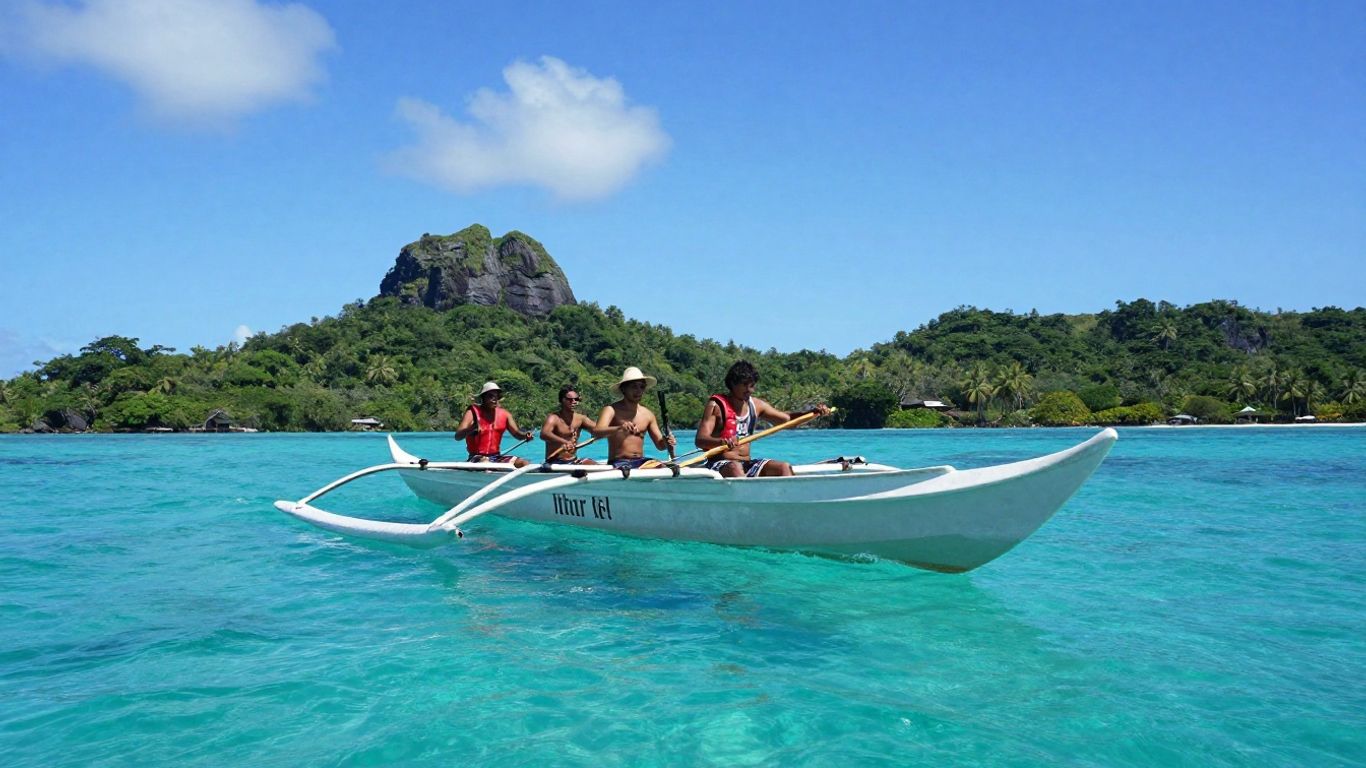
Fiji’s underwater world is legendary. The coral reefs are teeming with life, making snorkeling and diving here an absolute must. The clarity of the water often makes it feel like you’re swimming in an aquarium. When you’re exploring beneath the waves, remember to be a mindful visitor. Avoid touching the coral – it’s a living organism – and never feed or disturb the fish. The goal is to appreciate this incredible ecosystem without impacting it. If you’re looking for some of the best spots, the waters around Kadavu are known for the Great Astrolabe Reef, offering fantastic opportunities for snorkeling and diving.
When exploring Fiji’s natural beauty, whether on land or in the water, always practice responsible tourism. This means leaving no trace, respecting local environments, and supporting sustainable practices. It helps keep these amazing places pristine for future visitors and for the local communities.
Immersing Yourself in Fijian Culture
Fiji is more than just stunning beaches and clear blue water; it’s a place with a rich cultural tapestry that’s incredibly welcoming to visitors. To truly get a feel for the islands, you’ve got to dive into the local way of life. It’s not just about seeing things; it’s about experiencing them firsthand.
Participating in Traditional Kava Ceremonies
One of the most iconic Fijian experiences is participating in a kava ceremony. Kava, a drink made from the root of the pepper plant, has a calming effect and is central to social gatherings and ceremonies. When you’re invited to share a bowl, it’s a sign of respect and welcome. You’ll typically be offered a coconut shell cup, or bilo’.
Accept the bilo: When kava is offered to you, accept it with both hands if possible.
Drink it down: Drink the entire contents of the bilo in one go. It has an earthy taste, so brace yourself!
Give thanks: After drinking, clap three times and say Bula! (meaning hello’ or cheers’).
It’s a ritual that goes beyond just drinking; it’s about community and connection. Don’t be shy; joining in is a fantastic way to feel part of the local scene. You can find opportunities to experience this on many islands, often arranged through local guides or accommodations.
Understanding Local Customs and Etiquette
Respecting local customs is key to a positive experience. When visiting villages, it’s customary to bring a gift, often a bundle of yaqona (kava root), as part of a sevusevu’ ceremony. This shows you acknowledge and respect their community. Always dress modestly when entering villages – think covering your shoulders and knees. It’s also polite to remove hats and sunglasses before entering a village.
Remember that Fijian culture places a high value on community and family. Showing respect for elders and traditions will go a long way in building positive interactions.
When interacting with people, a friendly Bula! (hello) is always appreciated. Learning a few basic Fijian phrases can make a big difference. For instance, Vinaka means thank you. Being mindful of these small details shows you’re making an effort to connect, and locals will appreciate it immensely. You might even be invited for tea or to a local church service, which are wonderful opportunities to learn more about daily life.
Connecting with the Warmth of Fijian Hospitality
Fijians are renowned for their warmth and hospitality, often referred to as Fiji Time. This isn’t just about a relaxed pace; it’s a genuine friendliness that makes visitors feel at home. Don’t be surprised if you’re invited into someone’s home or strike up a conversation with someone on the street. These spontaneous interactions are often the most memorable parts of a trip.
Be respectful: Always show respect for local customs and elders.
Be present: Slow down and enjoy the moment; don’t rush your interactions.
Whether you’re sharing a meal, listening to stories, or simply exchanging smiles, the genuine kindness of the Fijian people is something special. It’s this human connection that truly makes a trip to Fiji unforgettable. For those looking to go beyond the typical tourist spots, consider exploring Viti Levu’s interior for a more in-depth cultural immersion.
Best Times to Visit Fiji for Backpackers
Figuring out when to visit Fiji can really make or break your trip, especially when you’re backpacking and trying to get the most bang for your buck. It’s not just about sunshine; it’s about avoiding those drenching downpours that can cancel boat trips and keep you stuck indoors. The weather patterns here are pretty distinct, and knowing them can help you plan a smoother, more enjoyable adventure.
Navigating the Wet Season for Fewer Crowds
However, this season also brings higher humidity and a greater chance of heavy rain, sometimes in the form of tropical storms or even cyclones. If you’re not too bothered by the occasional downpour and prefer a quieter experience, this could be your window. Just be prepared for potential disruptions to outdoor activities.
Embracing the High Season for Optimal Weather
This is when the weather is typically at its best: warm, sunny, and with lower humidity. It’s the perfect time for hitting the beaches, snorkeling, diving, and island hopping without much worry about the rain. The downside? Booking flights and accommodation well in advance is a good idea if you plan to visit during these months.
Considering Shoulder Seasons for a Balanced Experience
These shoulder seasons often provide a good balance. It’s a bit of a gamble, as the weather can be transitional, but it can lead to a more budget-friendly and less congested trip. Plus, you might find that some activities are easier to book, and the general atmosphere is a bit more laid-back than during the absolute peak.
Here’s a quick look at the general breakdown:
Best weather, most activities available, but also most crowded and expensive.
A mix of weather possibilities, fewer crowds than high season, and potentially better deals.
Ultimately, the best’ time depends on what you’re looking for. If perfect weather is your absolute priority and you don’t mind the crowds, aim for the dry season. If you’re on a tighter budget and don’t mind a bit of rain, the wet season can be rewarding. The shoulder seasons offer a compromise that many backpackers find works well.
Embrace the Bula Spirit
So, there you have it – your guide to backpacking Fiji. It’s a place that truly invites you to slow down, soak in the stunning scenery, and connect with its warm people. While it might take a bit more planning than some other backpacker hubs, the rewards are immense. From vibrant coral reefs to lush interiors and the genuine smiles of the locals, Fiji offers an experience that stays with you long after you’ve left its shores. Bula!
Is Fiji an expensive place to backpack?
Fiji isn’t as cheap as some places in Asia, but it’s definitely doable on a budget! You can find hostels for around $10 a night and grab tasty street food for just a few dollars. Camping is also an option if you want to save even more cash.
Is Fiji safe for solo travelers?
Yes, Fiji is generally very safe for travelers, even if you’re on your own. The local people are incredibly friendly and welcoming. Just use common sense, like staying aware of your surroundings, especially at night, and keeping your valuables secure.
What’s the best time of year to visit Fiji?
Shoulder seasons can offer a good balance.
What should I pack for Fiji?
Pack light, breathable clothes made from quick-dry materials. Don’t forget reef-safe sunscreen, insect repellent, a waterproof bag for your electronics, and a basic first-aid kit. A reusable water bottle is also a good idea.
How do I get around Fiji?
On the main islands, public buses are a cheap way to travel, though schedules can be a bit unpredictable. For island hopping, ferries are the main way to go, and you can also rent cars on some islands.
What kind of places can I stay in Fiji?
Hostels are fantastic for meeting other travelers and are usually budget-friendly. You can also find guesthouses and smaller resorts that offer a more local feel. It’s a good idea to book accommodation in advance, especially during busy times.
Should I learn any Fijian phrases?
Learning a few basic phrases like Bula’ (hello) and Vinaka’ (thank you) goes a long way! It shows respect for the local culture and can lead to warmer interactions with the Fijian people.
What are some must-do cultural experiences in Fiji?
Participating in a traditional Kava ceremony is a unique cultural experience. It’s also wonderful to visit local villages, learn about their customs, and simply connect with the incredibly warm and welcoming Fijian people.
Confirm current details
Confirm current schedules, prices, availability, conditions and local guidance directly with the responsible official source or provider before making a nonrefundable plan.