Planning a trip to Fiji sounds amazing, right? Crystal clear water, white sandy beaches, and that famous Bula’ spirit. But like any trip, there are a few little things that can trip you up if you’re not careful. I’ve gathered some common Fiji travel mistakes that people make, so hopefully, you can avoid them and have an even better time. Think of this as your cheat sheet to a smoother island getaway.
Key Takeaways
Don’t get swayed by unofficial local tours; stick to reputable operators for safety and clarity on what you’re getting.
Pack plenty of bug spray! Mosquitoes and other insects are common, and hotel prices for essentials can be high.
Fiji isn’t always a budget destination, so research costs for accommodation and activities beforehand.
Island hopping takes time. Factor in longer travel durations between islands to avoid rushing your experience.
Always bring a small gift when visiting local villages to show respect and appreciation for their hospitality.
1. Don’t Let Locals Talk You Into Unofficial Tours
When you arrive in Fiji, you’ll likely meet friendly locals eager to share their island home with you. While many have good intentions, it’s wise to be cautious about accepting impromptu tour offers, especially from taxi drivers or hotel staff who aren’t officially licensed guides. These "unofficial" tours can sometimes lead to unexpected costs, a lack of proper safety measures, or a disappointing experience that doesn’t quite match what you were hoping for.
It’s generally safer and more reliable to book your excursions through your resort or a reputable tour operator. This way, you know exactly what you’re getting, the price is set upfront, and the guides are trained and insured.
Here’s why sticking to official channels is a good idea:
Clear Itinerary and Pricing: Official tours provide a detailed plan and a fixed cost, so there are no surprises along the way. You won’t have to worry about hidden fees popping up.
Safety Standards: Licensed operators adhere to safety regulations, which is especially important for activities like boat trips or visiting remote areas.
Authentic Experiences: Reputable tour companies often have established relationships with local communities, ensuring respectful and genuine cultural interactions.
Better Value: While unofficial tours might seem cheaper initially, they can end up costing more due to added expenses or a less-than-ideal experience.
While the spirit of generosity is strong in Fiji, it’s important to protect yourself and ensure you have the best possible vacation. Don’t be afraid to politely decline offers that feel uncertain and seek out the established, trusted options for your adventures.
2. Don’t Miss The Jewel of Fiji Tour
When planning your trip to Fiji, there’s one excursion that consistently gets rave reviews and for good reason: The Jewel of Fiji tour. This popular trip takes you to a stunning waterfall along the Navau River, offering a chance to experience the natural beauty of the islands up close. Many travelers, myself included, have regretted not prioritizing this specific adventure.
It’s easy to get sidetracked by local suggestions or what seems like a good deal, but sticking to well-regarded tours like this one is usually the best bet. The Jewel of Fiji tour often includes a village visit and a traditional kava ceremony, providing a deeper cultural immersion. Don’t let a taxi driver convince you they know a better’ waterfall; trust the award-winning experiences.
Here’s why it’s a must-do:
Spectacular Scenery: The main draw is the breathtaking waterfall, a perfect spot for photos and enjoying nature.
Cultural Insight: Experience a traditional Fijian village and participate in a kava ceremony, a significant part of local custom.
Award-Winning Reputation: This tour has received numerous accolades, indicating a high level of quality and visitor satisfaction.
If you’re looking for an authentic and memorable experience, make sure The Jewel of Fiji is on your itinerary. It’s a chance to see a different side of Fiji beyond the beaches and resorts. For more ideas on what to do, checking out local jungle treks can also be a great way to discover unique activities.
3. Don’t Forget Enough Bug Spray
Seriously, don’t underestimate the little critters in Fiji. I learned this the hard way, and let me tell you, coming home with legs that looked like a mosquito buffet is not a good souvenir. People warned me, but I figured a little spray would be enough. Nope. The humidity and lush greenery mean bugs are everywhere, especially at dawn and dusk. You’ll find them buzzing around your resort, near waterfalls, and even trying to sneak into your room.
The best defense is a good offense, so pack more repellent than you think you’ll need.
Here’s what to consider:
Type of Repellent: Look for products with DEET or Picaridin. Natural options can work, but you’ll need to reapply them much more frequently. Consider a spray for your body and clothes, and maybe a smaller one for your face and neck.
Application: Don’t just spray it on once and forget it. Reapply regularly, especially after swimming or sweating. Think of it like sunscreen – it wears off.
Other Defenses: Consider bringing repellent wipes for easy application on the go, or even those wearable repellent bracelets. Some people find them helpful.
Buying bug spray at your resort or local shops in Fiji can be surprisingly expensive, often double the price you’d pay at home. It’s much more budget-friendly to stock up before you leave. Plus, you’ll have more options to choose from.
Remember, a little preparation goes a long way in making sure your trip is about enjoying the beautiful scenery and not scratching an endless itch.
4. Don’t Skip Snorkeling Excursions
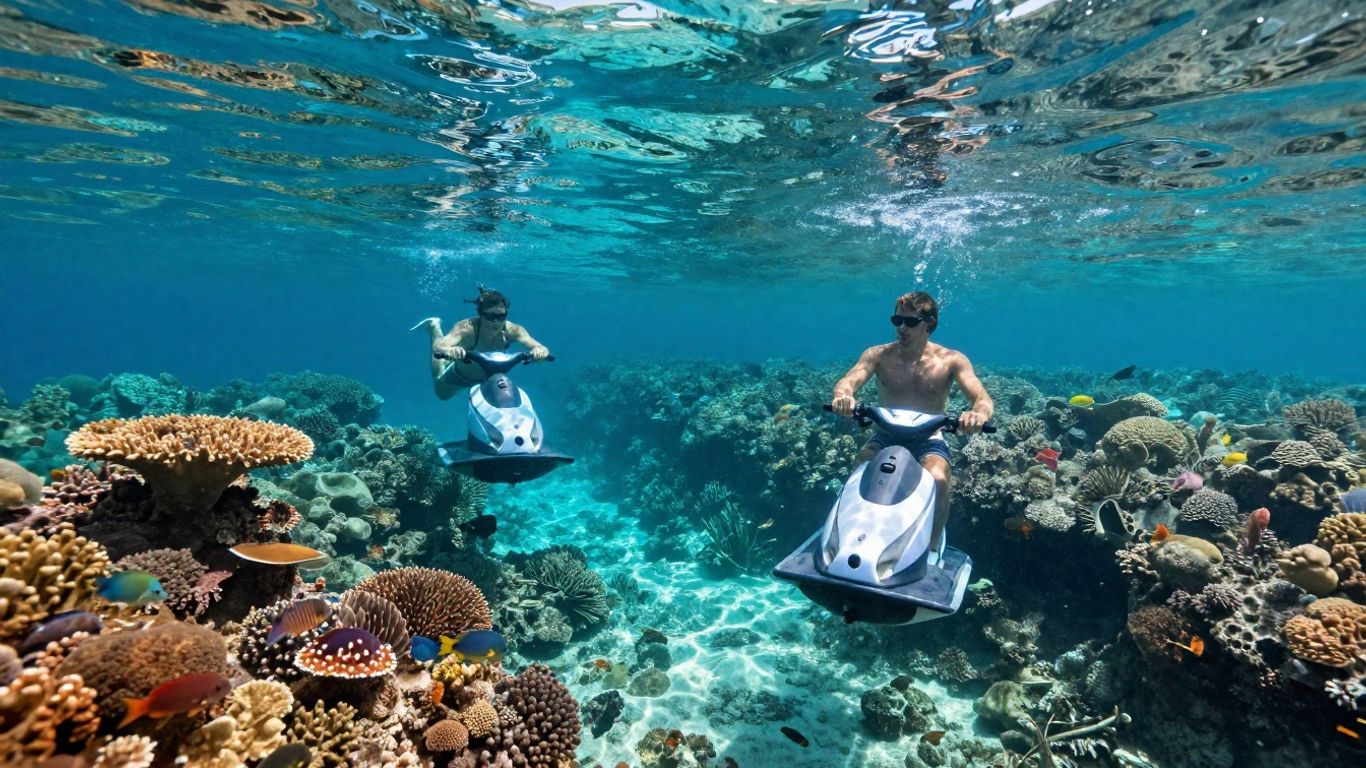
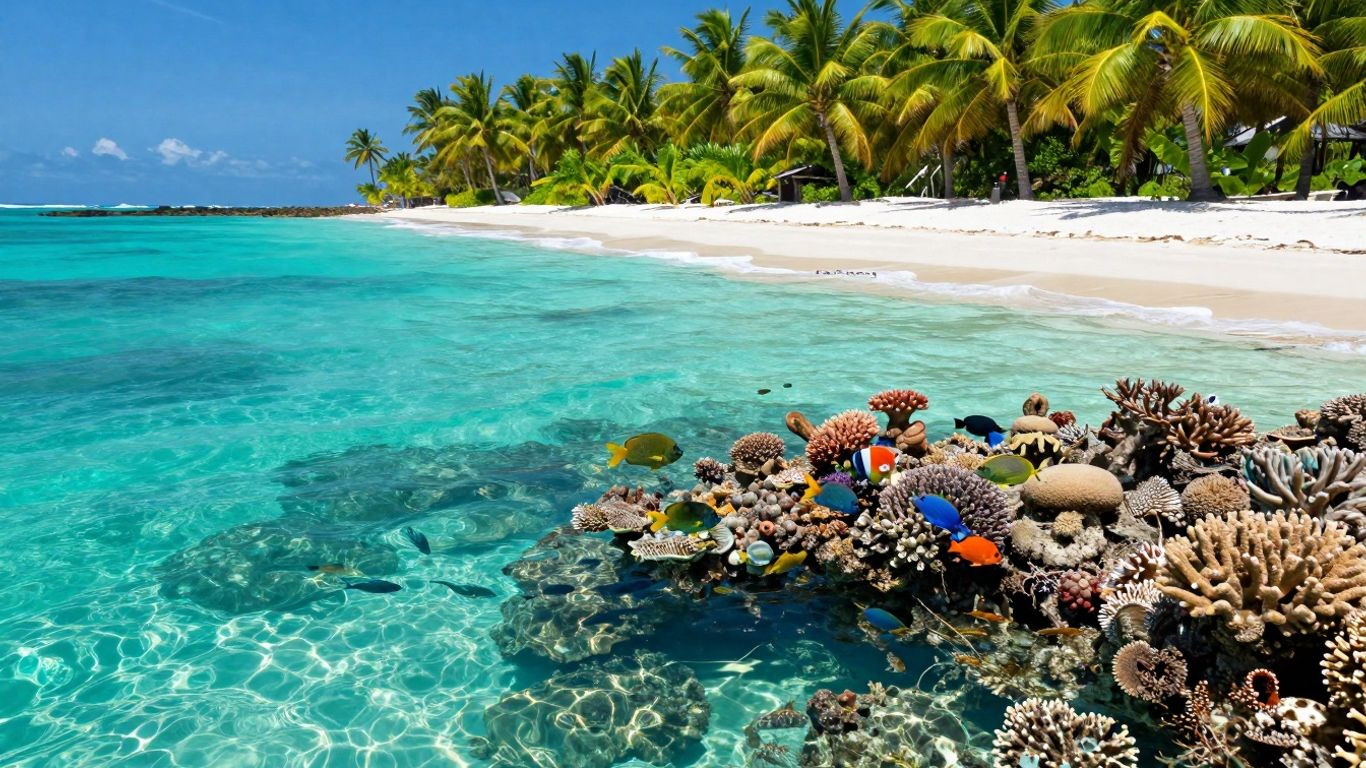
Fiji’s waters are world-renowned for a reason, and if you’re not getting in them to see what’s beneath the surface, you’re missing a huge part of the experience. Seriously, make time for snorkeling. Whether you’re staying at a resort with a reef right off the beach or taking a boat trip out to a more remote spot, the underwater world here is vibrant and teeming with life. Imagine swimming through schools of colorful fish, seeing intricate coral formations, and maybe even spotting a sea turtle gliding by. It’s like stepping into a living aquarium.
Many day trips and boat tours include snorkeling as a main activity. These excursions often take you to prime locations where the marine biodiversity is at its peak. You’ll find that the fish are often quite curious and will swim right up to you, creating an incredibly immersive experience.
Here are a few things to keep in mind:
Choose your location wisely: Some islands and areas have more accessible and vibrant reefs than others. Research which spots are known for great snorkeling.
Consider a boat tour: While beach snorkeling is great, boat tours can take you to secluded bays and further offshore reefs that are often more spectacular.
Go early in your trip: The weather in Fiji can be unpredictable. Planning your snorkeling adventure near the beginning of your stay gives you a buffer to reschedule if the conditions aren’t ideal on your first attempt.
The sheer abundance of marine life is astounding. You’ll see more fish than you thought possible, in every color imaginable. It’s a truly breathtaking sight that photos can’t quite capture.
Don’t just stick to the main islands either. Many of the smaller, outer islands offer pristine snorkeling opportunities with fewer crowds. It’s worth the extra travel time if you’re looking for a more secluded underwater paradise.
5. Don’t Expect Fiji To Be A Cheap Destination
While Fiji offers incredible beauty and experiences, it’s important to set realistic expectations regarding costs. It’s not quite the budget backpacker haven that some Southeast Asian destinations might be. Think of it more as a mid-range to luxury travel spot, especially if you’re coming from places like Australia or New Zealand where prices can seem comparable or even higher for similar goods and services back home.
Accommodation will likely be your biggest expense, and prices can climb quickly depending on the island and the level of luxury you’re after. Even simple meals and drinks can add up faster than you might anticipate.
Here’s a general idea of what to expect:
Beer: Around 5-6 FJD
Hostel Bed (per night): Starting from 55 FJD
Mid-range Meal: Roughly 20 FJD
Many resorts, particularly on the outer islands, operate on a mandatory meal plan system. This means you’ll pay a set daily rate for your breakfast, lunch, and dinner, which can be around $119 FJD per person per day, and this usually doesn’t include drinks. This is because these resorts are often the only option for dining on remote islands.
It’s wise to budget a bit more than you might initially think. Factor in not just accommodation and food, but also activities, transfers between islands, and any souvenirs. Planning ahead financially will help you relax and truly enjoy the Fijian paradise without any budget surprises.
6. Don’t Underestimate Island Transit Times

Fiji is an archipelago, meaning it’s made up of many islands. While this offers incredible diversity and beauty, it also means that getting from one place to another can take longer than you might expect. Don’t assume you can hop between islands quickly or easily. Travel between islands often involves ferries or small planes, and schedules can be affected by weather or local conditions.
If you’re planning to visit multiple islands, factor in significant travel time. A journey that looks short on a map can easily consume half a day or more once you account for getting to the port or airport, waiting for departure, the actual transit, and then reaching your final destination on the new island. This is especially true when island hopping around the Yasawa Islands, which can be a four-hour ferry ride from the mainland.
Here’s a general idea of what to expect:
Ferry Travel: Services connect major islands, but they aren’t high-speed. Think of it as a scenic journey, not a quick commute.
Domestic Flights: For longer distances or to reach more remote islands, small planes are an option. These are faster but also more expensive and subject to weather delays.
Inter-Island Boats: Smaller boats might be used for shorter hops, but they are less predictable and depend heavily on sea conditions.
When planning your itinerary, it’s wise to build in buffer time. Rushing between islands can lead to missed connections and a stressful experience, detracting from the relaxation you came for. Consider spending more time on fewer islands to truly soak in the Fijian atmosphere rather than spending your vacation in transit. For a balanced trip, aim for at least a week if you plan to see just a couple of spots, and longer if you want to explore more of what Fiji has to offer, like the diverse landscapes found in French Polynesia and Fiji.
Trying to see too much too quickly is a common pitfall. Instead, embrace a slower pace. If you want to experience different activities, look into day trips from your main accommodation rather than moving hotels every couple of days. This approach allows you to enjoy the islands without the constant packing and unpacking, and the time spent traveling between them.
7. Don’t Forget To Pack Bright Clothing
When you’re packing for Fiji, think vibrant! Fijians themselves often wear bright, bold colors, sometimes with tropical prints or Pacific Island patterns. Bringing along cheerful outfits will help you blend in and feel more at home, whether you’re at a beach bar, exploring towns, or even at a nice dinner.
Your wardrobe should be comfortable and suitable for the warm climate. Think light fabrics that breathe well. Here are a few ideas:
Dresses and skirts: Flowy, colorful options are perfect for daytime and can often be dressed up for evenings.
Shorts and t-shirts: Casual and practical for everyday wear.
Button-up shirts: Floral or patterned shirts add a fun touch and can be worn open over a t-shirt or buttoned up.
Sandals: Comfortable footwear is a must for walking around.
If your clothing covers your shoulders and knees, it’s also appropriate for visits to villages or churches, which is a respectful way to engage with local culture. So, don’t be shy – pack those bright pieces that make you feel good!
Remember that while casual wear is common, showing respect for local customs is important. Having a few outfits that are a bit more modest will be useful for certain occasions.
When packing for places like Labasa, Vanua Levu, light, breathable clothing is key. Don’t forget a hat and sunglasses to shield yourself from the strong sun. Pack light clothing for comfort.
8. Don’t Rely Solely On Hotel Shops For Essentials
While it’s tempting to think you can grab everything you need from your resort’s convenience store, it’s a gamble you shouldn’t take for all your supplies. Hotel shops in Fiji often have a limited selection and charge a premium for basic items. If you have specific toiletries, snacks, or medications you prefer, it’s far better to pack them from home. You’ll save money and avoid disappointment.
Many of the smaller islands, especially those that are privately owned or part of local communities, don’t have any shops at all. Relying on your hotel means you might miss out on items that are hard to find elsewhere. Think about things like:
Specific sunscreens (especially reef-safe options)
Personal medications
Favorite snacks or comfort foods
Insect repellent (a must-have!)
Any specialized gear you might need
It’s wise to do a quick inventory of your needs before you depart. Bringing a small stash of your must-haves can make a big difference in your comfort during your stay. For general travel preparedness, always check resources like Smartraveller for Fiji before you go.
While hotels will stock some common items, their availability and variety are often restricted. Planning ahead with your personal essentials ensures a smoother and more enjoyable trip, allowing you to focus on the beauty of Fiji rather than a last-minute hunt for a specific brand of toothpaste.
9. Don’t Visit Villages Without A Gift
When you get the chance to visit a Fijian village, it’s a really special opportunity to see a different side of island life. But, like many places, there’s a custom you absolutely need to know about before you go. Entering a village without a gift is considered disrespectful and can even be seen as trespassing.
This gift is called a sevusevu,’ and traditionally, it’s kava root. Kava is a drink made from a local plant, and it’s a big part of Fijian culture. When you arrive, you’ll present your gift to the village chief, the Turaga ni Koro. This act officially welcomes you into their community. Your resort staff can usually help you figure out what kind of gift is appropriate and where to get it, so don’t hesitate to ask them. They might even suggest buying something locally in Fiji rather than bringing it from home.
Here’s a quick rundown of what to expect:
The Sevusevu: This is the formal gift-giving ritual. It’s a sign of respect and a way to ask permission to enter the village.
What to Bring: While kava root is traditional, other suitable gifts might be suggested by your accommodation. It’s best to ask for advice.
The Welcome: After presenting your gift, you might be invited to share a kava drink with the villagers, which is a great way to connect.
Remember, this isn’t just about giving something; it’s about showing you respect their traditions and community. It’s a small gesture that makes a big difference in how you’re received and the experience you’ll have. It’s a chance to learn about Fijian culture firsthand, and doing it the right way makes it all the more rewarding.
10. Don’t Forget To Embrace The Bula Spirit
You’ll hear "Bula!" everywhere you go in Fiji, and it’s more than just a greeting; it’s a way of life. This word, meaning "hello" and "life," is the heart of Fijian hospitality. The genuine warmth and friendliness of the Fijian people are truly what make a trip here special. Don’t be shy; return the greeting with enthusiasm. It’s a simple gesture that opens doors and creates connections.
Fijians are known for their welcoming nature and are generally understanding if you’re not perfectly versed in local customs. However, a little effort goes a long way. Learning a few basic phrases can significantly enrich your interactions. "Vinaka" means "thank you," and "Moce" (pronounced "mo-they") means "see you later." These words, along with "Bula," will help you navigate many social situations with ease.
Music is also a huge part of the culture. You might be greeted with songs upon arrival, and impromptu sing-alongs can happen anywhere. Don’t be surprised if you find yourself clapping along to lively Fijian tunes. It’s all part of the immersive experience.
When visiting villages, remember that respect is key. While the "Bula Spirit" is about openness, certain customs should be observed. For instance, it’s customary to bring a small gift, often kava roots, when visiting a village as part of a sevusevu, or gift-giving ritual. Your accommodation can help you find appropriate items. This act shows respect for the community and their traditions. You can learn more about respectful village visits on Fiji’s cultural etiquette .
While Fiji is famous for its relaxed approach to time, often called "Fiji Time," don’t let that fool you into thinking things are disorganized. Many tourist services, especially transportation, are surprisingly punctual. Embrace the laid-back vibe, but be prepared for efficiency when it counts.
11. Don’t Neglect Dive Safety Procedures
Fiji is a world-class spot for diving, no doubt about it. The underwater scenery is just incredible. But, if you’re planning on exploring beneath the waves, it’s super important to pay attention to safety. There’s only one decompression chamber in all of Fiji, and it’s located way over in Suva. This means if something goes wrong, like getting the bends from surfacing too fast, help isn’t exactly around the corner.
So, what does this mean for you? It means you and your dive buddies need to be extra careful. Follow all the procedures your dive instructor tells you. This includes things like proper surface intervals between dives and making sure you ascend slowly. It’s not about scaring you off diving – it’s about making sure you have an amazing and safe time.
Here are a few things to keep in mind:
Always listen to your dive guide. They know the conditions and the best way to stay safe.
Understand your dive plan. Know your depth limits and how much air you have.
Don’t push your limits. If you’re feeling tired or uncomfortable, it’s okay to end the dive early.
Check your gear thoroughly before every single dive.
Being prepared and mindful of safety protocols is key to enjoying Fiji’s incredible underwater world without incident. It’s a small price to pay for peace of mind and a fantastic experience.
12. Don’t Assume All Islands Have Shops
When you picture Fiji, you probably imagine pristine beaches and swaying palm trees. And while that’s definitely part of the charm, it’s important to remember that many of the smaller, more remote islands are quite different from the mainland. Don’t expect every island to have a convenience store or even a small shop.
Many of the islands you’ll visit are privately owned by resorts or local communities. These places often import their goods, meaning they don’t typically have the kind of local shops you might find elsewhere. While you can usually pick up absolute basics like sunscreen or bug spray at your resort, the selection will be limited, and prices might be higher than you’d expect.
So, what does this mean for your packing list?
Toiletries: Bring any specific brands or types of toiletries you can’t live without. Don’t assume you’ll find your favorite shampoo or conditioner.
Snacks: If you have particular snacks that make your day, pack them! Island resorts might have some options, but they won’t be extensive.
Medications: Pack any personal medications, including pain relievers or allergy treatments, as these might be hard to source.
Specialty items: Think about any specific gear or items you might need for your activities that aren’t standard hotel fare. For instance, if you need a particular type of adapter or a specific piece of equipment for wildlife observation , bring it with you.
It’s always better to be overprepared when it comes to supplies on the more secluded islands. This way, you can focus on enjoying the incredible scenery and experiences without worrying about running out of something important.
13. Don’t Book A Stay On Denarau Island For An Authentic Experience

When you picture Fiji, you probably imagine pristine, white-sand beaches and lush, tropical landscapes. While Fiji certainly has these, Denarau Island, located conveniently close to Nadi International Airport, might not be the place to find them. It’s a developed area, mostly known for its large resorts and as a hub for island transfers.
Many of the resorts here are international chains, and the beaches, while pleasant for swimming and water sports due to calm waters, are often man-made or have rocky barriers. If you’re seeking that postcard-perfect, untouched Fijian beach experience, you’ll likely find it on the outer islands.
Think about what kind of trip you want:
For convenience and amenities: Denarau offers easy access to the airport, plenty of dining options, and resort-style pools. It’s great if you’re short on time or prefer a resort environment.
For authentic culture and natural beauty: Consider the Mamanuca or Yasawa Islands, or even the Coral Coast. These areas often have smaller, locally-owned accommodations and offer a more genuine glimpse into Fijian life.
For unique experiences: Islands like Beqa are known for firewalking ceremonies, while Vanua Levu offers a more laid-back vibe and great diving.
While Denarau serves a purpose, especially for travelers arriving late or departing early, it’s important to manage expectations. It’s more of a gateway than a deep dive into Fijian culture and natural scenery. For that, you’ll want to venture further afield.
If your goal is to immerse yourself in the heart of Fiji, with its vibrant local culture and stunning natural landscapes, booking your primary stay on Denarau might lead to a bit of disappointment. It’s a comfortable and accessible spot, but it doesn’t quite capture the soul of the islands.
14. Don’t Forget To Research The Islands Beforehand
Fiji is made up of over 300 islands, and honestly, they’re not all the same. Thinking you’ll get the same vibe everywhere is a bit of a gamble. Some islands are bustling with activity and resorts, while others are quiet, remote havens. Knowing what each island group offers can make or break your trip.
For instance, if you’re dreaming of pristine beaches and crystal-clear waters perfect for island hopping, the Mamanuca and Yasawa Islands are usually the go-to. A 7-day luxury yacht cruise is a fantastic way to experience these areas without the hassle of constant packing and unpacking, starting and ending conveniently at Port Denarau. If you’re more into lush rainforests, hiking to waterfalls, and vibrant coral reefs, Taveuni might be more your speed. Viti Levu, the main island, is where you’ll find the capital city, Suva, along with a mix of budget-friendly resorts, cultural experiences, and hiking opportunities.
Here’s a quick look at what some islands are known for:
Yasawa Islands: Stunning beaches, snorkeling, diving, and a more relaxed pace.
Mamanuca Islands: Popular for water sports, surfing, and beautiful scenery.
Taveuni: Known as the "Garden Island" for its lush interior, waterfalls, and diving.
Viti Levu: Home to the capital, Suva, and offers a range of activities from cultural tours to hiking.
Beqa Island: Famous for its firewalking ceremonies and shark diving.
Don’t just pick an island based on a pretty picture. Think about what you actually want to do on your vacation. Are you looking for adventure, relaxation, cultural immersion, or a bit of everything? Your research will guide you to the perfect spot.
Understanding these differences beforehand helps you choose accommodations and activities that truly match your travel style. It means you won’t end up on an island that’s too quiet if you’re seeking nightlife, or too busy if you’re after peace and quiet. A little bit of homework goes a long way in making your Fijian adventure exactly what you hoped for.
15. Don’t Plan A Trip Without Checking Smartraveller
Before you even think about booking flights or packing your bags for Fiji, do yourself a favor and check out the Smartraveller website. It’s the official government travel advisory service, and it’s packed with the most current information you’ll need to know. Think of it as your pre-trip briefing.
What kind of info are we talking about? Well, it covers everything from potential safety concerns and local laws to health advisories and any weather warnings that might be in effect. Fiji can experience cyclones, especially during certain times of the year, and Smartraveller will have the latest updates on any potential disruptions.
Here’s why it’s a good idea to give it a look:
Stay Informed on Safety: Get the lowdown on any current safety situations or travel advisories that might affect your visit.
Health Updates: Find out about any health concerns or recommended vaccinations before you go.
Weather Awareness: Understand the typical weather patterns and be aware of any severe weather alerts.
Entry Requirements: While not always on Smartraveller, it’s a good starting point to check official government sites for visa and entry requirements specific to your nationality.
It’s easy to get caught up in the excitement of planning a tropical getaway, but taking a few minutes to review official travel advice can save you a lot of hassle and help you prepare for a smoother, safer trip. Don’t rely solely on blogs or hearsay; official sources are your best bet for accurate, up-to-the-minute details.
So, before you finalize those plans, take a moment to visit Smartraveller. It’s a small step that makes a big difference in ensuring your Fijian adventure is everything you dreamed of, and more.
Wrapping Up Your Fijian Adventure
So, there you have it – a few common slip-ups to keep in mind as you plan your own trip to Fiji. It’s easy to get caught up in the excitement and overlook the little things, but a little bit of foresight goes a long way. Remember, Fiji is a place of incredible beauty and warm welcomes, and by avoiding these common mistakes, you’re setting yourself up for a truly memorable and smooth journey. Embrace the island pace, be prepared, and most importantly, soak in every moment of this South Pacific paradise. Your adventure awaits, and with these tips, it’s sure to be fantastic.
Should I book tours with locals I meet?
It’s generally safer and more reliable to book tours through official channels or your hotel. Sometimes, unofficial guides might not offer the best experience and could lead to unexpected costs or safety issues. Stick to reputable tour operators to ensure a smooth and enjoyable trip.
What is the Jewel of Fiji’ tour?
The Jewel of Fiji’ tour is a highly recommended excursion that takes you to a beautiful waterfall on the Navau River. It often includes a visit to a traditional Fijian village and a kava ceremony. It’s known for being an award-winning experience, so it’s worth considering if you want to see some of Fiji’s natural beauty and culture.
Do I really need bug spray in Fiji?
Yes, definitely! Fiji has a tropical climate, which means bugs like mosquitoes are common, especially in the evenings and around lush areas. Bring plenty of bug spray and reapply it often. Buying it at your hotel might cost more, so it’s best to stock up before you go.
Is snorkeling a must-do activity in Fiji?
Absolutely! Fiji is famous for its incredible underwater world. Snorkeling excursions offer a chance to swim among vibrant coral reefs and colorful fish. Many resorts also offer snorkeling right off the beach. You’ll feel like you’re swimming in a giant aquarium!
Is Fiji an expensive place to visit?
While Fiji offers luxury options, it’s not necessarily a budget destination compared to some other Southeast Asian spots. However, it can still be quite affordable depending on your choices. Expect to pay more for accommodation and some goods than you might in places like Bali, but it’s often still cheaper than in places like Australia or the UK.
How long does it take to get between islands in Fiji?
Travel time between islands can take longer than you might expect. Island hopping involves boat or small plane transfers, which can eat up a good portion of your day. It’s best to plan for this and not try to cram too much into a short trip. Slowing down and enjoying fewer places is often more rewarding.
What should I wear in Fiji?
Fijians love bright colors! Packing colorful clothing, tropical prints, and floral patterns is a great idea. Comfortable sandals are also essential. If you plan to visit villages or churches, make sure your outfits cover your shoulders and knees out of respect.
Do I need to bring essentials with me?
Yes, it’s a good idea to pack some essentials. Many of the smaller islands, especially those with resorts, don’t have many shops. If there are specific toiletries, snacks, or items you can’t do without, bring them from home. You can usually buy basic things like sunscreen and bug spray at your hotel, but the selection might be limited and pricier.