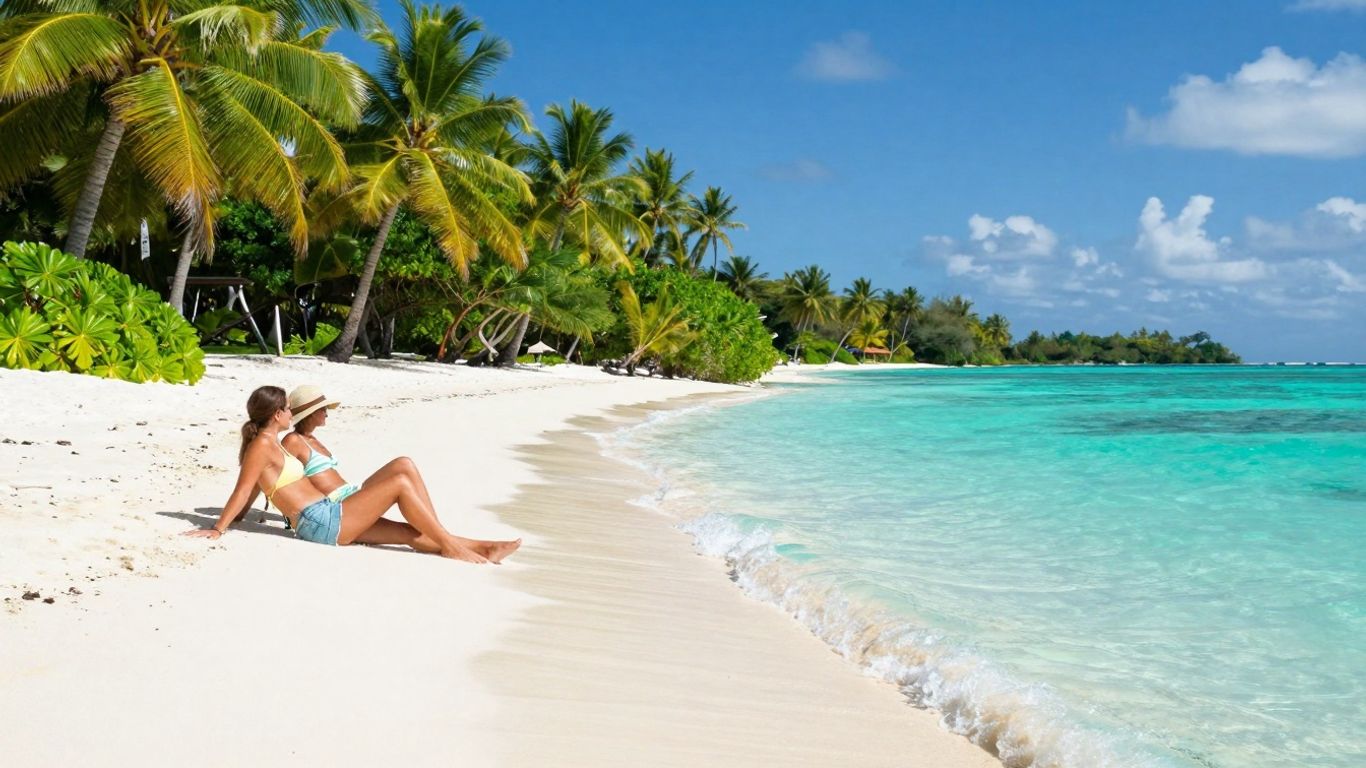
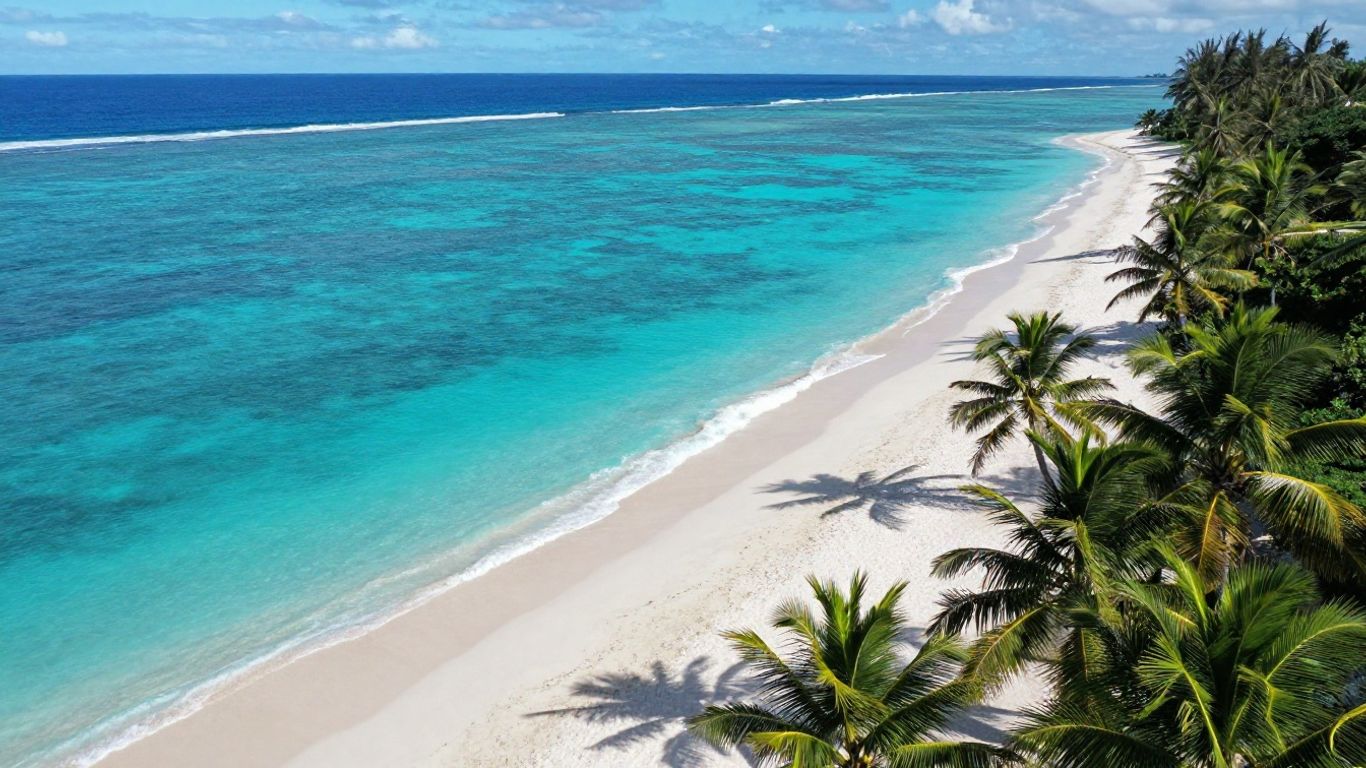
Planning a trip to Fiji? You’re probably wondering about the Fiji weather, and honestly, it’s pretty great year-round. But like anywhere, there are times that are better than others, depending on what you’re looking for. Whether you want endless sunshine for beach days or don’t mind a bit of rain for fewer crowds, there’s a sweet spot for everyone. Let’s break down what you can expect so you can book the perfect time for your island getaway.
Key Takeaways
Expect lots of sun and less rain, perfect for beach activities.
You might get a little rain, but it often means better deals and a more relaxed vibe.
Rain can make the water murky during the wet season.
It’s hotter, more humid, and you’ll likely see rain showers, sometimes heavy, but these are often short-lived.
Best Time To Visit Fiji
Deciding when to visit Fiji really depends on what you’re looking for in a tropical getaway. The islands boast a warm, pleasant climate year-round, but there are distinct periods that might suit your travel style better. This period typically brings sunnier days with less humidity and minimal rainfall, making it perfect for exploring the beaches and enjoying the crystal-clear waters.
However, this ideal weather also means it’s peak tourist season. If you prefer fewer crowds and potentially better deals on flights and accommodation, you might want to consider the shoulder months or even the wet season. Plus, the lush landscape is even more vibrant during this time.
Here’s a quick breakdown to help you choose:
Expect warmer temperatures, higher humidity, and occasional rain showers.
Fiji’s tropical maritime climate means you can expect warm temperatures no matter when you go. While the dry season offers the most predictable sunshine, the wet season has its own charm with dramatic skies and a thriving natural environment. Planning for island hopping in Fiji is worthwhile due to the diverse experiences available across its many islands.
Ultimately, there’s truly no bad’ time to experience the beauty of Fiji.
Dry Season: May To October
When you’re thinking about Fiji, you’re probably picturing endless sunshine and calm, clear waters, right? This is Fiji’s dry season, and it’s generally considered the sweet spot for visiting. The humidity takes a break, and you’ll find yourself enjoying more days with bright skies and less of that sticky, tropical feeling. It’s a fantastic time for just lounging on the beach or getting out and exploring.
This is the time when the weather really shows off.
Here’s a quick look at what you can expect:
Sunny Days: Expect plenty of sunshine, perfect for all your outdoor plans.
Lower Humidity: The air feels much more comfortable, making it easier to enjoy activities.
Ideal for Water Activities: With less rain, visibility for snorkeling and diving is usually at its best. You can really appreciate the underwater world.
It’s worth noting that this is also peak season, especially when folks from Australia and New Zealand are looking to escape their winter. So, if you’re aiming for fewer crowds and potentially better deals, you might want to consider the shoulder months within this period. Still, the weather is a big draw for a reason. It’s a great time to experience Fiji’s beautiful islands.
The dry season offers a more predictable weather pattern, which is a big plus for planning your holiday. While you might still get an occasional shower, they’re usually short-lived and don’t tend to disrupt plans for too long. It’s a good balance of pleasant conditions and the chance to see Fiji at its most vibrant.
Wet Season: November To April
This is when the islands experience their wet season, characterized by higher humidity and warmer temperatures. Don’t let the name wet season’ deter you; it doesn’t mean constant rain. Instead, expect short, heavy downpours that often clear up as quickly as they arrive, leaving the lush landscape even more vibrant. This time of year can be fantastic for those who prefer fewer crowds and potentially better deals on flights and accommodation. The tropical rain showers can actually make the waterfalls even more impressive, offering a dramatic spectacle.
The water temperature remains invitingly warm year-round, typically between 77-80°F (25-27°C), so swimming and water activities are still very much on the table. However, if your primary goal is snorkeling or diving, you might find that the increased rainfall can sometimes affect water visibility. For those prioritizing crystal-clear underwater views, the dry season is generally preferred for these activities.
The wet season offers a different rhythm to Fiji, with a more relaxed atmosphere and the chance to experience the islands in their full, verdant glory. It’s a trade-off between guaranteed sunshine and the chance for a refreshing tropical shower.
Here’s a quick look at what to expect:
Warmer Temperatures: Expect average highs in the mid-80s Fahrenheit.
Higher Humidity: The air feels more tropical and moist.
Rainfall Patterns: Frequent, but usually brief, heavy showers, often in the afternoon or evening.
Fewer Tourists: Generally a less crowded time to visit.
While Fiji has a robust warning system in place, it’s something to be aware of. Despite these considerations, many find the wet season to be a wonderful time to explore Fiji’s natural beauty.
July And August: Best Weather
These months fall smack in the middle of the dry season, meaning you’re in for plenty of sunshine and very little rain. The air feels just right, not too sticky, and the temperatures are pleasant, usually hovering around the high 70s Fahrenheit. It’s the kind of weather that makes you want to be outdoors all day, whether you’re lounging on a beach or exploring.
This period offers a fantastic balance of comfortable temperatures and minimal rainfall, making it ideal for almost any activity.
Here’s a quick look at what to expect:
Temperatures: Average highs around 79°F (26°C), with lows dipping to about 70°F (21°C).
Rainfall: Significantly reduced compared to the wet season, with only occasional light showers.
Humidity: Lower and more comfortable, making outdoor activities more enjoyable.
While this is prime time for visiting, it’s also when many travelers from Australia and New Zealand head over to escape their winter. Despite the potential for crowds, the weather during these two months is hard to beat for a truly memorable Fijian experience.
April And May: Good Weather, Small Crowds
Thinking about a trip to Fiji but want to skip the biggest crowds and still catch some great weather? The heavy rains of the wet season start to ease up around this time, making way for more sunshine. It’s a nice transition period where you get the benefits of the dry season without all the hustle and bustle.
This is a fantastic window to experience Fiji’s beauty with a bit more breathing room. You’ll find that accommodation and flights might be a bit more reasonably priced too, compared to the peak months. Plus, the humidity starts to drop, making those beach days and island explorations even more comfortable.
Here’s a quick look at what you can expect:
Weather: Expect warm, sunny days with less rain than the preceding months. Temperatures are pleasant, usually hovering around the low 80s°F for highs.
Activities: It’s still prime time for most activities. Snorkeling and diving conditions are generally good as the water visibility starts to improve after the wet season.
You get that lovely Fijian sunshine and warmth, but with a much more laid-back atmosphere. It’s a smart choice if you’re looking for a sweet spot between great conditions and a more peaceful getaway.
November: Avoid Festive Rush
It’s a bit of a sweet spot, honestly. You’re just past the peak tourist season, meaning fewer crowds are jostling for beach space or waiting for that perfect sunset photo.
The weather is still warm, and while you might get some rain, it’s often in short, intense bursts rather than all-day drizzles. These showers can actually make the islands look even more vibrant and lush, and the waterfalls are usually at their most impressive.
This is a great time to snag better deals on flights and accommodations.
Here’s a quick look at what to expect:
Weather: Warm and humid with a chance of tropical downpours.
Activities: Still plenty of sunshine for beach time, and the rain can add drama to the landscape.
June To October: Snorkeling And Diving
This timeframe falls squarely within the dry season, which means less rain and, importantly for underwater visibility, clearer waters. The heavy downpours of the wet season can stir up sediment, making it harder to see the colorful coral and fish that Fiji is famous for.
The dry season offers the best conditions for seeing the underwater sights. The water temperature stays wonderfully warm year-round, usually hovering between 77°F and 80°F, so you won’t need a thick wetsuit. This makes it perfect for extended periods of snorkeling or diving.
Here’s why this period shines for aquatic adventures:
Visibility: Reduced rainfall means less sediment in the water, leading to clearer views of marine life.
Weather: Sunny days and calmer seas are more common, making boat trips to dive sites more pleasant.
Marine Life: While Fiji’s marine life is abundant year-round, clearer waters allow for better observation.
During these months, you’ll find plenty of opportunities for both shore snorkeling and boat-based diving trips. Many resorts and tour operators cater specifically to these activities, offering guided excursions to popular spots. It’s a fantastic time to discover the reefs and the diverse creatures that call them home. Planning your trip during this window can really make your underwater exploration memorable. You can find great information on snorkeling in Viti Levu during this time here.
The combination of sunny skies and clearer ocean conditions makes for an unparalleled experience.
August: Hibiscus Festival
This is a really big deal in Suva, the capital city. It’s a fantastic chance to see local culture come alive with traditional music filling the air, stalls overflowing with delicious food, and of course, the much-anticipated crowning of the Hibiscus Queen’.
It’s a community event, so you get a real feel for Fijian life. Think parades, local crafts, and a general festive atmosphere that’s pretty infectious. While it’s a major event, it doesn’t usually cause the same kind of tourist surge as some other times of the year, making it a good opportunity to experience something unique without the biggest crowds. You can often find great deals on accommodation if you plan ahead, especially if you’re looking for budget-friendly travel options .
The festival is a wonderful way to connect with the local community and witness a significant cultural event firsthand. It offers a glimpse into Fijian traditions and celebrations that are cherished by the people.
July/August: Bula Festival
This is a really fun, week-long celebration that takes place in Nadi. It’s all about showcasing Fijian culture with parades featuring colorful floats, lively music filling the air, and plenty of delicious food to try. You’ll also see traditional dancing, which is always a treat.
It’s a fantastic opportunity to experience the local spirit and traditions firsthand.
While the weather during these months is generally quite pleasant, with lower humidity and minimal rain, it’s also peak tourist season. Still, the festive atmosphere makes it a memorable time to visit.
The Bula Festival is a vibrant display of community spirit and cultural pride, offering a unique glimpse into Fijian life beyond the beaches. It’s a chance to connect with locals and witness their joyful celebrations.
If you’re interested in immersing yourself in local customs, exploring traditional crafts like weaving or tapa cloth making can be a wonderful addition to your trip Immerse yourself in Fijian culture.
July/August: South Indian Fire Walking Festival
This ceremony marks the end of a ten-day period of fasting and prayer dedicated to the goddess Maha Devi. It’s a powerful display of faith and devotion, deeply rooted in Indo-Fijian traditions.
The ritual involves participants walking barefoot across a pit of hot coals. This act is believed to purify the soul and demonstrate spiritual strength. It’s a significant cultural practice, showcasing the vibrant heritage brought to Fiji by the Indian diaspora.
It’s a fascinating glimpse into a spiritual tradition that continues to be observed with great reverence. Experiencing this event offers a deeper appreciation for the diverse cultural tapestry of Fiji, particularly on islands like Beqa Island.
This festival is a profound expression of faith, a testament to the enduring spiritual practices that enrich Fiji’s cultural landscape. It’s a moment where tradition meets intense personal conviction, leaving a lasting impression on all who witness it.
September: Lautoka Sugar Festival
Lautoka is often called Sugar City,’ and this festival is basically a big party to celebrate the sugar trade that’s so important to the area. It’s a lively event with music, food, and a chance to see a different side of Fijian culture, especially the Indo-Fijian influence.
It’s a great opportunity to experience local traditions and community spirit.
You’ll find parades, local crafts, and plenty of opportunities to try some delicious food. It’s a good way to get a feel for the local life outside of the usual tourist spots.
This festival really highlights the economic and cultural significance of sugar in Fiji, particularly in the western region. It’s a time when the community comes together to celebrate their heritage and the industry that has shaped their lives for generations.
January To March: Wettest Period
This period typically sees the most rainfall, with warm, humid conditions creating a tropical atmosphere. While the rain often comes in short, heavy bursts, it can sometimes lead to overcast skies and affect visibility for activities like snorkeling and diving.
The average high temperatures during these months hover around a warm 86°F (30°C), with lows around 75°F (24°C). This heat and humidity can also make it the prime time for tropical cyclones, though Fiji has a robust warning system in place to keep visitors safe.
Here’s a quick look at what to expect:
Rainfall: Expect frequent, though often brief, downpours.
Humidity: High humidity is a common feature of this season.
Temperatures: Consistently warm, making it feel quite tropical.
Visibility: Water clarity might be reduced due to rain, impacting underwater activities.
Despite the rain, Fiji remains a beautiful destination. The lush landscapes are particularly vibrant during this time, and you might find fewer crowds compared to the dry season. It’s a good time to explore the islands’ interior or enjoy resort amenities. For those seeking a more budget-friendly escape, this period can offer great deals on accommodations.
While this is the wettest part of the year, it doesn’t mean it rains all day, every day. Many days still offer plenty of sunshine between the showers, and the rain often brings a refreshing coolness to the air.
January And February: Cyclone Season
This warm, moist air creates the perfect conditions for tropical cyclones to form. While Fiji has a robust weather warning system in place, it’s wise to be aware that this period carries a risk of severe weather events. These can include heavy rainfall, strong winds, and potential flooding.
While the wet season can bring some dramatic weather, it also means fewer crowds and often better deals on flights and accommodation. If you’re looking for a more budget-friendly trip and don’t mind the possibility of rain, this could still be a good time to visit Fiji.
It’s important to stay informed about weather forecasts if you’re traveling during these months. Always check local advisories and be prepared for potential disruptions. Despite the risks, many visitors still find plenty of opportunities to enjoy the islands, perhaps focusing on indoor activities or shorter excursions between rain showers. The lush, green landscape is particularly vibrant during this time, and the water temperatures remain wonderfully warm, perfect for a quick dip when the weather allows. Planning your trip during the low season can offer a different, yet still rewarding, Fijian experience.
Average Temperatures In Fiji
Fiji enjoys a wonderfully warm climate year-round, making it a fantastic destination no matter when you decide to visit. The temperatures are pretty consistent, so you won’t find yourself dealing with drastic shifts. The average high temperatures hover around the low 80s Fahrenheit for most of the year.
Here’s a quick look at what to expect:
This is also the wettest period, so while it’s warm, you might encounter more rain.
This transition period often brings pleasant weather.
It’s a popular time for visitors seeking comfortable warmth.
While the numbers might show slight variations, the overall feeling is one of consistent tropical warmth. You’ll likely find the air feels balmy, perfect for enjoying the islands’ many attractions. Even during the cooler months, it rarely feels cold.
Water temperatures are also quite inviting, typically staying between 77°F and 80°F throughout the year, which is great for swimming and water activities. For those who don’t mind a bit of humidity and the chance of a brief shower, the shoulder seasons can offer a more relaxed experience and potentially better deals on luxury resorts .
January To March: 86°F High
You can expect average high temperatures to hover around a steamy 86°F (30°C), with lows typically around 75°F (24°C). This is when humidity levels really climb, making the air feel thick and heavy. While it’s not the ideal time for crystal-clear snorkeling or diving due to potential reduced visibility from rainfall, the islands are lush and vibrant.
While cyclones are infrequent, they can bring strong winds and heavy downpours. Fiji does have a good warning system in place, so staying informed is key if you travel during these months.
Despite the higher chance of rain and humidity, visiting during these months can offer a different perspective of Fiji. The landscapes are incredibly green, and you might find fewer crowds at popular spots, allowing for a more relaxed experience. Plus, accommodation deals can sometimes be more attractive.
Here’s a quick look at the average temperatures during this period:
The warm, humid conditions are a hallmark of Fiji’s tropical maritime climate during these months. While you might encounter occasional rainstorms, they are often brief and followed by sunshine. It’s a time when the islands truly feel alive with tropical energy.
April To June: 82°F High
The intense heat and humidity of the wet season start to ease up, making this period a sweet spot for many travelers. You’ll notice the average high temperatures settling around a pleasant 82°F (28°C), with evenings cooling down to about 72°F (22°C). This shift means more days where you can comfortably explore without feeling overwhelmed by the heat.
This time of year is fantastic because the rain showers become less frequent and shorter. While you might still encounter an occasional downpour, they’re usually brief and often followed by sunshine, which can actually make the islands look even more vibrant and lush. It’s a great time to enjoy the beaches and outdoor activities without the constant threat of heavy, prolonged rain.
Here’s a quick look at what to expect:
Temperatures: Highs around 82°F (28°C), lows around 72°F (22°C).
Rainfall: Decreasing frequency and duration of showers.
Humidity: Noticeably lower than the wet season.
This period offers a wonderful balance of good weather and fewer crowds, making it an ideal time to visit Fiji.
The weather is agreeable, and you can often find better deals on flights and accommodation before the main tourist rush of the dry season truly kicks in.
July To September: 79°F High
This period falls squarely within the dry season, meaning you’ll likely experience plenty of sunshine and less humidity. It’s a fantastic time for outdoor activities and enjoying the beautiful Fijian landscape without the intense heat that can sometimes accompany the wet season.
This is often considered the sweet spot for many visitors seeking comfortable weather.
Here’s what you can generally expect during these months:
Pleasant Temperatures: The highs hover around 79°F, with lows dipping to about 70°F (21°C). This makes for comfortable days perfect for exploring or simply relaxing.
Lower Humidity: Compared to the wet season, humidity levels are significantly lower, making the air feel fresher and more comfortable.
Minimal Rainfall: You’ll find very little rain during this time, which is ideal for beach days and water activities. The skies are typically clear and blue.
This period is also a great time for water activities like snorkeling and diving, as the reduced rainfall means better visibility in the ocean. You might even catch some of the local festivals happening around this time, like the Bula Festival or the South Indian Fire Walking Festival, adding a cultural dimension to your trip. If you’re planning a trip focused on relaxation and outdoor adventures, this window is a strong contender for your Fiji honeymoon escape .
While these months offer fantastic weather, they also coincide with peak tourist season, especially during school holidays in Australia and New Zealand.
October To December: 82°F High
As the year winds down, Fiji offers a delightful transition with temperatures hovering around a pleasant 82°F. You’ll find the humidity starting to creep up, but it’s generally manageable, and the occasional rain shower often brings a refreshing break from the warmth.
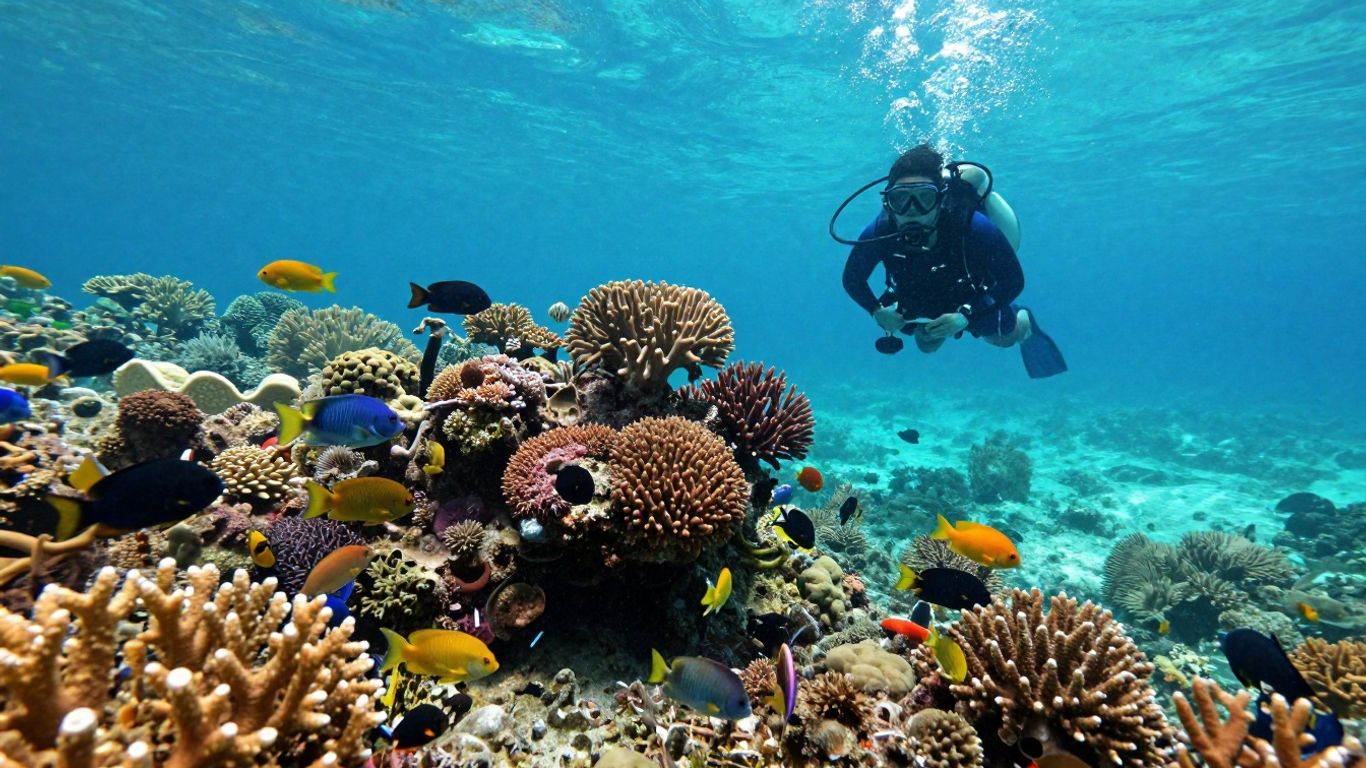
This shoulder season is a fantastic time to visit if you’re looking to balance good weather with fewer crowds. You’ll still get plenty of sunshine for exploring the islands and enjoying the beautiful beaches. Plus, the water remains invitingly warm, perfect for a dip or trying out some snorkeling.
Here’s a quick look at what to expect:
Temperatures: Average highs around 82°F, with evenings cooling slightly to the low 70s°F.
Rainfall: Expect a mix of sunny days and brief, often intense, rain showers as the wet season approaches.
While the visibility for underwater activities might not be as pristine as in the heart of the dry season, it’s still quite good for exploring the vibrant reefs.
The shift in weather during these months means you get a taste of Fiji’s tropical climate without the intense heat of mid-summer or the peak tourist season rush. It’s a sweet spot for many travelers.
Water Temperature All Year Round
You know, one of the best things about Fiji? The water temperature. It’s pretty much perfect for swimming, snorkeling, or just splashing around, no matter when you decide to visit. Seriously, you don’t have to worry about packing a thicker wetsuit or anything like that.
The ocean stays consistently warm throughout the year. We’re talking about temperatures that feel like a cozy bath, usually hovering between 77°F and 80°F (25°C to 27°C). This means you can jump in the water any day and feel instantly refreshed, not chilled.
Here’s a quick look at what to expect:
Visibility is usually at its best during these months.
The occasional downpour might briefly affect visibility, but it usually passes quickly.
Even with the occasional rain shower during the wet season, the ocean’s warmth is a constant comfort. It makes Fiji a fantastic destination for water activities year-round, so you can always count on a pleasant dip.
So, whether you’re planning a trip during the peak dry season or the lusher wet season, the inviting waters of Fiji are always ready for you. It’s one less thing to stress about when planning your dream island getaway .
Tropical Maritime Climate
Fiji enjoys a tropical maritime climate, which means you can expect warm, pleasant weather pretty much all year round. Think of it as a constant summer, but with a bit of a twist depending on the season. The ocean plays a big role here, keeping things from getting too extreme temperature-wise.
This means you’ll generally find balmy temperatures that don’t often dip too low, making it a great escape any time you need some sun. The air can feel a bit thick sometimes, especially during certain months, but that’s part of the tropical charm.
Here’s a quick look at what to expect:
Temperatures: Generally hover in the mid-70s to mid-80s Fahrenheit (around 24-29°C). It’s consistently warm, perfect for beach days.
Humidity: Can be noticeable, particularly in the wetter months. It contributes to that lush, tropical feel.
Rainfall: While there’s a drier period, occasional rain showers are common. These are often brief but can be quite intense, hence the term downpours’.
Wind: Sea breezes usually keep things comfortable, but stronger winds can occur, especially during cyclone season.
The climate here is shaped by its location in the vast Pacific Ocean. This maritime influence moderates temperatures, preventing the scorching heat you might find inland, and brings regular rainfall that keeps the islands so green and vibrant. It’s a dynamic environment, influenced by seasonal shifts and ocean patterns.
If you’re planning activities like snorkeling or diving, you’ll want to consider the visibility. Heavy rains can sometimes stir up sediment, affecting how clear the water is. For the best underwater views, aiming for the drier months is usually a good bet, offering clearer waters for exploring places like the Rainbow Reef .
Balmy Temperatures
Fiji really does live up to its tropical paradise reputation when it comes to its weather. You can expect pleasant, warm temperatures pretty much all year round. It’s rare for the mercury to drop below the mid-60s Fahrenheit, even in the cooler months. This consistent warmth makes it a fantastic destination no matter when you decide to pack your bags.
Here’s a quick look at the average high temperatures throughout the year:
This is often considered the sweet spot for many visitors, as it balances comfortable warmth with less humidity. The water temperature is also a big plus, staying invitingly warm between 77-80°F year-round, perfect for a spontaneous dip or a planned snorkeling adventure.
While Fiji is known for its sunshine, it’s a tropical destination, so occasional rain showers are part of the experience, especially during the wet season. These are often brief but can be quite intense before the sun comes back out.
Occasional Rainstorm
Even during Fiji’s drier months, you might run into a brief shower. These aren’t usually the all-day, wash-you-out kind of events, though. Think more of a sudden, refreshing downpour that clears up just as quickly as it arrived. These quick bursts of rain can actually be quite dramatic and beautiful, especially when they happen in the late afternoon.
They tend to happen more frequently in the afternoons, often followed by sunshine and a rainbow. It’s just part of the tropical experience!
Sudden Intensity: The rain can come down hard for a short period.
Quick Clearing: Often, the skies clear up within an hour or so.
Refreshing Effect: The air feels cooler and cleaner afterward.
Visual Spectacle: Sometimes, these storms create stunning cloud formations and dramatic light.
Don’t let the thought of a quick rain shower deter you. They’re usually short-lived and add to the dynamic nature of Fiji’s weather. Plus, they can make the lush green landscapes even more vibrant.
Higher Humidity
When you’re planning a trip to Fiji, it’s good to know what to expect with the weather. One thing you’ll notice, especially outside the dry season, is the humidity. It’s that feeling in the air that can make things seem a bit warmer than they actually are.
This higher moisture content in the air is a hallmark of Fiji’s tropical maritime climate. Think of it like stepping into a warm, steamy greenhouse – pleasant for the plants, but something you definitely feel on your skin.
Here’s a little breakdown of what that means:
Feeling Warmer: Even if the thermometer doesn’t show a huge jump, the humidity can make the air feel muggier and hotter.
Quicker Drying Times: Forget about air-drying your clothes quickly; they’ll take longer to dry when the humidity is high.
Impact on Activities: While it doesn’t stop most activities, you might find yourself feeling a bit more tired or needing more frequent breaks, especially if you’re doing something active outdoors.
It’s all about what you’re looking for in your Fiji vacation.
Don’t let the humidity put you off, though. It’s just part of the tropical experience! Many visitors find they adjust quickly, and the lush, green landscapes that result from the rain are truly something to behold.
Torrential Downpours
These aren’t just your average showers; we’re talking about torrential downpours that can really drench the islands. They often happen in the afternoon, sometimes quite suddenly, but usually don’t last all day.
It’s good to be aware of this when planning your trip. Heavy rain can affect visibility if you’re hoping for some underwater adventures, and it might make some of the more remote hiking trails a bit tricky to navigate.
Here’s a quick look at what to expect:
Intensity: Can be very heavy, but often brief.
Even during the wet season, the rain often comes in bursts, leaving plenty of time for sunshine and exploring. Many visitors find the lush, green landscapes that result from the rain are incredibly beautiful.
If you’re traveling during these months, it’s wise to pack a light rain jacket and waterproof your electronics. It’s all part of the tropical experience, and honestly, the rain helps keep everything so vibrantly green. You can still have an amazing time, just be prepared for the occasional dramatic weather shift. Planning a 7-day Fiji itinerary can help you make the most of your visit, whatever the weather.
Tropical Cyclones And More
While Fiji generally enjoys lovely weather, it’s good to be aware of the potential for tropical cyclones, especially during the warmer months. These powerful storms can bring heavy rain, strong winds, and sometimes even storm surges.
Fiji has a well-established weather warning system in place , and local authorities are quick to issue alerts to keep everyone safe. If a cyclone is predicted, there are always plans and procedures to follow. It’s always a good idea to stay informed through local news and your accommodation provider if you’re visiting during this period.
Here’s a quick look at the typical weather patterns:
Temperatures are warm.
This is also peak tourist season.
Visiting during the wet season means you might experience some intense, though often brief, downpours. These can sometimes make visibility less than ideal for activities like snorkeling, but they also bring lush green landscapes and fewer crowds. It’s a trade-off worth considering for a different kind of Fijian experience. For village etiquette during your visit, check out this guide to cultural etiquette in Viti Levu.
Even with the possibility of cyclones, Fiji remains a welcoming destination. The local communities are well-prepared, and with a bit of awareness, you can still have a fantastic trip. Remember to check the weather forecast regularly if you’re traveling during the cyclone season.
Your Fiji Adventure Awaits
So, when should you pack your bags for Fiji? Honestly, there’s no truly bad’ time. The islands are beautiful year-round. You might get a quick rain shower, but it often makes the waterfalls look even more impressive, and you’ll likely have more of those stunning beaches all to yourself. Whichever time you choose, Fiji is ready to welcome you with its warm waters and friendly spirit.
What’s the best time of year to go to Fiji?
This is when the weather is drier, with less rain and plenty of sunshine. It’s perfect for lounging on the beach or exploring the clear blue waters.
When is it less crowded and cheaper to visit Fiji?
This is the wet season,’ so you might encounter some rain showers and higher humidity. However, you’ll often find better deals on flights and hotels, and the islands will feel more peaceful.
What’s the weather like in Fiji during the dry season?
Temperatures are pleasant, usually not getting too hot, making it ideal for outdoor activities and enjoying the beautiful scenery without too much sticky heat.
What should I expect during Fiji’s wet season?
You can expect rain, which often comes in heavy but short bursts, usually in the afternoon. While it’s wetter, it’s also a great time to find deals and experience Fiji with fewer tourists.
Is Fiji safe during cyclone season?
While cyclones can happen, they aren’t constant. The country has systems in place to warn people, and locals are used to preparing for them. It’s always good to stay updated on weather reports if you travel during this time.
When is the best time for snorkeling and diving in Fiji?
The rain during the wet season can sometimes make the water less clear, which isn’t ideal for seeing all the colorful fish and coral. The water is warm year-round, though!
Are there any interesting festivals happening in Fiji?
Yes, Fiji has several vibrant festivals! These celebrations offer a great glimpse into Fijian life.
What are the average temperatures like in Fiji throughout the year?
Fiji generally has warm weather all year.
Confirm current details
Confirm current schedules, prices, availability, conditions and local guidance directly with the responsible official source or provider before making a nonrefundable plan.
Use this guide for trip ideas, not a current quotation or a guarantee of access, safety, inclusions or availability. Confirm the requirements and conditions for your dates, destination and provider before booking.