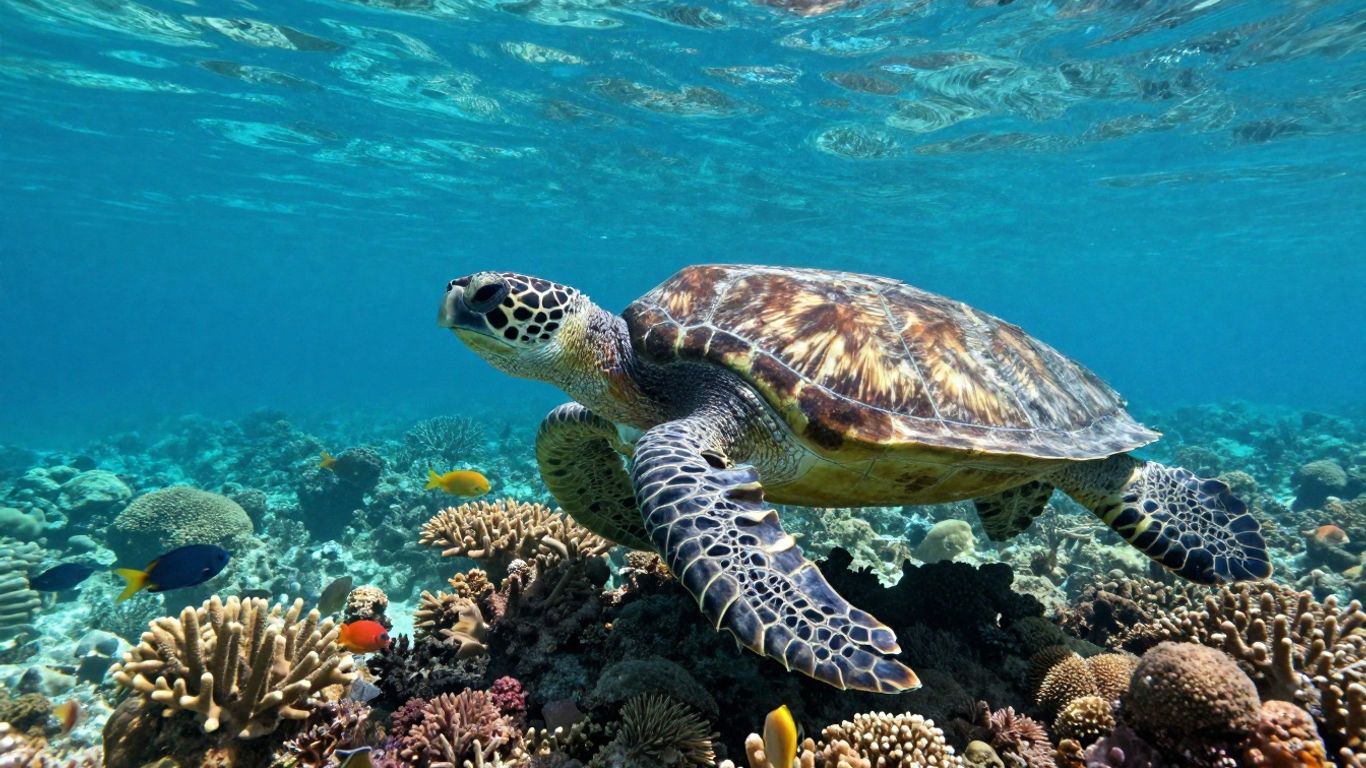
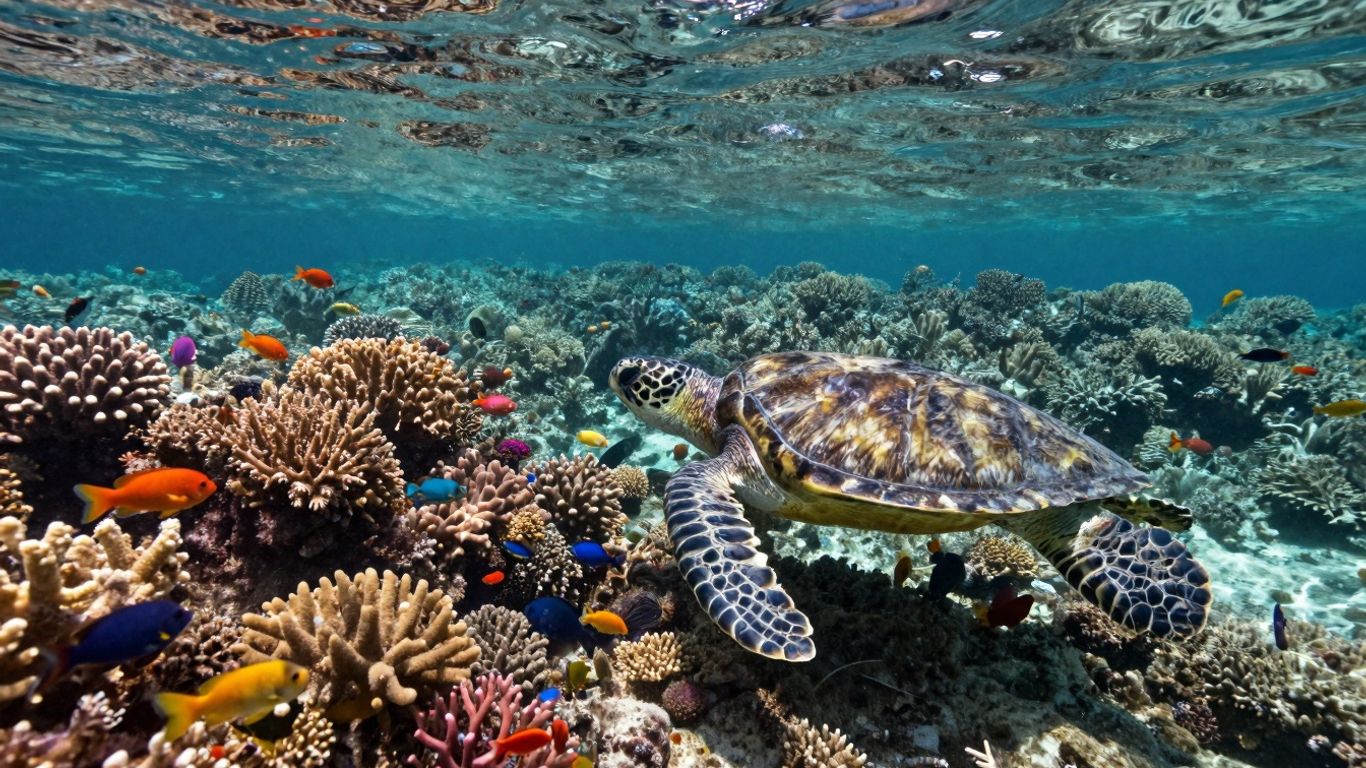
Fiji is a pretty amazing place if you’re looking to see sea turtles. It’s not just about the beaches, though those are great too. The real magic happens underwater, where these gentle creatures glide through clear waters. Many places in Fiji are working hard to protect turtles, and you can actually be a part of it. Whether you’re a seasoned diver or just want to snorkel, there are spots where you’re almost guaranteed to have a memorable Fiji turtle encounter.
Key Takeaways
Kadavu Island, especially Turtle Alley, is a top spot for seeing turtles in their natural environment.
Yasawa Islands offer unique experiences like turtle releases at places like Turtle Island Fiji.
Several Mamanuca Island resorts, such as Nakelo Treasure Island and Mana Island Resort, have active turtle conservation programs you can observe or participate in.
Coral Coast’s Kula WILD Adventure Park provides educational experiences, including hand-feeding turtles.
Makogai Island is a dedicated sanctuary focusing on marine conservation, including turtles, and is accessible mainly by private yacht.
Understanding Fiji’s Turtle Species
Fiji is a special place for sea turtles, with several species calling its warm waters home. You’re most likely to encounter Hawksbill, Green, and Leatherback turtles here. These magnificent creatures are a vital part of the marine ecosystem. Hawksbill turtles, for instance, play a role in keeping coral reefs healthy by eating sponges. Green turtles are herbivores, grazing on seagrass beds, which helps maintain those important underwater meadows. Leatherbacks, the largest of all turtles, are deep divers and feed on jellyfish.
Seeing these animals in their natural environment is a privilege, and it’s important to remember they face many challenges in the wild.
The Importance of Conservation Programs
Sadly, sea turtles around the world are under pressure. Habitat loss, pollution, and accidental capture in fishing gear are serious threats. Fiji, however, is stepping up. Many resorts and local organizations are running dedicated conservation programs. These initiatives focus on protecting nesting beaches, rehabilitating injured turtles, and educating visitors about how to interact responsibly. By supporting these programs, you’re directly contributing to the survival of these ancient mariners. It’s a chance to see these animals and also help them thrive. You can learn more about marine conservation efforts in places like the Cook Islands .
Best Times for Turtle Sightings
While you can spot turtles in Fiji year-round, certain times offer better chances. The nesting season for Hawksbill and Green turtles typically runs from November to March. During this period, you might see them coming ashore to lay eggs, especially on quieter, undisturbed beaches. For general sightings while snorkeling or swimming, the warmer months often mean more activity. However, the most reliable encounters are often at protected sites or through resorts with active conservation programs, where turtles are regularly present or released.
November to March: Peak nesting season.
Year-round: Possible sightings, especially in protected areas.
Warmer Months: Generally more active marine life.
Observing wildlife in its natural habitat requires patience and respect. While the excitement of seeing a sea turtle is immense, it’s always best to maintain a safe distance and avoid any actions that could disturb them. Let them come to you, and enjoy the moment.
Kadavu Island: A Haven for Sea Turtles
Kadavu Island, often a bit off the usual tourist track, is a real gem for anyone hoping to see sea turtles in their natural environment. This large island, part of the Kadavu Group in southern Fiji, is surrounded by the Great Astrolabe Reef, one of the biggest barrier reefs in the world. This means tons of healthy coral and plenty of food for turtles, making it a prime spot for them to hang out.
Turtle Alley: A Premier Dive Site
If you’re looking for a place where turtles are practically guaranteed to show up, Turtle Alley is it. Located off the coast of Kadavu and accessible through places like Matava Eco Adventure Resort, this spot is famous for its regular turtle visitors. Imagine gliding through clear water and seeing these graceful creatures swimming by – it’s pretty amazing. The reef here is vibrant, full of colorful fish, and it’s just a fantastic underwater scene. It’s not just turtles, either; you might spot other cool marine life too.
Exploring Small Corner 1 & 2
Just a bit further along the coast, you’ll find Small Corner 1 and 2. These sites are like secret turtle hangouts. The reefs slope down, creating interesting ridges where turtles love to cruise. They’re so common here, you might start to feel like you’re interrupting their daily routine! Booking a trip with a local lodge is a good idea, as they know exactly where to find these shelled residents. It’s a more intimate experience, away from the bigger crowds.
Resort Partnerships for Turtle Viewing
While Kadavu is known for its natural beauty, some resorts work closely with conservation efforts. They understand the importance of protecting these animals and often partner with local organizations. This means that by staying at certain places, you’re indirectly supporting turtle conservation. It’s a nice feeling to know your visit helps protect the very creatures you came to see. You might even get to learn about their work firsthand, which adds another layer to the experience. For more aquatic adventures in the area, check out our guide to the 10 Best Dive & Snorkel Sites on the Great Astrolabe Reef.
Yasawa Islands: Conservation and Encounters
The Yasawa Islands, a chain of volcanic islands in Fiji, offer more than just stunning scenery; they are also a vital area for sea turtle conservation. Several initiatives here focus on protecting these ancient mariners, giving visitors a chance to witness their work firsthand.
Turtle Island Fiji’s Dedicated Program
Turtle Island Fiji is a prime example of how tourism can support conservation. This private resort has a long-standing commitment to protecting sea turtles. They run a comprehensive program that includes raising young turtles and tagging them in partnership with the WWF. It’s a place where you can learn about the challenges turtles face and see the efforts being made to help them thrive. The resort’s intimate setting means you can often get close to the conservation team and understand their work.
Experiencing Turtle Releases
One of the most memorable experiences in the Yasawas is witnessing a turtle release. When the young turtles raised at places like Turtle Island Fiji reach a certain size and are ready to survive in the open ocean, they are released. This event is a powerful reminder of the cycle of life and the importance of these conservation efforts. It’s a chance to see baby turtles making their first journey into the vast blue.
Snorkeling in the Blue Lagoon
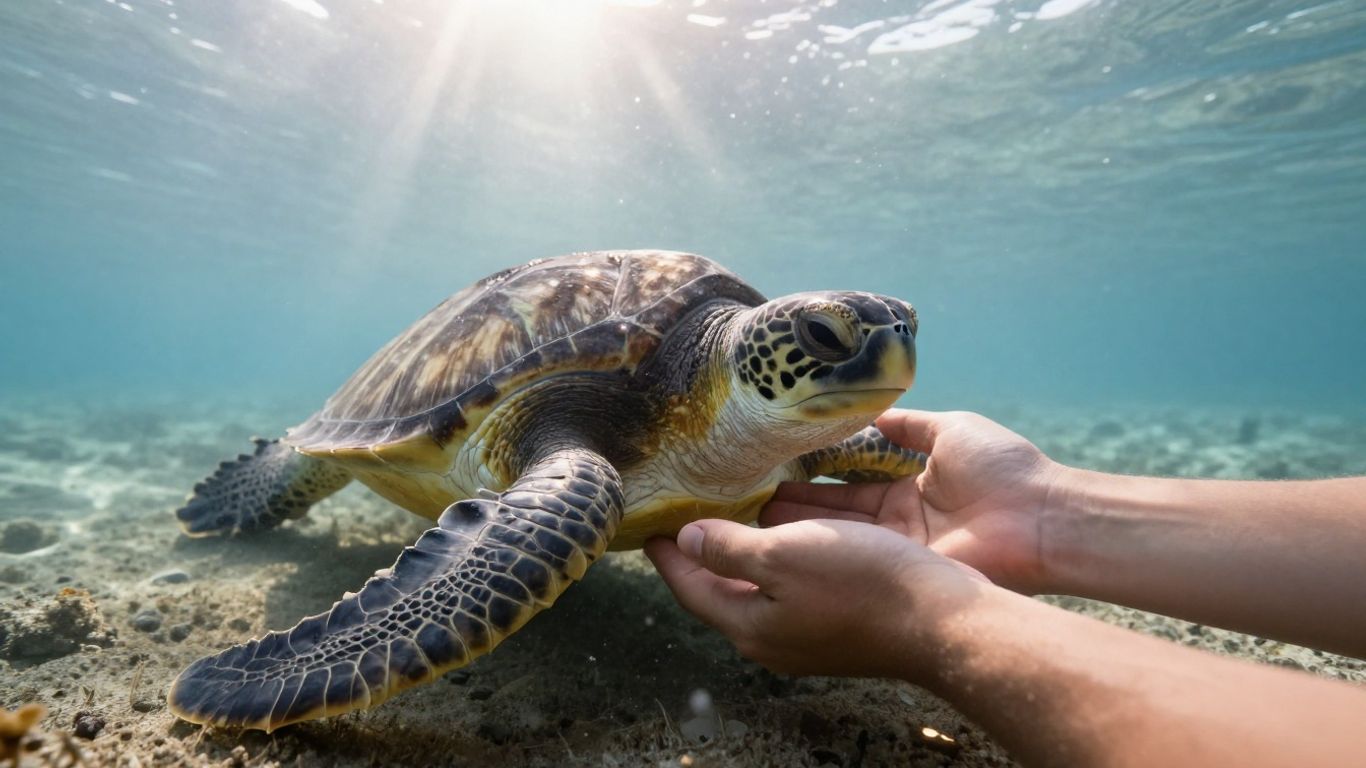
While not exclusively a turtle-focused activity, snorkeling in areas like the famous Blue Lagoon in the Yasawa Islands can sometimes lead to unexpected turtle sightings. These waters are rich in marine life, and it’s not uncommon for graceful sea turtles to glide by as you explore the vibrant coral reefs. Remember to always observe from a respectful distance, allowing the turtles to go about their business undisturbed. For those interested in marine ecosystems, exploring these reefs is a great way to see Fiji coral restoration tours in action.
The Yasawa Islands provide a unique blend of natural beauty and dedicated conservation work. Here, visitors can not only enjoy the tropical paradise but also contribute to or learn about the protection of sea turtles, making for a more meaningful travel experience.
Mamanuca Islands: Resorts Championing Turtles
The Mamanuca Islands, a picturesque archipelago known for its stunning beauty and crystal-clear waters, are also home to several resorts that are making significant contributions to sea turtle conservation. These resorts go beyond simply offering a beautiful vacation; they actively participate in programs aimed at protecting and rehabilitating these gentle marine creatures. It’s a fantastic way to experience Fiji’s natural wonders while supporting important environmental work.
Nakelo Treasure Island Resort’s Long-Standing Commitment
Nakelo Treasure Island Resort has been a pioneer in turtle protection within the Mamanucas for over four decades. They were one of the first resorts here to hire a full-time environmental officer, showing a deep commitment to their local hawksbill turtle population. Their "Hawksbill Turtle Conservation Program" is quite impressive, releasing hundreds of young turtles into the ocean each year. For visitors, this means opportunities to see turtles being fed and to witness the exciting moment of baby turtle releases. Even the kids’ club gets involved, with activities like foraging for turtle food and participating in conservation efforts.
Mana Island Resort’s Breeding Program
Mana Island Resort also runs a successful turtle breeding program. Here, young turtles are cared for in special pools until they are strong enough to survive on their own in the open ocean. The facilities have grown over time to support the program’s success. Both day visitors and resort guests can get a chance to see these turtles up close. It’s a heartwarming sight to see these creatures being nurtured before their return to the wild.
VOMO Island Resort: Luxury Meets Conservation
For those seeking a more luxurious experience, VOMO Island Resort seamlessly blends high-end amenities with a dedication to turtle welfare. This resort also features a turtle pool where guests can interact with young turtles, including feeding them. If you’re fortunate, you might even be present on a turtle release day. Beyond the resort’s specific programs, taking a boat trip for snorkeling or diving around Vomo Island offers a good chance of spotting turtles in their natural environment. It’s a place where indulgence and environmental responsibility go hand in hand.
Kula WILD Adventure Park’s Interactive Tours
The Coral Coast is a fantastic place to get up close with Fiji’s marine life, especially its sea turtles. Kula WILD Adventure Park offers a really hands-on way to learn about these amazing creatures. It’s not just about seeing them; it’s about understanding what makes them tick and why they need our help. They have a dedicated turtle rehabilitation area where you can see injured turtles being cared for, which is pretty eye-opening.
Hand-Feeding Gentle Giants
One of the highlights at Kula WILD is the chance to participate in feeding the resident turtles. This is a truly special experience that connects you directly with these gentle animals. It’s a supervised activity, of course, and you’ll learn about their specific dietary needs. Watching them eagerly take food from your hand is something you won’t forget. It’s a simple act, but it makes you feel a part of their world for a moment.
Conservation Insights from Marine Biologists
What really sets Kula WILD apart is the access to information. Marine biologists are often on-site, happy to chat about the challenges turtles face in the wild. They explain everything from nesting habits to the impact of pollution. You get a real sense of the conservation work happening right there in Fiji. It’s a great way to understand the bigger picture of protecting these animals for future generations. If you’re interested in learning more about marine conservation efforts in Fiji, exploring options around Savusavu, Vanua Levu can also be very rewarding.
Visiting places like Kula WILD Adventure Park provides a unique opportunity to witness conservation in action. It’s more than just a tourist attraction; it’s an educational journey that fosters a deeper appreciation for Fiji’s natural heritage and the ongoing efforts to protect it.
From Leper Colony to Conservation Hub
Makogai Island has a past that’s quite different from its present. It used to be a place for people with leprosy. But things have changed a lot. Now, it’s a really important spot for looking after sea life, especially turtles. It shows how places can be reborn and focus on protecting nature.
A Sanctuary for Turtles and Giant Clams
This island is now a safe place for turtles. You can see them here, and it’s a big part of what makes Makogai special. They also have a special area where they grow giant clams. It’s pretty amazing to see these huge shellfish being cared for.
Turtle Protection: Makogai is a key location for turtle conservation efforts in Fiji.
Giant Clam Nursery: A dedicated facility helps grow and protect giant clams.
Marine Biodiversity: The island supports a wide range of marine life, making it a vital ecosystem.
Research and Preservation Efforts
Scientists and marine biologists often come to Makogai. They study the turtles and other sea creatures to learn how to protect them better. It’s a place where people are actively working to keep the ocean healthy for the future.
Visiting Makogai Island offers a unique chance to witness conservation in action. It’s a place where the past has given way to a future dedicated to marine preservation, providing a peaceful haven for its shelled inhabitants and a learning ground for those who care about the ocean.
The transformation of Makogai Island from a former leper colony to a thriving marine sanctuary is a powerful testament to Fiji’s commitment to conservation.
Beyond Resorts: Natural Turtle Habitats
While many resorts in Fiji have fantastic conservation programs, you can also find sea turtles in their natural homes without staying at a dedicated facility. Fiji’s vibrant coral reefs and protected marine areas are teeming with life, and with a bit of luck and the right approach, you can witness these magnificent creatures in the wild.
Snorkeling in Pristine Reefs
Fiji’s underwater world is incredibly diverse, and many of its reefs are remarkably healthy. Areas like the Great Astrolabe Reef off Kadavu Island, or the waters around the Yasawa and Mamanuca island groups, are known for their rich marine ecosystems. Snorkeling in these clear, warm waters offers a chance to see turtles gracefully swimming among the coral gardens. It’s a truly special experience to observe them foraging or simply gliding through their environment. Remember to always maintain a respectful distance and avoid touching or disturbing them.
Observing Turtles in Their Natural Environment
Spotting turtles in the wild requires patience and a keen eye. They are often found in areas with abundant seagrass beds, which they feed on, or near coral reefs where they find shelter and food. Some popular natural spots, away from the main resort areas, include the waters around smaller, less developed islands. Keep an eye out during boat trips between islands or when exploring less-trafficked snorkeling spots. You might be surprised by who you encounter!
Respectful Wildlife Viewing Guidelines
When you’re lucky enough to see a turtle in its natural habitat, it’s important to remember that you are a visitor in their home. Here are a few guidelines to keep in mind:
Maintain Distance: Never chase or crowd a turtle. Stay at least 10 feet (3 meters) away.
No Touching: Do not touch, feed, or try to ride a turtle. This can stress them and disrupt their natural behaviors.
Observe Quietly: Avoid making loud noises or sudden movements that could startle them.
Use Reef-Safe Sunscreen: Protect yourself and the marine environment by using sunscreens that don’t harm coral or marine life.
Report Sightings: If you see injured or distressed turtles, report them to local marine authorities or conservation groups. You can find information on Fiji’s marine conservation efforts through various local organizations.
Observing sea turtles in their natural environment is a privilege. By following these simple rules, you help ensure these ancient mariners continue to thrive for generations to come. It’s about appreciating their presence without interfering with their lives.
Planning Your Fiji Turtle Adventure
So, you’ve decided to seek out Fiji’s amazing sea turtles. That’s fantastic! It’s a trip that can be incredibly rewarding, but a little planning goes a long way to make sure you have the best experience possible, and importantly, that you’re being a responsible visitor. Fiji has several spots where you’re likely to see these gentle creatures, and knowing a bit about them can help you pick the right place and time.
Choosing the Right Region for Encounters
Fiji isn’t just one big island; it’s an archipelago, and different island groups offer different opportunities. Kadavu Island, for instance, is known for its "Turtle Alley," a prime spot for seeing turtles in their natural environment, especially if you’re into snorkeling or diving. The Yasawa Islands are home to places like Turtle Island Fiji, which has a strong conservation program and offers chances to see turtles being released. The Mamanuca Islands also have resorts actively involved in turtle protection, like Nakelo Treasure Island Resort and Mana Island Resort, where you can often see turtles in special pools or even witness releases. For a more educational experience, the Coral Coast has Kula WILD Adventure Park, which focuses on interactive learning about turtles and conservation.
Best Practices for Sustainable Tourism
When you’re out looking for turtles, remember you’re a guest in their home. It’s super important to be mindful. Here are a few things to keep in mind:
Observe from a distance: Never try to touch or chase a turtle. Give them plenty of space to swim and feed naturally.
No feeding (unless part of a program): Some resorts have supervised feeding sessions, which can be educational. However, feeding turtles in the wild can disrupt their natural diet and behavior.
Reef-safe sunscreen: If you’re going to be in the water, use sunscreens that don’t harm coral reefs or marine life. Many chemicals in regular sunscreen can be toxic to turtles and their habitat.
Avoid single-use plastics: Bring a reusable water bottle and avoid plastic bags. Plastic pollution is a major threat to sea turtles, as they can mistake plastic for food or get entangled in it.
Support conservation efforts: Choose resorts and tour operators that have clear conservation policies and contribute to local marine protection initiatives.
Maximizing Your Chances for Fiji Turtle Encounters
While seeing a turtle is never guaranteed, you can definitely increase your odds. Timing is key; nesting season for Hawksbill and Green turtles in Fiji is typically from November to March, meaning you might see nesting females on beaches or hatchlings making their way to the sea. However, turtles are present year-round in many areas. Staying at resorts with dedicated turtle conservation programs, like those mentioned in Kadavu or the Mamanucas, significantly boosts your chances, as they often have resident turtles or release programs. Being in the water during calmer periods, like early mornings or late afternoons, can also be beneficial. And honestly, just being patient and keeping your eyes peeled while exploring Fiji’s beautiful reefs is often the best strategy. Sometimes, the most magical encounters happen when you least expect them.
Planning ahead means you can choose an experience that aligns with your interests, whether that’s observing turtles in their natural habitat, learning about conservation efforts, or even participating in a supervised release. Fiji offers a range of options for every kind of traveler wanting to connect with these incredible marine animals.
Unique Turtle Encounters in Fiji
While many visitors come to Fiji with the specific goal of swimming with sea turtles, sometimes the most memorable encounters happen when you least expect them. These moments often add an extra layer of magic to your Fijian adventure, turning a good trip into an unforgettable one.
Cloud 9: An Unexpected Turtle Sighting
Imagine this: you’re enjoying a refreshing drink on a floating platform, the sun is warm, and the turquoise water stretches out before you. Suddenly, a graceful sea turtle glides by. This isn’t a planned excursion; it’s a spontaneous moment of wonder. Cloud 9, a popular spot accessible from Nadi, offers more than just great pizza and cocktails; it provides a unique vantage point for marine life. While it’s not a dedicated turtle sanctuary, the surrounding waters are rich with life, and lucky visitors might spot a turtle while simply relaxing or taking a dip off the platform. It’s a reminder that Fiji’s marine wonders are present everywhere.
Island Hopping and Marine Discoveries
Exploring Fiji often involves hopping between its stunning islands, and each journey can bring its own surprises. During a trip through the Mamanuca Islands, the same chain where the movie Castaway was filmed, you might encounter some of the most vibrant coral reefs you’ve ever seen. These reefs are teeming with life, and while snorkeling or simply gazing into the clear water from your boat, you might be treated to a turtle sighting. These encounters are often fleeting but incredibly special. Remember to always practice respectful wildlife viewing guidelines to protect these animals and their homes.
The Magic of Bioluminescence and Turtles
While not a direct interaction, experiencing Fiji’s bioluminescence can feel like swimming in a starry sky. On certain nights, particularly in calmer waters away from major light pollution, the ocean can come alive with tiny organisms that glow when disturbed. Imagine kayaking or swimming in the dark and seeing trails of light with every movement. If you’re incredibly fortunate, a sea turtle might swim through this glowing water, creating an ethereal spectacle. It’s a rare and magical phenomenon that highlights the hidden wonders of Fiji’s marine environment. For those planning a trip focused on marine life, consider looking into honeymoon packages that often highlight these natural wonders Fiji offers unforgettable honeymoon experiences .
A Lasting Impression
So, you’ve explored the vibrant reefs and learned about the dedicated efforts to protect Fiji’s sea turtles. It’s clear that these islands offer more than just a beautiful vacation; they provide a chance to connect with nature in a meaningful way. Whether you’re spotting a hawksbill gliding through the water or witnessing a release from a conservation program, these encounters leave a mark. Remember, responsible tourism is key to keeping these waters healthy for generations to come. We hope this guide helps you find your own unforgettable turtle moment in Fiji.
What are the best times of year to see sea turtles in Fiji?
While you can sometimes spot turtles year-round, the nesting season is generally from November to March. This is when female turtles come ashore to lay their eggs. For swimming and snorkeling, calmer waters often occur outside of the main rainy season (which is typically December to April), making the dry season (May to October) a great time for clear visibility and comfortable conditions.
Which islands in Fiji are best for seeing turtles?
Several islands are known for turtle encounters. Kadavu Island, especially Turtle Alley, is famous. The Yasawa Islands, particularly around Turtle Island Fiji, and the Mamanuca Islands, with resorts like Nakelo Treasure Island and Mana Island, are also excellent spots. Makogai Island is a dedicated sanctuary.
Do I need to be a diver to see turtles?
Not at all! Many of the best turtle encounters happen while snorkeling in shallow reefs and lagoons. Some resorts even have turtle pools where you can see them up close. While diving offers a different perspective, snorkeling is a fantastic and accessible way to see these amazing creatures.
What types of sea turtles can I find in Fiji?
Fiji is home to several species, with Hawksbill, Green, and Leatherback turtles being the most common. You might also encounter other fascinating marine life like colorful fish, rays, and reef sharks while searching for turtles.
Are there any rules for interacting with turtles?
Yes, it’s super important to be respectful. Always keep a safe distance and never touch or chase the turtles. Avoid using flash photography, as it can startle them. The goal is to observe them in their natural home without disturbing them.
Can I help with turtle conservation efforts?
Absolutely! Many resorts and conservation centers, like those on Makogai Island or Turtle Island Fiji, offer opportunities to learn about and participate in conservation. This might include helping feed baby turtles, learning about tagging programs, or even witnessing a turtle release.
What should I bring for a turtle watching trip?
Definitely bring your swimwear, a towel, and reef-safe sunscreen to protect both you and the ocean. A good quality underwater camera or GoPro is great for capturing memories. If you have your own snorkel gear, bring it along, though most places will provide it.
Is it guaranteed that I will see a turtle?
While many places offer a high chance of seeing turtles, they are wild animals, so sightings are never 100% guaranteed. However, by choosing locations known for turtle populations and visiting during good seasons, you significantly increase your odds of having an unforgettable encounter.