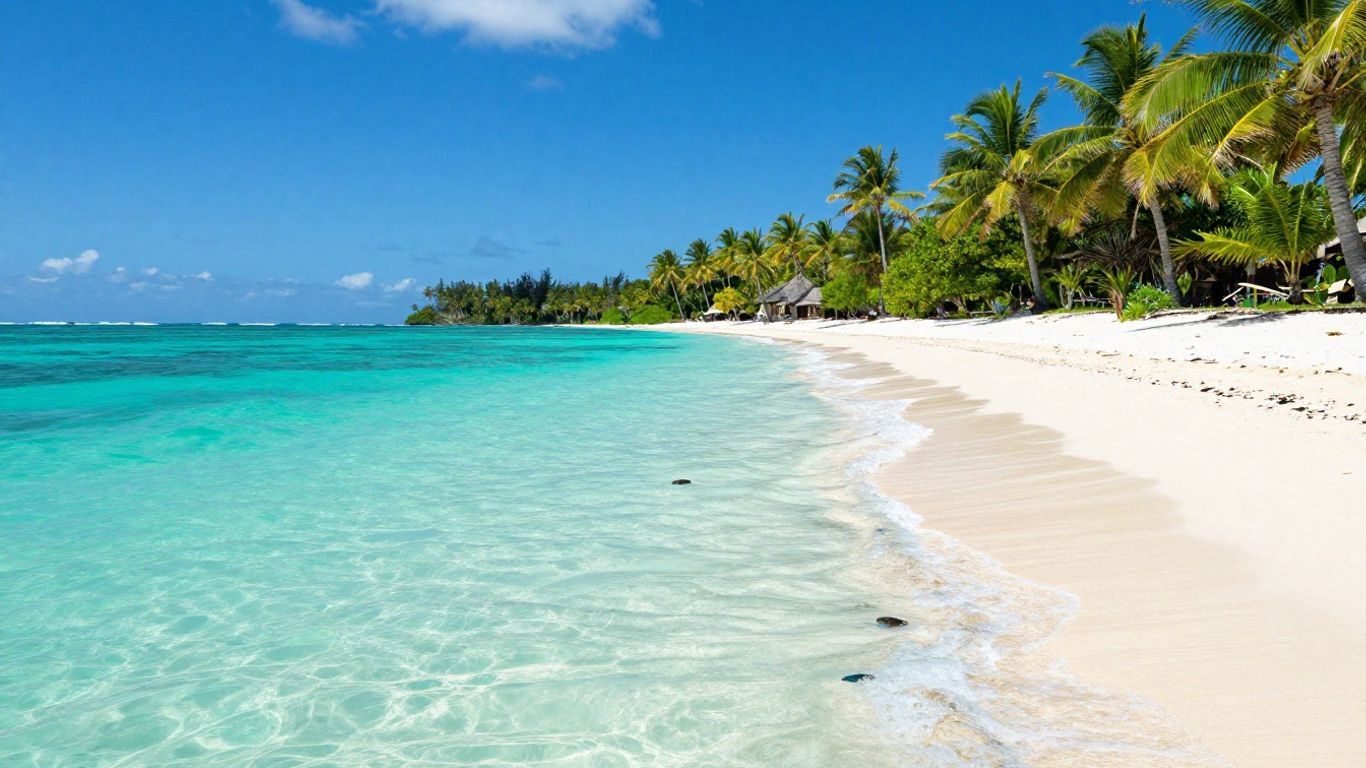
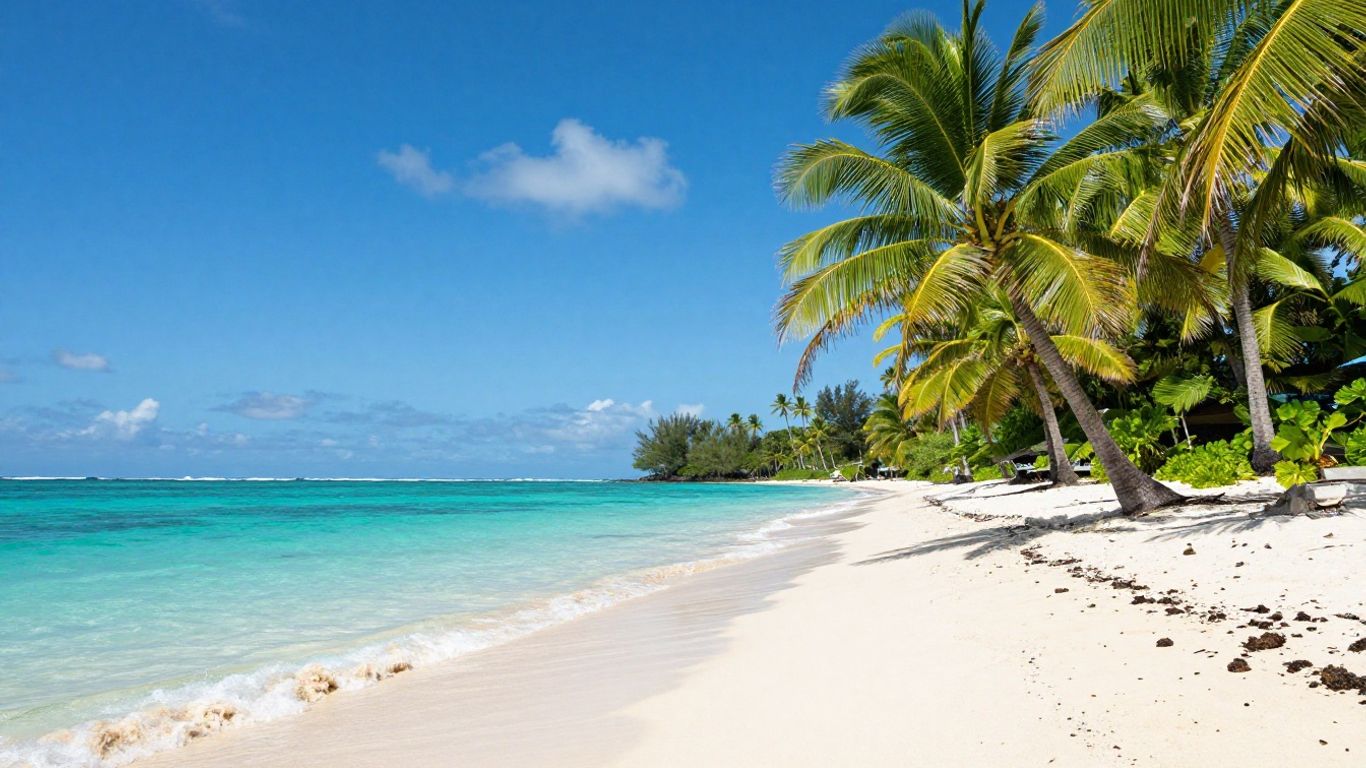
Planning a trip to Fiji sounds exciting, but it can also get a little overwhelming. With so many islands, unique customs, and things to do, it’s easy to miss out on the good stuff or get caught off guard. After talking to fellow travelers and making a few mistakes myself, I’ve put together these Fiji travel tips to help make your adventure smoother, more fun, and a little less stressful. Whether you’re heading for the beaches, the villages, or just want to relax, these tips will help you get the most out of your Fiji vacation.
Key Takeaways
Pick a few islands to visit instead of trying to see them all—travel between islands takes time.
Plan outdoor activities early in your trip so you can reschedule if the weather changes.
Pack bright clothes and comfortable sandals; Fijians love bold colors and patterns.
Try public buses or taxis on the main islands—they’re surprisingly affordable and easy to use.
Learn some basic Fijian words and customs, like saying bula’ for hello and bringing a small gift when visiting villages.
Choosing the Right Fiji Islands for Your Vacation
Fiji is a sprawling archipelago, and picking the right islands for your trip can feel a bit overwhelming at first. With over 300 islands, each has its own vibe and attractions. It’s not a one-size-fits-all kind of place, so figuring out where to go really depends on what you’re looking for in a vacation.
Highlights of Viti Levu and Suva
Viti Levu is the main island, and it’s where most visitors first arrive, usually at Nadi International Airport. It’s also home to the capital city, Suva. Think of Viti Levu as the hub for a lot of Fiji’s action. You’ll find a mix of things here: bustling city life in Suva with its markets and museums, plus some of the country’s best-value resorts. If you’re into hiking through lush rainforests or want to experience a more local, everyday Fijian life, Viti Levu is a good starting point. It’s also where you’ll find some of the more accessible cultural experiences.
The Appeal of Yasawa and Mamanuca Islands
If your idea of paradise involves postcard-perfect beaches, crystal-clear turquoise waters, and vibrant coral reefs, then the Yasawa and Mamanuca Islands are probably calling your name. These island groups are clustered to the west of Viti Levu and are famous for their stunning natural beauty. They’re a popular spot for island hopping, snorkeling, diving, and just generally soaking up the sun. You’ll find a range of accommodations here, from budget-friendly backpacker spots to luxurious private resorts. These islands are often the go-to for that classic Fijian beach holiday experience.
Hidden Gems: Taveuni, Vanua Levu, and Beyond
Looking for something a little different? Taveuni, known as the "Garden Island," is a fantastic choice for nature lovers. It’s famous for its waterfalls, lush rainforests, and incredible diving spots, like the Rainbow Reef. Vanua Levu, the second-largest island, offers a more laid-back vibe. The town of Savusavu is a charming hub for diving and exploring local life. For those seeking truly unique experiences, consider islands like Beqa, renowned for its firewalkers and shark diving, or even venturing to more remote, less-visited islands for a truly off-the-beaten-path adventure. These places often provide a more intimate glimpse into Fijian culture and natural wonders.
Choosing your islands is the first big step in planning your Fiji adventure. Think about what kind of scenery you want, how active you want to be, and what kind of atmosphere you’re hoping for. Don’t try to see everything; pick a few spots that really appeal to you and allow yourself time to enjoy them.
Planning Your Fiji Itinerary Like an Expert
Figuring out how to best spend your time in Fiji can feel a bit overwhelming, especially with over 300 islands to choose from! But don’t worry, with a little planning, you can craft a trip that perfectly balances adventure, relaxation, and cultural immersion. It’s all about making smart choices upfront so you can truly soak in the "Bula" spirit once you arrive.
How Long to Spend for a Memorable Experience
So, how much time do you really need in paradise? If you’re sticking to one or two main areas, like the popular Mamanuca or Yasawa Islands, a week can give you a good taste of Fiji, allowing for both exploration and downtime. However, Fiji is vast, and island hopping eats up travel time. For a truly relaxed and in-depth experience, aim for at least 10 days to two weeks. This gives you breathing room to explore a couple of different island groups without feeling rushed. Trying to see too much in a short period means you’ll spend more time in transit than enjoying the scenery. Consider basing yourself in one or two locations and taking day trips rather than moving hotels every other night.
Balancing Adventure and Relaxation
Fiji offers a spectrum of activities, from thrilling water sports to serene beach lounging. The key is to find your personal sweet spot. Are you an adrenaline junkie eager to dive or surf, or do you prefer to unwind with a good book by the ocean? Most visitors find a happy medium. Perhaps mornings are for exploring coral reefs or hiking to waterfalls, while afternoons are dedicated to napping in a hammock or enjoying a leisurely meal. Don’t overschedule yourself; leave room for spontaneous moments and simply enjoying the laid-back island pace. Remember, it’s a vacation, so relaxation should be a priority.
Optimizing Inter-Island Travel and Transfers
Getting between Fiji’s islands is part of the adventure, but it requires some forethought. Ferries are a common and often scenic way to travel between islands, especially in the Mamanuca and Yasawa groups. Seaplanes and small aircraft offer faster, albeit more expensive, options and provide breathtaking aerial views.
Book in advance: Especially during peak season, ferry and flight schedules can fill up. Booking your transfers ahead of time is wise.
Factor in travel time: Remember that each inter-island transfer will take a significant portion of your day, often including check-out, travel to the jetty or airport, the journey itself, and then checking into your new accommodation.
Consider your base: If you plan to visit many different islands, it might be more efficient to fly into one hub (like Nadi) and then take ferries or flights from there, rather than trying to connect through multiple small airports.
Planning your itinerary thoughtfully means understanding the logistics of getting around. Fiji’s beauty is spread across many islands, and while the journey is part of the charm, it’s wise to build buffer time into your schedule for transfers. This way, you minimize stress and maximize your enjoyment of the stunning landscapes.
For those looking to explore the diverse offerings of Fiji, understanding the best ways to move between these beautiful locations is key. Whether you’re drawn to the vibrant marine life or the tranquil shores, planning your island hopping will make your trip smoother.
Packing Essentials for Your Fiji Getaway
When you’re getting ready for a trip to Fiji, thinking about what to pack can feel a bit overwhelming, especially with all those beautiful islands to consider. But don’t worry, it’s mostly about keeping things light, comfortable, and ready for sunshine and water. The key is to pack smart, not heavy.
Vibrant Clothing and Local Dress Etiquette
Fiji is a place where color truly shines, and the locals often wear bright, bold patterns inspired by the islands. You’ll fit right in if you bring along some cheerful outfits. Think flowy dresses, colorful shirts, and comfortable shorts. For everyday wear, especially if you plan to visit villages or attend church, it’s a good idea to have a few items that cover your shoulders and knees. This shows respect for local customs.
Lightweight tops: Cotton or linen shirts and blouses are perfect for staying cool.
Bottoms: Shorts, skirts, and light trousers are all good choices.
Dresses: Sundresses and maxi dresses are great for both casual outings and slightly dressier evenings.
Cover-ups: A sarong or a light scarf is handy for the beach and for covering up when needed.
Beach and Adventure Gear Recommendations
Since Fiji is all about the water and the outdoors, you’ll want to bring gear that lets you make the most of it. Don’t forget your swimwear – maybe pack a couple of options so one can dry while you wear the other.
Swimsuits: Bring at least two.
Rash guard or UV shirt: Protects your skin from the sun while swimming or snorkeling.
Water shoes: Useful for rocky beaches or exploring coral areas.
Hat: A wide-brimmed hat is best for sun protection.
Sunglasses: Polarized lenses are great for cutting glare on the water.
Practical Items for Comfort and Safety
Beyond the fun stuff, a few practical items can make your trip much more comfortable and safe. Fiji is warm and humid, so staying hydrated and protected from the sun is important. Also, consider bringing a small first-aid kit for minor issues.
Remember that while many resorts offer filtered water, it’s wise to carry a reusable water bottle and a water filter, especially if you plan to explore areas outside the main tourist hubs. Sunscreen is a must, but opt for reef-safe varieties to protect Fiji’s delicate marine ecosystems.
Reusable water bottle: Stay hydrated and reduce plastic waste.
Reef-safe sunscreen: Protect yourself and the environment.
Insect repellent: Especially useful for evenings.
Small first-aid kit: Include bandages, antiseptic wipes, pain relievers, and any personal medications.
Waterproof bag or dry sack: To keep your phone, camera, and valuables dry on boat trips or at the beach.
Navigating Transportation Across Fiji
Exploring Fiji’s many islands is a big part of any visit, but figuring out how to get around can seem overwhelming at first. Fiji’s transport network gives you choices for every budget and type of trip—whether you want to save money, island hop quickly, or just take the scenic route. Here’s what to expect and how to get the most from your travel time there.
Budget-Friendly Buses and Taxis
Public buses are the backbone of travel on Fiji’s main islands like Viti Levu and Vanua Levu. These buses are reliable, inexpensive, and easy to spot, making them a great way to see local life off the tourist path:
Express buses run between major towns (Nadi, Suva) and usually have air conditioning and luggage storage.
Local buses cost less but stop everywhere and don’t usually have air conditioning—so expect a slow, social trip!
Taxis are everywhere in cities and towns. Most are metered, but always check before heading off, especially in rural areas.
If you want the local experience with the best value, hop on a local bus—just pack some patience and a bottle of water.
Seaplanes, Ferries, and Island Hopping Tips
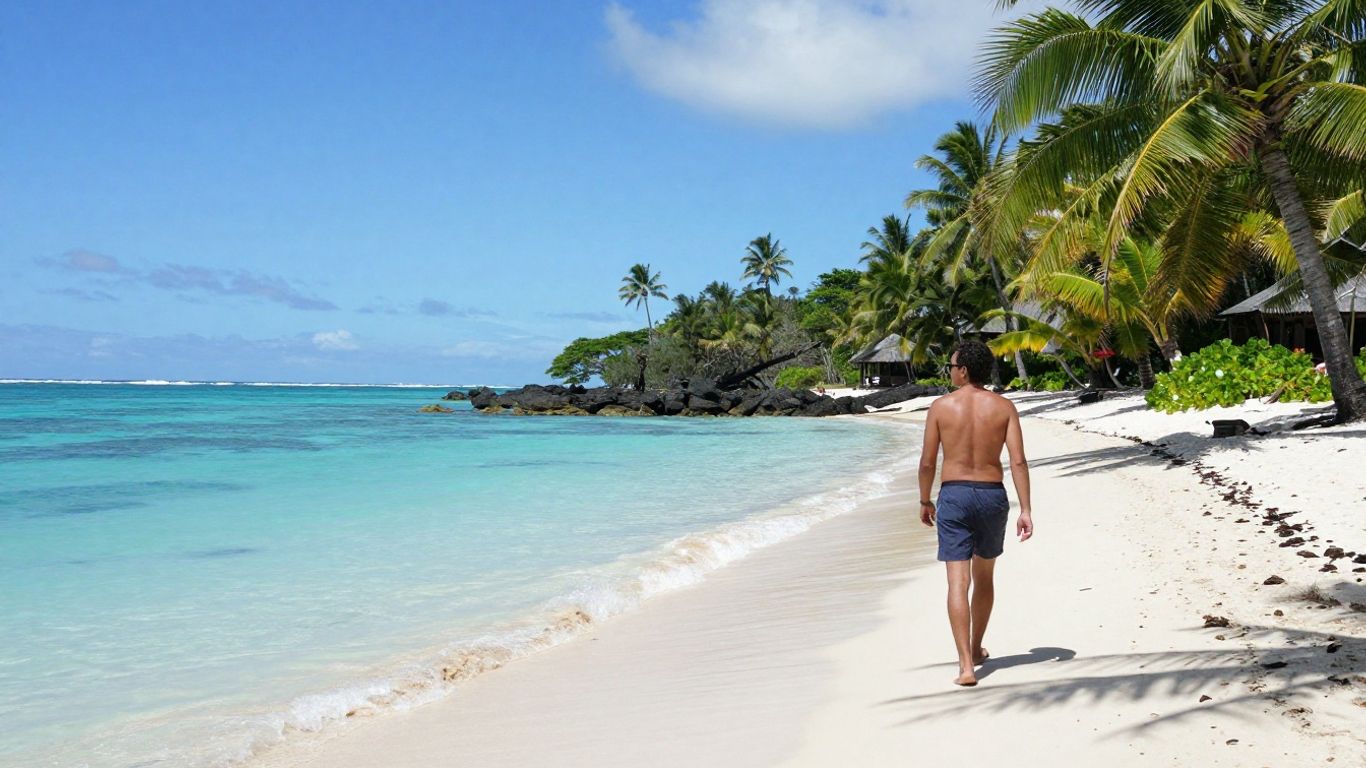
Getting between islands brings more choices. Fast-cat ferries, water taxis, and small planes take travelers just about anywhere in Fiji’s archipelago:
Inter-island ferries are best for travelers on a budget and those without tight schedules.
Seaplanes cut the travel time drastically; you’ll get from the mainland to Yasawa or Mamanuca islands in minutes, with fantastic views.
Water taxis are handy if you want personalized service or are heading to smaller resorts off the main routes.
To make the most of your time:
Book ferries ahead in peak season—schedules can fill up fast.
Always check the weather; remote trips sometimes get canceled or delayed.
Pack light, as smaller boats and planes have strict luggage limits.
Rental Cars and Local Driving Considerations
On Viti Levu and Vanua Levu, renting a car gives you freedom to roam. The roads are mostly in good shape, and rural drives can be scenic. Keep these tips in mind:
Fiji drives on the left side of the road; traffic can be slow, especially in towns.
Petrol stations are scarce outside big towns—top up when you can.
Watch out for livestock and potholes, especially if you’re heading inland or to smaller villages.
Main Points When Renting a Car in Fiji:
Valid driver’s license (international license recommended)
Check insurance coverage and excess amount
Take photos of the car before and after the rental
Most visitors find the mix of ferries, buses, and taxis covers almost everything, but a rental car gives a deeper view of local life—just remember to drive slow and enjoy the scenery.
Getting around Fiji can be part of the fun. Whether you’re catching a lively local bus or watching the islands go by from a seaplane, getting there is half the adventure.
Immersing in Fijian Culture and Customs
Fiji is more than just stunning beaches and clear blue water; it’s a place with a rich cultural tapestry and incredibly warm people. Embracing the local way of life will truly make your trip unforgettable. The "Bula" spirit is real, and it’s something you’ll feel everywhere you go. It’s a greeting, a welcome, and a general feeling of goodwill that permeates daily life.
Understanding the Bula Spirit and Local Greetings
When you arrive in Fiji, the first word you’ll likely hear is "Bula!" It’s a versatile greeting that means hello, welcome, and good health. Responding with "Bula" back is always appreciated. Beyond that, learning a few basic Fijian phrases goes a long way. "Vinaka" means thank you, and "Moce" (pronounced mo-they) means goodbye. You might also notice a unique way of confirming something: a raised eyebrow often signifies "yes." It’s a small gesture, but it’s a fun part of communicating with locals. Remember, Fijians are known for their hospitality and are generally understanding if you’re not fluent in their language.
Gift-Giving When Visiting Villages
If you have the opportunity to visit a Fijian village, it’s customary to bring a small gift, known as a "sevusevu." Traditionally, this involves kava root, but nowadays, other items like sugar or soap are also acceptable, especially if you’re not participating in a formal kava ceremony. The gift is presented to the village chief or elder as a sign of respect. It’s a way to show you value their welcome and are entering their community with good intentions. This gesture is deeply appreciated and helps build a positive connection.
Dressing Appropriately for Cultural Visits
When visiting villages or attending cultural events, dressing respectfully is important. It’s generally advised to wear clothing that covers your shoulders and knees. A "sulu," which is a traditional sarong-like garment, is commonly worn by both men and women and is a great option to have. Avoid wearing hats or sunglasses when entering a village or a home, as this can be seen as disrespectful. Carrying a backpack on your back might also be considered impolite; try carrying it in the crook of your arm instead. These simple considerations show that you respect their customs and are mindful of their traditions. For more insights into island life, consider exploring Vanuatu and Fiji for distinct cultural experiences.
Respecting local customs is key to a meaningful travel experience. It’s about showing genuine interest and acknowledging the traditions of the people you meet. Small gestures can make a big difference in how you connect with the local community.
Respectful Participation in Kava Ceremonies
Participating in a kava ceremony, or grogging’ as it’s sometimes called, is a really special way to connect with Fijian culture. It’s more than just drinking a beverage; it’s a ritual steeped in tradition and community. When you’re invited to join one, it’s a sign of respect and welcome, so it’s a good idea to go in knowing a bit about what to expect.
Etiquette and Rituals of Kava Drinking
When you arrive at a village for a ceremony, the first thing you’ll usually do is present a gift, known as a sevusevu’. Traditionally, this is kava root itself, but nowadays, other gifts like sugar or tobacco are also accepted if kava isn’t readily available. This gift is presented to the village chief or elder. After the sevusevu, you’ll typically remove your shoes before entering the meeting place, which is often a community hall. You’ll then be seated, usually cross-legged on the floor, often near the person who will be guiding you through the ceremony. The kava is prepared by mixing the powdered root with water in a large wooden bowl called a tanoa’. It’s then served in a half-coconut shell, or bilo’.
Here’s a quick rundown of the typical flow:
Presentation of the Sevusevu: This is the formal gift-giving to the village elders.
Seating Arrangement: Sit respectfully, usually cross-legged, and wait to be guided.
Kava Preparation: Watch as the kava is mixed and prepared.
Serving the Kava: You’ll be offered a bilo of kava.
How to Respond and Interact
When the kava is served to you, it’s customary to accept it. You’ll usually hear a call of "Bula!" before you drink. It’s polite to drink the kava in one go, though if you’re concerned about the quantity, you can ask for a "low tide," which is a smaller serving. After drinking, you might be expected to clap once, say "Bula!" again, or simply return the bilo. Don’t worry too much about getting it exactly right; the Fijians are incredibly welcoming and understanding. If you’re unsure, just watch what others are doing or ask the person next to you. It’s perfectly fine to politely decline a second or third cup if you’ve had enough. Remember, this is a social occasion, so engage in conversation if appropriate, but mostly just be present and respectful.
Common Customs in Village Gatherings
Kava ceremonies are often part of larger village gatherings, which might include other celebrations or meetings. It’s important to dress modestly when entering a village, usually with shoulders and knees covered. Wearing a sulu (a traditional wrap) is common for both men and women. Avoid wearing hats or sunglasses when you enter a village or a meeting house, as this can be seen as disrespectful. If you’re carrying a backpack, it’s better to hold it in your arm rather than wear it on your back. The Bula’ spirit is strong in Fiji, and a friendly greeting goes a long way. Showing genuine interest in the local culture and customs will be greatly appreciated. If you’re looking for similar cultural experiences, you might find them in places like Vanuatu .
Participating in a kava ceremony is a privilege. It’s an opportunity to witness and be part of a tradition that has been passed down through generations. Approach it with an open mind and a respectful heart, and you’ll likely have a memorable experience.
Staying Safe and Healthy During Your Fiji Adventure
Fiji is a beautiful place, and most visitors have a wonderful time without any issues. Still, it’s smart to be prepared. Thinking ahead about safety and health can make your trip much more enjoyable.
Drinking Water Safety and Recommendations
While tap water is generally safe to drink in Suva, the capital city, and most hotels offer filtered water, it’s wise to be cautious elsewhere. Outside of major hotels and the capital, it’s best to stick to bottled water or use a personal water filter. This simple step can help you avoid any unpleasant stomach troubles.
Always check if your accommodation provides filtered water.
Carry a reusable water bottle and a portable filter for day trips.
Be mindful of ice in drinks; ensure it’s made from purified water.
General Safety in Cities and Rural Areas
Fiji is quite safe for travelers, but like any destination, it’s good to be aware of your surroundings. In cities like Suva and Nadi, it’s a good idea to take the same precautions you would at home. Keep your valuables secure and out of sight, especially after dark. While crime against tourists is rare and usually involves petty theft, it’s best to avoid walking alone late at night in less populated areas. On the outer islands, you might not find police readily available. In such cases, your resort staff or the village chief (turaga ni koro) are your best points of contact for any assistance.
When exploring, especially in more remote areas, it’s always a good idea to let someone know where you’re going and when you expect to be back. This is particularly true if you’re heading out for a hike into the rainforests, like those found near Orchid Falls.
Useful Emergency Contacts and Health Tips
Knowing who to call in an emergency can provide peace of mind. For immediate police assistance on the main islands, dial 917. For general emergencies, 911 is the number to use. If you’re on an outer island and need help, your first point of contact should be your accommodation provider or the local village leader. It’s also a good idea to pack a basic first-aid kit with essentials like bandages, antiseptic wipes, pain relievers, and any personal medications you might need. Don’t forget insect repellent, especially if you plan on spending time outdoors or exploring the lush interiors.
Selecting Accommodations That Enhance Your Trip
When you’re planning your trip to Fiji, where you stay can really make a difference in how you experience the islands. It’s not just about having a bed; it’s about finding a place that fits the vibe you’re going for.
Benefits of Small Resorts and Homestays
For a more personal touch, think about booking a smaller resort or a homestay. These places often feel more connected to the local culture. You might find staff who are happy to share stories about Fiji or even invite you to join in on local activities. It’s a great way to get a feel for the real Fiji, away from the big crowds. These intimate settings often lead to more memorable interactions and a deeper appreciation for the islands. You might even get to try some home-cooked Fijian meals.
Comparing International Resorts and Local Stays
Fiji has a range of places to stay, from big international hotel chains to smaller, locally-owned spots. The big resorts, often found on places like Denarau Island, usually have lots of amenities like pools and restaurants. They’re convenient, especially if you want everything under one roof. On the other hand, local stays, like those in the Yasawa or Mamanuca Islands, can offer a more authentic experience. They might be simpler, but the connection to the community and the natural surroundings can be really special. It’s a trade-off between convenience and cultural immersion.
What to Look For in Eco-Friendly Lodging
More and more places in Fiji are focusing on being kind to the environment. When looking for eco-lodging, keep an eye out for places that use solar power, conserve water, or have programs to protect the local reefs and forests. Some places even work with local villages to support the community. Staying in a place that cares about sustainability means your visit can have a positive impact. It’s a good feeling to know you’re helping to keep Fiji beautiful for years to come. You can often find these gems by looking for places that highlight their conservation efforts or community partnerships. For example, some places might offer guided trips to nearby villages or serve locally sourced food, which is a great sign of their commitment to responsible tourism .
Choosing your accommodation wisely is a big part of crafting your perfect Fijian adventure. It’s about finding that sweet spot between comfort, experience, and connection to the place you’re visiting.
Budgeting and Currency Tips for Fiji Travelers
When you’re planning your trip to Fiji, thinking about money is a big part of it. It’s not just about how much things cost, but also how you’ll pay for them and what’s considered normal. Fiji uses the Fijian Dollar (FJD), and while credit cards are accepted in most hotels and bigger shops, it’s always a good idea to have some cash on hand. You’ll find it useful for smaller purchases, local markets, or when you’re out on the smaller islands.
Average Travel Costs and Expense Planning
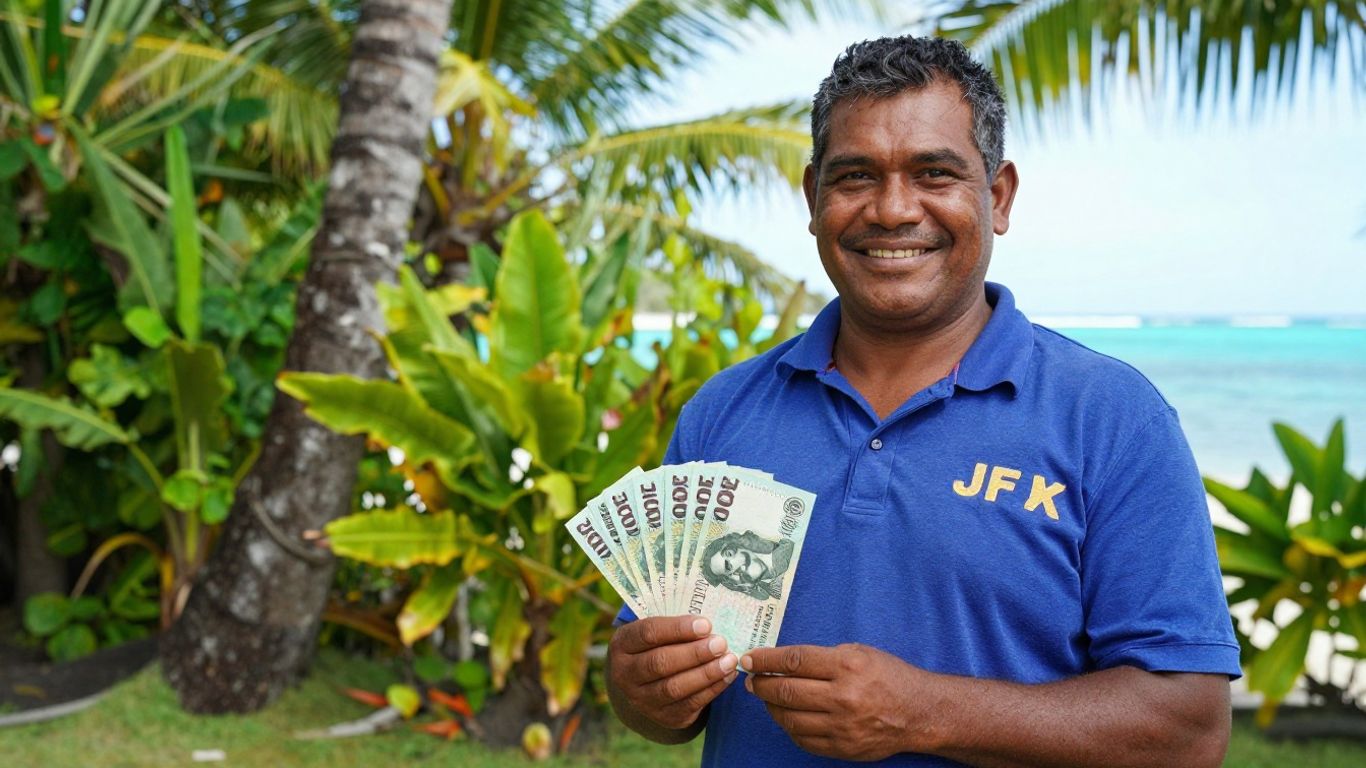
Figuring out your budget beforehand can save you a lot of stress. A typical 7 to 10-day trip, not including your flights to Fiji, might run between $2,000 and $3,500 per person. This can change a lot depending on where you stay and what you do, of course. Staying in smaller, local guesthouses or homestays can often be more budget-friendly than large international resorts. Think about what kind of experience you want – are you looking for luxury or a more down-to-earth adventure? Planning this early helps you set realistic expectations.
Using Fijian Dollars and Credit Card Advice
The Fijian Dollar (FJD) is the official currency. While major hotels, resorts, and larger stores will take credit cards, don’t rely on them entirely. Smaller vendors, local buses, and taxis on the outer islands often prefer or only accept cash. It’s wise to withdraw some FJD from an ATM upon arrival or exchange some currency at the airport. Keep smaller bills handy for everyday expenses. For larger resort bookings or tours, credit cards are generally fine, but always check beforehand if you’re unsure.
Tipping Practices and Staff Funds
Tipping isn’t a deeply ingrained tradition in Fiji like it might be in some other countries, but it’s certainly appreciated for good service. Many resorts have a "staff fund" where any tips given are pooled and shared among all the employees. If you’re happy with the service you’ve received, contributing to this fund is a great way to show your appreciation. If a staff fund isn’t available, a small tip directly to individuals who have gone above and beyond is also a kind gesture. It’s not expected, but it’s a nice way to acknowledge hard work.
When you’re budgeting, remember that some of the most memorable experiences in Fiji, like sharing a meal in a village or attending a local event, might not cost much at all. Focusing on cultural immersion can often be more rewarding than spending big on luxury items.
Savvy Fiji Travel Tips for Outdoor Activities
Fiji is a playground for anyone who loves the outdoors. From the vibrant coral reefs teeming with life to the lush, green interiors of its islands, there’s so much to explore. To make the most of your adventures, a little planning goes a long way.
Timing Adventures Based on Weather
Tropical weather can be unpredictable. You might get a sunny morning followed by an afternoon shower, or vice versa. It’s a good idea to schedule your main outdoor activities, like snorkeling trips or hikes, earlier in your visit. This gives you some wiggle room to reschedule if the weather doesn’t cooperate. Don’t let a little rain stop you, though; sometimes the most dramatic skies make for the best photos!
Best Practices for Snorkeling and Diving
Fiji’s underwater world is spectacular. When you head out to snorkel or dive, remember a few key things. Always wear reef-safe sunscreen to protect the delicate coral and marine life. If you’re new to snorkeling, consider a guided tour to learn the best spots and how to move around safely. For divers, always check your gear and be aware of currents. Many resorts and tour operators offer introductory sessions if you’re curious about trying scuba diving .
Booking Guided Tours and Local Experiences
While you can certainly explore on your own, local guides can offer insights you wouldn’t get otherwise. They know the best times to see certain wildlife, the safest paths for hikes, and can share stories about the places you visit. Booking through your accommodation or a reputable local operator is usually straightforward. It’s a great way to support the local economy and get a more authentic feel for the islands.
Planning your outdoor adventures with flexibility in mind is key. Embrace the natural rhythm of the islands and be prepared for anything the tropical climate might bring. This approach will help you enjoy every moment, rain or shine.
Eating and Drinking Like a Local in Fiji
Fiji’s food scene is a delightful mix of fresh, local ingredients and traditional cooking methods. You’ll find that many dishes are centered around seafood, root vegetables, and tropical fruits. Don’t be shy about trying new things; it’s part of the adventure!
Traditional Fijian Foods to Try
When you’re in Fiji, make it a point to sample some of the local specialties. Many of these dishes are prepared using age-old techniques that bring out incredible flavors.
Kokoda: This is Fiji’s take on ceviche. Fresh raw fish (usually reef fish) is marinated in lime juice until it "cooks," then mixed with coconut cream, onions, and tomatoes. It’s incredibly refreshing, especially on a warm day.
Lovo Feast: This is a special occasion meal cooked in an underground oven. A pit is dug, hot stones are placed inside, and the food (often fish, chicken, pork, and root vegetables like taro and cassava) is wrapped in banana leaves and cooked slowly. The result is smoky, tender, and delicious.
Palusami: A popular dish made from taro leaves, often stuffed with corned beef or fish, and cooked in coconut cream. It’s rich and savory.
Duruka: This is the flower stalk of a wild sugar cane, and it’s a delicacy in Fiji. It’s usually cooked in coconut cream and has a unique, slightly crunchy texture.
Village Meals and Hospitality
If you have the chance to be invited to a meal in a Fijian village, consider it a true honor. Fijian hospitality is legendary, and sharing a meal is a significant part of their culture. You’ll often be served food family-style, with everyone eating together. It’s polite to accept what’s offered, and if you’re unsure about anything, just ask. Remember that bringing a small gift, like yaqona (kava root) or some sweets, is a customary gesture when visiting a village.
Experiencing a meal in a village offers a genuine glimpse into Fijian life. It’s more than just food; it’s about connection and sharing. Be open, be respectful, and savor the moment.
Finding Vegetarian and Special Dietary Options
While many traditional Fijian dishes feature fish and meat, there are plenty of options for vegetarians and those with other dietary needs. Coconut milk and root vegetables are staples, making many dishes naturally vegetarian-friendly. Taro leaves, breadfruit, and sweet potatoes are common. When dining at resorts or restaurants, it’s always best to inform your server about any dietary restrictions you have. They are usually very accommodating and can suggest or prepare suitable meals. Don’t hesitate to ask for local ingredients that might be used in vegetarian preparations.
Don’t be afraid to ask for recommendations; the locals are usually happy to guide you to their favorite dishes.
LGBTQ+ and Responsible Travel Considerations
Fiji is a place that welcomes visitors with open arms, and for the most part, people are incredibly friendly. When it comes to LGBTQ+ travelers, it’s good to know that while homosexuality is legal, public displays of affection might be viewed differently, especially outside of the main tourist hubs. Think of it like this: the big resorts and popular islands are generally quite relaxed, but if you venture into smaller villages, it’s wise to be more mindful of local customs. Being aware and respectful goes a long way in making genuine connections.
Navigating Social Attitudes and Respect
Most Fijians are warm and hospitable, and the famous Bula spirit’ extends to everyone. However, like many places around the world, attitudes can vary. In tourist areas, you’ll likely find a very accepting atmosphere. When visiting local villages or more remote areas, it’s always a good idea to dress modestly – covering shoulders and knees is a good rule of thumb, especially when attending church or village gatherings. This shows respect for the local culture and traditions. It’s not about hiding who you are, but about showing deference to the community you’re visiting.
Traveling Responsibly in Rural Communities
When you’re exploring beyond the resorts, remember that Fiji is a place with deep-rooted traditions. Engaging with local communities is a highlight for many travelers, and it’s a chance to experience authentic Fijian life. If you’re invited to a village, it’s customary to bring a small gift, often kava root or something practical. Participating respectfully in ceremonies, like the kava ceremony, is a sign of goodwill. Remember, your actions reflect not just on you, but on other travelers too. Being a considerate guest helps maintain the positive relationships between visitors and locals.
Supporting Inclusive and Sustainable Tourism
Choosing where you stay and what you do can make a real difference. Look for accommodations and tour operators that clearly support local communities and environmental conservation. Many small resorts and homestays are run by local families and offer a more authentic experience, with profits staying within the community. Supporting these businesses helps to ensure that tourism benefits everyone. When you travel responsibly, you’re not just having a great vacation; you’re contributing to the well-being of Fiji and its people. You can find more information on sustainable travel practices and how to support local communities on our site.
Your Fijian Adventure Awaits
So, there you have it. Fiji is a place that really sticks with you, long after you’ve left its shores. It’s more than just pretty beaches and clear water, though it certainly has those in spades. It’s the people, the culture, and that special bula’ spirit that makes it all come together. We’ve covered a lot, from picking the right island to packing smart and respecting local ways. Remember, a little planning goes a long way, but don’t be afraid to go with the flow too. Fiji is ready to welcome you with open arms, so get ready for an unforgettable trip. Vinaka!
Which Fiji islands should I visit?
Fiji has over 300 islands, and they’re all a little different! If you want amazing beaches and fun water sports, check out the Mamanuca and Yasawa Islands. For jungle hikes and cool waterfalls, Taveuni is the spot. Viti Levu is the biggest island and has the capital city, Suva, plus lots of resorts and cultural stuff. If you like diving and a chill vibe, try Vanua Levu.
How long should I stay in Fiji?
To really relax and see a couple of places without rushing, aim for at least a week. If you want to hop between many islands, you’ll spend a lot of time traveling. It’s better to pick a few spots and enjoy them slowly. You can also take day trips from where you’re staying instead of moving hotels all the time.
What should I pack for Fiji?
Pack light, comfy clothes for warm weather. Think shorts, t-shirts, and sundresses. Bright colors and tropical patterns are popular! Don’t forget your swimsuit, a hat, sunglasses, and sunscreen that’s safe for the ocean. If you plan to visit villages or churches, bring clothes that cover your shoulders and knees.
How do I get around Fiji?
On the main island, Viti Levu, buses are a cheap way to travel. Taxis are also available on bigger islands. For island hopping, you’ll use ferries or small planes called seaplanes. These can be a bit pricey but offer amazing views!
What’s the Bula’ spirit?
When you hear Bula!’, it means hello!’ Fijians are known for being super friendly and welcoming. Learning a few words like Bula’ (hello) and Vinaka’ (thank you) will go a long way and make people happy.
What is a Kava ceremony?
Kava is a traditional drink made from a plant root. It’s often shared in villages as a way to welcome guests. You’ll usually sit on the floor and drink kava from a coconut shell. It’s polite to try it if offered, and don’t be afraid to ask questions about the customs!
Is it safe to drink the water in Fiji?
In big cities and most hotels, the tap water is usually okay to drink. But in smaller towns or on outer islands, it’s best to stick to bottled or filtered water to be safe. Always check if your accommodation provides safe drinking water.
Do I need to tip in Fiji?
Tipping isn’t a big tradition in Fiji, but people always appreciate it if you give a tip for great service. Some hotels have a staff fund’ where tips are shared among everyone. You can also give a tip directly to staff members you feel deserve it.