Fiji is that dream island getaway, right? With its clear blue water and perfect beaches, it sounds amazing any time of year. But like most places, Fiji has its busy times and its quieter times. Knowing about these Fiji travel seasons can really help you plan your trip. You might want to save some cash, avoid the crowds, or maybe you just want to know what kind of weather to expect. Let’s break down what visiting Fiji is like during its different seasons, especially those in-between times that often get overlooked.
Key Takeaways
Traveling during Fiji’s shoulder seasons, typically outside the peak dry months, can mean big savings on flights and places to stay.
Fewer tourists during the shoulder months lead to a more laid-back vibe and often more personal attention from staff.
While the wet season can bring rain, it’s usually in short bursts, and Fiji remains warm and beautiful year-round.
Shoulder season travel is great for those on a budget, couples looking for a quiet escape, and families who can snag deals during holidays.
Fiji’s natural beauty, from its beaches to its underwater world, is pretty much a constant, no matter when you visit.
Understanding Fiji Travel Seasons
Fiji, this amazing collection of over 300 islands, is pretty much a tropical dream any time of year. You’ve got those postcard-perfect beaches, clear blue water, and jungles that are just bursting with green. But, like anywhere, when you go can really change your trip. Fiji basically has two main seasons, and knowing the difference can help you pick the perfect time to visit, whether you’re all about soaking up the sun or looking for a more chill vibe.
The Dry Season Advantage
This is what most people think of when they picture Fiji. It’s prime time for anything water-related – think snorkeling, diving, or just island hopping without a cloud in the sky. Hiking trails are also at their best, and outdoor festivals are in full swing. It’s basically Fiji showing off its best weather.
The Wet Season Appeal
It gets warmer, and yes, more humid, with rain showers that can pop up. But don’t let the name fool you completely. " The islands get incredibly lush and green, waterfalls are roaring, and the biggest perk? Fewer people. This means you might snag better deals and enjoy a more peaceful experience. Temperatures are a bit higher, around 25°C to 31°C.
Navigating Fiji’s Climate
So, how do you pick? It really comes down to what you want from your vacation. If your dream trip involves endless sunshine and water sports without a worry, the dry season is probably your best bet. But if you’re on a tighter budget, don’t mind a bit of humidity, and prefer a quieter atmosphere, the wet season has a lot to offer. It’s also worth remembering that Fiji is warm year-round, so even during the wetter months, you’re still likely to get plenty of sunshine. The key is just being prepared for the possibility of rain showers and higher humidity.
Fiji’s climate is tropical, meaning it’s warm and humid most of the time. While the dry season offers less rain and humidity, the wet season still provides plenty of sunshine, with rain showers often being brief. The islands are beautiful year-round, so the best’ time to visit really depends on your personal preferences and priorities for your trip.
Financial Benefits of Shoulder Season Travel
Thinking about a trip to Fiji but also keeping an eye on your wallet? You’re in luck! Traveling during the shoulder seasons, which generally fall between the peak dry months and the heart of the wet season, can mean some serious savings. It’s a sweet spot where you get a lot of the good stuff without paying top dollar.
Reduced Accommodation Costs
This is often the biggest win. You might find deals that are significantly lower than what you’d pay during the high season.
Look for special packages or early bird discounts even in the shoulder months.
Consider smaller, locally-owned guesthouses for even more budget-friendly options.
Don’t be afraid to negotiate, especially for longer stays.
The sweet spot for savings often lies in the periods just before or just after the absolute peak tourist times. This is when demand dips, and businesses are keen to attract visitors.
Affordable Airfares
Flights can be a huge chunk of your travel budget, and luckily, they often follow the same trend as accommodation. Airlines might offer lower fares during these shoulder periods to fill seats. Planning your trip in advance can also help you snag cheaper flights .
Deals on Activities and Tours
It’s not just flights and hotels that get cheaper. Activity providers and tour operators also want to keep their boats and guides busy. This means you’re more likely to find special offers, discounts, or even bundled deals on things like snorkeling trips, diving excursions, or cultural village visits.
This means you can potentially do more, see more, and experience more of what Fiji has to offer without breaking the bank. It’s a fantastic way to stretch your travel budget further and make your Fijian adventure even more rewarding.
Experiencing Fewer Crowds

One of the biggest perks of traveling during Fiji’s shoulder seasons is the noticeable drop in the number of people. Forget jostling for space on the beach or waiting in long lines for popular attractions. Instead, imagine having more room to breathe and truly soak in the island’s beauty. This quieter atmosphere makes it easier to connect with the local culture and enjoy a more personal experience.
A More Relaxed Atmosphere
When the peak season crowds thin out, a different kind of magic takes over. " You’ll find that resorts feel more spacious, beaches are less populated, and the general vibe is just more laid-back. It’s the kind of environment where you can actually hear the waves and feel the gentle breeze without a hundred other people doing the same.
Enhanced Personal Service
With fewer tourists around, the staff at resorts, on tours, and at local eateries have more time to dedicate to each guest. This often translates into a more attentive and personalized level of service. You might find your tour guide sharing extra stories, your waiter remembering your drink order, or the resort staff going the extra mile to make your stay special. It’s a subtle but significant difference that can really make a trip feel more memorable.
Spontaneity in Travel Plans
Traveling during the shoulder months means you often don’t need to book every single thing weeks or months in advance. Since accommodations and activities are less likely to be completely full, there’s more room for spontaneity. Fancy an impromptu snorkeling trip or decide to extend your stay on a particular island? You’ll likely find it much easier to make those last-minute changes. This flexibility is great for those who like to go with the flow, which is really what Fiji is all about. It’s a refreshing change from the rigid planning that sometimes comes with visiting during the peak dry season .
The reduced crowds during shoulder seasons mean you can often secure last-minute bookings for popular activities or even find better deals upon arrival, allowing for a more flexible and less stressful itinerary.
Weather Considerations During Shoulder Months
When you’re thinking about Fiji, you might picture endless sunshine, and for the most part, that’s true. But even during the shoulder months, the weather plays a role in your trip. It’s not always a simple case of dry’ or wet’ season; there’s a bit more nuance to it.
The Liquid Sunshine’ Phenomenon
Don’t let the term wet season’ scare you off. ’ You might get a good downpour for an hour or so, and then the sun is back out, making everything look fresh and vibrant. It’s not uncommon to have sunny days with just a brief shower in the afternoon. This kind of weather can actually be quite refreshing, especially when you’re looking to cool down.
Year-Round Warmth
One of the best things about Fiji is that it’s warm pretty much all year round. You won’t find any chilly winters here. Temperatures generally hover between the mid-70s and high-80s Fahrenheit (around 24-31°C) throughout the year. So, even if you visit during a shoulder month, you can still expect comfortable, tropical temperatures perfect for swimming and enjoying the outdoors. The Fiji climate is consistently warm, making it a great escape any time.
Coping with Humidity
Humidity can be a factor, especially as you move from the dry season into the wetter months. It can feel a bit sticky at times, but there are ways to manage. Staying hydrated is key, and taking advantage of resort air conditioning or ceiling fans can make a big difference. Plus, those sudden rain showers can offer a welcome cool-down.
Embrace the water: Pools and the ocean feel extra inviting when it’s humid.
Stay indoors during peak heat: Plan indoor activities or relax in the shade during the hottest parts of the day.
Light, breathable clothing: Pack fabrics that let your skin breathe.
It’s a trade-off that many travelers find well worth it for a more relaxed experience in paradise.
Ideal for Budget-Conscious Visitors
If you’re watching your wallet, the shoulder months are your best friend. Think of it as getting more bang for your buck. Plus, airlines tend to offer better deals on flights when demand is lower. It’s not just about the big stuff, either. You might snag discounts on island tours, diving trips, or even spa treatments. This makes Fiji accessible to more people who might otherwise think it’s out of reach.
Airfare Deals: Keep an eye out for promotions and cheaper tickets, especially if you book in advance.
Traveling during the shoulder season means you can stretch your budget further, allowing for a longer stay or more experiences without the financial strain.
A Tranquil Escape for Adults
For couples or solo travelers looking for a peaceful getaway, the shoulder season offers a more laid-back vibe. You won’t be battling for a spot on the beach or waiting ages for a table at a restaurant. It’s easier to find quiet corners to relax and soak in the Fijian atmosphere. The reduced crowds mean you can often get more personalized attention from resort staff and tour guides, making your experience feel more special and less rushed. It’s a great time to simply unwind and enjoy the natural beauty without the hustle and bustle.
Family Opportunities During Holidays
While the shoulder season generally means fewer crowds, there are specific pockets, particularly around major holidays like Christmas and New Year’s, where families flock to Fiji. Even during these busier holiday periods within the shoulder season, you might still find better value than during the absolute peak dry season months. Resorts often have special holiday programs and activities geared towards children, making it a fun and memorable experience for the whole family. Just be sure to book well in advance if you’re planning a trip around these popular holiday dates, as availability can still be tight.
The Enduring Beauty of Fiji
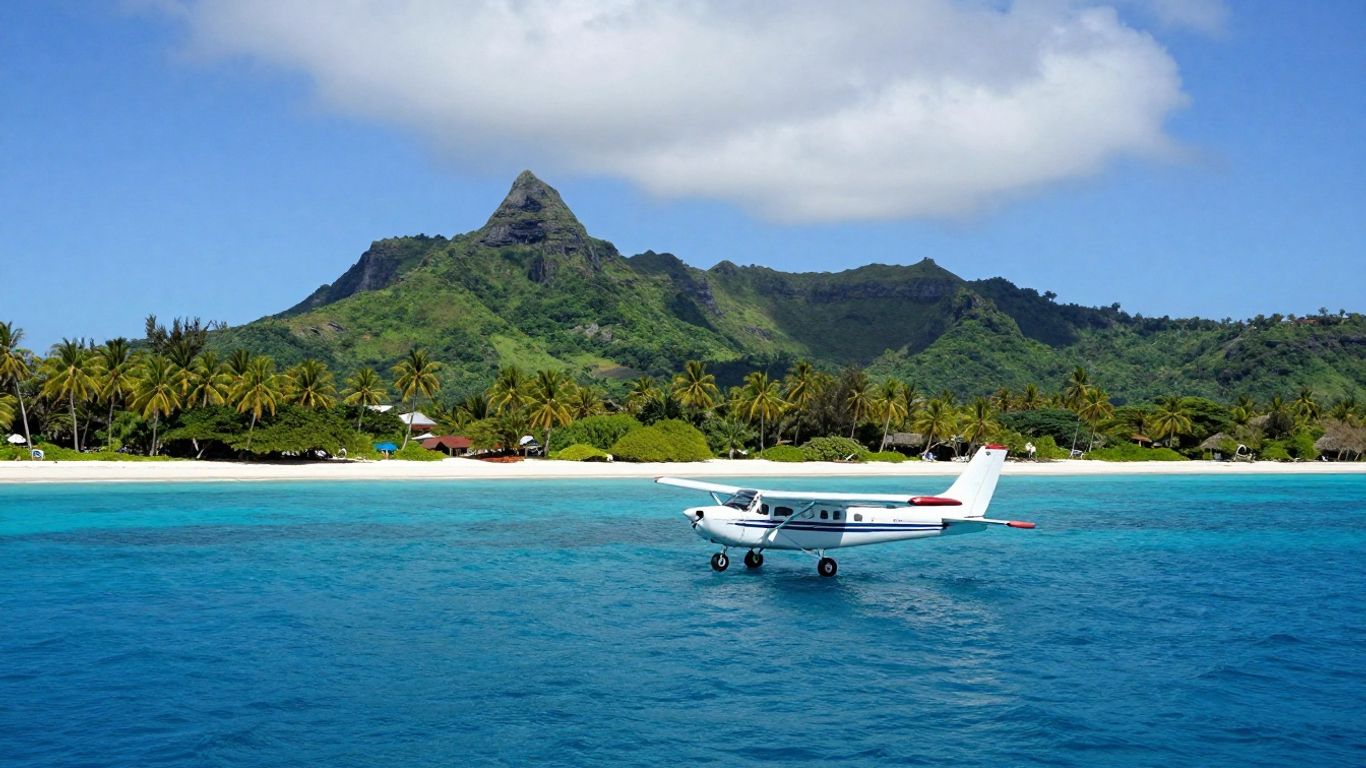
No matter when you decide to visit Fiji, the islands offer a visual feast. It’s not like one season magically makes everything look better than the rest of the year. The waters around those famous coral reefs stay clear and full of life, the rainforests keep their vibrant green, and the beaches? They’re always looking like something out of a postcard. " Basically, any time you go, you’re going to have plenty of amazing photo opportunities.
Lush Landscapes and Waterfalls
Fiji’s interior is a world away from its famous coastlines. Think dense rainforests, rolling hills, and yes, those spectacular waterfalls. Even during the drier months, the islands retain their lushness, but after a good rain, the waterfalls really come alive. Hiking through these areas feels like stepping into another world, with the sounds of nature all around and the air thick with the scent of tropical plants. It’s a different kind of beauty, one that’s wild and untamed.
Vibrant Marine Life
Below the surface, Fiji is just as stunning. The coral reefs are a kaleidoscope of color, supporting an incredible variety of fish and other sea creatures. Snorkeling or diving here is like entering a bustling underwater city. You don’t need to be an expert to appreciate it; even just wading into the shallows can reveal a surprising amount of activity. The clarity of the water, especially during the shoulder months, makes it perfect for observing this underwater spectacle. It’s a reminder of how much life thrives just out of sight.
Pristine Beaches Year-Round
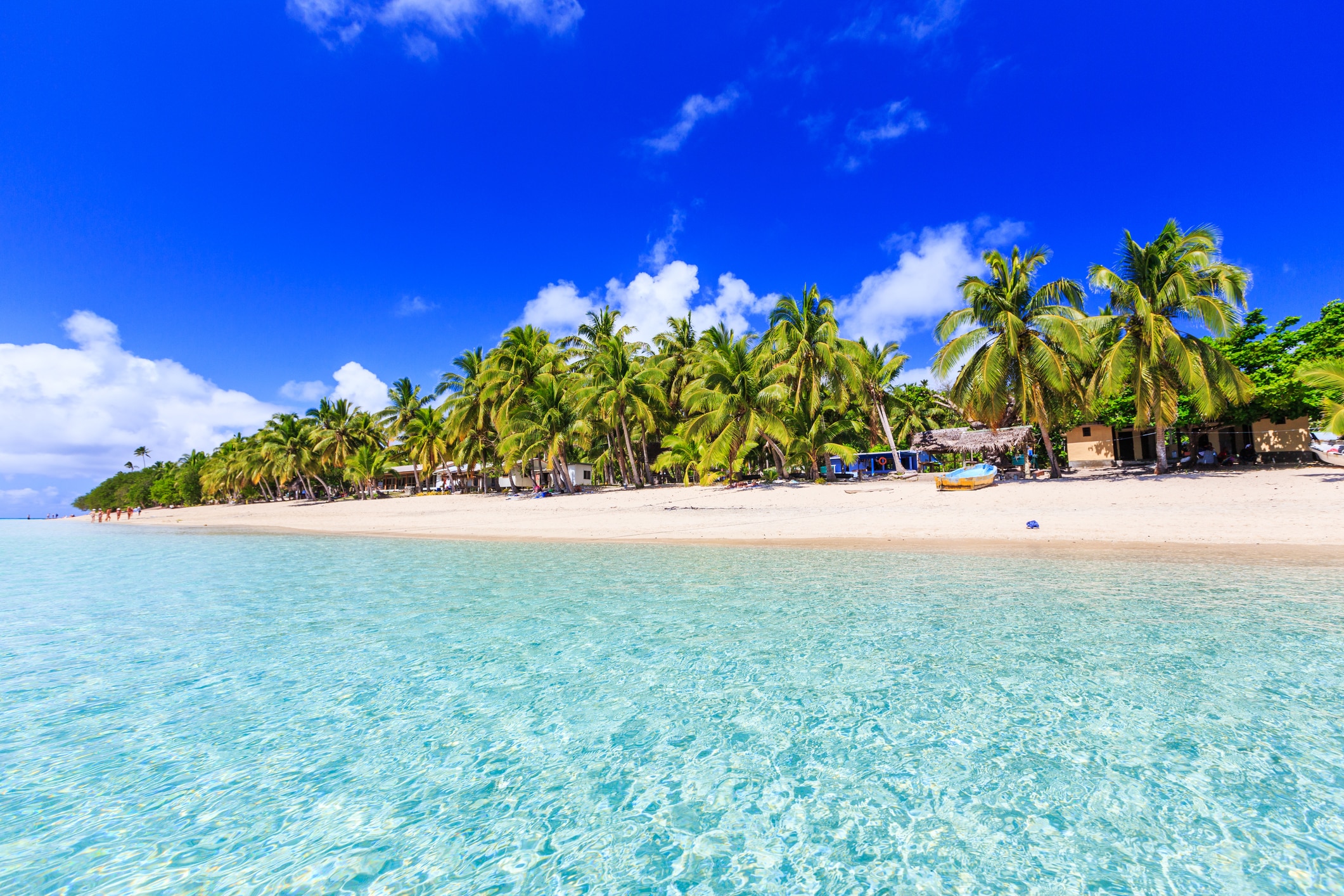
And then there are the beaches. Powdery white sand, crystal-clear turquoise water – it’s the classic Fiji image, and it’s pretty much a constant. While some might worry about the weather during shoulder seasons, the beaches are still absolutely gorgeous. You might get a brief shower, but it usually passes quickly, leaving everything fresh and clean. Plus, with fewer people around, you can often find a stretch of sand all to yourself, which is pretty special. It’s the perfect spot to just relax and soak it all in, whether you’re looking for a quiet escape or a place to enjoy the sun .
The beauty of Fiji isn’t confined to a specific time of year. Its natural wonders, from the underwater world to the verdant interiors and iconic beaches, are consistently breathtaking. This makes it a destination that truly offers something special, regardless of when you choose to visit.
So, When Should You Go?
Ultimately, Fiji is pretty amazing no matter when you decide to visit. Think of it this way: the islands are lush, the waterfalls are roaring, and you might just snag some sweet deals. It really just comes down to what kind of trip you’re hoping for. Either way, you’re in for a treat.
When is the best time to visit Fiji if I want to save money?
You’ll often find cheaper flights and places to stay, and sometimes even special deals on fun activities. Just remember, this is also when Fiji gets more rain, but it’s usually in short bursts.
What’s the weather like during Fiji’s shoulder season’?
Fiji’s shoulder seasons are the times right before or after the peak tourist periods. The weather is usually pretty great – warm and sunny, but maybe with a bit more humidity or a quick rain shower now and then. It’s a nice balance between the super dry (but busy) season and the wetter season.
Will I be bored if I go to Fiji when it’s less crowded?
Not at all! Going when it’s less crowded means you get more of Fiji to yourself. You can enjoy the beautiful beaches and clear waters without feeling rushed. Plus, the people working at resorts and on tours often have more time to chat and make your experience extra special. It’s the perfect way to really relax and enjoy Fiji time’.
Is Fiji still beautiful even if it rains sometimes?
Absolutely! Fiji is stunning year-round. The rain during the wet season actually makes the islands super green and lush. Waterfalls are more powerful, and the flowers bloom beautifully. You’ll still find plenty of sunshine between the showers, and the ocean is usually clear enough for swimming and snorkeling.
Can families have a good time in Fiji during the off-season?
Yes, families can have a fantastic time! You might find better deals, and there are often fewer crowds, making it easier to enjoy activities and attractions.
What should I pack for Fiji outside of the main tourist season?
Pack light, breathable clothing like shorts, t-shirts, and sundresses for the warm weather. Definitely bring swimwear and sun protection like sunscreen, a hat, and sunglasses. Since there can be rain showers, a light waterproof jacket or poncho is a good idea. Comfortable sandals and maybe some water shoes are also smart choices.
Confirm current details
Confirm current schedules, prices, availability, conditions and local guidance directly with the responsible official source or provider before making a nonrefundable plan.
Use this guide for trip ideas, not a current quotation or a guarantee of access, safety, inclusions or availability. Confirm the requirements and conditions for your dates, destination and provider before booking.