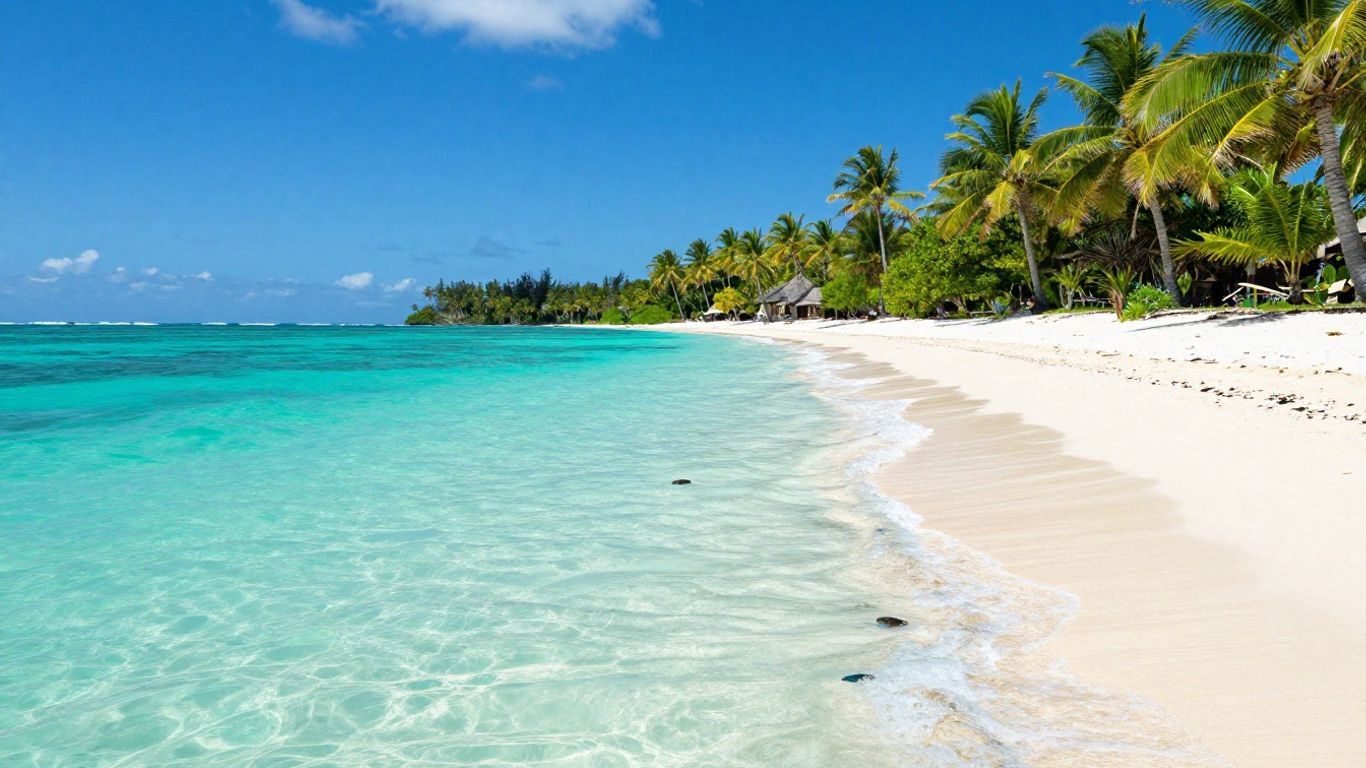
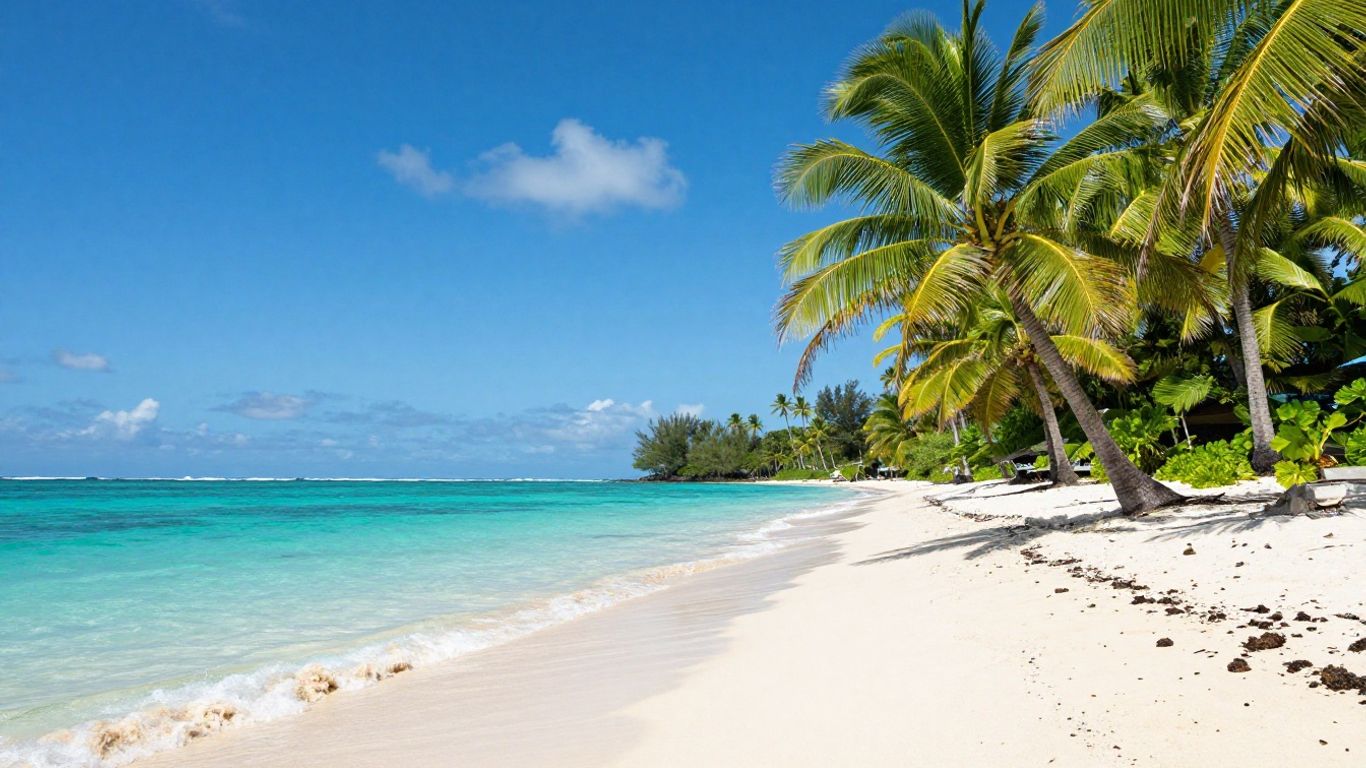
Planning your first trip to Fiji? It’s a beautiful place, truly, with those islands and the ocean. But like anywhere, there are a few things to keep in mind to make sure your visit is smooth sailing. We’ve put together some pointers to help you out, covering everything from getting around to staying healthy and respecting the local culture. Think of this as your friendly guide to Fiji travel safety, so you can just focus on enjoying the Bula’ spirit.
Key Takeaways
Fiji is generally safe, but be aware of petty theft, especially in cities after dark. Keep valuables hidden and avoid walking alone late at night.
Tap water is usually fine in major hotels and tourist spots like Nadi and Suva, but it’s safer to drink bottled water or use a filter elsewhere.
Pack light, bright clothing for the tropical climate, but bring more modest outfits (covering shoulders and knees) for village visits.
It’s a smart move for any trip abroad.
Embrace the local culture by learning a few Fijian words, bringing a small gift (sevusevu) when visiting villages, and being patient with Fiji time’.
Understanding Fiji Travel Safety
Fiji is a beautiful place, and most visitors have a wonderful time without any issues. Still, like any travel destination, it’s smart to be aware of your surroundings and take a few precautions. Being informed is the first step to a worry-free vacation.
General Safety in Fiji
For the most part, Fiji is a safe country for tourists. The local people are known for their friendliness and welcoming nature. However, it’s always wise to be mindful of your personal safety, especially in larger towns and cities. Stick to well-lit areas, particularly after dark, and avoid walking alone late at night. If you’re renting a car, remember to lock it and keep any valuables out of sight. It’s a good idea to familiarize yourself with the local customs and laws before you arrive, which can help prevent misunderstandings.
Petty Crime Awareness
While serious crime is rare, petty theft can occur, just like in many popular tourist spots around the world. This might include pickpocketing or opportunistic theft. Be aware of your belongings, especially in crowded places like markets or bus stations. Keep your passport and other important documents secure, perhaps in a hotel safe. If you’re using an ATM, try to use one inside a bank or a well-trafficked area, and be cautious of anyone who seems overly interested in your transaction. It’s also a good idea to have a copy of your passport separate from the original.
Emergency Contact Information
Knowing who to call in an emergency is always a good idea. The main emergency numbers in Fiji are:
Police: 917
Fire: 917
Ambulance: 917
It’s also helpful to have the contact details for your country’s embassy or consulate in Fiji. For medical needs, major hotels can often assist in contacting local clinics or hospitals. If you’re planning adventurous activities, make sure your tour operators have clear emergency procedures in place. Having comprehensive travel insurance is highly recommended, as it can cover medical emergencies and evacuation if needed.
Navigating Fiji’s Islands and Transport
Fiji is an archipelago, a collection of over 300 islands, so getting around is a big part of the adventure. Choosing the right islands and understanding your transport options will make your trip so much smoother.
Choosing Your Island Paradise
Each island group in Fiji offers a different vibe. If you’re looking for stunning beaches and easy island hopping, the Mamanuca and Yasawa Islands are popular choices, easily accessible from the mainland. For lush interiors, waterfalls, and vibrant coral reefs, Taveuni is a fantastic option. Viti Levu, the main island, is where you’ll find the capital, Suva, and a mix of resorts, cultural experiences, and hiking. For a more unique experience, consider Beqa Island, known for its firewalkers, or Vanua Levu, a quieter spot great for diving.
Safe Island Hopping
Getting between islands is usually done by ferry, small plane, or resort boat. Ferries are a common and generally safe way to travel between the more populated island groups. Smaller boats and seaplanes are quicker but can be more affected by weather. Always check the weather forecast before you travel and book with reputable operators. If you’re staying at a resort, they can often arrange transfers for you.
Understanding Local Transport Options
On the larger islands, like Viti Levu, you’ll find a few ways to get around. Buses are a budget-friendly option for traveling between towns, especially between Nadi and Suva. They can be crowded and make frequent stops, but they offer a real slice of local life. Taxis are also available on the main islands and are usually metered, making them a convenient choice for shorter trips or when you’re in a hurry. Ride-sharing apps aren’t as common here, so be prepared to hail a taxi or arrange transport through your accommodation.
Driving Safely in Fiji
If you plan to rent a car, remember that Fijians drive on the left. Be aware of pedestrians, animals, and local traffic, which can sometimes be unpredictable. It’s best to avoid driving at night if possible, as road lighting can be poor and hazards are harder to spot. Stick to main roads when you can, and always drive at a speed that feels comfortable and safe for the conditions. You’ll want to be extra careful when exploring the Fiji’s coral reefs and surrounding areas, respecting the natural environment.
Getting around Fiji is part of the experience. Whether you’re on a local bus, a ferry between islands, or a taxi, take it all in. Embrace the pace and enjoy the journey to your next destination.
Health and Well-being in Fiji
Taking care of yourself while you’re enjoying Fiji is pretty straightforward, but there are a few things to keep in mind to make sure your trip is as healthy and happy as possible.
Tap Water Safety
While major hotels and tourist hubs like Nadi and Suva often have potable tap water, it’s not always the case everywhere. Some visitors find the taste a bit off, too. It’s generally a good idea to stick with bottled water or ensure any water you drink has been purified, especially outside of the main tourist centers. This helps minimize the risk of encountering water-borne illnesses. You might also want to skip the ice cubes in your drinks if you’re unsure about the water source.
Mosquito-Borne Illness Prevention
Fiji is a tropical paradise, and that means mosquitoes are around. Illnesses like dengue fever can occur, so it’s wise to take precautions. Using insect repellent is a must, especially during dawn and dusk. When you’re in more rural areas, wearing long sleeves and pants can offer extra protection. It’s a simple step that can make a big difference in your comfort and health.
Understanding Kava Consumption Risks
Kava is a traditional Fijian drink, and experiencing a kava ceremony can be a unique cultural immersion. However, it’s important to be aware of its effects. Kava is a mild sedative, and while generally safe in moderation, it can interact with certain medications, including antidepressants. Some travelers choose to avoid it altogether, especially if they have any health concerns or are taking prescription drugs. If you do partake, it’s recommended to do so responsibly and be aware of how it affects you. You can always politely decline if you’re not comfortable or if you’re taking medication. For more general health advice before traveling, consulting your doctor is always a good idea, similar to preparing for trips to places like Kiribati .
Staying healthy in Fiji often comes down to simple awareness and making sensible choices. From being mindful of what you drink to protecting yourself from insects and understanding local customs like kava, these steps help ensure your tropical getaway remains a positive experience.
Essential Travel Preparations for Fiji
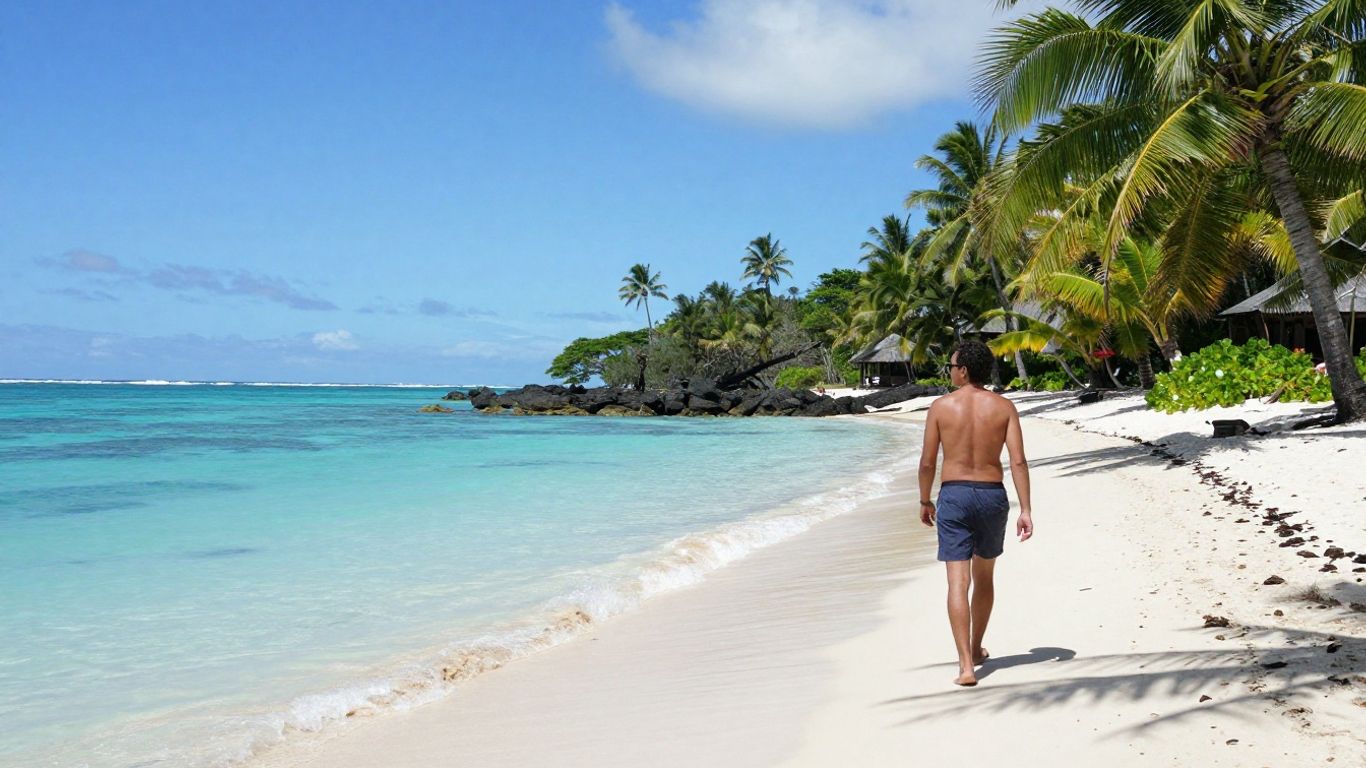
Getting ready for a trip to Fiji involves a few key steps to make sure your visit is smooth and enjoyable. It’s not just about packing your swimsuits; there are practical things to sort out before you even leave home. Thinking ahead about these details will save you a lot of hassle once you arrive.
Securing Comprehensive Travel Insurance
This is one of those things you hope you’ll never need, but it’s incredibly important to have. Travel insurance can cover a wide range of unexpected events, from medical emergencies to lost luggage. It’s always best to check the specifics of what your policy covers before you go.
Packing Appropriately for the Climate
Fiji has a tropical climate, meaning it’s generally warm and humid year-round. Average temperatures hover between 25-31°C. When packing, think light, breathable fabrics. Bright colors and tropical prints are quite common and fit right in with the local style. You’ll want comfortable sandals, swimwear, and casual outfits for beach days and exploring. For visits to villages or churches, it’s respectful to cover your shoulders and knees, so a sarong or a light dress works well for this.
Lightweight, quick-drying clothing
Swimwear
Sun protection (hat, sunglasses, high SPF sunscreen)
Insect repellent
Comfortable walking shoes or sandals
A light rain jacket or umbrella, especially during the wetter season
Modest clothing for village visits
Understanding Visa and Entry Requirements
For many nationalities, including Australians and New Zealanders, tourist visas are often issued upon arrival for stays under a certain period, typically a few months. However, you’ll usually need to show proof of a return ticket and confirmed accommodation. It’s always wise to check the latest entry requirements with the Fijian immigration authorities or your local embassy well before your travel date. Planning and booking your trip well in advance can help secure better fares and ensure a smoother travel experience reaching Fiji from North America .
It’s a good idea to have copies of important documents like your passport, insurance policy, and flight details stored separately from the originals, perhaps in a cloud service or a different bag. This can be a lifesaver if anything gets lost or stolen.
Embracing the Bula’ Spirit
" It’s more than just a greeting; it’s a warm welcome that embodies the Fijian spirit of hospitality. Fijians are known for being incredibly friendly and generally understanding if you make a small etiquette mistake. Learning a few local phrases can go a long way. "Bula" means hello, "vinaka" means thank you, and "moce" (pronounced mo-they) means goodbye. You might also notice people raising their eyebrows; this is often a way of saying "yes" to a question. And if you hear a kissing sound, it’s usually just a friendly way to get someone’s attention, not a catcall.
Village Visit Etiquette
Visiting a Fijian village is a special experience, and it’s customary to bring a small gift, known as a sevusevu . Traditionally, this is kava root, a local pepper plant that’s prepared as a drink. When you enter a village, it’s polite to dress modestly. This usually means wearing a sulu (a wrap-around skirt) and a shirt that covers your shoulders. It’s considered impolite to wear hats or sunglasses when entering a village or a home. If you’re carrying a backpack, it’s better to hold it in your arm rather than wear it on your back. Remember to remove your shoes before entering any home.
Understanding Kava Ceremony Traditions
If you’re invited to partake in a kava ceremony, it’s a significant cultural ritual. You’ll typically sit on the floor, often in a community hall, and the kava is served from a large wooden bowl into coconut shells. It’s polite to accept the first shell offered to you. The exact customs can vary slightly from village to village, so don’t hesitate to ask the person next to you if you’re unsure about the protocol, like when to clap or how to hold the shell. You can also ask for a smaller serving, sometimes called "low tide," if you want to pace yourself. It’s a great way to connect with the local community and experience authentic Fijian culture .
Appropriate Dress Codes
Fijians often wear bright, colorful clothing with tropical prints. When packing, feel free to bring cheerful outfits and sandals. For most casual settings, like beach bars or exploring towns, comfortable and colorful attire is perfect. However, if you plan to visit a village or a church, it’s important to dress more modestly. Outfits that cover your shoulders and knees are generally suitable for these occasions. This shows respect for local customs and traditions.
Financial Considerations and Money Matters
When you’re planning your trip to Fiji, thinking about your money is a smart move. It helps make your vacation smoother and lets you focus on enjoying the islands. Having a mix of cash and cards is usually the best approach.
Currency Exchange and Usage
The local currency is the Fijian Dollar (FJD). While major resorts and some shops in larger towns might accept foreign currency or credit cards, it’s not a guarantee. Smaller villages and local markets will almost certainly require cash. 47 Fijian dollars, but this changes.
Accessing Cash and ATMs
ATMs are available in main centers like Nadi and Suva, and some larger hotels might have them too. Banks like Westpac and ANZ operate in Fiji. However, don’t rely solely on ATMs, especially if you plan to visit outer islands or smaller towns. Cash is king in many places.
Budget-Friendly Travel Options
Getting around Fiji doesn’t have to break the bank. On the main island of Viti Levu, buses are a very affordable way to travel. The express services between major cities are comfortable and have luggage space. Public buses are even cheaper but make more stops. Taxis are also an option on the larger islands and are generally reasonably priced, but always confirm the fare or ensure the meter is running before you start your journey.
It’s always a good idea to have some cash on hand for unexpected opportunities, like buying local crafts or enjoying a roadside snack. This also helps support local communities directly.
Planning your spending ahead of time can help you relax more once you’re there. Think about how much you’ll need for daily expenses, souvenirs, and any special activities you have in mind. This way, you can fully immerse yourself in the Fijian experience without worrying about your wallet.
Staying Connected: Communication and Technology
Keeping in touch while you’re exploring the beautiful islands of Fiji is easier than you might think, but it’s good to know what to expect. Most major resorts and many cafes in populated areas offer Wi-Fi, so you can usually get online to share those stunning sunset photos or check in with folks back home. While coverage can be a bit spotty once you venture off the main tourist paths, having a plan for communication will make your trip smoother.
Mobile Phone and Internet Access
If you want to use your phone for calls and data, you have a couple of options. Just make sure your phone isn’t locked to your current carrier. Alternatively, you can check with your provider about international roaming plans before you leave. Remember to disable data roaming before you land to avoid surprise charges. For those looking to truly disconnect, Fiji is the perfect place to let real life wait until you get back.
Electrical Gadgets and Adapters
Fiji uses a 240V voltage with a 50Hz frequency, which is quite similar to what you might be used to in places like Australia or New Zealand. The electrical sockets are also the same type, so you likely won’t need any adapters for your chargers and gadgets. It’s always a good idea to double-check your specific devices, but generally, you should be good to go. Bringing a small power strip can be handy if you have multiple items to charge at once.
Helpful Apps and Websites
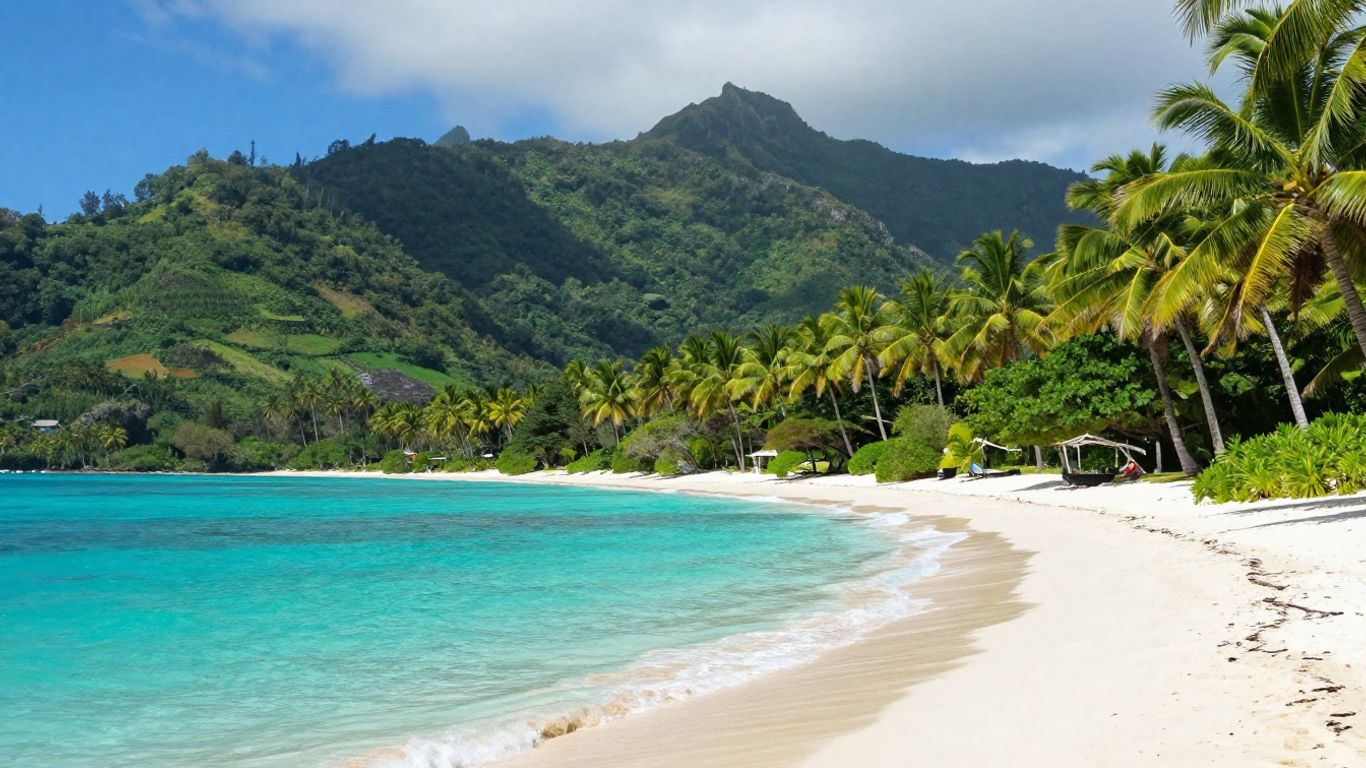
Before you even pack your bags, consider downloading a few useful apps and bookmarking some websites. The official Tourism Fiji website is a treasure trove of information for planning activities and finding places to stay. For safety updates and travel advice, the Smart Traveller website is a good resource. If you’re an Australian citizen, having the contact details for the Australian High Commission in Fiji handy is wise for any emergencies. Planning ahead with these tools can really help you make the most of your Fijian adventure, from finding secluded beaches to understanding local customs. Check out local attractions and plan your days with ease.
Planning Your Fiji Itinerary
Fiji is made up of over 300 islands, so trying to see everything in one go is just not realistic. It’s better to pick a few spots and really enjoy them. Think about what you want from your trip – are you after quiet beaches, amazing diving, or maybe some cultural experiences? Knowing this will help you choose which islands to focus on. For instance, the Mamanuca and Yasawa Islands are great for stunning beaches and easy island hopping, while Taveuni offers lush rainforests and waterfalls. Viti Levu, the main island, has a bit of everything, including the capital city, Suva, and many resorts.
Scheduling your activities wisely can make a big difference. Tropical weather can be unpredictable, so planning outdoor adventures like hiking or snorkeling for the earlier part of your stay gives you flexibility if you need to reschedule due to rain. If you’re limited on time, consider staying at one or two bases and taking day trips rather than moving hotels every couple of days. This saves travel time and lets you settle in more.
When it comes to where to stay, smaller resorts and homestays often give a more authentic Fijian feel than the larger, international chain hotels, which are frequently found on Denarau Island. Look for places that offer local touches and perhaps even opportunities to interact with the community. Remember to check visa and entry requirements before you finalize your plans, as these can vary depending on your nationality.
Here are a few ideas to get you started:
Beach Relaxation: Focus on the Mamanuca or Yasawa Islands for postcard-perfect beaches and clear waters.
Adventure Seeker: Explore Viti Levu for hiking opportunities or head to Taveuni for its natural beauty.
Cultural Immersion: Consider islands like Beqa, known for its firewalkers, or seek out smaller villages on various islands for a genuine experience.
Don’t try to cram too much into your itinerary. Fiji is a place to slow down and soak in the atmosphere. Pick a few key experiences and allow yourself plenty of time to enjoy them without feeling rushed.
Understanding Tropical Weather Patterns
Fiji has a tropical climate, which means it’s generally warm year-round. Average temperatures hover between 25-31°C (77-88°F). Don’t let the "wet season" name fool you too much; while there’s more rain, it often comes in short, intense bursts, usually in the afternoon, leaving plenty of sunshine for exploring. The warmer months are also when the islands are at their most vibrant with blooming tropical flowers and impressive waterfalls.
Safety During Outdoor Activities
This gives you flexibility if the weather doesn’t cooperate. Think about booking your hikes, snorkeling tours, or boat trips towards the beginning of your stay. That way, if a tropical shower rolls in, you’ll have time to reschedule without losing the opportunity. Always check the local weather forecast before heading out for any activity.
Sun Protection: The tropical sun is strong. Wear sunscreen with a high SPF, a hat, and sunglasses, even on cloudy days.
Hydration: Drink plenty of water, especially when you’re active outdoors. It’s easy to get dehydrated in the heat.
Footwear: For hikes or exploring rocky shorelines, sturdy footwear is recommended. For water activities, water shoes can protect your feet.
The natural beauty of Fiji is a huge part of its appeal, but it’s important to be mindful of the environment. Respecting the local ecosystem helps preserve it for everyone.
Respecting Marine Life and Reefs
Fiji’s waters are teeming with incredible marine life, and its coral reefs are a sight to behold. When you’re enjoying activities like snorkeling or diving, remember that these are delicate ecosystems. Avoid touching or stepping on coral , as it can be easily damaged and takes a long time to grow back. Also, never feed the fish or remove anything from the reef. When swimming, be aware of currents, especially in areas with strong tidal flows. If you’re interested in exploring the underwater world, consider guided tours that prioritize responsible tourism practices. It’s a fantastic way to see the vibrant underwater world while ensuring its protection.
Drug Possession Laws
Fiji takes drug offenses very seriously. Penalties can be severe, including lengthy prison sentences and hefty fines. It’s important to be aware that even small amounts of illegal substances can lead to significant legal trouble. Always ensure you are aware of and adhere to all local drug laws. If you are prescribed medication, carry a copy of your prescription and check with Fiji’s embassy beforehand to confirm its legality in the country. Bringing medication from home is often the safest approach to avoid issues with substandard or counterfeit drugs abroad.
Public Intoxication Rules
While Fiji is known for its relaxed atmosphere, public intoxication can still lead to issues. It’s advisable to drink responsibly and avoid causing disturbances. Excessive public drunkenness can result in fines or detention. Respecting local customs and maintaining a low profile, especially when consuming alcohol, will help ensure a smooth trip.
Respecting Local Ordinances
Beyond specific laws, Fiji has various local ordinances and customs that visitors should respect. This includes dress codes in certain areas, rules about photography, and general public conduct. Always be mindful of your surroundings and observe how locals behave. For instance, when visiting villages, it’s customary to dress modestly and ask permission before taking photos. Familiarizing yourself with these local norms will contribute to a more positive and respectful experience for everyone. If you’re planning any adventurous activities, like exploring underwater sites, make sure you understand the rules for responsible diving .
It’s always a good idea to research the specific laws and customs of any destination before you travel. This proactive step can prevent misunderstandings and ensure you have a trouble-free visit. Paying attention to local signs and announcements is also a smart practice.
Embrace Your Fijian Adventure
So, you’re heading to Fiji for the first time! It’s a place that really lives up to the hype, with stunning islands and genuinely warm people. While we’ve covered some practical tips to help you stay safe and comfortable, remember that Fiji is a welcoming destination. A little preparation goes a long way, from understanding local customs to keeping an eye on your belongings. Don’t overthink it too much, though. The most important thing is to relax, soak in the beautiful scenery, and embrace the Bula’ spirit. Your Fijian adventure awaits, and with these pointers, you’re all set for an unforgettable trip.
Is Fiji a safe place for tourists?
Fiji is generally a very safe place for visitors. While serious crime is rare, like anywhere, petty theft can happen. It’s smart to keep your valuables out of sight and avoid walking alone late at night in city areas, especially downtown Suva.
What should I know about tap water in Fiji?
In major hotels and popular spots like Nadi and Suva, the tap water is usually safe to drink. However, some people don’t like the taste. If you’re traveling outside these areas, it’s best to stick to bottled water to be safe.
Do I need travel insurance for Fiji?
Yes, absolutely! It’s highly recommended to get good travel insurance before your trip.
What’s the best way to get around Fiji?
On the main island, Viti Levu, buses are a cheap way to travel. Taxis are also available and usually affordable on bigger islands. For hopping between islands, you can use ferries, small planes, or boats, depending on where you’re going.
What kind of clothes should I pack for Fiji?
Fiji is warm, so pack light, comfy clothes like you’d wear to the beach. Think bright colors and tropical prints! If you plan to visit a village or a church, it’s polite to wear something that covers your shoulders and knees.
What is Fiji time’?
Fiji time’ is a saying that means life moves at a slower, more relaxed pace there. Things might take a bit longer than you’re used to, so it’s important to be patient and go with the flow. Don’t get stressed if service is a little slow!
What’s the deal with Kava in Fiji?
Kava is a traditional drink made from a plant root. It’s often shared in ceremonies. While many visitors try it, it can interact with certain medications, so if you’re on any drugs, especially for depression, it’s best to avoid it or ask your doctor first.
What should I do if I need help in Fiji?
For emergencies, dial 911 for police. If you’re on one of the outer islands and can’t find police, ask your hotel staff or the village chief (turaga ni koro) for help. It’s also a good idea to know the location of your country’s embassy.
Confirm current details
Confirm current schedules, prices, availability, conditions and local guidance directly with the responsible official source or provider before making a nonrefundable plan.
Use this guide for trip ideas, not a current quotation or a guarantee of access, safety, inclusions or availability. Confirm the requirements and conditions for your dates, destination and provider before booking.