
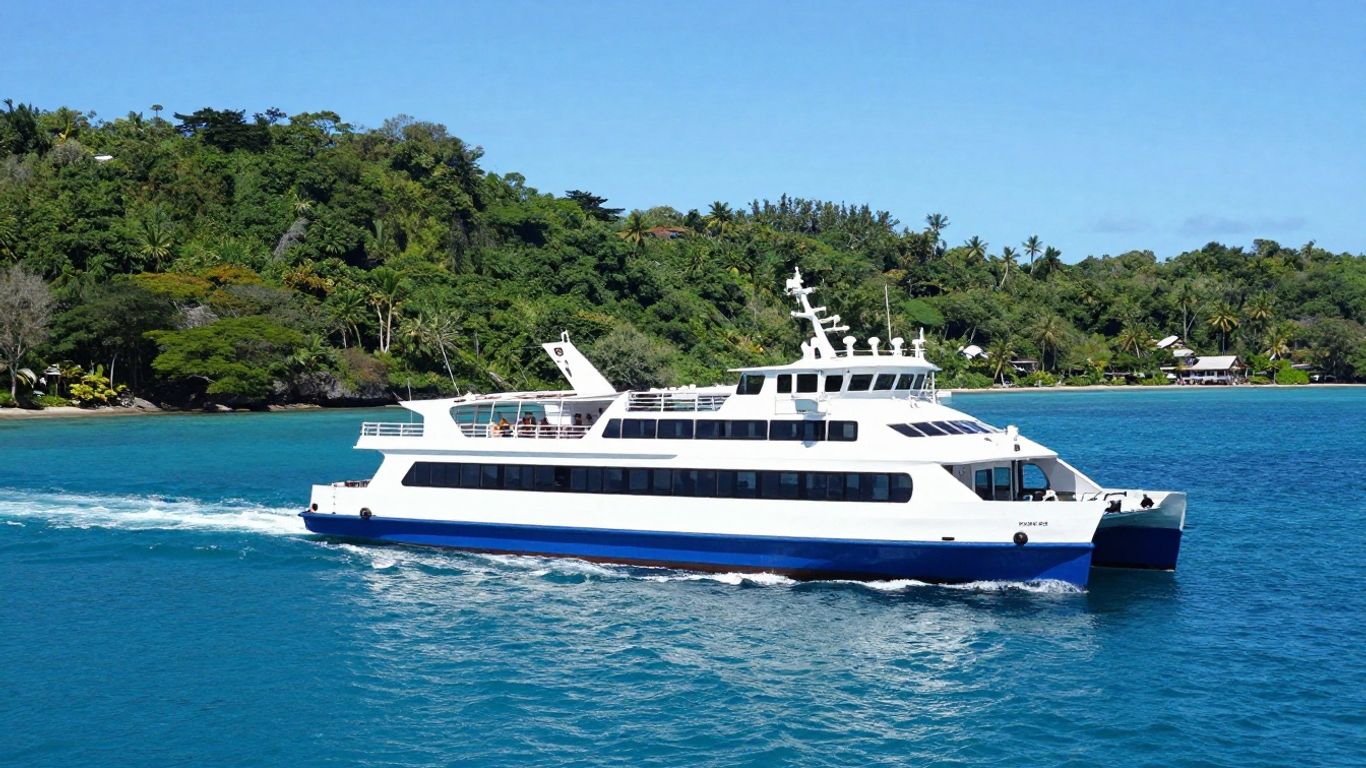
So, you’re thinking about heading to Fiji? Awesome choice! It’s a beautiful place with those amazing beaches and clear blue water. But before you pack your bags and hop on that plane, let’s chat about something super important: travel insurance. You might be wondering if it’s a must-have or just another thing to spend money on. We’ll break down what you need to know about Fiji travel insurance, so you can relax and enjoy your trip without any nasty surprises.
Key Takeaways
Consider policies that protect your trip investment against cancellation or interruption due to unforeseen events, and those that cover lost or stolen belongings.
Understand how pre-existing conditions and age might affect your policy benefits and be aware of any exclusions listed in the fine print.
Mandatory Coverage No Longer Required
Back in the day, you might have heard that travel insurance, especially for medical reasons, was a must-have to enter Fiji. Things have changed. So, you won’t be turned away at immigration if you don’t have a policy in hand. This is a welcome change for many travelers looking to simplify their pre-trip planning.
Official Recommendations for Travelers
Even though it’s not a strict entry rule anymore, Fiji’s tourism authorities still strongly suggest that all visitors get travel insurance. Think of it as a friendly nudge from the Fijian government. They understand that unexpected things can happen when you’re far from home, and having coverage can make a big difference. It’s about peace of mind, really. They recommend policies that include medical coverage, which is pretty standard advice for any international trip.
Check Visa Rules Separately
When it comes to entering Fiji, whether you need a visa often depends on your nationality and how long you plan to stay. Visa rules depend on your passport and purpose of travel; check Fiji Immigration’s current visa-exempt list before booking. If you’re planning a longer trip or aren’t from one of these visa-exempt countries, it’s a good idea to check with the Fijian Embassy. While insurance isn’t typically part of the visa application itself, having your travel documents in order, including any necessary visas, is key to a smooth entry.
This proactive step can prevent last-minute stress and ensure a smoother journey to paradise.
Essential Coverage for Your Fiji Adventure
When planning your dream trip to Fiji, thinking about what could go wrong is probably the last thing on your mind. You’re picturing turquoise waters and white sandy beaches, right? Me too. But just in case, having the right insurance can make a huge difference if something unexpected pops up. It’s like a safety net, so you can focus on enjoying those stunning islands.
Medical Emergencies and Hospital Stays
Let’s talk about health first. While Fiji has good medical facilities, especially in larger towns and resorts, unexpected illnesses or accidents can happen anywhere. This is super important because medical bills for visitors, particularly in private facilities, can add up quickly. You don’t want to be worrying about finances when you should be recovering.
Emergency Medical Evacuation and Repatriation
This is a big one, especially for island destinations like Fiji. If you have a serious medical emergency and the local facilities aren’t equipped to handle it, you might need to be moved to a better-equipped hospital, possibly in another country or even back home. This process, called medical evacuation or repatriation, can be incredibly expensive – think tens of thousands of dollars. Having coverage for this can literally be a lifesaver and prevent a financial disaster.
Trip Cancellation and Interruption Protection
Sometimes, life throws a curveball right before or during your trip. Maybe a family member gets sick back home, or you yourself fall ill and can’t travel. Trip interruption protection works similarly if you have to cut your vacation short. It’s about protecting the investment you’ve made in your getaway.
Protecting Your Valuables and Belongings
When you’re off exploring the beautiful islands of Fiji, the last thing you want to worry about is losing your gear or important documents. While Fiji is generally a safe place, unexpected things can happen anywhere. That’s where travel insurance steps in to help cover your personal items.
Coverage for Lost or Stolen Luggage
It’s a real bummer when your checked bags go missing or your carry-on gets swiped. Most travel insurance policies offer some level of protection if your luggage is lost, stolen, or damaged during your trip. This coverage usually has a per-item limit and an overall maximum amount. It’s a good idea to check these limits before you buy a policy to make sure they align with the value of the items you’re bringing.
What’s usually not covered: High-value items like expensive jewelry or electronics might have limited coverage or be excluded altogether unless you purchase a specific add-on. Also, items left unattended are often not covered.
What to do if it happens: Report the loss to the airline or transport company immediately and get a written report. Then, file a claim with your insurance provider, providing all necessary documentation.
Safeguarding Passports and Personal Effects
Your passport is your golden ticket to Fiji and back home, and losing it can really throw a wrench in your travel plans. Beyond your passport, this coverage often extends to other personal effects like cameras, laptops, or even your wallet.
Always keep copies of your important documents, including your passport, driver’s license, and insurance policy, separate from the originals. A digital copy stored securely online or on your phone is also a smart move.
Here’s a quick look at what might be covered:
Personal Belongings: Reimbursement for stolen or lost items like phones, cameras, or wallets, up to the policy’s limits.
Travel Documents: Assistance and potential reimbursement for replacing other vital travel documents.
Navigating Pre-Existing Conditions and Age Limits
When you’re planning a trip to Fiji, it’s easy to get caught up in the excitement of turquoise waters and sandy beaches. But before you pack your bags, let’s talk about something important: your health and how travel insurance handles it, especially if you have pre-existing conditions or are traveling at an older age.
Coverage for Acute Onset of Pre-Existing Conditions
Many travelers worry about what happens if a long-standing health issue flares up unexpectedly while they’re away. Some travel insurance plans offer coverage for the "acute onset" of pre-existing conditions. This means if a condition that you’ve had before suddenly becomes worse and requires immediate medical attention, your insurance might help pay for it. It’s not a blanket coverage for all ongoing issues, but rather for those sudden, unforeseen emergencies. Always check the policy details carefully, as definitions and exclusions can vary quite a bit between providers. Some plans might have a look-back period, meaning they’ll review your medical history for a certain time before your trip to determine coverage.
Age Considerations for Policy Benefits
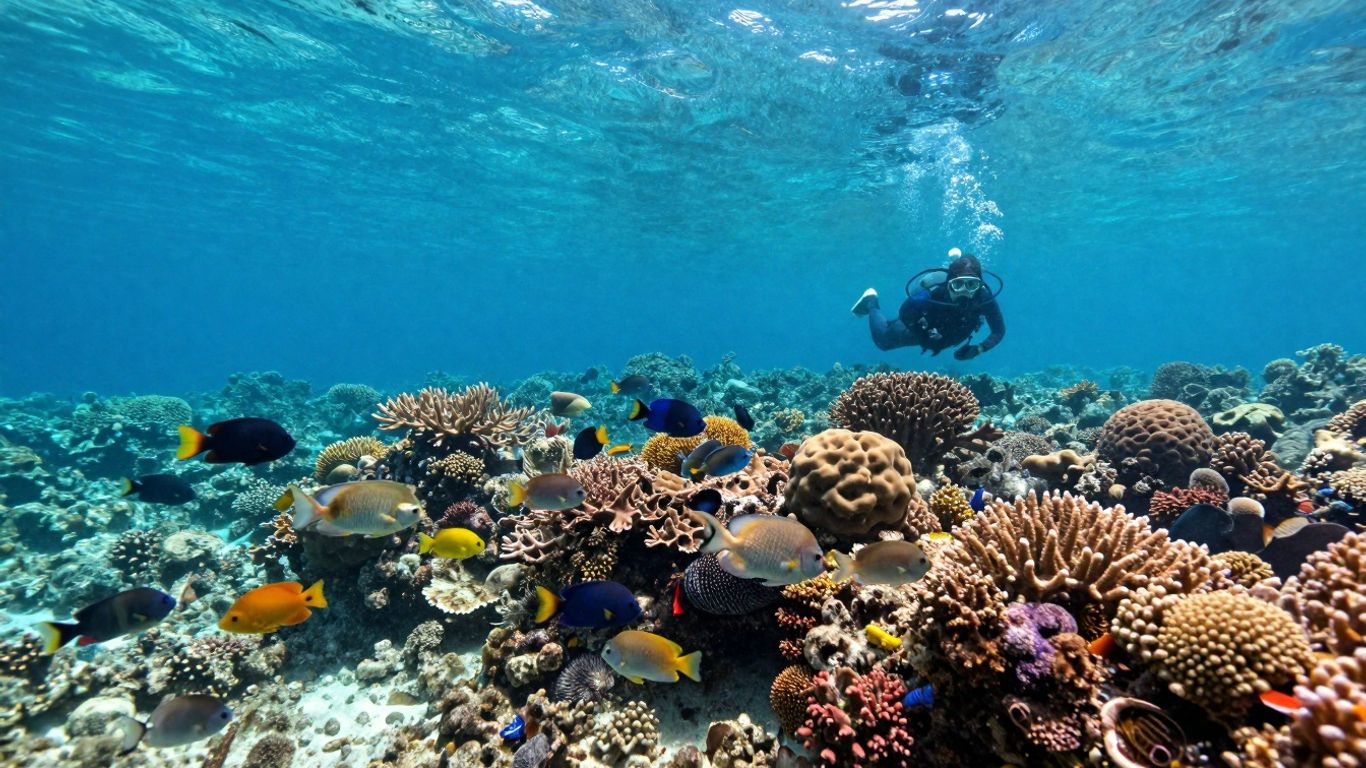
Age can definitely be a factor when looking at travel insurance. As travelers get older, some policies might have different benefit limits or even exclude certain coverages altogether. It’s not uncommon to see higher premiums for older travelers, reflecting the increased risk associated with age. However, many insurers offer plans specifically designed for seniors, providing good coverage for medical emergencies and other travel mishaps. For instance, some plans might cover you up to a certain age, like 70 or 80, while others have no upper age limit. It’s worth comparing different policies to find one that fits your needs and budget, regardless of your age. Remember, even if you’re planning on participating in activities like coral restoration tours, there might be age restrictions, so it’s good to be aware of those too.
Understanding Policy Exclusions
No travel insurance policy is perfect, and they all come with exclusions – things they won’t cover. It’s super important to read the fine print to know what these are. Common exclusions might include:
High-risk activities: Things like scuba diving (unless specifically added), bungee jumping, or extreme sports might not be covered unless you purchase an add-on. Fiji has amazing adventure sports, so check this if you plan on trying anything thrilling.
Pre-existing conditions not declared: If you don’t disclose a condition and it causes a problem, the claim might be denied.
Travel against medical advice: If your doctor tells you not to travel and you go anyway, claims related to your condition might not be paid.
Certain types of events: War, civil unrest, or pandemics might be excluded depending on the policy and the specific circumstances.
It’s really about being informed. Knowing what’s covered and what’s not helps you make smart choices about your trip and your insurance. Don’t be afraid to ask questions if something isn’t clear. A little bit of effort upfront can save a lot of headaches later on.
When comparing plans, look for ones that offer coverage for the acute onset of pre-existing conditions if that’s a concern for you. Also, pay attention to the maximum age limits and any age-related adjustments to benefits. Understanding these details will help you select a policy that truly protects you during your Fijian getaway.
Factors Influencing Fiji Travel Insurance Costs
So, you’re planning a trip to Fiji – awesome! Travel insurance works similarly.
Daily Premiums and Overall Value
The most basic way insurance is priced is often on a daily basis. You might see quotes that break down to a few dollars a day. A slightly higher daily premium might get you much better coverage, which is usually a worthwhile trade-off. Sometimes, a plan that seems a bit more expensive upfront can save you a lot more if something unexpected happens. It’s about finding that sweet spot between affordability and solid protection.
Impact of Coverage Levels and Age
Your age is a pretty big factor. Generally, older travelers might see higher premiums because they’re statistically more likely to need medical attention. Also, the amount of coverage you choose makes a difference. It’s like choosing between a basic economy seat and a first-class ticket; you pay more for more comfort and security.
Destination and Medical Needs
It’s always best to be upfront about your medical history to get an accurate quote and avoid surprises later. Planning your Fiji trip involves budgeting for many things, and insurance is a key part of that.
Insurers look at factors like your age, how long you’ll be away, where you’re going, and what activities you’ll be doing to estimate the likelihood of a claim.
Choosing the Right Fiji Travel Insurance Plan
So, you’re heading to Fiji – awesome! Before you start picturing yourself on those white sandy beaches, let’s talk about making sure your trip is protected. Picking the right travel insurance might seem a bit much, but honestly, it’s like packing sunscreen; you hope you won’t need it, but you’ll be really glad you have it if you do.
Tailoring Coverage to Your Needs
There isn’t a one-size-fits-all policy when it comes to insuring your Fiji adventure. Think about what you’ll actually be doing. Are you planning on relaxing by the resort pool, or are you signing up for some serious scuba diving and jungle trekking? Your activities play a big role in what kind of coverage you should look for. It’s about matching the policy to your specific trip plans and your personal comfort level with risk.
Here are a few things to consider:
Your Itinerary: Are you island hopping? Spending most of your time in one place? This can affect trip cancellation and interruption needs.
Activities Planned: Will you be trying out adventure sports? Some policies exclude these, so you might need an add-on.
Your Health: Do you have any ongoing medical issues? You’ll want to check how pre-existing conditions are handled.
Your Valuables: Are you bringing expensive camera gear or other electronics?
Comparing Policy Maximums and Benefits
When you start looking at different insurance plans, you’ll see a lot of numbers and terms. Don’t get overwhelmed! Focus on the policy maximums – that’s the most the insurance company will pay out for a claim. Also, look closely at the specific benefits. Some policies might have a higher maximum for medical emergencies but a lower one for lost luggage, for example. It’s a balancing act to find a plan that offers good protection across the board without costing an arm and a leg.
Here’s a quick look at common benefit areas:
Medical Expenses: What’s the limit for doctor visits, hospital stays, and medication?
Emergency Evacuation: How much coverage is there if you need to be moved to a better-equipped facility or even back home?
Baggage Loss/Delay: What’s the payout for lost or delayed bags, and are there limits per item?
Exploring Options for US and Non-US Citizens
It’s important to know that some travel insurance plans are specifically designed for US citizens traveling abroad, while others are available to travelers from any country. If you’re a US citizen, you’ll find a good range of options, but if you’re coming from elsewhere, you’ll need to look for policies that cater to international visitors. Always double-check the eligibility requirements before you buy. For instance, some plans might require your primary residence to be in a specific country. You can find plans that cover travel to Fiji whether you’re a US resident or not, but the selection might differ.
Finding the right insurance is about peace of mind. It allows you to focus on enjoying Fiji’s beauty, knowing that if something unexpected happens, you’ve got a safety net in place. Take a little time to compare, and you’ll be much happier you did.
Special Considerations for Cruise Travel to Fiji
Cruising around Fiji is a fantastic way to see the islands, but it does come with its own set of considerations when it comes to travel insurance. While Fiji doesn’t mandate travel insurance for entry, it’s definitely a smart move, especially when you’re on a cruise.
Enhanced Coverage for Cruise Passengers
Cruise ships are essentially floating towns, and medical care on board, while often good, can get pricey. If you need more serious attention, you might be looking at a transfer to a hospital on land, which can add up quickly. Because of this, insurers often suggest higher coverage limits for cruise travelers. Think about bumping up your emergency medical coverage and, importantly, your medical evacuation benefit.
Medical Care and Transportation on Cruises
Medical facilities on cruise ships are equipped for common issues, but major emergencies might require evacuation. This evacuation could be to a hospital on one of the islands or even back to your home country. It’s wise to check what your policy covers regarding medical transport from a ship.
Importance of Cruise-Specific Insurance
Some insurance plans are designed with cruise travel in mind. These policies might offer better coverage for things like missed connections if your ship is delayed, or if you need to disembark at an unscheduled port due to a medical emergency. Always read the fine print to see if your plan has specific exclusions or benefits related to cruising. For example, some policies might not cover medical care received on board the ship unless you’re transferred to a land-based facility. Fiji visa requirements can change, so staying informed is key.
Addressing Unforeseen Events in Paradise
Even in a place as idyllic as Fiji, things don’t always go according to plan. Mother Nature can be unpredictable, and sometimes, the world outside your tropical getaway can cause disruptions. It’s wise to be prepared for these possibilities.
Coverage for Natural Calamities
While travel insurance won’t stop a storm, it can certainly help mitigate the financial fallout if your trip is disrupted. Look for policies that specifically mention coverage for:
Trip cancellation or interruption due to severe weather events that make travel impossible or your accommodation uninhabitable.
Reimbursement for unused portions of your trip if you have to leave early.
It’s important to check the policy’s wording carefully, as adverse weather’ might not always be enough to trigger a claim; it often needs to be a declared natural disaster or a situation that prevents travel.
Protection Against Political Instability

While Fiji is generally a peaceful destination, it’s always prudent to stay informed about the political climate in any country you visit. Travel advisories from your home country’s government can provide up-to-date information. If a situation escalates to the point where your government advises against travel, or if there are sudden civil disturbances that make your stay unsafe, your travel insurance might offer some recourse.
Emergency evacuation if the political situation deteriorates rapidly.
Trip cancellation if you are unable to travel due to government advisories.
Assistance in navigating complex situations.
Remember, insurance typically won’t cover events that were foreseeable or widely reported before you booked your trip. Staying informed through official channels is key.
Evacuation Due to Unforeseen Circumstances
Beyond natural disasters or political unrest, other unforeseen events can necessitate evacuation. This could range from a sudden, severe illness or injury that requires specialized medical care not available locally, to a personal emergency back home that requires your immediate return. The most critical aspect of your insurance in these scenarios is robust emergency medical evacuation and repatriation coverage.
This type of coverage is designed to get you to the nearest adequate medical facility or, if necessary, back to your home country for treatment. It’s not just about medical bills; it’s about the immense logistical and financial burden of arranging and paying for a medical transport, which can easily run into tens of thousands of dollars. Always verify the limits and conditions of this coverage before you travel.
Maximizing Your Fiji Travel Insurance Investment
So, you’ve booked your dream trip to Fiji. Flights are paid for, the resort is confirmed, and you’re picturing yourself on those white sandy beaches. But what happens if something throws a wrench in those plans? That’s where travel insurance really shines, and getting the most out of it means looking beyond just the basics.
Insuring All Prepaid and Non-Refundable Expenses
Think about everything you’ve already paid for that you can’t get back if you have to cancel. This isn’t just your flights and hotel. It could include pre-booked tours, inter-island ferry tickets, or even that special dinner reservation you made months ago. If you have to cancel for a reason the policy covers, like a sudden illness, you want to be reimbursed for everything you’ve lost.
Benefits for Travel Delays and Missed Connections
Flights get delayed, connections get missed – it happens. Travel insurance can often help soften the blow. Many policies include benefits that can cover unexpected expenses if your trip is delayed. This might include things like meals, accommodation, or even essential toiletries if you’re stuck somewhere overnight. It’s about having a safety net for those frustrating travel hiccups.
Understanding Covered Reasons for Cancellation
It’s super important to know why you can cancel and still get your money back. Policies list specific
Exploring Adventure Sports Coverage
Fiji is a paradise for thrill-seekers, offering everything from diving and surfing to hiking and kayaking. If your trip plans include these kinds of activities, you’ll want to make sure your travel insurance policy has you covered. Standard policies often exclude injuries sustained during adventure sports, so it’s important to check the fine print.
Additional Protection for Thrill-Seekers
Many travelers head to Fiji for its incredible marine life and water sports. Think about snorkeling with manta rays in the Yasawa Islands or exploring vibrant coral reefs. These activities are amazing, but they also come with a certain level of risk. It’s wise to look for policies that specifically mention coverage for adventure activities. Without this, a simple accident could turn into a very expensive problem.
Specific Adventure Sports Policies
Some insurance providers offer add-on benefits for adventure sports. These might cover things like scuba diving, white-water rafting, or even zip-lining. When comparing plans, look for details on what specific activities are included and what the coverage limits are. For example, some policies might cover recreational scuba diving but not professional diving.
Here’s a quick look at what to consider:
Activity Type: Does the policy cover the specific sport you plan to do?
Coverage Limits: What is the maximum payout for an adventure sports-related incident?
Exclusions: Are there any activities that are definitely not covered?
Ensuring Comprehensive Protection During Activities
When you’re planning your Fiji adventure, remember that the more adventurous your itinerary, the more important it is to have the right insurance. Don’t let a lack of coverage spoil your fun. Always read your policy documents carefully to understand what’s included and what’s not. This way, you can focus on enjoying the stunning scenery and exciting experiences Fiji has to offer, like island-hopping tours from Port Denarau, without worrying about unexpected medical bills.
So, Do You Need Travel Insurance for Fiji?
Alright, let’s wrap this up. While Fiji doesn’t strictly require travel insurance for entry anymore, thinking about skipping it might be a bit risky. We’ve seen how unexpected medical bills can pile up fast, and getting airlifted out of an island paradise isn’t exactly cheap. Plus, what if your flight gets canceled, or your luggage goes missing? It’s not just about medical stuff; it’s about protecting your whole trip. Fiji is amazing, and you want to enjoy it without worrying about what happens if the unexpected strikes. So, while it’s your call, getting some form of travel insurance seems like a really smart move for a worry-free Fijian adventure.
Do I really need travel insurance for Fiji?
While Fiji doesn’t make travel insurance a strict requirement to enter the country anymore, it’s still a really good idea to get it. Think of it as a safety net.
What kind of coverage is most important for Fiji?
For Fiji, you’ll definitely want to make sure your insurance covers medical emergencies and hospital stays. It’s also super important to have coverage for emergency medical evacuation, which means if you get really sick or hurt, they can fly you to a better hospital. Protecting your trip from cancellations or interruptions is also a big plus, especially if you’ve paid a lot upfront for flights and hotels.
How much does travel insurance for Fiji usually cost?
Your age plays a role, as does how much coverage you want.
What if I have a health condition before I go?
’ However, there might be age limits for this type of coverage, and it’s crucial to read the policy details carefully to understand exactly what’s covered and if there are any waiting periods or exclusions.
Is my stuff covered if my luggage gets lost or stolen?
Yes, most travel insurance policies include coverage for lost or stolen luggage. They usually have a limit on how much they’ll pay out, so it’s a good idea to check that amount. It can really help you out if you need to buy replacement clothes or essentials while you’re away.
Do I need special insurance if I plan to do adventure sports in Fiji?
Fiji offers amazing opportunities for adventure! If you’re planning on activities like diving, hiking in remote areas, or anything a bit more thrilling, you might need extra coverage. Some standard policies don’t cover these activities, so look for plans that specifically include adventure sports or offer add-on protection.
What happens if a hurricane or other natural disaster hits Fiji?
Good travel insurance can be a lifesaver if nature throws a curveball. Policies often cover you if a natural disaster like a cyclone (which can happen in Fiji) forces you to evacuate, extend your stay, or cancel your trip altogether. It provides peace of mind knowing you won’t be left stranded or facing huge unexpected bills.
Do I need a visa to enter Fiji, and does insurance help with that?
Travel insurance is separate from visa requirements. Check the current rules for your nationality with Fiji Immigration before departure.
Confirm current details
Confirm entry and permit rules directly with Fiji Immigration before booking or travel.
Use this guide for trip ideas, not a current quotation or a guarantee of access, safety, inclusions or availability. Confirm the requirements and conditions for your dates, destination and provider before booking.