Planning a trip to Fiji in 2026? It’s a fantastic idea! This collection of South Pacific islands offers so much more than just pretty beaches, though it has those in spades. From exploring vibrant underwater worlds to getting a taste of local life and even catching some live music, there’s something for everyone. This Fiji travel guide is here to help you figure out the best ways to see these islands without breaking the bank, making your tropical getaway truly unforgettable.
Key Takeaways
Fiji is made up of hundreds of islands, offering diverse experiences from popular spots like the Mamanucas to the more remote Northern Islands.
Immerse yourself in Fijian culture by visiting historic towns like Levuka and participating in local initiatives like Loloma Hour’.
Adventure awaits with activities like white-water rafting, world-class surfing, and exploring colorful coral reefs.
Getting around is part of the experience, with options ranging from local buses on the main islands to boat passes for island hopping.
While Fiji is known for resorts, it can be surprisingly affordable with budget-friendly accommodation and food options available.
Discover Fiji’s Island Hopping Adventures
Fiji, a sprawling nation of over 300 islands, truly shines when you embrace the spirit of island hopping. It’s the best way to see the diverse beauty this Pacific paradise has to offer, from bustling hubs to secluded, untouched gems. Each island group has its own unique charm, waiting to be explored.
Exploring The Mamanuca Islands
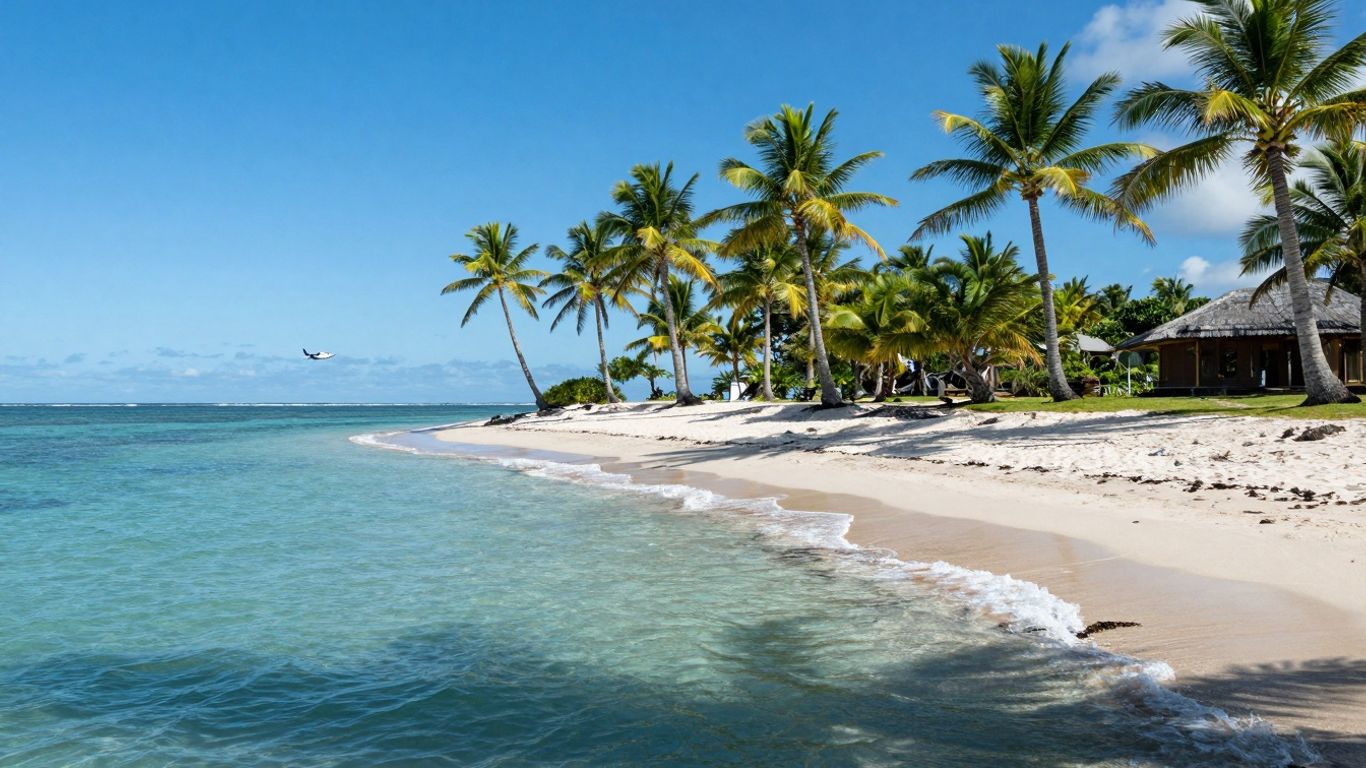
The Mamanucas are probably the most well-known island group, and for good reason. They’re easily accessible from the mainland, making them a popular choice for day trips and shorter stays. Think postcard-perfect beaches, clear turquoise waters, and a relaxed vibe. You can find everything from lively resorts to quiet, secluded spots here. Many tours depart from Port Denarau, offering a taste of island life without a long journey. It’s a great place to start your Fijian adventure, especially if you’re looking for convenience and classic tropical scenery.
Unveiling The Yasawa Islands
Venturing further north, the Yasawa Islands offer a more remote and rugged experience. These islands were famously featured in the movie The Blue Lagoon’ and remained off-limits to tourists for a long time. Today, they provide a more authentic feel, with a range of accommodations from budget-friendly hostels to more upscale resorts. Island hopping here is often done using a Bula Pass,’ a hop-on-hop-off boat service that gives you flexibility to explore over several days. It’s ideal for those seeking stunning natural beauty, a slower pace, and a chance to connect with local life. Hiking on islands like Waya offers breathtaking views, but be prepared for a challenging trek.
Venturing To The Northern Islands
The northern islands, often referred to as the Northern Group’ or sometimes including parts of the Suncoast on Viti Levu, present a different kind of allure. This region is less developed than the Mamanucas or Yasawas, offering a more raw and untouched Fijian experience. It’s a haven for those who love adventure and want to get off the beaten path. Think exploring hidden waterfalls, diving in world-class spots like the Bligh Waters, and experiencing the genuine warmth of local communities. Road trips along the Suncoast reveal scenic landscapes and opportunities to discover local farms and crafts. It’s a part of Fiji that rewards the curious traveler with unforgettable discoveries.
Immerse Yourself In Fijian Culture And History
Fiji is more than just stunning beaches and clear blue water; it’s a place with a rich past and vibrant traditions. Taking the time to connect with the local culture will really make your trip special. It’s about more than just seeing sights; it’s about experiencing the heart of the islands.
Visiting The Historic Capital Of Levuka
Levuka, located on the island of Ovalau, holds a special place in Fiji’s history. It was the country’s first capital and is now recognized as a UNESCO World Heritage Site. Walking through Levuka feels like stepping back in time. You’ll see old colonial buildings, charming shops, and a peaceful waterfront that tells stories of a bygone era. It’s a quiet town, a nice change of pace from the busier tourist spots. Spend some time just wandering, taking in the atmosphere, and maybe striking up a conversation with a local.
Experiencing Local Village Life
To truly get a feel for Fiji, visiting a local village is a must. Many villages welcome visitors, offering a chance to see daily life unfold. You might be invited to share a kava ceremony, a traditional ritual that’s a big part of Fijian social life. It’s a way to show respect and connect with the community. Remember to dress modestly when visiting villages, and it’s always a good idea to bring a small gift, like school supplies for the children or something for the village chief.
Participate respectfully in a kava ceremony.
Observe traditional crafts and daily activities.
Engage with villagers to learn about their way of life.
Engaging With The Loloma Hour’ Initiative
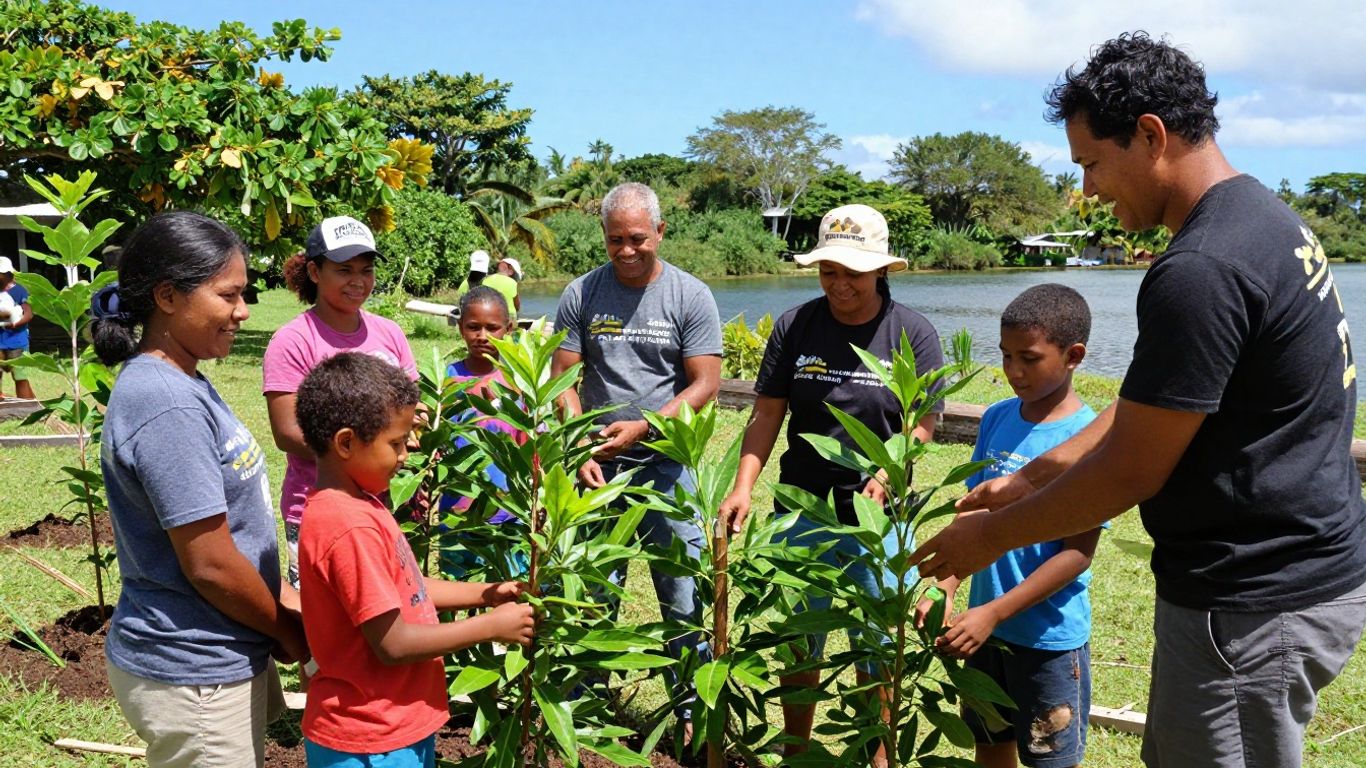
Fiji has a wonderful program called Loloma Hour’ that lets travelers give back to the communities they visit. Loloma’ means love and generosity, and this initiative encourages visitors to spend at least an hour doing something positive for Fiji. This could be anything from helping with a beach clean-up to learning a traditional craft with locals or even assisting with a coral planting project. It’s a fantastic way to make a real difference during your holiday and connect with the Fijian spirit in a meaningful way. You can find out which resorts are participating and what activities are available here .
This initiative is a beautiful way to ensure your visit leaves a positive mark, turning a vacation into an opportunity for connection and contribution.
Experience Fiji’s Thrilling Outdoor Activities
Fiji isn’t just about lounging on postcard-perfect beaches; it’s a playground for adventure seekers. Whether you crave the rush of whitewater or the serenity of exploring underwater worlds, there’s an activity here to get your heart pumping. Get ready to embrace the wild side of paradise.
White-Water Rafting The Upper Navua River
Imagine paddling through a protected canyon, surrounded by lush rainforest and the sound of cascading waterfalls. The Upper Navua River offers an incredible whitewater rafting experience, suitable for a range of skill levels. Rivers Fiji leads guided tours, making it accessible for families and groups looking for a day packed with excitement and stunning natural beauty. You’ll navigate Class II-III rapids, getting a unique perspective of Fiji’s interior.
Duration: Full-day adventure.
Rapids: Class II-III, offering a good mix of thrill and accessibility.
Scenery: Winding canyons, rainforest, and waterfalls.
Logistics: Easily accessible from resorts in Pacific Harbour, Suva, or the Coral Coast.
This journey through the river canyon is more than just a thrill; it’s an immersion into a pristine environment, showcasing Fiji’s natural splendor away from the usual tourist paths.
Surfing World-Class Breaks
Fiji is a surfer’s dream, boasting some of the planet’s most legendary waves. While spots like Cloudbreak can be challenging, there are breaks suited for various abilities. The Mamanuca Islands are particularly famous, with renowned waves like Wilkes, Tavarua Rights, and Namotu Lefts. Beyond surfing, you can also try your hand at windsurfing and kitesurfing. For those looking to improve, surf lessons are available.
Famous Breaks: Cloudbreak, Wilkes, Tavarua Rights, Namotu Lefts.
Other Activities: Windsurfing, kitesurfing.
Beginner Options: Calmer waters found near Sigatoka.
Lessons: Available for those wanting to learn or improve.
Diving In Vibrant Coral Reefs
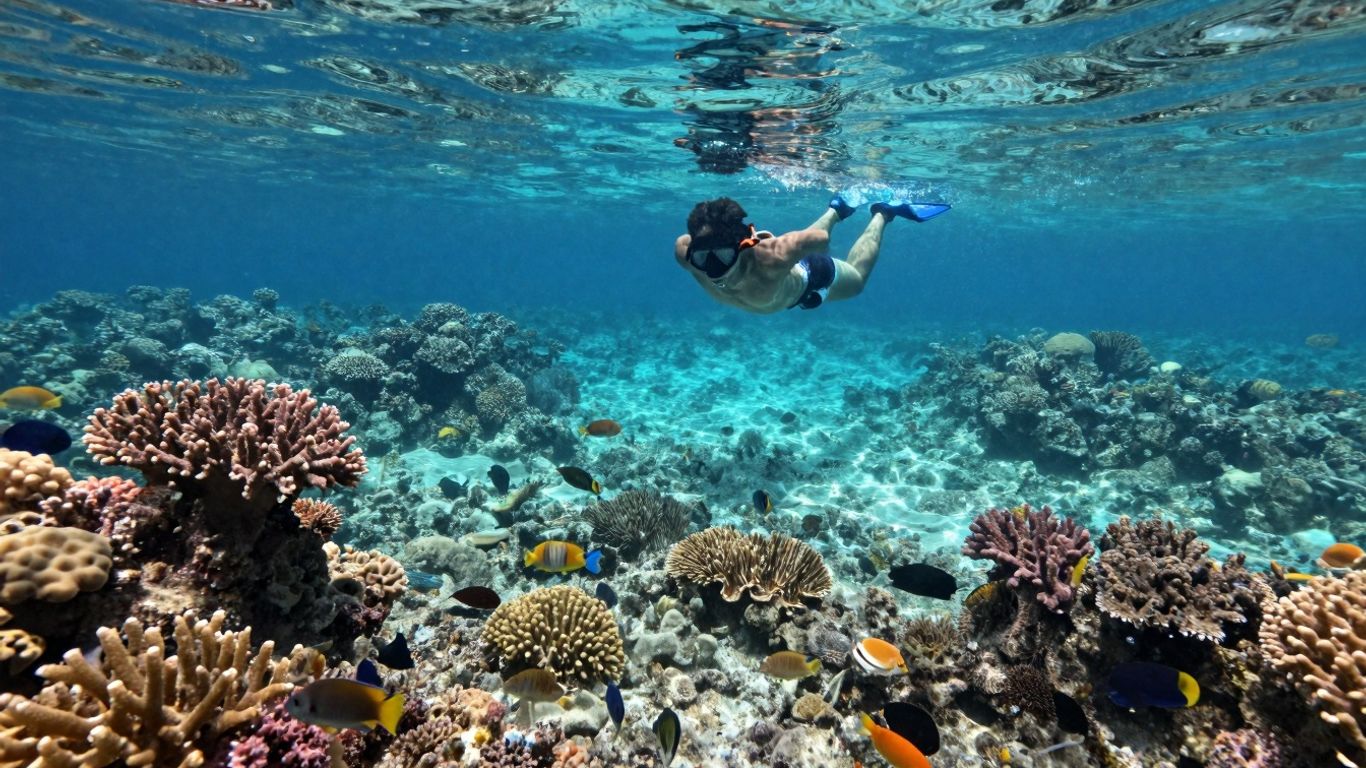
Beneath Fiji’s turquoise waters lies a kaleidoscope of marine life. The country is renowned for its soft coral reefs, offering some of the most spectacular underwater scenery in the world. Whether you’re a seasoned diver or trying snorkeling for the first time, there are countless opportunities to explore. Areas like Beqa Lagoon are famous for their vibrant reefs and abundant fish species. Many resorts offer easy access to fantastic snorkeling spots right off the beach, making it simple to witness this underwater spectacle. You can also join guided tours that take you to prime locations for snorkeling adventures.
Marine Life: Abundant and diverse fish species, vibrant soft corals.
Popular Spots: Beqa Lagoon, Mamanuca Islands, Yasawa Islands.
Activities: Scuba diving, snorkeling, and guided reef tours.
Accessibility: Many locations are easily accessible from resorts or via day trips.
Key Dates For Concerts And Sporting Events
Fiji is really stepping up its game as a place for live music and sports in 2026. If you’re looking to catch some action, mark your calendars. January is buzzing with the UB40 ft. Ali Campbell & Katchafire concert happening in Nadi. It’s set to be a night filled with reggae and island vibes, a perfect way to kick off the year. For rugby fans, January also brings the Coral Coast 7s tournament in Sigatoka, showcasing top domestic and international teams. Then, from February to May, you can experience the electrifying energy of the Fijian Drua’s Super Rugby home games. These matches are always a spectacle and a real taste of Fiji’s national passion.
Best Times To Visit For Specific Activities
When you plan your trip, think about what you want to do most. For surfers, the waves are often best from April to October, especially in the Mamanuca and Yasawa Islands. If diving is your main goal, the visibility is generally excellent year-round, but the dry season (May to October) often offers calmer seas and clearer waters, making spots like the Bligh Waters particularly appealing. For those interested in cultural experiences and village visits, the shoulder seasons of April to May and September to November can be ideal, offering pleasant weather without the peak crowds. The dry season from May to October is generally considered the prime time for a visit, offering sunny days and lower humidity.
Suggested Itineraries For Different Travel Styles
Figuring out how to spend your time in Fiji can be tricky with so many islands to choose from. Here are a few ideas to get you started:
For the Relaxed Explorer: Spend a few nights on the Coral Coast of Viti Levu, perhaps visiting a local village, then hop over to the Mamanuca Islands for a few days of beach time and gentle watersports. This gives you a taste of both the mainland and a classic island experience.
For the Adventure Seeker: Start with some white-water rafting on the Upper Navua River, then head to the Yasawa Islands. Here, you can try diving, surfing, and enjoy the lively atmosphere. Consider getting a Bula Pass for easy island hopping.
For the Culture Enthusiast: Begin in Levuka on Ovalau Island, Fiji’s historic former capital, to soak in the colonial charm. Then, explore the less-visited Northern Islands for a more authentic feel and a chance to connect with local life away from the main tourist trails.
Planning your trip in advance is key to making the most of Fiji. Considering the best time for your preferred activities and looking at different island groups can really shape your experience. Don’t forget to factor in travel time between islands; it’s part of the adventure!
Navigating Fiji: Transportation And Logistics
Getting around Fiji is part of the adventure, and thankfully, there are several ways to hop between its stunning islands and explore the main landmasses. You don’t need to be a seasoned sailor or a pilot to see the best of what Fiji has to offer.
Getting Around The Main Islands By Bus
Buses are a really practical and budget-friendly option for traveling on Viti Levu, the largest island. Companies like Coral Sun and Sunbeam run regular services connecting major towns and cities. A trip from Suva to Nadi, for instance, takes about four hours and usually costs between 7 to 20 Fijian dollars, depending on the specific service and time. On smaller islands, you can often just head to a bus stop and flag down a passing mini-bus or converted truck; journeys rarely cost more than a few dollars.
Island Hopping With Boat Passes
For exploring the archipelago, especially the popular Mamanuca and Yasawa Islands, boat passes are a fantastic way to go. These passes, like the Bula Pass’ for the Yasawas, allow you to hop between islands over a set number of days. Prices vary depending on the duration, but they can offer good value if you plan on visiting multiple spots. For example, a 5-day pass might cost around 458 FJD, with longer options available. Keep in mind that prices are often listed in USD, so exchange rates can affect the final cost.
Ferry services also connect the larger islands like Viti Levu and Vanua Levu, as well as Ovalau and Kadavu. While some routes have multiple departures daily, services to more remote outer islands can be infrequent and less reliable, sometimes only arriving once a month. It’s always best to check schedules in advance with operators like Bligh Water Shipping or Goundar Shipping.
Exploring By Self-Drive E-Boat
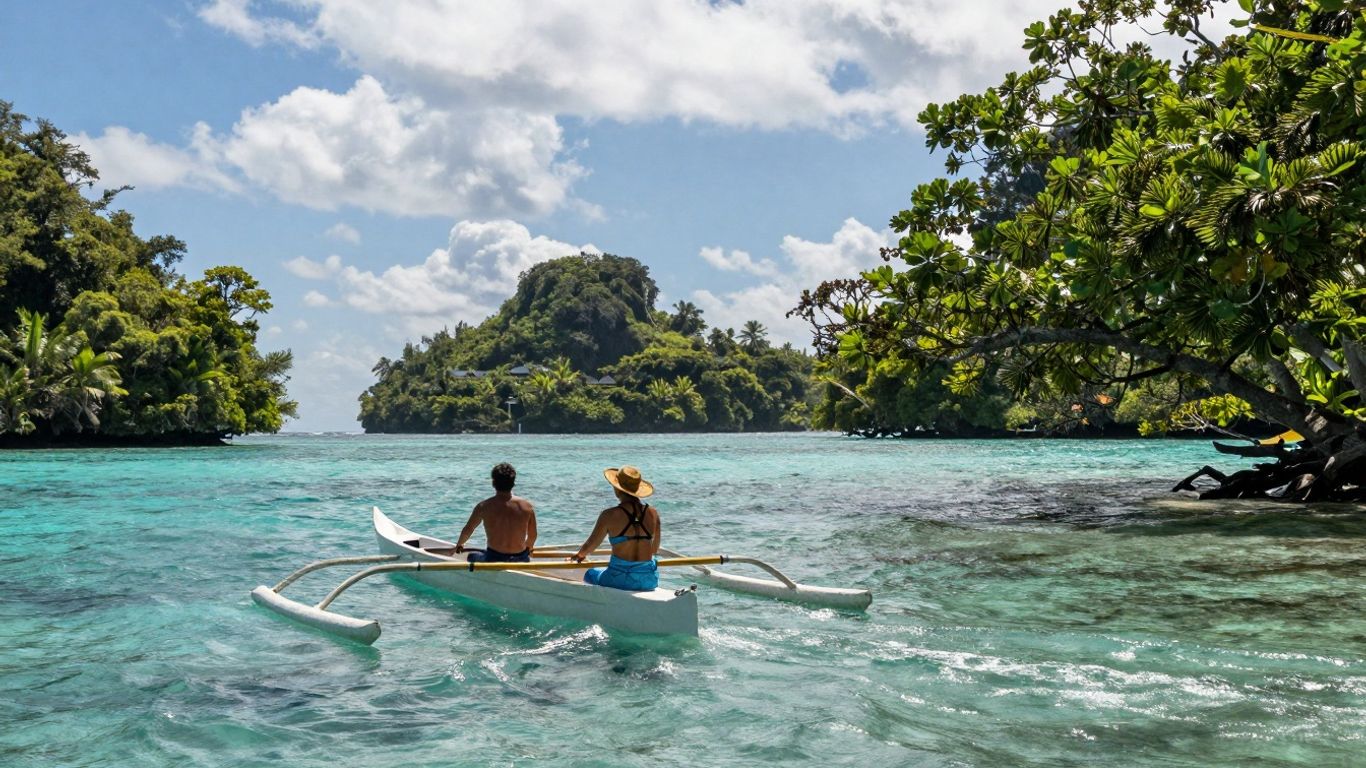
While not as common as buses or ferries, renting a car is an option on the main islands, though it can be pricey, often around 120 FJD per day for multi-day rentals. Drivers need to be at least 21. For a more unique experience, especially around the smaller islands or coastal areas, consider exploring by e-boat. These quiet, electric boats offer a more intimate way to see the coastline and access secluded spots, like mangrove forests, without disturbing the environment. They are particularly great for short excursions and exploring calm waters.
When planning your island hopping, remember that while flights between islands are the quickest option, they are also the most expensive. For shorter distances and a more immersive experience, ferries and local boats are generally the way to go.
Here’s a quick look at some common transport costs:
Ultimately, the best way to get around Fiji depends on your budget, your itinerary, and how much time you have.
Embrace The Natural Beauty Of Fiji
Fiji is more than just beaches; it’s a place where nature puts on a spectacular show. From lush rainforests to dramatic coastlines, there’s so much to see and do that really connects you with the environment. The islands offer a diverse range of landscapes that are just waiting to be explored.
Exploring Bouma National Heritage Park
Located on Taveuni, often called the Garden Island’, Bouma National Heritage Park is Fiji’s first national park. It’s a vast area of protected rainforest, waterfalls, and coastline. You can spend days here hiking through trails shaded by giant ferns and listening to the sounds of tropical birds. The park is home to several stunning waterfalls, including the Tavoro Waterfalls, which are a series of three cascades perfect for a refreshing dip. It’s a fantastic spot for anyone who loves nature and wants to see Fiji beyond the resorts. You can also find opportunities to support conservation efforts here, making your visit even more meaningful.
Hiking The Garden Of The Sleeping Giant
Just a short drive from Nadi, the Garden of the Sleeping Giant offers a different kind of natural beauty. This place is famous for its incredible collection of orchids and tropical plants, all set within beautifully landscaped grounds. The main attraction is the hike up to a viewpoint that offers panoramic views of the surrounding Nadi valley. It’s not an overly strenuous hike, making it accessible for most visitors. The air is usually filled with the sweet scent of flowers, and the vibrant colors are a photographer’s dream. It’s a peaceful escape that showcases Fiji’s botanical wonders.
Discovering The Sigatoka Sand Dunes
These ancient sand dunes, located on the island of Viti Levu, are a truly unique natural wonder. Stretching for miles along the coast, the Sigatoka Sand Dunes National Park is not only visually striking but also holds significant archaeological importance. Excavations here have uncovered artifacts and even human remains dating back thousands of years, suggesting it was once a burial site. You can explore the dunes on foot, taking in the dramatic landscape. It’s a great place for a walk, especially in the cooler parts of the day, and offers a glimpse into Fiji’s ancient past.
Fiji’s natural beauty is best experienced through active exploration. Whether it’s a challenging hike or a gentle stroll, engaging with the environment offers a deeper connection to the islands.
Here are a few ways to make the most of Fiji’s natural attractions:
Plan your visits: Check park opening times and any specific trail conditions, especially after heavy rain.
Stay hydrated: Bring plenty of water, particularly when hiking in warmer weather.
Respect the environment: Stick to marked paths and avoid disturbing wildlife or removing plants.
Consider a guide: Local guides can offer insights into the flora, fauna, and history of these natural sites, enriching your experience. For those interested in holistic well-being and connecting with nature, Fiji offers various retreats that combine activities like hiking and kayaking with mindfulness practices.
Culinary Delights And Refreshing Treats
Fiji’s food scene is as vibrant and diverse as its islands, offering a delightful mix of fresh, local ingredients and unique culinary experiences. From sweet treats to savory BBQs, there’s something to tempt every palate.
Savoring Organic Fruit Sorbets On Taveuni
After a day exploring Taveuni’s lush rainforests and waterfalls, a visit to Yanuyanu Taveuni in Naqara is a must. This charming spot serves up incredibly refreshing sorbets made from the island’s abundant tropical fruits. Think mango, soursop, guava, and jackfruit, all blended into delicious, natural flavors. It’s the perfect way to cool down and taste the essence of Fiji’s Garden Island.
Enjoying Local Flavors On River Safaris
Imagine cruising down a serene river, the lush mangrove forests of Fiji unfolding around you. Now, picture yourself enjoying a delicious BBQ lunch prepared right on board your own e-boat. Companies like BBQ E-Boat Fiji offer just this experience. You get to captain your own vessel (no license needed, just a quick lesson!) and select your Head Chef’ and Chief Vibes Officer’ to curate the perfect onboard meal. It’s a unique way to soak in the scenery and enjoy a tasty meal.
BBQ Experiences On The Water
Beyond the river safaris, the idea of a BBQ on the water extends to other excursions. Many day trips and private charters offer the chance to enjoy a freshly grilled meal with the ocean as your backdrop. Whether it’s a secluded sandbank or a quiet cove, these floating feasts are a memorable way to experience Fiji’s culinary side. Some trips even allow you to pre-order your meal, adding to the relaxed, catered experience.
Fiji’s approach to food often blends simple, fresh ingredients with stunning natural settings. It’s not just about eating; it’s about the experience – the gentle lapping of waves, the warm tropical breeze, and the company you share it with. This connection to the environment makes every meal feel special.
Here are a few more ways to treat your taste buds:
Island Picnics: Many operators offer private picnic experiences on deserted sand cays or secluded beaches. Enjoy gourmet food with your feet in the sand and the turquoise ocean stretching before you.
Local Village Feasts: Participating in a village visit can sometimes include a traditional Fijian feast, offering a genuine taste of local hospitality and cuisine.
Fresh Seafood: Being an island nation, Fiji boasts incredibly fresh seafood. Look for grilled fish, kokoda (Fijian ceviche), and other ocean delights on menus across the islands.
Fiji’s Vibrant Arts And Entertainment Scene
Fiji is more than just stunning beaches and clear blue water; it’s a place with a lively pulse, especially when it comes to its arts and entertainment. You’ll find a mix of international acts and deeply rooted local traditions that make for some unforgettable experiences.
Concert Experiences With International Acts
Get ready to groove because Fiji is becoming a real hotspot for concerts. Following successful shows in recent years, more artists are adding Fiji to their tour stops. In January 2026, look out for UB40 featuring Ali Campbell, who are teaming up with Katchafire in Nadi. It promises a night filled with reggae vibes and island sounds. If you’re into that kind of music, this is definitely one to mark on your calendar. It’s a great chance to see big names in a unique island setting.
Experiencing Live Rugby Matches
Rugby isn’t just a sport in Fiji; it’s practically a national obsession. If you get the chance, catching a live match is a must. The Coral Coast 7s tournament in Sigatoka every January is a huge event, drawing top teams from Fiji and around the world. Then, from February to May, the Fijian Drua Super Rugby team plays its home games. The energy at these matches is electric – it’s a real spectacle and a fantastic way to feel the local passion. You can find tickets for these games through various local providers.
Exploring Local Music And Island Rhythms
Beyond the big concerts and rugby games, Fiji’s heart beats to its own musical rhythm. You’ll hear it in the villages, at local gatherings, and even in some resorts. Traditional Fijian music often features chants, drums, and string instruments, creating a sound that’s both ancient and alive. Many resorts host cultural nights where you can experience these sounds firsthand, often accompanied by traditional dance. It’s a beautiful way to connect with the spirit of the islands and understand the local culture better. For a taste of this, consider looking into local cultural performances.
The sounds of Fiji are as diverse as its landscapes, ranging from the infectious beats of modern reggae to the soulful melodies of traditional chants. Music is woven into the fabric of daily life, celebrating community, history, and the natural beauty of the islands.
Ensuring A Safe And Rewarding Fijian Journey
Fiji is generally a very safe place to visit, and most travelers have a wonderful time without any issues. Still, like anywhere you go, it’s smart to be aware of your surroundings and take a few simple precautions. Petty theft, like pickpocketing, can happen, especially in busy spots or on beaches, so just keep an eye on your belongings. It’s a good idea to leave expensive jewelry or large amounts of cash back at your accommodation.
Understanding Local Safety Precautions
When you’re out and about, especially in towns or markets, be mindful of your personal items. If you’re using ATMs, take a moment to check that no one is watching you and be aware of your surroundings. It’s also wise to keep copies of important documents like your passport separate from the originals. While solo female travelers generally feel secure here, it’s always best practice to follow standard safety tips, such as not leaving drinks unattended or walking alone late at night if you’ve been drinking.
Keep your wits about you, especially in crowded areas, and trust your instincts. Most Fijians are incredibly friendly and helpful, so don’t hesitate to ask for directions or assistance if you need it.
The Importance Of Comprehensive Travel Insurance
Getting good travel insurance before you leave is a really important step. It’s your safety net if something unexpected happens, like a medical emergency, a canceled flight, or lost luggage. Fiji has a cyclone season that runs from October to May, so if you’re traveling during this period, having insurance is particularly wise. It gives you peace of mind knowing that you’re covered for various situations.
Navigating Potential Scams And Emergencies
While scams are not common in Fiji, it’s good to be aware. You might be approached by locals offering illegal goods or services; a polite but firm no thank you’ and moving on is usually the best approach. In the unlikely event of an emergency, the local emergency number is 911. Staying informed about local conditions, like any potential street gatherings, is also a good idea. Remember, most visits are trouble-free, and the focus should be on enjoying the incredible beauty and culture Fiji has to offer.
Discovering Fiji’s Unique Island Ecosystems
Fiji is more than just pretty beaches; it’s a treasure trove of diverse natural environments, each with its own special inhabitants. Exploring these unique island ecosystems offers a look into a world teeming with life, from the smallest coral polyp to the largest marine mammal.
Snorkeling and Diving Beqa’s Vibrant Reefs
Beqa Lagoon is a protected marine sanctuary, and for good reason. It’s a hotspot for biodiversity, especially when it comes to coral and fish. The sheer variety of coral formations here is astounding, providing homes for countless species. When you snorkel or dive, you’ll see everything from tiny, colorful reef fish darting through the coral to larger pelagic species cruising by. It’s a fantastic place to witness the health of a reef system firsthand. Many operators offer trips here, often combined with visits to nearby islands for a full day of aquatic exploration. It’s a great spot for beginners and experienced divers alike, with visibility often reaching impressive distances.
Exploring Mangrove Forests by E-Boat
While many visitors flock to the open ocean, Fiji’s mangrove forests are equally important ecosystems. These coastal wetlands act as nurseries for many fish species and protect the shoreline from erosion. Taking an e-boat tour through these dense, green tunnels is a unique experience. You’ll glide silently through the calm waters, observing the intricate root systems and the specialized wildlife that calls this habitat home. It’s a peaceful way to connect with a less-seen side of Fiji’s natural beauty. Keep an eye out for mudskippers, crabs, and various bird species that thrive in this environment.
The Bligh Waters for Exceptional Diving
For those seeking truly world-class underwater adventures, the Bligh Waters are a must-visit. This area, located between Viti Levu and Vanua Levu, is renowned for its strong currents that bring in nutrient-rich waters, supporting an incredible abundance of marine life. You’ll find vibrant soft corals, large schools of fish, and a good chance of encountering sharks, manta rays, and other large pelagics. It’s a prime location for drift diving, where experienced divers can cover a lot of ground and witness the ocean’s power and beauty. Many liveaboard dive trips focus on this region, allowing for extended exploration of its many dive sites. It’s a place where the underwater world truly comes alive.
Fiji’s commitment to marine conservation is evident in areas like Beqa Lagoon and the Bligh Waters. Responsible tourism practices, such as avoiding touching coral and not feeding fish, help preserve these delicate environments for future generations. Supporting local eco-tourism initiatives also plays a part in protecting these natural wonders.
Your Fijian Adventure Awaits
So, there you have it – a look at what Fiji has to offer in 2026. From the vibrant reefs and island hopping to the pulse of live music and the roar of the rugby field, this island nation truly has a bit of everything. Whether you’re dreaming of quiet beaches or thrilling adventures, Fiji welcomes you. We’ve covered how to get around, where to stay, and how to stay safe, so you can plan your trip with confidence. Fiji is more than just a destination; it’s an experience that stays with you. We hope this guide helps you make the most of your visit to this beautiful corner of the world. Vinaka!
What are the best islands to visit in Fiji?
Fiji has many amazing islands! For water sports and beautiful beaches, check out the Mamanuca Islands. If you like a more laid-back vibe and budget-friendly options, the Yasawa Islands are a great choice. For a mix of history and nature, consider the Northern Islands.
What kind of activities can I do in Fiji?
You can do so many fun things! Go white-water rafting, try surfing world-class waves, or dive into colorful coral reefs. You can also explore rainforests, hike cool trails, and learn about Fijian culture by visiting local villages.
Is Fiji expensive to visit?
Fiji doesn’t have to cost a lot of money. While there are fancy resorts, you can also find affordable places to stay and eat. Many flights to the Pacific stop in Fiji, making it a convenient and often cheaper stopover.
How do I get around Fiji?
On the main islands, buses are a good and cheap way to travel. For hopping between the smaller islands, you can use boat passes, like the hop-on-hop-off Bula Pass for the Yasawa Islands. You can also rent special e-boats to explore rivers.
What’s unique about Fijian culture?
Fijian culture is warm and welcoming. You can experience it by visiting local villages and seeing how people live. There’s also a special Loloma Hour’ initiative where visitors can help out in the community, like planting coral or cleaning beaches.
When is the best time to visit Fiji?
The best time depends on what you want to do. The dry season, from May to October, is great for most activities. If you’re interested in concerts or sports events, check the calendar for January and February. Be aware that cyclone season runs from October to May.
Is Fiji safe for travelers?
Fiji is generally a safe place to visit. Like anywhere, it’s smart to be aware of your surroundings and protect your belongings, especially in busy spots. It’s always a good idea to have travel insurance for peace of mind.
What food should I try in Fiji?
Don’t miss out on the fresh flavors! Try organic fruit sorbets made with local tropical fruits, especially on Taveuni. You can also enjoy local dishes during river safaris or have a BBQ right on the water.