Thinking about Fiji? It’s a dream destination for many, but the big question always comes up: how much cash do you actually need? It’s not as simple as just booking a flight and showing up. There are a bunch of things that add up, from where you sleep to what you eat and do. Let’s get into what you can expect to spend.
Key Takeaways
You can find hostels for around $15-$25 a night, while fancy resorts can easily hit $250-$500 or more per night.
Getting around Fiji has options. Buses are cheap, but ferries between islands add up quickly.
Understanding Fiji Travel Costs: An Overview
So, you’re dreaming of Fiji? White sand beaches, turquoise waters, and that laid-back island vibe. It sounds amazing, right? Fiji can be as affordable or as luxurious as you want it to be, and understanding the main factors is the first step to planning a trip that fits your budget.
Key Factors Influencing Your Fiji Budget
Think about these:
Traveling during the shoulder or wet seasons might save you some cash.
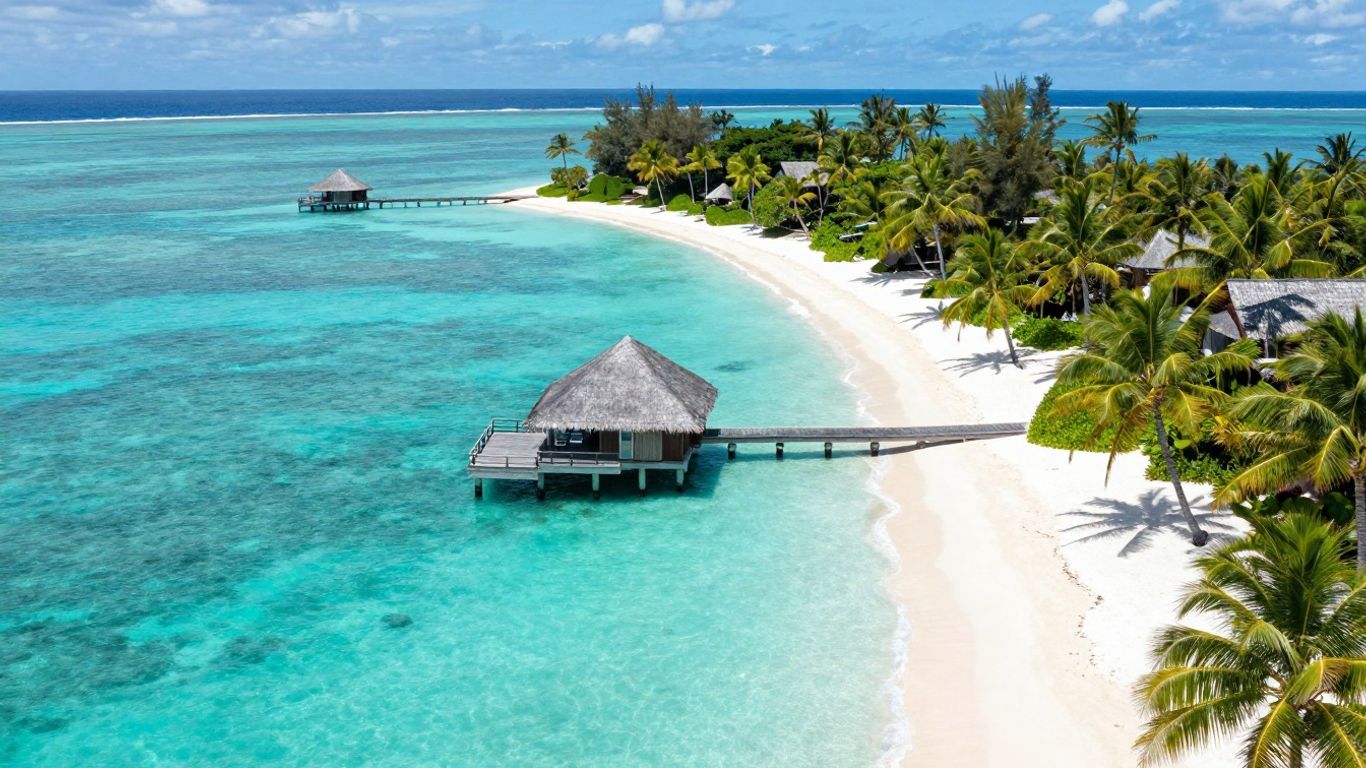
Where you stay: Are you picturing yourself in a fancy overwater bungalow or a cozy guesthouse? The type of lodging you choose will be a big part of your spending.
What you do: Fiji offers everything from free beach lounging to pricey diving trips. Your activity choices will definitely impact the final bill.
Your travel style: Are you a budget backpacker, a mid-range explorer, or someone looking for pure indulgence? This is probably the biggest factor.
Estimating Your Overall Fiji Travel Expenses
It’s tough to give one exact number because everyone travels differently. This is just a ballpark figure, and we’ll break down each component in more detail.
Budgeting for Different Travel Styles
To give you a clearer picture, let’s consider a few common travel styles:
The Budget Traveler: You’re happy with hostels or basic guesthouses, eating at local eateries, and using public transport. You might aim for around $70-$120 per day, plus flights.
The Mid-Range Explorer: You prefer comfortable hotels or boutique stays, enjoy a mix of local and restaurant dining, and participate in a few organized tours. Expect to spend roughly $150-$300 per day, plus flights.
The Luxury Seeker: You’re all about high-end resorts, fine dining, private tours, and perhaps even a private villa. Your daily budget could easily be $400 and go much higher, plus flights.
Planning ahead is key. Knowing these variables helps you set realistic expectations and start saving for the specific kind of Fijian experience you’re hoping for. It’s all about finding that sweet spot between your desires and your wallet.
Getting to Fiji is the first step, and knowing what to expect financially makes the journey smoother.
International Flight Durations and Costs
Flights to Fiji land at Nadi International Airport (NAN), the main entry point. Round-trip tickets from these regions can often be found in the range of AUD 400 to AUD 800, though this can swing higher depending on demand.
Consequently, airfare from these locations tends to be higher, typically ranging from AUD 1,200 to over AUD 2,000 for a round-trip economy ticket. The further you are from Fiji, the more you’ll generally spend on airfare.
Seasonal Variations in Airfare
While this period can bring rain, it’s also characterized by lush landscapes and fewer crowds.
Tips for Securing Affordable Flights
Scoring a good deal on flights to Fiji takes a bit of strategy. Start by being flexible with your travel dates if possible. Flying mid-week is often cheaper than on weekends.
Compare Airlines and Airports: Don’t stick to just one airline or booking site. Use comparison tools to see all available options. Sometimes flying into a slightly less common airport or choosing a different airline can save you a significant amount.
Consider Package Deals: Occasionally, booking your flight and accommodation together as a package can offer savings compared to booking them separately. Keep an eye out for these deals.
Remember that the cheapest’ flight isn’t always the best. Sometimes paying a little more for a more direct or comfortable journey is well worth it.
Accommodation Options and Associated Expenses
When planning your trip to Fiji, where you rest your head at night will significantly shape your budget and overall experience. Fiji offers a wide spectrum of places to stay, from lavish private villas to more down-to-earth guesthouses. Choosing the right accommodation is key to balancing comfort with your travel funds.
Luxury Resorts and Private Villas
For those seeking the ultimate indulgence, Fiji’s luxury resorts and private villas provide unparalleled service and amenities. Think private plunge pools, beachfront access, gourmet dining, and personalized butler services. These options are perfect for honeymoons, special anniversaries, or simply when you want to splurge on a truly memorable escape.
Mid-Range Hotels and Boutique Stays
This category offers a comfortable and stylish middle ground. You’ll find well-appointed hotels, often with beautiful grounds, swimming pools, and on-site restaurants. Boutique stays provide a more intimate atmosphere, often with unique decor and a focus on local charm. These are great for couples or families looking for good value without sacrificing too much comfort. Many resorts along the Coral Coast fall into this category, offering a relaxed resort-focused stay.
Budget-Friendly Hostels and Guesthouses
Travelers watching their wallets will be pleased to know Fiji has options that won’t break the bank. Hostels and guesthouses are fantastic for solo travelers or those looking to meet other people. These are often found in towns like Nadi or on less developed islands.
When considering accommodation, think about what’s most important to you. Is it proximity to activities, a quiet escape, or a lively social scene? Your priorities will guide you to the best fit for your Fijian adventure.
Culinary Delights: Dining and Drink Expenses
When you think of Fiji, you probably picture yourself lounging on a beach with a cool drink in hand. And you’d be right! Food and drinks are a big part of the Fiji experience, and thankfully, there are options for pretty much every budget.
Experiencing Local Fijian Cuisine
To really taste Fiji, you’ve got to try the local dishes. Think kokoda, a ceviche-like dish made with fresh fish, coconut cream, and lime, or lovo, food slow-cooked in an underground oven. These are often found at local markets or smaller, family-run eateries.
Markets: Great for fresh fruit, local snacks, and sometimes prepared meals.
Lovo Feasts: Often part of cultural nights at resorts or available in villages.
Local Kai (Food): Look for roadside stalls selling things like vakalolo (a sweet cassava pudding).
Costs at Casual and Upscale Restaurants

Your wallet will feel different depending on where you choose to eat. Casual spots and local kai bars are your best bet for saving money. You can grab a filling meal for around FJD $15-25 (roughly AUD $10-17). Expect to pay FJD $50-100+ (around AUD $34-68+) per person for a multi-course meal, not including drinks.
Here’s a rough idea:
Budgeting for Beverages and Snacks
Staying hydrated is key in the Fijian heat. Local beers, like Fiji Gold or Fiji Bitter, are a popular choice and can be found for FJD $5-10 at bars and restaurants. If you’re looking to save, buying drinks from local supermarkets is significantly cheaper.
Don’t forget that many resorts offer meal plans. Sometimes, the all-inclusive isn’t always the most budget-friendly choice if you’re an adventurous eater.
For those looking to stretch their travel funds, focusing on local eateries and market finds will make a big difference. You can still enjoy delicious Fijian flavors without breaking the bank. Planning your meals ahead can help you save money on your Fiji trip .
Navigating Fiji: Transportation Costs
Getting around Fiji is part of the adventure, and thankfully, there are options for every budget.
Island Hopping via Ferries and Flights
For many, the dream of Fiji involves visiting multiple islands. The most common way to do this is by ferry, especially if you’re heading to popular spots like the Mamanuca or Yasawa Islands from Port Denarau. These high-speed catamarans are a scenic way to travel, but they do add up. If your itinerary includes more remote islands, domestic flights might be necessary. Companies like Fiji Airways offer flights to various islands, which are quicker but naturally more expensive than ferries. Expect to budget at least FJD $200-FJD $500 for a one-way flight to a more distant island.
Local Bus and Taxi Fares
On the larger islands, like Viti Levu (where Nadi and Suva are located) and Vanua Levu, local buses are a very affordable way to get around. Fares are generally quite low, often under FJD $5 for most journeys within a town or between nearby areas. It’s a great way to see local life, too. Taxis are also widely available, particularly in towns and at resorts. Longer distances, like a trip from Nadi Airport to a resort in Denarau, could be around FJD $40-FJD $60. Always agree on the fare before you start your journey if the meter isn’t used.
Rental Car Considerations
Renting a car gives you the most freedom, especially if you plan to explore Viti Levu extensively at your own pace. However, it’s often one of the pricier transportation options. Roads outside of the main highways can sometimes be unpaved or in rougher condition, so a 4WD might be advisable depending on where you intend to go. For most visitors sticking to popular tourist areas or island hopping, a rental car isn’t usually necessary.
Budgeting Tip: Look into transportation passes if you plan on extensive travel between islands via ferry. The Bula Pass, for instance, offers unlimited travel on the Yasawa Flyer for a set period, which can be a significant saving compared to buying individual tickets. It’s worth doing the math based on your planned itinerary.
Getting around Fiji is part of the adventure, and with a little planning, you can see all the beauty it has to offer without breaking the bank. You can find more information on island hopping options to help you plan your journey.
Activities and Excursions: Experiencing Fiji’s Wonders
So, you’ve booked your flights and sorted out where you’re staying. Now for the fun part – what are you actually going to do in Fiji? This place is packed with things to see and experience, from the water to the land, and even into the local villages. It’s easy to spend a good chunk of your budget here, but honestly, these are the memories you’ll be talking about long after you’re back home.
Water Sports and Diving Adventures
Let’s be real, most people go to Fiji for the water. And for good reason! The coral reefs are stunning, and the marine life is just incredible. Snorkeling is pretty accessible, and you can often find tours that take you to a few different spots. For those who want to go a bit deeper, scuba diving is huge here. You’ll find plenty of operators offering PADI courses or just guided dives if you’re already certified.
The vibrant underwater world of Fiji is a major draw, so factor in at least one water-based activity.
Cultural Village and Historical Site Visits
Fiji isn’t just about beaches. The culture here is rich and welcoming, and visiting a local village is a really eye-opening experience. You’ll often be greeted with a traditional welcome ceremony, called a sevusevu’, which usually involves presenting kava. It’s a chance to see how Fijians live, learn about their traditions, and maybe even pick up some local crafts. Some historical sites, like the ancient ruins on Bau Island, also offer a glimpse into Fiji’s past.
Cultural Shows: Many resorts offer traditional Meke performances (singing and dancing) and Lovo feasts (food cooked in an underground oven).
Visiting a Fijian village offers a unique opportunity to connect with the local culture and traditions. It’s a chance to see a different way of life and gain a deeper appreciation for the Fijian people.
Nature Hikes and Scenic Tours
If you prefer to explore on land, Fiji has some beautiful natural landscapes. Think lush rainforests, waterfalls, and scenic viewpoints. Many islands offer hiking trails, ranging from easy walks to more challenging treks. Guided tours can be great because the guides often share local knowledge about the flora, fauna, and traditional uses of plants. Some tours might combine hiking with visits to waterfalls where you can take a refreshing dip.
Rainforest Hikes: Many trails are accessible independently, but guided hikes offer more insight.
Scenic Viewpoints: Accessible by road or hike, offering great photo opportunities.
Souvenirs and Shopping: Bringing Fiji Home
Bringing a piece of Fiji back with you is a wonderful way to remember your trip. From handcrafted items to local apparel, there are plenty of options to suit different tastes and budgets.
Traditional Handicrafts and Artwork
Fiji is rich in artistic traditions, and you’ll find a variety of handmade items that reflect this. Think woven baskets, intricately carved wooden figures, and decorative shell necklaces.
Woven Goods: Look for mats, baskets, and fans made from pandanus leaves. These are often practical and beautiful.
Wood Carvings: Traditional carvings often depict local flora, fauna, or cultural symbols.
Shells and Pearls: While pearls are a separate category, you’ll also find beautiful items made from shells.
Local Pearls and Jewelry
Fiji is known for its beautiful pearls, often referred to as Fiji black pearls due to their unique color. It’s worth exploring different vendors to get a feel for the market. You can find some great deals if you know what to look for, and it’s a truly special memento of your time in the islands.
Bula Shirts and Local Apparel
No trip to Fiji is complete without considering a Bula shirt. These are the iconic, brightly colored, short-sleeved shirts with tropical prints that many locals wear. They’re comfortable and perfect for capturing that relaxed island vibe. Beyond Bula shirts, you might also find other locally made clothing, sarongs, and accessories.
This approach can help you get the best value for your money and find those perfect keepsakes. Consider budgeting for these items as part of your overall travel expenses.
Here’s a rough idea of what you might expect to spend:
Essential Add-Ons: Insurance and Communication
Beyond the big ticket items like flights and accommodation, there are a few other things you’ll want to factor into your Fiji budget. These might not seem as exciting, but they’re super important for a smooth trip.
Travel Insurance Coverage Options
Look, nobody plans for things to go wrong, but sometimes they just do. That’s where travel insurance comes in. It’s your safety net for the unexpected, whether that’s a canceled flight, a lost bag, or, heaven forbid, a medical emergency. It’s worth shopping around and reading the fine print to make sure you’re covered for what matters most to you.
Staying Connected: Wi-Fi and SIM Cards
Want to share those amazing sunset pics in real-time or just check in with folks back home? Staying connected in Fiji is pretty doable. Many resorts and hotels offer free Wi-Fi, which is a nice perk. If you need more consistent access, especially if you’re moving around a lot, picking up a local SIM card is a good bet. 50-25), depending on the data package you choose. It really depends on how much you plan to use the internet.
Passport and Visa Requirements
This one’s pretty straightforward, but super important. Make sure your passport is valid for at least six months beyond your intended stay. For many nationalities, visiting Fiji for tourism doesn’t require a visa for short stays, but it’s always best to double-check with the Fijian immigration authorities or your local embassy.
Optimizing Your Budget for Fiji Travel
Don’t worry, a trip to this island paradise doesn’t have to break the bank. With a little smart planning and a few insider tips, you can make your Fijian adventure much more affordable. It’s all about being savvy with where you spend your money.
Strategies for Saving on Accommodation
Where you sleep can be one of the biggest expenses, but there are ways to cut down. Instead of always going for the beachfront resort, consider guesthouses or even hostels, especially if you’re traveling solo or with friends. Look into smaller, locally-owned places too; they often provide a more authentic experience and better value. Sometimes, staying a little further from the main tourist hubs can also mean significant savings, and you might discover a more peaceful, local vibe.
Consider local guesthouses: Often more affordable and offer a genuine cultural experience.
Look for package deals: Sometimes bundling flights and accommodation saves money.
Dining on a Budget in Fiji
Eating out every night at fancy restaurants can add up fast. Hit up local markets for fresh fruit and snacks, and don’t shy away from small, local eateries. Grabbing a roti parcel’ from a roadside stall or enjoying a hearty meal at a lokal’ (local eatery) is a fantastic way to taste Fiji without emptying your wallet. If you have access to a kitchen in your accommodation, preparing some of your own meals, like breakfast or simple lunches, can also make a big difference.
Embracing local food is key to both saving money and experiencing the true flavors of Fiji.
Maximizing Value with Transportation Passes
Getting around Fiji can be done affordably if you know how. While private taxis are convenient, they can be pricey. Public buses are a much cheaper option for getting around the main islands. They might not be the fastest, but they offer a great way to see the local scenery and interact with residents. Sometimes, booking a multi-island pass can offer better value than paying for each leg individually. If you’re planning to explore a specific island extensively, like Vanua Levu , consider if a short-term car rental makes sense for a few days, rather than relying solely on taxis or expensive transfers for every single trip. Always ask about local transport options when you arrive; hotel staff or locals can often point you in the right direction for the most economical choices.
Cost Breakdown for Different Trip Durations
So, you’re dreaming of Fiji, but how long should you stay and what kind of budget should you pack? It really depends on what you want to get out of your trip. A quick weekend getaway is a different beast than a two-week island-hopping adventure.
Estimating Costs for Short Stays (2-3 Days)
A short trip to Fiji is perfect for a quick escape, maybe a long weekend if you can swing it. Think of it as a taste of paradise. You’ll likely be focusing on one main island, probably near Nadi for convenience. Flights will be a big chunk, and accommodation will be your next biggest expense. You won’t have a lot of time for extensive island hopping, so focus on local experiences.
Accommodation: Budget options might be $30-$50 per night, while mid-range hotels could be $75-$125.
Food & Activities: Budget around $60-$120 per day for meals and a couple of excursions.
For a 2-night, 3-day trip, a budget traveler might look at spending roughly $800-$1600, not including souvenirs or extensive shopping. It’s a brief but memorable visit.
Budgeting for a Week-Long Fijian Escape
A week gives you a much better feel for Fiji. You can explore a bit more, maybe visit a second island, and really relax. You might opt for a mix of accommodation, perhaps a few nights in a resort and a few in a more local guesthouse. Inter-island travel via ferry or a short flight becomes a real possibility.
This range allows for more exploration and enjoyment. You can really soak in the Fijian vibe without feeling rushed. Consider looking into Fiji travel packages for potential savings.
Planning for Extended Island Adventures
If you have two weeks or more, you’re in for a treat! This is the time to truly immerse yourself in Fiji. You can explore multiple island groups, from the Mamanucas to the Yasawas, and really get a feel for the diverse culture and landscapes. Your budget will need to be more flexible, but the payoff is immense. Think about longer stays in more remote locations, perhaps even a liveaboard diving trip or extended stays at boutique resorts.
Inter-Island Travel: This becomes a significant factor, potentially costing several hundred dollars depending on your itinerary.
Activities: With more time, you can afford to do more, from diving certifications to cultural tours.
Fiji has a way of charming you into staying longer than planned!
A longer stay allows for a deeper experience but naturally requires a larger budget. Plan according to your time and financial comfort level.
So, What’s the Bottom Line on a Fiji Trip?
You can definitely find ways to make it work whether you’re pinching pennies or ready to splurge. Flights are a big chunk, sure, but once you’re there, how you sleep, eat, and what you do can really change the total. Think about what matters most to you – is it lounging on a fancy resort beach, or exploring hidden coves and trying local food? Knowing that will help you figure out where to spend and where to save. Fiji is out there, waiting with its beautiful islands and warm welcomes, and with a little smart planning, that dream trip is totally within reach. Go ahead, start dreaming and planning!
What’s the average cost for a trip to Fiji?
For a week, a budget traveler might spend around $1000-$1500, including flights and basic places to stay. If you’re looking for fancy hotels and lots of activities, it could easily go up to $5000 or more. It all depends on what you want to do and where you stay!
How much do flights to Fiji usually cost?
S. Flying from closer places like Australia or New Zealand is usually cheaper, maybe around $400 to $800.
What are the different types of places to stay in Fiji and how much do they cost?
Fiji has places to stay for every budget. You can find simple hostels or budget hotels for about $15-$25 a night.
How much should I budget for food and drinks in Fiji?
Eating out can be affordable if you stick to local spots, where a meal might be $5-$7. 50-$5. Buying snacks and drinks from local stores is also a good way to save money.
What are the transportation costs like in Fiji?
Getting around Fiji has options. Local buses are very cheap, often under $1 per ride. 50-$5 for a short trip. If you plan to visit many islands, ferry services or small flights between islands will be your main transport, and these can add up, costing $35-$75 or more each way.
How much do activities and tours cost in Fiji?
Snorkeling or diving trips might start around $25-$75.
How can I save money on my trip to Fiji?
To save money, consider staying in budget-friendly guesthouses or hostels instead of fancy resorts. Eating at local eateries and markets is cheaper than tourist restaurants. Traveling during the shoulder’ seasons (just before or after the peak times) can also get you better deals on flights and accommodation. Look into transportation passes if you plan to move around a lot.
Do I need travel insurance for Fiji, and how much does it cost?
It’s highly recommended to get travel insurance for Fiji. It protects you if something unexpected happens, like a medical emergency or lost luggage. Always compare different insurance plans.
Confirm current details
Confirm current schedules, prices, availability, conditions and local guidance directly with the responsible official source or provider before making a nonrefundable plan.
Use this guide for trip ideas, not a current quotation or a guarantee of access, safety, inclusions or availability. Confirm the requirements and conditions for your dates, destination and provider before booking.