
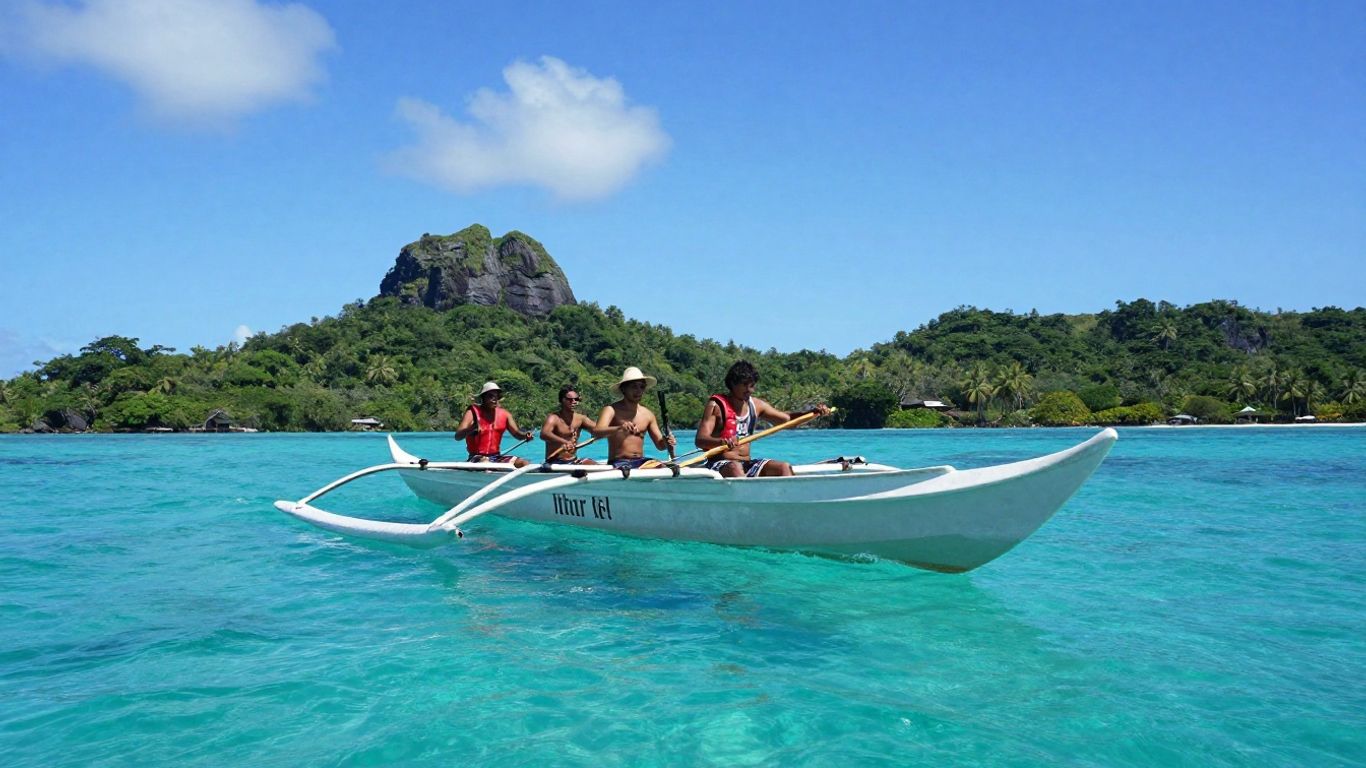
Getting ready for a Fiji trip can be a bit overwhelming, but a good checklist makes it way less stressful. The islands are beautiful, the weather’s warm, and the vibe is super relaxed, but you still need to get a few things sorted before you go. This Fiji travel checklist covers the basics: paperwork, money, health stuff, what to pack, and even some tips for being a good guest. If you’re not sure where to start, don’t worry—this guide will help you get everything in order so you can just enjoy your trip once you arrive.
Key Takeaways
Double-check your passport and visa requirements well before your flight.
Buy travel insurance that covers health emergencies and trip cancellations.
Pack for hot days and cooler nights, and don’t forget sun and insect protection.
Bring enough cash in small bills and let your bank know you’re traveling.
Respect local customs by packing modest clothes for village visits and dinners.
Confirm Visa Eligibility Based on Nationality
Now, about visas. The good news is that for many nationalities, including those from Australia, New Zealand, the US, Canada, and most European countries, you don’t need to apply for a tourist visa in advance if you’re staying for a short period, usually up to four months. Fiji typically grants visitors an entry permit upon arrival. However, rules can change, and it really depends on where you’re from. It’s always best to double-check the official Fijian immigration website or contact the nearest Fijian embassy or consulate to confirm the specific requirements for your nationality. Don’t just assume; a quick check can save you a lot of hassle.
It’s a good idea to keep a digital copy of your passport and visa (if applicable) separate from the physical documents. You can store them in a secure cloud service or email them to yourself. This can be a lifesaver if your documents get lost or stolen.
Keep Digital and Physical Copies of Documents
This is a big one. Once you’ve got your passport sorted and confirmed your visa situation, make copies. Seriously, make copies. Take clear photos or scan your passport, visa, flight details, and any hotel reservations. Save these digital copies to your phone, a cloud storage service, and maybe even email them to a trusted friend or family member. Then, make a couple of physical photocopies of your passport and visa. Keep these separate from your actual documents. If your passport gets lost or stolen while you’re in Fiji, having these copies will make the process of getting a replacement or temporary travel document much smoother. It’s a simple step that can prevent a major travel headache.
Travel Insurance and Health Safeguards
When planning your trip to Fiji, taking care of your health and well-being should be right up there on your to-do list. It’s not the most exciting part of travel planning, I know, but it’s super important. Think of it as setting yourself up for a smooth, worry-free adventure.
Purchase Comprehensive Travel Insurance
This is one of those things you really hope you won’t need, but if you do, you’ll be so glad you have it. Travel insurance is a must-have for any trip, especially to a place like Fiji. It covers a lot of ground, from unexpected medical bills to trip cancellations. Make sure you read the fine print to know exactly what you’re getting into.
Review Coverage for Medical Emergencies and Cancellation
When you’re looking at insurance policies, pay close attention to the medical coverage. You want to be sure it includes things like emergency medical evacuation, which can be quite costly if something serious happens. Also, check the cancellation and interruption clauses. Life happens, and sometimes plans have to change last minute. Having coverage for these situations can save you a lot of money and stress. It’s wise to compare a few different plans to find one that fits your needs and budget.
Schedule a Pre-Travel Health Checkup
Before you jet off, it’s a good idea to visit your doctor. They can give you a general check-up and discuss any vaccinations or health precautions specific to Fiji. It’s also the perfect time to get prescriptions for any medications you might need, plus a little extra for your first aid kit . Don’t forget to ask about advice for treating minor cuts and scrapes, especially if you plan on exploring Fiji’s beautiful reefs. Getting these things sorted before you leave means you can relax and enjoy your vacation once you arrive.
Taking a moment to sort out your health and insurance needs before you travel can make a world of difference. It’s about being prepared so you can fully immerse yourself in the experience without unnecessary worries.
Fiji Travel Checklist for Money Matters
When you’re planning your trip to Fiji, thinking about how you’ll handle money is a good idea. It’s not super complicated, but a little preparation goes a long way.
Obtain Local Currency and Small Denominations
It’s smart to have some Fijian Dollars (FJD) on hand when you first arrive. While many places accept cards, having cash is handy for smaller purchases, local markets, or tips. You can get some before you leave home, or more easily, withdraw from ATMs once you’re in Fiji. Aim to get smaller bills if you can, as they’re easier for everyday transactions.
Notify Your Bank Before Departure
This is a simple step that can save you a lot of hassle. A quick call or online message to your bank or credit card company letting them know your travel dates and destinations can prevent your cards from being flagged for suspicious activity. It’s a small thing, but it means you won’t have your access to funds unexpectedly blocked while you’re trying to enjoy a nice meal or buy a souvenir.
Understand Card Acceptance and ATM Access
Major hotels, resorts, and larger shops in towns like Nadi and Suva will happily take your credit or debit cards. However, if you venture to smaller islands or local markets, cash is king. ATMs are generally available in urban areas, but it’s wise to check with your bank about any foreign transaction fees they might charge. It’s also good to know that not all places accept every type of card, so having a mix of payment options is best.
Carrying a mix of cash and cards is the most practical approach for your Fiji trip. This way, you’re prepared for most situations, from resort purchases to spontaneous market finds. Remember to keep your money and cards in separate, secure places.
Packing Smart for Fiji’s Tropical Climate
Getting ready for Fiji means preparing for sun, salt air, humidity, and the occasional rainstorm. It’s not just about shorts and tank tops—what you pack directly shapes your comfort and flexibility while exploring the islands. If you haven’t packed for a tropical climate before, there are a few tricks I’ve picked up that’ll help you stay cool, dry, and ready for whatever Fiji tosses your way.
Choose Lightweight, Breathable Clothing
The right fabrics make all the difference in Fiji’s warmth and humidity. Leave heavy jeans or sweaters at home. Cotton, linen, and moisture-wicking blends are your friends—they dry quickly and keep you from getting sticky.
Cotton T-shirts and airy tops
Shorts, skirts, and flowy dresses
Loose-fitting clothes for easy movement
In my experience, changing clothes more often because of sweat is pretty normal, so toss in a few extra shirts.
Include Swimwear and Quick-Dry Fabrics
You’ll probably live in your swimsuit half the trip, hopping between snorkeling, boat rides, and poolside afternoons. I recommend:
At least two sets of swimwear (so one is always dry)
Rash guard or UV shirt for sun protection
Board shorts or swim trunks
Quick-dry towels (hotel towels can get heavy and stay damp)
A quick-dry towel packs small and has been a lifesaver more than once, trust me.
Prepare for Cooler Evenings with Light Layers
Fiji evenings can surprise you—sometimes a breeze picks up, or you go up into the hills where it’s cooler. Bring one or two light layers:
Long-sleeve shirt or thin hoodie
Lightweight cardigan or sweater
Light scarf for pulling over shoulders after sunset
After a full day in the sun, you might welcome that cooler evening air, but it’s amazing how quickly things can get chilly. Just one light layer takes almost no space and makes dinner outdoors much more comfortable.
Climate Comparison Table
Packing light, quick-drying, and layer-friendly options will make your days in Fiji so much easier. Everything dries fast in the sun, but when that rainfall hits, you’ll want spares. Above all, pick comfort over style—most travelers you meet will be doing the same.
Effective Footwear Choices for Adventure
Make no mistake—your shoe choices can seriously shape your Fijian experience. Exploring beaches, wandering through villages, or checking out hiking trails, the right pair makes a real difference. You’ll likely find yourself alternating between at least three kinds of footwear throughout your stay.
Pack Sandals or Flip-Flops for the Beach

Go for easy slip-ons like flip-flops or sturdy sandals for sandy walks and quick trips between the pool and your room.
Water-friendly materials are a wise bet since rain showers and ocean spray are part of Fiji life.
A quick rinse and these dry out fast, keeping mud and sand at bay.
Bring Comfortable Walking Shoes
Uneven tracks or muddy resort paths call for dependable sneakers or walking shoes.
Opt for lightweight, breathable designs that won’t overheat your feet in the humid air.
If you plan to go hiking or walk through rainforests, sturdy shoes with a non-slip sole help avoid slips and stubbed toes.
Select Easy-Off Shoes for Cultural Visits
Many Fijian villages and religious sites ask visitors to remove their shoes before entering buildings.
Shoes without complicated laces or buckles make this simple and hassle-free.
Choose closed-toe slip-ons or loafers for these occasions, balancing comfort with local customs.
Consider the terrain, weather, and customs for each day’s plans in Fiji. Switching shoes throughout your trip is common—so don’t try to make one pair fit every adventure. Taking a bit of care with your choices means more comfort, less frustration, and no awkward moments in a Fijian home or sacred place.
Sun and Insect Protection Essentials
Traveling to Fiji means lots of bright sunlight and warm, humid days, but also the chance of bothersome bugs. You’ll want to keep your skin safe from sunburn and bug bites by planning ahead.
Opt for Reef-Safe Sunscreen
Choose a sunscreen labeled "reef-safe"—these don’t contain chemicals like oxybenzone or octinoxate, which harm Fiji’s coral reefs.
Go for a high SPF option, ideally SPF 30 or stronger, and make it water-resistant for long swims and snorkeling.
Reapply every two hours, and immediately after going in the water.
Table: Quick Guide to Sunscreen Choices for Fiji
Add a Wide-Brimmed Hat and Sunglasses
A hat with a wide brim covers your face, ears, and neck; far better than just a baseball cap.
Sunglasses with UV blocking lenses shield your eyes from glare—a real help by the sea or pool.
These accessories also make wandering around markets or on day trips more comfortable.
Include Insect Repellent in Your Pack
Mosquitoes are more active early morning and at sunset, especially outside urban resorts.
Pick a repellent with DEET, picaridin, or oil of lemon eucalyptus for reliable protection.
Small spray bottles or wipes are easiest to carry around.
Reapply after swimming, heavy sweating, or toweling off.
Other handy bug-bite tips:
It’s tempting to skip a layer of sunscreen or repellent on quick beach walks, but sunburn or itchy bites can sideline your plans. Take two minutes before you go out—it’s worth it for a smoother trip.
No matter if you’re exploring the islands or lounging with your feet in the sand, thinking ahead about sun and insect protection means more comfortable days and trouble-free evenings in Fiji.
Personal Medications and First Aid Kit Insights
Traveling to Fiji can bring moments of adventure, but it’s smart to be ready for anything by packing your own medications and a reliable first aid kit. The islands’ tropical setting and outdoor lifestyle mean minor scrapes, sunburn, or a headache are all possibilities.
Bring Sufficient Prescription Medications
If you take prescription medicines, always pack enough for your entire trip plus a few extra days. Fill your prescriptions in advance and bring the original packaging to avoid hassles at customs—labels help identify your meds. It’s also wise to carry a copy of your prescription and your doctor’s contact information.
Pack extra doses to cover unexpected travel delays
Keep medicines in your carry-on, never checked baggage
Consider a list of generic medicine names, as brands might differ in Fiji
When you’re exploring off-the-beaten-path gems like the less-visited islands such as Lau or Taveuni, reliable access to pharmacies isn’t always guaranteed. Having what you need on hand saves both time and stress.
Prepare a Basic First Aid Kit
Your first aid kit doesn’t need to be extensive, but having a well-chosen set of items can make a real difference. Focus on the basics:
Adhesive bandages (variety of sizes)
Sterile gauze pads and medical tape
Tweezers and small scissors
Pain and fever reducers (like acetaminophen or ibuprofen)
Antihistamines for allergic reactions
Alcohol wipes and hand sanitizer
Safety pins or a small splint for minor injuries
Here’s a simple table to help plan what to include:
Carry Antibiotic and Antiseptic Cream for Reef Cuts
Coral reefs are breathtaking but can cause nasty scrapes. These wounds can get infected quickly, especially in Fiji’s warm waters. Pack a tube of antibiotic ointment and an antiseptic cream specifically for coral cuts. Some travelers even ask their doctor about carrying a backup oral antibiotic, just in case any scratch starts looking worse.
Clean wounds with bottled water or alcohol wipes as soon as possible
Apply antiseptic cream right after washing
Cover the area with a waterproof bandage if you plan to swim
Don’t underestimate how handy your kit will be. Fiji’s lush, wild coastline can mean no nearby medical help—plus, having your own trusted remedies offers extra peace of mind while you soak in all those secluded shores.
Must-Have Ocean and Surf Gear
Fiji’s waters are incredibly inviting, and you’ll likely want to spend a good chunk of your trip exploring them. Whether you’re planning to catch some waves, snorkel among vibrant coral, or just enjoy the ocean’s embrace, having the right gear makes all the difference. Don’t let subpar equipment dampen your aquatic adventures.
Pack Your Own or Arrange Gear Rental
Deciding whether to bring your own surfboards, kites, or other specialized equipment versus renting them upon arrival is a big decision. Bringing your own means you’re guaranteed to have gear you’re familiar with and that fits your needs perfectly. However, it also adds bulk and potential hassle to your travel. Many surf lodges and charter boats in Fiji offer rentals, which can be a convenient option, especially if you’re trying a new sport or don’t want the burden of transporting large items. It’s worth researching the quality and availability of rental gear at your specific destination.
Consider Booties for Reef Protection
Fiji’s coral reefs are stunningly beautiful, but they can also be sharp. If you plan on walking on the reef, exploring shallow areas, or surfing breaks with a coral bottom, a pair of reef booties is a smart addition to your packing list. They offer a layer of protection against cuts and abrasions, allowing you to explore with more confidence. This is particularly important for protecting yourself from potential injuries that could impact the rest of your trip. Remember, even minor cuts can become problematic in tropical waters, so taking preventative measures is wise. You can find these at most surf shops or outdoor gear retailers.
Bring Snorkeling or Water Sports Equipment
While many resorts offer basic snorkeling gear, bringing your own mask and snorkel can provide a more comfortable and personalized fit. A well-fitting mask prevents leaks and fogging, making your underwater viewing much more enjoyable. If you’re into other water sports like paddleboarding or kayaking, consider if you need to bring your own equipment or if rentals are readily available. For avid snorkelers, investing in a good quality mask and snorkel can significantly improve your experience exploring Fiji’s incredible marine life .
When packing for water activities, think about quick-drying materials. Items like rash guards, board shorts, and quick-dry towels are invaluable. They help you stay comfortable both in and out of the water and dry off faster, reducing the chance of chafing or feeling chilled.
Staying Connected and Powered Up
Staying online and keeping your devices charged isn’t just about convenience—it means safety, flexibility, and maybe even a little peace of mind on your Fiji adventure.
Pack a Universal Type I Adapter
Fiji uses plug type I (the same as Australia and New Zealand), so you’ll want an adapter if you’re coming from almost anywhere else. Here’s a quick look at the power setup:
Choose a universal adapter that covers type I—don’t get stuck with dead devices.
Remember: Most smartphones and laptops handle 110-240 V automatically, but double check your chargers to be safe.
A small power strip is handy if you’re loaded with cameras, phones, or tech gadgets.
Bring Chargers and Power Banks
You’ll probably snap a lot of photos, use your phone for maps, or read on an e-reader. That juice runs out fast, especially in the heat or after long outings.
Take one (or more) power banks—look for minimum 10,000mAh models for a couple charges on the go.
Overnight stays or remote islands won’t always have reliable power, so recharge everything when you can.
Keep all charging cables in one spot (zip pouch or packing cube). Untangling cords in a hurry is never fun.
If you ever end up without power, you’ll realize just how much you rely on your phone for almost everything—navigation, translation, or even just that one last email before you sign off for island time.
Consider SIM Cards or International Roaming
Fiji’s main carriers (Vodafone, Digicel) offer prepaid SIM cards at the airport and in major towns. Buying a local SIM is usually faster and cheaper than relying on international roaming.
Decide if you need lots of data or just calls and texts—some packages also toss in bonus social media or free local calls.
Check coverage if you’re heading to outlying islands—not all places have strong signal.
Activate your SIM before leaving the airport to make sure it works.
Alternatively, talk to your current provider about roaming packages. Some are pay-as-you-go, but fees can skyrocket fast, so read the fine print.
Quick Checklist for Tech Prep for Fiji

[ ] Universal travel adapter (Type I)
[ ] Charging cables for all devices
[ ] Power bank(s)
[ ] Unlocked phone (for local SIMs)
[ ] SIM card/eSIM or roaming plan info
You don’t need a suitcase full of electronics, but a little planning now will let you focus on all that Fiji has to offer—without worrying about that dreaded “low battery” warning.
Luggage, Bags, and Packing Strategies
Getting your bags in order before heading to Fiji can make a world of difference. It’s not just about squeezing everything in—it’s about making sure your things actually survive the trip and are easy to access when you need them. Here’s what to think about before you zip up your suitcase:
Select Durable and Lightweight Luggage
Pick luggage that’s lightweight and sturdy; it’ll save your back and handle the bumps along the way. Many island resorts and domestic flights in Fiji have strict weight limits, so every ounce counts.
Opt for soft-sided suitcases or duffel bags, which can be easier to fit into small vehicles and boats.
Hard-sided luggage might sound secure, but they’re heavier and can be cumbersome on ferries or island-hopping flights.
If you’re mainly island-hopping, a medium or cabin-sized bag is more practical.
Include a Daypack or Dry Bag
A sturdy daypack makes day trips around the islands so much easier. You’ll want something you can sling on for a waterfall hike, village visit, or a boat tour. Even better—bring a dry bag for water activities and boat transfers, because nothing ruins a day faster than soggy electronics or clothes.
A compact backpack (15–25 liters) is perfect for day excursions.
Dry bags keep valuables safe from rain or curious waves.
Some daypacks fold into themselves, so they take up almost no space.
Plan for Organized Packing with Compartments
It’s tempting to just throw it all in, but sorting your clothes and toiletries with packing cubes saves effort later. No more digging around for that last clean shirt or your adapter at the bottom of the bag.
Try these organizing tips:
Use mesh packing cubes for clothes and underwear.
Store chargers, adapters, and cables in a small electronics pouch.
Keep a separate toiletry bag for liquid items to speed up airport checks.
When you land in Fiji, you’ll appreciate being able to pull out swimwear, sunscreen, or a change of outfit in seconds—especially after a long flight or a quick stop at a local eatery before hotel check-in.
Sticking with these packing strategies won’t just save you space—they’ll also help you keep your stress levels down so you can focus on sandy beaches and exploring all the corners of Fiji.
Eco-Friendly Travel Habits in Fiji
Embracing eco-friendly habits is more than just a trend—it’s a way to help preserve Fiji’s breathtaking nature and culture for the next generation. Every small, conscious choice ripples out, making a difference across the islands’ lush forests and clear seas. Here are practical ways you can travel green during your Fiji trip:
Carry a Reusable Water Bottle
Fiji’s tropical heat means you’ll drink a lot more water.
Many hotels and resorts offer filtered water stations, making refilling simple.
Bringing a reusable bottle cuts down on single-use plastics, leaving the beaches cleaner.
Some bottles even have built-in filters for extra peace of mind.
Choose Eco-Conscious Toiletries
Go for biodegradable soaps and reef-safe sunscreen to keep waterways clean.
Opt for solid shampoo bars or refillable containers over travel minis.
Toothbrushes made from bamboo help cut down on plastic.
Minimize Single-Use Plastics
Say no to plastic straws—carry a metal or silicone one if you need it.
Fabric tote bags are great for markets instead of plastic sacks.
Look for snacks and supplies packed with minimal packaging.
Even one less plastic wrapper or bottle tossed on the shoreline matters. When you make everyday sustainable changes, it adds up—and local wildlife and communities benefit.
Want your accommodations to match your values? Consider staying at eco-lodges that integrate with the stunning natural surroundings for an even lower-impact adventure. Some of the best options compared across Fiji are easy to find in guides about island eco-lodges .
Traveling responsibly is straightforward in Fiji. It’s just about making simple swaps. Your memories will last a lifetime, but with eco-friendly habits, your trip won’t leave a trace.
Cultural Etiquette and Evening Wear
When you visit Fiji, you’ll find that respecting local customs is a big part of the experience. People are generally very friendly and welcoming, but it’s good to know a few things beforehand to make sure you’re being polite.
Prepare Modest Outfits for Village Visits
When you’re invited to a Fijian village, dressing modestly is really important. This shows respect for their traditions and community. Think about covering your shoulders and knees. A simple sundress that goes past your knees or a t-shirt with longer shorts or a skirt works well. It’s always better to be a little overdressed than underdressed when visiting a village.
Pack Casual Wear for Dinners
For most evenings, especially at resorts or restaurants, the dress code is pretty relaxed. You’ll see people in casual shorts, t-shirts, and light dresses. Think comfortable and breathable fabrics. You don’t need to pack fancy outfits unless you have a specific fine-dining experience planned. Most places are happy with smart casual.
Include a Sarong or Long Skirt for Respectful Attire
A sarong or a long, flowing skirt is super handy in Fiji. It’s perfect for throwing over your swimwear when you need to cover up quickly, and it’s also ideal for those village visits. You can pair it with a simple top to create a respectful outfit. It’s lightweight, dries fast, and takes up hardly any space in your luggage. It’s a versatile piece that really comes in handy for cultural travel differences .
Remember that Fiji is a place where community and tradition are highly valued. Showing a little effort to dress appropriately, especially when interacting with locals in their homes or villages, goes a long way in building positive connections and showing your appreciation for their way of life.
Ready for Paradise
So, you’ve gone through the list, double-checked your passport, packed those reef-safe sunscreens, and maybe even grabbed a few extra sarongs. It feels good to be prepared, right? Fiji is an incredible place, and getting all the little details sorted beforehand means you can really relax and soak it all in once you arrive. Think of all those amazing sunsets, the warm water, and the friendly Bula!’ greetings. This trip is going to be fantastic. Enjoy every moment in this beautiful corner of the world!
Frequently Asked Questions
Make sure your passport is good for at least six months after you plan to leave Fiji. This is a super important rule for traveling.
Do I need a visa to visit Fiji?
For many countries, like Australia and New Zealand, you don’t need to get a visa before you go if you’re just visiting for a short time. You’ll usually get one when you arrive. Always check the rules for your specific country before you travel.
What kind of clothes should I pack for Fiji?
Pack light, airy clothes because Fiji is warm! Think cotton shirts, shorts, and swimsuits. You might want a light jacket or sweater for cooler nights, especially if you go to higher places.
What shoes are best for Fiji?
Bring flip-flops or sandals for the beach. Comfortable walking shoes are great for exploring. If you plan to visit villages, pack shoes that are easy to slip on and off, as it’s polite to remove them.
What should I do about sun and bug protection?
The sun in Fiji is strong! Pack sunscreen that’s safe for coral reefs, a hat, and sunglasses. Also, bring bug spray to keep mosquitoes away so you can enjoy being outside.
Should I bring my own medications?
Yes, definitely bring any prescription medicines you need, and maybe a bit extra. A small first-aid kit with bandages and pain relievers is also a smart idea, especially for cuts.
How do I handle money in Fiji?
It’s good to have some Fijian money (FJD) for small shops or markets. Credit cards work in bigger places, but let your bank know you’re traveling so they don’t block your card. ATMs are around too.
How can I stay connected?
You can get a local SIM card when you arrive in Fiji if you need to use your phone a lot. Also, bring a travel adapter for your electronics, as Fiji uses a different plug type than some other countries.