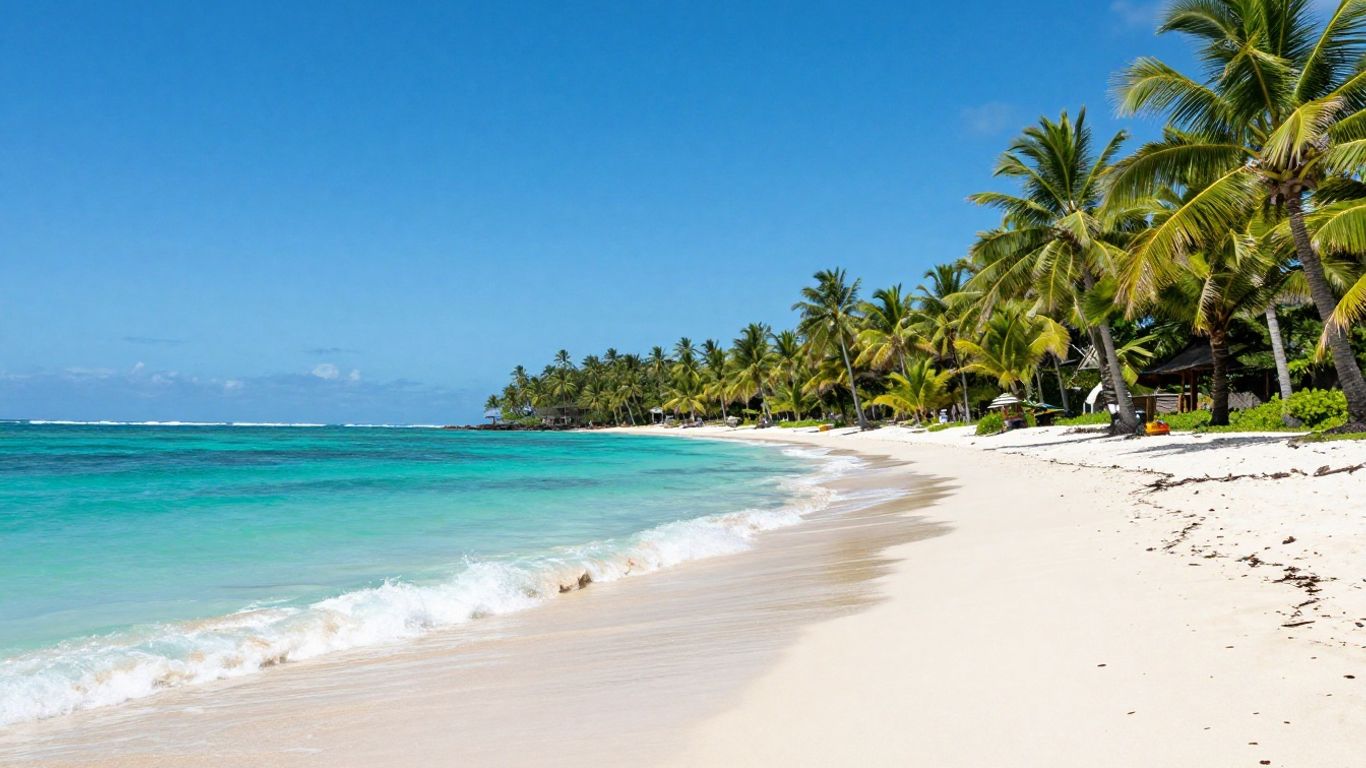
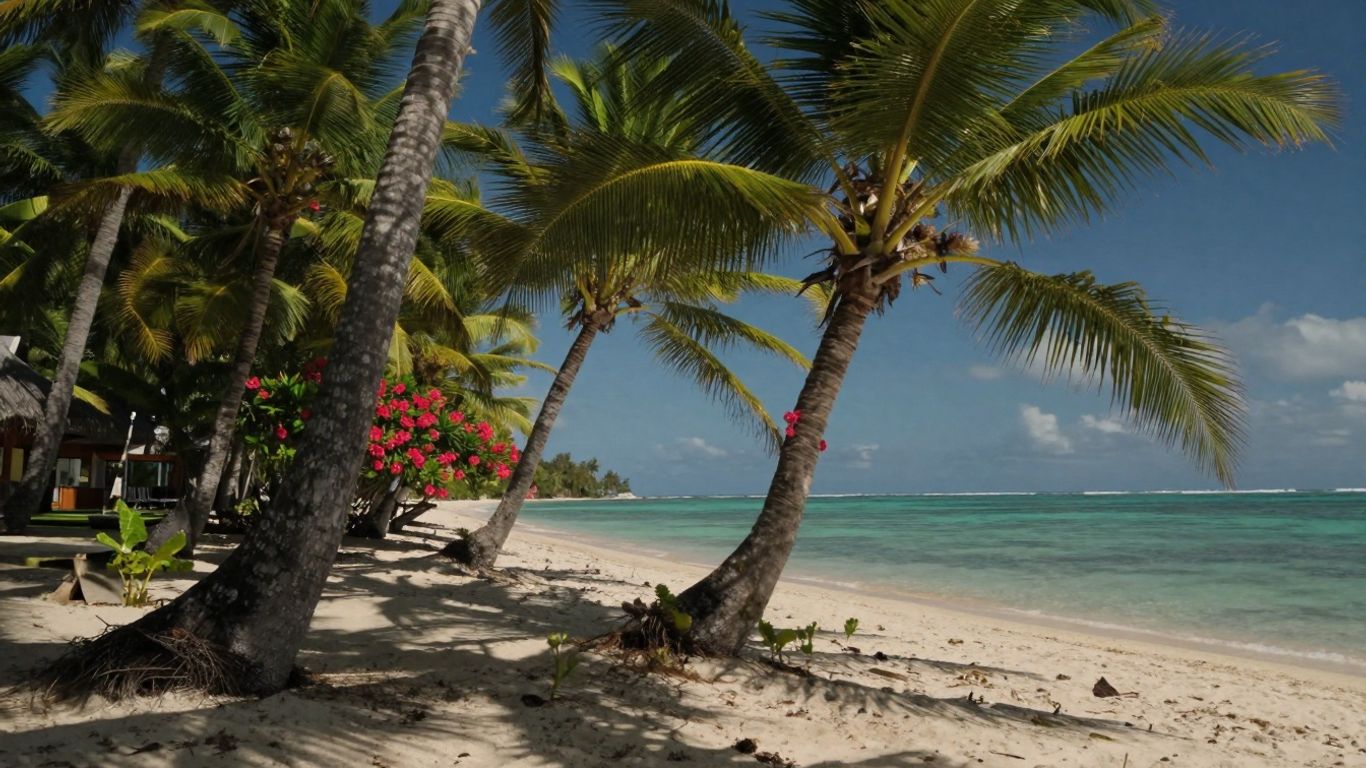
Planning a trip to Fiji and wondering what kind of adventures await? This island nation offers so much more than just beaches, though those are pretty great too. From lush rainforests to vibrant cultural experiences and amazing underwater sights, there’s a Fiji tour for just about everyone. If you’re looking for ways to explore beyond your resort, this list of Fiji tours should give you some fantastic ideas.
Key Takeaways
Explore the stunning Biausevu Waterfall on the Coral Coast for a refreshing natural escape.
Experience the thrill of Navua River white-water rafting, winding through beautiful green valleys.
Immerse yourself in local culture with a traditional Kava ceremony or witness a captivating Fijian firewalking show.
Discover the underwater world by snorkeling with majestic Manta Rays or for the truly adventurous, try shark diving in Beqa Lagoon.
Relax on the famous Natadola Beach or catch some waves at world-renowned surf spots like Cloudbreak.
1. Biausevu Waterfall
Tucked away on Fiji’s Coral Coast, near Sigatoka, the Biausevu Waterfall is a real gem. Getting there is part of the adventure, often involving a scenic walk or a short, bumpy ride through local villages. The path winds through lush greenery, and the sound of the water gets louder as you approach. When you finally arrive, you’ll see a beautiful cascade tumbling into a clear pool. It’s a fantastic spot for a refreshing dip after your journey.
Many tours combine a visit to Biausevu Waterfall with other local experiences, giving you a fuller picture of the area. You might find yourself exploring nearby villages, learning about local crafts, or even enjoying a traditional Fijian meal.
The journey to the falls is as memorable as the destination itself.
Expect a walk through tropical rainforest.
The waterfall offers a perfect spot for a cool swim.
Local guides often share insights into the flora and fauna along the way.
Visiting Biausevu Waterfall provides a wonderful opportunity to connect with Fiji’s natural beauty and experience a slice of rural island life. It’s a chance to step away from the beach and immerse yourself in the vibrant green heart of the island.
2. Navua River White-Water Rafting
For a dose of adventure mixed with stunning scenery, a white-water rafting trip down the Navua River is a fantastic choice. This isn’t your extreme, heart-pounding kind of rafting; think more gentle to moderate rapids, perfect for taking in the lush, emerald valleys that surround you. It’s a great way to see a different side of Fiji, away from the beaches and resorts.
What to expect on a Navua River rafting tour:
Scenic Beauty: You’ll glide through pristine rainforest, passing by dramatic gorges and vibrant tropical flora. Keep an eye out for local birdlife and the occasional village nestled along the riverbanks.
Gentle Rapids: The river offers a fun, splashy ride without being overly challenging. It’s suitable for most fitness levels and provides a refreshing break from the tropical heat.
Cultural Encounters: Many tours include stops at traditional Fijian villages. This is a chance to experience local life, perhaps witness a kava ceremony, and learn about customs directly from the villagers.
Waterfall Visits: Often, these rafting trips will take you to secluded waterfalls where you can take a dip in the cool, clear water. It’s a perfect opportunity for a refreshing swim and some memorable photos.
This journey offers a unique blend of natural beauty and cultural immersion. It’s an active yet relaxed way to explore Fiji’s interior, providing a memorable experience that complements the island nation’s famous coastal attractions.
3. Tavoro Falls
Tucked away on Taveuni, often called the Garden Island’ of Fiji, the Tavoro Falls are a series of three stunning cascades that are surprisingly accessible. Getting there is part of the charm; you’ll likely find yourself on a scenic drive through lush landscapes before a short, easy walk brings you to the first of the falls. The main cascade plunges into a clear, inviting pool perfect for a refreshing dip.
These falls are part of the Bouma National Heritage Park, and the trails are well-maintained, making them suitable for most visitors. You can easily spend a few hours here, exploring the different levels and simply soaking in the natural beauty.
First Fall: The most impressive and easily reached, with a large pool at its base.
Second Fall: A bit further on, offering a different perspective and a quieter atmosphere.
Third Fall: The highest of the three, requiring a slightly longer walk but rewarding you with a more secluded experience.
The air around Tavoro Falls is thick with the scent of tropical flowers and damp earth, a true sensory immersion into Fiji’s vibrant interior. The sound of the water is a constant, soothing presence, making it a perfect spot to pause and reconnect with nature.
4. Sri Siva Subramaniya Temple
Located in Nadi, the Sri Siva Subramaniya Temple is a vibrant splash of color and a significant spiritual site for the local Hindu community. It’s one of the largest Hindu temples in the Southern Hemisphere, and its intricate Dravidian architecture, with colorful carvings and towering gopurams, is quite a sight.
This temple offers a fascinating glimpse into Fiji’s rich cultural tapestry, showcasing the enduring influence of Indian heritage. While it’s a place of worship, visitors are generally welcome to explore the grounds and admire the detailed artistry. Remember to dress respectfully, covering your shoulders and knees, and remove your shoes before entering designated areas. It’s a peaceful spot that provides a different perspective on the islands beyond the beaches.
Here are a few things to keep in mind when visiting:
Dress Code: Modest attire is required. Avoid shorts, tank tops, or revealing clothing.
Respect: Be mindful that this is an active place of worship. Speak softly and be considerate of those praying.
Photography: Photography may be restricted in certain areas. Always check for signs or ask permission before taking pictures.
Visiting the Sri Siva Subramaniya Temple is a chance to connect with a different facet of Fijian life, one that is deeply rooted in faith and tradition. It’s a beautiful example of how diverse cultures have found a home in Fiji and contributed to its unique identity.
5. Fijian Firewalking and Cultural Shows
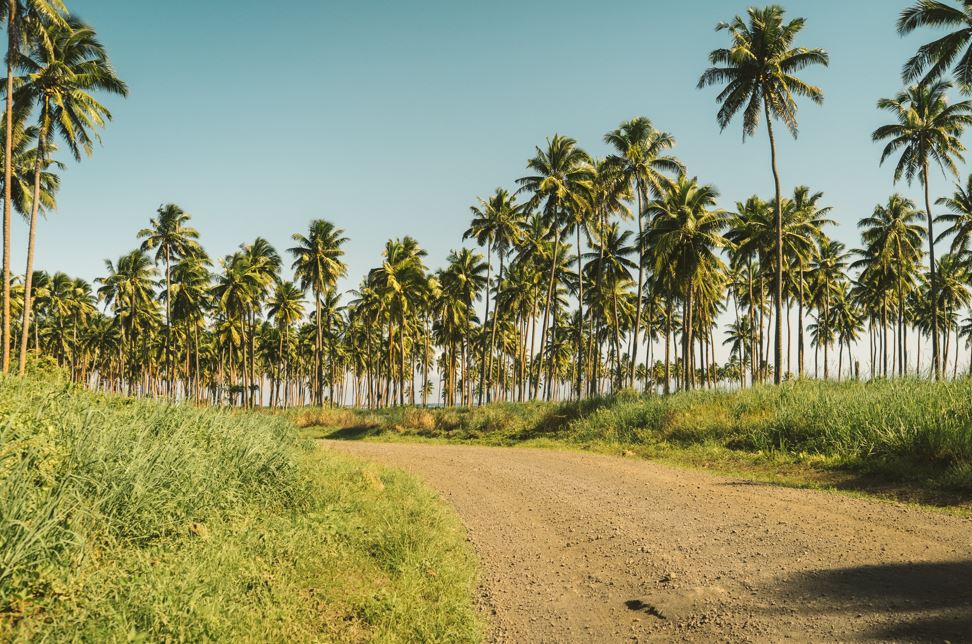
Prepare to be mesmerized by one of Fiji’s most ancient and awe-inspiring traditions: the firewalking ceremony. This ritual, deeply rooted in local legend and spiritual belief, is a powerful display of courage and faith. While the exact origins are debated, the practice is most famously associated with the island of Beqa.
Witnessing this event is more than just a show; it’s a glimpse into a living cultural heritage. The ceremony typically involves a procession to the site, where a pit is prepared and heated with burning logs. Then, with chanting and a palpable sense of anticipation, individuals walk barefoot across the intensely hot stones. It’s a truly unforgettable spectacle that connects you to Fiji’s mystical past.
Beyond the firewalking itself, these cultural shows often include vibrant performances of traditional Fijian song and dance. You might see the energetic Meke, a combination of dance and storytelling, or hear the rhythmic beats of the Lali drum. It’s a fantastic way to experience the warmth and spirit of the Fijian people.
The Ritual: Understand the significance and spiritual context behind the firewalking.
Cultural Performances: Enjoy traditional music, dance, and storytelling.
Local Legends: Hear the ancient tales that accompany these ceremonies.
While the firewalking is a highlight, remember that the entire experience is a celebration of Fijian culture and community. It’s an opportunity to connect with traditions passed down through generations.
Many tours offer this experience, often combined with other cultural insights or visits to local villages. It’s a chance to see a different side of Fiji, one that is rich with history and deeply spiritual. You can find these incredible shows primarily around the Pacific Harbour area, making it an accessible yet profound cultural immersion. Consider booking a tour that includes a visit to Beqa Island for an authentic experience.
6. Traditional Kava Ceremony
Participating in a traditional kava ceremony is a really special way to connect with Fijian culture. It’s more than just drinking a beverage; it’s about community, respect, and sharing stories.
When you’re invited to a kava ceremony, it’s usually held in a village setting, often in a communal meeting house. The ceremony itself has a certain flow to it. Here’s a general idea of what to expect:
Welcome and Introduction: You’ll likely be greeted by the village chief or elders, and introductions will be made.
Preparation of Kava: The kava root, which is dried and ground, is mixed with water in a large wooden bowl, called a tanoa . This is often done by a designated person.
The First Cup: The chief or a representative will drink the first cup, known as the bilo . This is a sign of respect and acceptance.
Sharing the Kava: Cups are then passed around to guests and villagers. It’s customary to drink your cup in one go. The taste is earthy and a bit peppery, and it can make your tongue tingle.
Speeches and Entertainment: Following the kava sharing, there might be speeches, singing, or traditional dancing.
This ritual is a cornerstone of Fijian social life, fostering a sense of unity and shared experience.
It’s important to be respectful during the ceremony. Dress modestly, especially when visiting villages, and follow the lead of your hosts. You might be asked to clap after receiving and drinking your kava. It’s a genuine gesture of appreciation and a chance to be part of something deeply meaningful.
The kava ceremony is a time-honored tradition that offers a unique glimpse into the heart of Fijian hospitality and social customs. It’s an opportunity to slow down, engage with local people, and experience a practice that has been passed down through generations.
7. Snorkel with Manta Rays
If you’re visiting Fiji between May and October, you might get the chance to witness one of nature’s most graceful giants: the manta ray. These gentle filter feeders are a truly awe-inspiring sight, and swimming alongside them is an experience that stays with you long after you’ve dried off. The Yasawa Islands are particularly known for manta ray encounters during this season.
The best time to see manta rays in Fiji is typically from May to October.
Here’s what you can expect:
Location: Most commonly, manta ray sightings occur in the Yasawa Islands, especially in areas like the Sawa-i-Lau passage. Some tours might also operate in other regions depending on seasonal movements.
The Experience: You’ll usually be taken by boat to known feeding or cleaning stations. When mantas are present, you’ll have the opportunity to snorkel in the water with them. They glide effortlessly through the water, often coming quite close, which is an incredible feeling.
What to Bring: Don’t forget your swimwear, a towel, reef-safe sunscreen, and a waterproof camera if you have one. Most tours provide snorkeling gear.
It’s important to remember that these are wild animals, and sightings are never guaranteed. However, the thrill of searching for them and the possibility of a close encounter make it a very special adventure. The clear waters and vibrant Fiji reefs provide a stunning backdrop for this unforgettable marine interaction.
While snorkeling is the most common way to see manta rays, some operators might offer opportunities for freediving. Always choose tours that prioritize the well-being of the marine life and follow responsible wildlife viewing guidelines.
8. Shark Diving in Beqa Lagoon
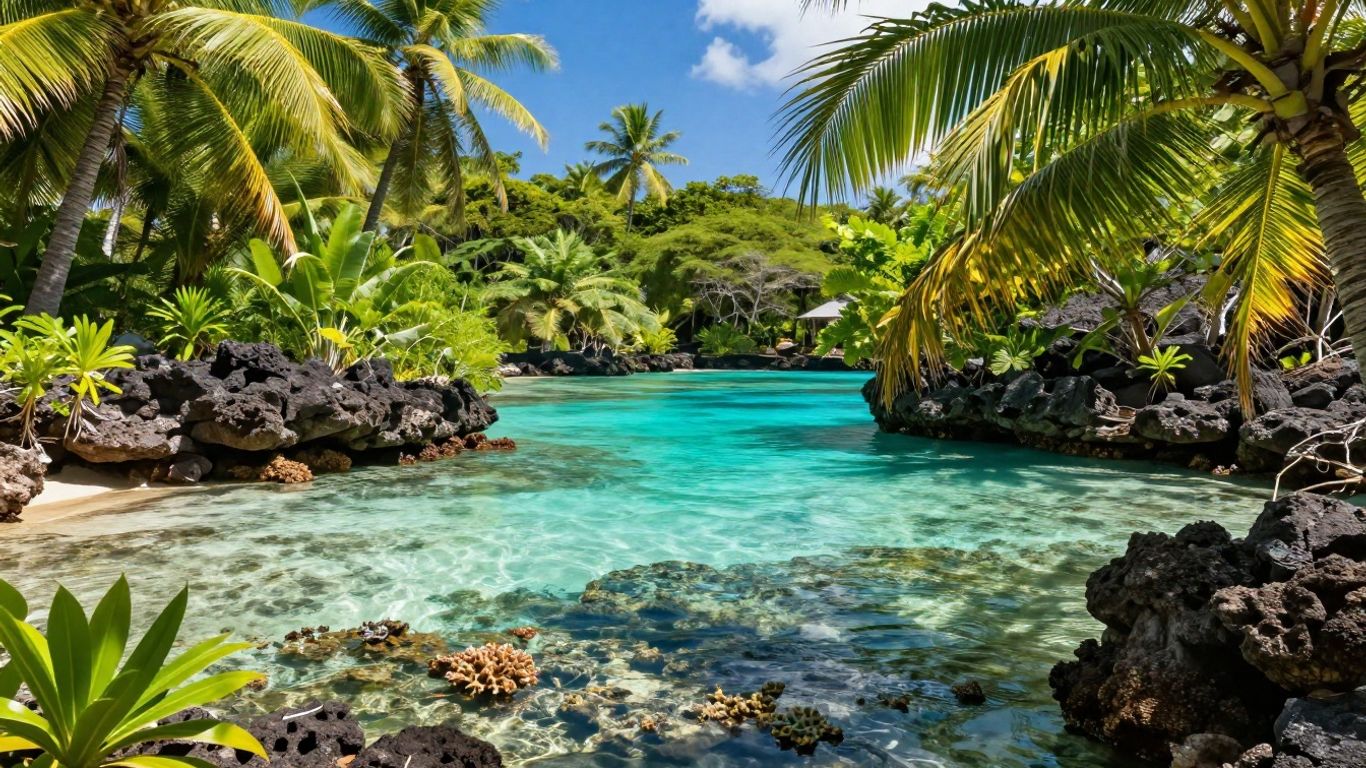
For those seeking a serious thrill, Beqa Lagoon offers an unparalleled shark diving experience. This isn’t your typical snorkeling trip; it’s a chance to come face-to-face with some of the ocean’s most magnificent predators in their natural habitat. Several operators run these guided dives, making it accessible even for those with limited experience, though certification is usually required.
The main draw is the incredible biodiversity of sharks you can encounter.
Here’s what you might expect:
Safety First: Dives are conducted with experienced guides who know the sharks’ behavior intimately. They use specific feeding techniques to keep the sharks focused and the divers safe.
Shark Species: While sightings can vary, common encounters include bull sharks, tiger sharks, and various reef sharks. It’s a truly awe-inspiring sight to see these powerful creatures up close.
Dive Sites: Beqa Lagoon is a protected marine sanctuary, renowned for its healthy coral reefs and abundant marine life, making it a prime location for shark activity.
This adventure is definitely for the adrenaline junkies out there, offering a unique perspective on marine life that few get to witness. It’s a powerful reminder of the wild beauty that Fiji’s waters hold.
Beqa Lagoon is a world-renowned site for shark encounters, attracting divers from all over. The clear waters and protected environment make it an ideal spot for observing these apex predators in a controlled and respectful manner.
9. Cloudbreak & Island Surf Spots
Fiji is a world-renowned destination for surfers, and the Mamanuca and Yasawa Islands are at the heart of the action. These spots offer a variety of breaks suitable for different skill levels, from challenging barrels to more forgiving rollers. Cloudbreak, located off the coast of Tavarua Island, is perhaps Fiji’s most famous wave, known for its powerful, hollow left-hand break. It’s a dream wave for experienced surfers, but even watching from a boat is an incredible experience.
Beyond Cloudbreak, numerous other breaks dot the islands, catering to a wide range of surfing desires. Whether you’re a seasoned pro looking for a serious challenge or a beginner hoping to catch your first wave, there’s a spot for you. Many tours focus on these surf regions, offering packages that include accommodation, boat transfers to the breaks, and sometimes even surf lessons.
Here are a few things to consider when planning your surf trip:
Best Time to Surf: The prime surf season in Fiji generally runs from March to October, coinciding with the dry season and bringing consistent swells.
Wave Types: You’ll find everything from reef breaks like Cloudbreak and Restaurants to more mellow point breaks.
Getting Around: Boat access is key for reaching many of the best surf spots. Many resorts and tour operators provide dedicated surf transfer services.
For those who prefer to stay on dry land, the views from the water are spectacular. You can often book boat trips that will take you to the prime surfing locations, allowing you to witness the incredible power and skill involved without paddling out yourself. It’s a fantastic way to experience the surf culture and the stunning island scenery. Planning your trip around these surf hubs can be a truly memorable adventure, offering both thrilling water sports and breathtaking tropical vistas. You can find more information on planning your Fiji adventures here.
10. Natadola Beach
Often called one of Fiji’s most beautiful beaches, Natadola Beach is a real gem on the Coral Coast. It’s a fantastic spot for swimming, with a long stretch of sand that’s perfect for a leisurely stroll. The water here is usually calm and clear, making it ideal for a refreshing dip. You can also find some gentle waves further out, which makes it a popular place for beginner surfers to try their hand at catching a ride. It’s a great place to just relax and soak up the Fijian sun.
Natadola Beach offers a wonderful mix of relaxation and light activity.
Here’s what you can typically expect:
Swimming: The main lagoon area is protected by a reef, creating calm, shallow waters perfect for swimming and wading.
Surfing: For those looking for a bit more action, there are surf breaks further offshore that are suitable for lessons and experienced surfers.
Scenery: The beach is framed by palm trees and rolling hills, providing a picturesque backdrop for your day.
While many beaches in Fiji are stunning, Natadola stands out for its accessibility and the variety of activities it supports, from simply lounging on the sand to trying out some surfing. It’s a place where you can easily spend a whole day enjoying the coastal beauty.
If you’re exploring the Coral Coast, make sure to include Natadola Beach in your itinerary. It’s a classic Fijian beach experience that lives up to its reputation.
Your Fijian Adventure Awaits
So, there you have it – a glimpse into the incredible day tours Fiji has to offer. From the cool mist of hidden waterfalls to the vibrant pulse of village life and the serene beauty of coral reefs, these experiences are what Fiji is all about. Whether you’re looking for a bit of gentle adventure, a deep dive into local culture, or just a chance to relax by the water, there’s something perfect waiting for you. Don’t just dream about it; start planning your trip and get ready to experience the magic of the islands firsthand. Fiji is ready to welcome you with open arms and unforgettable memories.
What is the best time to visit Fiji for day tours?
Fiji is warm all year, but the best months for tours are May to October when the weather is dry and sunny. This is also when the sea is calm and perfect for swimming or snorkeling.
Do I need to book day tours in advance?
It’s a good idea to book your tours before you arrive, especially during busy seasons. This way, you can be sure you get a spot on popular trips like waterfall hikes or snorkeling with manta rays.
Are the tours suitable for families with kids?
Yes, many tours in Fiji are family-friendly. Waterfall walks, village visits, and gentle river trips are great for kids. Just check the tour details for age limits or special rules.
What should I wear when visiting Fijian villages?
Dress modestly when visiting villages. Wear clothes that cover your shoulders and knees, and take off your hat and shoes before entering homes or meeting the chief.
Is it safe to swim and snorkel in Fiji?
Swimming and snorkeling are generally safe in Fiji’s calm lagoons and beaches. Always listen to your guide’s advice and follow safety rules, especially when exploring reefs or swimming with wildlife.
Do I need to bring my own gear for snorkeling or rafting?
Most tours provide all the gear you need, like snorkels, masks, or life jackets. You can bring your own if you prefer, but it’s not required.
What is a kava ceremony and can visitors join?
A kava ceremony is a traditional Fijian welcome where people drink a special root drink together. Visitors are usually welcome to join and it’s a fun way to learn about local culture.
Can I combine different tours in one day?
Some tours can be combined, like visiting a waterfall in the morning and a local village in the afternoon. Ask your tour company for options, and they can help you plan a full day of adventure.