
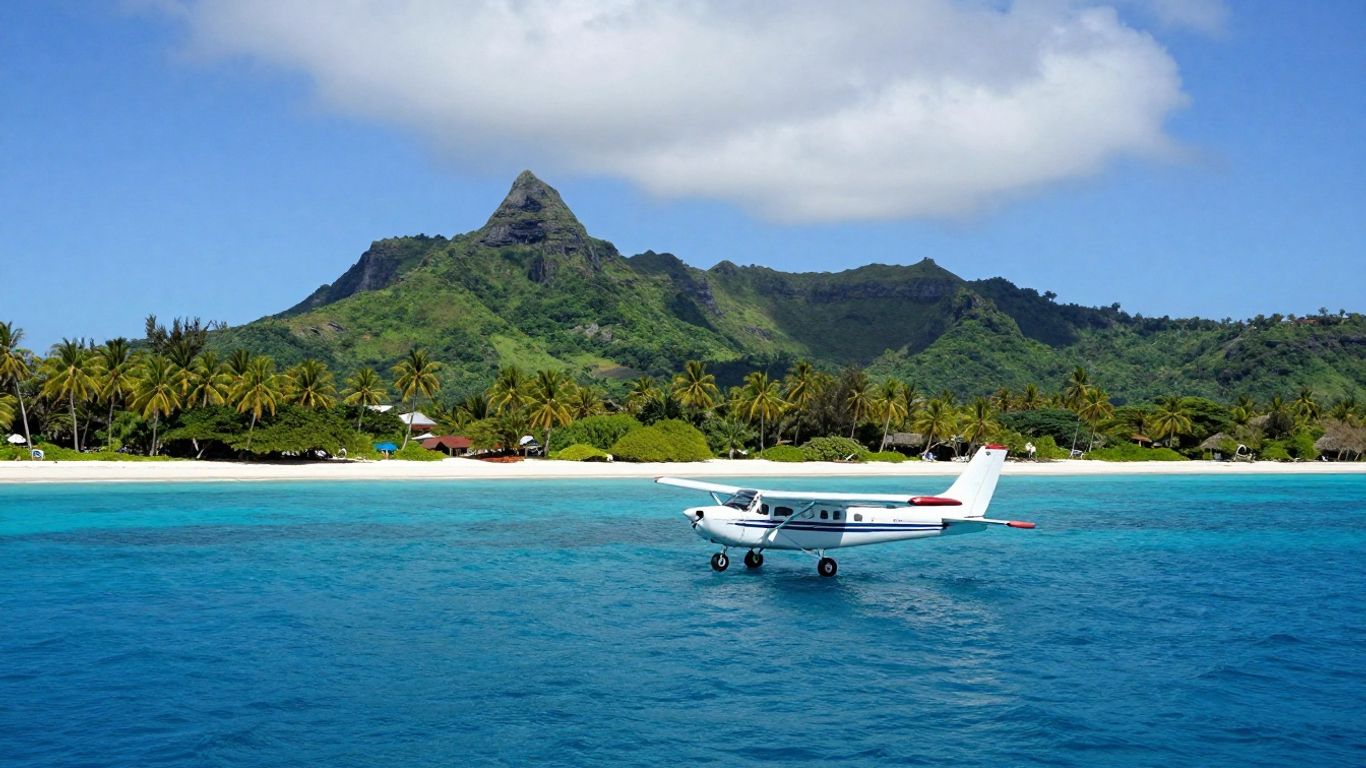
Thinking about a trip to Fiji? It’s a beautiful place, with islands that really make you stop and stare. But what if you could visit and actually help keep it that way? Fiji is working hard to be a leader in eco-friendly travel, and there are tons of ways to explore its natural beauty without leaving a big footprint. From staying in lodges that care about the planet to joining in local conservation efforts, you can have an amazing time while supporting Fiji’s commitment to sustainability. Let’s dive into how you can make your Fiji vacation a force for good.
Key Takeaways
Fiji is actively promoting sustainable tourism through initiatives like the Green Growth Framework and community projects.
Eco-friendly resorts in Fiji focus on sustainable operations, conservation, and supporting local communities.
Visitors can enjoy immersive eco-adventures on land and sea, from rainforest hikes to responsible snorkeling.
Protecting Fiji’s unique plants and animals, like endemic birds and vibrant coral reefs, is a shared responsibility.
Making conscious choices, such as picking eco-certified stays and participating in conservation, significantly contributes to preserving Fiji’s paradise.
Embracing Fiji’s Commitment to Sustainable Travel
Fiji is really stepping up when it comes to protecting its beautiful islands and culture for the future. It’s not just talk; there are actual plans and actions happening on the ground. This commitment means that when you visit, you can feel good knowing your trip is contributing positively.
Fiji’s Green Growth Framework
This is basically Fiji’s big picture plan for growing its economy in a way that doesn’t wreck the environment. It looks at things like using more renewable energy sources, teaching people more about nature, and making sure conservation efforts are strong. It’s about finding a balance so that development and nature can go hand-in-hand.
National Adaptation Plan for Resilience
Given that Fiji is a collection of islands, climate change is a really big deal here. This plan focuses on making sure communities and natural areas can handle things like rising sea levels and changing weather patterns. It’s about building up resilience, especially in coastal areas, farming, and the tourism industry itself. They’re seen as a leader in the Pacific for this kind of forward-thinking.
Community-Based Tourism Initiatives
This is where things get really interesting for travelers. Fiji is big on tourism that directly benefits local villages. Think about it: instead of just staying at a resort, you can engage in activities that support the people who live there. This could be anything from visiting a village and learning about their way of life to participating in projects that help the environment. It’s a way to experience the real Fiji while making sure your visit helps preserve traditions and provides economic support.
Supporting local economies directly.
Preserving cultural heritage through authentic experiences.
Encouraging environmental stewardship at the community level.
The idea is that tourism should give back more than it takes. It’s about creating connections and ensuring that the beauty and culture of Fiji are around for generations to come. This approach makes your holiday more meaningful, turning a simple vacation into an opportunity for positive impact.
Discovering Eco-Friendly Lodges and Resorts
When you think about staying in Fiji, you might picture luxurious overwater bungalows or beachfront villas. And sure, those exist, but there’s a growing movement towards accommodations that do more than just offer a comfortable bed. These are places that actively try to tread lightly on the planet and support the local communities. Choosing an eco-friendly lodge or resort means your vacation can actually contribute to preserving the paradise you’ve come to enjoy.
Characteristics of Ecological Resorts
So, what makes a resort eco-friendly ? It’s not just about having a recycling bin. These places are designed from the ground up with sustainability in mind. You’ll often find:
Energy Efficiency: Think solar panels powering your lights, energy-saving appliances, and natural ventilation to keep things cool instead of relying solely on air conditioning. Some places even use geothermal energy.
Water Conservation: Rainwater harvesting systems, greywater recycling for gardens, and low-flow fixtures in bathrooms are common. They understand that fresh water is a precious resource, especially on islands.
Waste Reduction: Beyond recycling, many eco-resorts compost organic waste, avoid single-use plastics, and work with suppliers who share their commitment to reducing packaging.
Local and Sustainable Materials: Buildings might incorporate locally sourced, renewable materials like bamboo or sustainably harvested timber. Furnishings are often handcrafted by local artisans, supporting traditional skills.
Sustainable Infrastructure and Operations
It’s the behind-the-scenes stuff that really makes a difference. Eco-lodges are built to blend in with their surroundings, not dominate them. You might see structures designed to maximize natural light and airflow, reducing the need for artificial lighting and cooling. Operations are streamlined to minimize impact. This could mean:
Using biodegradable cleaning products.
Sourcing food from local organic farms or their own gardens.
Implementing strict protocols for managing wastewater to protect local waterways.
Prioritizing staff from nearby villages, providing local employment opportunities.
The goal is to create a hospitality experience that feels good for you and does good for the environment and the people who call Fiji home. It’s about a harmonious relationship between the guest, the resort, and the natural world.
Environmental Conservation at Your Stay
Many eco-resorts go beyond just reducing their own footprint; they actively participate in conservation efforts. This can take many forms:
Reef Protection Programs: Some resorts work with marine biologists to monitor coral health, participate in coral replanting initiatives, or educate guests about responsible snorkeling and diving practices.
Reforestation Projects: You might find opportunities to help plant native trees, contributing to habitat restoration and carbon sequestration.
Wildlife Monitoring: Resorts located near important habitats might support local efforts to track and protect endemic species, like the Fiji banded iguana or various bird species.
Supporting Marine Protected Areas: A portion of your stay might directly fund the upkeep of local marine reserves, helping to safeguard biodiversity for the future. Planning a trip to Fiji involves considering accommodation options that align with these values.
Exploring Rainforests and Waterfalls
Fiji’s interior is a lush, green world waiting to be explored. Forget the typical tourist trails; here, you can trek through vibrant rainforests, the air thick with the scent of damp earth and exotic flowers. Many eco-lodges and local guides offer excursions to discover hidden waterfalls. Imagine hiking along a winding path, the sounds of the jungle all around, until you reach a cascading waterfall plunging into a clear, cool pool. It’s a chance to connect with nature on a deeper level, away from the coast. These guided walks often highlight the medicinal uses of native plants, passed down through generations. It’s a refreshing change of pace and a great way to see a different side of Fiji.
Engaging in Traditional Craft Workshops
Beyond the natural beauty, Fiji offers rich cultural experiences that connect you directly with local communities. Participating in traditional craft workshops is a fantastic way to do this. You might learn the art of weaving pandanus leaves into mats or baskets, a skill that requires patience and precision. Or perhaps you’ll try your hand at carving wood, creating small, meaningful souvenirs. These aren’t just craft sessions; they’re opportunities to interact with artisans, hear their stories, and appreciate the cultural significance of their work. It’s a hands-on way to support local livelihoods and take home a piece of authentic Fijian heritage. Many eco-friendly resorts partner with local villages to offer these workshops, ensuring that your participation directly benefits the community.
Experiencing Village Life and Culture
To truly understand Fiji, spending time in a local village is a must. This isn’t about observing from a distance; it’s about genuine engagement. You’ll likely be welcomed with a traditional kava ceremony, a humbling experience that signifies friendship and respect. Sharing a meal with a Fijian family, listening to their daily routines, and learning about their connection to the land offers a perspective you won’t find in guidebooks. These visits are often facilitated by local guides who ensure the interactions are respectful and beneficial for both visitors and the community. It’s a chance to see how sustainable living is woven into the fabric of everyday life, long before it became a global trend. This kind of travel builds bridges and creates lasting memories.
Engaging with local communities through land-based activities provides a unique window into Fiji’s soul. It’s about more than just seeing sights; it’s about participating, learning, and contributing in a way that respects both the environment and the people.
Here’s a look at what you might experience:
Guided Nature Walks: Explore diverse ecosystems with local guides who share their knowledge of flora and fauna.
Traditional Farming Demonstrations: Learn about sustainable agricultural practices unique to Fiji.
Village Homestays: For a truly immersive experience, consider a short homestay to live alongside a local family.
Storytelling Sessions: Hear ancient legends and contemporary life stories directly from villagers.
These land-based adventures offer a profound connection to Fiji, far beyond the beaches. They are opportunities to learn, grow, and contribute positively to the places you visit, making your trip truly meaningful. For those seeking a deeper connection with the islands, exploring options like eco-lodges in Fiji can be a great starting point.
Oceanic Wonders: Sustainable Water Activities

Fiji’s waters are a huge part of its charm, and exploring them responsibly means you get to see all the amazing stuff without messing it up for the future. It’s all about enjoying the ocean’s beauty while making sure it stays healthy for everyone, including the local wildlife.
Guided Snorkelling and Reef Conservation
Imagine floating over a rainbow of corals, with fish darting all around you. Guided snorkelling tours are a fantastic way to see this up close. The guides aren’t just there to point out the pretty fish; they also share info about how the reefs work and why it’s so important to protect them. They’ll show you how to move around without touching the delicate coral and point out species that might be struggling. It’s a gentle way to connect with the underwater world and learn about conservation efforts. You can even get involved in coral planting if you’re keen.
Kayaking and Paddleboarding Adventures
For a quieter experience, kayaking or paddleboarding is perfect. These non-motorised activities let you glide across the water at your own pace. You can explore hidden coves, paddle through calm lagoons, or just enjoy the peace and quiet. It’s a great workout too, and since there’s no engine noise or exhaust, you’re leaving pretty much no trace behind. It’s a chance to really soak in the coastal scenery and discover little beaches that might be hard to reach otherwise. If you’re staying on Kadavu, exploring the mangroves by kayak is a must-do.
Responsible Fishing Practices
Fishing is a big part of Fijian culture, and there are ways to do it sustainably. Instead of large-scale commercial fishing, think about trying traditional methods. This might involve learning how local communities fish using techniques that don’t deplete fish stocks. The focus is on respecting the marine environment and understanding the importance of letting fish populations recover. It’s about a more mindful approach to harvesting, ensuring there’s plenty for both the local people and the ocean’s ecosystem.
Choosing water activities that have a low impact helps protect Fiji’s vibrant marine life and delicate coral ecosystems. It’s about experiencing the ocean’s magic responsibly, ensuring its beauty endures for generations to come.
Here are a few things to keep in mind for sustainable water fun:
Respect Marine Life: Observe from a distance and never touch or feed the animals.
Use Reef-Safe Sunscreen: Regular sunscreens can harm coral. Look for mineral-based options.
Minimize Waste: Pack out everything you pack in, and avoid single-use plastics.
Listen to Your Guide: They have the best knowledge about local conditions and conservation needs.
Protecting Fiji’s Unique Flora and Fauna
Fiji is a treasure trove of biodiversity, home to many species you won’t find anywhere else on Earth. Protecting this natural heritage is a big part of what makes traveling here so special and responsible.
Endemic Species of Fiji
When we talk about endemic species, we mean plants and animals that are unique to Fiji and exist nowhere else. It’s like finding a special kind of bird or flower that only lives on these islands. For example, the Fiji banded iguana is a colorful reptile that’s only found here. Then there’s the Fiji flying fox, a large bat that plays an important role in the ecosystem, helping to spread seeds. In the rainforests, you might spot the silktail bird. And let’s not forget the plants! The national flower, the tagimoucia, grows only on Taveuni Island. You’ll also see unique palms like the Fiji Fan Palm and ancient-looking plants like the Fijian Cycad.
Conservation Efforts for Marine Life
The waters around Fiji are just as special as the land. The coral reefs are bursting with life – soft and hard corals in every color imaginable, along with thousands of different fish. Protecting these underwater cities is a major focus. Projects like coral gardening’ are happening in places like the Coral Coast and Yasawa Islands. Local communities are actively growing and replanting corals to help damaged reefs recover. Organizations are also working to protect sea turtles and reduce waste that can harm marine life. The Fiji Locally Managed Marine Areas Network (FLMMA) is a great example, where over 400 villages manage their own marine protected areas, blending traditional knowledge with modern science.
Protecting Rainforest Ecosystems
Fiji’s rainforests, which cover a significant portion of the land, are also vital. These forests are home to many of the unique land species. However, they face threats from things like agriculture and logging. When forests are cleared, it can lead to soil erosion and the loss of habitats for native plants and animals. Conservation groups are working on forest restoration projects, especially in areas like the Waisali Rainforest Reserve on Vanua Levu and the Tagimoucia Reserve on Taveuni. These efforts aim to preserve these green lungs of the islands for future generations.
The delicate balance of Fiji’s ecosystems means that even small actions can have a big impact. Supporting conservation efforts, whether through your accommodation choices or direct participation, directly contributes to safeguarding these unique natural wonders.
Here’s a look at some of the unique creatures and plants you might encounter:
Fiji Banded Iguana: A striking, endemic reptile.
Fiji Flying Fox: A large bat crucial for seed dispersal.
Silktail Bird: Found in the island’s rainforests.
Tagimoucia Flower: Fiji’s national flower, found only on Taveuni.
Fiji Fan Palm: A distinctive palm species.
These species are a big part of what makes Fiji so special. By traveling responsibly, you help ensure they continue to thrive.
Supporting Local Village Projects
When you visit Fiji, you’re not just a tourist; you’re a guest. Many resorts and tour operators work directly with local villages, offering ways for visitors to contribute in a meaningful way. This isn’t about handouts; it’s about partnership. Think about supporting projects that help the village thrive, like contributing to a new school building, a community garden, or a clean water initiative. These contributions often come from a small fee for a village visit or a portion of tour profits, directly benefiting the people whose home you’re experiencing. It’s a way to ensure your travel dollars make a real difference.
Learning Traditional Fijian Knowledge
Fiji’s culture is deeply intertwined with its environment. Learning about traditional practices offers a unique window into this connection. You might find yourself in a workshop learning to weave baskets from natural fibers, understanding how to husk a coconut the traditional way, or even trying your hand at preparing local dishes. These aren’t just activities; they’re chances to connect with skills passed down through generations. Embracing these traditions helps keep them alive.
Respectful Cultural Exchange
Genuine cultural exchange goes beyond just observing. It’s about participating respectfully and learning from the local people. This could involve attending a church service on a Sunday, sharing a meal, or simply engaging in conversation. Many communities welcome visitors to experience their way of life, but it’s important to approach these interactions with humility and an open mind. Remember, you are a guest in their home.
Here are a few ways to engage respectfully:
Always ask permission before taking photos of people or their homes.
Dress modestly when visiting villages or attending cultural events.
Be open to learning and asking questions politely.
Participate in community activities when invited, showing genuine interest.
Engaging with local communities in Fiji offers a richer travel experience. It’s about building bridges, sharing knowledge, and leaving a positive mark, rather than just taking memories.
Top Destinations for Fiji Sustainable Travel
When you’re planning a trip to Fiji with a focus on being kind to the planet and its people, a few spots really stand out. These places aren’t just beautiful; they’re actively working to keep Fiji’s natural charm and cultural heritage alive for everyone.
Taveuni: The Garden Island
Taveuni, often called the Garden Island,’ is a real gem for eco-conscious travelers. It’s famous for its lush rainforests, stunning waterfalls, and the incredibly vibrant Rainbow Reef, known as the Soft Coral Capital of the World.’ A big part of Taveuni’s appeal is the Bouma National Heritage Park. This park offers well-maintained walking trails that let you explore the island’s natural beauty without disturbing it. You can hike to waterfalls, swim in natural pools, and really connect with the environment. The island is also home to unique plants, like the Tagimoucia, Fiji’s national flower, which you won’t find anywhere else.
Kadavu and the Great Astrolabe Reef
Kadavu is a bit more off the beaten path, which means fewer crowds and a more untouched feel. It’s a fantastic place for birdwatching, with several rare species calling the island home. The main draw here is the Great Astrolabe Reef, one of the largest barrier reefs on the planet. It’s a prime spot for snorkeling and diving, offering a chance to see an amazing array of marine life. The local communities on Kadavu are deeply involved in protecting this reef, and many accommodations work closely with them. Visiting Kadavu means you’re directly supporting a place that prioritizes conservation.
Yasawa Islands: Community-Focused Tourism
The Yasawa Islands offer a different kind of sustainable experience, one that’s really centered on community involvement. Many of the resorts and lodges here are built with the environment in mind, using local materials and practices. You can find eco-lodges built with the environment in mind that focus on authentic Fijian culture. Activities often include visiting local villages, learning about traditional ways of life, and participating in community projects. It’s a chance to connect with the people of Fiji on a deeper level while ensuring your visit benefits them directly. Whether you’re kayaking, snorkeling, or just relaxing on a pristine beach, the Yasawas provide a peaceful and responsible escape.
Your Role in Preserving Paradise
Visiting Fiji is a privilege, and with that comes a responsibility to help keep this island nation as beautiful as you found it. It’s not just about enjoying the stunning scenery; it’s about being a mindful traveler. Your choices, big and small, can make a real difference.
Choosing Eco-Certified Accommodations
When you book your stay, look for places that are serious about sustainability. This means they’re actively working to reduce their impact. Think about resorts that use solar power for heating water, collect rainwater, and have systems to manage waste properly, like composting and recycling. Many places are also ditching single-use plastics, which is a huge win for the environment. It’s about finding a place that aligns with your values and helps protect the Fijian way of life.
Participating in Conservation Activities
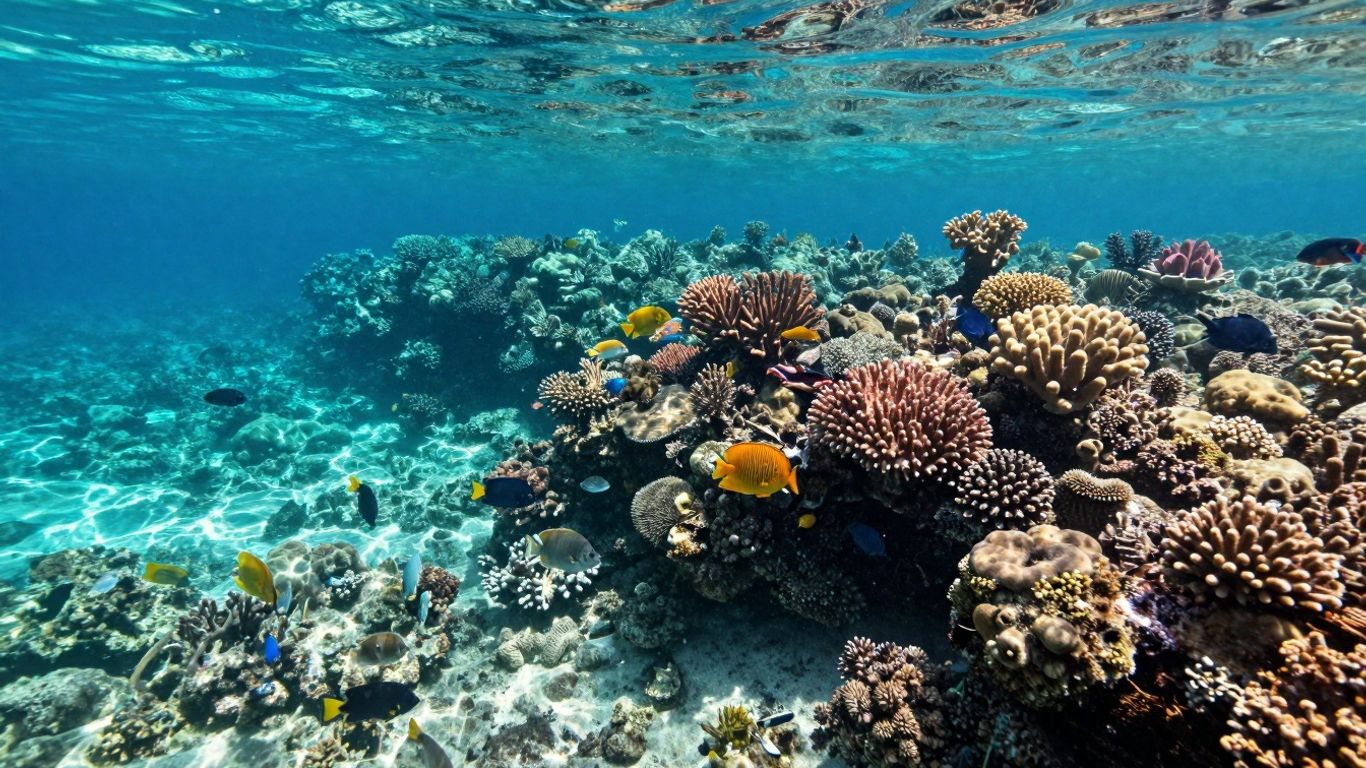
Many resorts and local organizations offer ways for you to get involved. You might find opportunities to help with beach clean-ups, which is a pretty straightforward way to contribute. Some places even have coral planting initiatives where you can actively help restore damaged reefs. Participating in these activities isn’t just good for the environment; it’s a fantastic way to connect with the local community and learn more about the challenges Fiji faces. You could even join a guided snorkeling tour where guides share insights on reef conservation, turning a fun activity into an educational experience.
Minimizing Your Ecological Footprint
This is where everyday actions really count. Simple things like being conscious of your water and electricity usage can add up. When you’re out and about, always dispose of your trash properly – pack it out if there aren’t bins available. If you’re exploring the ocean, remember to never touch or step on coral reefs. When you’re in a village, be respectful of local customs and traditions. Supporting local artisans by purchasing their crafts is also a great way to contribute directly to the community. Consider participating in initiatives like Tourism Fiji’s Loloma Hour, dedicating just one hour of your holiday to a positive contribution, like a village tour that supports local expenses [db56].
Understanding Ecological Challenges in Fiji
Fiji, a beautiful archipelago, faces significant environmental hurdles as it works to balance tourism with conservation. The very things that make it a paradise – its vibrant coral reefs, lush rainforests, and unique wildlife – are also vulnerable.
Impact of Climate Change on Islands
As a nation of islands, Fiji is on the front lines of climate change. Rising sea levels pose a direct threat to coastal communities and ecosystems. Warmer ocean temperatures are causing coral bleaching events, turning vibrant reefs into pale shadows. Intense cyclones, which are becoming more frequent and severe, can devastate natural landscapes and infrastructure. This vulnerability means that adaptation and resilience are not just buzzwords, but necessities for survival and the preservation of Fiji’s natural heritage.
Threats to Coral Reefs and Marine Life
Fiji’s coral reefs are a global treasure, teeming with life. However, they are under immense pressure. Besides the warming oceans, pollution from land-based sources and unsustainable fishing practices contribute to reef degradation. The health of these underwater cities directly impacts the livelihoods of many Fijians who depend on fishing and tourism. Protecting these delicate ecosystems is a shared responsibility.
Addressing Deforestation and Waste Management
On land, deforestation, often driven by agriculture and logging, leads to soil erosion and loss of habitat for native species. This impacts biodiversity and can affect water quality. Furthermore, waste management is a growing concern, particularly on smaller islands where infrastructure is limited. Plastic pollution, a global issue, finds its way into Fiji’s pristine waters, harming marine life and marring the natural beauty. Finding sustainable solutions for waste disposal and reducing reliance on single-use plastics are key steps forward. It’s a complex situation, but one that many local communities and organizations are actively working to improve, often through initiatives like coral gardening projects .
The Deep Satisfaction of Responsible Travel
Choosing to travel responsibly in Fiji offers a kind of fulfillment that goes beyond the usual holiday buzz. It’s about feeling good, not just because you’re on vacation, but because your trip is actually making a positive difference. When your actions align with your personal beliefs about protecting the planet and supporting local people, there’s a genuine sense of well-being that washes over you. It’s like a weight is lifted, and you can truly relax, knowing you’re not just taking, but also giving back.
This kind of travel often leads to much richer experiences. Instead of just seeing the sights, you get to connect with the heart of Fiji. You might find yourself sharing stories with a village elder, learning a traditional craft from a local artisan, or even helping out with a small conservation project. These aren’t staged performances; they’re real interactions that create lasting memories and a deeper appreciation for the culture and environment you’re visiting. It’s about forging genuine connections that stay with you long after you’ve returned home.
Aligning Travel with Personal Values
When you select accommodations and activities that prioritize sustainability, you’re actively living out your commitment to environmental stewardship and cultural respect. This consistency between your actions and your values can lead to a profound sense of inner peace and satisfaction. It means your holiday isn’t just a break from routine; it’s an affirmation of what you believe in.
Forging Meaningful Connections
Responsible travel naturally encourages deeper engagement with the places and people you encounter. This might involve:
Participating in community-led initiatives.
Engaging in authentic cultural exchanges.
Learning about local conservation efforts firsthand.
Supporting local businesses and artisans.
These interactions build bridges and create relationships that are far more rewarding than superficial tourism.
Creating a Legacy of Positive Impact
Your choices as a traveler have a ripple effect. By supporting eco-friendly resorts and responsible tour operators, you contribute to the preservation of Fiji’s natural beauty and cultural heritage for future generations. This awareness that your holiday is part of a larger, positive movement can be incredibly gratifying. It transforms a simple vacation into an opportunity to leave a place better than you found it, a truly rewarding experience that lasts a lifetime. It’s a way to indulge your wanderlust while also contributing to the well-being of the planet and its people, a balance that feels incredibly good. For those seeking a truly special getaway, consider the unique charm of adults-only retreats that often prioritize these sustainable practices.
Your Eco-Conscious Fijian Adventure Awaits
So, as you plan your escape to Fiji, remember that your journey can be as kind to the planet as it is rejuvenating for your soul. From the vibrant coral reefs teeming with life to the lush rainforests whispering ancient stories, Fiji offers a chance to connect with nature in a meaningful way. By choosing eco-friendly lodges, supporting local communities, and participating in conservation efforts, you’re not just having a vacation; you’re becoming part of Fiji’s commitment to a sustainable future. It’s a beautiful way to experience the Bula’ spirit, leaving only footprints and taking home memories that truly matter. Your adventure into responsible travel in this island paradise starts now.
What makes a resort in Fiji eco-friendly?
Eco-friendly resorts in Fiji focus on protecting nature and helping local people. They use less energy and water, manage waste carefully, and use local materials. They also try to help with nature projects and support the community, all while making sure you have a comfy stay.
What are some green activities I can do in Fiji?
You can go snorkeling or kayaking to see the amazing ocean life without harming it. You can also join guided walks in the rainforests, learn traditional crafts from locals, or visit villages to understand their way of life. Some places even let you help with planting coral or cleaning up beaches.
How can my visit help Fiji’s environment?
By choosing places that are certified eco-friendly, you support businesses that care about the planet. Participating in conservation activities like reef clean-ups or donating to local environmental groups also makes a difference. Even small actions, like reducing waste, help a lot.
What are the main environmental problems Fiji is facing?
Fiji, being made of islands, is very affected by climate change, like rising sea levels and stronger storms. The beautiful coral reefs are in danger from warmer waters, and deforestation on land is hurting wildlife. Plastic trash is also a big problem, especially on smaller islands.
Which islands in Fiji are best for eco-travel?
Islands like Taveuni, known as the Garden Island,’ offer lush rainforests and waterfalls. Kadavu is great for seeing the huge Astrolabe Reef and rare birds. The Yasawa Islands are popular for community-based tourism where you can connect with local culture.
What is community-based tourism’ in Fiji?
This means that tourism efforts are run by or directly benefit local villages and communities. It’s a way to share Fiji’s culture and natural beauty while making sure the money earned helps the people who live there and encourages them to protect their environment.
Why is it important to respect Fijian culture when visiting?
Fijians are known for their warm welcome, and showing respect for their traditions and way of life is key. Always ask permission before taking photos of people, dress modestly when visiting villages or religious sites, and be open to learning about their customs. This makes your visit more meaningful.
How can I reduce my environmental impact while in Fiji?
You can help by using less plastic (bring a reusable water bottle!), saving water and electricity in your room, choosing non-motorized activities, and buying souvenirs made by local artisans. Being mindful of your waste and energy use makes a big difference.