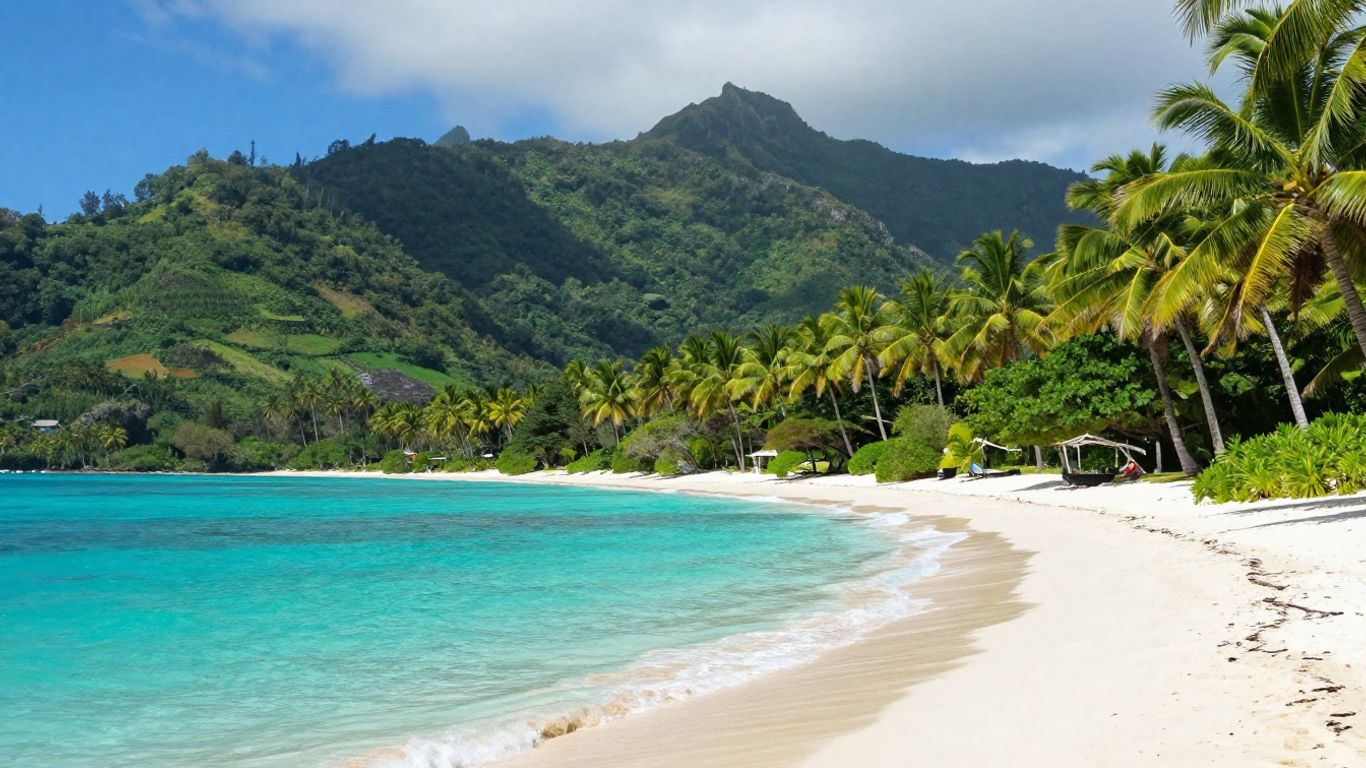
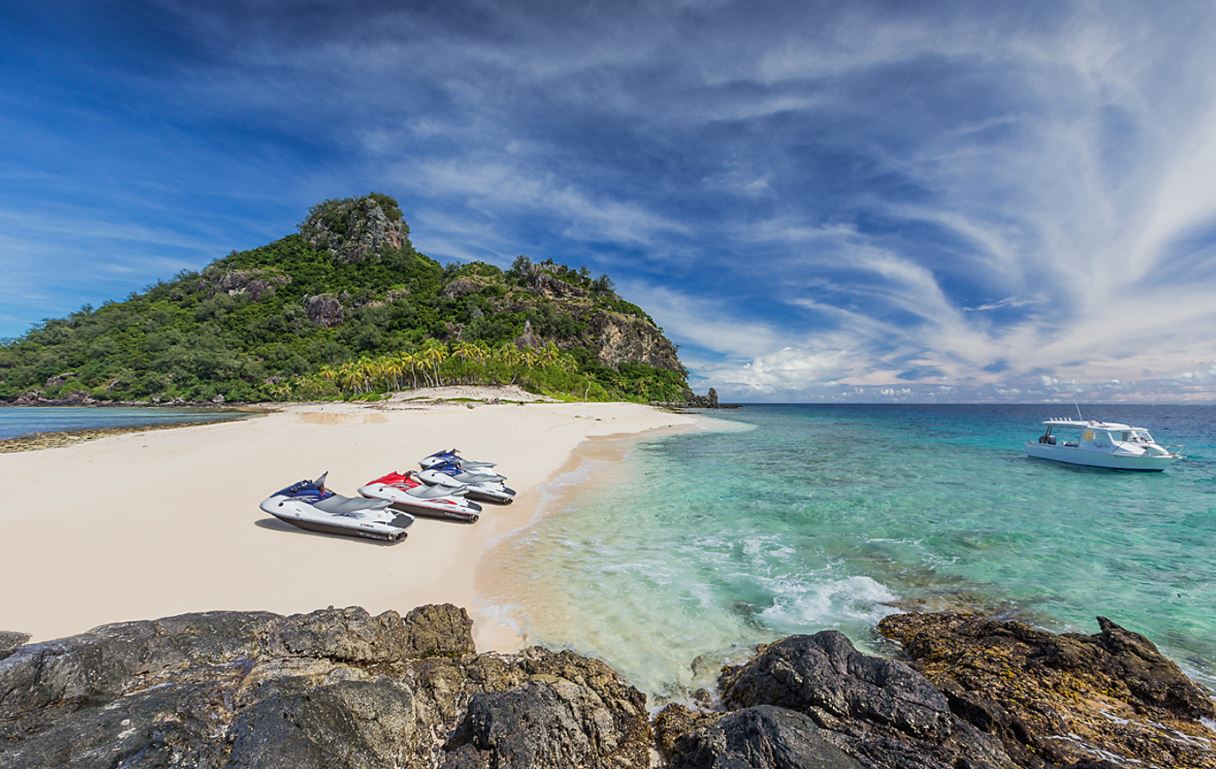
Planning a trip to Fiji? Awesome! It’s a pretty amazing place, but let’s be real, we all want to visit without messing things up, right? This guide is all about making your Fiji sustainable travel experience a good one. We’ll cover how to be a more mindful traveler, from what you pack to where you stay, and how to connect with the local vibe. Think of it as a friendly nudge to help you explore Fiji in a way that’s good for the islands and the people who live there. Because who doesn’t want to leave a place better than they found it?
Key Takeaways
When flying to Fiji, pick direct flights to use less fuel and think about offsetting your carbon emissions to help balance things out.
Protect Fiji’s ocean life by using sunscreen that’s safe for reefs and ditching single-use plastics. Pack reusable items instead.
Choose places to stay that care about the environment, like those using solar power or saving water. Also, try to eat local food and support local jobs.
When you’re out and about, use public transport when you can and be respectful of local customs. This means dressing modestly in villages and asking before taking photos.
Explore beyond the main tourist spots and take your time. Embracing Fiji Time’ and connecting with local communities makes your trip richer and supports the island’s economy.
Embracing Sustainable Journeys To Fiji
Fiji, a jewel of the South Pacific, beckons with its stunning natural beauty and vibrant culture. But as we dream of turquoise waters and white sandy beaches, it’s important to remember that this paradise is also quite fragile. Traveling with intention means becoming a steward of this incredible place, ensuring its magic endures for generations to come.
Understanding The Importance Of Ecotourism
Ecotourism in Fiji isn’t just a buzzword; it’s a vital approach to travel that helps protect the islands’ delicate environment and supports the local communities who call them home. Fiji is particularly vulnerable to the impacts of climate change, with rising sea levels posing a real threat to coastal villages and unpredictable weather patterns becoming more common. By choosing to travel sustainably, we actively contribute to safeguarding these precious ecosystems and cultural traditions. It’s about making choices that lessen our negative impact, support local economies, and preserve the unique heritage of Fiji.
Fiji’s Vulnerability To Climate Change
The reality of climate change is palpable in Fiji. Rising sea levels are already forcing some communities to relocate inland, and the intensity of cyclone season is a growing concern. This makes our role as responsible travelers even more significant. Every decision we make, from how we get there to what we consume, has a ripple effect. Being aware of these challenges helps us travel with greater mindfulness and respect for the environment and the people who live here.
Traveling With Intent And Purpose
When you travel to Fiji with intent, your experience goes beyond a typical vacation. It becomes a journey of connection and contribution. This means actively seeking out ways to support local businesses, respecting cultural norms, and minimizing your environmental footprint. It’s about engaging with the islands in a way that leaves a positive mark, fostering a deeper appreciation for the natural world and the warmth of Fijian hospitality. Consider how your visit can benefit the places and people you encounter, making your trip meaningful for everyone involved. For a truly authentic experience, exploring islands like those in the Yasawa Islands can offer a glimpse into untouched beauty and local life.
Choosing Direct Flights And Carbon Offsetting
Getting to Fiji often means a long flight, and that’s a big part of our travel footprint. Choosing direct flights is a simple yet effective way to cut down on emissions , as takeoffs and landings use the most fuel. If a direct flight isn’t possible, or you want to do more, look into carbon offsetting programs. These programs invest in projects that reduce greenhouse gases elsewhere, helping to balance out the emissions from your trip. It’s about making a conscious choice to lessen the impact of getting to paradise.
Opting For Sustainable Transportation Options
Once you’re in Fiji, how you get around matters too. Think about using catamarans for island hopping instead of smaller, less efficient options like seaplanes, especially for popular routes. Catamarans can carry more people and are often a more relaxed way to see the islands. On land, consider walking, cycling, or using local buses when possible. These choices not only reduce your carbon footprint but also give you a more authentic feel for the local pace of life.
Reducing Your Carbon Footprint Through Travel Choices
Every decision we make while traveling can add up. Packing lighter is a good start, as less weight means less fuel used. Staying longer in one place rather than hopping between many short stays also cuts down on travel emissions. Think about the activities you choose, too. Supporting local tour operators who prioritize eco-friendly practices makes a difference. It’s about being aware of the impact of our journey from start to finish.
Protecting Fiji’s Pristine Marine Ecosystems
Fiji’s waters are bursting with life, home to some of the most vibrant coral reefs on the planet. These underwater cities are not just beautiful; they’re vital for the health of the ocean and protect the islands themselves. But they’re facing some serious challenges, from changing ocean temperatures to pollution. As visitors, we have a part to play in keeping them healthy.
The Necessity Of Reef-Safe Sunscreen
Think about what you put on your skin before you jump into that crystal-clear water. Many regular sunscreens contain chemicals like oxybenzone and octinoxate. These can wash off and really harm coral and the little creatures that live there. It’s a simple switch, but using sunscreen that’s safe for reefs makes a big difference for the long-term health of these delicate environments. Look for mineral-based options with zinc oxide or titanium dioxide.
Responsible Snorkeling And Diving Practices
When you’re exploring the underwater world, remember you’re a guest. It’s easy to get excited and reach out, but touching coral can damage it. Corals are living things, and even a light touch can break off pieces that take years to grow back. Also, try not to stir up too much sand, as this can smother the coral. If you’re diving or snorkeling, be aware of your fins and equipment to avoid bumping into anything.
Here are a few things to keep in mind:
Look, don’t touch: Admire the coral and fish from a distance.
Watch your fins: Be mindful of your movements underwater.
No souvenirs: Never take coral, shells, or any marine life from the ocean.
Proper buoyancy: If diving, maintain good buoyancy control.
The underwater world is fragile. Our actions, even small ones, can have a lasting impact on Fiji’s beautiful reefs. Being mindful helps preserve this natural wonder for everyone.
Supporting Coral Restoration Initiatives
Some places in Fiji are actively working to bring back damaged reefs. You might find opportunities to learn about or even support these efforts. This could involve visiting a marine research center, donating to a local conservation group, or participating in a beach clean-up if one is organized during your stay. These initiatives are crucial for helping the reefs recover and thrive, ensuring Fiji’s underwater beauty remains for generations to come.
Minimizing Waste Through Conscious Packing
Packing smart is a big part of traveling responsibly, especially when heading to beautiful places like Fiji. It’s all about bringing what you need without bringing a ton of extra stuff that just becomes waste. Think about it: every item you pack has a footprint, from its creation to its disposal. So, let’s get intentional about what goes into our bags.
Adopting A Plastic-Free Packing Strategy
Single-use plastics are a major problem worldwide, and Fiji is no exception. When you pack with a plastic-free mindset, you’re actively helping to keep these islands cleaner. This means swapping out disposable items for durable, reusable alternatives. Instead of buying small, travel-sized toiletries in plastic bottles, consider bringing your own in refillable containers. A bamboo toothbrush is a simple switch from a plastic one. Even something like a reusable produce bag can be handy for market finds. The goal is to leave no trace, or as little trace as possible, behind.
Prioritizing Reusable Toiletries And Water Bottles
This is where you can make a real difference. Pack solid shampoo and conditioner bars instead of liquids in plastic bottles. Bring your own reusable water bottle, and look for places that offer filtered water refills. Many resorts and even some local shops are starting to provide this service. If you’re planning on doing a lot of exploring, a water bottle with a built-in filter can be a lifesaver, especially if you’re unsure about the local water quality.
Navigating Water Source Limitations In Remote Areas
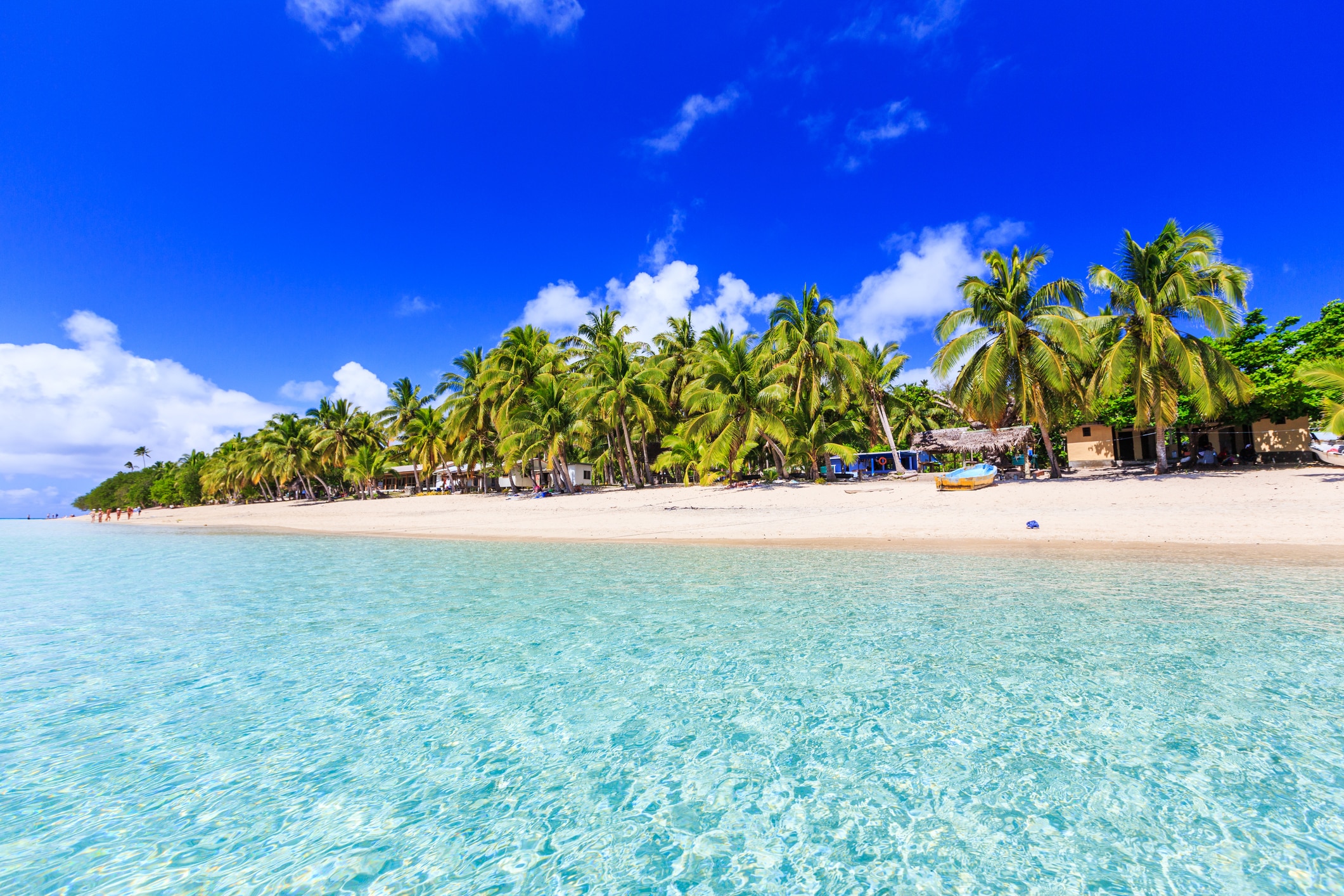
It’s important to be aware that not all areas in Fiji have readily available, potable tap water. On some of the more remote islands or in smaller villages, fresh water might be scarce. In these situations, relying solely on your reusable water bottle might not be feasible if there aren’t refill stations. This is where a water filter bottle or purification tablets can be incredibly useful. It allows you to safely drink from available water sources without needing to buy single-use plastic bottles, which are often the only option when you’re off the beaten path. Always do a little research about your specific destinations to pack accordingly.
Being mindful of what you pack isn’t just about reducing waste; it’s about showing respect for the places you visit and the people who live there. It’s a small effort that contributes to a much larger positive impact.
Identifying Resorts With Renewable Energy Sources
When you’re picking a place to stay in Fiji, think about where your electricity comes from and how they handle water. Many places are starting to use solar power, which is a big win for the environment. It’s great to see resorts that are serious about cutting down their energy use. Some even have special programs to save water, which is super important on islands where fresh water can be scarce. Look for places that openly share their sustainability efforts; it shows they’re committed.
Supporting Properties With Water And Energy Saving Measures
It’s not just about solar panels. Good eco-lodges often have simple but effective ways to save resources. This could be anything from low-flow showerheads to systems that reuse greywater for gardens. They might also encourage guests to reuse towels and turn off lights and air conditioning when they leave the room. These small actions add up, and when a whole resort does it, the impact is significant. It’s about being mindful of the resources we use, even on vacation.
Choosing Locally Sourced Food And Community Employment
Where your food comes from matters a lot. Resorts that work with local farmers and fishermen reduce the carbon footprint associated with transporting food. Plus, it means you get to taste the freshest local ingredients! It’s also a big deal when accommodations hire people from nearby villages. This directly supports the local economy and helps communities thrive. It’s a win-win: you get delicious, authentic meals, and the community benefits directly from your stay.
Engaging Authentically With Local Communities
When you visit Fiji, you’re not just seeing sights; you’re stepping into a vibrant culture. Connecting with the people who call these islands home is what makes a trip truly special. It’s about more than just a vacation; it’s about sharing experiences and showing respect.
Supporting Local Artisans and Businesses
Buying directly from local makers is a fantastic way to put your money where it matters. Think about picking up some handmade shell jewelry or a beautifully woven mat. These aren’t just souvenirs; they’re pieces of Fijian artistry that support families and help keep traditional crafts alive. Many small businesses and non-profits are working to empower local communities, especially women, through these crafts. When you choose these items, you’re directly contributing to their livelihoods and preserving cultural skills.
Look for locally made textiles, like tapa cloth or woven baskets.
Seek out unique crafts at local markets or community centers.
Consider supporting initiatives that train and employ local artisans.
Dining At Family-Owned Restaurants
Skip the big hotel chains sometimes and find a local eatery. Eating at family-owned restaurants means you’re tasting authentic Fijian flavors and supporting local families. It’s a chance to try dishes made with fresh, local ingredients, which also cuts down on the environmental impact of imported food. Plus, the atmosphere is usually much warmer and more personal.
Participating In Culturally Rich Village Tours
If you have the chance, join a village tour led by locals. This is where you get a real glimpse into daily life and traditions. It’s important to go with a respectful attitude, ready to learn. These tours often involve participating in local customs, which can be a deeply rewarding experience. Remember that your visit is a privilege, and showing genuine interest goes a long way.
Engaging with local communities isn’t just about spending money; it’s about building connections. Be open, be curious, and be respectful. This approach enriches your own travel experience while making a positive difference for the people you meet.
Understanding And Adhering To Local Customs
Fiji is a place where community and tradition run deep. When you visit, you’re stepping into a culture that values respect and connection. It’s really important to be aware of local customs to make sure your visit is a positive one, both for you and for the people you meet. Think of it like this: you wouldn’t go to a formal dinner party in your pajamas, right? It’s similar here, but with a bit more depth.
When you’re invited into a village, a few simple gestures go a long way. It’s customary to remove your hat or cap as a sign of respect. Dressing modestly is also key; covering your shoulders and knees shows you appreciate their way of life. Often, a simple sulu (a wrap-around cloth) is perfect for this. These aren’t strict rules meant to make you uncomfortable, but rather ways to show you’re a thoughtful guest.
The Significance Of The Sevusevu Ceremony
The sevusevu is a really special tradition in Fiji, a formal gift-giving ceremony that happens when you first visit a village. It’s not just about handing over a present; it’s a way to introduce yourself and ask for permission to visit and share in their community. The traditional gift is kava, a drink made from a local root. Presenting the sevusevu to the village chief or elders is a sign of respect and acknowledges their authority and hospitality.
Participating in a sevusevu ceremony is a profound way to connect with Fijian culture. It signifies your intention to be a respectful visitor and opens the door to genuine interaction.
Once the sevusevu is accepted, you’re essentially welcomed and can explore the village and its surroundings with the community’s blessing. It’s a beautiful exchange that sets a positive tone for your entire visit.
Practicing Modesty And Seeking Permission For Photography
When it comes to capturing memories, always remember to be mindful of people’s privacy. Fijians are generally warm and welcoming, but it’s polite to ask permission before taking photos of individuals, especially children, or of private homes and sacred sites. A simple smile and a gesture can go a long way. If someone declines, respect their decision without question.
Modesty in dress is also important, particularly when visiting villages or attending local events. While beachwear is fine for the resort, it’s best to have your shoulders and knees covered when venturing into local communities. This shows respect for their cultural norms and helps you blend in more harmoniously. Think light, breathable fabrics that are easy to pack and wear.
Enjoying Island Hopping Via Catamaran
Fiji is made up of over 300 islands, and exploring them is a big part of the experience. While there are many ways to get from one island to another, choosing a catamaran can be a more eco-friendly option. These boats often use less fuel than larger ferries and can provide a smoother ride, especially in the calmer waters around many of the islands. Many tour operators focus on the Mamanuca and Yasawa island groups, which are popular for their beautiful beaches and clear waters teeming with life. When booking your island hopping adventure, look for companies that are part of environmental initiatives, like the Mamanuca Environment Society. They often have passes that let you hop between islands for a set period, allowing you to see more without constant individual bookings. Remember to book your accommodation ahead of time, as many islands have minimum stay requirements.
Visiting National Parks and Preserves
Fiji has some incredible natural areas that are protected for their unique beauty and biodiversity. These parks and preserves are vital for keeping the local plants and animals safe. When you visit, stick to marked trails to avoid disturbing the environment. It’s also a good idea to pack out everything you pack in – no littering, of course. Some parks might have specific rules about what you can bring or do, so it’s always smart to check beforehand. Supporting these areas through entrance fees or guided tours directly helps fund their conservation efforts. Think of it as contributing to the long-term health of these special places.
Ethical Wildlife Encounters and Observation
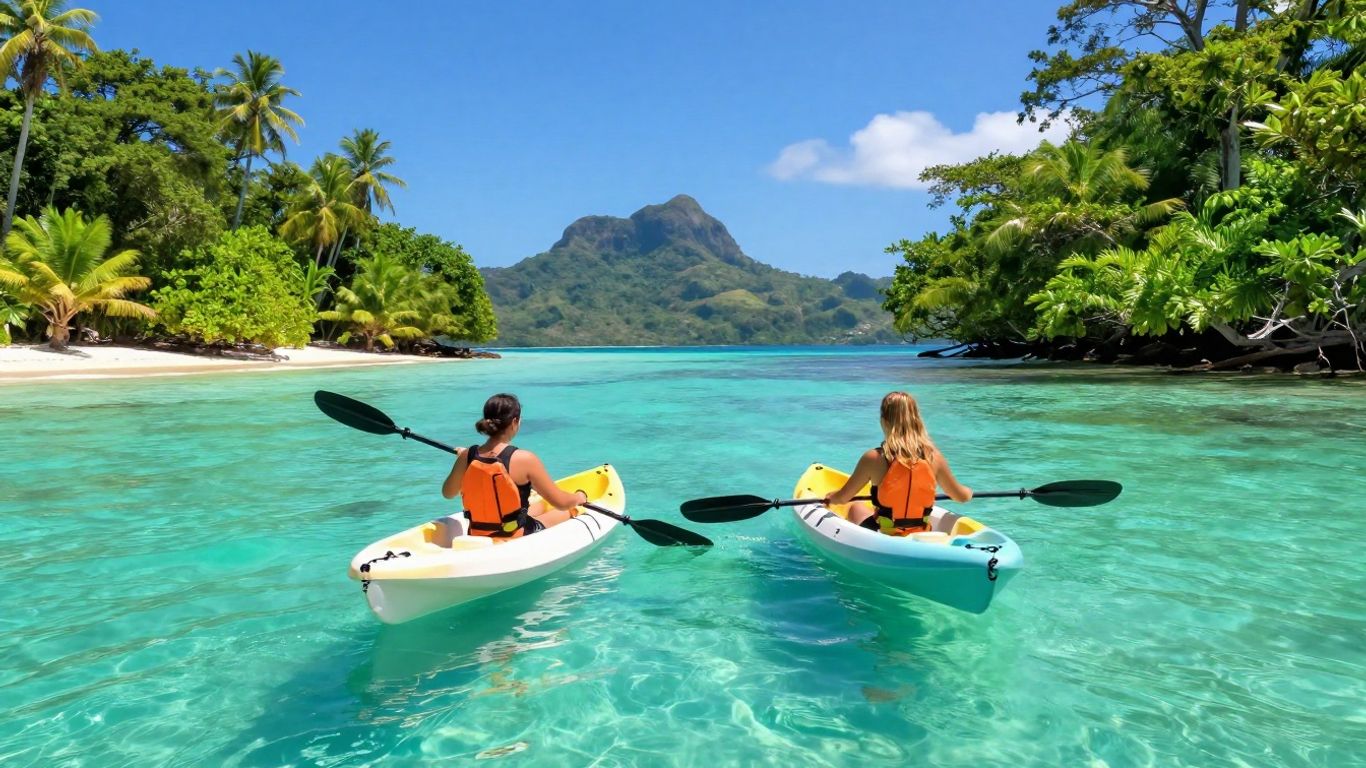
Seeing Fiji’s wildlife in its natural habitat is a real treat. Whether it’s colorful fish on a reef or birds in the rainforest, observing them respectfully is key. Never feed wild animals , as this can disrupt their natural diets and behaviors. When snorkeling or diving, keep a safe distance and avoid touching any marine life, especially coral. If you’re on a guided tour, choose operators who prioritize the animals’ well-being over close interactions. This might mean observing from a boat or maintaining a respectful distance on land. Remember, these creatures are part of a delicate ecosystem, and our presence should have as little impact as possible.
The natural beauty of Fiji is a treasure that requires our mindful participation. By making conscious choices in how we explore, we help preserve these wonders for everyone to enjoy, now and in the future.
Slowing Down To Experience Fiji Time’
When you arrive in Fiji, you’ll quickly notice a different rhythm to life. It’s often called Fiji Time,’ and it’s more than just a saying; it’s a genuine approach to living. Forget the rush and the constant need to be somewhere else. Here, the focus is on being present and enjoying the moment. This means taking the time to chat with locals, perhaps sharing a kava drink under a shady tree, or simply watching the ocean waves roll in. Letting go of the hurry allows Fiji to reveal its true charm.
Connecting With Locals And Embracing Serenity
To truly connect with the spirit of Fiji, engage with the people. They are known for their warmth and hospitality. Spending time in villages, learning about their way of life, and participating in local customs can be incredibly rewarding. This kind of interaction offers a deeper insight into the culture than any guidebook could provide. It’s about finding peace in the simple things and appreciating the natural beauty that surrounds you. Remember, a travel advisor specializing in Fiji can help you find authentic experiences that connect you with the local culture [c9eb].
Deepening Your Travel Experience Through Presence
Being present during your travels transforms a simple vacation into a meaningful journey. It’s about observing the details, listening to the sounds of the island, and truly feeling the atmosphere. This mindful approach not only enriches your personal experience but also contributes to a more respectful form of tourism. By slowing down and being aware, you can appreciate Fiji on a much deeper level, creating memories that last a lifetime.
Observe the natural surroundings without distraction.
Listen to the sounds of the ocean and the local wildlife.
Engage in conversations with people you meet.
Take time to simply be still and absorb the environment.
Choosing Lesser-Known Destinations
While the famous islands of Fiji are undeniably beautiful, venturing off the beaten path can lead to a more genuine and impactful travel experience. Exploring areas beyond the main tourist hubs allows you to connect more deeply with the environment and its people, while also distributing the benefits of tourism more widely.
Discovering Authentic Experiences Beyond Popular Resorts
Many travelers flock to the well-known Mamanuca and Yasawa Islands, and for good reason. However, Fiji is an archipelago of over 300 islands, many of which offer incredible beauty and tranquility without the crowds. Consider islands like Kadavu, known for its pristine rainforests and vibrant coral reefs, or Taveuni, the Garden Island,’ famous for its waterfalls and lush landscapes. These less-visited spots often provide a more intimate glimpse into Fijian life and nature.
Supporting Smaller Businesses and Local Employment
Opting for smaller, locally-owned guesthouses, eco-lodges, or boutique resorts in these less-explored regions directly supports the local economy. Unlike large international chains, these smaller establishments are more likely to employ local staff, source food from nearby communities, and reinvest profits back into the island. This approach helps to create sustainable livelihoods and preserves the unique character of each place.
Enhancing Your Connection With The Environment and People
When you step away from the more developed tourist areas, you often find yourself in closer proximity to nature and local village life. This can mean more opportunities for genuine interactions with Fijians, learning about their traditions firsthand, and experiencing the natural environment in a more untouched state. It’s about trading the convenience of a large resort for the richness of authentic connection and a slower pace of discovery.
Embrace Your Role as a Conscious Traveler
So, as you plan your trip to Fiji, remember that your choices matter. From the sunscreen you pack to the tours you book, every decision can contribute to preserving this beautiful island nation. By traveling with awareness and respect, you not only get to experience the true magic of Fiji but also help ensure its wonders are here for generations to come. It’s about more than just a vacation; it’s about being a part of something good, leaving a positive mark, and truly connecting with the heart of Fiji. Let’s make our journeys count.
Why is ecotourism important for Fiji?
Fiji’s beautiful islands and oceans are really special, but they’re also easily harmed by things like climate change and too much trash. Ecotourism helps protect these natural wonders and also supports the local people who live there, making sure Fiji stays amazing for years to come.
How can I reduce my travel footprint when flying to Fiji?
Since Fiji is far away, flying is usually necessary. To help the environment, try to book flights that don’t have many stops, as these use less fuel. You can also look into carbon offsetting’ programs, which help pay for projects that reduce greenhouse gases to balance out your flight’s impact.
What kind of sunscreen should I use in Fiji?
It’s super important to use sunscreen that’s safe for coral reefs! Many regular sunscreens have chemicals that can seriously hurt coral and sea life. Look for sunscreens that use minerals like zinc oxide or titanium dioxide, and make sure they say reef-safe’ on the label.
How can I avoid creating plastic waste in Fiji?
Try to bring your own reusable items instead of single-use plastics. This means packing a reusable water bottle, a travel mug for drinks, and maybe even reusable containers for snacks. You can also bring your own toiletries in refillable bottles instead of small travel-sized ones.
What’s the best way to get around Fiji?
To keep your travel footprint small, using public transportation like buses or shared shuttles is a great idea. If you’re traveling between islands, catamarans are often a more eco-friendly choice than smaller planes like seaplanes.
What should I look for when choosing a place to stay in Fiji?
When booking your accommodation, search for places that are committed to being green. This could mean they use solar power for electricity, have programs to save water, and get their food from local farms. Staying at smaller, locally-owned places also helps the community directly.
How can I respectfully interact with Fijian culture?
Always be mindful of local customs. When visiting villages, dress modestly by covering your shoulders and knees. It’s a kind gesture to participate in a sevusevu’ ceremony if invited, which usually involves offering kava. Always ask permission before taking photos of people or their property.
What does Fiji Time’ mean for travelers?
Fiji Time’ is all about slowing down and enjoying the moment. Instead of rushing from one thing to another, take time to relax, chat with locals, and really soak in the peaceful island atmosphere. It makes your trip much more meaningful.