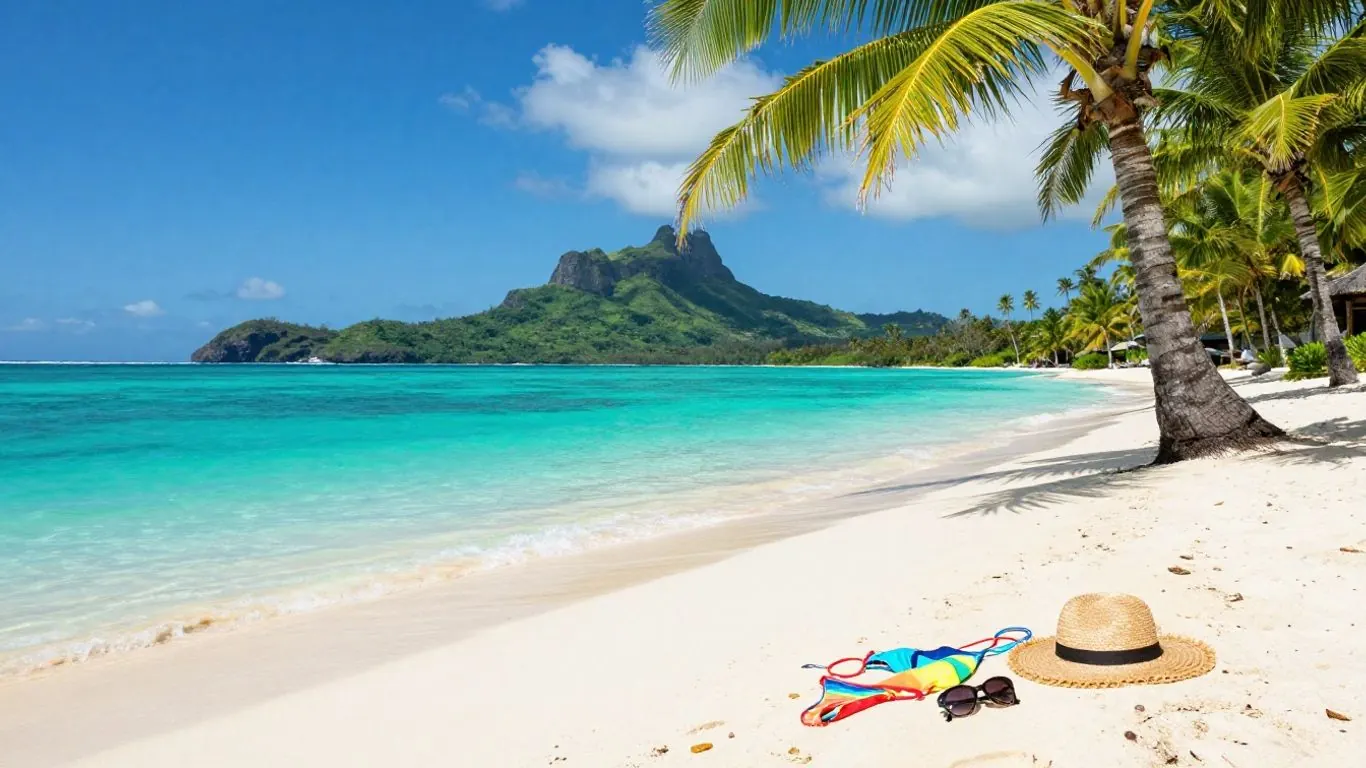
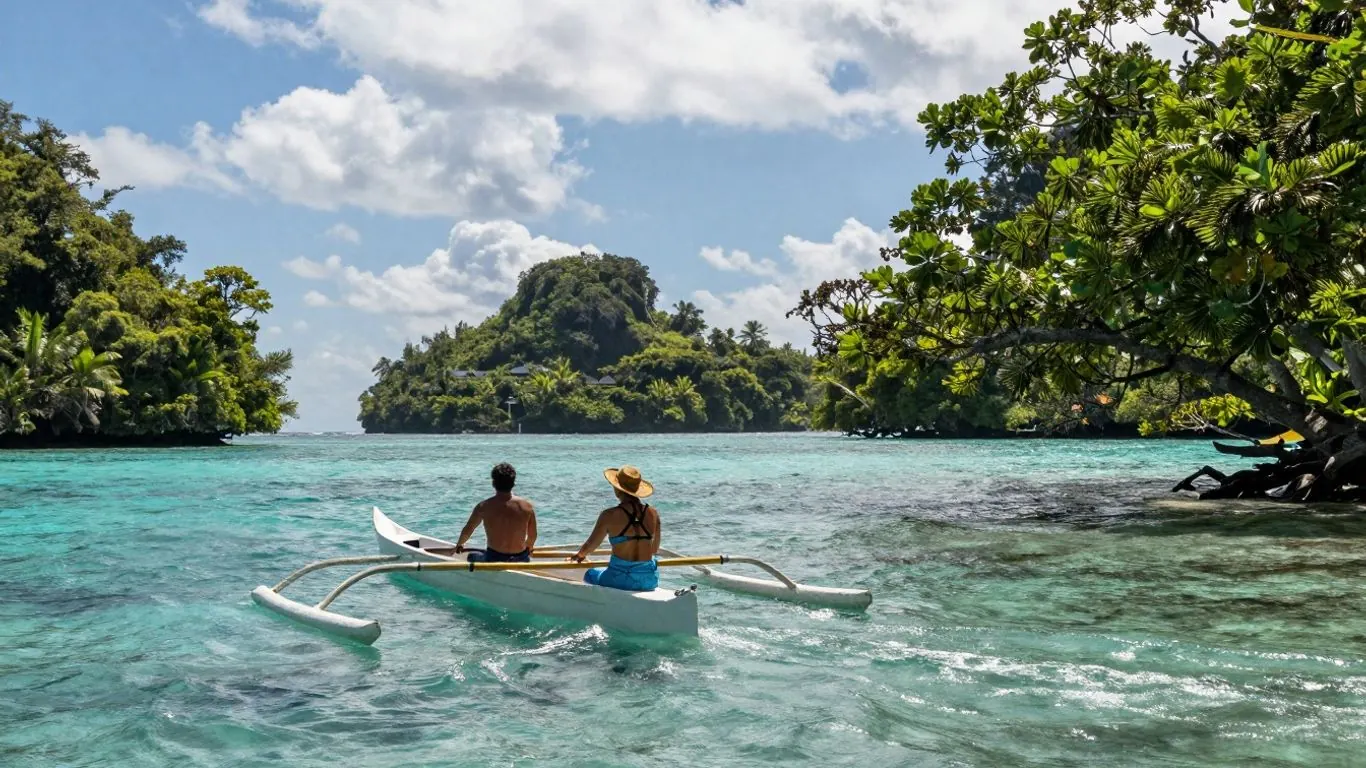
Fiji is more than just beaches and resorts, you know? It’s a place with a really old history, full of amazing stories passed down from way back. These aren’t just tales; they’re like the heart of the culture. And guess what? You can actually go and experience it all firsthand. Think about meeting actual Fiji storytellers, seeing traditional dances, and tasting food cooked the old way. It’s a chance to see the real Fiji, not just the touristy bits. These tours are pretty special because they help keep the culture alive and support the local people too. It’s a win-win, really.
Key Takeaways
Learn about Fiji’s history through its old stories and traditions.
Meet and hear from local Fiji storytellers who keep these legends alive.
Experience Fijian culture through dances, ceremonies, and traditional crafts.
Taste authentic Fijian food, like the special lovo feast.
Support local communities by participating in these cultural tours.
Discovering Fiji’s Rich Oral Traditions
Fiji’s history isn’t written in books; it’s carried in the voices of its people. For centuries, stories, myths, and genealogies have been passed down from one generation to the next, forming the bedrock of Fijian culture. These oral traditions are more than just tales; they are living history, shaping identity and community.
The Art of Fijian Storytelling
Storytelling in Fiji is a performance art, a way to connect with the past and teach important lessons. Elders often gather younger generations to share these narratives, usually in the evening. It’s a communal activity, where the storyteller’s voice, gestures, and the audience’s reactions all play a part. This vibrant exchange keeps ancient wisdom alive and relevant. The skill lies not just in remembering the tales, but in telling them in a way that captivates and educates.
Legends of Gods and Warriors
Many Fijian legends revolve around powerful deities and legendary warriors. These stories explain the creation of the islands, the origins of customs, and the exploits of heroes who shaped the land. They often feature supernatural elements, illustrating the deep spiritual connection the Fijian people have with their environment. These tales are a window into the values and beliefs that have guided Fijian society for ages, much like the oral traditions found in places like Samoa and Tonga .
Seafaring Ancestors and Island Myths
Given Fiji’s geography, it’s no surprise that tales of seafaring ancestors are prominent. These stories recount epic voyages, the discovery of new lands, and the challenges faced by early navigators. Island myths also populate the landscape with spirits and explain natural phenomena. Understanding these narratives provides a unique perspective on the resilience and ingenuity of the people who first settled these islands, a common thread in Pacific island cultures .
The act of sharing these stories is a sacred trust, a way to honor ancestors and ensure their legacy continues. It’s a dynamic process, with each telling potentially adding a new layer while staying true to the core message.
Immersive Cultural Encounters with Fiji Storytellers
Stepping off the beaten path in Fiji means connecting with the heart of its culture, and that’s exactly what happens when you meet the storytellers. These aren’t just performances; they’re invitations into the daily lives and ancient traditions of the islands. You’ll find yourself welcomed into communities where stories are a living, breathing part of the culture.
Village Welcomes and Ceremonial Greetings
Your journey often begins with a warm greeting in a traditional village. Imagine being met with a chorus of "Bula!" and a genuine smile. You’ll learn about the village’s structure, the importance of chiefs, and how ceremonies shape everyday life. It’s a chance to see how these communities function and to feel that initial connection.
Participating in the Kava Ceremony
One of the most significant experiences is joining in the kava ceremony. This isn’t just about drinking a traditional beverage; it’s a ritual that builds respect and connection. You’ll sit with villagers, share in the communal cup, and feel a sense of belonging. It’s a moment that truly bridges the gap between visitor and host.
Experiencing the Meke Dance and Music
Prepare to be captivated by the meke. This is more than just a dance; it’s a vibrant storytelling performance. Through rhythmic chants, energetic movements, and colorful costumes, dancers bring ancient legends and warrior tales to life. It’s a powerful way to witness history and mythology expressed through art. You can see these performances as part of a Fijian Cultural Tour .
These encounters go beyond simple observation. They are about active participation and mutual respect, allowing you to understand the depth of Fijian traditions firsthand.
Exploring Ancient Fijian Crafts and Their Stories
Fiji’s history isn’t just written in books; it’s woven into the very fabric of daily life through its traditional crafts. These aren’t just objects; they’re vessels carrying stories, passed down through generations. When you explore these arts, you’re really connecting with the people and their past.
The Significance of Masi Bark Cloth

Masi, or bark cloth, is more than just a material; it’s a symbol of status, ceremony, and identity in Fijian culture. Made from the paper mulberry tree, the process of creating masi is intricate and time-consuming. The bark is stripped, soaked, and then beaten with mallets until it becomes a thin, flexible cloth. This cloth is then decorated with geometric patterns and motifs, often using natural dyes. Each design can tell a story, signify a particular event, or represent a specific lineage. Historically, masi was used for clothing, ceremonial coverings, and even as a form of currency. Today, while its practical uses have diminished, its cultural importance remains, and it’s still a key part of important ceremonies like weddings and funerals.
Mastering Traditional Weaving Techniques
Weaving is another art form deeply embedded in Fijian heritage. Using materials like pandanus leaves, women have traditionally created a wide array of items, from sleeping mats and baskets to sails for canoes. The skill involved is remarkable, requiring patience and a deep knowledge of the natural resources available. Different patterns and textures can be achieved, each with its own meaning or purpose. Participating in a weaving demonstration gives you a real appreciation for the effort and artistry that goes into each piece. You can even try your hand at it, creating a small souvenir that connects you to this ancient practice. Learning about traditional Fijian weaving offers a glimpse into the resourcefulness and creativity of the islanders.
The Artistry of Wood Carving and Pottery
Wood carving and pottery are also vital components of Fijian artistic expression. Carvings often depict ancestral spirits, mythological figures, or scenes from daily life, adorning everything from war clubs and ceremonial bowls to the posts of traditional houses. Pottery, while perhaps less visible to the casual visitor, also holds cultural significance, with specific forms and uses tied to different regions and occasions. These crafts require not only skill but also a profound understanding of the materials and the stories they are meant to represent. Witnessing these artisans at work is like watching history come alive, a testament to the enduring spirit of Fijian culture.
These ancient crafts are not static relics of the past; they are living traditions. They continue to evolve, adapt, and play a role in contemporary Fijian society, demonstrating the resilience and vibrancy of the culture.
Culinary Journeys Rooted in Fijian Legends
Fiji’s food is more than just sustenance; it’s a vibrant thread woven into the fabric of its history and legends. When you join a storytelling tour, you’re not just hearing tales of gods and ancestors, you’re also getting a taste of the island’s soul. Many tours offer a chance to experience traditional cooking methods, like the famous lovo feast. This is where food is wrapped in leaves and cooked underground using hot stones. It gives everything a unique, smoky flavor that’s hard to forget.
The Traditional Lovo Feast Experience
The lovo is a cornerstone of Fijian celebrations and a direct link to ancient practices. Imagine digging a pit, heating stones until they glow, and then carefully layering food – root vegetables like taro and cassava, fresh fish, chicken, and pork – all wrapped in banana leaves. The pit is covered with earth, and the food slow-cooks for hours. The result? Incredibly tender and flavorful dishes that tell a story of community and resourcefulness. It’s a communal effort, often involving the whole village, making the meal even more special. This method of cooking is a living tradition, passed down through generations, and experiencing it is like stepping back in time.
Cooking with Local Ingredients and Recipes
Beyond the lovo, you’ll discover how Fijians use the bounty of their islands. Think fresh coconut milk, tropical fruits, and seafood caught daily. You might even get to try your hand at making kokoda, a kind of Fijian ceviche where raw fish is
The Transformative Power of Fijian Storytelling Tours
These tours do more than just show you around; they really change how you see things. It’s like stepping into a different world where the past isn’t just history, it’s alive and breathing. You get to see how old stories still shape life today and how they might influence what happens next. It’s a pretty amazing way to connect with a place on a much deeper level than just looking at pretty sights.
Connecting Past, Present, and Future
Fijian storytelling tours offer a unique bridge between generations. You’re not just hearing old tales; you’re seeing how they’re passed down and how they still matter. It’s a reminder that traditions aren’t just relics; they’re living things that keep a culture vibrant. You might even find yourself thinking about your own family stories and where they fit in.
Witnessing ancient legends brought to life through performance.
Understanding how oral traditions guide community decisions.
Reflecting on the continuity of cultural practices.
These experiences offer a chance to see how the threads of history are woven into the fabric of everyday life, providing a perspective that’s hard to find elsewhere.
Fostering Cultural Exchange and Understanding
When you join one of these tours, you’re not just a tourist; you’re a guest. You get to interact with local people, share in their traditions, and learn directly from them. This kind of direct connection is what makes travel truly meaningful. It breaks down barriers and builds a sense of shared humanity. You leave with more than just souvenirs; you leave with new friendships and a broader outlook. It’s a chance to experience the rich cultural heritage of the islands through their museums, connecting visitors to the soul of these beautiful destinations [980f].
Supporting Community-Based Tourism Initiatives
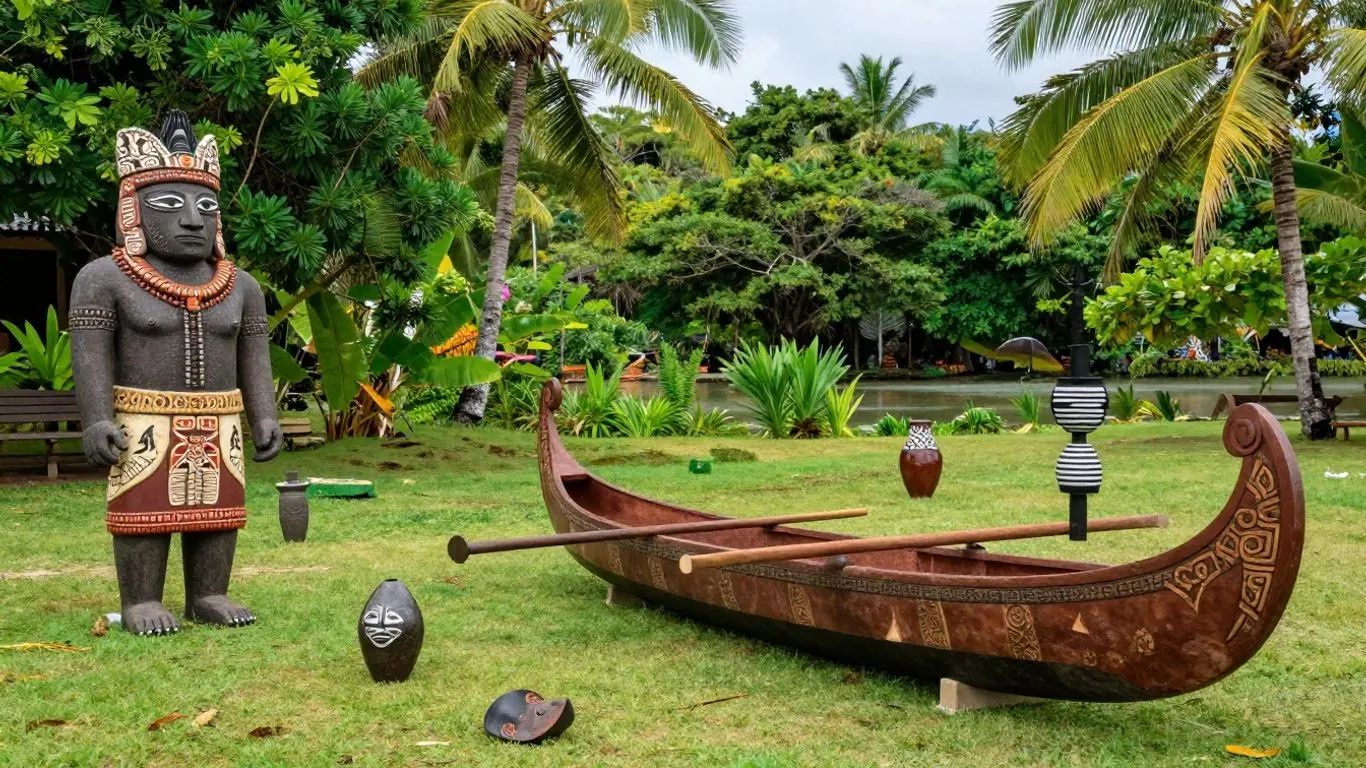
Choosing a storytelling tour often means you’re directly helping the local communities. Your visit supports village economies and helps keep traditional ways of life going strong. It’s a way to travel responsibly, making sure your trip has a positive impact. This approach makes the experience feel more authentic and rewarding for everyone involved. It’s a win-win, really, supporting local culture while having an incredible adventure.
Witnessing Sacred Rituals and Island Performances
Fiji’s cultural landscape is alive with traditions that engage the senses and stir the soul. Beyond the everyday, certain events offer a profound glimpse into the spiritual heart of the islands. These are moments where ancient practices are not just remembered, but actively performed, connecting audiences to a lineage stretching back centuries.
The Awe-Inspiring Firewalking Ceremony
Originating from the island of Beqa, the firewalking ceremony is a truly remarkable spectacle. Performed by the men of the Sawau tribe, this ritual involves walking barefoot across intensely hot coals. It’s a practice steeped in deep spiritual meaning and a testament to the incredible discipline and belief of those who perform it. Witnessing this sacred act is a rare opportunity to see a tradition that has been passed down through generations, showcasing the profound cultural heritage of the Fijian people. It’s an event that leaves a lasting impression, a vivid display of faith and tradition.
Spiritual Sundays: Fijian Church Services
While not a performance in the traditional sense, attending a Fijian church service, especially on a Sunday, is an immersive cultural experience. You’ll hear beautiful hymns sung in Fijian, often accompanied by local instruments. The sense of community and shared faith is palpable, offering a peaceful yet powerful insight into the spiritual life of many Fijians. It’s a chance to observe a different facet of island life, one that emphasizes togetherness and devotion.
Dance as a Narrative of Heritage
Fijian dance, particularly the meke, is far more than just movement; it’s a vibrant form of storytelling. Through rhythmic chants, expressive gestures, and colorful costumes, dancers bring ancient legends, historical events, and everyday life to the stage. Each performance is a living chronicle, preserving and sharing the rich oral traditions of the islands. Experiencing a meke is like stepping into a history book, where every step and every song tells a story of Fiji’s past. You can discover Fiji’s rich musical and dance heritage through immersive tours that often include these authentic cultural activities Book your unforgettable journey .
These performances and rituals are not mere entertainment; they are living connections to Fiji’s past, vital expressions of its present culture, and important threads in the fabric of its future. They invite respect, participation, and a genuine appreciation for the enduring spirit of the islands.
Embrace the Spirit of Fiji
So, as you plan your trip to Fiji, remember that the islands offer more than just beautiful beaches. They hold stories, traditions, and a way of life that’s truly special. Whether you’re watching a vibrant dance performance, sharing a kava bowl with villagers, or learning an ancient craft, these experiences connect you to the heart of Fiji. It’s a chance to see a culture that’s alive and welcoming, a place where legends are still told and traditions are cherished. Come and discover it for yourself; you might just find a piece of Fiji stays with you long after you’ve left.
What kind of stories will I hear on these tours?
You’ll hear amazing tales about Fiji’s history, including stories about gods, brave warriors, and the brave ancestors who sailed the seas. These are old stories passed down through generations, giving you a real peek into Fijian culture.
What is the Kava Ceremony?
The Kava Ceremony is a special event where people drink a traditional drink made from the kava plant. It’s a way to show respect, build friendships, and welcome guests. It’s a very important part of Fijian gatherings.
Will I get to see traditional Fijian performances?
Yes! You’ll likely see the Meke, which is a lively performance with singing, dancing, and costumes that tell stories. Sometimes, you might even see incredible firewalking or knife dances!
Can I try making Fijian crafts?
Absolutely! Many tours let you try your hand at ancient crafts like weaving mats, carving wood, or making bark cloth. It’s a fun way to create your own souvenir and connect with Fiji’s artistic traditions.
What is a Lovo Feast?
A Lovo feast is a traditional Fijian meal cooked underground using hot stones. It gives the food a delicious smoky flavor. You can expect tasty dishes made with local ingredients like root vegetables, fish, and chicken.
How do these tours help local communities?
These tours are designed to support the villages directly. When you join, you’re helping to keep Fijian traditions alive and supporting the local economy. It’s a way to travel responsibly and make a positive impact.