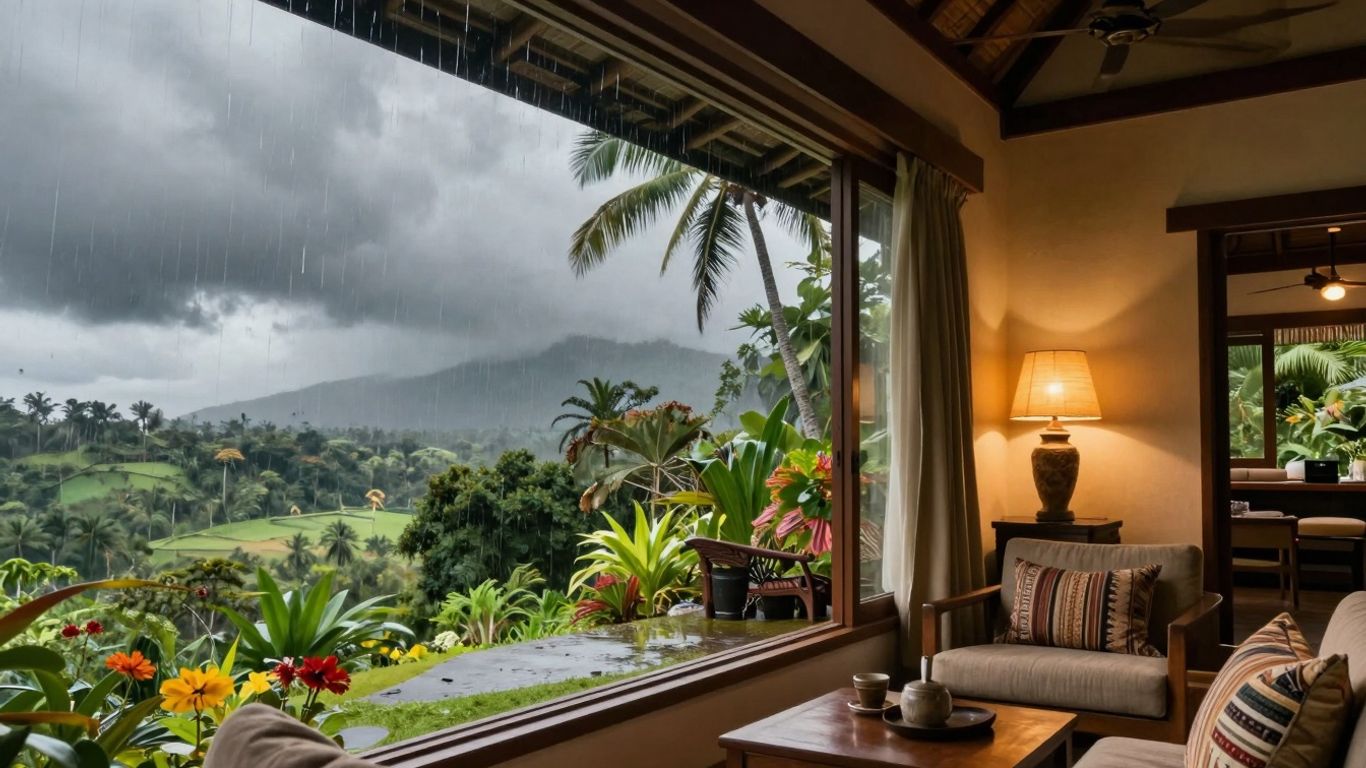

Thinking about a trip to Fiji but wondering about the weather? It’s true, this is when most of Fiji’s rain falls, and it can get pretty humid. But honestly, it’s not all gloomy skies. Often, the rain comes in short, heavy bursts, sometimes just at night, leaving plenty of time for sunshine and activities. Plus, visiting during this time can mean fewer crowds and better deals. This Fiji rain season guide will help you figure out what to expect and how to make the most of it.
Key Takeaways
Rainfall varies across Fiji; the northwest islands are generally drier than the mainland and eastern areas.
Rain often falls in short, intense bursts, sometimes overnight, rather than all-day drizzles, allowing for sunny periods.
While cyclones are possible, they are not a daily occurrence, and Fiji has warning systems in place.
Understanding Fiji’s Wet Season Dynamics
This period is when the islands get most of their annual rainfall, bringing a vibrant green transformation to the landscapes. While it’s called the wet season, the rain doesn’t always mean constant downpours. Often, it comes in short, intense bursts, sometimes just for a few hours or even overnight, leaving plenty of sunshine in between.
Timing and Duration of the Rainy Period
This six-month stretch is when the tropical climate really shows its lush side. You can expect the most significant rainfall during these months, which is key to the islands’ stunning natural beauty.
Regional Rainfall Variations Across Fiji
It’s interesting how rainfall isn’t the same everywhere in Fiji. The northwestern parts, like the Mamanuca and Yasawa Islands, are generally drier. They get less rain compared to the eastern side and the mountainous areas of the mainland, which can see much higher totals. So, if you’re looking for slightly less rain, heading northwest might be a good idea.
Characteristics of Rainfall Patterns
Don’t picture endless grey skies. Fiji’s rain during this season is often dramatic but brief. Think of powerful, short showers that clear up quickly, or rain that conveniently falls while you’re asleep. While heavy rain can happen, it’s not uncommon to have completely dry days, even during the wettest months.
While the wet season brings the possibility of tropical cyclones, it’s important to remember that many visits still experience plenty of sunshine and enjoyable weather. Planning and staying informed are key to a great trip.
Navigating Potential Weather Challenges
While Fiji’s wet season brings lush landscapes, it’s also wise to be prepared for the weather’s more dramatic side. Heavy downpours can happen, and while they often pass quickly, they can sometimes impact your plans. It’s not uncommon to experience strong winds, and understanding the possibility of cyclones is part of planning a trip during these months.
Impact of Heavy Rainfall on Activities
Sudden, intense rain showers are a hallmark of the wet season. These can arrive without much warning, sometimes while you’re out enjoying the sun. While many activities can continue, some might be temporarily paused. For instance, visibility for snorkeling or diving can decrease, and boat trips might be delayed or rerouted if conditions become too rough. It’s a good idea to have some indoor or covered alternatives in mind. Think about packing a good book or downloading some movies for those moments when the weather keeps you under shelter. Many resorts offer activities like cooking classes or cultural demonstrations that are perfect for a rainy afternoon.
Understanding Cyclone Likelihood
While not every season sees a direct hit, the region is prone to tropical storms. The Meteorological Service provides forecasts, and it’s wise to stay updated. Knowing that cyclones are a possibility helps in making informed decisions about travel insurance and flexibility in your itinerary. Most resorts are well-prepared for cyclones and have safety procedures in place. If a cyclone is forecast, your resort will provide guidance on safety measures. It’s rare for travel to be completely disrupted for extended periods, but being aware is key.
Managing Humidity and Heat
Alongside the rain, you’ll notice the air is quite humid and warm. This combination can feel intense for some. Staying hydrated is super important, so keep a water bottle handy. Light, breathable clothing made from natural fibers like cotton or linen will be your best friend. Many accommodations have air conditioning, which can be a welcome relief. Evenings usually bring a slight drop in temperature, and a gentle breeze can make a big difference. Don’t let the humidity deter you; it’s all part of the tropical experience, and the rain often brings a refreshing coolness afterward. Remember, the ocean temperatures remain wonderfully warm, making swimming a pleasure even on cloudier days. For those venturing out on longer boat trips, consider bringing seasickness medication if you’re prone to it, as the seas can sometimes be choppy.
The Rejuvenating Effect on Landscapes
The rainy season in Fiji is when the islands truly come alive with a vibrant, almost electric green. Think of it as nature’s big refresh button. The constant moisture breathes new life into everything, making the forests denser and the vegetation incredibly lush. It’s a time when the islands shed any hint of dryness and embrace a full, verdant beauty. This transformation is most noticeable in the way the landscape drinks in the rain, appearing richer and more alive.
Vibrant Greenery and Flourishing Flora
Everywhere you look, you’ll see an explosion of green. The tropical plants and flowers really thrive during this period. You’ll find an amazing variety of plant life, from the towering palms to the smallest ferns, all looking their absolute best. The air itself feels cleaner and fresher, carrying the scent of damp earth and blooming flowers. It’s a feast for the eyes and a wonderful sensory experience.
Waterfalls at Their Most Spectacular
If there’s one thing the rainy season does exceptionally well, it’s powering up Fiji’s waterfalls. They go from gentle cascades to roaring torrents, creating a truly impressive sight. The sheer volume of water tumbling down the cliffs is something to behold. It’s a powerful display of nature’s force and beauty, making them a must-see during this time of year.
Visiting during the wet season means you get to witness Fiji in its most abundant state. The landscape is at its peak, showcasing the raw, untamed beauty of a tropical environment in full bloom. It’s a different kind of beauty than the dry season, but no less captivating.
Increased Water Flow: Waterfalls are significantly more powerful and voluminous.
Lush Vegetation: Expect dense, vibrant greenery covering the islands.
Fresh Scents: The air is often filled with the earthy aroma of rain and blooming flora.
Optimizing Your Fiji Rain Season Guide
Planning a trip to Fiji during the wet season doesn’t mean you’re signing up for a washout. It’s all about smart choices and a bit of flexibility. By understanding the nuances of the season, you can actually craft an amazing holiday experience.
Choosing the Right Time Within the Season

While rain can happen anytime, aiming for the shoulder months might give you more consistently dry days.
Strategic Island Selection for Drier Conditions
Fiji isn’t a monolith when it comes to weather. The islands to the northwest, like the Mamanucas and Yasawas, are often referred to as the dry zone’. They receive significantly less rainfall than the larger islands or the eastern parts of the mainland. If you’re looking to minimize your chances of getting rained on, focusing your itinerary on these western islands is a smart move.
While the western islands generally experience less rain, it’s important to remember that Fiji is a tropical destination. Even in the dry zone,’ short, intense bursts of rain can occur, often providing a refreshing break from the heat.
Flexibility for an Enhanced Experience
Perhaps the most important tip for a wet season visit is to embrace flexibility. Things might not always go exactly to plan, and that’s okay. Instead of getting frustrated, see it as an opportunity to experience Fiji differently.
Have backup activities: Always have a few indoor or sheltered options in mind, like visiting a local market, enjoying a spa treatment, or trying a cooking class.
Go with the flow: If a sudden downpour happens while you’re on the beach, don’t let it spoil your mood. Often, these showers are short-lived, and the sun returns quickly.
Embrace the rain: Sometimes, the most dramatic and beautiful moments happen during or just after a tropical shower. The air feels cleaner, the colours are more intense, and the sound of rain can be quite soothing.
Activities and Experiences During the Wet Season
Even though it’s called the wet season, Fiji still has plenty to offer visitors. Don’t let a little rain stop you from having an amazing time. In fact, some activities are even better when it’s a bit damp!
Opportunities for Snorkeling and Diving
While visibility can sometimes be reduced due to rain, the ocean temperatures remain wonderfully warm during the wet season, making swimming and snorkeling quite pleasant. Many resorts are located in areas that are somewhat protected from the worst of the weather. You might find that the days following a rain shower actually bring clearer waters and more marine life activity. It’s always a good idea to check with your resort or local tour operators about current conditions before heading out.
Exploring Inland Attractions
This is when Fiji’s interior truly comes alive. The increased rainfall means waterfalls are at their most powerful and impressive, creating spectacular sights and sounds. Hiking trails through the rainforest become even more vibrant, with lush greenery and the scent of damp earth filling the air. Exploring local villages and cultural sites can also be a rewarding experience, offering a glimpse into daily life away from the coast.
Enjoying Resort Amenities and Indoor Pursuits
Fiji’s resorts are well-equipped to handle any weather. When the rain does fall, you can take advantage of:
Spa treatments: Indulge in a relaxing massage or other wellness therapies.
Cultural workshops: Many resorts offer classes in traditional crafts, cooking, or music.
Lounges and bars: Enjoy a good book, play board games, or simply relax with a tropical drink.
On-site restaurants: Savor delicious Fijian cuisine without having to venture out.
With a bit of planning and a flexible attitude, the wet season can be a fantastic time to experience Fiji’s natural beauty and warm hospitality. The rain often comes in short, intense bursts, leaving plenty of time for sunshine and activities in between.
Lower Travel Costs and Resort Deals
Many resorts roll out special promotions and discounts to attract visitors during these months. This can translate into significant savings, allowing you to enjoy more of what Fiji has to offer or extend your stay. For instance, you might find deals like "stay five nights, get one free" or percentage-off packages that aren’t available at other times of the year. It’s a smart way to experience this island paradise without breaking the bank. Keep an eye out for these deals, especially if you’re flexible with your travel dates within the wet season. You might be surprised at the value you can find for a trip to Fiji .
Quieter Resorts and More Personalized Service
With fewer tourists around, resorts tend to be less crowded during the wet season. This often leads to a more relaxed and intimate atmosphere. You’re more likely to snag your preferred spot by the pool or on the beach without feeling like you’re in a bustling city. The staff often have more time to attend to individual guest needs, which can result in a higher level of personalized service. Imagine having a resort team that seems to know your name and preferences by heart – that’s the kind of experience a quieter resort can provide. It’s an excellent opportunity for a more tranquil getaway, where you can truly unwind and connect with your surroundings without constant distractions. This can make your overall vacation feel more special and less rushed.
Ideal Escape from Northern Hemisphere Winters
This makes it an ideal time to escape the chill and trade snow for sunshine, even if it comes with occasional rain. Fiji offers warm temperatures year-round, with daily highs often around 30°C (86°F), and the ocean remains invitingly warm for swimming. It’s a chance to swap grey skies for vibrant tropical landscapes and enjoy a much-needed dose of vitamin D. This seasonal timing provides a welcome respite from winter, allowing you to recharge in a warm, tropical environment while others are dealing with frost and freezing temperatures. It’s a fantastic way to break up the monotony of winter and experience a different climate entirely.
Essential Packing for Humid Conditions
Packing for Fiji during the wet season is all about staying comfortable in the heat and humidity, and being ready for the occasional downpour. Think light, breathable fabrics that dry quickly. Cotton is nice, but synthetics designed for quick drying can be a lifesaver. You’ll want a good mix of short-sleeved shirts, shorts, and maybe a couple of light, long-sleeved shirts and trousers for evenings or if you want a bit more protection from the sun or mosquitos. Don’t forget swimwear, of course – maybe pack two sets so one can dry while you wear the other. A light rain jacket or poncho is a smart idea, something that packs down small. And definitely bring a wide-brimmed hat and sunglasses. For your feet, comfortable walking sandals or flip-flops are usually fine for most places, but if you plan on doing any hiking, some sturdy, closed-toe shoes that can handle getting wet are a good idea.
Staying Informed About Weather Warnings
While Fiji is generally a safe place to visit, it’s always wise to be aware of potential weather events, especially during the wet season when cyclones can form. Most resorts and tour operators will have systems in place to keep guests informed. It’s a good practice to check local weather reports daily, either through your accommodation or by using a reliable weather app. Pay attention to any advisories issued by local authorities. Knowing what to do in case of severe weather is part of responsible travel. This might involve staying put at your resort or following specific evacuation instructions if necessary. Being prepared means you can relax and enjoy your trip, knowing you’re aware of the conditions.
Considering Travel Insurance
When you’re planning a trip to Fiji, especially during the wet season, getting travel insurance is a really good idea. It’s not just about covering medical emergencies, though that’s important. Think about what happens if your flight gets delayed or cancelled due to bad weather, or if you have to cut your trip short unexpectedly. Good travel insurance can cover things like lost luggage, trip cancellations, and medical expenses. It gives you peace of mind, knowing that if something goes wrong, you won’t be left with a huge bill. Make sure to read the policy details carefully to understand exactly what is covered and what isn’t, particularly regarding weather-related disruptions.
Being prepared for Fiji’s wet season means packing smart, staying aware of the weather, and having the right insurance. It’s about making sure your tropical getaway is as smooth and worry-free as possible, allowing you to fully embrace the beauty of the islands, rain or shine.
Personal Experiences with Rainfall Intensity

Many travelers find that Fiji’s wet season brings a different rhythm to their vacation, often marked by sudden, intense downpours rather than constant drizzle. Some visitors report experiencing short, sharp showers, often in the late afternoon, that clear up quickly, leaving the air fresh and the landscape vibrant. Others have encountered longer periods of rain, sometimes lasting for a couple of days, which can alter plans but doesn’t necessarily ruin the trip. The unpredictability is part of the charm for many, leading to a more relaxed approach to daily activities.
Balancing Activities with Weather Changes
Adapting your itinerary is key when visiting Fiji during the wet season. While some outdoor pursuits might be temporarily affected, many travelers find ways to make the most of their time. Snorkeling and diving can still be possible, though visibility might vary, and ocean conditions can change. Inland attractions, like waterfalls, often become more spectacular after heavy rain. Resorts also provide plenty of indoor options, from spa treatments to cultural demonstrations. One visitor mentioned hiking on a windier day and still appreciating the experience, while another noted that while snorkeling wasn’t always ideal, they still had a lot of fun.
The Unexpected Beauty of Stormy Skies
Beyond the practicalities, many visitors are struck by the dramatic beauty that Fiji’s wet season can bring. The lush greenery becomes even more pronounced, and the waterfalls are at their most powerful. Even the rain itself can be a spectacle, with dramatic skies and the sound of downpours creating a unique tropical atmosphere. Some travelers even reported enjoying beautiful sunsets despite the rainy periods. The quieter atmosphere of the resorts during this season is also frequently mentioned as a positive aspect, leading to more personalized service and a sense of tranquility. It’s a reminder that Fiji’s allure isn’t solely dependent on constant sunshine; the dramatic weather patterns contribute to its unique tropical character.
Understanding Cyclone Formation and Frequency
Fiji’s wet season, often called the storm season,’ is also when tropical cyclones can form. On average, about seven tropical cyclones form in the wider Pacific region each season, with roughly four passing through the area that includes Fiji. The Meteorological Service usually puts out predictions at the start of the season, giving an idea of how many might be expected and how many could affect Fiji directly.
Safety Measures and Warning Systems
Fiji takes cyclone preparedness seriously. The local authorities have systems in place to monitor weather patterns and issue warnings. If a cyclone is approaching, you’ll likely hear about it through official channels, including radio broadcasts and potentially alerts at your resort. Staying informed is key to staying safe. It’s wise to familiarize yourself with any local emergency procedures your accommodation might have. Usually, resorts are well-equipped to handle these situations and will guide guests on what to do.
Impact on Travel and Transportation
Cyclones can definitely shake up travel plans. On days when severe weather is expected or occurring, flights might be delayed or canceled, and ferry services between islands could be suspended for safety reasons. Road travel on the mainland might also be affected by heavy rain and potential flooding. Sometimes, activities might be temporarily paused, but often, they can resume once the weather clears up. It’s always a good idea to check with your tour operators and transport providers about potential disruptions.
Beyond the Rain: Other Wet Season Delights
While the thought of rain might make you pause, Fiji’s wet season offers a unique set of charms that go far beyond just the showers. It’s a time when the islands truly come alive in a different way, presenting experiences you might not find during the drier months.
Warm Ocean Temperatures for Swimming
One of the most pleasant surprises of the wet season is the ocean temperature. It stays wonderfully warm, making it perfect for extended dips and water activities. You won’t be shivering when you get out of the water, that’s for sure. The sea feels like a warm bath, inviting you to spend more time exploring beneath the surface or just floating around.
The Dramatic Beauty of Rainstorms
Fiji’s rainstorms can be quite spectacular. Instead of a constant drizzle, you often get short, intense bursts of rain that can be quite dramatic to watch. Picture sitting on your bure’s veranda, a cool drink in hand, as a tropical downpour creates a mesmerizing display. These storms can clear the air, leaving behind a fresh, clean scent and often, a stunning sunset.
The intensity of a tropical rain shower can be quite something. It’s not just a light sprinkle; it’s a full-on, drumming experience that transforms the landscape. But just as quickly as it starts, it can stop, leaving behind a world that feels washed clean and vibrant.
Appreciating the Tranquility of Quieter Resorts
Because it’s considered the off-season’ for some travelers, you’ll often find that resorts are less crowded. This means more space for yourself, more personalized attention from the staff, and a generally more relaxed atmosphere. It’s a fantastic opportunity to truly unwind and connect with the peaceful side of Fiji. You might even find some great deals on accommodation, making your trip more budget-friendly. This quieter pace allows for a more intimate experience with the islands, whether you’re enjoying a meal or simply lounging by the pool. It’s a chance to experience Fiji without the hustle and bustle, allowing for deeper relaxation and a more authentic feel. You can often find great deals on accommodation during this time, making it an attractive option for budget-conscious travelers looking for an escape from the northern hemisphere winters .
Here are a few things to keep in mind:
Ocean Comfort: Expect water temperatures to hover around a pleasant 27-29°C (81-84°F).
Storm Watching: Embrace the visual drama of tropical downpours; they are often short-lived.
Island Exploration: Even with rain, many inland attractions and waterfalls are at their most impressive.
So, Should You Visit Fiji During the Wet Season?
Planning a trip to Fiji during its wet season might seem a bit daunting with talk of rain and storms. But honestly, it doesn’t have to be. While you might get a surprise downpour or two, often these showers are short and intense, leaving plenty of sunshine for exploring. Plus, the islands are lush and vibrant, and you’ll often find fewer crowds and better deals. It’s all about going with the flow, being a little flexible, and embracing the tropical experience. With a bit of planning and a positive attitude, your Fijian adventure during the wet season can be just as magical, offering a unique perspective on this beautiful island nation.
When is Fiji’s rainy season?
This is when most of the islands get heavy rain and it’s also the time when cyclones are most likely to form.
Does it rain every day during the wet season in Fiji?
No, it doesn’t rain every day. In some places, especially the northwest islands like the Mamanuca and Yasawa groups, you might have sunny days or only short, heavy bursts of rain. Sometimes, rain falls mostly at night or in the late afternoon.
How likely are cyclones during Fiji’s wet season?
Cyclones can happen during the wet season, but they are not super common. Fiji usually sees two to four cyclones each season, with one being stronger than the others. The Meteorological Service gives warnings if a cyclone is coming.
Can I still do outdoor activities during the wet season?
Yes, you can still enjoy activities like snorkeling, diving, and hiking. However, heavy rain or storms might cause delays or cancel some tours. Water visibility can also be lower for snorkeling and diving after big storms.
Is it very hot and humid in Fiji during the rainy season?
Yes, it’s usually hot and sticky. Daytime temperatures are around 86°F (30°C) or higher, and the air feels damp. It’s a good idea to wear light clothes and drink plenty of water.
Are there any advantages to visiting Fiji in the wet season?
There are several! Plus, it’s a great way to escape cold weather in the Northern Hemisphere.
What should I pack for a trip to Fiji during the rainy season?
Bring light, quick-drying clothes, a rain jacket, waterproof shoes or sandals, insect repellent, and sunscreen. It’s also smart to pack a hat, sunglasses, and a dry bag for your electronics.
Is it safe to travel to Fiji during the wet season?
Yes, but you should stay updated on weather reports, especially about cyclones or flooding. Most resorts and hotels have safety plans, and the country has a good warning system to keep travelers informed.
Confirm current details
Confirm current schedules, prices, availability, conditions and local guidance directly with the responsible official source or provider before making a nonrefundable plan.
Use this guide for trip ideas, not a current quotation or a guarantee of access, safety, inclusions or availability. Confirm the requirements and conditions for your dates, destination and provider before booking.