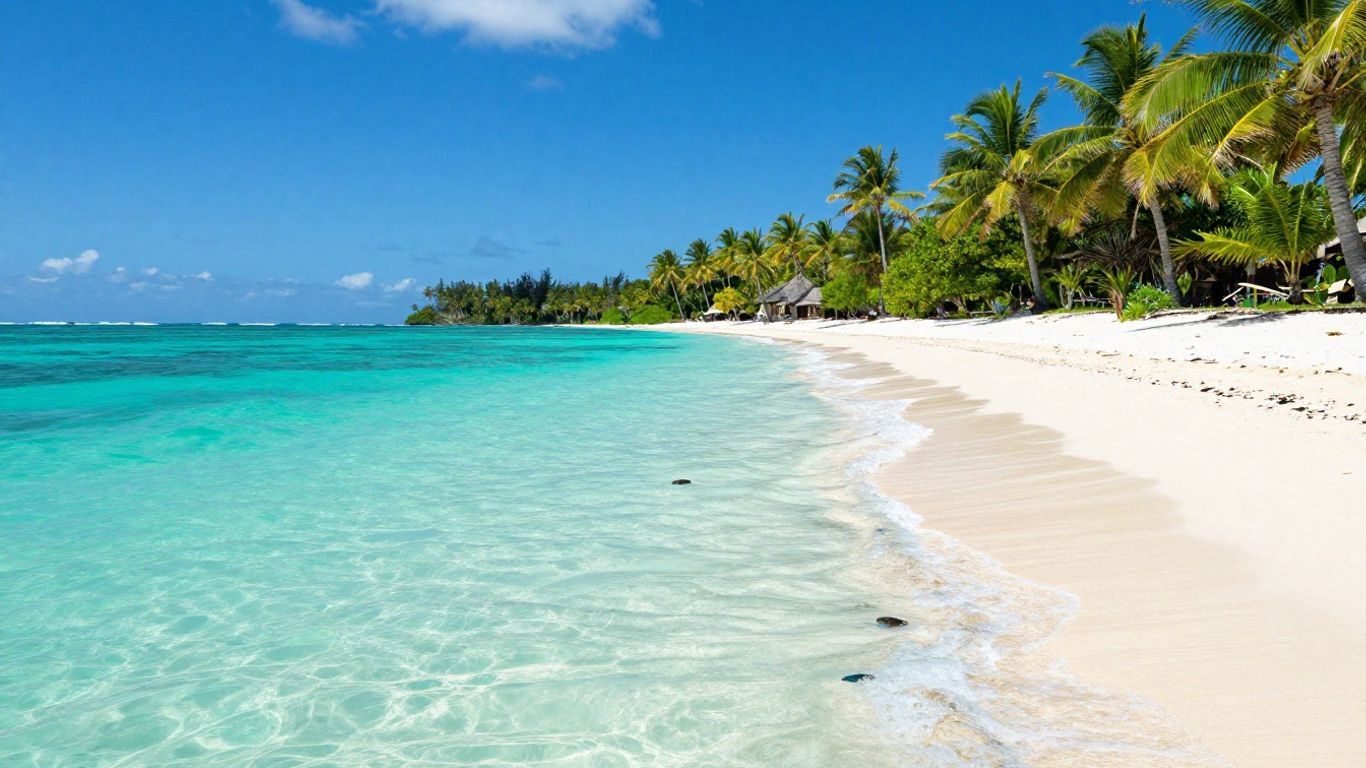
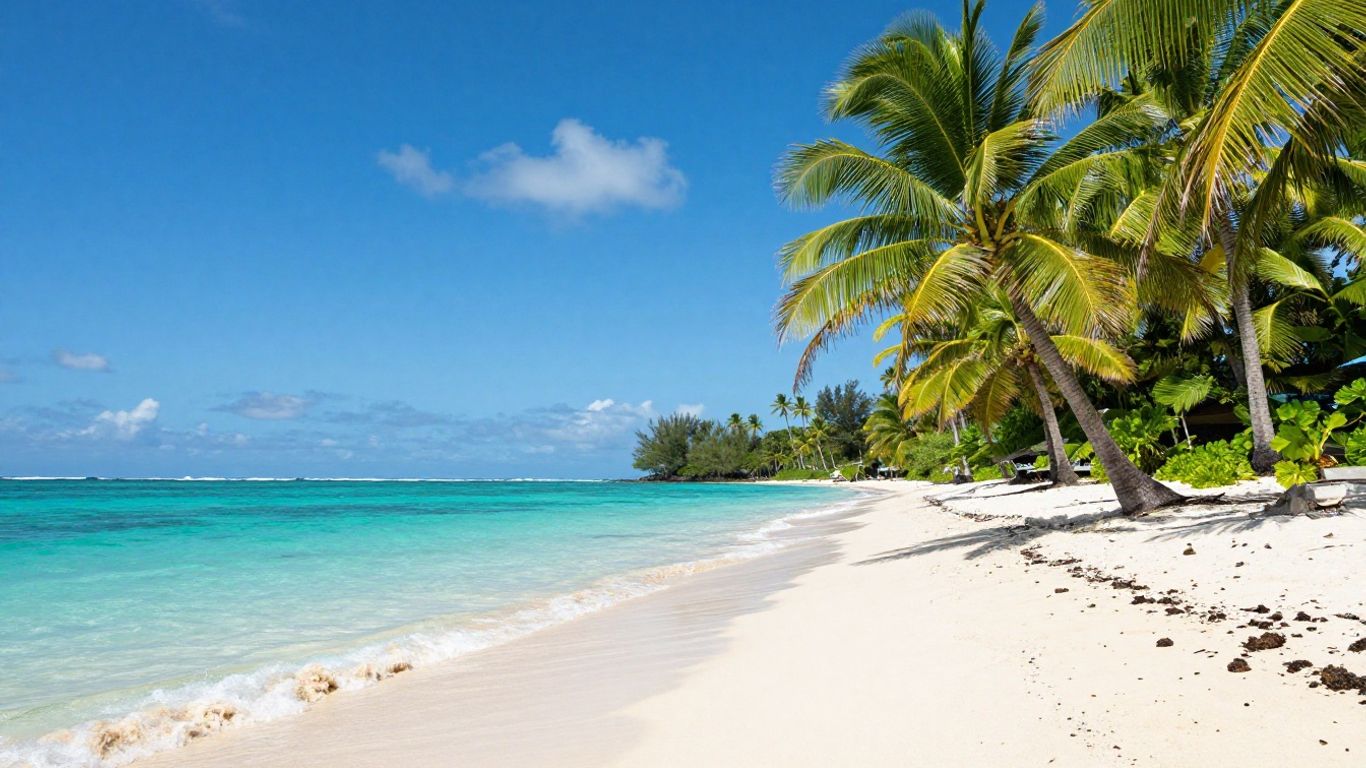
Planning a trip to Fiji can feel a little overwhelming with so many islands to choose from and so much to see. After spending some time there, I’ve picked up a few things that really helped make the trip smoother. It’s all about getting a feel for the local vibe and being prepared. Here are some Fiji planning tips that I wish I’d known from the start, to help you make the most of your island getaway.
Key Takeaways
When picking your islands, think about what you want. Yasawas and Mamanucas are great for beaches, Taveuni for hikes and reefs, and Viti Levu for city life and value. For something unique, check out Beqa for firewalkers or Vanua Levu for diving.
To really get the Fijian feel, skip the big chain hotels. Smaller places and homestays often have local art, offer village trips, and might even invite you for kava. It’s a more personal way to experience the culture.
Don’t rush your visit. A week is good for one or two spots, but if you want to explore more, you’ll lose a lot of time traveling between islands. It’s better to slow down and enjoy a few places deeply.
Pack some bright, colorful clothes. Fijians tend to wear bold patterns and tropical prints, so you’ll fit right in. Just make sure anything you wear to villages or churches covers your shoulders and knees.
Getting around the main islands is easy and cheap. Buses are a good option on Viti Levu, and taxis are available too. Just remember that outside the main islands, options might be more limited.
1. Embrace The Bula Spirit
When you arrive in Fiji, you’ll quickly notice a warm, welcoming vibe. It’s often referred to as the Bula Spirit, and it’s something truly special. You’ll hear Bula! everywhere – it’s the standard greeting, meaning hello, but it carries so much more. It’s an invitation to connect, a sign of genuine hospitality. Fijians are known for their friendliness and are usually very understanding if you’re not quite sure about local customs.
Learning a few basic Fijian phrases can go a long way in showing respect and making your interactions even more enjoyable. Here are a few to get you started:
Bula: Hello
Vinaka: Thank you
Moce: Goodbye (pronounced mo-they’)
Sega na leqa: No worries
If you ask a question and someone raises their eyebrows, it’s their way of saying yes. It might seem a little different at first, but you’ll get used to it. And if you hear a kissing sound in public, don’t be alarmed – it’s often just a way for locals to get someone’s attention.
The genuine warmth of the Fijian people is palpable. It’s not just a saying; it’s a way of life that permeates every interaction, making visitors feel like honored guests rather than just tourists. This spirit is what truly makes Fiji a memorable destination.
Embracing this spirit means being open, friendly, and respectful. It’s about going with the flow and appreciating the kindness you encounter. You’ll find that a smile and a Bula can open doors and lead to some of the most authentic Fiji family experiences you can imagine.
2. Choose Your Islands Wisely
Fiji is made up of over 300 islands, and honestly, they’re not all the same. Picking the right ones for your trip can make a huge difference in what kind of experience you have. If you’re dreaming of those postcard-perfect beaches and crystal-clear waters, you might want to focus on the Mamanuca and Yasawa island groups. They’re pretty accessible from the main island and offer that classic Fijian paradise vibe. The Yasawas, in particular, are known for their untouched beauty and are a great spot for snorkeling and diving.
On the other hand, if you’re more into hiking through lush landscapes or exploring vibrant coral reefs, Taveuni could be your spot. Viti Levu, the largest island, is where you’ll find the capital, Suva, and it’s a good place for budget-friendly resorts and cultural activities. It’s also where most people live, so it has a different feel than the smaller, more remote islands. For something really unique, consider Beqa Island, famous for its firewalkers and shark diving.
Here’s a quick look at some popular island groups:
Yasawa Islands: Pristine waters, white sand beaches, great for island hopping and a more secluded feel. Ideal for those seeking peace and quiet.
Mamanuca Islands: Closer to the main island, offering convenience and luxury resorts. Good for a shorter stay or if you want easy access.
Viti Levu: Home to Suva, offers a mix of city life, cultural experiences, and budget options. It’s the most populated island.
Taveuni: Known as the Garden Island for its waterfalls and lush interior, plus excellent diving spots.
When planning, think about what you want most from your trip. Are you after pure relaxation, adventure, cultural immersion, or a bit of everything? Your priorities will guide you to the islands that best fit your travel style. Don’t be afraid to mix and match if you have enough time, but if you’re short on days, focusing on one or two island groups will give you a more relaxed experience. Explore the best regions for a stay without constant resort changes.
If you’re looking for a truly authentic Fijian experience, smaller resorts and homestays often provide a more intimate connection with the local culture than the larger, international chain hotels. These smaller places might serve traditional Fijian food and even invite you to join in on a kava ceremony. It’s these kinds of interactions that often make a trip unforgettable.
3. Pack Bright, Bold Clothing
When you’re packing for Fiji, think vibrant! Fijians themselves often wear clothing in bright, bold colors, frequently featuring tropical prints or Pacific Island patterns. So, don’t be shy about bringing out those colorful shirts, dresses, and shorts from the back of your closet. A cheerful outfit can easily take you from a casual day at the beach to a nice dinner out.
It’s also practical to pack items that can be worn in various settings. If your clothing covers your shoulders and knees, it’s generally appropriate for visits to local villages or churches, which is a thoughtful way to show respect for local customs.
Here’s a quick guide to what works well:
Brightly colored tops: Think floral patterns, solid brights, or anything with a tropical vibe.
Comfortable shorts or skirts: Knee-length or longer are good for more conservative settings.
Lightweight dresses: Easy to wear and suitable for most occasions.
A light cover-up: Useful for sun protection or for entering villages/churches.
Remember that while Fiji is tropical, evenings can sometimes bring a slight chill, especially if you’re near the water. Packing a light cardigan or wrap is a good idea, even if you’re mostly planning on beachwear during the day.
4. Understand Fiji Time
You’ll hear people talk about Fiji Time’ a lot when you’re planning your trip, and it’s easy to imagine it means everything moves at a snail’s pace. While it’s true that life feels more relaxed here, don’t mistake that for a lack of punctuality, especially when it comes to organized activities. Tours usually kick off right on schedule, and ferries tend to arrive when they’re supposed to. The real essence of Fiji Time’ is more about embracing a laid-back attitude and letting go of the rush you might be used to back home.
It’s about savoring the moments, not rushing through them. Think of it as an invitation to unwind and truly soak in the island atmosphere.
Here’s what you can expect:
Scheduled Transport: Ferries, domestic flights, and organized tours generally stick to their timetables. It’s wise to be at the departure point a little early.
Service Pace: While not everything will be instant, especially in smaller establishments, the service is usually friendly and efficient enough. Don’t expect lightning-fast service everywhere, but it’s rarely frustratingly slow.
Personal Time: The Fiji Time’ vibe is most noticeable in social interactions and personal schedules. People are more likely to go with the flow, and spontaneous gatherings or longer chats are common.
The key is to adjust your own expectations. Instead of getting annoyed if something isn’t immediate, see it as an opportunity to observe, connect, or simply enjoy the scenery. It’s a mindset shift that will make your holiday much more enjoyable.
5. Budget For Meal Packages
When you’re planning your trip to Fiji, it’s really important to think about how you’ll eat. Most resorts, especially on the outer islands, don’t include meals in their room rates. This means you’ll need to factor in the cost of a meal package, or be prepared to pay for each meal separately.
Many islands operate on a set meal plan system because you won’t find shops or many dining options once you’re there. This is how they manage supplies and ensure guests are fed. It’s a good idea to check with your accommodation provider before you book to see what their meal package includes and how much it costs. You don’t want to arrive and be surprised by extra expenses.
Meal packages can vary quite a bit, but you might expect to pay anywhere from $110 to $160 FJD (Fijian Dollars) or more per person, per day. This usually covers breakfast, lunch, and dinner. Some places might offer different tiers, but often it’s a fixed price.
Here’s a general idea of what to expect:
Breakfast: Often a buffet with tropical fruits, cereals, and cooked options.
Lunch: Usually a lighter affair, perhaps a buffet or a set menu with a few choices.
Dinner: Typically the most substantial meal, often a buffet or a plated three-course meal.
It’s worth noting that drinks are usually extra, so budget for those separately too. A local beer might set you back around $9 FJD, and cocktails can be upwards of $20 FJD. If you’re on a tighter budget, consider resorts that might offer more flexibility or look into options on the main island where you might find more local eateries.
Planning ahead for your food costs will save you a lot of stress and help you enjoy your Fijian getaway without any financial surprises. It’s better to know the costs upfront so you can budget accordingly and make the most of your island experience.
6. Stay In Small Resorts Or Homestays
When you’re planning your trip to Fiji, think about where you’ll be staying. While big resorts have their perks, opting for smaller places can really change your experience.
Smaller resorts and homestays often feel more personal. You’ll likely find local art decorating the walls and get chances to join guided trips to nearby villages. The food might be more traditional Fijian, too. After the staff finish their work for the day, they might even invite you to share a bowl of kava, the local drink. It’s these kinds of interactions that make a trip memorable.
Here’s why choosing smaller accommodations can be a great idea:
Authentic Cultural Immersion: You’re more likely to connect with local culture and traditions.
Personalized Service: Staff often have more time to chat and help you with your plans.
Quieter Atmosphere: Escape the hustle and bustle of larger tourist spots.
Support Local Communities: Your money often goes more directly to local families and businesses.
Choosing a smaller resort or a homestay can offer a more genuine glimpse into Fijian life. It’s about experiencing the islands through the eyes of the people who live there, not just as a tourist passing through.
These types of places can be found across many of the islands, from the Yasawas to the Coral Coast. They offer a chance to see a different side of Fiji, one that feels more connected and less commercial. It’s often in these intimate settings that you’ll find the true heart of Fiji.
7. Schedule Outdoor Adventures
Fiji is a paradise for anyone who loves being active outdoors. From exploring vibrant coral reefs to trekking through lush rainforests, there’s something for everyone. It’s a good idea to plan your outdoor activities early in your trip. This way, if the weather doesn’t cooperate on your chosen day, you’ll have time to reschedule without missing out.
Consider these popular options:
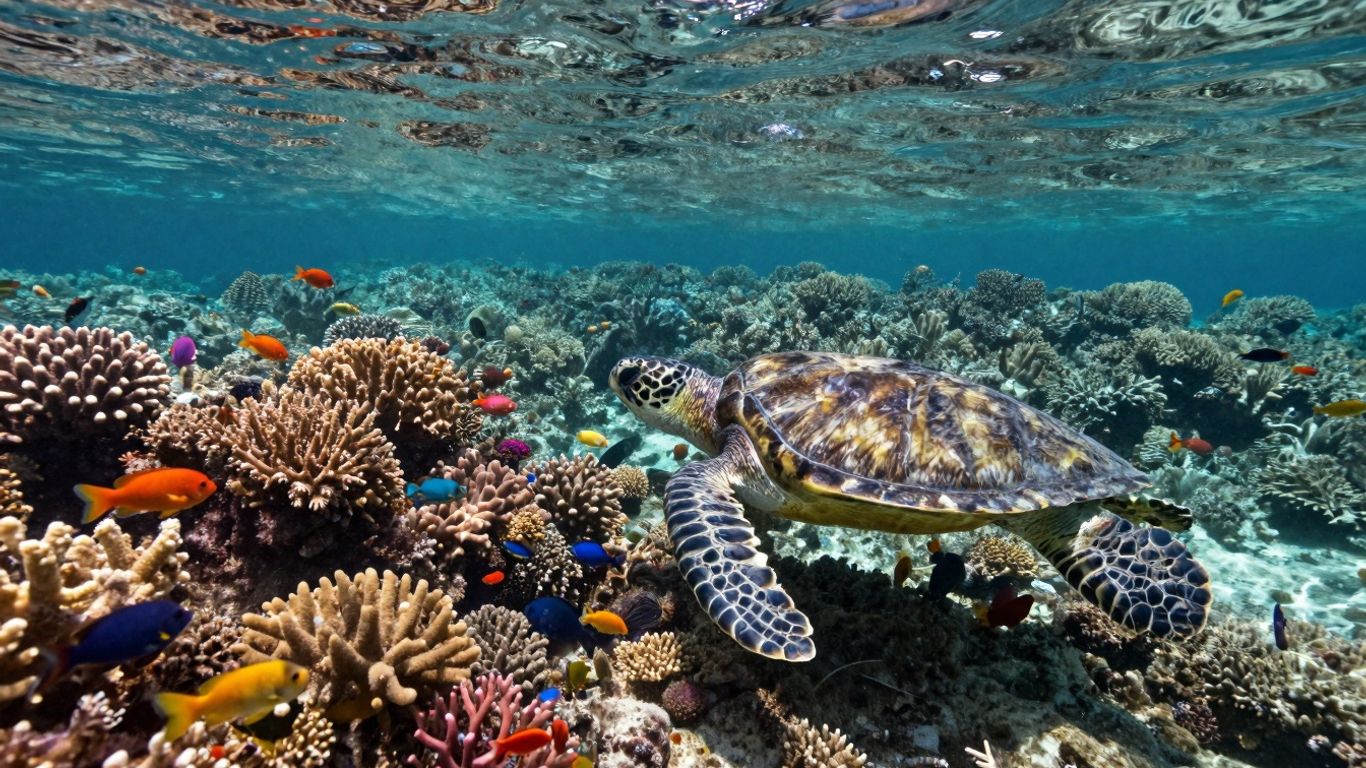
Snorkeling and Diving: The waters around Fiji are teeming with marine life. Visibility is often excellent, especially during the dry season (May to October), allowing you to see colorful fish and coral formations clearly. You can find great spots for this when you’re island hopping in Fiji.
Hiking: Many islands offer trails that lead to stunning viewpoints or hidden waterfalls. The interior of Viti Levu, for example, has some beautiful rainforest hikes.
Kayaking and Paddleboarding: Explore calm lagoons and coastlines at your own pace. This is a fantastic way to discover secluded beaches and enjoy the tropical scenery.
Sailing: Take a day trip or a multi-day cruise to experience the archipelago from the water.
Remember that tropical weather can be unpredictable. While the dry season generally offers more stable conditions, rain showers can still occur. Having a flexible schedule for your adventures will help you make the most of your time in Fiji, no matter what the sky decides to do.
8. Bring A Reusable Water Bottle
Staying hydrated is key when you’re exploring the beautiful islands of Fiji, and one of the simplest yet most impactful things you can do is bring your own reusable water bottle. While many resorts offer filtered water stations, having your own bottle means you can easily refill it throughout the day, whether you’re lounging on the beach, hiking to a waterfall, or exploring a local village. This not only saves you money on purchasing bottled water but also significantly cuts down on plastic waste, which is a big win for the pristine Fijian environment. It’s a small change that makes a big difference.
Many accommodations, like the one mentioned in travel tips for Labasa, provide convenient refill stations. You’ll find these at resorts, and sometimes even at airports. It’s a smart way to stay refreshed without constantly buying single-use plastics. Plus, Fiji’s tap water, while generally safe in major areas like Suva, isn’t always recommended for drinking elsewhere, making a reliable water bottle even more important.
Here’s why it’s a great idea:
Environmental Impact: Reduces plastic pollution in Fiji’s beautiful oceans and landscapes.
Cost Savings: Avoids the expense of buying bottled water repeatedly.
Convenience: Easy access to hydration wherever your adventures take you.
Health: Ensures you’re drinking safe, filtered water when available.
Carrying your own water bottle is a practical step that aligns with responsible tourism. It shows respect for the local environment and contributes to preserving Fiji’s natural beauty for future visitors and residents alike.
So, before you pack your bags, make sure a sturdy, reusable water bottle is on your list. It’s a simple item that will serve you well throughout your entire trip.
9. Consider A Local SIM Card
While many resorts offer Wi-Fi, it can sometimes be spotty or slow, especially if you’re trying to download large files or stream content. Getting a local SIM card upon arrival can be a game-changer for staying connected. It’s usually quite affordable and gives you reliable data access across the islands. Vodafone is often recommended as a good provider. You can typically purchase these at the airport or in major towns. A popular data package might offer a generous amount of data for a reasonable price, which is great for sharing your adventures or staying in touch with folks back home. This can be especially helpful if you plan on doing a lot of island hopping and want to check ferry schedules or local information on the go. It also means you won’t be tethered to your resort’s Wi-Fi for essential communication or navigation.
Where to buy: Nadi International Airport (NAN) or local shops in major towns.
Recommended provider: Vodafone is often cited as having good coverage.
Typical cost: Expect to pay around $70 FJD for a substantial data package, though prices can vary.
Relying solely on resort Wi-Fi can lead to frustration. Having your own data plan ensures you can access maps, communicate with tour operators, and share your experiences without interruption, making your trip smoother and more enjoyable.
10. Learn Basic Fijian Phrases
While many Fijians speak English, making an effort to use a few local words goes a long way. It shows respect and can open doors to warmer interactions.
A simple Bula! (hello) and Vinaka (thank you) will be your most used phrases. They are universally understood and appreciated.
Here are a few more to get you started:
Bula : Hello (use it liberally, it’s the standard greeting)
Vinaka : Thank you
Vinaka vakalevu : Thank you very much
Moce (pronounced mo-they): Goodbye
Sega na leqa : No problem / You’re welcome
Yalo vinaka : Good spirit / Be well
When asking a question and someone raises their eyebrows, it’s their way of saying yes. It might seem a bit unusual at first, but you’ll get used to it. Also, if you hear a kissing sound, it’s often just a way for locals to get someone’s attention, not necessarily a romantic gesture.
Learning even a handful of phrases can significantly enrich your experience. It bridges cultural gaps and makes your interactions more meaningful. Locals often appreciate the effort, and it can lead to more genuine connections.
Don’t worry about perfect pronunciation; the intention behind your words is what truly matters. Locals are generally very understanding and will be happy to help you learn.
11. Travel By Bus Or Taxi
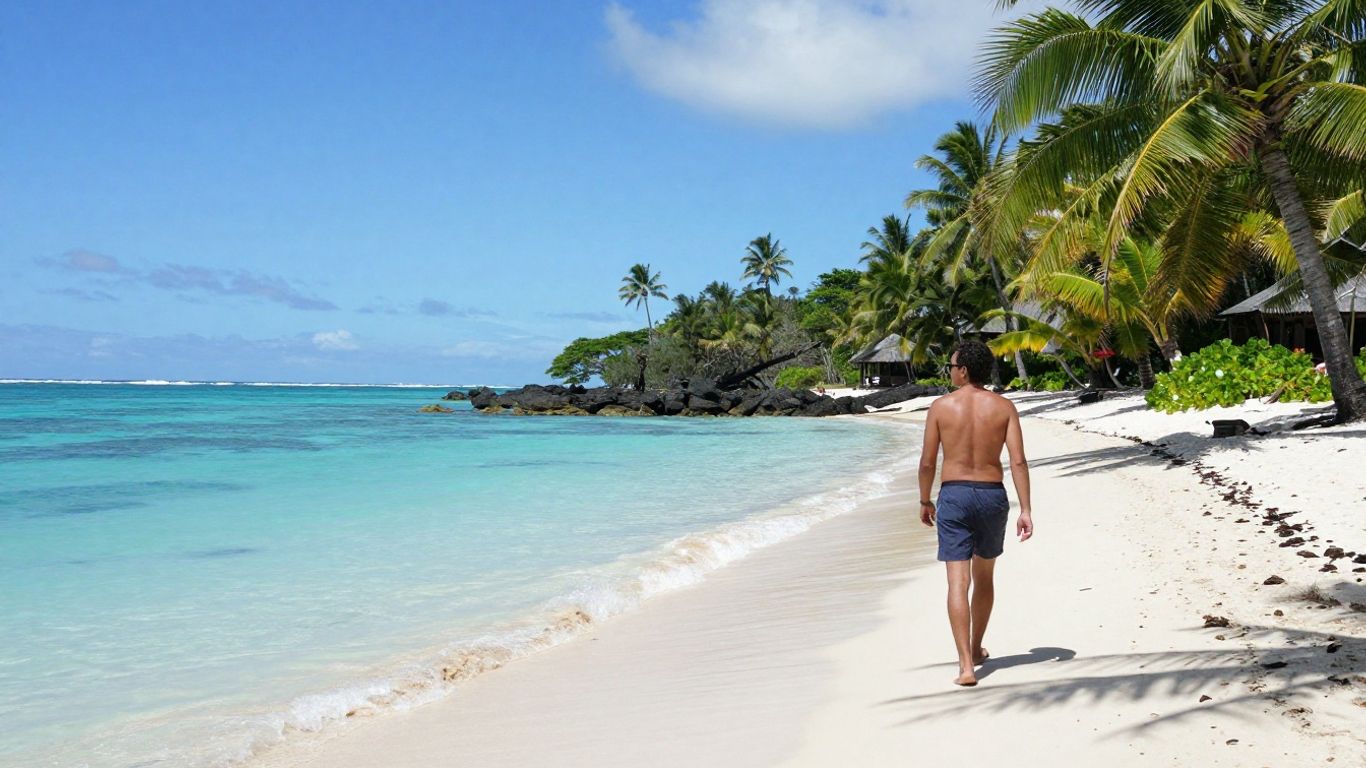
Getting around Fiji’s main islands is pretty straightforward, and you’ve got a couple of good options depending on your budget and where you’re headed. For longer distances on Viti Levu, the main island, buses are a solid choice. The express services between Nadi and Suva are quite comfortable, often air-conditioned, and have space for your luggage. Think of them as a convenient way to cover ground without breaking the bank.
Public buses are even cheaper, but they make a lot more stops and might not have air conditioning, so they’re best for shorter hops or if you’re really looking to save. Taxis are readily available on the larger islands too. They’re usually metered, which helps keep things fair, and they’re great for getting directly to your accommodation or for shorter trips where a bus might be inconvenient.
Buses: Ideal for inter-city travel on Viti Levu, offering express and local routes.
Taxis: Convenient for shorter distances and direct transfers on larger islands.
Metered Fares: Generally available for taxis, providing a predictable cost.
While taxis are a good option for convenience, remember they are primarily found on the main islands. If you’re heading to smaller, outer islands, your transport options will likely shift to resort transfers or local boats. Always confirm taxi availability and pricing before you set off, especially if you’re traveling late at night or to a more remote area.
12. Be Aware Of Tap Water Safety
When you’re packing for Fiji, it’s a good idea to think about what you’ll drink. While the tap water in Suva, the capital, is generally considered safe, it’s a different story in many other places. Most hotels will offer filtered water, but it’s wise to be prepared.
It’s best to assume that tap water is not safe to drink outside of major hotels or the capital city. This is a common situation in many tropical destinations, and Fiji is no exception. To stay hydrated and healthy, consider these options:
Bring a reusable water bottle: This is not only good for the environment but also for your wallet. You can refill it at your accommodation.
Carry a water filter: A portable filter, like a LifeStraw, can give you peace of mind if you plan on exploring more remote areas.
Purchase bottled water: While convenient, this can add up and create plastic waste. Look for local brands if possible.
Staying hydrated is key to enjoying your Fijian adventure. Always err on the side of caution when it comes to drinking water, especially if you’re venturing off the beaten path. Your stomach will thank you!
Many travelers find that bringing their own water bottle and refilling it is the most practical approach. You can find great deals on Fiji’s hidden beaches and enjoy the pristine environment, but remember to pack smart for your hydration needs.
13. Exercise City Night Safety
When you’re exploring Fiji’s towns and cities after the sun goes down, it’s smart to keep a few things in mind, just like you would anywhere else. While Fiji is generally a safe place for travelers, being aware of your surroundings is always a good idea.
Keep valuables out of sight. Don’t flash expensive items like cameras or jewelry. Tuck them away when you’re not actively using them.
Stick to well-lit areas. Try to stay on main streets and avoid dimly lit or deserted spots, especially when walking alone.
Travel in groups when possible. There’s safety in numbers. If you’re heading out for the evening, try to go with friends or other travelers from your accommodation.
Be mindful of your alcohol intake. Enjoying a drink is part of the fun, but overdoing it can make you a more vulnerable target. Know your limits.
While crime against tourists is rare and usually involves petty theft, it’s best to be cautious. Areas around bars in Nadi and Suva can sometimes attract trouble in the late hours, so extra care is advised there.
If you ever need help, you can dial 911 for emergencies or 917 for police services. On the outer islands, your best bet is to reach out to your resort staff or the village chief, known as the turaga ni koro .
14. Respect Local Customs
Fiji is a place where traditions run deep, and showing respect for local customs will go a long way in making your visit a memorable one. It’s not just about politeness; it’s about acknowledging and appreciating the iTaukei culture, the indigenous heritage that shapes daily life. When you visit a village, it’s customary to bring a small gift, known as a sevusevu. Traditionally, this is kava root, but other thoughtful items are also appreciated. This gesture is a sign of respect and goodwill before you even begin your visit.
When entering someone’s home or a village meeting place, always remove your shoes. It’s a simple act that shows you recognize and respect their space. Also, be mindful of what you wear, especially when visiting villages or attending church. Covering your shoulders and knees is generally a good rule of thumb. Think of it as dressing for a respectful occasion.
Here are a few key things to keep in mind:
The Bula greeting: This is more than just a hello ; it’s a warm welcome that embodies the Fijian spirit. Respond with Bula and a smile.
Head is sacred: Avoid touching someone’s head, even playfully. It’s considered the highest part of the body and is treated with reverence.
Modest dress: While beachwear is fine for the resorts, dress more conservatively when exploring towns or visiting villages. A sulu (a wrap-around skirt) for men and women is common and appropriate.
Fijians are known for their incredible hospitality, and they understand that visitors may not be familiar with all their customs. Don’t be afraid to ask if you’re unsure about something. Most people are happy to explain and guide you, making your interactions smoother and more meaningful.
If you’re invited to participate in a kava ceremony, it’s a significant cultural experience. Observe how others participate and follow their lead. It’s a chance to connect with the community on a deeper level. Understanding these nuances will not only prevent any unintentional missteps but will also enrich your Fijian cultural experience .
15. Attend A Rugby Match
If you want to see Fijians truly come alive, find a local rugby match. Seriously, this sport is practically a religion here. You’ll see pitches buzzing with activity on any given weekend, and even if you’re not a huge sports fan, it’s an experience you won’t want to miss. It’s a fantastic way to connect with locals and get a feel for the island’s vibrant culture.
Attending a rugby game offers a unique glimpse into Fijian life. It’s more than just a game; it’s a social event, a community gathering, and a display of national pride. You’ll witness incredible athleticism and a passion for the sport that’s infectious.
Here’s what you can expect:
The Atmosphere: Expect a lively crowd, cheering, singing, and a general sense of excitement. It’s a family-friendly environment, so don’t be surprised to see people of all ages enjoying the game.
The Skill: Fijian rugby players are known for their speed, agility, and powerful play. Even if you don’t follow the rules closely, the sheer talent on display is impressive.
Local Interaction: Striking up a conversation about the game is an easy way to make new friends. Locals are usually happy to share their knowledge and enthusiasm for their team.
Don’t worry if you don’t know the rules inside out. The energy of the crowd and the skill of the players are captivating enough. Just soak it all in and enjoy the spectacle. It’s a chance to see a different side of Fiji, away from the beaches and resorts.
If you can’t make it to a live match, many local bars and pubs will be showing games. Grabbing a cold drink and watching with locals is another great way to experience the rugby fever.
16. Plan For Island Hopping Logistics
Thinking about visiting multiple islands in Fiji? It’s a fantastic idea, but it requires some careful planning to make sure you don’t spend all your time in transit. The key is to group islands geographically to minimize travel time between them.
When you’re looking at different island groups, consider how you’ll get from one to the next. The Mamanuca and Yasawa Islands are popular for a reason, and there are regular ferry services connecting them. If you’re venturing further afield, you might need to look at smaller boats or even domestic flights, which can add to the cost and complexity.
Here are a few things to keep in mind:
Ferry Schedules: Check the ferry timetables in advance, especially if you’re traveling during peak season. Some routes might not run daily.
Transfer Times: Factor in the time it takes to get to and from the ferry terminals or airports, plus check-in procedures.
Island Groupings: Try to visit islands that are close to each other. For example, spending time in the Mamanucas and then hopping to the Yasawas makes more sense than trying to visit Taveuni and then heading to the Coral Coast.
Traveling between islands can eat up a significant portion of your day. It’s better to spend a little extra time researching routes and booking transfers ahead of time to maximize your island enjoyment. Consider looking into all-inclusive packages that might bundle some of these transfers.
Don’t underestimate how much time travel can take. A short hop might seem quick on a map, but when you add up getting to the dock, waiting, the journey itself, and then getting to your new accommodation, it can easily be half a day. Planning your island hopping logistics thoughtfully will make your trip much more relaxed and enjoyable.
17. Allow At Least A Week For Your Trip
When planning your Fijian getaway, resist the urge to cram too much into a short period. A minimum of seven days is highly recommended to truly soak in the island atmosphere and avoid feeling rushed. Fiji is a destination that rewards a slower pace, allowing you to connect with its natural beauty and vibrant culture.
Island hopping, while a fantastic way to see different parts of Fiji, involves travel time. Each transfer between islands can consume a significant portion of a day, meaning you lose valuable vacation hours. If your goal is to explore multiple island groups, extending your stay beyond a week becomes increasingly beneficial. For instance, a trip focused on the Mamanuca and Yasawa Islands might require at least five to six days on its own to properly enjoy the beaches and activities without feeling like you’re constantly on the move.
Consider this breakdown for a week-long trip:
Days 1-2: Arrive, settle into your accommodation, and begin exploring your immediate surroundings. This might include a local village visit or a short boat trip.
Days 3-5: Dedicate these days to island hopping or exploring a specific region. Engage in water sports, relax on the beaches, or take a guided tour.
Days 6-7: Enjoy a more relaxed pace, revisit favorite spots, or engage in activities you missed. This is also time for souvenir shopping and preparing for departure.
If you’re considering a more in-depth experience, perhaps involving diving or exploring the interior of Viti Levu, you’ll want to allocate even more time. Fiji offers a compelling destination for mid-range and luxury travelers seeking an unforgettable vacation. The islands boast exquisite accommodations, from private villas to boutique resorts, ensuring comfort and exclusivity. Beyond the stunning beaches and turquoise waters, Fiji provides unique cultural experiences, thrilling water sports, and world-class dining, making it a worthwhile choice for those desiring a premium tropical escape. Trying to see too much in too little time can detract from the very relaxation and immersion you likely came for.
Rushing through Fiji means you might miss the subtle magic – the quiet moments on a secluded beach, the genuine smiles of the locals, or the breathtaking sunset that unfolds slowly over the horizon. It’s better to fully experience a few places than to superficially glimpse many.
18. Research Private Island Resorts
If you’re looking to truly get away from it all, Fiji’s private island resorts offer an unparalleled level of seclusion and luxury. These exclusive getaways are perfect for those seeking a tranquil escape, often catering to a limited number of guests for a more intimate experience. Imagine waking up to the sound of gentle waves, with nothing but pristine beaches and turquoise waters stretching before you. Many of these resorts provide personalized service, ensuring your every need is met.
When considering a private island, think about what kind of atmosphere you’re after. Some are designed for ultimate romance, while others are more family-oriented or cater to adventure seekers. It’s worth looking into what activities are available, whether it’s world-class snorkeling, hiking through lush interiors, or simply relaxing by your private plunge pool. The Mamanuca and Yasawa island groups are particularly known for their stunning private island options, each offering a unique slice of paradise.
Here are a few things to keep in mind:
Location: Proximity to the main island (Viti Levu) can affect travel time and cost. Some are a short boat or helicopter ride away, while others require a longer journey.
Accommodation Style: Options range from luxurious overwater bungalows to secluded beachfront villas.
Inclusions: Many private resorts offer all-inclusive packages, which can simplify budgeting and provide a hassle-free experience.
Exclusivity: Some islands are designed for just a handful of couples, offering ultimate privacy.
Booking a private island resort is a significant investment, but for many, it’s the pinnacle of a Fijian holiday. It’s about disconnecting from the everyday and immersing yourself in a truly special environment. Researching different islands and what they offer will help you find the perfect fit for your dream getaway.
For a truly exclusive experience, consider places like Kokomo Private Island Fiji , which promises a high-end escape with beautiful surroundings and top-notch service.
19. Experience Kava Ceremonies
Participating in a kava ceremony is a really special way to connect with Fijian culture. It’s more than just drinking a beverage; it’s a ritual that’s been part of village life for ages. When you’re invited to one, it’s usually a sign of respect and welcome.
Here’s a bit about what to expect:
The Gift: Traditionally, you’ll bring a gift, often kava root (yaqona), to the village chief. This is called a sevusevu’.
The Setting: Ceremonies often happen in a village hall or a chief’s home. You’ll typically remove your shoes before entering.
The Drink: Kava is made from a pepper plant root mixed with water. It’s served in a coconut shell cup, called a bilo’.
The Etiquette: It’s polite to accept the first cup offered. Your host will guide you on the specific customs, like clapping or saying bula’ after drinking. Don’t worry if you’re unsure; just watch what others do or ask.
The taste is earthy and a bit numbing for your mouth, which is totally normal. It’s a communal experience, meant to be shared and enjoyed. It’s a chance to sit, talk, and really feel the warmth of Fijian hospitality. You might feel a bit relaxed afterwards, but it’s not intoxicating in the way alcohol is.
Remember that kava ceremonies are deeply rooted in tradition. Showing respect for the customs and the people involved is key to a meaningful experience. It’s a genuine glimpse into the heart of Fijian community life.
While kava is a significant part of ceremonies, you might also witness traditional dances or hear stories. It’s a holistic cultural immersion. If you’re visiting a village, asking your guide or host about participating in a kava ceremony is a great way to arrange it.
20. Visit Local Villages
Stepping into a Fijian village offers a genuine glimpse into the heart of the islands’ culture. It’s a chance to see daily life unfold and connect with the people who call Fiji home. Remember to always approach these visits with respect and an open mind.
When you plan to visit a village, it’s customary to bring a small gift, known as a sevusevu’. Traditionally, this is kava root, but other thoughtful items are also appreciated. This gesture shows your respect for the community and their traditions. Upon arrival, you’ll likely be asked to remove your shoes before entering homes or community spaces. Dress modestly, covering your shoulders and knees, and consider wearing a sulu (a traditional wrap-around cloth) if you have one.
Here are a few things to keep in mind:
Gift Giving: Always bring a sevusevu. It’s a sign of respect and a way to be welcomed.
Attire: Modest clothing is key. Cover your shoulders and knees. A sulu is a great option.
Respectful Demeanor: Be polite, listen more than you speak, and ask permission before taking photos.
Kava Ceremonies: If invited to a kava ceremony, follow the lead of your hosts. It’s a significant cultural ritual.
Engaging with village life provides an unparalleled opportunity to understand Fijian customs and hospitality firsthand. It’s more than just sightseeing; it’s about experiencing a way of life that has been preserved for generations.
21. Consider Eco-Adventure Resorts
If you’re looking for a trip that combines stunning natural beauty with a bit of excitement and a focus on sustainability, then eco-adventure resorts in Fiji are definitely worth a look. These places are often tucked away in really beautiful spots, think lush rainforests or along pristine coastlines, and they really try to work with the environment rather than against it.
You’ll find that many of these resorts offer a fantastic way to experience Fiji’s wild side. They’re not just about relaxing on the beach, though you can certainly do that too. Instead, they focus on activities that let you explore the incredible landscapes. This could mean guided hikes through dense jungles to discover hidden waterfalls, kayaking through mangrove forests, or even zip-lining through the canopy for a bird’s-eye view. It’s a great way to get active and see parts of Fiji you might otherwise miss.
Here are some things you might find at an eco-adventure resort:
Guided nature walks to learn about local flora and fauna.
Opportunities for kayaking or paddleboarding in calm bays.
Cultural interactions with local communities.
Sustainable practices like rainwater harvesting and solar power.
Choosing an eco-resort often means you’re supporting businesses that are committed to preserving Fiji’s natural wonders for future generations. It’s a way to travel more responsibly while still having an amazing time.
Many of these resorts are located in areas like the Coral Coast or on islands like Taveuni, known for its rainforests and waterfalls. You can find places that offer a real sense of getting away from it all, providing a peaceful base for your adventures. If you’re interested in exploring the natural wonders of Fiji, looking into rainforest eco-lodges could be a great starting point for your planning.
22. Check Dive Visibility
When planning your underwater adventures in Fiji, it’s smart to think about when you’ll get the clearest views. The best time for seeing underwater is generally during the dry season, which runs from May to October. During these months, the weather tends to be sunnier with less rain and lower humidity, which really helps with water clarity. This period often provides visibility that can exceed 30 meters , making it perfect for spotting all sorts of marine life and colorful coral.
Water clarity can change depending on a few things:
Rainfall: Heavy rains can stir up sediment, reducing visibility.
Location: Areas closer to river mouths or with more boat traffic might have less clear water.
Time of Year: The wet season (November to April) can bring more rain and thus, potentially lower visibility.
If you’re heading to places like the Mamanuca or Yasawa Islands, or the famous Somosomo Strait near Taveuni, checking the typical conditions for your travel dates is a good idea. While peak season (July and August) offers great weather, it also means more people. Shoulder months like April, May, or November can still offer good visibility with fewer crowds. Planning your trip around these factors can help you make the most of Fiji’s incredible underwater world.
Remember that even outside the peak dry season, Fiji’s waters can still be quite clear, especially in more remote locations. Don’t let a slightly less-than-perfect forecast deter you entirely, as conditions can change quickly and many spots remain stunning regardless.
For those keen on exploring the Great Astrolabe Reef off Kadavu Island, known for its pristine condition, visibility is often excellent year-round, though it’s still best during the drier months. Planning your underwater excursions for the earlier part of your trip also gives you a buffer if weather conditions aren’t ideal on a particular day, allowing for rescheduling.
23. Book Accommodation In Advance
When planning your trip to Fiji, especially if you’re aiming for a specific resort or a popular island, it’s a really good idea to book your accommodation ahead of time. Fiji is a sought-after destination, and the best spots, particularly those offering unique experiences or prime locations, tend to fill up quickly. This is especially true if you’re traveling during peak seasons or planning a special occasion like a honeymoon.
Securing your lodging early not only guarantees your preferred stay but also often allows you to take advantage of early bird discounts or special packages.
Here’s why booking in advance is a smart move:
Availability: Popular resorts, especially smaller, intimate ones or those on more remote islands, have limited capacity. Booking early ensures you don’t miss out.
Better Rates: Many accommodations offer lower prices for bookings made well in advance. This can significantly impact your overall travel budget.
Peace of Mind: Knowing your accommodation is sorted allows you to focus on other aspects of your trip, like planning activities or packing.
Special Requests: Booking early gives you more time to communicate any special needs or requests to your chosen resort, such as dietary requirements or room preferences.
While spontaneity can be fun, Fiji’s unique island resorts, from eco-lodges to luxury private retreats, are best experienced when you’ve secured your spot. This is particularly true for those seeking a truly authentic experience or planning a special getaway, like a Fiji honeymoon.
Consider the type of experience you’re after. If you’re dreaming of a secluded beach bungalow or a resort known for its specific activities, research and book it. This proactive approach will help make your Fijian adventure smooth and stress-free.
24. Understand Alcohol Costs
When you’re planning your Fiji getaway, it’s a good idea to get a handle on what you’ll be spending on drinks. Many resorts, especially those on the outer islands, don’t include beverages in their package prices. This means you’ll likely be paying extra for everything from a local beer to a fancy cocktail.
Prices can add up pretty quickly. For instance, a Fiji Gold beer might set you back around $9 FJD, while a cocktail could easily be $23 FJD. It’s not uncommon for meal packages themselves to range from $110 to $160 FJD per person per day, and that usually doesn’t cover drinks. Since you won’t find shops on most islands, it’s wise to budget for these expenses upfront. Factor in a daily allowance for drinks to avoid any surprises.
Here’s a general idea of what you might expect:
Local Beer: $8 – $10 FJD
Imported Beer: $10 – $15 FJD
Cocktails: $18 – $25 FJD
Wine (glass): $12 – $18 FJD
Some places might offer drink packages, but these aren’t always available or cost-effective. It’s worth checking with your accommodation provider about their specific policies and pricing before you arrive. If you’re looking for a more budget-friendly experience, consider staying at places that might have more inclusive options or plan to bring some duty-free spirits if regulations allow, though this is often restricted on island resorts. Planning your budget for drinks is just another part of preparing for a fantastic Fiji vacation experience.
25. Seek Help From Village Chiefs
When you’re exploring Fiji, especially if you venture off the beaten path or need assistance on one of the outer islands, don’t hesitate to connect with the local village chief, known as the turaga ni koro’. These leaders are central figures in Fijian communities and can be incredibly helpful. They often act as a point of contact for visitors, offering guidance, insights into local customs, and sometimes even permission to access certain areas for hiking or cultural experiences.
Approaching the village chief with respect is key to a positive interaction. It’s customary to bring a small gift, often kava root (yaqona), as part of a sevusevu’ when you first meet them or enter the village. This gesture shows respect for their position and the community. The chief can provide information on local traditions, help mediate any misunderstandings, and generally ensure your visit is welcomed and smooth. They are the custodians of their community’s heritage and can offer a unique perspective you won’t find in guidebooks.
If you find yourself in a situation where you need help on an outer island and can’t easily reach police services, the turaga ni koro is the person to turn to. They are deeply connected to their community and can offer support or direct you to the right resources. Think of them as a local authority and a welcoming ambassador for their village.
Remember that villages are the heart of Fijian culture. Engaging respectfully with the turaga ni koro is not just about seeking help; it’s about participating in the local way of life and showing appreciation for the community’s traditions. This interaction can be one of the most memorable parts of your trip, offering a genuine glimpse into Fijian society.
For those planning to explore beyond the main tourist hubs, understanding this role is particularly useful. For instance, if you’re visiting areas like Viti Levu , while it has more developed infrastructure, the principles of respecting local leadership remain important, especially when venturing into more rural or traditional settings.
Ready for Your Fijian Adventure?
So, you’ve got the lowdown on making your trip to Fiji truly special. From picking the right island that calls to you, to packing those bright, happy clothes and understanding a bit of the local way, you’re all set. Remember, Fiji is about slowing down, soaking it all in, and connecting with the warm spirit of the islands and its people. Don’t stress too much about getting everything perfect; the Bula! spirit will welcome you no matter what. Go with an open heart, a curious mind, and get ready to create some unforgettable memories in this little slice of paradise. Vinaka!
What does Bula’ mean and why is it important in Fiji?
Bula’ is the Fijian word for hello, and it’s used all the time! It’s a warm greeting that shows the friendly nature of the Fijian people. You’ll hear it everywhere, and using it back will make you feel right at home.
Should I choose specific islands to visit in Fiji?
Yes, definitely! Fiji has over 300 islands, and they’re all different. If you love beaches, check out the Yasawa or Mamanuca islands. For cool hikes and colorful coral, Taveuni is great. The main island, Viti Levu, has the capital city and lots of activities.
What kind of clothes should I pack for Fiji?
Pack bright and colorful clothes! Fijians love bold patterns and tropical prints. Think flowy dresses, fun shirts, and sandals. If your outfit covers your shoulders and knees, it’s also good for visiting villages or churches.
What is Fiji Time’?
People say Fiji Time’ to mean things move at a more relaxed pace. Don’t expect everything to happen instantly. It’s more about chilling out and enjoying your vacation without rushing.
Do I need to book meal packages for my stay?
Often, yes. Many islands don’t have shops, so resorts provide meals. Check if your accommodation includes a meal plan, as these can add to your costs. They usually cost around $110 to $160 FJD per person per day.
Is it better to stay in big hotels or smaller places?
For a more authentic Fijian experience, smaller resorts or homestays are usually better. They often have local art, offer village tours, and you might even get invited to try kava with the staff.
Can I drink the tap water in Fiji?
It’s best not to drink tap water unless you’re in Suva or your hotel specifically says it’s okay. It’s safer to bring your own reusable water bottle and refill it with filtered water provided by resorts, or buy bottled water.
How should I get around Fiji?
On the main islands like Viti Levu, buses are a cheap way to travel. Taxis are also available and usually affordable. For hopping between islands, you’ll likely use ferries or small planes.