Thinking about seeing some manta rays in Fiji? It’s pretty amazing to watch these big, graceful creatures glide through the water. Fiji has some really good spots for this, especially during certain times of the year. If you’re planning a trip and want to make sure you get to experience Fiji manta ray tours, here’s a rundown of some of the best places to check out. It’s a unique experience you won’t forget.
Key Takeaways
The best time to see manta rays in Fiji is generally from May to October when they come to feed.
The Yasawa Islands, particularly Manta Ray Passage, are a top spot for encounters.
Other great locations include Kadavu and Vanua Levu, with specific reefs and islands known for sightings.
Many resorts offer dedicated Fiji manta ray tours, making it easier to plan your visit.
Manta rays are protected in Fiji, so always follow guide instructions for respectful viewing.
1. Manta Ray Passage
If you’re dreaming of swimming with manta rays in Fiji, Manta Ray Passage is a spot you absolutely need to know about. Located in the Yasawa Islands, this narrow channel sits between Drawaqa and Naviti islands. It’s a bit of a natural wonder, especially between May and October. During these months, the tides push plankton right through this passage, and guess who shows up to feast? Yep, the magnificent manta rays.
It’s pretty common for them to visit daily when the season is right, usually around high tide. You might hear a traditional Fijian drum, a lali’, being beaten to let everyone know the rays have arrived. It’s a signal to get ready for an incredible encounter. While resorts right on the doorstep, like Barefoot Manta and Mantaray Island Resort, have the easiest access, other places in the Yasawas also run trips here.
The best time to visit Manta Ray Passage is between May and October.
Here’s what you can expect:
Gentle Giants: Manta rays are huge, some reaching up to 5.5 meters (18 feet) across, but they are completely harmless. They don’t have teeth and are filter feeders, meaning they just scoop up tiny plankton. They’re naturally curious and generally peaceful.
Respectful Encounters: Guides will brief you on how to behave. The key is to let the mantas come to you. Avoid sudden movements, loud noises, or getting too close. The goal is to observe them without disturbing their natural behavior.
Identification: Just like people have fingerprints, each manta ray has a unique pattern on its belly. Researchers use these patterns to identify individuals and track populations. You might even see some familiar faces like Duck’ or Darius’ if you’re lucky!
Remember, manta rays are a protected species in Fiji. Your visit contributes to conservation efforts, so always follow your guide’s instructions and prioritize the well-being of these amazing creatures.
2. Yasawa Islands
The Yasawa Islands are a chain of about 30 islands, and they’re a really popular spot for seeing manta rays in Fiji. If you’re looking for a good chance to swim with these amazing creatures, this is definitely a place to consider. The main attraction here is what people call the Manta Ray Passage,’ which is a channel between Drawaqa and Naviti islands.
During the manta ray season, which typically runs from May to October, plankton gets pushed through this narrow passage. This attracts the manta rays, and they come here to feed. It’s quite a sight! The best time to catch them is usually during high tide when the plankton is most abundant.
Here’s what you can expect:
Best Season: May to October, especially around high tide.
Location: Manta Ray Passage, between Drawaqa and Naviti Islands.
What to Do: Snorkel or sometimes scuba dive to observe the rays.
It’s important to remember that manta rays are protected in Fiji, so you’ll need to go with a guided tour. Several resorts in the Yasawas offer trips to the passage. Some are right nearby, like Barefoot Manta Resort and Mantaray Island Resort, while others might be a bit further but still arrange excursions. It’s a good idea to plan for at least a three-day stay if you’re basing yourself here, just to increase your chances of a sighting, as they don’t show up every single day.
While manta rays are huge, they are incredibly gentle and harmless filter feeders. They don’t have teeth or barbs, and their nature is quite curious. Observing them glide through the water is a truly peaceful experience.
Many tours depart from Port Denarau on the main island, Viti Levu, and travel by high-speed catamaran. This makes it accessible even if you’re not staying directly in the Yasawas for your entire trip. You can find day trips that take you out for a few hours to snorkel with these magnificent animals. It’s a fantastic way to experience Fiji’s marine life, and a trip to the Yasawa Islands can be a highlight of any Fiji honeymoon .
3. Barefoot Manta Resort
Barefoot Manta Resort stands out as one of Fiji’s most accessible and memorable spots to swim with manta rays. It sits right next to a channel where these huge rays show up almost daily between May and October, thanks to a tide of plankton-rich water funneling through the area. Within minutes of a manta sighting, you could be gearing up and heading out on a short 1-minute boat ride to the feeding grounds.
Every day begins with a quick briefing at the Marine Science Center. Here, guides walk through what to expect and lay out the rules—no touching, keep a calm distance, and follow instructions while in the water. You’ll be grouped with up to five others per guide, using supplied snorkeling equipment. The water can have strong currents, so you’re never left on your own, and the minimum age for swimming with mantas is eight.
Here’s how a typical experience goes at Barefoot Manta Resort:
Attend a mandatory morning briefing at the Science Center
Pick your time and day for a session, book with staff
Meet your guide, get your gear, and head out by boat (around 300 meters)
Spend up to an hour in the water with the manta rays if sightings allow
Pricing information for the guided activity:
One thing to know: the rays you see here are identified and monitored by the local conservation team, so there’s a real sense of connection to these individuals. Regular visitors have names and unique patterns that staff will tell you about. The mantas are harmless filter-feeders, with no teeth or dangerous barbs—so the swim is not only spectacular but safe.
Many guests say the thrill of being so close to such massive, graceful animals is nothing short of life-changing—especially with the lush coral and tropical fish everywhere you look. Even if the mantas don’t show up, the reef alone is reason enough to jump in.
4. Mantaray Island Resort
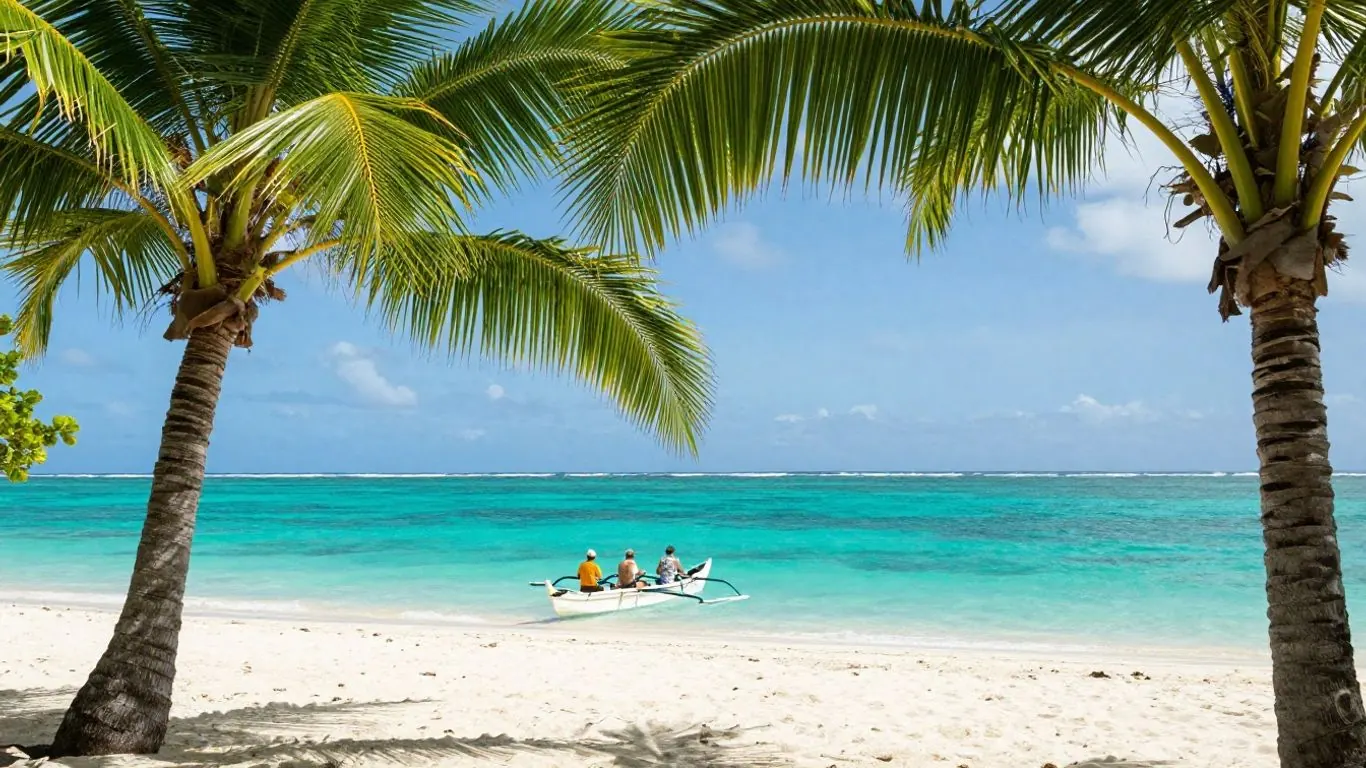
Mantaray Island Resort is another fantastic spot in the Yasawa Islands, perfectly positioned for those eager to witness manta rays. It’s located on Nanuya Balavu Island, just a stone’s throw from the famous Manta Ray Passage,’ a channel where these gentle giants frequently gather to feed, especially between May and October. The resort itself offers a unique stay, with options like treehouse’ bures that give you a real sense of being immersed in the island’s natural beauty.
Getting to Mantaray Island Resort is straightforward. Like its neighbor Barefoot Manta Resort, it’s accessible via the South Sea Cruises high-speed catamaran departing from Port Denarau in Nadi. This makes it a convenient choice for many travelers. The resort actively facilitates manta ray encounters, often organizing trips to the nearby passage. Their proximity to the manta feeding grounds means you can often be in the water with these magnificent creatures within minutes of a sighting.
While sightings are common during the season, it’s always good to remember these are wild animals. The resort, along with others in the Yasawas, works with initiatives like the Manta Project Fiji, which helps monitor and protect these animals. This means your visit contributes to conservation efforts.
Here’s a quick look at what you might expect:
Location: Nanuya Balavu Island, Yasawa Islands.
Manta Season: Typically May to October.
Proximity to Manta Ray Passage: Very close, making for quick access.
Accommodation: Various bures, including unique treehouse’ style options.
Access: High-speed catamaran from Port Denarau.
The resort’s focus on providing an authentic island experience, combined with its prime location for manta ray viewing, makes it a compelling choice for anyone looking to swim with these incredible animals in Fiji. It’s a place where you can truly connect with the marine environment.
5. Manta Reef
Manta Reef, located near the Great Astrolabe Reef in the Kadavu Islands, is another prime spot for encountering these magnificent creatures. This submerged feeding ground is rich in nutrients, making it a regular hangout for manta rays, especially between May and September. It’s a fantastic location for both snorkeling and scuba diving, offering a chance to see mantas up close as they feed.
The Manta Project Fiji plays a significant role here, working with local communities and resorts to monitor and protect the manta ray population. Researchers identify individual rays, observe their behavior, and guide visitors on respectful interactions. This collaborative effort helps ensure the long-term health of these gentle giants and their habitat.
When visiting Manta Reef, remember that these are wild animals. Guides will brief you on the best practices for interaction, which generally involve maintaining a respectful distance and allowing the mantas to approach you. It’s important to avoid chasing or touching them, and to enter and exit the water gently to minimize disturbance.
Here’s what you might expect:
Seasonality: The best time to visit is typically from May to September.
Visibility: Water clarity can vary, but is generally good, offering clear views of the rays.
Interaction: Manta rays are filter feeders and generally curious, often allowing for close, yet respectful, observation.
Conservation Focus: Many tours support local conservation efforts, contributing to the study and protection of manta rays.
Observing manta rays in their natural environment at Manta Reef is a truly awe-inspiring experience. The sheer size and graceful movements of these animals are captivating, and the opportunity to witness them feeding in such a vibrant ecosystem is unforgettable. It’s a reminder of the incredible biodiversity our oceans hold and the importance of protecting these natural wonders.
6. Kadavu
Kadavu Island, a bit off the beaten path and about an hour’s flight from Viti Levu, is another spot where you might get lucky with manta ray sightings. The waters around this less-visited island are known to attract these gentle giants during the right season.
One of the prime locations here is Manta Reef. It’s a submerged reef that sits just outside the larger Great Astrolabe Reef. Getting there usually involves a boat trip of around 40 minutes from resorts like Matava Eco Adventure Resort. While it’s often highlighted for scuba diving, snorkelers in the vicinity can also have incredible encounters.
Kadavu offers a more remote experience for manta ray enthusiasts, away from the busier tourist hubs. The marine life here is abundant, and the chance to see manta rays in a less crowded setting is a real draw.
While Pacific reef manta rays are the usual stars, there’s also a rare chance to spot Oceanic manta rays around Kadavu. These rays can be quite large, with some reaching up to 5.5 meters (18 feet) across their wingspan. You’ll often see them with smaller fish, called remoras, attached to them – they’re like tiny cleaning crews!
Here’s what you might expect on a Kadavu manta ray trip:
Seasonal Sightings: Manta rays are most commonly seen between May and October, when plankton levels are high.
Water Conditions: Expect strong currents and potentially lower visibility due to increased sediment, especially during peak season.
Gentle Giants: Manta rays are known for their calm nature and curiosity, often swimming near snorkelers without fear, though guides will ensure respectful distances are maintained.
Conservation Focus: Many resorts in Kadavu are involved in conservation efforts, including manta ray identification projects, which guests can sometimes participate in.
7. Vanua Levu
Vanua Levu might not be the first spot you hear about when people mention swimming with manta rays in Fiji, but it’s home to a little-known manta ray hotspot, especially near Rabi Island off the eastern coast . Tour operators like The Remote Resort set up guided snorkeling trips during the main season, which typically runs from May through October, right when currents bring in food for the mantas.
What’s interesting is how personal and untouched these encounters feel. Unlike spots with large crowds, here you’re likely to join a small group and motor out on a 40-minute boat trip to Rabi’s secret coastline. The adventure is pretty immersive, and there’s this sense of peace as you watch these graceful rays glide in to feed. Conditions aren’t always crystal clear—the water stirs up quite a bit of plankton and sediment—but the hypnotic movement of the rays is unforgettable.
If you’re considering this experience, here are a few things to keep in mind:
Manta ray encounters are seasonal and depend on plankton flows and tides; the action picks up from May to October.
Swims take place in the open sea, so expect strong currents and sometimes less-than-perfect visibility.
Tours are always guided to protect both the wildlife and swimmers, with safety briefings at the start and guides in the water.
For those willing to step off the beaten track and give up a few creature comforts, Vanua Levu offers the kind of wild, close-up manta ray experience that stays with you long after you’ve left the island.
Here’s a quick look at what you can expect during the season:
8. Rabi Island
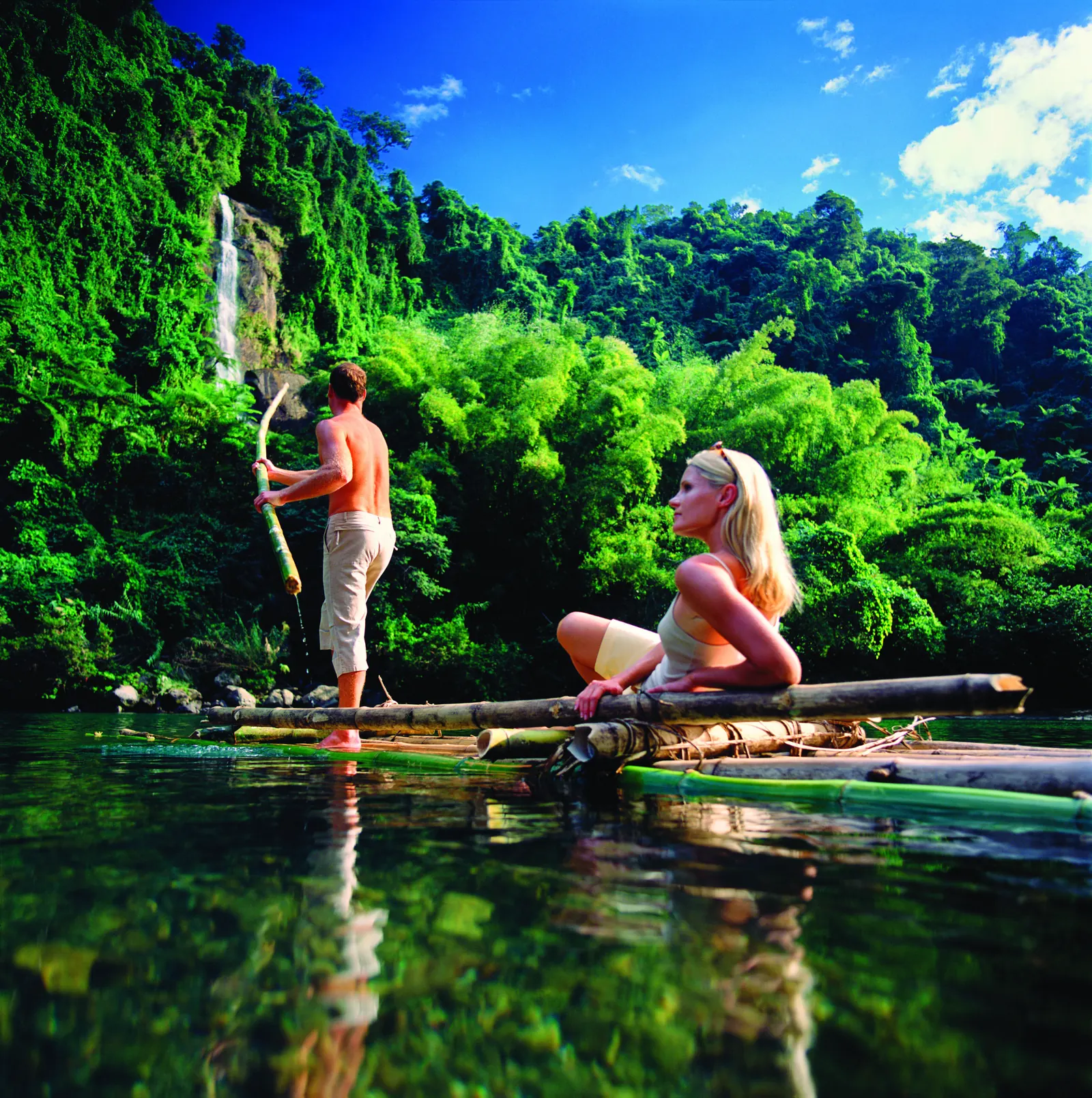
While Vanua Levu is known for its diving, the waters around Rabi Island, off the eastern coast, offer a more secluded experience for spotting manta rays. The Remote Resort, for instance, organizes specific manta ray snorkel tours in this area. These tours typically run between May and October, aligning with when the manta rays are most active and feeding in the nutrient-rich currents.
The journey to the best viewing spots usually involves a boat ride of about 40 minutes. Once there, you’ll have the chance to witness these gentle giants gracefully glide through the water as they feed. The entire excursion, including travel time, generally lasts around three hours. It’s a fantastic opportunity to see manta rays in a less crowded setting compared to some of the more popular spots in Fiji.
Best viewing season: May to October
Typical tour duration: Approximately 3 hours
Travel time to site: Around 40 minutes by boat
Remember that manta ray sightings are dependent on natural conditions, including tides and plankton levels. While tours aim to run daily during the season, weather can sometimes affect plans. It’s always a good idea to check with the local operators for the most up-to-date information and to manage expectations regarding sightings.
9. Kokomo Private Island
Kokomo Private Island Resort offers a unique opportunity to connect with manta rays, focusing on responsible encounters and conservation. Located near Stick Bomby Reef, this spot is known for attracting these gentle giants, especially during their feeding seasons. The resort actively participates in manta ray research, working with organizations like Manta Project Fiji.
When you visit Kokomo, you can join their snorkeling tours to Stick Bomby Reef, which is just a short boat ride away. It’s a chance to see mantas in their natural environment. The resort also has programs where guests can learn about manta ray identification and even adopt’ a manta ray, contributing directly to conservation efforts.
Here’s what you can expect:
Guided snorkeling trips to nearby manta ray aggregation sites.
Participation in manta ray identification and tagging projects.
Opportunities to learn about manta ray behavior and conservation.
The option to symbolically adopt a manta ray.
The resort’s commitment to marine conservation makes it a standout choice for eco-conscious travelers.
While the exact timing can vary, manta ray sightings are most common between May and October. The resort emphasizes respectful interaction, ensuring the well-being of these magnificent creatures is always the top priority during any excursion.
10. Stick Bomby Reef
Just a short boat trip away from Kokomo Private Island, Stick Bomby Reef is another spot where you might get lucky and see manta rays. It’s a place that’s part of a conservation effort, with researchers working to tag and identify these amazing creatures. When you visit, you can join snorkeling tours that give you a chance to swim alongside them.
The reef itself is known for attracting manta rays, especially during certain times of the year. It’s a feeding ground, meaning the rays come here to eat, which is often when they are most active and visible. The tours usually take you out for a few hours, giving you a good amount of time to hopefully spot these gentle giants.
Here’s what you might experience:
A short boat ride from Kokomo Private Island.
Opportunities to snorkel with manta rays.
Part of a conservation project focused on manta ray research.
A chance to see these animals in their natural environment.
While the exact best times can vary, the general season for manta ray sightings in Fiji often aligns with when plankton is most abundant, typically from May through October. It’s always a good idea to check with your resort or tour operator for the most current information on sightings and conditions.
It’s pretty cool that places like Stick Bomby Reef are being looked after, and that visitors can be a part of that by respectfully observing the manta rays. It’s a reminder of how much incredible life is out there in the ocean.
Your Manta Ray Adventure Awaits
Manta encounters in the Yasawas, Kadavu and Vanua Levu depend on season and conditions, and this guide points to May to October as the best window. Mantas are protected, so choose an operator that follows responsible viewing practices and does not promise a sighting.
When is the best time to see manta rays in Fiji?
The best time to swim with manta rays in Fiji is usually between May and October. This is when the water is full of tiny food called plankton, which the manta rays love to eat. They often gather in certain spots to feed during these months.
Are manta rays dangerous to swim with?
No, manta rays are very gentle and harmless. Even though they are huge, they don’t have teeth or stingers. They are filter feeders, meaning they just swim with their mouths open to catch plankton. They are usually curious but keep their distance.
Do I need to be a diver to swim with manta rays?
You don’t need to be a diver! Snorkeling is usually enough to see them. Manta rays often swim near the surface to feed on plankton, so you can have an amazing experience just by swimming or snorkeling with them.
Where in Fiji are the best places to see manta rays?
The most popular spots are the Yasawa Islands, especially a place called Manta Ray Passage. Kadavu Island and Vanua Levu are also great places to look for them. Some resorts are located right near these amazing feeding spots.
Can I swim with manta rays on my own?
In Fiji, manta rays are protected, so you need to go with a guided tour. This is to make sure they are not disturbed and to keep you safe. The guides know the best ways to interact with them respectfully.
What should I expect on a manta ray tour?
Tours usually involve a boat ride to a spot where manta rays are often seen feeding. You’ll get a briefing on how to behave around them, then you’ll get in the water to snorkel. You might see one or even several manta rays gliding gracefully.
How big are the manta rays in Fiji?
The manta rays you’ll likely see in Fiji are quite large, often around 3 meters (about 10 feet) wide from one wingtip to the other. Some can even grow larger, up to 5.5 meters (18 feet)!
What if the manta rays aren’t there on my tour?
Since manta rays are wild animals, sightings aren’t always guaranteed. Sometimes, weather or the plankton’s location can affect where they feed. If you stay longer or choose a resort close to a known spot, you increase your chances.