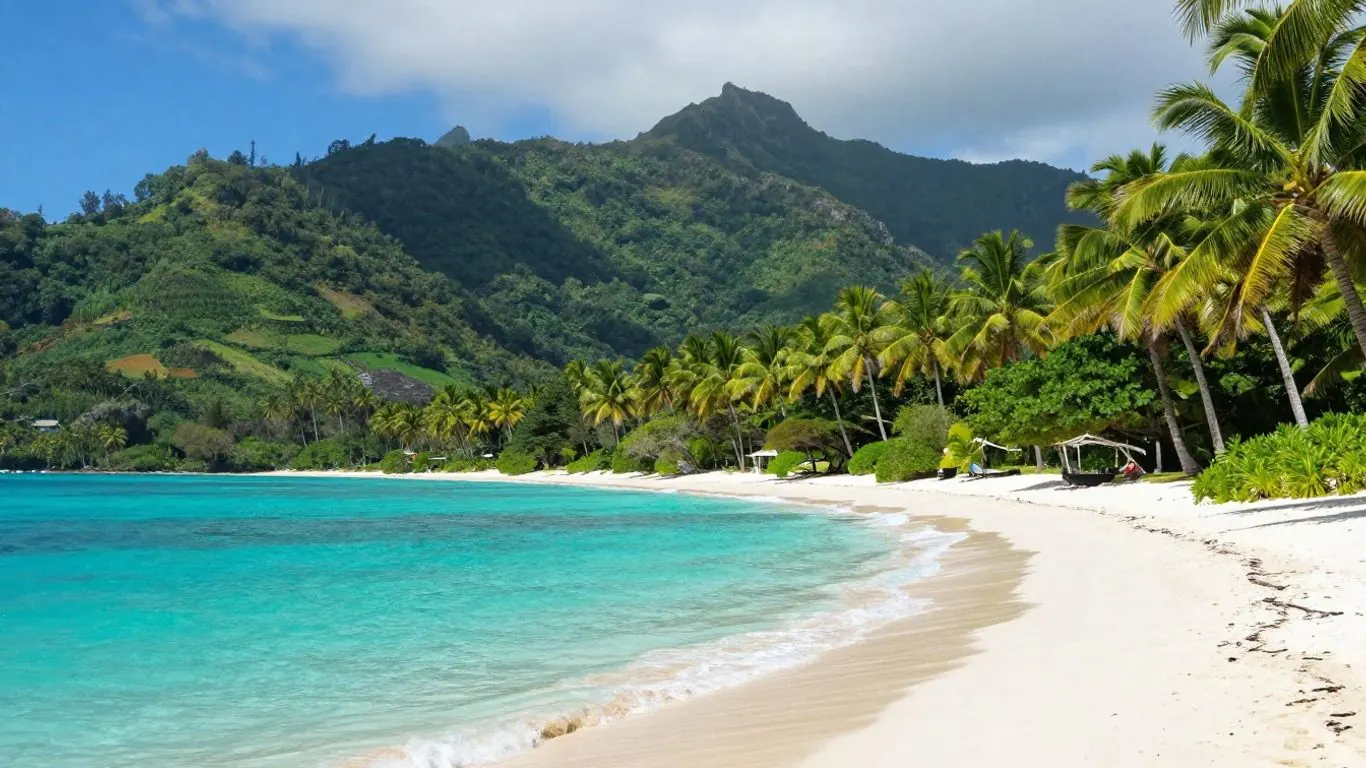
July is the middle of Fiji's dry season. On the western side around Nadi it is the driest, mildest month of the year, with warm days, cool nights and very little rain. It is also one of the busiest months because Australian and New Zealand school holidays land in late June and July, so resorts fill early and rates sit at peak levels.
If July is your only window, it is a great month to go. Book flights, resorts and island transfers well ahead, and pick an island that suits a busy period. Below we cover the weather numbers, who you will be sharing the beach with, and how to plan around both.
July weather in numbers
The best long-term reference is the 1991–2020 climate normals for Nadi International Airport, published through the World Meteorological Organization and summarized on the Nadi climate table. July compared with January (the wet-season peak) looks like this:
| Measure (Nadi) | July | January |
|---|---|---|
| Average daily high | 28.5°C | 31.4°C |
| Average daily low | 19.2°C | 23.3°C |
| Average rainfall | 50.5 mm | 365.2 mm |
| Days with 1 mm+ of rain | 3.1 | 14.1 |
| Average sunshine hours | 218 | 207 |
| Average relative humidity | 76% | 81% |
So July in Nadi brings about a seventh of January's rain. Nights are cooler and the air is less humid. Two points to keep in mind. These figures are for the dry western side of Viti Levu, and the Mamanuca and Yasawa islands offshore share that pattern. The eastern side of the main island around Suva, and the high islands such as Taveuni and Kadavu, are wetter all year, so a passing shower there is normal even in July. Also, Fiji's rainy and cyclone season runs from November to April, according to the Government of Canada's Fiji travel advice. July sits well outside it, which is one reason it is such a popular month.
What July actually feels like
- Evenings are cool. Lows near 19°C feel fresh after a day in the sun, especially on an open deck or a boat ride back from a day trip. Pack a light long-sleeve layer or a thin fleece.
- Mornings are the calm part of the day. Island resorts in the Mamanucas schedule island-hopping and snorkelling trips early, before the wind builds. That rhythm suits July well.
- Hiking is more comfortable. Lower humidity makes rainforest walks, waterfall hikes and summit trails far more pleasant than in February.
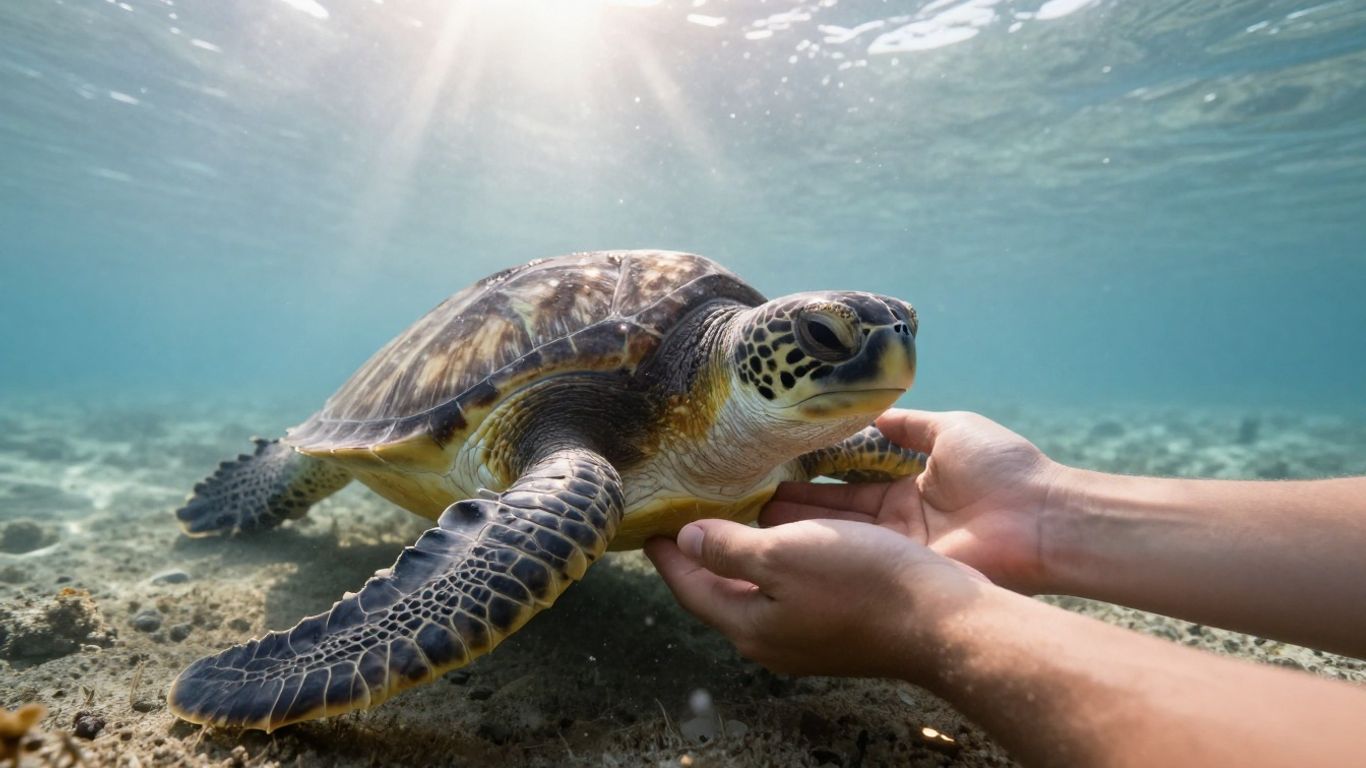
- The sea is cooler than in summer. Most swimmers will still find it comfortable. Divers doing several dives a day may want a slightly thicker wetsuit, so ask your dive operator what they recommend.
For a full month-by-month comparison, see our Fiji weather guide.
Who else is travelling in July
The weather is only half of July. The other half is school holidays in Fiji's two biggest source markets:
- Australia: state school calendars differ, but most states take a two-week winter break from late June into mid-July. Queensland's term dates are a useful example.
- New Zealand: the mid-year break covers roughly the first half of July. The Ministry of Education calendar lists the exact dates for each year.
- Canada and the US: summer holidays add North American families to the mix through July and August.
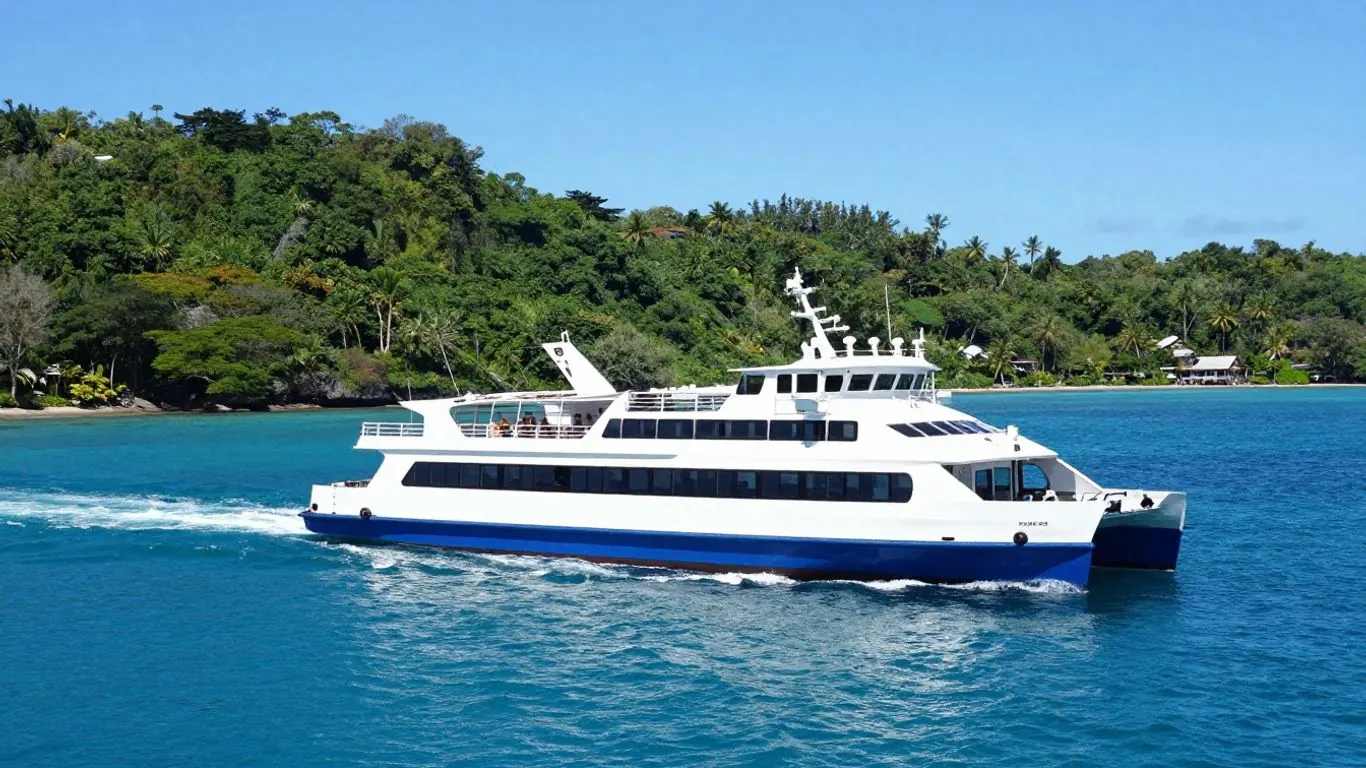
In practice, family resorts on Denarau, the Coral Coast and the Mamanucas run at or near capacity. Kids' clubs are lively, and catamaran transfers and day cruises are fuller. One sign of how busy it gets: Tourism Fiji notes that the normally adults-only Namotu Island Resort opens to families for a few weeks around the June/July holidays. If you want quiet, choose adults-only properties or more remote islands (see below).
Prices and booking lead times
July is a peak-rate month, so expect fewer promotions on flights and resorts than in the shoulder months. We don't quote set prices because they change with every season and sale. Instead, here is the order we book in:
- Flights first. Long-haul seats from Canada and the US are limited, and the good fares go first. For summer travel we start looking about nine to twelve months out. Our guide to Fiji holiday deals explains when packages tend to appear.
- Island resorts next. Small resorts with only a few dozen bures, and especially those with signature rooms like overwater or pool bures, sell out first for school-holiday dates.
- Transfers with the room. Seaplane and helicopter seats are limited. Book them when you confirm the resort so your arrival time works with the island connection.
- Tours and dives last, but not on the day. Popular reef trips and sandbank excursions can fill in peak weeks, so reserve them a few days ahead.
Where to stay in July
| Area | Why it works in July | Keep in mind |
|---|---|---|
| Mamanuca Islands | Dry, sunny, calm lagoons, short transfers from Nadi | Busiest island group during school holidays |
| Yasawa Islands | Same dry pattern, quieter, dramatic scenery | Longer boat ride or a seaplane; book transfers early |
| Coral Coast | Mainland access, wide resort choice, easy day trips | Some beaches are tidal; check lagoon swimming at low tide |
| Denarau | Close to the airport and marina, good for short stays | Family-heavy in July, beach is not the main draw |
| Taveuni, Vanua Levu, Kadavu | Fewer crowds, strong diving, rainforest | Wetter terrain; more flights to plan |
Couples who want a calm July often pair a few nights on the mainland with an adults-only island resort. Families do well booking a larger resort with a kids' club well in advance, then adding a quieter final stop.
Shoulder-month alternatives
If your dates are flexible, look at June and September. The same Nadi climate normals show June averaging a 29.0°C high with about 57 mm of rain, and September a 29.2°C high with about 72 mm. That is nearly the same dry-season weather, without the full school-holiday rush. Our article on the best time to visit Fiji sets the whole year side by side. Festival fans should also note that Nadi's Bula Festival is usually held around July. Confirm each year's dates with Tourism Fiji before building a trip around it.
Planning notes
- Choose your island first, then lock in flights and resort together as early as you can.
- Pack for cool evenings as well as sunny days, and bring reef-safe sunscreen, a hat and a refillable water bottle.
- If you want quiet, filter for adults-only or remote resorts, or shift your trip to June or September.
- Leave a buffer night in Nadi if your international arrival is late, rather than chasing the last boat.
Tell us your dates and travel style, and Far & Away Adventures will match you with July-friendly resorts while there is still good availability.
Frequently asked questions
Is July a good month for snorkelling in Fiji?
Yes. The dry season usually brings calm mornings and less runoff from rivers than the wet months. Plan snorkel trips early in the day, before the afternoon breeze builds.
Do I need a jacket in Fiji in July?
Not a heavy one. A light long-sleeve layer or thin fleece is enough for cool evenings, boat rides and early starts.
Is Fiji crowded in July?
Popular family resorts and the Mamanuca Islands are busy during Australian and New Zealand school holidays. Adults-only resorts and the outer islands feel noticeably quieter.