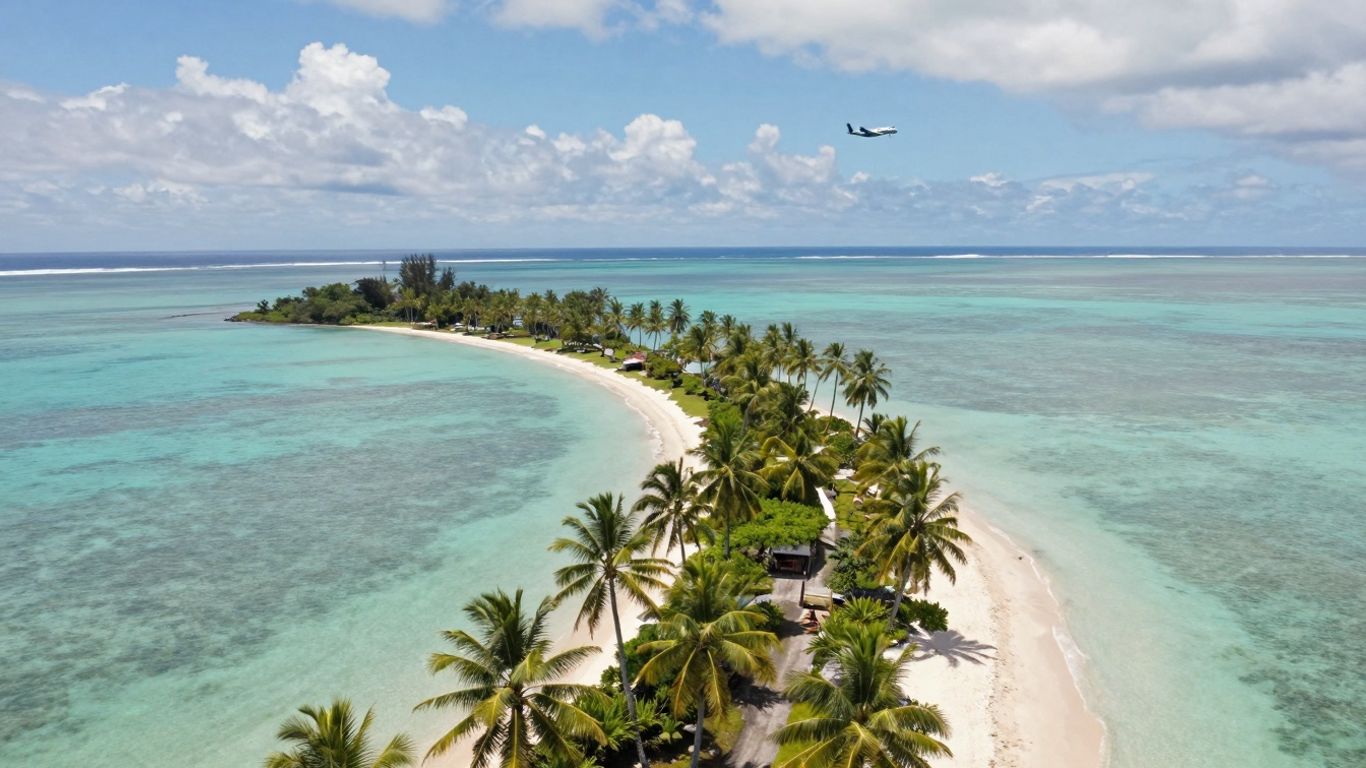
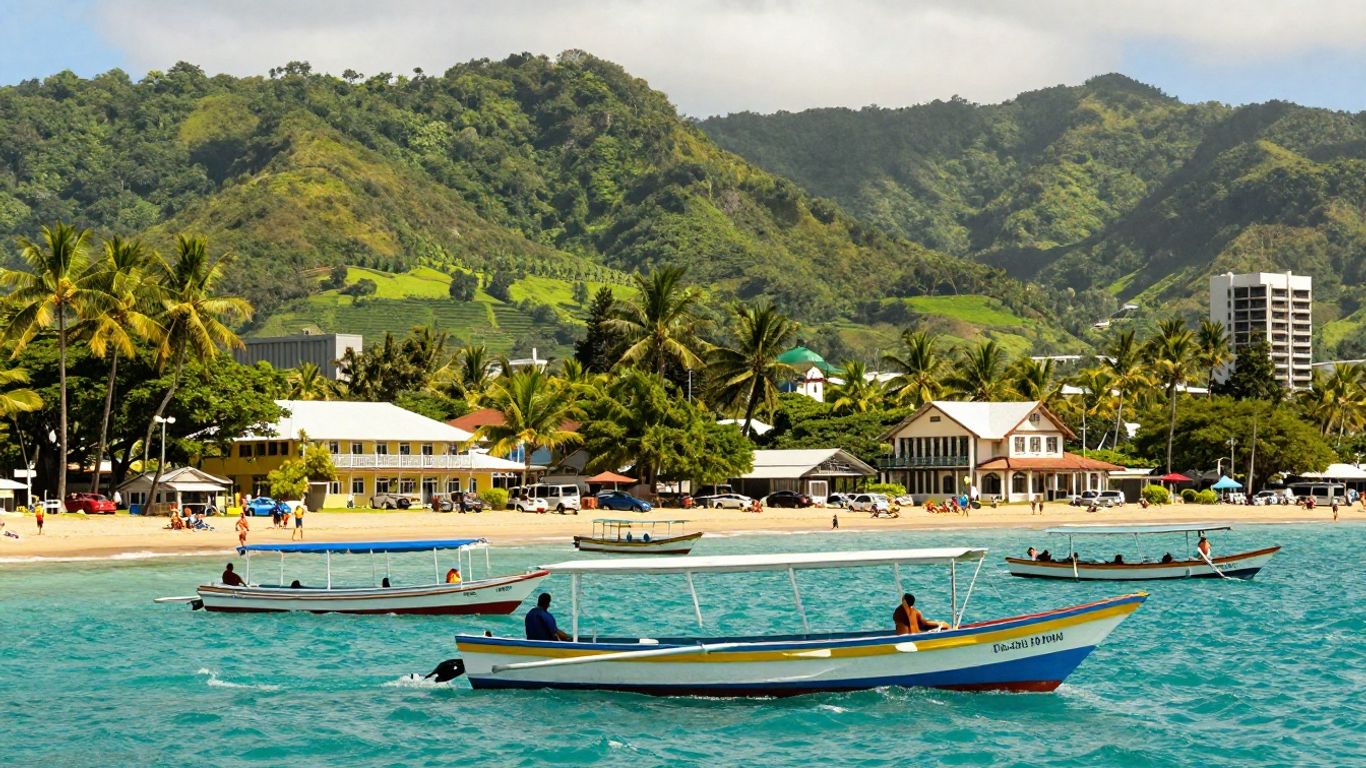
Planning a trip to Fiji sounds amazing, right? You’re probably wondering when’s the best time to snag some sweet Fiji holiday deals without breaking the bank. Fiji is pretty much a year-round destination, but timing can totally change your experience, especially if you’re looking for good prices and fewer people. Let’s break down when you might want to book your island escape.
Key Takeaways
For the best weather and outdoor fun, aim for the dry season between May and October. Just remember, this is peak time, so book ahead for deals.
Consider the wet season from November to April for fewer crowds and lower prices. The rain usually comes in short bursts, and the islands are super lush.
Want to avoid the holiday crowds and still save money? Look at late January through February for great Fiji holiday deals.
November, before the big holiday rush kicks in, can be a good time to find deals, though you might get some rain.
If you’re interested in local festivals like the Hibiscus Festival or Bula Festival, plan your trip for July, August, or September.
1. The Dry Season (May to October)
If you’re dreaming of endless sunshine and clear blue skies for your Fiji getaway, then the dry season, running from May through October, is likely your best bet. This period is generally characterized by lower humidity and very little rain, making it absolutely perfect for soaking up those tropical vibes.
This is when Fiji truly shines for outdoor activities. Think snorkeling and diving – the water visibility is usually at its best, letting you see all the colorful fish and coral without much interference. It’s also prime time for exploring the islands on foot, hiking through lush rainforests, or just spending your days lounging on the beach without a cloud in sight.
Here’s a quick look at what you can expect:
Weather: Expect warm days with average highs around 26°C (79°F) and lows around 21°C (70°F). Humidity is lower, and rain is minimal.
Activities: Ideal for beach activities, swimming, snorkeling, diving, hiking, and island hopping.
Crowds & Costs: This is Fiji’s peak tourist season, especially during school holidays in Australia and New Zealand (July and August). Because of this, you’ll likely encounter more people and higher prices for flights and accommodation. Booking well in advance is a good idea if you plan to travel during these months.
While the dry season offers the most predictable weather for beach holidays, it’s also the busiest and most expensive time to visit. If you’re looking for deals, you might need to be flexible with your dates or consider traveling just outside the absolute peak periods within this season.
Many travelers find that the consistent sunshine and pleasant temperatures make this the most comfortable time to experience Fiji’s natural beauty and enjoy all the water sports it has to offer.
2. The Wet Season (November to April)
So, you’re thinking about Fiji between November and April? This is what they call the wet season, and yeah, it can get a bit sticky. Think warm, humid air and rain. But don’t let that scare you off just yet. The rain often comes in quick bursts, like a sudden downpour, and then boom – sunshine and maybe even a rainbow. It’s not usually a full-day washout.
This time of year actually has some pretty sweet perks. For starters, you’ll find way fewer tourists. Seriously, the beaches are much more chill, and you won’t be fighting for a spot. Plus, prices for flights and places to stay tend to drop. If you’re trying to save some cash or just want a more laid-back vibe, this could be your sweet spot.
And the scenery? It’s lush. The rain keeps everything super green, and the waterfalls are really pumping. It’s actually quite beautiful.
Here’s a quick look at what to expect:
Temperatures: Generally warm, hovering around 30°C (86°F) during the day and dropping to about 24°C (75°F) at night.
Rainfall: Expect tropical showers, often short but intense. January to March are typically the wettest months.
Crowds: Significantly smaller compared to the dry season.
Prices: Often lower for accommodations and flights.
While the dry season is popular for clear skies and calm seas, the wet season offers a different kind of beauty. The islands are vibrant and alive, and the fewer crowds mean you can often experience Fiji’s culture and natural wonders with a more personal touch. It’s a trade-off, for sure, but one that can lead to a more affordable and relaxed holiday.
3. Late January Through February
If you’re looking to snag some sweet deals and avoid the biggest crowds, aiming for late January through February is a smart move. This period falls right after the holiday rush, meaning you’ll likely find better prices on flights and places to stay. Plus, the islands tend to be a bit more chill, giving you more space to actually relax on those famous Fijian beaches.
While this time is technically part of the wet season, don’t let that scare you off too much. The rain often comes in short, heavy bursts, usually followed by sunshine. It’s not uncommon to see vibrant rainbows after a quick shower. The upside? The landscape is incredibly lush and green, and waterfalls are usually at their most impressive.
Here’s a quick look at what you might expect:
Temperatures: Expect warm, tropical weather, with average highs around 30°C (86°F) and lows around 24°C (75°F).
Rainfall: While it’s the wet season, showers are often brief and localized.
Crowds: Significantly fewer tourists compared to peak season.
Prices: Generally lower for accommodations and flights.
This time of year offers a fantastic balance for travelers who want to experience Fiji’s beauty without the peak-season hustle and higher costs. It’s a great window for exploring the culture and natural scenery at a more relaxed pace.
4. November (Before Festive Rush)
Thinking about a Fiji trip but want to dodge the biggest crowds and maybe snag a better deal? November can be a sweet spot. It’s right after the main dry season wraps up and before the holiday season really kicks into high gear. You might catch a bit more rain than in, say, July, but honestly, it often comes in quick bursts. Think dramatic skies and waterfalls looking extra impressive.
Here’s a quick look at what November can offer:
Fewer Tourists: You’ll likely find more space on the beaches and a more relaxed vibe overall.
Potentially Lower Prices: As it’s outside the peak season, flights and accommodation might be a bit kinder to your wallet.
Lush Scenery: The occasional rain keeps the islands looking vibrant and green.
This month offers a nice balance between decent weather and avoiding the peak season rush.
It’s a good time to explore if you’re not set on endless sunshine every single day. You can still enjoy plenty of outdoor activities, and the warmer water temperatures are a plus. Plus, you get to experience Fiji before it gets too busy with end-of-year celebrations.
5. July and August
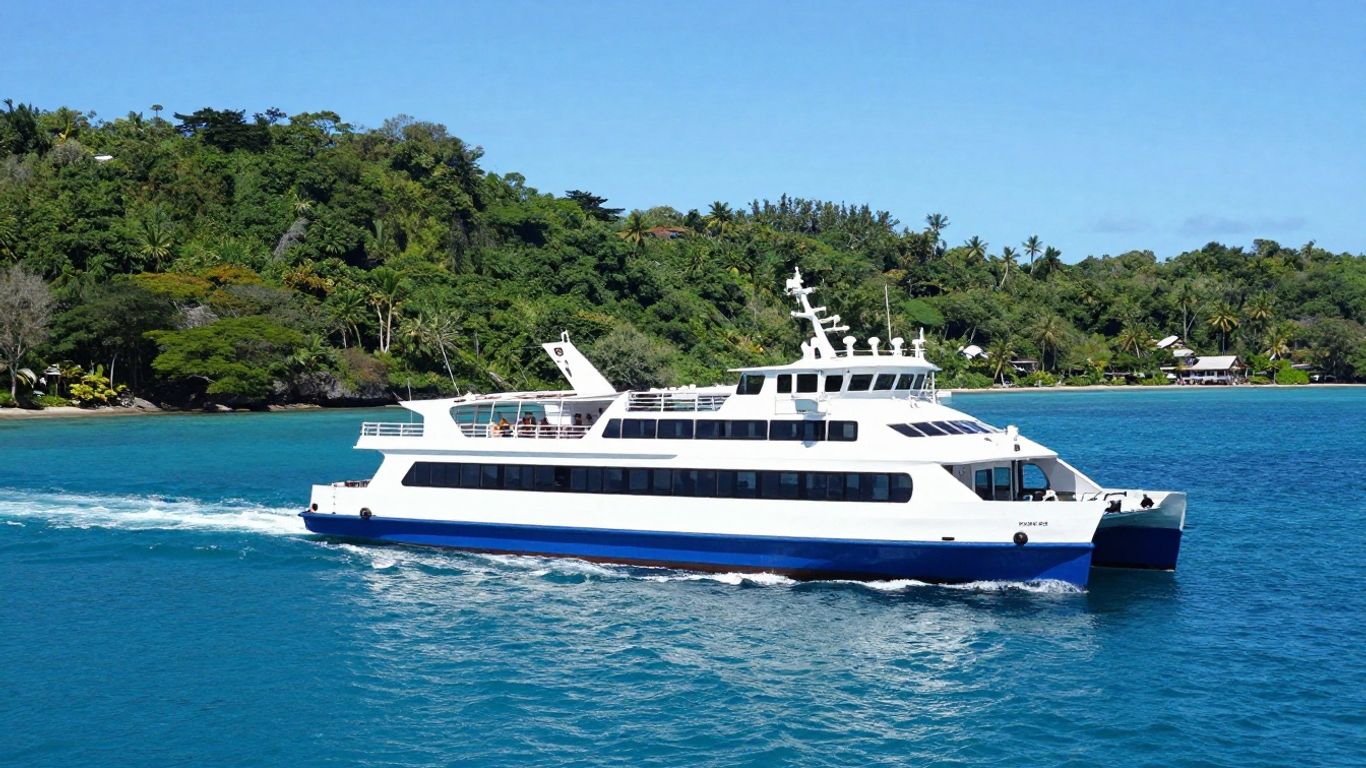
July and August are prime time for visiting Fiji, weather-wise. You’re looking at average highs around 26°C, and the rain really dials back. It’s pretty much the sweet spot for sunshine and pleasant temperatures.
However, this is also when things get busy. Because it lines up with school holidays in Australia and New Zealand, you’ll find more people around and, naturally, prices for flights and places to stay tend to creep up. If you’re planning a trip during these months, booking well in advance is a good idea.
Here’s a quick look at what to expect:
Weather: Generally sunny with minimal rain and comfortable temperatures.
Crowds: Higher due to holidaymakers from nearby countries.
Prices: Tend to be at their peak.
Activities: Perfect for beach lounging, snorkeling, diving, and exploring the islands.
While July and August offer fantastic weather, they also represent Fiji’s peak tourist season. Be prepared for busier resorts and attractions, and consider booking your accommodation and activities as early as possible to secure your preferred options and potentially better rates.
These months also coincide with a couple of interesting cultural events, like the Bula Festival and the Hibiscus Festival, which can add another layer to your trip if you’re interested in experiencing local celebrations.
6. April
April is a bit of a sweet spot for visiting Fiji. The heavy rains of the wet season are pretty much done by this point, but you’re not quite into the peak dry season crowds yet. It’s a nice transition month, really.
You’ll find the weather is starting to clear up nicely, with less humidity and fewer downpours. This means you can actually enjoy being outside without feeling like you’re melting or getting caught in a sudden storm. Plus, the islands are still looking super green and lush from all that recent rain, which is pretty to look at.
Here’s a quick look at what you might expect:
Weather: Temperatures are pleasant, usually in the high 20s Celsius (around 28°C), and the rain is minimal. Humidity drops significantly compared to the earlier months.
Crowds: You’ll miss the big holiday rushes from both the Christmas/New Year period and the main Australian/New Zealand winter school holidays. This means fewer people at popular spots and on the beaches.
Prices: Because it’s not peak season, you might find some better deals on flights and accommodation compared to the months of July, August, or December.
It’s a good time for activities like hiking, exploring villages, or just relaxing on the sand without feeling too crowded. The waterfalls are often still impressive from the wet season, too.
Visiting in April means you get a good balance. The weather is improving, the landscape is vibrant, and you can avoid the biggest tourist waves. It feels like you get a more relaxed experience of Fiji before the main rush.
So, if you’re looking for decent weather without the peak season price tag or crowds, April is definitely worth considering for your Fiji getaway.
7. September
September in Fiji is pretty sweet, honestly. It’s still part of the dry season, so you’re looking at mostly sunny days and not a ton of rain. Think comfortable temperatures, usually hovering around the mid-20s Celsius (that’s like, low 70s Fahrenheit). This means it’s prime time for all the outdoor stuff you came to Fiji for – hitting the beaches, snorkeling, maybe even some hiking.
You’ll find that September offers a nice balance between great weather and slightly fewer crowds than the absolute peak months of July and August. It’s after the main school holidays for places like Australia and New Zealand, so things start to calm down a bit, but the weather is still holding strong.
Here’s a quick look at what to expect:
Weather: Generally sunny with low humidity and minimal rainfall. Average highs around 26°C (79°F) and lows around 21°C (70°F).
Activities: Perfect for water sports like snorkeling and diving, exploring islands, and enjoying beach time.
Crowds: Less busy than July and August, but still popular.
Prices: You might find slightly better deals compared to the absolute peak season, but booking in advance is still a good idea.
One thing to keep in mind is that while the crowds thin out a bit, September is still a popular month. So, if you’re looking for the absolute quietest time with the lowest prices, you might want to look at other shoulder periods. But for a solid mix of fantastic weather and a slightly more relaxed vibe, September is a really solid choice for booking your Fiji getaway.
While September is fantastic for weather, it’s worth noting that some of the major festivals, like the Hibiscus Festival and Bula Festival, tend to wrap up by late August or early September. If experiencing those specific cultural events is a high priority, you might want to plan your trip a bit earlier in the summer months.
8. Hibiscus Festival (August)
If you happen to be planning a trip to Fiji in August, you might just catch the Hibiscus Festival. This is a pretty big deal, especially in Suva, the capital city. It’s basically a nine-day celebration that really showcases Fijian culture. Think lots of traditional music filling the air, stalls packed with local food to try, and of course, the main event – the crowning of the Hibiscus Queen’. It’s a lively time, and if you’re looking to experience some authentic Fijian festivities, this is definitely a good opportunity.
Attending the Hibiscus Festival can offer a unique glimpse into local life and traditions.
While the festival is a highlight, remember that August falls within Fiji’s dry season. This means you’re likely to get fantastic weather for exploring the islands before or after the festival fun. It’s a win-win situation: enjoy the cultural festivities and then soak up the sun on the beautiful beaches.
Here’s a little of what you can expect:
Cultural Performances: Expect to see traditional singing and dancing.
Local Crafts: Stalls often feature handmade items, perfect for souvenirs.
Food Vendors: A great chance to sample a variety of Fijian dishes.
Parades and Competitions: The festival usually includes processions and contests, culminating in the crowning ceremony.
Planning your trip around this festival means you’re likely to encounter more people, especially in Suva. Accommodation and flights might be a bit pricier during this period, so booking ahead is a smart move if you want to snag a good deal.
9. Bula Festival (July/August)
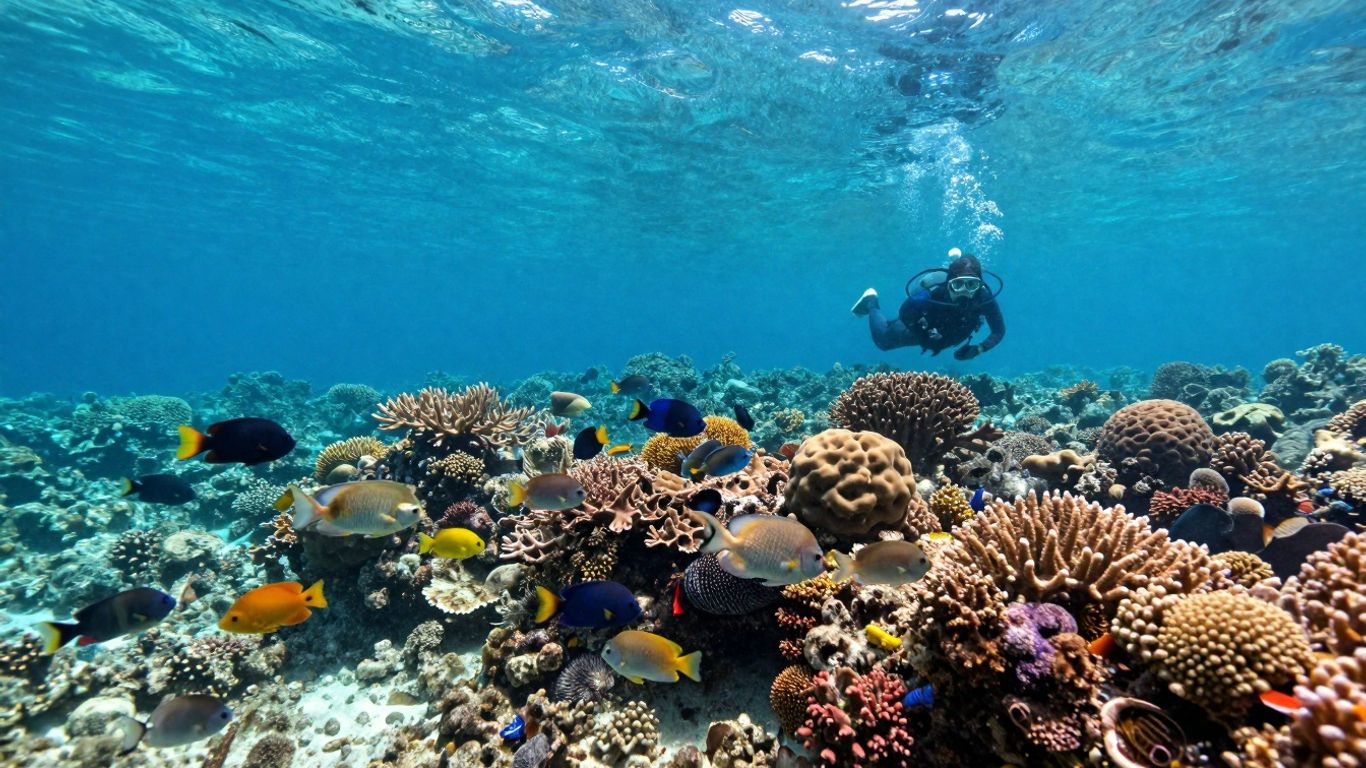
If you’re looking to experience Fiji’s vibrant culture firsthand, timing your visit with the Bula Festival is a fantastic idea. This week-long celebration, usually held in Nadi during July or August, is all about showcasing Fijian traditions and bringing communities together. Think colourful parades winding through the streets, lively music filling the air, and plenty of delicious food to sample. It’s a really fun way to get a feel for the local spirit.
The festival is a great opportunity to see traditional Fijian dancing and hear local music. It’s a chance to connect with the people and understand more about their way of life beyond the usual tourist spots. You’ll see locals and visitors alike enjoying the festivities, making it a truly inclusive event.
Here’s a little of what you can expect:
Parades: Expect to see creative floats and marching groups.
Music and Dance: Enjoy performances that highlight Fijian heritage.
Food Stalls: Sample local delicacies and treats.
Community Events: Participate in or observe various local gatherings.
While the exact dates can shift slightly each year, aiming for July or August generally puts you in the right window for this lively festival. It’s a good reason to plan your trip during the shoulder season, potentially finding better deals before the peak holiday crowds arrive.
10. South Indian Fire Walking Festival (July/August)
If you’re looking for a truly unique cultural experience during your Fiji trip, timing your visit for the South Indian Fire Walking Festival, usually held in July or August, could be a real highlight. This event is a significant part of the Indo-Fijian community’s traditions, marking the end of a 10-day period of devotion to the goddess Maha Devi. It’s a pretty intense and spiritual occasion, showcasing deep faith and commitment.
Witnessing the fire walking itself is a powerful spectacle. Devotees walk barefoot across a pit of hot coals, a testament to their spiritual discipline and belief. It’s not just about the fire walking, though; the festival often includes other cultural performances, music, and food, giving you a broader glimpse into the community’s heritage.
Here’s what you might expect:
Pre-Festival Rituals: The 10 days leading up to the fire walking involve prayer, fasting, and abstinence, preparing participants spiritually.
The Main Event: This is when the actual fire walking takes place, often in the evening, drawing large crowds of both participants and spectators.
Cultural Celebrations: Following the intense ritual, there are usually celebrations with traditional music, dance, and shared meals.
While the exact dates can shift each year based on the lunar calendar, aiming for July or August gives you a good chance of catching this fascinating event. It’s a chance to see a different side of Fiji’s rich cultural tapestry, far beyond the usual beach resorts. Some packages even include a fire walking demonstration as part of a broader cultural immersion, offering a taste of this ancient practice.
This festival is a profound display of faith and tradition, offering a unique window into the spiritual practices of Fiji’s Indo-Fijian population. It’s an experience that stays with you long after you’ve left the islands.
Ready for Your Fiji Adventure?
So, there you have it. Figuring out the best time to snag a deal for Fiji really comes down to what you’re after. Whether you’re chasing that perfect sunny weather for beach lounging or don’t mind a bit of rain for fewer crowds and lower prices, Fiji has something to offer year-round. Remember, booking ahead, especially for peak times, is always a smart move. Keep these tips in mind, and you’ll be well on your way to planning an amazing and affordable trip to this island paradise. Bula!
When is the cheapest time to visit Fiji?
For the best deals, aim for late January through February. This is after the busy holiday season, so you’ll find fewer crowds and lower prices. You can still enjoy peaceful beaches and save money while exploring Fiji’s amazing culture.
What’s the weather like in Fiji?
Fiji has a tropical climate, meaning it’s warm all year. From May to October, it’s the dry season with less rain and humidity, perfect for outdoor fun. From November to April, it’s the wet season with warmer, more humid weather and occasional rain showers, but the islands look super green and beautiful.
Is Fiji a good place for families?
Yes, Fiji is a fantastic family destination! Many hotels have special programs for kids, fun activities, and food options for everyone. Plus, Fijian people really love children, so your family will feel welcome everywhere you go.
Can I travel between the islands in Fiji?
Absolutely! Fiji is made up of over 300 islands, so island hopping is a must. You can travel between them using ferries, small planes, or even helicopters. Each island has its own unique vibe, from fancy resorts to wild, natural spots.
What should I know about Fijian culture?
Fijian culture is all about warmth and welcome, starting with the greeting Bula!’ which means hello and more. You might experience a traditional kava ceremony, where you share a special drink made from a root. It’s a great way to connect with the local way of life.
How long should I stay in Fiji?
To really enjoy Fiji, plan for about seven to 10 days. This gives you enough time to relax, see different islands, try new things, and soak up the beach vibes. Even five days can be wonderful if you’re short on time.