Thinking about a trip to Fiji? It’s a pretty amazing place, with islands that look like they’re straight out of a postcard. But figuring out the best time to go can be a bit tricky. You want good weather, maybe some fun festivals, and ideally, not break the bank or deal with huge crowds. Let’s break down when Fiji is at its best, so you can plan your perfect getaway.
Key Takeaways
The dry season, from June to October, generally offers the best weather with less rain and comfortable temperatures, making it a popular choice for many visitors.
While July and August are prime months for weather, they also see peak crowds and higher prices due to school holidays in nearby Australia and New Zealand.
The shoulder months, like April, May, and November, can be a great compromise, offering pleasant weather with fewer people and potentially lower costs.
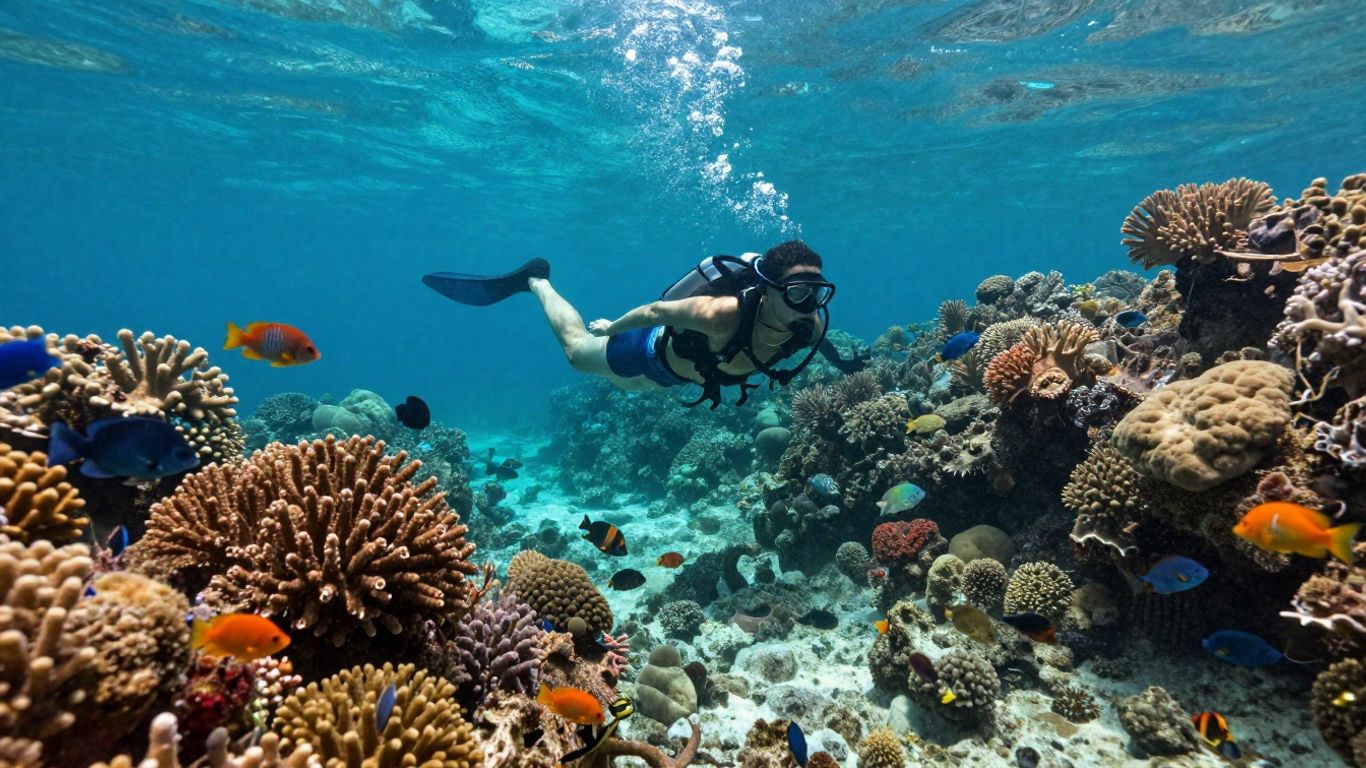
For underwater activities like snorkeling and diving, the dry season (June-October) is usually better because the rain in the wet season can make the water murky.
Fiji hosts several cultural festivals throughout the year, such as the Hibiscus Festival in August and the Bula Festival in July/August, which can add a unique dimension to your visit if timed right.
The Peak Of Dry Season Perfection
When you picture Fiji, you’re probably imagining endless sunshine and gentle breezes, right? Well, the sweet spot for that kind of weather is generally between May and October. This period is known as the dry season, and it’s when Fiji really shows off its best side. Think clear blue skies, lower humidity, and a welcome lack of those heavy, drenching downpours that can sometimes interrupt island life. The temperatures are pleasant, usually hovering in the mid-to-high 70s Fahrenheit, making it perfect for just about anything you want to do, from lounging on the beach to exploring the islands.
The trade winds, which blow year-round, tend to be strongest during these months, especially in the afternoons. While this can mean a bit more wind, it also helps keep things feeling fresh and can be a real plus if you’re into activities like kite-boarding. It’s also the prime time for getting out on the water for snorkeling and diving, as the reduced rainfall means better visibility underwater. Just remember, this is also when most people want to visit, so expect more fellow travelers and potentially higher prices for flights and accommodation.
Embracing the Shoulder Seasons For Pleasant Conditions
While the dry season is fantastic, don’t count out the shoulder months of April, May, and November. These times can offer a really nice balance. You’ll often find the weather is still quite good, with less rain than the wet season but without the peak crowds of July and August. For instance, April sees the rain starting to taper off, and by May, it’s significantly reduced. November can be a bit wetter, but this often means more dramatic waterfalls and lush, green landscapes.
These periods can be a smart choice if you’re looking to save a bit of money or prefer a more laid-back atmosphere. You still get plenty of sunshine and warm temperatures, perfect for enjoying Fiji’s natural beauty. It’s a great way to experience the islands when they feel a little less busy, allowing for more spontaneous adventures and a more personal connection with the local culture and environment.
Visiting during the shoulder seasons can be a win-win, offering a great mix of good weather and fewer people, which often translates to a more relaxed and budget-friendly trip.
Understanding The Dry Season Advantages
When you picture Fiji, you’re probably imagining endless sunshine and calm, clear waters, right? Well, the dry season, generally running from May to October, is your best bet for that postcard-perfect experience. During these months, the humidity takes a backseat, and you’ll find much less rain. This makes it prime time for all sorts of outdoor activities, from lounging on the beach to exploring the islands.
The sweet spot within the dry season is often considered July and August. This is when the weather is typically at its most pleasant, with average temperatures hovering around a comfortable 78°F (26°C) and minimal rainfall. However, it’s also when many folks from Australia and New Zealand are on their winter holidays, so expect more people and potentially higher prices for flights and accommodation. If you’re looking to avoid the biggest crowds while still enjoying great weather, consider the shoulder months of April, May, or November. You might get a bit more rain, but it often comes in short bursts and can make the waterfalls look even more impressive.
Considering The Wet Season’s Unique Appeal
Now, let’s talk about the wet season, which typically spans from November to April. Don’t let the name scare you off completely! While this period is hotter and more humid, with a higher chance of rain, those downpours are often brief and intense, usually happening in the afternoon. The upside? You’ll often find fewer tourists and better deals on travel and lodging. Plus, the increased rainfall can really bring the lush, tropical landscapes to life, making everything incredibly green and vibrant. Waterfalls are often at their most spectacular during this time, offering a different kind of beauty.
It’s also worth noting that the wet season coincides with cyclone season, usually from January to March. While Fiji has good warning systems in place, it’s something to be aware of. However, many visitors still have fantastic trips during these months, enjoying the warm waters and the dramatic, tropical atmosphere. If you’re planning a trip during this time, just keep an eye on the weather forecasts and be a little flexible with your plans. You might be surprised by how much you enjoy the unique charm of Fiji during its wetter months.
Prime Time For Snorkeling And Diving Clarity
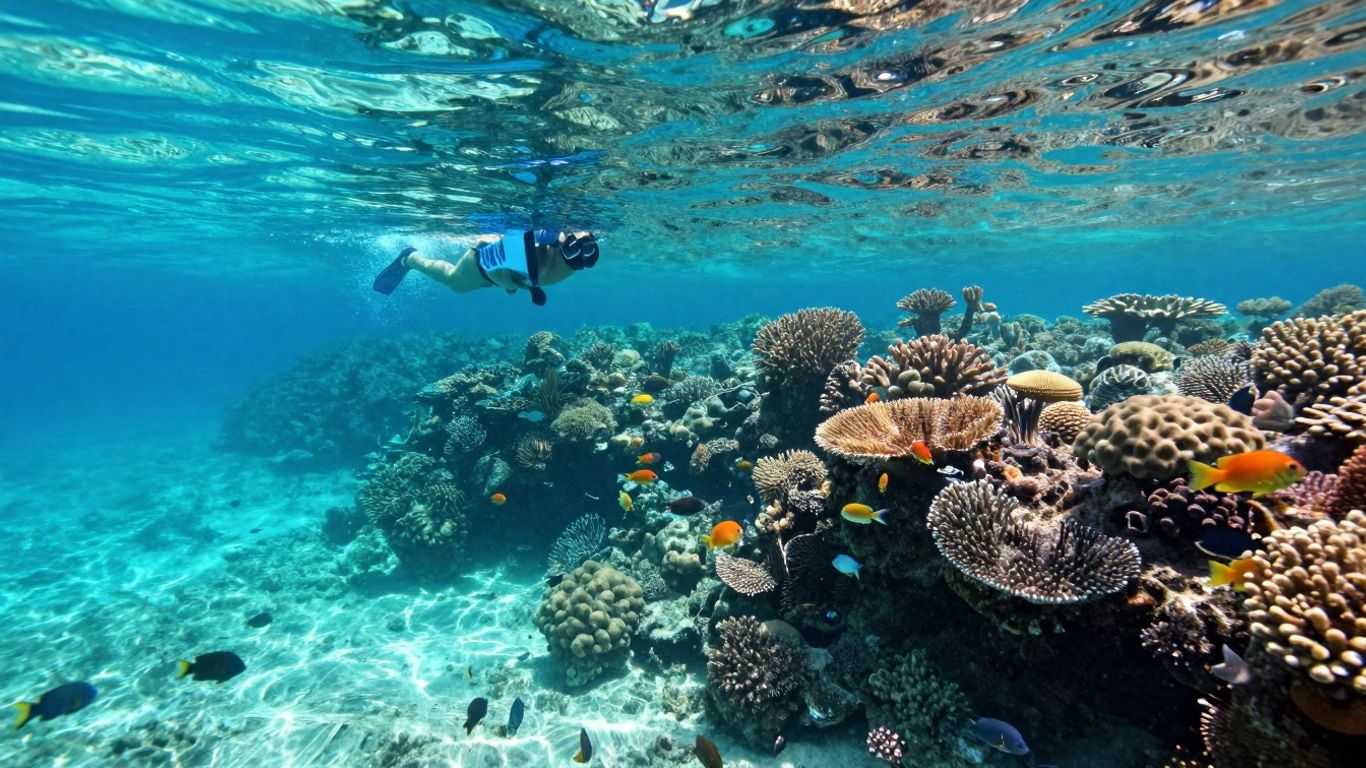
When you picture Fiji, you probably imagine crystal-clear waters teeming with colorful fish, right? Well, for the best chance to see all that underwater magic without much interference, you’ll want to aim for the dry season. This period, generally from June to October, is your best bet. The rain tends to be minimal during these months, which means less sediment washing into the ocean. This leads to much better visibility, making it easier to spot vibrant coral reefs and all sorts of marine life.
Year-Round Warmth For Aquatic Adventures
Even though the dry season offers the clearest water, Fiji’s ocean temperatures are pretty inviting all year round. You can expect the water to hover between a comfortable 77°F and 80°F (25°C to 27°C) no matter when you visit. So, while visibility might be a bit lower during the wetter months (November to April), you can still jump in and enjoy a swim or snorkel. The warmth means you won’t be shivering, even if there’s a brief shower.
Here’s a quick look at what to expect:
Dry Season (May – October): Best visibility for snorkeling and diving due to less rain. Water temperatures are consistently warm.
Wet Season (November – April): Water is still warm, but rain can sometimes reduce visibility. However, this period can also mean fewer crowds and lush, green island scenery.
Remember that even during the wet season, the rain often comes in short, heavy bursts, usually in the afternoon. This means you can still have plenty of sunny hours for your underwater explorations.
So, whether you’re a seasoned diver or just want to float around with a mask and snorkel, Fiji’s underwater world is accessible. Just keep the dry season in mind if crystal-clear views are your top priority.
Cultural Celebrations And Festive Timing
Fiji isn’t just about stunning beaches and clear blue waters; it’s also a place with a vibrant cultural heart. If you’re looking to experience local traditions firsthand, timing your visit with one of the many festivals can add a whole new layer to your trip. These events offer a fantastic glimpse into Fijian life, with music, food, and community spirit taking center stage.
August’s Hibiscus Festival Vibrancy
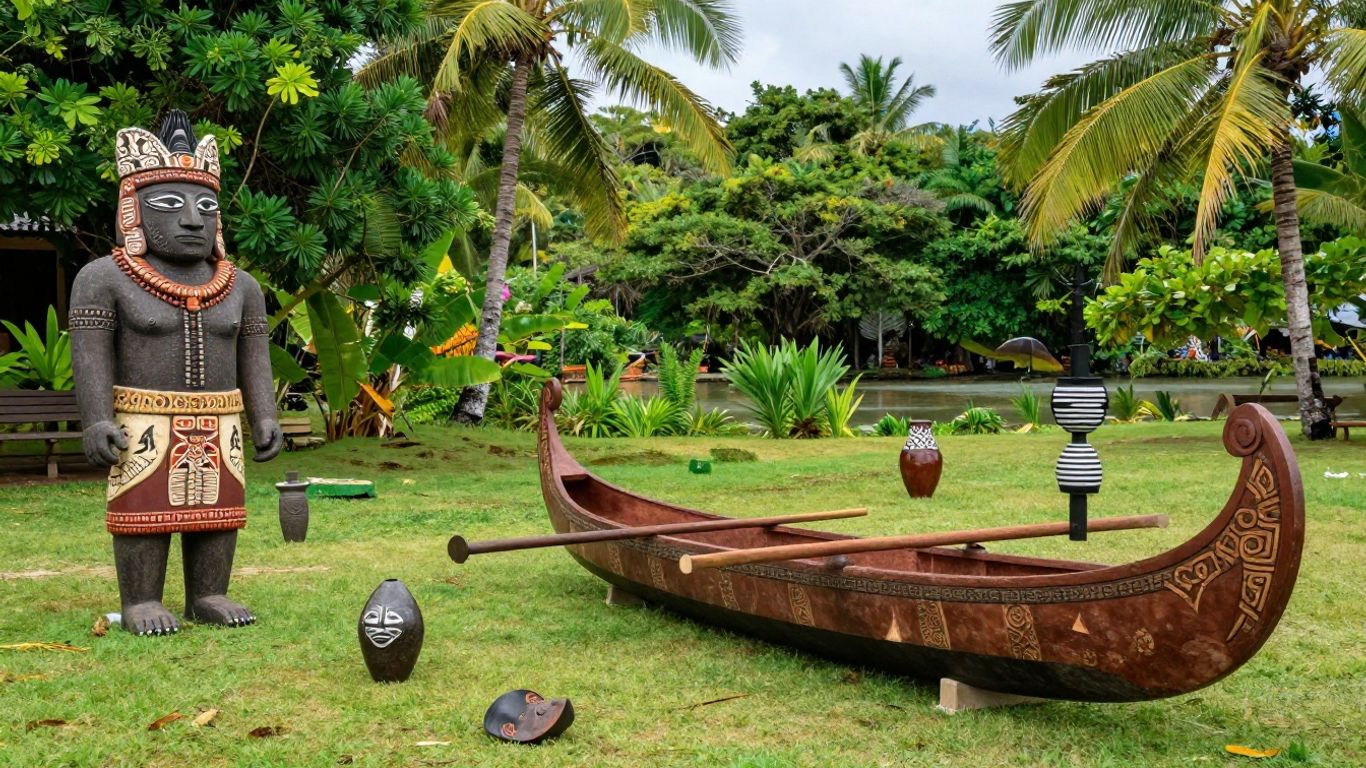
Suva, the capital city, comes alive in August with the Hibiscus Festival. This isn’t just a small local gathering; it’s a nine-day celebration that draws people from all over. You’ll find traditional music filling the air, delicious food stalls offering local treats, and of course, the much-anticipated crowning of the Hibiscus Queen’. It’s a fantastic way to see the community come together and celebrate.
July And August’s Bula Festival Spirit
Further west, in Nadi, the Bula Festival takes place around July and August. This week-long event is all about celebrating Fijian culture. Expect to see colorful floats parading through the streets, lively music performances, and plenty of feasting and dancing. It’s a joyous occasion that truly embodies the spirit of Fiji.
September’s Lautoka Sugar Festival Festivities
For those visiting in September, the Lautoka Sugar Festival is a must-see. Lautoka is known as Sugar City’ for a reason, and this festival is a big party to celebrate the region’s prosperous sugar trade. It’s a lively event that showcases the economic and cultural importance of sugar to the area.
Aligning your travel dates with these festivals can transform a good holiday into an unforgettable cultural immersion. It’s a chance to connect with the local people and witness their traditions firsthand, making your Fijian adventure truly special.
While these are some of the most well-known festivals, Fiji has many smaller village celebrations throughout the year. It’s always a good idea to check local listings closer to your travel dates for any unique events happening during your stay. You might even stumble upon the South Indian Fire Walking Festival, a significant Indo-Fijian event often held in July or August, marking the end of a period of religious observance. Planning around these festivities can offer a unique perspective on the diverse cultural experiences Fiji has to offer.
The Influence Of Trade Winds Year-Round
Fiji’s weather is pretty consistent thanks to its tropical location, but there’s a bit more to it than just sun and heat. The main thing that keeps things moving is the trade winds. These winds blow pretty much all year, and they really shape the temperature and how much rain you get. They tend to be strongest between June and October, which is also the dry season. So, while you’re likely to see less rain during these months, you might also notice the wind picking up, especially in the afternoons. This can be a good thing if you’re into activities like kite-boarding, which really take off when there’s a good breeze. Some spots, like the north coast of Viti Levu, are actually known as prime locations for this.
Microclimates Across The Archipelago
Now, here’s where it gets interesting: not all of Fiji is the same. With over 300 islands, you’d expect some differences, right? Fiji has what we call microclimates, meaning the weather can vary quite a bit from one island to another, or even on different parts of the same island. The big, mountainous islands, like Viti Levu (the largest one), really show this off. Because of the mountains and those ever-present trade winds, one side of an island can get way more rain than the other. Think of it like a rain shadow effect. The side facing the wind (the windward side) gets a lot of the moisture, while the side protected by the mountains (the leeward side) stays much drier. So, if you’re looking at places like Suva on the windward side of Viti Levu, expect it to be wetter than the western coast, which is more sheltered. It’s a good idea to keep this in mind when you’re picking where to stay, as it can make a noticeable difference to your daily weather.
The interplay between the consistent trade winds and the varied island topography creates distinct weather patterns across Fiji, meaning your experience can differ depending on your specific location within the archipelago.
Here’s a quick look at how rainfall can differ:
Windward Coasts: Generally receive higher rainfall due to direct exposure to trade winds.
Leeward Coasts: Benefit from a rain shadow effect, resulting in drier conditions.
Mountainous Islands: Exhibit significant variations in rainfall based on elevation and slope facing the prevailing winds.
This variation means that even within the same general season, you might find pockets of sunshine and pockets of rain, adding a unique character to each part of Fiji you explore.
Planning Around Potential Weather Events
While Fiji is known for its beautiful weather, it’s smart to think about what nature might throw your way. The islands do have a cyclone season, and understanding this can help you plan a smoother trip.
Navigating Cyclone Season Considerations
Fiji’s tropical climate means it can experience cyclones, typically from November to April. These storms can bring heavy rain, strong winds, and sometimes flooding. While it’s not a constant threat, being aware of this period is helpful. Most resorts and local authorities have good systems in place to keep visitors informed and safe if a cyclone approaches. The peak months for cyclone activity are usually January and February. If you’re traveling during this time, it’s wise to keep an eye on weather updates and be flexible with your plans, just in case.
The Impact Of Rainfall On Island Topography
The amount of rain Fiji gets can really change depending on where you are. Because the main islands are quite mountainous, the weather can be different on one side compared to the other. The windward sides, facing the prevailing winds, tend to get a lot more rain. This can make waterfalls more impressive, but it might also mean more overcast days in those areas. The leeward sides, in the rain shadow of the mountains, are often drier and sunnier. So, if you’re hoping for consistent sunshine, picking a resort on a leeward coast could be a good idea. This variation is part of what makes Fiji so diverse, but it’s something to consider when choosing your island base.
Peak Season Dynamics And Visitor Numbers
When you think about visiting Fiji, you might picture those postcard-perfect sunny days. And you’d be right, especially if you’re aiming for the dry season, which generally runs from May to October. This is when many folks from places like Australia and New Zealand decide to escape their winter and head for the warmth. It’s a popular choice, and for good reason – the weather is usually fantastic, with less rain and comfortable temperatures. However, this popularity means more people are around. Think busier beaches, more crowded resorts, and generally higher prices for flights and accommodation. If you’re looking for that classic, uninterrupted Fijian sunshine and don’t mind sharing the paradise with others, this is your window. The months of July and August are particularly busy due to school holidays in nearby countries.
Off-Peak Advantages For A Serene Experience
Now, let’s flip the coin. What if you’re after a more laid-back vibe and perhaps a bit more bang for your buck? Consider visiting during the shoulder seasons or even the wet season. The shoulder months, like April, May, and November, can offer a sweet spot. You might catch a bit more rain, but it’s often in short bursts, and the waterfalls can be spectacular. Plus, the crowds thin out considerably, and you’ll likely find better deals on your travel and stay. Visiting during the wet season (November to April) means you’re more likely to encounter humidity and rain, but it’s also the time when you’ll find the fewest tourists and the lowest prices. It’s a trade-off: less perfect weather for a more peaceful and budget-friendly escape. It really comes down to what you prioritize for your holiday.
Here’s a quick look at how visitor numbers and costs tend to stack up:
When planning your trip, it’s helpful to think about what kind of experience you’re hoping for. Are you dreaming of endless sunshine and don’t mind the hustle, or do you prefer a quieter, more budget-conscious adventure with the possibility of a tropical shower or two? Fiji truly has something for everyone, no matter when you decide to visit.
Exploring Fiji’s Diverse Island Landscapes
Fiji isn’t just one big island; it’s a sprawling archipelago of over 300 islands, and believe it or not, they don’t all feel the same. You’ve got everything from the larger, mountainous main islands to tiny, flat coral cays. This variety means the weather and the vibe can shift quite a bit depending on where you drop your bags.
The Leeward Versus Windward Coast Differences
When you’re looking at the main islands, especially Viti Levu, you’ll notice a big difference between the windward and leeward sides. The southeast trade winds are a constant presence, and they bring moisture. The windward side, facing these winds, gets a lot more rain. Think lush, green rainforests and dramatic waterfalls – beautiful, but potentially damp. The leeward side, however, sits in the "rain shadow" of the mountains. This means it’s generally drier and sunnier, making it a popular spot for resorts and drier holidays. It’s a bit like how Los Cabos has distinct coastal characteristics.
Windward Coasts: Receive more rainfall, leading to greener landscapes and more active waterfalls. Often experiences stronger afternoon breezes.
Leeward Coasts: Benefit from a rain shadow effect, resulting in drier, sunnier conditions and less wind.
Trade Winds: These blow year-round but are strongest between June and October, influencing which side of an island is wetter or drier.
Microclimate Variations On Major Islands
Even within a single island, you can find different weather patterns. The mountainous terrain acts like a giant umbrella. For instance, the area around Suva on Viti Levu, being on the windward side, gets significantly more rain than the Coral Coast on the leeward side. This means if you’re planning activities, it’s worth checking the specific microclimate of your chosen resort area. A little bit of rain can make waterfalls spectacular, but if you’re after consistent sunshine for beach time, picking the right side of the island really matters. It’s not just about the season; it’s about the specific spot you’re visiting.
The topography of Fiji’s islands plays a huge role in local weather. Mountains can create distinct wet and dry zones, meaning a short drive could take you from a rainforest to a sun-baked coast.
So, while the overall climate is tropical, don’t assume every day will be the same across all of Fiji. Doing a little homework on the specific island and coast you’re heading to can make a big difference in setting your expectations and planning your perfect Fijian adventure.
Kite-boarding Opportunities In Windy Conditions
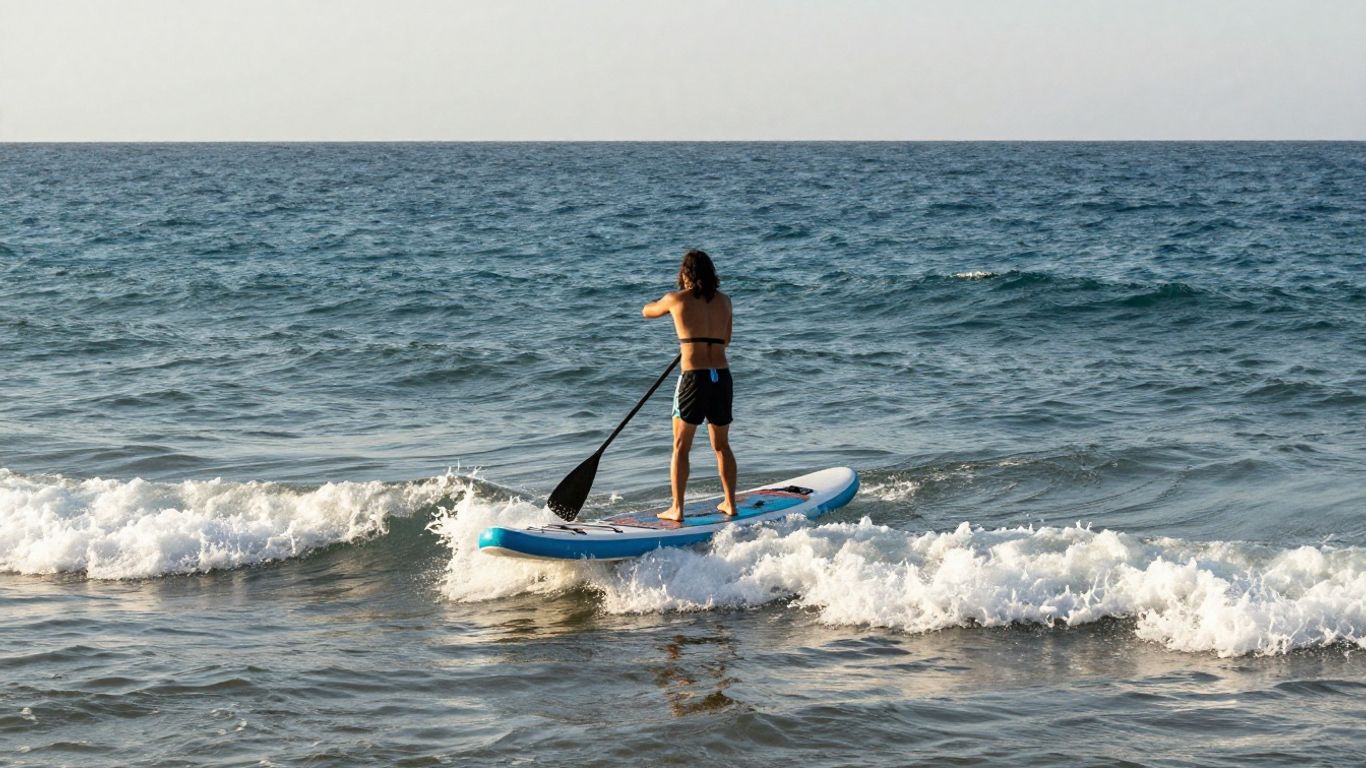
While many visitors seek out Fiji for its calm, sunny days, the island’s natural breezes can actually open up some fantastic opportunities for adventure. If you’re into kite-boarding or windsurfing, you’ll want to pay attention to the wind patterns. The trade winds, which blow year-round, tend to pick up significantly between June and October. This period, coinciding with the dry season, means you get less rain but a better chance of those stronger gusts, especially in the afternoons. For serious kite-boarders, the north coast of Viti Levu is often cited as one of the best spots in the Pacific. It’s a trade-off, of course – you might get a bit more wind than you bargained for if you’re just looking to lounge on the beach, but for thrill-seekers, it’s prime time.
Spectacular Waterfalls During Wetter Periods
Fiji’s lush, tropical landscape is fed by its rainfall, and while the dry season is lovely for many activities, the wetter months (typically November to April) bring their own kind of magic. This is when the island’s numerous waterfalls truly come alive. The increased rainfall swells the rivers and streams, creating more powerful and impressive cascades. Imagine standing before a thundering waterfall, surrounded by vibrant green foliage – it’s quite a sight. While the rain might be more frequent, it often comes in short, heavy bursts, leaving plenty of time for exploration between showers. Visiting during these wetter periods can also mean fewer crowds and potentially lower prices, making it an attractive option for those looking for a more serene experience.
Planning your trip around these seasonal activity shifts can really make a difference. Whether you’re chasing the wind for a watersport thrill or marveling at the power of nature’s cascades, Fiji offers something special no matter the weather.
Synthesizing Weather, Culture, And Activities
So, you’re trying to figure out the absolute best time to jet off to Fiji? It’s a bit like planning a perfect picnic – you want good weather, but maybe you also want to catch a fun local event, and ideally, not break the bank or get stuck in a massive crowd. Fiji, with its 333 islands, offers a bit of everything, but pinning down that sweet spot depends on what you’re after.
The period between May and October generally offers the most pleasant weather, with less rain and comfortable temperatures. This is often called the dry season, and for good reason. You’ll find sunshine is more reliable, making it great for lounging on the beach or exploring.
However, this prime time also means more visitors, especially from Australia and New Zealand looking to escape their winter. This can mean higher prices for flights and accommodation. If you’re looking to avoid the biggest crowds and potentially save a bit, consider the shoulder months of April, May, or November. You might get a bit more rain, but it often comes in short bursts and can make the waterfalls look even more impressive. Plus, you’ll likely find a more relaxed vibe.
Making An Informed Decision For Your Perfect Holiday
When you’re deciding, think about what matters most to you. Are you dreaming of crystal-clear waters for snorkeling and diving? The dry season, from June to October, is your best bet. The rain during the wet season (November to April) can sometimes make the water a bit murky, hiding some of those amazing underwater sights. Water temperatures are warm year-round, though, so you can always take a dip!
If experiencing local culture is high on your list, check out the festival calendar. August is buzzing with the Hibiscus Festival in Suva and the Bula Festival in Nadi often runs through July and August. September brings the Lautoka Sugar Festival. These events offer a fantastic glimpse into Fijian life with music, food, and vibrant celebrations.
Here’s a quick rundown to help you weigh your options:
For Great Weather & Beach Time: July and August are top picks, but expect more people and higher costs.
For Good Weather & Fewer Crowds: April, May, and November offer a nice balance, though you might encounter some rain.
For Snorkeling & Diving: Aim for the dry season, June through October, for the best visibility.
For Festivals: Plan around August for the Hibiscus and Bula Festivals, or September for the Lautoka Sugar Festival.
Remember, Fiji has microclimates, so the weather can vary slightly from island to island. The windward sides tend to get more rain than the leeward sides. Also, while cyclones are a possibility during the wet season (January to March), Fiji has good warning systems in place. The trade winds are present year-round, strongest in the dry season, which can be great for activities like kite-boarding, especially on the north coast of Viti Levu.
Ultimately, there’s no single wrong’ time to visit Fiji. Each season has its own charm and opportunities. By considering the weather patterns, cultural events, and your personal preferences for crowds and budget, you can pick the time that best suits your dream Fijian getaway.
So, When Should You Go?
Ultimately, the best time to visit Fiji really depends on what you’re looking for. If sunshine and minimal rain are your top priorities, aiming for the dry season between July and August is a solid bet, though expect more people and higher prices. For a good balance of pleasant weather and fewer crowds, consider the shoulder months of April, May, or November – you might get a bit of rain, but it can make the scenery even more vibrant. And if underwater exploration is calling your name, the dry season from June to October offers the clearest waters. No matter when you choose to go, Fiji’s warm waters and welcoming spirit are sure to make your trip memorable. Just remember that different parts of the islands can have slightly different weather, so a little local check before you head out can’t hurt.
What’s the best time of year to visit Fiji for perfect weather?
For the most pleasant weather, aim for the dry season, which runs from May to October. During these months, you’ll find less rain and comfortable temperatures, making it ideal for exploring the islands and enjoying outdoor activities.
When is Fiji’s rainy season, and what’s it like?
Fiji’s wet season typically lasts from November to April. It’s known for being hot and humid, with sudden, heavy downpours. While it might rain a lot, the showers are often short, and the rain can make the waterfalls look extra impressive.
Is it a good time to go snorkeling or diving during the wet season?
While the water is warm year-round, the rain during the wet season can sometimes make the water cloudy. This can make it harder to see the amazing underwater life. For the clearest views, it’s best to go snorkeling and diving during the dry season, from June to October.
Are there any big festivals happening in Fiji?
Yes, Fiji has vibrant cultural celebrations! The Hibiscus Festival in August is a big event in Suva with music and food. The Bula Festival in Nadi around July and August is also a week of fun with parades and dancing. In September, Lautoka celebrates its sugar industry with its own festival.
Does Fiji get cyclones, and should I worry about them?
Fiji can experience cyclones, especially during the warmer months of January and February. These storms can bring strong winds and heavy rain. However, Fiji has good warning systems in place, and locals are used to them, so staying informed is key to staying safe.
Are there fewer tourists and lower prices at certain times of the year?
Yes, you can often find fewer crowds and better deals outside of the peak season, which is usually during the Australian and New Zealand school holidays (July and August). Consider visiting in the shoulder months like April, May, or November for a more relaxed and budget-friendly trip.
Does the weather differ across Fiji’s islands?
Fiji has many islands, and while they all have a tropical climate, there can be differences in weather due to something called microclimates. The size and shape of the islands, especially the mountains, can affect how much rain falls in different areas. So, the weather where you stay might be a bit different from another island.
When is the best time to visit Fiji if I want to try kite-boarding?
If you’re interested in kite-boarding, you might want to visit during the shoulder season, like May. This is when the trade winds tend to be stronger, especially in the afternoons, which are great conditions for catching wind on the water. Some spots, like the north coast of Viti Levu, are known for being fantastic for kite-boarding.