Planning a trip to Fiji and wondering if you should hire a local guide? It’s a great idea! Fiji guides can really show you the ropes, from understanding the local vibe to finding those hidden spots. They help you connect with the culture in a way you just can’t on your own. Think of them as your personal key to unlocking the real Fiji, making your vacation way more interesting and respectful. Let’s dive into what you should know about using Fiji guides.
Key Takeaways
Fiji guides help you truly connect with the Bula’ spirit and understand local customs, making your visit more meaningful.
Hiring local guides offers authentic experiences beyond typical tourist spots, connecting you with communities and hidden gems.
Respecting village etiquette, like appropriate attire and greetings, is important, and Fiji guides can help you navigate this.
Experiencing traditional ceremonies like kava or lovo feasts is enhanced with the insights provided by knowledgeable Fiji guides.
Choosing the right Fiji guides, whether for island hopping or cultural immersion, ensures a richer and more enjoyable trip.
Embracing Fijian Culture With Local Guides
When you visit Fiji, you’re not just stepping onto beautiful beaches; you’re stepping into a rich and vibrant culture. To really get a feel for this, hiring a local guide is a fantastic idea. They’re the ones who know the ins and outs, the stories behind the sights, and how to interact respectfully. It’s like having a key to a world that might otherwise remain hidden.
Understanding the Bula’ Spirit
The word Bula’ is more than just a greeting; it’s a feeling, a way of life. It means hello’ and welcome,’ but it also carries a sense of well-being and life. You’ll hear it everywhere, from hotel staff to people you meet on the street. Embracing this spirit means being open, friendly, and ready to connect. Locals are generally very curious and happy to chat, so don’t be shy! A simple Bula!’ with a smile can open doors to genuine interactions. It’s this warmth that truly defines the Fijian experience.
Navigating Village Etiquette
Visiting a Fijian village is a special experience, and knowing a bit about etiquette makes it smoother for everyone. When you arrive, it’s customary to announce your presence before entering. This shows respect for the residents’ privacy and allows them to prepare for your visit. Also, remember that Sundays are typically reserved for family, rest, and reflection, so most villages are closed on this day. It’s best to plan your village visits for other days of the week.
The Significance of Sevusevu
Sevusevu is a traditional ceremony where visitors present a gift, usually kava root, to the village chief. It’s a formal way of asking permission to visit the village and its surrounding areas. Your local guide will be invaluable here, explaining the process and helping you present the gift appropriately. It’s a gesture of respect that goes a long way in building goodwill and showing you appreciate their customs. This tradition is a cornerstone of Fijian hospitality and community relations.
Respecting local customs, like the sevusevu, is key to a meaningful visit. It’s not just about following rules; it’s about showing genuine appreciation for the Fijian way of life and fostering positive relationships with the communities you visit.
Beyond the Tourist Trail
Sure, you can see the main beaches and resorts on your own, but to really get a feel for Fiji, you need someone who knows the islands inside and out. Local guides are the key to stepping off the well-trodden path and finding those spots that aren’t in the brochures. They know the backroads, the quiet coves, and the places where everyday Fijian life happens. It’s about seeing more than just the postcard views; it’s about experiencing the real Fiji.
Connecting with Local Communities
Guides often have deep ties to the villages. This means they can introduce you in a way that’s respectful and welcomed. You might get invited to share a meal, learn a few words of the local language, or even participate in a traditional ceremony. These interactions are what make a trip truly memorable, turning a vacation into a genuine cultural exchange. It’s a chance to see how people live, understand their customs, and build connections that go beyond a simple tourist transaction.
Unlocking Hidden Gems
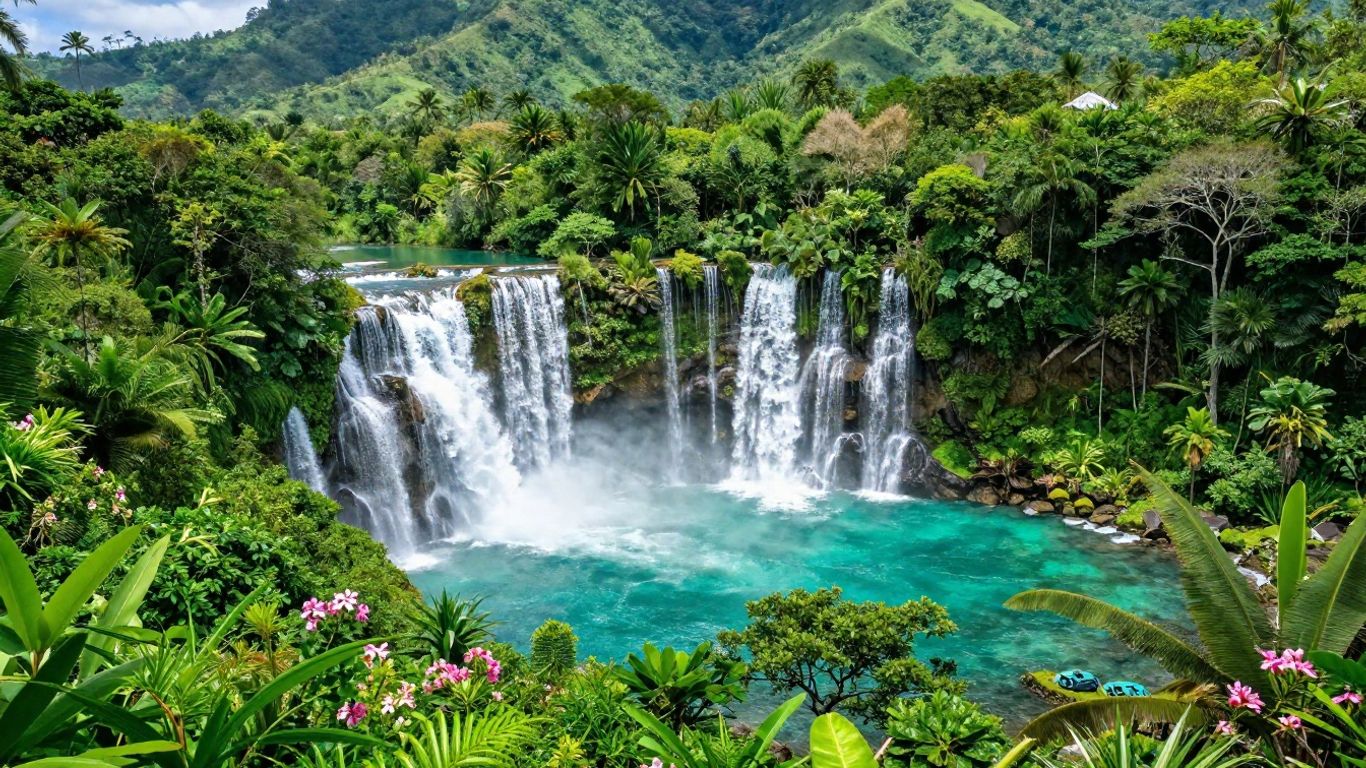
Fiji is made up of over 300 islands, and each one has its own unique charm. A guide can help you discover these differences. They might take you to a secluded waterfall, a spot for incredible snorkeling away from the crowds, or a village known for its traditional crafts. They know the best times to visit certain places and can tailor the experience to what you’re interested in, whether that’s history, nature, or just finding the most peaceful beach.
Discovering secluded beaches: Guides know where to find stretches of sand that feel like your own private paradise.
Experiencing local markets: They can show you the best places to find fresh produce and local crafts, and help you understand what you’re seeing.
Learning about island history: Many guides are walking encyclopedias of local legends and historical facts.
A good guide doesn’t just show you around; they help you understand the place and its people. They bridge the gap between visitor and local, making the experience richer and more meaningful.
Essential Etiquette For Village Visits
When you get the chance to visit a Fijian village, it’s a really special experience. These communities are the heart of Fiji, and showing respect goes a long way. It’s not just about being polite; it’s about understanding and honoring their way of life. Being mindful of local customs will make your visit much more meaningful.
Respecting Sacred Spaces
Villages are not just tourist spots; they are homes and living communities. When you enter, remember that certain areas might be considered sacred or private. Always follow your guide’s lead and avoid wandering into areas without permission. It’s a good idea to ask before taking photos of people or their homes, too. Showing this consideration helps maintain the peaceful atmosphere of the village.
Appropriate Attire and Demeanor
Dress code is pretty important when visiting villages. Think modest and covered. Shoulders and knees should be covered by both men and women. A sulu, which is a traditional Fijian sarong, is a great option for everyone. It’s also best to remove hats and sunglasses before entering the village. Keep your backpack in front of you, not on your back, as a sign of respect. Your demeanor should be calm and friendly. Avoid loud noises or boisterous behavior.
The Importance of Greetings
Greeting people is a big deal in Fiji. When you meet someone, especially in a village setting, a warm Bula! (hello) and a smile are always appreciated. If you’re invited into a home, it’s customary to greet the elders first. Learning a few basic Fijian phrases can really make a difference and show your genuine interest in their culture. It’s a simple gesture that opens doors and hearts. You can find some basic phrases to get you started on Fijian language basics.
When visiting a village, it’s customary to bring a gift, known as a sevusevu’. This is usually kava root or powder, but practical items like books or stationery are also welcome. Presenting your sevusevu to the village chief, the Turaga ni Koro, is an important part of the welcome ceremony and shows your respect for the community.
Experiencing Traditional Fijian Ceremonies
Fiji is a place where traditions are not just remembered, but lived. When you visit, you’ll get a chance to see and even participate in ceremonies that have been part of the culture for generations. These aren’t just shows for tourists; they’re genuine expressions of Fijian life and community. A local guide can help you understand the meaning behind these events and ensure you participate respectfully.
Understanding Kava Ceremonies
The kava ceremony, or yaqona’ as it’s known locally, is a central part of Fijian social and ceremonial life. It’s more than just drinking a beverage; it’s a ritual that builds connections and marks important occasions. The drink itself is made from the root of the kava plant, mixed with water, and served from a special wooden bowl called a tanoa’.
When you’re invited to a kava ceremony, you’ll likely sit on the floor. The kava is usually served in a coconut shell, or bilo’. It’s polite to accept the kava when offered, drink it in one go, and then clap a few times. You might hear the word Bula!’ after drinking, which is a toast to good health. Don’t worry if you don’t want to drink every round; politely declining or asking for a smaller portion is perfectly fine.
The preparation and sharing of kava is a communal act, often used to welcome guests, settle disputes, or celebrate significant events. It’s a moment for people to come together and show respect.
Participating in Lovo Feasts
A lovo’ is a traditional Fijian method of cooking food underground. It’s a feast that often accompanies celebrations, ceremonies, or important gatherings. Food, like root vegetables, fish, and pork, is wrapped in leaves and placed in a pit lined with hot stones. The pit is then covered with earth and left to cook slowly, resulting in incredibly tender and flavorful dishes.
Preparation: Food is wrapped in banana leaves or palm fronds.
Cooking: Placed in a pit with hot stones and covered with soil.
Serving: Uncovered and shared among guests, often after a blessing.
Observing Blessings Before Meals
In many Fijian households and during communal gatherings, a mealtime blessing, or masu’, is a common practice. Before anyone starts eating, a designated person, often the head of the household, will offer a prayer of thanks. It’s important to wait respectfully until this blessing is complete before you begin your meal. This shows respect for the hosts and the cultural significance of sharing food.
Choosing The Right Fiji Guides For Your Adventure
When you’re planning a trip to Fiji, figuring out who’s going to show you around can make a big difference in your experience. It’s not just about getting from point A to point B; it’s about who can help you see and feel the real Fiji. Think about what you want to get out of your visit. Are you looking for someone who knows every hidden cove and secret snorkeling spot, or someone who can explain the history and traditions of the villages you visit?
Island Hopping Specialists
If your dream trip involves hopping between Fiji’s many islands, you’ll want a guide who’s a pro at this. These guides know the best routes, the most reliable transport like the Yasawa Flyer, and how to make the most of your time on each island. They can help you plan a multi-day adventure that hits the highlights, whether you’re aiming for the popular Mamanucas or the more remote Yasawa chain. They understand the rhythm of island life and can help you avoid common pitfalls, like trying to cram too much into one day. These specialists are your key to a smooth and varied island-hopping journey.
Cultural Immersion Experts
For those who want to go deeper than just the beaches, a cultural immersion guide is the way to go. These guides are often locals themselves, with a deep connection to their communities. They can introduce you to village life, explain the significance of ceremonies like the kava ritual, and help you understand the social customs. They’ll be the ones who can translate the nuances of Fijian etiquette, making sure you feel welcomed and respectful. They can also help you learn a few basic Fijian phrases, which always goes a long way.
Adventure and Activity Guides
If your Fiji trip is all about adrenaline and exploration, then an adventure guide is what you need. These guides are experts in specific activities, whether it’s diving, hiking, kayaking, or surfing. They know the best spots for these activities, the safest conditions, and how to get the most thrill out of your experience. They’ll have the gear, the knowledge, and the enthusiasm to make your adventure unforgettable. They can also point you towards great places to rent a car if you plan on exploring the mainland on your own terms.
Choosing the right guide often depends on your personal travel style and what you hope to discover. Don’t be afraid to ask potential guides about their specialties and what kind of experiences they focus on. It’s about finding the perfect match for your Fijian adventure.
Navigating Island Time With Local Insight
Fiji operates on its own unique rhythm, often referred to as Island Time.’ It’s less about strict schedules and more about embracing the present moment and the flow of daily life. Understanding and adapting to this slower pace is key to truly enjoying your Fijian adventure. Local guides are invaluable in helping you tune into this relaxed mindset, showing you how to appreciate the journey as much as the destination.
Embracing a Slower Pace
Forget the rush of your everyday life. In Fiji, things move at a more leisurely speed. This isn’t about inefficiency; it’s a cultural choice that prioritizes connection and well-being over strict punctuality. Your guide will help you understand why waiting for a boat or a meal to be ready is an opportunity to observe, connect, or simply relax.
Understanding Sega Na Laqa’
This Fijian phrase, roughly translating to no worries’ or no problem,’ perfectly encapsulates the island spirit. It’s a reminder to let go of stress and embrace a more carefree attitude. When you hear sega na laqa,’ it’s an invitation to relax and go with the flow. Your local guide will often use this phrase, helping you shed any lingering anxieties and fully immerse yourself in the laid-back Fijian way of life.
Maximizing Your Relaxed Itinerary
While Fiji is about relaxation, a little planning with local insight can make your trip even more rewarding. Local guides can help you structure your days without feeling rushed, suggesting the best times for activities to avoid crowds or simply to catch the most beautiful light. They know when to linger and when to move on, ensuring you experience the best of each island without feeling pressured.
Prioritize experiences over ticking boxes: Focus on enjoying each moment rather than rushing to see everything.
Be flexible: Island time means plans can change. Embrace spontaneity and see where the day takes you.
Communicate your needs: While embracing the slow pace, don’t hesitate to let your guide know if you have specific time constraints for certain activities.
Adapting to Fiji’s pace means letting go of the clock and embracing the present. It’s an opportunity to reconnect with yourself and the natural beauty surrounding you, a gift that many visitors find profoundly restorative.
The Value Of Local Knowledge
When you’re in Fiji, especially if you’re looking to go beyond the usual spots, having someone local with you makes a huge difference. It’s not just about getting from point A to point B; it’s about understanding what you’re seeing and experiencing.
Learning Basic Fijian Phrases
Even a few words can open doors. Locals really appreciate it when visitors try to speak their language. It shows respect and a genuine interest in their culture. Think about learning greetings like Bula (hello) and Vinaka (thank you). You might also want to pick up Sega na Laqa, which basically means no worries or it’s all good – a phrase that perfectly captures the Fijian spirit.
Bula: Hello / Welcome
Vinaka: Thank you
Sega na Laqa: No worries / It’s all good
Kerekere: Please
Discovering Local Flavors
Forget the resort restaurants for a night. A local guide can take you to places where you can try authentic Fijian food. This could be anything from a home-cooked meal prepared in a traditional lovo (an underground oven) to fresh seafood caught that day. They know the best spots for kokoda (Fijian ceviche) or where to find the sweetest tropical fruits.
Trying local food is a direct way to connect with the culture. It’s about tasting the land and the sea, prepared in ways that have been passed down through generations. Don’t be afraid to ask what’s in a dish; your guide will be happy to explain.
Gaining Deeper Cultural Understanding
This is where local guides truly shine. They can explain the significance of traditions, like the sevusevu (gift-giving ceremony) when visiting a village, or the rituals surrounding a kava ceremony. They can share stories about their families, their islands, and their way of life. This personal connection is what transforms a trip into a truly memorable experience. You’ll learn about the importance of community, respect for elders, and the deep connection Fijians have with their environment. It’s about seeing Fiji not just as a beautiful destination, but as a living, breathing culture.
Planning Your Island Hopping Itinerary
Thinking about hopping between Fiji’s islands? It’s a fantastic way to see what this place is all about, really. You get to experience so many different vibes, from busy little spots to places where it feels like you’re the only one there. But with over 300 islands, where do you even start? That’s where a bit of planning comes in handy.
Multi-Day vs. Single-Day Tours
For a real taste of island life, you’ll want to consider multi-day tours. Trying to see too much in just one day can feel rushed, and you miss out on truly settling in. Spending at least two nights on an island lets you explore a bit and then just relax, soak up the sun, and get a feel for the place. Single-day trips are great for a quick look, especially if you’re based on one main island and want to pop over to a nearby one for a few hours, but they don’t give you that deep dive into Fijian culture.
Key Island Chains: Mamanucas and Yasawas

When people talk about island hopping in Fiji, they usually mean the Mamanuca and Yasawa Islands. The Mamanucas are closer to the main island, Nadi, and tend to be a bit more developed. Think easy access, lots of activities, and popular spots. The Yasawas are further out, a bit more remote, and offer a more traditional, laid-back experience. You’ll find fewer crowds and a real sense of getting away from it all. Many island-hopping passes connect these areas, so you can easily visit both.
Seasonal Considerations for Activities
When you go really matters, especially for certain activities. The dry season, from May to October, is generally the best time for island hopping. The seas are calmer, the weather is pleasant, and visibility for snorkeling is great. This is also prime time for seeing manta rays in the Yasawas, usually from May to October. The wet season, from November to April, means fewer tourists and lower prices, but you might deal with rain and rougher seas. If seeing manta rays is high on your list, definitely aim for the dry season.
Planning ahead is key, especially if you’re traveling during the peak dry season. Booking your accommodation and transport, like the popular Yasawa Flyer catamaran, in advance will save you a lot of hassle and ensure you get to experience the islands you’ve set your heart on.
Respecting Fijian Customs and Traditions
When you visit Fiji, you’ll find that the local culture is deeply rooted in respect and community. Understanding and honoring their customs will make your trip much more meaningful. It’s like visiting a friend’s house – you want to be a good guest, right? Well, the same applies here, but with a bit more history and tradition behind it.
The Sacredness of the Head
One of the most important things to remember is that Fijians consider the head to be the most sacred part of a person’s body. This means you should avoid touching anyone’s head, even children’s. It’s a sign of deep respect. If you want to show affection or acknowledge someone, a handshake or a friendly wave is perfectly fine. It might seem a little strange at first, but it’s a core part of their beliefs.
Village Visit Protocols
Visiting a Fijian village is a special experience, and there are a few things to keep in mind to show you’re being respectful. First off, always dress modestly. Think shoulders and knees covered, especially for women. Wearing a sulu, a traditional Fijian wrap, is a good idea. When you enter a village, it’s customary to bring a gift, known as a sevusevu’. This is usually kava root or powder, and it’s presented to the village chief. Your guide will help you with this process, making sure it’s done correctly. Also, remember to remove hats and sunglasses before entering a village, and it’s polite to carry your backpack in front of you.
Gift-Giving Traditions
The sevusevu’ ceremony is a really significant part of visiting a village. It’s not just about giving a gift; it’s a formal way to introduce yourself and show respect to the community. The kava root is the traditional gift, symbolizing your peaceful intentions and desire to be welcomed. If kava isn’t available or practical, other thoughtful gifts like school supplies or books for the village children are also appreciated. Your local guide will be instrumental in explaining the significance of the sevusevu and ensuring you participate appropriately. It’s a beautiful exchange that helps build a connection between visitors and the community.
Embracing local customs isn’t just about following rules; it’s about showing genuine appreciation for the Fijian way of life. Taking the time to learn and respect these traditions will open doors to more authentic interactions and a richer travel experience.
Asking the Right Questions
Your local guide is a treasure trove of information, and asking thoughtful questions is key to getting the most out of your experience. Don’t be shy! Inquire about the history of the places you’re visiting, the local customs, or even just what their favorite part of the island is. Asking about daily life in the village or traditional practices can open up fascinating conversations. For instance, you might ask:
What is the significance of this particular ceremony?
Can you tell me about the local flora and fauna?
What are some common Fijian phrases I can use?
A good guide will be happy to share their knowledge and help you connect with Fiji on a deeper level.
Being Open to Spontaneity
While it’s good to have an idea of what you want to see and do, Fiji operates on island time,’ and sometimes the best experiences are unplanned. Your guide might suggest a detour to a local market they know is particularly vibrant that day, or perhaps an impromptu invitation to share a meal with a local family. Embracing these spontaneous moments can lead to some of your most memorable adventures. Don’t be afraid to go with the flow; these unexpected opportunities often reveal the true heart of Fijian culture.
Expressing Gratitude
Showing appreciation goes a long way in Fijian culture. A simple Vinaka’ (thank you) is always welcome, but a more personal expression of gratitude can make a significant impact. Consider:
A small, thoughtful gift: This could be something practical for their family, like school supplies for children, or a memento from your home country. It’s the thought behind the gift that matters most.
Sharing your positive experiences: Let your guide know specifically what you enjoyed about their company and the insights they provided. Positive feedback is always appreciated.
A written thank-you note: If you have the time, a handwritten note expressing your thanks can be a very personal and meaningful gesture.
Remember that your guide is not just providing a service; they are sharing their home and culture with you. Treating them with respect and genuine appreciation will enrich your journey immeasurably.
Embrace the Bula Spirit
So, as you plan your Fijian adventure, remember that hiring a local guide isn’t just about getting from point A to point B. It’s about opening a door to genuine connection. These are the people who know the hidden paths, the best spots for a quiet swim, and the stories that make these islands truly special. By embracing their knowledge and respecting their ways, you’re not just a tourist; you become a welcomed guest. Let the warmth of the Fijian people, their traditions, and the breathtaking scenery wash over you. It’s a journey that promises not just sights, but experiences that will stay with you long after the tan fades. Vinaka vakalevu for choosing to explore Fiji with an open heart and mind.
What does Bula!’ mean, and why do Fijians say it so much?
Bula!’ is the most common greeting in Fiji, like saying Hello!’ or Welcome!’. Fijians are known for being super friendly and love to share their warmth. Saying Bula!’ with a smile is a great way to connect with them and show you’re happy to be there. They’re often curious about visitors, so don’t be afraid to chat – they might even share local secrets!
Is it okay to visit a Fijian village on a Sunday?
It’s best to avoid visiting villages on Sundays. For Fijians, Sunday is a special day for family, rest, and church. Most villages and businesses are closed, so it’s a day to relax and enjoy other activities like exploring towns or simply unwinding.
What should I wear when visiting a Fijian village?
When visiting a village, it’s important to dress modestly. This means covering your shoulders and knees. For women, wearing a sulu’ (a Fijian sarong) is a good idea. Also, remember to take off hats and sunglasses before entering a village, and it’s polite to carry your backpack in front of you.
Do I need to bring a gift when visiting a village?
Yes, it’s customary to bring a gift, called sevusevu,’ when visiting a village for the first time. The most traditional gift is kava root or powder. Your tour guide can help you with this, or you can often buy it at local markets. This gift shows respect and is a way to be welcomed into the community.
What is a Kava ceremony, and what should I expect?
A Kava ceremony, also known as a Yaqona ceremony, is a traditional Fijian ritual where a special drink made from a pepper plant’s root is shared. It has a calming effect. If you’re offered Kava, accept it politely, sip from the coconut shell bowl, and try to sit quietly and respectfully during the ceremony. It’s a central part of Fijian gatherings.
Why shouldn’t I touch someone’s head in Fiji?
In Fijian culture, the head is considered the most sacred part of the body. Touching someone’s head, even a child’s, is seen as disrespectful. It’s better to offer a handshake, a hug, or a high-five instead.
What is Island Time’ and Sega Na Laqa’?
Island Time’ refers to the relaxed and unhurried pace of life in Fiji. Sega Na Laqa’ is a Fijian phrase that means no worries’ or no problem.’ It captures the laid-back attitude, so don’t stress about schedules – embrace the slower pace and enjoy your vacation!
How can a local guide enhance my trip to Fiji?
Local guides offer invaluable insights you won’t find in guidebooks. They can take you off the usual tourist paths to discover hidden spots, help you understand the culture and traditions, connect you with local communities, and even teach you basic Fijian phrases. They make your experience much more authentic and memorable.