Planning a trip to Fiji? Beyond the stunning beaches and clear blue water, there’s a whole lot of culture waiting to be explored. Fiji cultural tours are a fantastic way to see the real Fiji, meet the locals, and learn about traditions that have been around for ages. Forget just lounging around; these tours let you really connect with the islands and their people. You can experience everything from ancient ceremonies to delicious food cooked in the ground. It’s a chance to see a different side of Fiji, one that’s rich in history and community spirit.
Key Takeaways
Experience a traditional Kava ceremony to understand local customs and social bonding.
Witness vibrant Meke dance performances that tell stories of Fijian legends and history.
Participate in a Lovo feast, enjoying food cooked in an underground earth oven.
Visit local villages like Viseisei or Tau Village to interact with residents and learn about daily life.
Engage with Fijian crafts, such as pottery making, or learn traditional cooking methods.
1. Kava Ceremony
Participating in a traditional kava ceremony is a cornerstone of experiencing Fijian culture. This ancient ritual involves the preparation and sharing of kava, a mildly sedative drink made from the dried roots of the Piper methysticum plant. It’s more than just a drink; it’s a symbol of welcome, respect, and community bonding.
When you’re invited to a kava ceremony, you’ll likely observe a specific order of events. The chief or elder of the village typically presides over the ceremony, and guests are often seated in a specific arrangement. The kava root is pounded, mixed with water in a large wooden bowl called a tanoa’, and then strained into small coconut shell cups.
Here’s a general idea of what to expect:
Preparation: The kava root is pounded into a powder and mixed with fresh water.
Serving: The drink is served in rounds, usually starting with the chief or honored guests.
Consumption: You’ll typically drink your cup in one go, often after a short chant or blessing.
Socializing: After the formal ceremony, conversation and storytelling usually follow.
The act of sharing kava is a profound way to connect with the local people and understand their customs. It’s a practice deeply woven into the social fabric of Fiji, used for everything from welcoming visitors to settling disputes and celebrating important occasions. While the taste can be earthy and slightly bitter, the experience itself is incredibly rewarding, offering a genuine glimpse into the heart of Fijian hospitality. You might even get to try some of the delicious local snacks that are often served alongside the kava. This is a great way to start your cultural journey in Fiji honeymoon experience .
2. Meke Dance Performances
When you visit Fiji, you absolutely have to check out a Meke performance. It’s not just a dance; it’s a whole story told through movement, song, and rhythm. Think of it as a living history lesson, where ancient tales of bravery, love, and important events come to life right before your eyes.
The performers, often dressed in vibrant, traditional costumes, move with incredible grace and power. The chanting and singing are mesmerizing, drawing you into the narrative. It’s a really powerful way to connect with the heart of Fijian culture.
Here’s what makes a Meke so special:
Storytelling: Each Meke performance narrates a specific legend, historical event, or even a romantic tale from Fijian folklore.
Rhythm and Movement: You’ll see a variety of dance styles, from energetic warrior dances to graceful, flowing movements, all synchronized with percussive rhythms.
Vocal Performance: The accompanying songs and chants are just as important as the dance, carrying the emotional weight and historical context of the story.
Experiencing a Meke is more than just watching a show; it’s about feeling the pulse of Fijian tradition and understanding the stories that have shaped the islands for generations. It’s a truly captivating spectacle that stays with you long after the final drumbeat.
Many cultural villages and resorts offer Meke performances, often combined with other traditional experiences like a Kava ceremony or a Lovo feast. It’s a fantastic opportunity to witness this beautiful art form firsthand and appreciate the rich cultural heritage of Fiji.
3. Fiji Culture Village
Stepping into the Fiji Culture Village is like walking into a living piece of Fijian history. It’s not just a place to see things; it’s where you get to feel the pulse of the islands. You’ll be greeted with a warrior’s welcome, which is pretty impressive, and then you get to try your hand at some traditional crafts. Think pottery or weaving with local grasses – it’s a nice way to connect with the skills passed down through generations.
They show you around the Bure Ni Kalou, which is the village temple, and the Bure Ni Turaga, the chief’s house. It gives you a real sense of the community’s structure and beliefs. And the meke performance? It’s vibrant and tells stories of Fiji’s past through dance and song. It’s a fantastic way to learn about the island’s legends and history in a really engaging way.
Whether you go for the lunch tour or the evening one with a lovo feast – where food is cooked underground – you’re in for a treat. Both tours include a kava ceremony, which is a big part of welcoming guests and building connections. It’s all about experiencing that famous Fijian hospitality firsthand.
Visiting a place like the Fiji Culture Village offers a genuine look into daily life and traditions. It’s a chance to see how communities function and how culture is kept alive.
Here’s a quick look at what you might experience:
Traditional Welcome: Experience the warmth of a Fijian greeting.
Craft Demonstrations: Try your hand at pottery or weaving.
Village Tour: Explore key community buildings like the temple and chief’s house.
Meke Performance: Witness traditional dance and storytelling.
Kava Ceremony: Participate in a welcoming ritual.
Lovo Feast (Evening Tour): Enjoy a meal cooked in an underground oven.
4. Jewel Of Fiji Tour
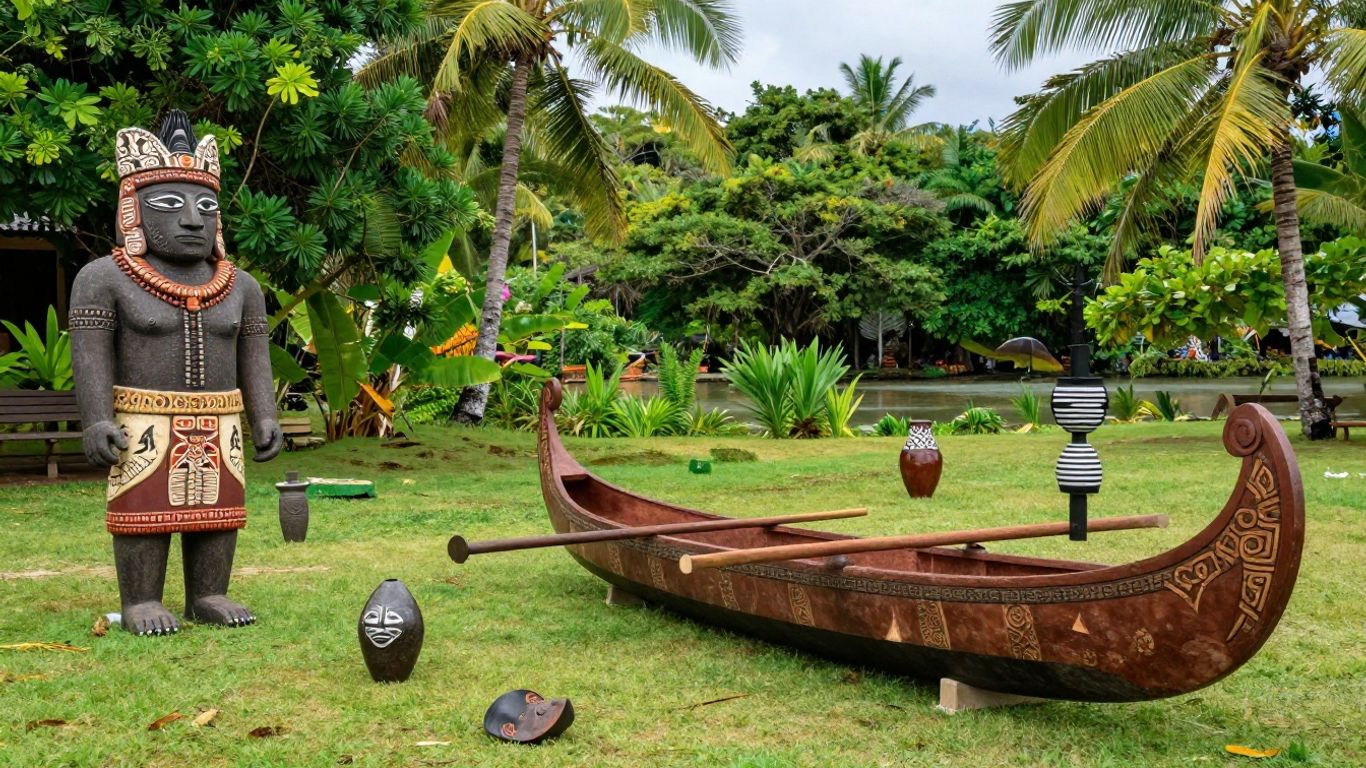
Looking for an adventure that blends thrilling activities with a genuine taste of Fijian culture? The Jewel of Fiji Tour might be just what you’re after. This tour takes you away from the usual tourist spots and into the heart of Fiji’s natural beauty and traditions.
Your day typically starts with some excitement on the water. Imagine navigating the scenic Navua River, perhaps with some river rafting or a refreshing swim in a beautiful waterfall. It’s a great way to experience the lush interior of the islands. After all that activity, you’ll get to experience a traditional Fijian feast. Think delicious food prepared using local methods, enjoyed in a village setting.
What really makes this tour special is the cultural immersion. You’ll have the chance to interact with locals and witness traditional performances, like the energetic meke dance. It’s a chance to see and feel the spirit of Fiji firsthand.
This tour offers a fantastic mix of adrenaline and authentic cultural encounters, giving you a well-rounded experience of Fiji beyond the beaches.
Here’s a general idea of what to expect:
River adventure (rafting or boat ride)
Waterfall visit and swim
Traditional Fijian feast (often cooked in an earth oven, or lovo’)
Cultural performance (like a meke dance)
Interaction with a local village community
It’s a full day, usually around 10 hours, and provides a really memorable way to connect with Fiji. If you’re interested in exploring more adventurous paths, you might also enjoy discovering hidden jungle treks on other islands.
This tour is a wonderful way to see a different side of Fiji, combining natural wonders with the warmth of its people.
5. Tau Village Tour
When you’re looking to really get a feel for Fijian life beyond the beaches, a visit to Tau Village is a fantastic choice. It’s a place where you can see traditions still being lived out every day. You’ll usually start with a welcome ceremony, which is a nice way to show respect and get things rolling. It’s a chance to connect with the locals and learn a bit about their customs.
The village itself is a living example of Fijian heritage. You can wander around, see how people live, and maybe even get a glimpse into the local school, which is often a big point of pride for the community. If you’re thinking of bringing something, school supplies like pencils or books are always appreciated by the kids and teachers.
Here’s what you might experience:
Traditional Welcome: A formal greeting ceremony to start your visit.
Village Exploration: A walk through the village to observe daily life.
Cultural Performances: Witnessing traditional dances like the Meke.
Local Crafts: Seeing artisans at work, perhaps making tapa cloth.
For the more adventurous, there’s often an option to visit nearby ancestral caves. Sometimes this involves a zip line, which adds a bit of thrill as you glide over the jungle canopy before exploring the caves themselves. These caves have a lot of history and are considered significant places.
A highlight for many is the traditional Lovo feast. This is where food is cooked underground using hot stones, giving everything a unique, smoky flavor. It’s a delicious way to taste authentic Fijian cooking.
It’s a good idea to go with a local guide who can explain everything and make sure you’re being respectful. They can help you understand the stories and the significance of what you’re seeing. It’s a really down-to-earth way to experience Fiji.
6. Lovo Feast
One of the most authentic ways to experience Fijian culture is through its food, and the lovo feast is a prime example. This isn’t just a meal; it’s a communal event, a tradition passed down through generations. A lovo is essentially an underground oven, a pit dug into the earth where food is slow-cooked over hot stones. It’s a method that imparts a unique, smoky flavor to everything cooked within.
The preparation itself is a spectacle. First, stones are heated in a large fire within the pit. Once the stones are glowing hot, the embers are cleared, and the food, typically wrapped in banana leaves or palm fronds, is carefully placed on top. This might include various meats like chicken and pork, alongside root vegetables such as taro, cassava, and sweet potatoes. The pit is then covered with more leaves and soil, sealing in the heat and steam to cook the food for several hours.
The result is incredibly tender, flavorful food that tastes unlike anything cooked in a conventional oven.
Here’s a general idea of what goes into preparing a lovo:
Fire Preparation: Stones are heated in the pit for about 2-3 hours.
Food Preparation: Meats and vegetables are seasoned and wrapped in leaves.
Cooking: Food is placed on the hot stones, covered, and cooks for approximately 1.5 hours.
Beyond the delicious food, participating in or witnessing a lovo preparation offers a glimpse into the resourcefulness and communal spirit of Fijian life. It’s a culinary journey that connects you directly to the heart of the islands.
This traditional cooking method is more than just a way to prepare a meal; it’s a celebration of community, a connection to the land, and a taste of history all rolled into one.
7. Vavavi Cooking & Cultural Experience
If you’re looking to really get your hands dirty and taste authentic Fijian flavors, the Vavavi Cooking & Cultural Experience is the way to go. This isn’t just about watching; it’s about participating. You’ll join local host Samu and his family, becoming part of the Vavavi family for the day. The highlight is definitely getting involved in preparing a traditional Fijian feast, especially the famous lovo.
The day kicks off with a refreshing drink and a demonstration of how the lovo, an underground oven, works. Then, you’ll learn to make dishes like falawa and palusami, which are staples in Fijian cuisine. After you’ve helped prepare the food, you’ll take a trip to a local market to see where all the fresh ingredients come from while the lovo does its magic underground. Lunch is served, often with local beers, and the experience wraps up with a kava ceremony, a traditional way to welcome guests.
For the more adventurous, Vavavi also offers an e-scooter version of the tour. This version includes a scoot through the markets and Nadi city, though it’s for those over 18 (or 12-17 with parental consent). It’s a fantastic way to see more of the area while still diving into the culture.
This experience offers a genuine connection to Fijian life, moving beyond observation to active participation. It’s a chance to learn, cook, and share a meal, truly immersing yourself in the local way of life.
Here’s a quick look at what you can expect:
Lovo Preparation: Learn the secrets of this traditional underground cooking method.
Dish Creation: Help prepare classic Fijian dishes.
Market Visit: Explore a local market for fresh produce.
Kava Ceremony: Participate in a traditional welcome ritual.
Optional E-Scooter Tour: A modern twist on exploring Nadi.
8. Pottery Crafting Village
Fiji’s artistic heritage extends beyond the well-known tapa cloth and wood carvings. Along the Coral Coast, you can discover villages where the ancient art of pottery making is still very much alive. Here, local artisans continue to shape clay using traditional techniques passed down through generations. It’s a chance to see firsthand how functional art is created, from the initial molding to the final firing.
These villages offer a unique glimpse into a craft that’s both practical and beautiful. You’ll witness the skill involved in transforming simple earth into intricate bowls, vases, and other decorative items. Many tours provide opportunities to try your hand at the potter’s wheel, guided by experienced craftspeople. It’s a hands-on experience that connects you directly to the land and its resources.
Here’s what you might encounter:
Observation of Traditional Techniques: Watch artisans expertly shape clay using methods honed over centuries.
Hands-on Experience: Get a chance to mold your own piece of pottery under expert guidance.
Understanding the Process: Learn about the sourcing of local clay and the firing methods used.
Unique Souvenirs: Purchase directly from the makers, acquiring authentic, handcrafted pieces.
The dedication to preserving these traditional crafts is truly inspiring. It’s a testament to the enduring cultural practices that define Fiji.
Visiting a pottery crafting village isn’t just about seeing art; it’s about appreciating the continuity of skill and the connection to the earth that these communities maintain. It’s a quiet, contemplative experience that offers a different perspective on Fijian culture.
9. Viseisei Village
Viseisei Village offers a genuine look into Fijian life, a place where traditions are not just remembered but lived every day. It’s a community that opens its doors to visitors, sharing its customs and daily routines with a warmth that’s truly Fijian. When you visit, you’ll get to see how people here live, work, and keep their heritage alive.
The village is known for its strong connection to traditional practices and its role in preserving Fijian culture. You might witness daily activities like preparing food, tending to gardens, or perhaps even see local crafts being made. It’s a chance to see a different pace of life, one that’s deeply connected to the land and community.
Here are a few things you might experience:
Daily Life Observation: Get a feel for the rhythm of village life, from morning routines to community gatherings.
Cultural Demonstrations: Depending on the day, you might see demonstrations of traditional skills or crafts.
Interaction with Locals: Engage with the villagers, learn about their customs, and perhaps share a friendly "Bula!"
Visiting Viseisei Village isn’t just about seeing; it’s about connecting. It’s an opportunity to understand the heart of Fiji through the people who call it home, offering a perspective that goes beyond the usual tourist spots.
10. Vou Fiji Dance
Get ready to be swept away by the vibrant energy of Vou Fiji Dance, a dynamic performing arts company that brings Fijian culture to life through movement and music. Founded by local dancers, Vou Hub in Nadi isn’t just a performance venue; it’s a center dedicated to keeping Fijian traditions alive and strong, employing many local artists.
Vou Fiji offers a captivating blend of contemporary and traditional dance, telling stories that are deeply rooted in Fijian heritage. Their shows, like the celebrated Fiji Untold,’ are fantastic for all ages. For the younger ones, the Island Adventurers’ show is full of singing and dancing, while they sometimes bring back the magical Fijian Flying Circus.’ It’s a really engaging way to experience the spirit of Fiji.
Here’s what you can expect:
Storytelling through Dance: Witness ancient legends and modern Fijian life depicted through powerful choreography.
Live Music: Performances are accompanied by authentic Fijian music, adding another layer to the experience.
Cultural Preservation: By attending, you’re directly supporting local artists and the continuation of Fijian performing arts.
Vou Fiji provides a modern interpretation of traditional Fijian stories, making them accessible and exciting for everyone. It’s a chance to see how culture evolves while staying true to its roots.
Embrace the Spirit of Fiji
So, there you have it – a peek into the vibrant heart of Fiji beyond the beaches. From sharing a kava bowl with villagers to witnessing the energy of a meke dance and tasting food cooked in an earth oven, these cultural tours offer a real connection to the islands. It’s more than just a vacation; it’s a chance to experience genuine hospitality and learn about traditions that have shaped Fiji for generations. Don’t just see Fiji, feel it. Take a moment to step off the beaten path, engage with the local culture, and you’ll leave with memories that truly last a lifetime. Vinaka!
What is a Kava Ceremony?
A Kava ceremony is a special gathering where people drink kava, a drink made from a plant’s root. It’s a way for Fijians to welcome guests and connect with each other. You’ll often see it done before important events or when meeting new people.
What is a Meke performance?
A Meke is a traditional Fijian performance that includes singing and dancing. The dancers tell stories about Fiji’s history, legends, and daily life through their movements and colorful costumes. It’s a lively and beautiful show!
What’s a Lovo feast?
A Lovo feast is a traditional Fijian meal cooked in an underground oven. Food like meat and vegetables are wrapped in leaves and placed on hot stones in a pit, then covered with earth. It gives the food a delicious, smoky flavor.
What should I wear when visiting a Fijian village?
When visiting a village, it’s important to dress respectfully. This means covering your shoulders and knees. You might want to wear a sarong or light clothing that’s not too revealing. It’s also polite to take off your hat and sunglasses before entering a home.
Is it okay to take pictures in villages?
It’s generally a good idea to ask for permission before taking photos of people in villages. Fijians are usually happy to be photographed, but it’s always best to be polite and ask first. This shows respect for them and their culture.
What is Bula!’?
Bula!’ is the most common greeting in Fiji, like saying hello.’ It means life’ and is used to welcome people. Responding with Bula!’ will usually bring a big smile from the locals!
What is Kokoda?
Kokoda is a popular Fijian dish made with fresh raw fish that’s marinated in lime juice and coconut milk, often mixed with vegetables. It’s served cold and is very refreshing, especially in the Fijian heat.
Can I try traditional Fijian crafts?
Yes, many cultural tours offer a chance to try traditional crafts. You might get to see or even try making things like pottery, weaving mats, or carving wood. It’s a great way to learn about the skills passed down through generations.