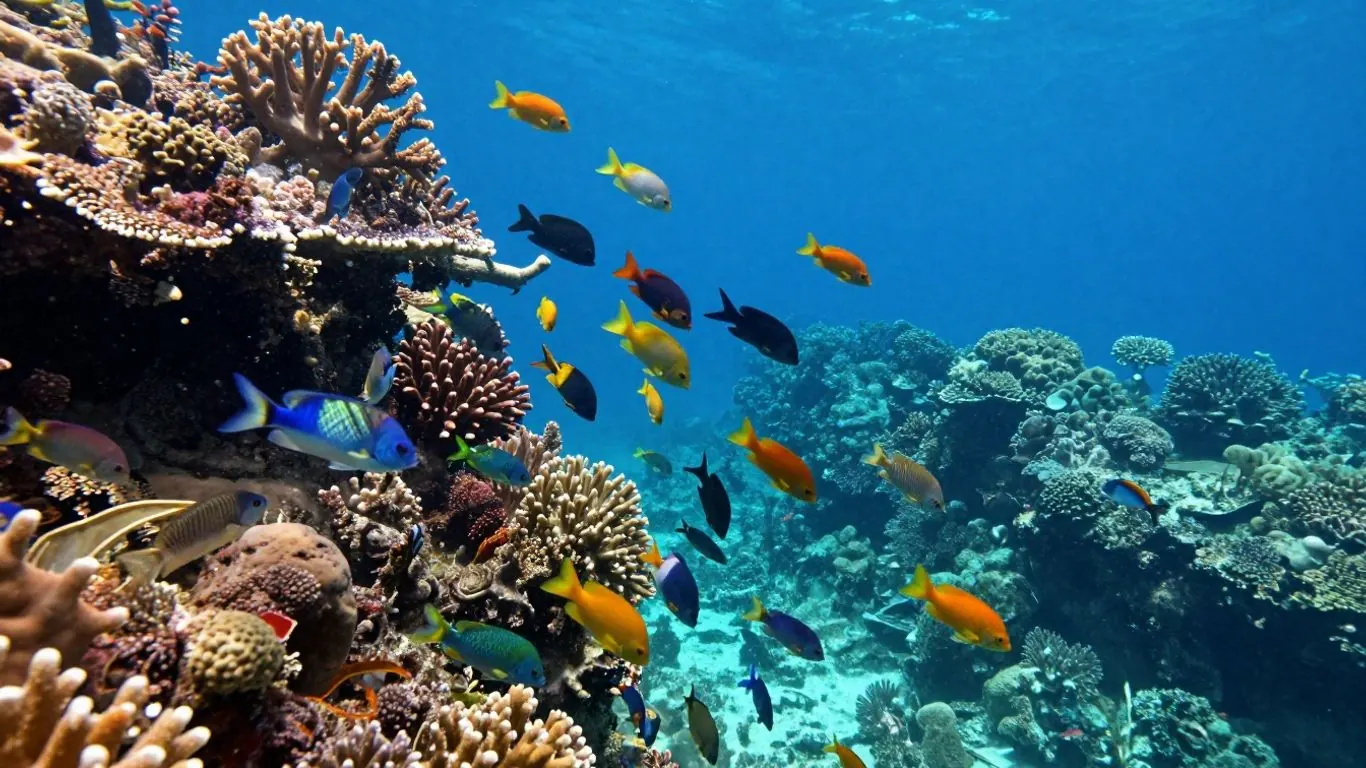
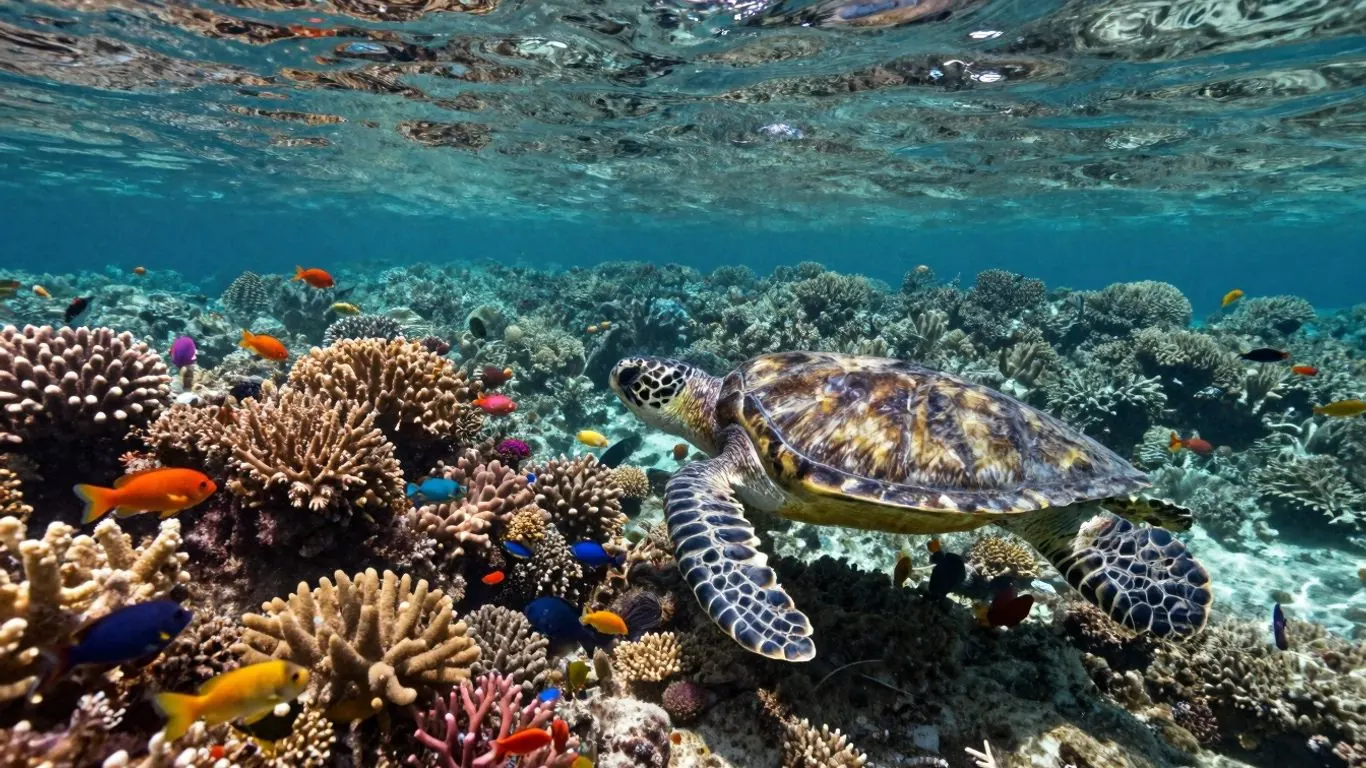
Fiji might be famous for its overwater bungalows and sandy beaches, but the real magic happens underwater. Imagine a world bursting with color, where coral formations create intricate cities for countless fish. These Fiji coral gardens are truly something special, offering incredible sights for anyone who loves the ocean. Whether you’re a seasoned snorkeler or just dipping your toes in, Fiji has a spot for you to witness this underwater spectacle.
Key Takeaways
Fiji boasts over 4,000 square miles of coral reefs spread across its many islands, making it a prime destination for exploring underwater wonders.
The warm, clear waters and mild climate mean you can enjoy snorkeling in Fiji’s coral gardens almost any time of year.
From the Soft Coral Capital’ of the Rainbow Reef to the vastness of Beqa Lagoon, Fiji offers diverse marine environments for all levels of snorkelers.
Regions like the Mamanuca and Yasawa Islands are great for families, while Kadavu’s Great Astrolabe Reef offers a more untouched experience.
Planning your trip by choosing a region and deciding between guided tours or independent exploration will help you make the most of Fiji’s amazing coral gardens.
Discover Fiji’s Underwater Wonders
Fiji, a scattering of over 300 islands in the South Pacific, is more than just postcard-perfect beaches and swaying palms. Beneath the surface of its clear, warm waters lies a world bursting with color and life – Fiji’s famous coral gardens. These underwater landscapes are a significant part of what makes this island nation so special, offering a vibrant spectacle for anyone who ventures to explore them. The sheer scale of these reefs is impressive, covering thousands of square miles.
A World of Vibrant Coral Gardens
Imagine swimming through gardens where corals in every imaginable shape and hue create a living tapestry. From delicate fan corals to massive brain corals, these formations are the foundation for an incredible diversity of marine creatures. You’ll find yourself surrounded by schools of tiny, shimmering fish, larger species cruising by, and perhaps even a sea turtle gliding gracefully through the water. It’s a dynamic ecosystem, constantly buzzing with activity.
Year-Round Snorkeling Paradise
One of the best things about Fiji’s underwater world is that you can explore it almost any time of year. The climate is mild, and the water temperature stays comfortably warm, usually around 79°F (26°C). Visibility is generally excellent, meaning you can see all the amazing details of the reefs without much effort. While some specific spots might have seasonal highlights, like manta ray gatherings, most of the coral gardens are accessible and beautiful throughout the year. This makes planning your trip much simpler, as you don’t have to worry too much about missing out based on the calendar. You can simply pick a time that works for you and get ready for an amazing experience exploring these reefs .
Embrace the Warmth of Fijian Hospitality
Beyond the stunning marine life, the spirit of Fiji truly shines through its people. " is more than just a word; it’s an invitation to experience genuine warmth and kindness. This welcoming atmosphere extends from the moment you arrive, creating a relaxed and friendly environment that makes exploring Fiji, both above and below the water, an absolute joy. It’s this blend of natural beauty and heartfelt hospitality that makes a trip to Fiji so memorable.
The islands offer a unique rhythm, where moments of adventure, like snorkeling among vibrant coral, are perfectly balanced with the slower pace of island life, creating a restorative experience.
Premier Coral Garden Destinations
Fiji is absolutely packed with incredible underwater spots, and picking just a few can be tough. But some places really stand out for their sheer beauty and the amazing life they support. These are the spots that keep people coming back, year after year.
The Rainbow Reef: Soft Coral Capital
This place is legendary, and for good reason. Jacques Cousteau himself called it the "soft coral capital of the world," and once you see it, you’ll know why. Imagine walls of coral in every color imaginable, swaying gently in the current. It’s located in the Somosomo Strait, between the islands of Vanua Levu and Taveuni. You’ll need a boat to get to the best spots, but tours are readily available from both islands. Some of the most famous sites here include:
The Great White Wall: A dramatic drop-off covered in brilliant white soft corals, plunging over 130 feet. It’s a sight you won’t forget.
The Zoo: Don’t let the name fool you; it’s packed with fish, not animals. Expect to see big pelagic species like barracudas and trevallies.
The Cabbage Patch: Here, the coral formations look just like their namesake, creating a unique underwater landscape.
The Rainbow Reef is a must-see for anyone who loves vibrant underwater scenery. It’s a truly spectacular display of nature’s artistry.
Beqa Lagoon: A Majestic Barrier Reef
Located just off the southern coast of Fiji’s main island, Beqa Lagoon is home to one of the planet’s largest barrier reefs. It’s a huge area, offering a variety of experiences. You can find calm, shallow waters perfect for a relaxed snorkel right near resorts like the Beqa Lagoon Resort. Or, if you’re feeling a bit more adventurous, you can take an excursion to snorkel with the abundant reef sharks that call this lagoon home. It’s a fantastic spot for seeing a wide range of marine life in a protected environment.
Namena Marine Reserve: A Protected Oasis
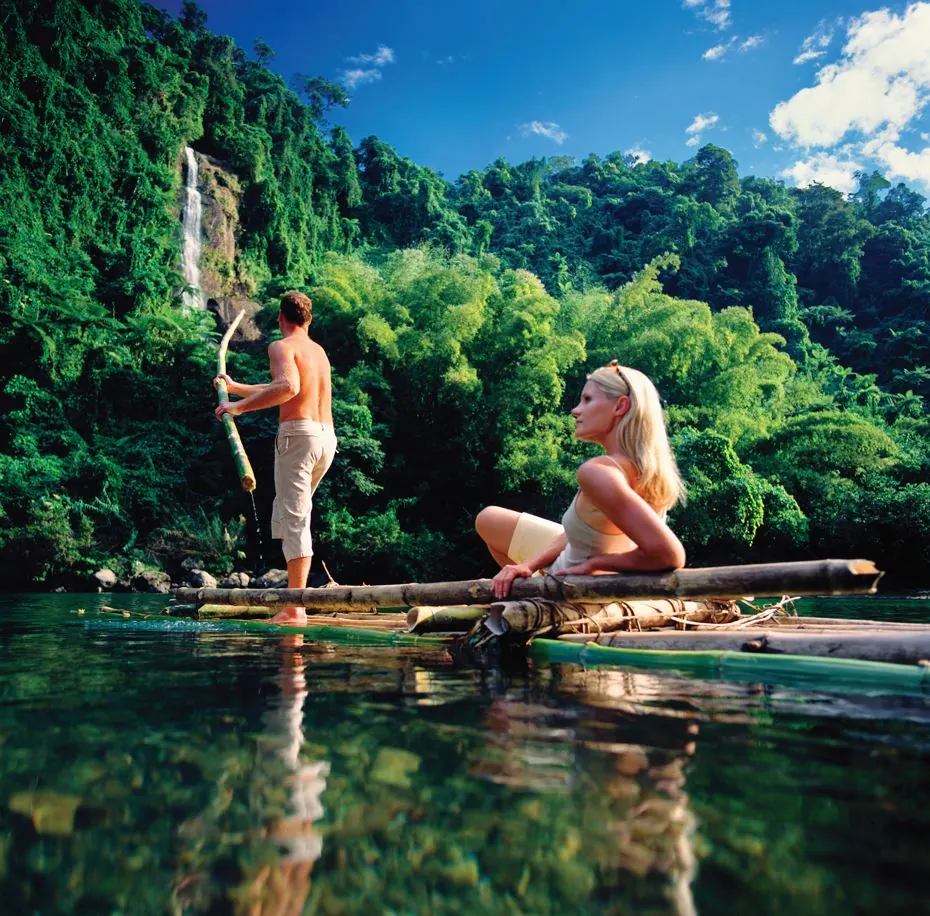
This reserve, located off the coast of Vanua Levu, is a real gem. It was established as a Marine Protected Area back in 1997, which means fishing is completely banned. This protection has allowed the ecosystem to flourish. Today, it’s home to over 1,100 species of fish, plus sharks. Getting to Namena is usually done through tour operators, often arranged from accommodations on Vanua Levu. It’s a place where conservation efforts have clearly paid off, creating a thriving underwater world.
Visiting these premier destinations offers a glimpse into the incredible biodiversity Fiji holds. The health of these reefs is a testament to the importance of marine protected areas and community involvement in conservation.
Exploring the Northwestern Archipelago
When you think of Fiji, chances are you picture the postcard-perfect islands of the Mamanuca and Yasawa chains. This northwestern part of the archipelago is often the first taste of paradise for many visitors, and for good reason. It’s a region that truly shines when it comes to accessible and family-friendly snorkeling.
Mamanuca and Yasawa Islands: Family-Friendly Reefs
These islands are practically synonymous with Fiji’s laid-back charm and stunning natural beauty. The waters here are generally calm and clear, making them ideal for families with younger children or anyone new to snorkeling. You’ll find a good mix of reefs right off the beach and spots easily reached by a short boat trip. The variety means you can spend a morning exploring a shallow, vibrant garden and an afternoon trying a slightly deeper spot, all without a long journey.
Easy Access: Many resorts are situated directly on or very near excellent snorkeling sites.
Calm Waters: Protected bays and lagoons offer a gentle introduction to the underwater world.
Diverse Marine Life: Expect to see colorful reef fish, maybe even a sea turtle or two.
Getting to these islands is straightforward, usually involving a ferry service from Denarau Marina near Nadi. This makes them a convenient choice for those who want to maximize their time in the water and minimize travel.
Malolo Lailai: Accessible Marine Life
Part of the Mamanuca group, Malolo Lailai is a popular spot that lives up to its reputation. If you’re staying on or near the island, you won’t have to go far to find lively underwater scenes. The reefs here are known for being quite vibrant, with plenty of fish darting among the corals. It’s the kind of place where you can easily spend hours just floating and observing the constant activity.
The sheer abundance of fish life in these relatively shallow waters is often surprising, creating a dynamic and colorful spectacle just a short swim from shore.
Blue Lagoon: Serene Waters for All Ages
Named after the famous movie, the Blue Lagoon area, particularly around Nacula Island in the Yasawas, offers a tranquil snorkeling experience. While some currents can be present, making it more engaging for those comfortable in the water, the overall atmosphere is one of peace and natural beauty. The limestone formations in the region add a unique geological element to the underwater landscape, creating interesting nooks and crannies for marine life to inhabit. It’s a place that feels a bit more removed, offering a sense of discovery.
Unique Geology: Explore areas with interesting rock formations.
Less Crowded: Often a bit quieter than the more central Mamanucas.
Good Visibility: Generally clear waters allow for great viewing opportunities.
This region is a fantastic introduction to Fiji’s underwater treasures, blending convenience with the promise of beautiful coral gardens and abundant sea life.
Adventures in the Southern Reaches
The southern part of Fiji holds some truly special spots for anyone looking to explore underwater. It’s a bit more off the beaten path, which is part of its charm. You’ll find places here that feel really untouched and wild.
Kadavu’s Great Astrolabe Reef: Untouched Beauty
Kadavu is a big island, and it’s home to the Great Astrolabe Reef. This reef is massive, one of the largest barrier reefs out there. Because it’s a bit harder to get to than some of the more popular islands, it stays pretty pristine. You can get there by a short flight from Nadi or Suva, or if you’re up for it, a longer ferry ride. The accommodations here tend to be more low-key, often eco-friendly places that connect you with the local vibe. It’s a great place if you want to see Fiji without all the crowds.
Manta Ray Passage: Encounters with Gentle Giants
This spot is famous for a reason. During certain times of the year, you can see manta rays here. They come to feed and clean. It’s an amazing sight to witness these huge, graceful creatures gliding through the water. It’s not just about the mantas, though; the whole area is teeming with life. You might see sharks, turtles, and all sorts of colorful fish.
Waitabu Marine Park: Community-Managed Ecosystems
This park is a fantastic example of how local communities can protect their natural resources. The people here work hard to keep the reef healthy and vibrant. When you visit, you’re supporting their efforts directly. It’s a chance to see a thriving ecosystem that’s been carefully looked after. The clear waters make it easy to spot all kinds of marine creatures.
The southern islands might require a bit more effort to reach, but the reward is an experience that feels more authentic and less commercialized. It’s where you can truly connect with the natural beauty of Fiji.
Here’s what you might encounter:
Diverse Marine Life: Expect to see a wide array of fish, from tiny reef dwellers to larger pelagics.
Healthy Corals: The protection efforts mean you’ll likely see vibrant, healthy coral formations.
Unique Encounters: Manta rays, sharks, and turtles are common sights in these waters.
Planning a trip to Kadavu is a good idea if you’re looking for a more remote experience. You can find shore snorkeling options, but boat trips often take you to the best parts of the reef. Remember to pack good sun protection, like a rash guard, and consider bringing your own gear for the most comfortable experience.
Unique Snorkeling Experiences
Fiji’s underwater world is full of surprises, and some spots offer truly memorable adventures beyond the typical reef exploration. These unique locations combine stunning natural formations with incredible marine life, creating experiences you won’t soon forget.
The Great White Wall: A Soft Coral Spectacle
While often mentioned in the context of diving, the Great White Wall is a breathtaking underwater feature accessible to snorkelers as well, especially those comfortable with a bit more depth and potential currents. Imagine descending along a sheer wall draped in vibrant white soft corals, swaying gently in the ocean’s flow. It’s a dramatic drop-off that showcases the sheer abundance and color Fiji’s reefs are famous for. This natural wonder is a testament to the health and vitality of Fiji’s marine environment.
Sawa-i-Lau Caves: Aquatic Chambers and Legends
Journey to the Yasawa Islands and discover the Sawa-i-Lau Caves, a series of limestone caves that create an otherworldly snorkeling experience. These natural formations feature arches, tunnels, and hidden lagoons carved by the sea. Local legends speak of mermaids singing within these chambers, adding a mystical element to your visit. Guided boat tours from the Yasawa Islands often include stops here, allowing you to swim and snorkel through these unique aquatic spaces. It’s an adventure that blends natural beauty with captivating folklore, making it a truly distinct outing.
Split Rock: Dramatic Formations and Marine Life
Split Rock, located in the Kadavu region, presents a different kind of underwater spectacle. This site is characterized by dramatic rock formations that rise from the seafloor, creating interesting topography and hiding spots for a variety of marine creatures. You’ll find yourself swimming around and through these formations, observing the colorful fish and corals that have made this area their home. It’s a great spot for those who appreciate geological wonders alongside abundant sea life. The clear waters here make it easy to spot everything from small reef fish to larger pelagics that might be passing through.
Here’s a quick look at what makes these spots special:
Great White Wall: Known for its stunning white soft corals and dramatic drop-off.
Sawa-i-Lau Caves: Offers a unique experience swimming through limestone caves and lagoons.
Split Rock: Features striking rock formations and diverse marine inhabitants.
Exploring these unique sites requires a bit of planning, but the rewards are immense. Whether you’re drawn to the dramatic beauty of coral-covered walls, the mystery of ancient caves, or the intrigue of underwater rock gardens, Fiji offers snorkeling adventures that go beyond the ordinary. Consider a guided tour to make the most of these special locations, ensuring you experience their full wonder safely and respectfully. You can find operators who can take you to places like Fakarava for an equally amazing experience.
Planning Your Fiji Coral Garden Expedition
So, you’re dreaming of Fiji’s underwater world? Awesome! Planning a trip to see these coral gardens is half the fun, and honestly, it’s not as complicated as you might think. Fiji’s got over 4,000 square miles of reefs, which is a lot to take in, so figuring out where to focus your time is key. The best time to visit really depends on what you want to see, but generally, Fiji is a year-round destination.
Choosing Your Ideal Region
Fiji is split into a few main areas for exploring, and each has its own vibe. It’s a good idea to pick one or two regions based on how long you’re staying and what kind of experience you’re after. Are you looking for calm waters perfect for families, or are you hoping for more adventurous encounters?
Northwest (Mamanuca & Yasawa Islands): Think calm, clear waters, family-friendly spots, and easy access from the mainland. Great for beginners and those who want a classic Fijian island experience.
South (Kadavu & Beqa Lagoon): This area boasts some of the largest barrier reefs and offers chances to see bigger marine life, like manta rays and sharks. It’s a bit more rugged and less developed in parts.
Taveuni & the North: Known as the Garden Island,’ Taveuni is famous for its soft corals, especially the Rainbow Reef. It’s a bit more remote but offers spectacular underwater scenery.
Best Times to Visit
Honestly, Fiji’s weather is pretty sweet all year. The water temperature hovers around a comfy 79°F (26°C), and visibility is usually great. However, there are some seasonal highlights:
You’ll find less rain, lower humidity, and sunny skies. It’s perfect for general snorkeling and exploring.
These showers are often short-lived.
Guided Tours vs. Independent Exploration
This is a big one! You’ve got options, and neither is necessarily better’ – it just depends on your style.
Guided Tours: These are fantastic if you want to hit the highlights without all the planning. Tour operators often know the best spots, have the right gear, and can provide insights into the marine life. Small group tours can feel quite personal. If you’re looking for a hassle-free way to see the best of Fiji, a guided trip might be for you. You can find some great options for planning your visit .
Independent Exploration: If you like to set your own pace and discover things on your own, this is the way to go. You can base yourself on an island and arrange boat trips locally, or even snorkel right off the beach in many places. This gives you more flexibility, but it does mean doing your own research and logistics.
No matter how you choose to explore, remember that Fiji’s coral reefs are a precious resource. Being mindful of your impact, like not touching the coral and using reef-safe sunscreen, makes a big difference in keeping these underwater gardens vibrant for years to come. It’s a shared responsibility to protect this natural wonder, much like the efforts seen in places like Patagonia to preserve their unique environments.
Here’s a quick look at what you might expect:
Ultimately, the most important thing is to get out there and experience it. Bula!
Your Fijian Underwater Adventure Awaits
So, there you have it – a glimpse into the amazing underwater world Fiji has to offer. From the famous Rainbow Reef to the quieter spots in Kadavu, there’s a whole lot of color and life waiting just below the surface. It’s pretty incredible how much is out there, with so many different kinds of fish and coral. Whether you’re just starting out or have been exploring the ocean for years, Fiji has something special for you. Remember to be respectful of these beautiful places, and you’ll have an experience you won’t soon forget. Bula!
What’s the best time of year to go snorkeling in Fiji?
Fiji has great weather all year round, so you can snorkel pretty much anytime! The water stays warm, usually around 79°F (26°C), and it’s usually super clear. Some spots might have stronger currents during certain months, which can attract cool sea creatures, but generally, any time is a good time to jump in.
Do I need to be an expert swimmer to snorkel in Fiji?
Not at all! Fiji has amazing snorkeling spots for everyone, from total beginners to experienced swimmers. Many places have calm, shallow waters perfect for getting started. If you’re looking for a bit more adventure, there are also sites with deeper water and stronger currents. Just let your tour guide know your comfort level.
What kind of sea life can I expect to see?
You’re in for a treat! Fiji’s coral reefs are bursting with life. You’ll see tons of colorful tropical fish, graceful sea turtles, friendly reef sharks, and maybe even some majestic manta rays or gentle whales, depending on the season and location. It’s like swimming in a giant, vibrant aquarium!
How do I choose which part of Fiji to visit for snorkeling?
Fiji has so many islands and reefs, it can be tough to pick! For families and beginners, the Mamanuca and Yasawa Islands are usually a great choice because the waters are calm and clear. If you’re after stunning soft corals, the Rainbow Reef near Taveuni is famous. For a more untouched feel, consider Kadavu. It really depends on what kind of experience you’re looking for!
Should I book guided snorkeling tours or explore on my own?
Both options can be great! Guided tours are fantastic because the guides know the best spots, can tell you about the marine life, and handle all the logistics. This is especially helpful if you’re short on time or want to visit well-known sites like the Rainbow Reef. However, if you prefer more freedom, many resorts offer easy access to local reefs, or you can arrange boat trips independently.
Are Fiji’s coral reefs healthy?
Many of Fiji’s coral reefs are incredibly healthy and vibrant, earning it the nickname Soft Coral Capital of the World. Places like the Namena Marine Reserve and Waitabu Marine Park are protected areas where conservation efforts are making a big difference. While coral reefs around the world face challenges, Fiji is working hard to preserve these underwater treasures, and many areas offer spectacular sights.
Confirm current details
Reef conditions at Namena, Malolo Lailai and the other sites here depend on tides, currents and visibility on the day, so confirm boat schedules, site access and any marine reserve requirements with your operator.