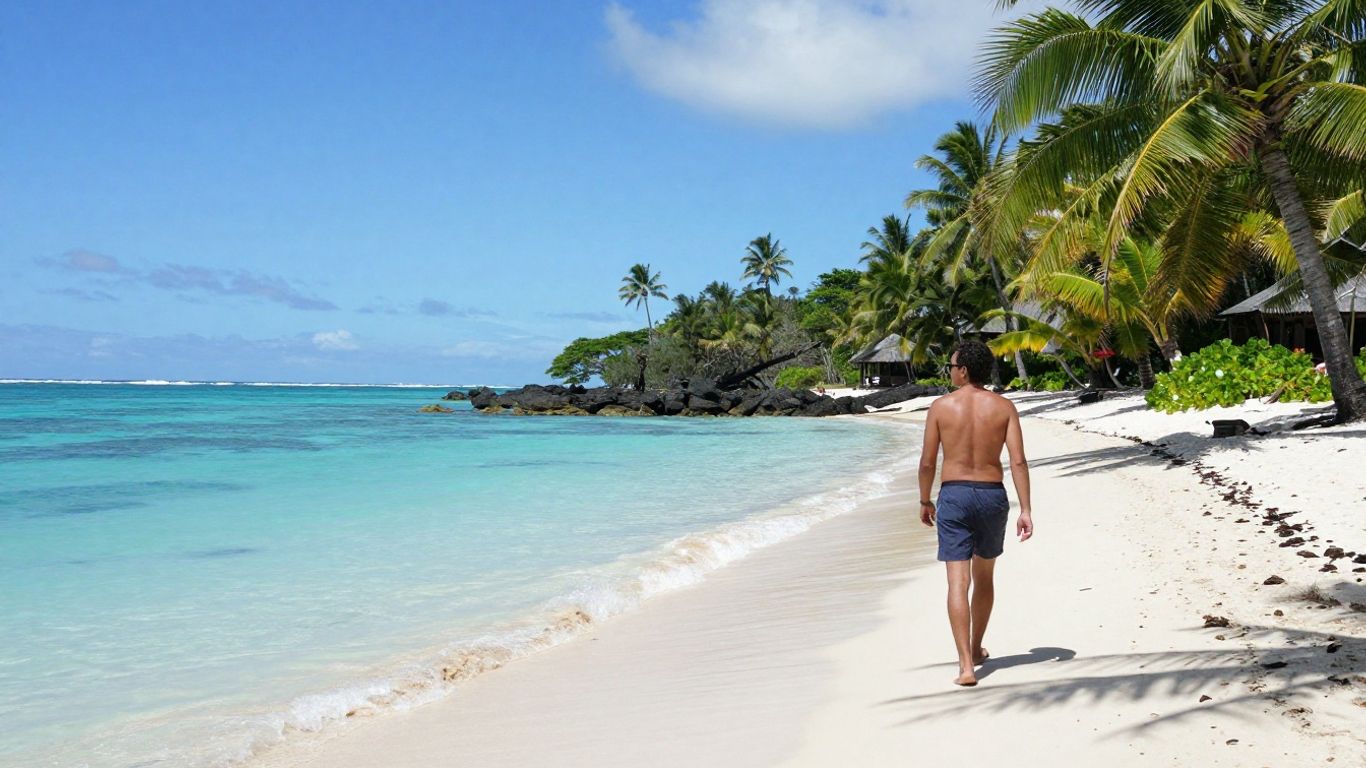

Planning a trip to Fiji? Awesome! It’s a beautiful place, but that tropical climate can be a bit of a surprise if you’re not ready for it. Think warm, think humid, and definitely think sun. This guide is here to help you figure out what to pack and how to prepare so you can just relax and enjoy the islands. We’ll cover everything from the weather to what to wear, and even some health stuff. Get ready to make your Fiji adventure smooth sailing!
Key Takeaways
Pack light, breathable clothing made from materials that dry fast. Think t-shirts, shorts, and sundresses. Layers are good too, for cooler evenings.
Sun protection is super important. Bring high-SPF sunscreen, a hat, and sunglasses with UV protection. A rash vest is great for water activities.
Comfortable footwear is a must. Pack sandals, flip-flops, and maybe water shoes for exploring. Sturdier shoes are good if you plan on hiking.
Don’t forget a basic first-aid kit, insect repellent, and any personal medications. Staying hydrated is also key.
Respect local culture by dressing modestly when visiting villages or religious sites. Pack a sarong or cover-up for these occasions.
Understanding Fiji’s Tropical Climate
Fiji’s weather is pretty much what you’d expect from a tropical paradise: warm and humid year-round. But, like most places, it has its own rhythm, with two main seasons that can really shape your trip. Knowing these differences will help you pack just right and make the most of your island adventure.
Navigating Fiji’s Seasons
Fiji really has two distinct periods: the dry season and the wet season. The dry season generally runs from May through October, and it’s often considered the sweet spot for visitors. Think less humidity, more sunshine, and generally cooler temperatures, making it perfect for exploring.
On the flip side, the wet season typically spans from November to April. During these months, you can expect higher humidity and more frequent, though usually brief, rain showers. These downpours help keep the islands lush and green, and while it’s warmer, you’ll often find fewer crowds, which can be a nice perk. It’s a different vibe, but still very much Fiji.
The Dry Season Advantage
If you’re dreaming of endless sunshine and comfortable days, the dry season (May to October) is your best bet. The air feels a bit crisper, and the humidity takes a backseat. This makes it ideal for all sorts of outdoor activities, from lounging on the beach to hiking through the interior. You’ll find the weather quite pleasant for extended periods, which is great for planning your days without too much worry about sudden downpours. Many people find this period offers the most predictable and comfortable conditions for a Fiji vacation .
Embracing the Wet Season Charm
Don’t let the name
Essential Clothing for Warm Weather
When you’re packing for Fiji, think light, breezy, and comfortable. The tropical climate means you’ll want fabrics that let your skin breathe. Cotton, linen, and rayon are your best friends here. Forget anything too heavy or restrictive; you’re heading to paradise, after all!
Lightweight and Breathable Fabrics
This is the absolute key to staying comfortable in Fiji’s heat and humidity. Think about what you’d wear on a really warm summer day at home, and then dial it up a notch. Loose-fitting tops, flowy skirts, and comfortable shorts made from natural fibers will make a huge difference. You’ll be spending a lot of time outdoors, so feeling good in what you’re wearing is a big part of enjoying your trip.
Tops: Pack several t-shirts, tank tops, and light blouses. Look for materials like cotton or linen blends.
Bottoms: Include a few pairs of shorts, a light skirt or two, and perhaps a pair of loose-fitting linen trousers.
Dresses: Sundresses and maxi dresses made from breathable fabrics are perfect for both daytime and casual evenings.
Swimwear and Cover-Ups
Fiji is practically synonymous with water activities, so swimwear is a must. You’ll likely be living in your swimsuits, whether you’re at the beach, by the pool, or trying out some water sports. It’s a good idea to pack at least two swimsuits so you always have a dry one ready to go.
Don’t forget cover-ups! A sarong, a light tunic, or a loose shirt are perfect for throwing on over your swimwear when you’re heading to the bar, a restaurant, or just want a bit more sun protection.
Versatile Layers for Cooler Evenings
While Fiji is warm, evenings can sometimes bring a gentle breeze, especially if you’re out on the water or in a more open area. Packing a few light layers will ensure you’re comfortable as the sun goes down. These items can also be useful if you’re visiting air-conditioned indoor spaces.
Light Cardigan or Sweater: A thin knit or cotton sweater is perfect for cooler evenings.
Light Jacket or Windbreaker: A packable jacket can be handy for unexpected showers or breezy nights.
Long-Sleeved Shirt: A light, long-sleeved cotton shirt can double as sun protection during the day and a light layer at night.
Protecting Yourself from the Sun
The Fijian sun is a beautiful thing, but it packs a punch. You’ll want to be smart about how you spend your time outdoors, especially during the midday hours. Sun protection isn’t just about avoiding a painful burn; it’s about safeguarding your skin for the long haul.
High-SPF Sunscreen Essentials
When you’re packing for Fiji, sunscreen should be at the top of your list. Look for a broad-spectrum formula with an SPF of 50 or higher. This means it protects against both UVA and UVB rays, which can cause premature aging and skin damage. Make sure it’s water-resistant, especially if you plan on swimming or doing any water sports. It’s a good idea to reapply it every couple of hours, and definitely after swimming or sweating. You can even pick up some great reef-friendly options, which are better for the ocean’s delicate ecosystems. If you happen to forget, don’t worry too much, as many local shops and resorts will have it available, like the Pure Fiji lemongrass repellent that’s popular there.
The Importance of Hats and Sunglasses
Beyond sunscreen, a good hat and a pair of quality sunglasses are your best friends under the tropical sun. A wide-brimmed hat is ideal, offering shade for your face, neck, and ears. Choose one made from a lightweight, breathable material so you don’t overheat. For your eyes, sunglasses with UV protection are a must. They cut down on glare, making it easier to see, and protect your eyes from sun damage. This is especially helpful if you’re out on the water, where the sun’s rays can reflect off the surface. Think of them as sunglasses for island exploration .
Rash Vests for Water Activities
If you’re planning on spending a lot of time in the ocean – think snorkeling, diving, or just enjoying a good swim – a rash vest is a smart addition to your packing list. It provides an extra layer of protection against the sun’s rays, reducing the need for constant sunscreen reapplication on your torso and arms. Plus, it can offer a bit of protection from minor scrapes against coral or other underwater elements. Long-sleeved versions offer the most coverage and are a great way to stay comfortable and protected while you’re enjoying Fiji’s amazing marine life.
Staying protected from the sun means you can focus on enjoying the incredible beauty of Fiji without worrying about sunburn or long-term skin damage. It’s a simple step that makes a big difference in your overall travel experience.
Footwear for Island Exploration
When you’re thinking about what to pack for Fiji, don’t forget your feet! The right shoes can make all the difference for enjoying your island adventures. You’ll likely spend most of your time in casual settings, so leave the fancy heels at home. Think comfort and practicality for exploring this beautiful tropical paradise.
Comfortable Sandals and Flip-Flops
For everyday wear, beach strolls, and casual resort hopping, a good pair of sandals or flip-flops is your best friend. They’re easy to slip on and off, perfect for that relaxed island vibe. Many resorts have sandy paths or require easy footwear for quick dips in the ocean. Pack at least two pairs in case one gets wet or lost.
Water Shoes for Aquatic Adventures

If you plan on exploring Fiji’s vibrant coral reefs, kayaking through mangroves, or simply walking on rocky shorelines, water shoes are a smart addition. They protect your feet from sharp coral, rocks, and sea creatures, while also providing better grip on wet surfaces. Look for quick-drying, lightweight options that are comfortable enough to wear for extended periods.
Sturdy Shoes for Hiking and Activities
Fiji offers more than just beaches; there are also opportunities for hiking through lush rainforests or exploring inland trails. For these activities, a pair of sturdy, closed-toe shoes with good traction is recommended. This could be a comfortable pair of trainers or light hiking boots, depending on the intensity of your planned excursions. They’ll keep your feet protected and provide the support you need on uneven terrain.
Health and Safety Preparations
When you’re heading to Fiji, taking a little time to prepare for health and safety matters will make your trip much smoother. It’s not about worrying, but about being ready so you can relax and enjoy the islands. Think of it as packing smart for your well-being.
Assembling a Personal First-Aid Kit
Even on a relaxing vacation, minor scrapes or unexpected tummy troubles can happen. Having a small, personal first-aid kit is a good idea. You don’t need a huge medical bag, just the basics. This way, you can handle small issues quickly without having to search for a pharmacy.
Here’s a quick list of what to consider:
Band-aids and antiseptic wipes: For any little cuts or blisters.
Pain relievers: Like ibuprofen or acetaminophen for headaches or minor aches.
Antihistamines: For unexpected allergic reactions or bug bites.
Any personal prescriptions: Make sure you have enough for your entire trip, plus a little extra.
Motion sickness remedies: If you’re prone to feeling queasy on boats or planes.
After-sun lotion or aloe vera: Fiji’s sun can be strong, so this is a lifesaver.
Managing Motion Sickness on the Water
Fiji is all about the water, from island hopping to snorkeling trips. If you tend to get seasick, it’s worth planning ahead. Being prepared can mean the difference between enjoying a beautiful boat ride and feeling miserable.
Medication: Over-the-counter or prescription motion sickness pills are available. Take them before you feel sick for best results.
Natural remedies: Some people find ginger candies or acupressure bands helpful.
Stay hydrated and avoid heavy meals: Before and during your boat trip, stick to lighter foods and plenty of water.
Focus on the horizon: If you start to feel unwell, looking out at the distant sea can sometimes help.
Remember that many boat trips in Fiji are quite short, and often you’ll be sailing in calmer waters, which can significantly reduce the chances of experiencing motion sickness. If you’re concerned, chat with your tour operator about the typical sea conditions for your planned excursions.
Effective Insect Repellent Strategies
Mosquitoes and other biting insects are part of the tropical environment, especially during the wetter months. While Fiji generally has a low risk for serious insect-borne diseases, it’s still wise to protect yourself. Using a good insect repellent is key.
Choose the right repellent: Look for products containing DEET, Picaridin, or oil of lemon eucalyptus. These are generally effective.
Apply correctly: Spray exposed skin, and reapply after swimming or sweating. Pay attention to early morning and late afternoon, when insects are often most active.
Consider clothing: Long sleeves and pants, especially in the evenings, can provide an extra layer of protection. Some clothing can even be treated with repellent.
If you’re planning underwater adventures, remember to be mindful of the marine environment. Practicing responsible snorkeling and diving by avoiding touching the coral is important for their preservation. You can find more information on responsible tourism practices to help you protect Fiji’s reefs .
Travel Documents and Essentials
Getting your paperwork in order before you even think about packing your bags is a smart move. It’s not the most exciting part of trip planning, but it’s definitely one of the most important.
Passport Validity and Entry Requirements
First things first, take a good look at your passport. You’ll need it to be valid for at least six months beyond your planned departure date from Fiji. This is a standard requirement for many countries, and it’s something you absolutely don’t want to overlook. Depending on your nationality, you might also need a visa. While many visitors don’t require one for short stays, it’s always best to check the latest entry requirements for Fiji well in advance of your trip. You can usually find this information on your country’s foreign travel advice website or the official Fijian immigration portal. It’s a good idea to get this sorted early, so you don’t have any last-minute surprises. For example, US citizens typically don’t need a visa for stays up to four months, but it’s wise to confirm this before you go. Check Fiji entry requirements .
Securing Digital Copies of Documents
Once you’ve confirmed your passport and any visa needs are met, make copies of all your important documents. This includes your passport, driver’s license, flight tickets, and hotel reservations. Don’t just keep them in one place; make a few digital copies. You can email them to yourself, save them to a secure cloud storage service, or put them on a USB drive. Having these digital backups means that if your physical documents get lost or stolen, you’ll still have access to the information you need to sort things out. It’s a simple step that can save a lot of stress.
Carrying Local Currency and Credit Cards
While credit cards are widely accepted in resorts and larger towns in Fiji, it’s a good idea to have some local currency, the Fijian Dollar (FJD), on hand. You might need it for smaller purchases, local markets, or transport in more remote areas. You can exchange some currency before you leave or upon arrival at the airport. Inform your credit card companies about your travel dates to avoid any issues with your cards being blocked for suspicious activity. It’s also wise to have a mix of cash and cards, so you’re prepared for different situations.
Having your essential documents organized and accessible is key to a smooth and enjoyable trip. Don’t let paperwork be a roadblock to your Fijian adventure.
Respecting Local Culture and Customs
Fiji is a place where tradition and community are really important. When you visit, showing respect for the local way of life goes a long way in making your trip meaningful and appreciated. It’s not just about following rules; it’s about connecting with the people and their heritage in a positive way.
Modest Dress for Village Visits
When you’re invited to a village, or even if you’re just exploring one, it’s a good idea to dress a bit more conservatively than you might at the beach or resort. Think about covering your shoulders and knees. This shows you respect their customs and the people you’re meeting. It’s a simple gesture that makes a big difference.
Shoulders covered: Avoid tank tops or strapless shirts.
Knees covered: Shorts that are too short or mini-skirts might not be appropriate.
Lightweight fabrics: Since it’s warm, opt for light, breathable materials that still offer coverage.
Appropriate Attire for Religious Sites
Fiji has many beautiful churches and other places of worship. If you plan to visit one, especially on a Sunday, dressing modestly is expected. This usually means covering your shoulders and wearing a skirt or trousers that reach at least your knees. It’s a sign of respect for the sacredness of these places.
Understanding Swimwear Etiquette
While Fiji is famous for its beaches and water activities, wearing swimwear everywhere isn’t always the norm. It’s perfectly fine for the beach, the pool, or on a boat. However, when you’re walking through a village, going into a shop, or visiting a restaurant outside your resort, it’s best to put on a cover-up or some casual clothes. This helps you blend in and show respect for local sensibilities.
Being mindful of how you dress when visiting villages or religious sites is a simple way to show you value Fijian culture. It’s about being a considerate guest in their home.
Sustainable Travel Practices
Fiji is a place of incredible natural beauty, and as visitors, we have a role to play in keeping it that way. Thinking about how we travel can make a real difference. It’s not about being perfect, but about making conscious choices that help protect this paradise for everyone.
The Benefits of Reusable Water Bottles
Staying hydrated is key in Fiji’s warm climate, but single-use plastic bottles create a lot of waste. Bringing your own reusable water bottle is a simple step that has a big impact. Many resorts and tour operators offer filtered water stations where you can refill, cutting down on plastic consumption significantly. It’s a small change that helps keep Fiji’s beaches and oceans cleaner.
Eco-Friendly Toiletries for Your Trip

When you pack your toiletries, consider opting for products that are kinder to the environment. Look for biodegradable soaps, shampoos, and conditioners. Many brands now offer solid bars or concentrated formulas, which not only reduce plastic packaging but also take up less space in your luggage. This is especially important when you’re showering in places where wastewater treatment might be less advanced.
Supporting Local Economy Through Purchases
One of the best ways to travel sustainably is by supporting the local communities. When you buy souvenirs, choose items made by local artisans. Instead of mass-produced trinkets, look for handcrafted wood carvings, woven mats, or unique jewelry. Eating at local restaurants and markets also directly benefits Fijian families and gives you a more authentic taste of the culture. Your spending can have a positive ripple effect throughout the islands.
Making mindful choices about what you consume and purchase helps preserve Fiji’s natural environment and supports the livelihoods of its people. It’s about experiencing the beauty of Fiji while contributing to its well-being.
Packing Smart for Your Journey
Getting your bags ready for Fiji is more about being clever than just stuffing things in. You want to pack light, but still have what you need. Think about what you’ll actually be doing there – mostly relaxing on beaches, swimming, maybe a bit of exploring. The goal is to maximize space while keeping things organized.
Maximizing Luggage Space
Rolling your clothes is a game-changer. Instead of folding, just roll each item up tightly. This not only saves a surprising amount of space but also helps cut down on wrinkles, meaning less time spent ironing (which you probably won’t want to do anyway).
Organizing with Packing Cubes
Packing cubes are seriously useful. They’re like little zippered bags that help you sort your stuff. You can put all your t-shirts in one, your swimwear in another, and your socks and underwear in a third. It makes finding things so much easier, especially if you’re sharing a suitcase. If you’re traveling with someone else, grab cubes in different colors so you can easily tell whose stuff is whose. This is super handy if you’re staying at a resort before heading to an outer island, as you won’t have to dig through your whole bag to find a change of clothes.
Choosing Versatile Clothing Items
When you’re picking out what to wear, think about pieces that can be worn more than once or in different ways. A sarong, for example, can be a beach cover-up, a skirt, or even a light blanket. Stick to items that mix and match easily. You can always pick up a few extra things like a light shirt or a pair of shorts locally if you find you’ve forgotten something, which is also a nice way to support local businesses .
Remember that many resorts and local shops in Fiji offer items like sunscreen and light clothing. Don’t stress too much if you realize you’ve left something behind; it’s often easy to find a replacement once you arrive.
Preparing Your Skin and Hair
The tropical air in Fiji is lovely, but it can be tough on your skin and hair. Think humidity, strong sun, and maybe even a bit of salt water. It’s a good idea to get your skin and hair ready before you even leave home, and then keep up a good routine while you’re there.
Pre-Trip Skincare Routine Adjustments
Before you pack your bags, give your skin a little extra attention. If you’re used to a harsh cleanser, maybe switch to something gentler. The warm air can dry things out, even though it feels humid. A good idea is to start using a richer moisturizer a few weeks before your trip. Also, don’t forget to exfoliate gently once a week. This helps get rid of dead skin cells and makes your skin look brighter. Sunscreen is your best friend here, so start applying it daily, even on cloudy days.
Hydration for Tropical Conditions
Staying hydrated is super important, not just for your overall health but for your skin and hair too. Fiji’s climate can be dehydrating, so you’ll want to drink more water than you usually do. This helps your skin stay plump and your hair look healthier. Think of it as feeding your body from the inside out. You might also want to pack a good leave-in conditioner or a hydrating hair mask to use while you’re there. A facial mist can also be a lifesaver for a quick refresh during the day.
Essential Hair Care for Humidity
Humidity can do a number on your hair, often leading to frizz. If this is something you deal with, consider a smoothing treatment a few weeks before your trip. It can make a big difference in how your hair behaves in the warm, moist air. When packing, bring along products that help control frizz. A good quality hair serum or anti-frizz spray can be a game-changer. If you plan on swimming a lot, a leave-in conditioner can help protect your hair from salt and chlorine. For styling, think about simple, low-maintenance options. Braids or a secure bun can keep your hair looking neat and tidy, even when the humidity is high.
Ready for Paradise
So, you’ve got a good handle on what to pack for Fiji now. Whether you’re heading over during the sunny dry spell or the lush wet season, being prepared means you can just relax and soak it all in. Think light clothes, good sun protection, and maybe a light jacket for the evenings. Fiji is a special place, and a little bit of planning goes a long way to making sure your trip is everything you dreamed of. Enjoy the islands!
What’s the weather like in Fiji, and when is the best time to visit?
Fiji has a tropical climate, meaning it’s warm all year round! There are two main seasons. The dry season, from May to October, is cooler and less humid, making it great for exploring. The wet season, from November to April, is warmer and more humid, with occasional rain showers that keep everything green and lush. Both seasons offer a wonderful experience!
What kind of clothes should I pack for Fiji?
Think light and comfy! Pack clothes made from breathable fabrics like cotton or linen. T-shirts, shorts, sundresses, and swimwear are perfect for daytime. It’s also a good idea to bring a light jacket or sweater for cooler evenings, especially if you’re visiting during the dry season.
How can I protect myself from the strong Fijian sun?
The sun in Fiji is powerful! Always wear sunscreen with a high SPF (50 or more) that’s also water-resistant. A wide-brimmed hat and sunglasses with UV protection are super important for shielding your face and eyes. If you’ll be in the water a lot, a rash guard or UV-protective shirt is a great idea.
What are the best shoes to bring for exploring Fiji?
Comfort is key! Pack flip-flops or sandals for the beach and casual wear. If you plan on doing any hiking or more active exploring, bring a pair of sturdy walking shoes. Water shoes are also handy if you’ll be doing a lot of swimming, snorkeling, or kayaking.
What should I include in a basic first-aid kit for Fiji?
It’s smart to pack a small first-aid kit. Include things like band-aids, antiseptic wipes, pain relievers, and any personal medications you need. Aloe vera gel is great for sunburns, and it’s wise to pack medication for upset stomachs or motion sickness if you plan on being on boats.
How should I dress when visiting villages or religious sites in Fiji?
Fiji is rich in culture, and it’s important to be respectful. When visiting villages or churches, dress modestly. This means covering your shoulders and knees. A sarong is a great, lightweight option that works for both men and women. Avoid very revealing clothing in these areas.
Are there any eco-friendly items I should pack for Fiji?
Fiji cares about its environment, so packing reusable items is a great idea! Bring a reusable water bottle to cut down on plastic waste. You might also consider eco-friendly toiletries. Supporting local businesses by buying souvenirs or necessities there is also a way to travel sustainably.