

Planning a trip to Fiji doesn’t have to break the bank. This Fiji booking guide is packed with tips to help you save money, from choosing the right time to visit to finding smart ways to experience the islands without overspending. Let’s dive into how you can make your dream Fiji vacation a reality while being kind to your wallet.
Key Takeaways
Eat like a local, spend less: Shopping at local markets for produce and being mindful of mandatory meal plans at resorts can help reduce daily expenses.
Activities over accommodation: Prioritize spending on experiences like day trips and excursions booked through local operators rather than splurging on high-end resorts.
Understanding Fiji’s Accommodation Landscape
When you’re planning a trip to Fiji, figuring out where to stay is a big part of the puzzle. It’s not just about picking a pretty beach; it’s about understanding the different kinds of places you can sleep and what they offer. Fiji has a pretty wide range of options, from fancy resorts to simpler spots, and knowing this can help you find the best fit for your budget and travel style.
Navigating Popular Destinations and Regions
Fiji is made up of over 300 islands, and each one has its own vibe. Some islands are known for luxury resorts, others for backpacker-friendly hostels, and some are practically uninhabited. The Mamanuca and Yasawa Islands are super popular for their stunning beaches and clear waters, often featuring in postcards. If you’re looking for a bit more action or easier access from the mainland, areas like the Coral Coast on Viti Levu (Fiji’s main island) offer a good mix. You can also find great spots on the mainland itself, like Pacific Harbour, which is known for its activities, or even the capital, Suva, if you prefer a city feel with access to culture and amenities. Choosing the right region is key to setting the tone for your entire trip.
Exploring Different Accommodation Tiers
Accommodation in Fiji generally falls into a few categories. You’ve got the high-end luxury resorts, often with private bures (traditional Fijian bungalows), infinity pools, and top-notch service. These are great if you’re looking to splurge and want everything taken care of. Then there are mid-range hotels and resorts, which offer comfortable stays with good amenities, often suitable for families or couples. Finally, you have budget-friendly options like guesthouses, hostels, and some smaller, locally-owned resorts. These are fantastic for travelers looking to save money and often provide a more authentic experience. Some resorts even offer dorm rooms, which can be a surprisingly affordable way to stay in a nicer setting.
Identifying Average and Budget-Friendly Rates
If you’re trying to save, look for deals during the shoulder seasons or consider staying on the mainland, which often has more affordable options than the more remote islands.
Fridays are usually the cheapest day to book a hotel room.
Here’s a general idea of what you might expect:
Budget Guesthouses/Hostels: $30 – $70 USD per night
Mid-Range Hotels/Resorts: $150 – $300 USD per night
Luxury Resorts: $500+ USD per night
Remember, these are just averages, and deals can always be found if you look hard enough. Exploring options on the main island can often lead to more budget-friendly choices compared to the exclusive outer islands.
Strategic Timing for Your Fiji Booking
Figuring out the best time to book your trip to Fiji can really make a difference in your wallet. It’s not just about when you go, but also when you actually make the reservation. Think of it like this: booking too early might mean you miss out on last-minute deals, but waiting too long could mean paying top dollar, or worse, finding nothing available.
Leveraging Off-Peak Seasons for Savings
If you’re looking to stretch your travel budget, aiming for Fiji’s off-peak seasons is a smart move. This is also when you might find better deals on flights and activities, as demand is lower. Traveling during these times means you get more bang for your buck.
Avoiding Peak Travel Periods
This usually happens during school holidays for major visitor markets like Australia and New Zealand, and around Christmas.
Understanding Seasonal Price Fluctuations
Fiji’s pricing isn’t static; it shifts with the seasons. While it’s a gamble, the savings can be substantial. Knowing these patterns helps you plan when to book and when to travel for the best value.
Here’s a general idea of when you might find better deals:
Planning your booking around these seasonal shifts can lead to significant savings, allowing you to allocate more of your budget to experiencing the incredible Fiji offers rather than just getting there.
Optimizing Your Booking Window
Figuring out the best time to book your Fiji getaway can feel like a puzzle, but getting it right means more money in your pocket for fun stuff. It’s not just about when you travel, but also when you click that book’ button.
Ideal Booking Lead Times for Fiji Stays
When should you actually book your accommodation? Booking too early might mean you miss out on potential last-minute deals, but waiting too long can mean paying top dollar, or worse, finding your preferred place is already full. It’s a balance, really. Think of it like planning a picnic; you want to get the good spot before everyone else does, but you don’t want to pack your basket weeks in advance.
Last-Minute Deals vs. Advance Planning
So, should you book way ahead or wait for a deal? Generally, planning ahead is your best bet for Fiji. While the occasional last-minute bargain might pop up, especially if you’re flexible with dates or locations, these are less common for popular spots. Waiting until the last minute can be a gamble; you might save a bit, or you might end up paying a lot more, or finding nothing available at all.
The Impact of Day of the Week on Rates
Saturdays, on the other hand, tend to be the most expensive nights. This pattern often holds true across many travel destinations. It might not be a huge difference, but every little bit helps when you’re trying to save money for your Fiji island hopping adventure.
Booking your accommodation strategically can significantly impact your overall travel budget. While last-minute deals can be tempting, advance planning often provides better value and more choices, especially for popular destinations like Fiji. Paying attention to the day of the week you book can also yield small but welcome savings.
Maximizing Value with Accommodation Choices
It’s not just about finding a bed; it’s about finding the best bang for your buck.
Considering Dorm Rooms within Resorts
Don’t dismiss the idea of dorm rooms just because you’re not a typical backpacker. Many resorts, particularly those closer to entry points like Nadi, offer dorm-style accommodations. It’s a smart move if you’re traveling solo or with friends and prioritize experiences over private space.
Evaluating All-Inclusive Packages
All-inclusive deals can seem like a good idea for controlling your budget, and sometimes they are. This can be convenient, especially if you’re staying on a more remote island where dining options are limited and expensive. However, it’s really important to look closely at what’s included. Are the meals what you’d actually want to eat? Are the included activities things you’re interested in? Sometimes, paying for meals and activities separately gives you more flexibility and can even be cheaper if you’re a light eater or prefer to explore local spots.
The Benefits of Staying on the Mainland

You’ll find a wider range of accommodation options, from budget guesthouses to more affordable hotels. Plus, the mainland has a more developed public transportation system, like buses, which are much cheaper than inter-island ferries or flights. This makes it easier and more economical to explore different parts of the island, visit local markets, and experience everyday Fijian life without the added expense of island transfers.
Smart Island Hopping and Transportation
Fiji is an archipelago, meaning it’s made up of many islands. While this offers incredible variety, it also means getting around can add up. Thinking strategically about how you move between islands can make a big difference to your budget and your overall experience.
Selective Island Exploration Strategies
When planning your trip, it’s easy to get caught up in the idea of seeing as many islands as possible. Instead of trying to tick off a long list, consider focusing on one or two island groups and really getting to know them. This approach often leads to a more relaxed pace and deeper connections with the places you visit. For instance, the Mamanuca Islands are closer to the main international airport in Nadi, making them generally more accessible and less expensive to reach than the more remote Yasawa Islands. Choosing islands closer to the mainland can significantly cut down on your transportation expenses.
Prioritize proximity: Islands closer to Nadi (like the Mamanucas) are usually cheaper and quicker to access.
Quality over quantity: Spend more time on fewer islands to truly experience them, rather than rushing through many.
Choosing Ferries Over Domestic Flights
Domestic flights within Fiji can be quite pricey. For inter-island travel, especially between the main islands or within popular island groups, ferries are almost always the more economical choice. While they might take a bit longer than a flight, the savings can be substantial. Look into hop-on-hop-off passes if you plan to visit multiple islands within a specific region, as these can offer a bundled discount.
Understanding Inter-Island Travel Costs
Here’s a general idea of what to expect:
Sometimes, staying put on one beautiful island is the most budget-friendly and rewarding option.
Budgeting for Resort Stays and Inclusions
When you’re looking at resort stays in Fiji, it’s easy to get caught up in the beautiful photos and the promise of paradise. But before you click book,’ it’s super important to really look at what’s included and what’s not.
Scrutinizing Mandatory Meal Plans
Many resorts, especially those on the outer islands, will require you to purchase a meal plan. This isn’t always a bad thing, as it can sometimes be cheaper than ordering à la carte, and it helps you budget. However, you need to check what’s actually on offer.
What’s included? Does it cover all three meals? Are drinks extra?
Is there a choice? ’ If you’re a picky eater or have dietary restrictions, this could be a problem. It’s worth asking if there’s flexibility or if you can opt out if you plan to eat elsewhere.
Factoring in Additional Resort Transport Costs
Getting to and from your resort, especially if it’s on an outer island, can add a significant amount to your bill.
Boat transfers: These can be pricey and are often mandatory. Some resorts might offer discounts if you book your transfer through them.
Domestic flights: For more remote islands, you might need a small plane. These are generally more expensive than boat transfers.
Island hopping passes: If you plan to visit multiple islands, look into hop-on-hop-off ferry services. These can be more economical than booking individual transfers for each leg of your journey.
Comparing Resort Package Inclusions
Resorts often bundle services to create attractive packages. It’s wise to compare these carefully to see what offers the best value for your specific needs.
All-inclusive vs. Full Board: All-inclusive usually covers meals, drinks, and some activities. Full board covers meals only. Understand the difference and which suits your travel style.
Activity bundles: Some packages might include guided tours, snorkeling trips, or cultural experiences.
Room types: Don’t overlook the possibility of dorm rooms within resorts.
Mandatory meal plans and transport to outer islands can significantly increase the overall expense.
Exploring Affordable Island Retreats
Fiji often gets a reputation for being a pricey place, especially with all those fancy private island resorts splashed across magazines. But honestly, you don’t need a billionaire’s budget to experience its magic. It’s totally possible to have an amazing time without emptying your wallet. The trick is knowing where to look and being a bit smart about your choices.
Discovering Budget-Friendly Island Options
While the big-name resorts can be eye-watering, there are plenty of smaller, more down-to-earth places that offer a genuine Fijian experience. Think guesthouses, smaller family-run bungalows, or even basic rooms attached to local villages. Don’t shy away from places that aren’t on the main tourist drag; sometimes the best finds are a little off the beaten path.
Identifying Resorts with Value-Added Amenities
See what’s included. Some resorts, even the more affordable ones, might throw in things like free use of kayaks, snorkeling gear, or even guided nature walks. These extras can add up if you had to pay for them separately. Also, check if they offer communal kitchens or BBQ areas – these can be lifesavers for cutting down on expensive restaurant meals.
Free non-motorized water sports: Kayaks, paddleboards, and snorkeling gear can save you a bundle.
Included activities: Look for resorts that offer free village visits, nature walks, or cultural demonstrations.
Communal facilities: Access to a kitchen or BBQ area allows you to prepare some of your own meals.
The Appeal of Smaller Port Cities
Don’t overlook the smaller port towns on the mainland or larger islands. Places like Levuka on Ovalau Island, for example, offer a glimpse into Fiji’s colonial past and have a more relaxed, local vibe than the bustling tourist hubs. Plus, you get to experience daily life as it’s lived by Fijians, which is a pretty special thing in itself.
Sometimes, the most memorable travel experiences aren’t about the luxury of your accommodation, but the richness of the connections you make and the simple beauty you discover.
Enhancing Your Fiji Experience Affordably
Fiji is a place where the natural beauty can truly take your breath away, and you don’t need to spend a fortune to soak it all in. The key is to shift your focus from lavish accommodations to the experiences themselves. Think of your resort as a comfortable base, not the main event. This approach allows you to prioritize activities that offer the most bang for your buck and create lasting memories.
Prioritizing Activities Over Lavish Accommodation
When you’re planning your Fiji getaway, it’s easy to get caught up in the allure of five-star resorts. Instead of splurging on a high-end room, consider a more modest place to stay and allocate those savings towards excursions. You might find that a day trip to a stunning private island, complete with snorkeling and a picnic lunch, offers more value and excitement than an extra night in a fancy hotel. Focusing on what you do, rather than where you sleep, can transform your trip.
Arranging Excursions Independently
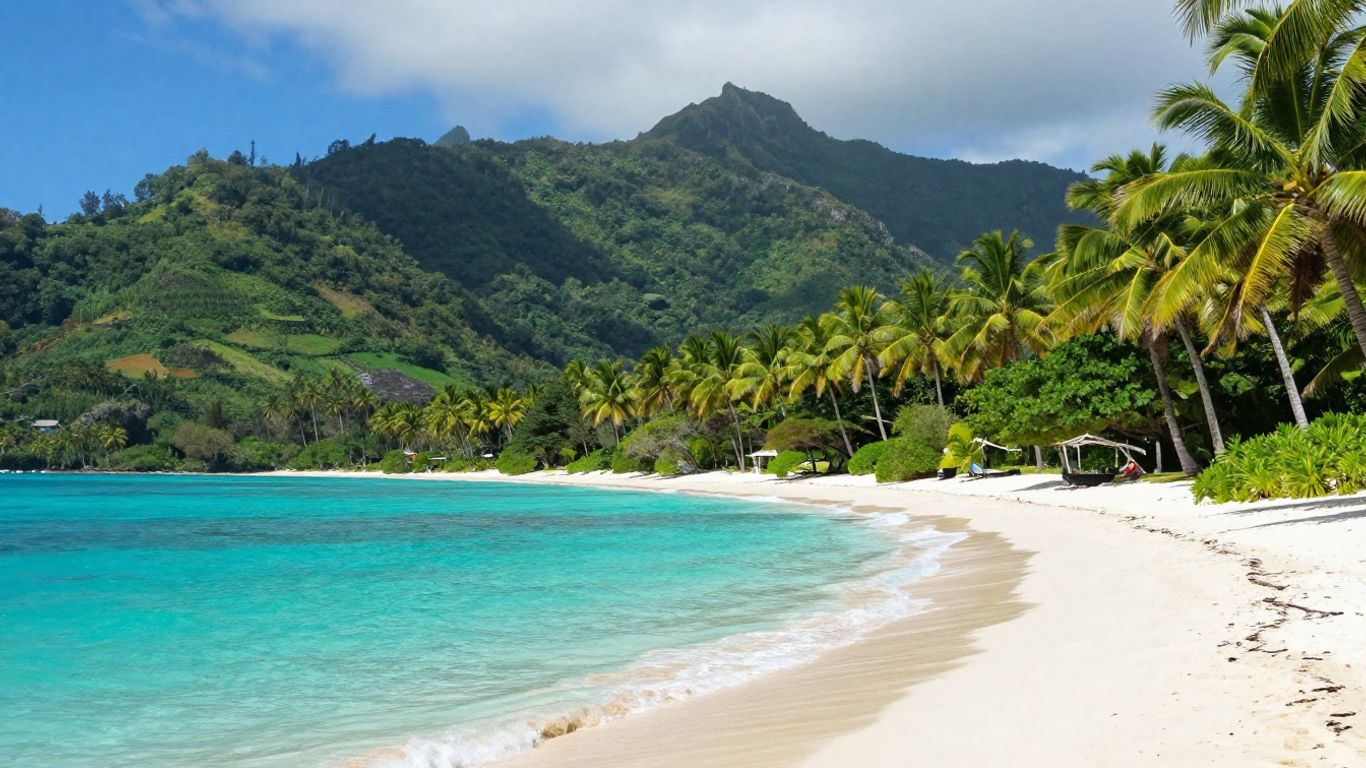
To save money, try booking your adventures directly. A quick search online or asking your accommodation for recommendations can lead you to these gems. Sometimes, just stepping outside the resort bubble and exploring a local town can lead to unexpected and affordable adventures.
The Value of Local Tour Operators
Local tour operators are often the unsung heroes of budget-friendly travel in Fiji. They tend to run smaller groups, which can mean a more personal experience. Plus, they know the islands inside and out and can often take you to spots that larger, more commercial tours might miss. These operators are a fantastic way to support the local economy while getting a more authentic feel for Fijian life. You might even find that they offer package deals if you book multiple tours with them, providing even more savings. For instance, exploring options with local operators can reveal hidden gems.
It’s a good idea to be punctual for any booked excursions to avoid missing out.
Savvy Spending on Daily Essentials
When you’re planning your trip to Fiji, thinking about the little things can really add up. It’s not just about the big bookings; how you handle your day-to-day expenses makes a big difference to your overall budget.
Shopping at Local Markets for Produce
Forget the pricey imported goods at hotel gift shops or even some larger grocery stores. The real treasures for fresh food are found at local markets. It’s a win-win: you save money and get a more authentic taste of Fiji.
Utilizing Local SIM Cards for Connectivity
Staying connected doesn’t have to break the bank. While hotel Wi-Fi can be spotty or expensive, especially on outer islands, getting a local SIM card is a smart move. Major providers like Digicel and Vodafone often have deals for tourists, sometimes even offering a bit of data for free when you arrive. Just check coverage maps for the areas you’ll be visiting.
Packing Your Own Snorkeling Gear
Fiji is famous for its underwater beauty, and snorkeling is a fantastic way to experience it. It’s a one-time purchase that provides endless opportunities for free exploration right off the beach, turning a potentially costly activity into a readily available pastime.
Keeping an eye on small expenses like snacks, drinks, and local transport can significantly impact your budget.
Embracing Local Culture and Connections
Fiji is more than just stunning beaches and clear blue water; it’s a place with a rich culture and warm, welcoming people. Making genuine connections with Fijians offers a deeper appreciation of the islands.
Befriending Locals for Unique Experiences
When you’re in Fiji, don’t be shy about striking up conversations. We found that the resort staff were often heading out fishing for their dinner, and by being friendly, we were sometimes invited along for a snorkel. It was an amazing way to see marine life and get a glimpse into their daily lives, all for free.
Interacting with locals can lead to unexpected adventures and a more authentic travel experience. It’s about sharing moments and learning from each other, which is far more rewarding than just ticking off tourist spots.
Engaging with Community Events
If your visit happens to coincide with local celebrations or ceremonies, try to respectfully participate. Sometimes, you might even get invited to a local gathering or a kava ceremony. These are incredible opportunities to see Fijian life unfold.
Learning from Local Recommendations
Locals know their islands best. Instead of relying solely on guidebooks or online reviews, ask the people around you for their favorite spots. They can point you towards hidden beaches, the best places to try local food, or even share stories about the island’s history. This kind of insider knowledge can lead you to experiences you wouldn’t find otherwise. For instance, if you’re exploring Vanua Levu, asking locals about their favorite quiet spots can lead you to some truly serene locations away from the usual tourist paths Vanua Levu offers a quieter, more authentic Fijian experience .
Here are a few ways to connect:
(hello) goes a long way.
Show interest: Ask questions about their culture, traditions, and daily life.
Be respectful: Always ask permission before taking photos of people or their homes.
Offer a small gift: If you’re invited into someone’s home, a small token like tea or sweets is appreciated.
By embracing the local culture, you’ll find your Fiji trip becomes richer, more memorable, and often, more budget-friendly too.
Your Fijian Adventure Awaits
So, there you have it. Planning a trip to Fiji doesn’t have to break the bank. By keeping an eye on when you book, where you stay, and how you get around, you can absolutely make those island dreams a reality without spending a fortune. Remember those local markets for fresh food, consider the bus for shorter trips, and maybe pack your own snorkel gear. Fiji is a place of incredible beauty and warm welcomes, and with a little smart planning, you can experience its magic affordably. Go on, start planning that unforgettable getaway – Fiji is waiting for you!
What’s the cheapest day to book a hotel in Fiji?
Saturdays are usually the most expensive days, so try to avoid them if your budget is tight.
How can I find affordable places to stay in Fiji?
For budget-friendly stays, check out islands like Tivua or the Coral Coast. Places like Anchorage Beach Resort, Travellers Beach Resort – Hostel, Crow’s Nest Resort, and Gecko’s Resort are good options. You might also find dorm rooms inside resorts, which can be a great way to save money while still enjoying resort perks.
Are there any all-inclusive resorts in Fiji?
Yes, some resorts offer all-inclusive packages, which can help you manage your spending and offer convenience. Resorts like Jean-Michel Cousteau Resort and Vomo Island Resort are known to have such options, often including private beaches, pools, and activities.
What’s the best way to travel between islands in Fiji affordably?
Instead of taking expensive domestic flights, consider using ferries. Ferry rides are usually much cheaper, often costing only about 10% of a flight. Just be prepared for schedules that might change and travel that depends on the weather.
How can I save money on food and activities in Fiji?
You can save money by shopping at local markets for fresh produce instead of big grocery stores. For activities, try arranging excursions through local tour operators rather than through your resort, as they are often cheaper. Also, consider packing your own snorkeling gear so you don’t have to rent it.
Is it cheaper to stay on the mainland or outer islands?
Staying on the mainland, like Viti Levu, can often be more budget-friendly. You’ll find more affordable transport options, like buses, and a wider range of lodging choices.
How can I stay connected without spending too much on internet in Fiji?
Getting a local SIM card is a smart move for affordable mobile data. Providers like Digicel and Vodafone often have deals for tourists. While hotels might offer free Wi-Fi, it can be expensive and limited on outer islands, so a local SIM is usually a better deal.
Confirm current details
Confirm current schedules, prices, availability, conditions and local guidance directly with the responsible official source or provider before making a nonrefundable plan.