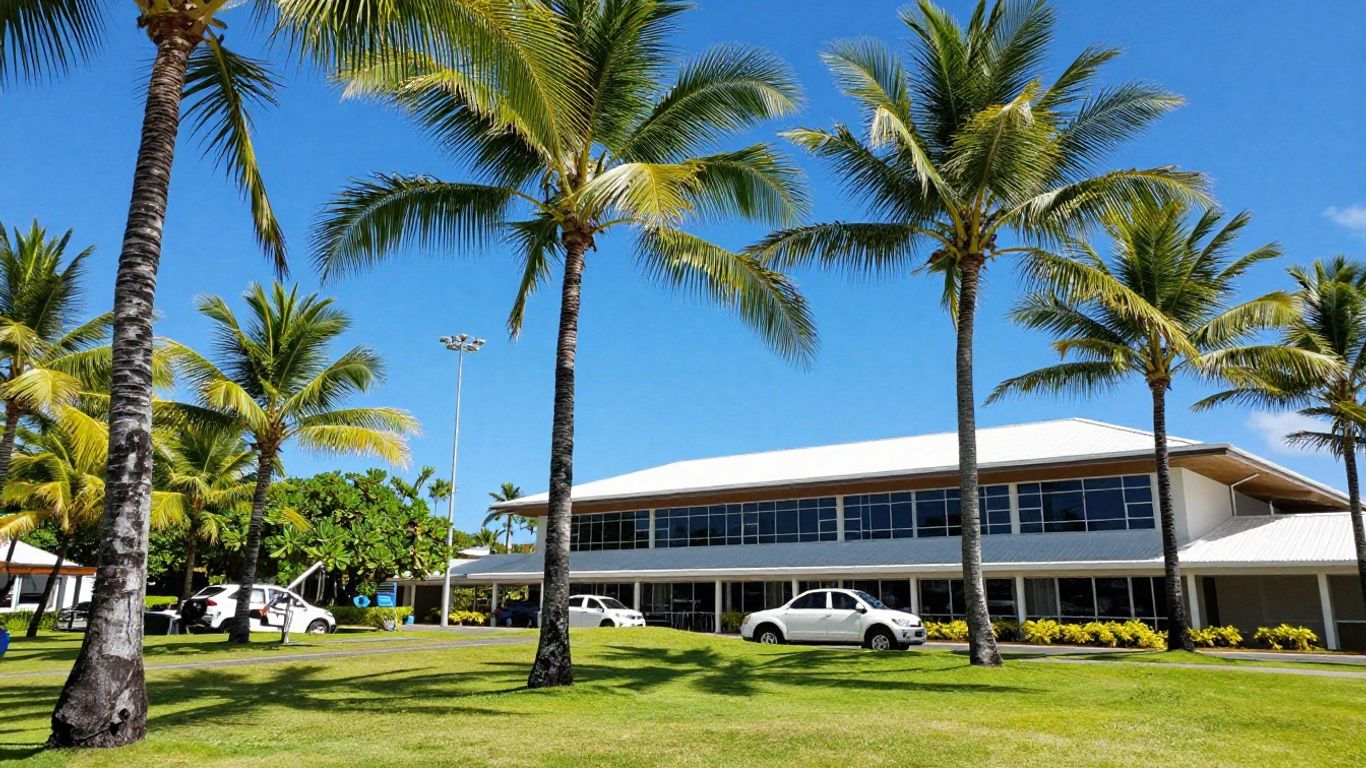

Planning a trip to Fiji? You’ll likely be flying into either Nadi International Airport (NAN) or Nausori Airport (SUV) near Suva. They’re both gateways to paradise, but they work a bit differently. This Fiji airport guide is here to help you figure out the best way to get through them, whether you’re starting your island adventure or heading back home. We’ll cover what you need to know about getting around, what to expect, and how to make your airport time a little less stressful.
Key Takeaways
Nadi International Airport (NAN) is Fiji’s main international hub, handling most long-haul flights and acting as the primary gateway for tourists heading to resorts and outer islands. Nausori Airport (SUV) serves the capital, Suva, and is more focused on domestic and regional travel, offering a quicker entry to the main business and administrative center.
Both airports have basic amenities like currency exchange and ATMs, but Nadi generally offers more dining and shopping options.
Getting around Fiji’s airports and to your final destination involves taxis, shared shuttles, and public buses. Buses are the cheapest but take the longest. Car rentals are available if you want to explore Viti Levu island independently.
Fiji has strict biosecurity rules. Be very careful about bringing in fresh food, plants, or animal products. Always declare anything you’re unsure about to avoid fines. Pack liquids in your carry-on in containers of 100ml or less.
Online check-in can save time, and having travel insurance is a good idea for unexpected delays or health issues.
Understanding Your Entry Point
Travelers heading to Fiji are most likely to touch down at either Nadi International Airport (NAN) or Nausori Airport (SUV) near Suva. Nadi International Airport is the island nation’s main international gateway, welcoming about 97% of overseas visitors. If you’re flying in from North America, Nadi’s network of direct long-haul flights—for example, from San Francisco or Los Angeles—is hard to beat ( direct flights available ). Suva-bound travelers often arrive via Nausori, especially if their plans center around business, government, or exploring the region east of Viti Levu.
Here’s a quick overview to help you identify your best entry point:
Key Differences Between Nadi and Suva Airports
Choosing between Nadi and Suva can shape your entire trip experience. Here’s what sets them apart:
Nadi handles nearly all international flights, plus lots of domestic island-hops. Facilities are bigger and busier, with a wide range of shops and dining.
Nausori (Suva) is smaller, simpler, and less crowded—great for quick arrivals or stress-free departures.
Transfers between terminals aren’t needed at Suva, since everything’s under one roof. Nadi’s layout is bigger but still modern and intuitive.
Travelers heading to Fiji’s capital will find Nausori Airport is just a half-hour drive from downtown Suva.
If your ultimate destination is a remote Fijian island, your route will probably begin at Nadi. If you’re heading straight to the capital or doing business, Suva’s Nausori Airport can save you hours on the road.
Strategic Importance for Travelers
Nadi is absolutely the spot for leisure travel. Think of the famous Coral Coast, Denarau’s high-end resorts, and easy onward flights to places like Taveuni or Kadavu.
Suva via Nausori Airport matters most for diplomatic visits, conventions, or for travelers wanting the city scene and local markets.
Both hubs serve as springboards to domestic destinations, but Nadi’s flight connections are the most extensive—handy for anyone with a multi-island itinerary.
Summing up: Nadi is best for most international arrivals, particularly those seeking sun, sand, and swift transitions to Fiji’s famous islands. Suva’s Nausori Airport suits those targeting business, government, or the less-touristed side of the country.
Arrival and Departure Essentials at Nadi International Airport
Nadi International Airport (NAN) is Fiji’s main international gateway, and getting through it smoothly is key to starting your island adventure right. It’s designed to handle a lot of people, so knowing a few things beforehand can make a big difference.
Streamlining Your Check-In Process
Getting your flight sorted is the first step. This gives you plenty of time to check in, drop off any bags, and get through security without feeling rushed. Many airlines, including Fiji Airways, offer online check-in, which can save you a good chunk of time at the airport. Just remember to check your airline’s specific requirements for check-in times and baggage.
Online Check-In: Use it if available to save time.
Baggage Allowance and Handling
Baggage rules can vary, so always double-check with your airline before you fly. Generally, economy class passengers get a checked baggage allowance of around 23 kg, while business class might get more. Keep your valuables and important documents in your carry-on luggage, and make sure all your bags have clear luggage tags .
Navigating Customs and Biosecurity
When you arrive in Fiji, you’ll go through customs and biosecurity. Be ready to fill out an arrival card honestly and completely. Fiji has very strict biosecurity rules to protect its unique environment. This means you cannot bring in fresh fruits, vegetables, meat, or dairy products without proper permits. If you are carrying any food items, plants, or animal products, you must declare them. Failure to do so can result in significant fines.
Fiji’s biosecurity is serious business. Declare everything you’re unsure about to avoid trouble and help protect the islands.
Connecting Through Nausori Airport: The Gateway to Suva
Nausori Airport (SUV), often called the "Gateway to Suva," is your entry point to Fiji’s capital and the eastern side of Viti Levu. It’s a bit different from Nadi; things move at a more relaxed pace here, letting you feel the local vibe pretty quickly after you land. This airport is perfect if you’re heading to Suva for business or if you want to explore some of the less crowded parts of Fiji, skipping the big resort areas.
Efficient Single-Terminal Experience
One of the best things about Nausori is its size. It’s a single terminal, which makes getting around really straightforward. You won’t be running between different buildings here. Everything you need – check-in, security, gates – is all in one place. This means you can usually get through all the airport procedures without much fuss or long waits, which is a nice change from busier airports.
Check-in: Usually quick due to lower passenger numbers.
Security Screening: Efficient process, get through without much delay.
Boarding Gates: All conveniently located within the single terminal.
Arriving a couple of hours before an international flight or about an hour to ninety minutes for a domestic one should give you plenty of time to relax before your flight.
Domestic and Regional Flight Connections
Nausori is the main hub for Fiji Link, the domestic airline. This is where you’ll catch flights to many of Fiji’s beautiful outer islands, like Vanua Levu, Taveuni, and Kadavu. It’s also a point for some regional flights to nearby island nations. So, if your Fiji adventure involves island hopping, Nausori is likely where your journey will continue.
Scenic Views During Takeoff and Landing

Get your camera ready! The runway at Nausori runs alongside the Rewa River. This means that as you take off or land, you’ll get some pretty amazing views of the green valleys and the winding river below. It’s a lovely way to start or end your trip, offering a little visual treat that makes the journey feel more special.
Look out for the lush green landscapes.
Keep an eye on the winding Rewa River.
Enjoy the unique perspective of Fiji’s natural beauty.
Ground Transportation Options
Getting from the airport to your accommodation, or to your next destination, is pretty straightforward in Fiji. Both Nadi International Airport (NAN) and Nausori Airport (SUV) have a few ways to get you moving.
Taxis and Shuttle Services
When you step out of arrivals, you’ll see plenty of taxis waiting. They’re usually the quickest way to get to nearby hotels or towns. Just a heads-up, most taxis in Fiji prefer cash, so have some Fijian dollars ready. It’s a good idea to agree on the fare before you hop in, or make sure the meter is running. For shared rides, shuttle vans are a popular choice, especially if you’re heading to popular tourist spots like Denarau. They can be a bit cheaper than a private taxi, but the trip might take longer as they stop at different hotels.
Yellow license plates usually mean it’s an official taxi.
It’s worth checking with your hotel before you arrive.
Public Bus Routes
If you’re on a tighter budget and don’t mind a bit more travel time, the public buses are an option. These buses connect major towns and resorts along the main routes. To use them, you might need a special e-ticketing card, which you can often pick up at places like Vodafone shops within the airport. It’s a more local experience, for sure.
Always have some cash on hand for fares.
Car Rental Independence
For those who like to explore at their own pace, renting a car gives you the most freedom. Major car rental companies have desks right at Nadi International Airport. You’ll need a valid driver’s license, and remember, they drive on the left side of the road in Fiji. It’s a good idea to book your car in advance, especially if you’re traveling during peak season, as they can get snapped up quickly. Roads outside the main centers can be a bit rough, so keep that in mind when choosing your vehicle.
Currency Exchange and Financial Services
When you land in Fiji, getting your hands on some local currency is usually one of the first things on your mind. The official money here is the Fijian Dollar, or FJD as you’ll see it abbreviated. You’ll find places to swap your cash or use your cards right in the arrival halls at both Nadi and Suva airports.
Understanding Fijian Currency
The Fijian Dollar is the only legal tender. While many hotels and larger shops will take credit cards, it’s a good idea to have some cash on hand. Smaller vendors, local markets, and especially public transport like buses and taxis often prefer or only accept cash. Some places might add a small surcharge for credit card use, so it’s worth asking.
Locating ATMs and Exchange Counters
Both Nadi International Airport (NAN) and Nausori Airport (SUV) have ATMs and currency exchange booths. These are typically located in the arrivals area, making it convenient to get Fijian Dollars shortly after you clear customs.
Tips for Managing Cash
ATM Use: Using ATMs connected to reputable banks is generally safe. Always be aware of your surroundings when withdrawing cash.
Declaration Rules: If you’re carrying a significant amount of currency, be aware of the declaration rules. Failing to declare can lead to fines or other issues.
Keep Small Bills: Having smaller denominations of Fijian Dollars is super handy for markets, bus fares, and tipping.
It’s a good practice to have a mix of cash and cards. Relying solely on one can sometimes lead to unexpected situations, especially if you venture off the beaten path or encounter a place that doesn’t accept plastic.
Having a bit of local currency readily available will make your initial movements much smoother.
Dining Options: From Snacks to Meals
When you’re waiting for your flight at either Nadi International Airport (NAN) or Nausori Airport (SUV), you’ll find a few spots to grab a bite. Nadi, being the larger hub, has more choices. You can find familiar fast-food places like Burger King, alongside coffee shops such as Gloria Jean’s Coffee. There are also smaller local eateries offering a taste of Fijian flavors. Nausori Airport, being smaller, has a more limited selection, usually a few cafes for quick snacks and drinks. It’s often a good idea to have a snack before you get to the airport if you’re flying out of Suva, just to be sure.
Shopping and Duty-Free Experiences
Both airports offer shopping, with Nadi having a more extensive range. You can pick up perfumes, liquor, electronics, and sweets at the duty-free shops. If you’re looking for souvenirs, you’ll find stalls selling Fijian handicrafts, like wooden carvings and woven items. These shops are great for last-minute gifts or personal treats.
Essential Passenger Support
Need to exchange money? Both Nadi and Suva airports have currency exchange counters and ATMs from major banks. If you have a long layover or need to store luggage temporarily, Nadi Airport offers baggage storage lockers. For travelers needing assistance, like those with reduced mobility, it’s best to arrange this with your airline in advance. Information desks are also available to help with general queries about flights or airport services. Free Wi-Fi is usually available for a limited time, with options to purchase longer access if needed. Charging stations for your devices are scattered throughout the terminals.
General Safety Precautions
When you’re in Fiji, it’s a good idea to be aware of your surroundings, especially in busy areas. Driving can be a bit unpredictable here; drivers might not always follow traffic rules strictly, and pedestrians should be extra careful when crossing streets, even at marked crossings. If you’re renting a car, stick to main roads when possible, and maybe avoid driving after dark, particularly outside of the main towns. Roads can be rough, especially in rural spots, and sometimes there’s not much lighting. Public buses are available, but they can be old and sometimes have issues, so it’s worth checking if they have yellow license plates, which usually means they’re officially registered. Taxis are also an option, but again, look for the ones with yellow plates and consider booking through your hotel for a more reliable ride. Keeping your belongings secure is always a smart move, just like anywhere else you travel.
Health Considerations for Tropical Travel
Fiji’s tropical climate means you’ll want to take some basic health precautions. It’s always recommended to get any routine vaccinations up-to-date before you leave home. Things like measles, mumps, and rubella (MMR), along with tetanus and polio shots, are standard. Depending on your travel plans and any specific activities you might do, your doctor might suggest other vaccines. For instance, Hepatitis A and B are sometimes recommended, and it’s wise to practice safe food and water habits. Washing your hands often is a simple but effective step. If you take any prescription medications, bring enough for your entire trip and keep them in their original containers. It’s also a good idea to pack a small first-aid kit with essentials like bandages, antiseptic wipes, and pain relievers.
The Importance of Travel Insurance
Getting travel insurance is a really important step before you head off. Medical facilities in Fiji can be limited, especially outside of the main cities, and they might ask for payment upfront. If something serious happens, you might need to be medically evacuated, and that can be very costly. Make sure your insurance policy covers medical emergencies, hospital stays, and importantly, medical evacuation. It’s also wise to check if it covers things like trip cancellations or lost luggage, just in case. Read the policy details carefully so you know exactly what’s covered before you travel.
Planning ahead for health and safety can make your trip much more enjoyable. Being prepared means you can relax and focus on experiencing all that Fiji has to offer, rather than worrying about what might go wrong.
Maximizing Your Airport Experience
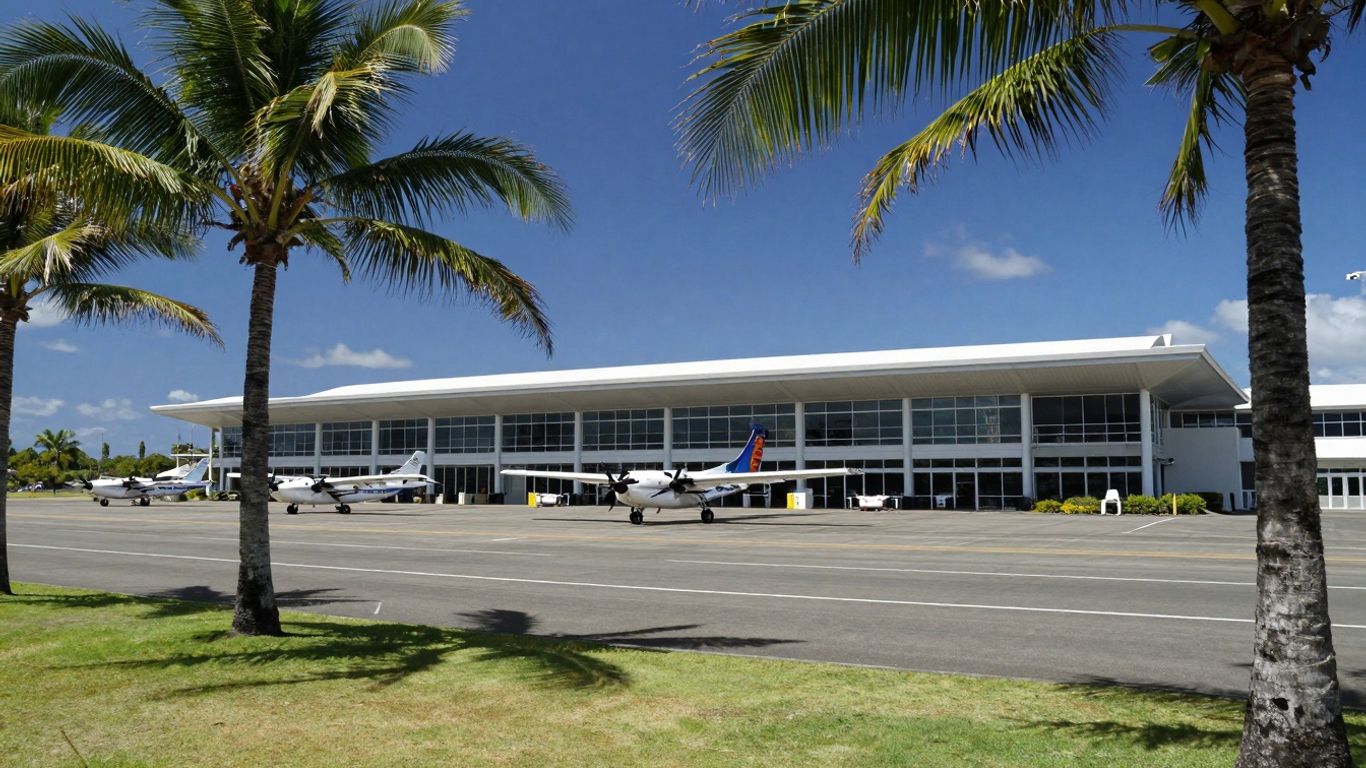
Getting through Nadi International Airport (NAN) and Nausori Airport (SUV) doesn’t have to be a hassle. A little bit of planning goes a long way to make your journey smoother, whether you’re just arriving or heading off to your next destination. Thinking ahead about your airport time can really make a difference.
Strategic Timing for Arrivals
When you plan your arrival at the airport, it’s good to give yourself plenty of time. This gives you breathing room for check-in, security, and maybe even a quick look around the shops. Domestic flights usually don’t need quite as much lead time, but arriving two hours ahead is still a good idea to avoid any last-minute rushes.
Leveraging Online Check-In
Many airlines now offer online check-in, which can be a real time-saver. It means you can skip the main check-in queues if you’re only traveling with carry-on luggage. Just head straight to bag drop or security. It’s a simple step that can make your airport experience much more relaxed. If you’re planning a trip to French Polynesia, checking flight options in advance can help you find the best routes to Papeete .
Preparing for Security Screening
Security can sometimes be a bottleneck, but being prepared helps. Make sure you know the rules for carry-on liquids – generally, containers up to 100ml, all fitting into one clear, resealable bag. It’s also a good idea to have electronics like laptops and tablets easily accessible, as you’ll likely need to take them out of your bag. Wearing shoes that are easy to slip on and off can speed things up too. Remember, the officers are just doing their job to keep everyone safe.
Fiji has strict biosecurity rules. It’s really important not to bring fresh fruits, vegetables, meat, or dairy products without the proper paperwork. You could face hefty fines if you don’t comply. Always declare any food items you’re carrying when you fill out your arrival card. This helps protect Fiji’s unique environment and agriculture.
Navigating Luggage and Biosecurity
When you’re getting ready to fly in or out of Fiji, paying attention to your luggage and understanding the biosecurity rules is pretty important. It’s not just about fitting everything in; it’s about respecting Fiji’s unique environment and avoiding any unnecessary headaches.
Hand Luggage Regulations
When it comes to what you can carry on the plane, the rules are pretty standard across most airports. For liquids, remember the 100ml rule – each container must be 100ml or less, and they all need to fit into one clear, resealable bag. You’ll likely be asked to take electronics like laptops and tablets out of your bag during the security screening, so have them handy. It’s a good idea to pack these items where they’re easy to access.
Strict Biosecurity Rules
Fiji is an island nation, and its natural environment is really precious. Because of this, they have some of the strictest biosecurity laws you’ll find anywhere. These rules are in place to protect the country from pests and diseases that could harm its agriculture and natural habitats. You absolutely must not try to bring in fresh fruits, vegetables, meat, or dairy products without the proper permits. Doing so can lead to hefty fines and confiscations. It’s always better to be safe than sorry, so if you’re unsure about an item, it’s best to leave it at home or declare it.
Declaring Food Items
This ties directly into the biosecurity rules. When you fill out your arrival card, be honest and thorough. You’ll be asked to declare specific items, especially food products, plants, or anything of animal origin. This includes things like packaged snacks, dried fruits, or even outdoor gear that might have soil on it. If you have any doubts at all about whether an item needs to be declared, just mark it on the card. It’s much better to declare something and have it checked than to not declare it and face penalties. You can find more detailed information on what needs to be declared on the Biosecurity Authority of Fiji website if you want to be extra prepared.
Remember, these biosecurity checks aren’t meant to be difficult; they’re a vital part of protecting Fiji’s beautiful and delicate ecosystem for everyone to enjoy. A little bit of preparation goes a long way in making your arrival smooth and stress-free.
What to Do During Flight Delays
Flight delays can happen, and while they’re never ideal, being prepared can make a big difference. If your flight is delayed, the first thing to do is check with your airline for the most up-to-date information. Many airlines now have apps or text alert systems that can keep you informed. If the delay is significant, ask about meal vouchers or accommodation if you’re stranded overnight. Always keep your boarding pass and any receipts for expenses incurred due to the delay.
Understanding Passenger Rights
Knowing your rights as a passenger is important, especially when things don’t go as planned. While specific regulations can vary by airline and region, common passenger rights often include:
Right to information: Airlines should inform you about delays and cancellations in a timely manner.
Right to re-routing or refund: If a flight is cancelled or significantly delayed, you usually have the option to be re-routed to your destination or receive a full refund for the unused portion of your ticket.
It’s a good idea to familiarize yourself with the specific passenger rights policies of the airlines you’re flying with before you travel.
Staying informed about weather forecasts and having a flexible mindset can help you adapt to any changes.
Utilizing Travel Insurance for Disruptions
Travel insurance can be a lifesaver when unexpected events disrupt your trip. Many policies offer coverage for:
Trip cancellation or interruption: If you have to cancel or cut short your trip due to unforeseen circumstances like illness or a natural disaster.
Flight delays: Some policies provide reimbursement for expenses like meals and accommodation if your flight is delayed for a specified period.
Lost or delayed baggage: Coverage for essential items if your luggage is lost or significantly delayed.
Medical emergencies: This is often the most critical aspect, covering medical treatment if you get sick or injured abroad.
When purchasing travel insurance, read the policy details carefully to understand what is covered and any limitations or exclusions. Make sure the coverage aligns with your travel plans and potential risks.
Your Fijian Journey Starts Here
So, whether you’re touching down in Nadi to kick off a tropical adventure or arriving at Suva’s Nausori Airport for business or to explore the eastern side of Viti Levu, a little preparation goes a long way. Both airports serve as vital gateways, each with its own character. Nadi welcomes the majority of international visitors, bustling with activity, while Suva’s airport offers a more relaxed entry point to the capital and beyond. By keeping these tips in mind – from understanding check-in times and baggage rules to knowing your transport options and currency exchange – you’re setting yourself up for a smoother, more enjoyable start to your Fijian experience. Embrace the journey, soak in the island spirit from the moment you land, and get ready for the wonders that await you in Fiji.
What’s the main difference between Nadi and Suva airports?
Think of Nadi International Airport (NAN) as Fiji’s biggest welcome mat for most international travelers, especially those heading to the popular islands. Suva’s airport, Nausori (SUV), is smaller and mainly serves the capital city, Suva, and is a big hub for flights to other Fijian islands.
How early should I get to the airport before my flight?
This gives you plenty of time to check in and get through security without rushing.
What currency do I need in Fiji?
Fiji uses the Fijian Dollar (FJD). You can find ATMs and places to exchange money at both airports. While cards are accepted in many places, it’s a good idea to have some cash on hand for smaller shops or taxis.
Can I bring food into Fiji?
Fiji has very strict rules about bringing food, plants, and animal products into the country to protect its environment. You must declare all food items, and some things like fresh fruits or meats might not be allowed. It’s always best to check the official rules before you pack.
What are the transportation options from the airports?
From Nadi, you can grab a taxi, book a shuttle, or rent a car. Nausori Airport also has taxis and buses. Buses are the cheapest option but take longer. Taxis and shuttles are quicker and more convenient, especially if you have a lot of luggage.
What if my flight is delayed?
If your flight is delayed, the first thing to do is ask your airline for the latest information. If the delay is long, the airline might provide food vouchers or even a hotel room. Keep any receipts for things you buy during the delay, as your travel insurance might cover them.
Are there places to eat and shop at the airports?
Yes, both Nadi and Nausori airports have places to grab a bite to eat, from quick snacks to full meals. You’ll also find shops, including duty-free stores, where you can buy souvenirs or travel essentials.
Is it important to have travel insurance for Fiji?
Absolutely! Travel insurance is highly recommended. It can protect you financially if your flight is canceled or delayed, if you get sick or injured, or if your luggage is lost or damaged. It’s peace of mind for your trip.
Confirm current details
Confirm current schedules, prices, availability, conditions and local guidance directly with the responsible official source or provider before making a nonrefundable plan.