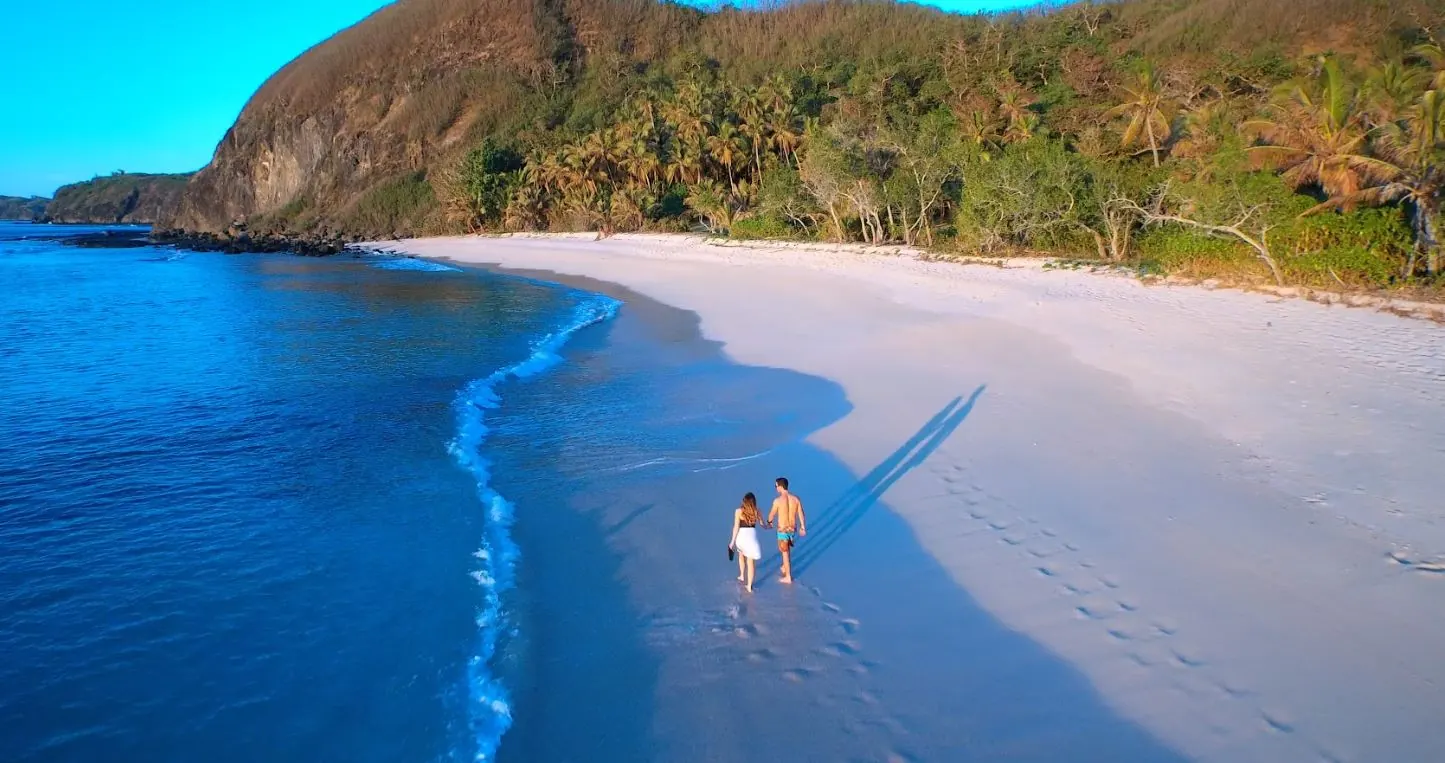
The Great Astrolabe Reef is the barrier reef that wraps around the southern and eastern side of Kadavu, about 100 km south of Viti Levu, and curves north past Ono Island to Buliya. It gives you two very different waters: exposed outer walls and current-swept passages for experienced divers, and a sheltered inner lagoon where beginners and snorkellers can see mantas and healthy coral. August to October usually brings the clearest water; November to April is warmer and wetter.
This guide focuses on how the reef is arranged and what that means for choosing a base and a month. For island logistics, see our Kadavu travel guide, and for a site-by-site dive overview, our Kadavu diving guide.
How the reef is laid out
Think of the Great Astrolabe Reef as a long arc rather than a single site. According to Tourism Fiji, it runs along Kadavu's southern shore and sweeps northeast past Ono Island up to Buliya Island. Kadavu itself is roughly 65 km long, so the reef covers a large stretch of ocean.
The arc has three working zones:
- The outer reef face. The ocean side drops into deep water. This is where walls, pinnacles and larger fish live, and where swell and current matter most.
- The passages. Channels cut through the barrier from open ocean into the lagoon. Tidal water pours through them, bringing nutrients and the fish that follow. Naiqoro Passage on the southeast side is the best known.
- The inner lagoon. Behind the barrier, around Ono, Buliya and the smaller islands, the water is calmer and shallower. Most snorkelling, beginner dives and manta encounters happen here.
Where you stay on Kadavu decides which zone you can reach easily. Resorts on the south and east side, and on the islands inside the lagoon, sit closest to the reef. Some north-coast operators run trips to other Kadavu sites but not to the Astrolabe itself, so ask before you book.
Key sites by zone
Dive operators on Kadavu list dozens of sites. These are the names that come up most, grouped by what the conditions are like. Depths and descriptions are drawn from Dive The World's Kadavu site notes; your dive guide will choose sites on the day based on tide and weather.
| Site | Zone | What to expect | Suits |
|---|---|---|---|
| Naiqoro Passage | Passage, southeast | Wall from about 21 m, sandy slope to about 36 m, soft corals, snapper, sweetlips; a protected marine area | Experienced, current-comfortable divers |
| Eagle Rock | Passage mouth (Nacomoto) | Pinnacle topping out near 12 m, eagle rays, Napoleon wrasse; strong current, timed to slack tide | Advanced divers |
| Yellow Wall | Pinnacles | Several rock pinnacles from a few metres to about 28 m, covered in yellow soft coral; timed to avoid strong current | Beginners and refresher dives |
| Broken Stone (Alacrity Rocks) | Eastern end | Bommies with swim-throughs and a cavern lit from above | Intermediate divers |
| Manta sites, Ono and Buliya | Inner lagoon | Cleaning stations where mantas visit; snorkel and dive options | Snorkellers and all dive levels |
Two other well-known Kadavu sites sit outside the main Astrolabe arc: the Pacific Voyager, a tanker sunk in 1994 that now lies around 30 m, and Seafan Alley near Nagigia Island at the western tip. If those are on your list, confirm your resort's boat range.
Diving conditions
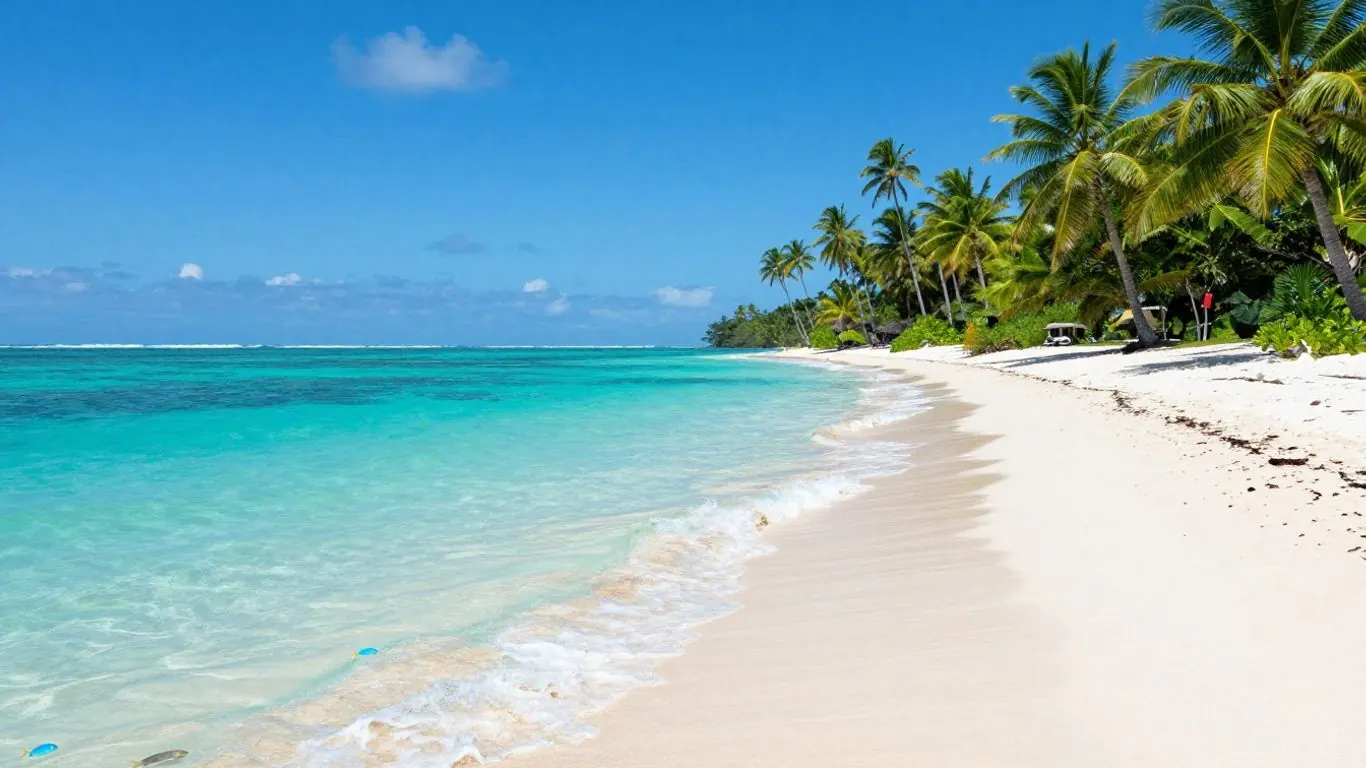
Across Kadavu, operators describe depths of roughly 5–35 m, visibility from about 10 m up to 40 m on good days, and currents from gentle to strong. Surface conditions inside the lagoon are usually calm; the boat ride out to the outer reef can be choppy, especially when the southeast trade winds are blowing.
- Currents. Passage dives are planned around the tide. Expect drift dives, negative entries and reef hooks on some sites. If you haven't done current diving recently, ask for a check dive first.
- Certification. Open Water divers can enjoy the lagoon pinnacles and inner sites. The outer walls and passages are better with Advanced certification, deep experience and good buoyancy.
- Boat time. Most diving is by small boat. Crossing times vary with the site and your base, so pack a windproof layer.
- Remoteness. Kadavu is quiet and lightly developed. Carry your dive insurance details and follow conservative dive profiles; medical support is far from the reef.
Snorkelling the Astrolabe
You don't need to dive to enjoy this reef. Many Kadavu resorts have a fringing house reef you can swim from, and boats run snorkellers to lagoon sites. Tourism Fiji notes that Buliya is particularly known for manta ray snorkelling, and the sheltered water around Ono and Buliya offers gentler encounters.
Tips for a good snorkel day:
- Go at high or rising tide when you snorkel from shore, so you're not scraping over shallow coral.
- Ask the boat crew about current before you jump. Lagoon sites near passages can still run strongly.
- Wear a rash vest or thin wetsuit for sun protection instead of relying on sunscreen alone, and choose reef-safe sunscreen when you do use it.
- Keep fins off the reef and never stand on coral. Our guide to protecting Fiji's reefs covers the basics.
Some resorts offer guided snorkels with marine staff. Kokomo Private Island, on Yaukuve Island off Kadavu, lists house reef, outer reef and manta season snorkel trips for its guests.
Best seasons month by month
Diving runs year-round. The choice is a trade-off between water clarity, temperature and sea state.
| Period | Water | Visibility | Notes |
|---|---|---|---|
| May–July | Cooling, mid-20s °C | Good and improving | Drier; trade winds can roughen the outer reef crossings |
| August–October | Coolest, around 24 °C | Usually the best of the year | Lower rainfall; bring a 5 mm suit if you feel the cold |
| November–April | Warmest, up to about 29–30 °C | More variable after rain | Wet and cyclone season; seas are often calmer between weather systems |
Mantas are seen through the year around Kadavu, with peak activity varying by site. If mantas are your main goal, read our manta ray season guide and ask the resort how recent sightings have been before you commit to dates. During the wet season, buy travel insurance that covers weather disruption and leave a buffer day before your international flight.
Reef fees and conservation
Parts of the Great Astrolabe Reef, including Naiqoro Passage, are protected areas where fishing is restricted and visiting divers pay a reef or marine-park fee. Tourism Fiji also lists the Muto Marine Protected Area among Kadavu's dive destinations. These fees are usually collected by your dive operator and support local communities who manage the fishing grounds, so ask whether they're included in your dive package.
Reefs here depend on low pressure from visitors. Choose operators who brief on buoyancy and no-touch rules, use moorings rather than anchors, and limit group sizes.
Getting there and choosing a base
Kadavu is reached by a short domestic flight; according to the official Fiji Guide, Fiji Link is the airline that serves Kadavu. From the airstrip at Vunisea, most resorts collect guests by boat, so transfers depend on the tide and the weather. Plan to arrive in Fiji the day before your Kadavu flight; schedules are limited and luggage weight allowances on small aircraft are tight, which matters for dive gear.
Choosing a base comes down to three questions:
- Diver or snorkeller? Serious divers should stay close to the passages on the south and east side. Snorkellers and mixed groups do well inside the lagoon near Ono and Buliya.
- How many dive days? Operators often recommend seven to ten days to see the range of sites, which also leaves room for weather.
- Comfort level? Kadavu ranges from simple eco-lodges to a private-island resort. Fewer guests means quieter reefs, but also fewer amenities.
Planning notes
Pick your month by priority (clarity in August to October, warmth in November to April), then choose a resort by where its boats go, not just by its rooms. Confirm reef fees, weight limits for gear and the transfer time from Vunisea before you pay a deposit. If you'd like us to match a Kadavu base to your diving level, get in touch and we'll plan it with you.
Frequently asked questions
Is the Great Astrolabe Reef good for beginner divers?
Yes, inside the lagoon. Sheltered pinnacles and manta sites around Ono and Buliya suit new divers, while the outer passages are best left until you have current experience.
Can non-divers see manta rays at the Great Astrolabe Reef?
Often, yes. Several Kadavu resorts run snorkel trips to manta cleaning stations in the lagoon. Sightings are never guaranteed, so ask about recent activity.
How many days do I need on Kadavu for the reef?
Plan at least five nights for snorkelling and a sample of dives, and seven to ten nights if diving is the main reason you are going.