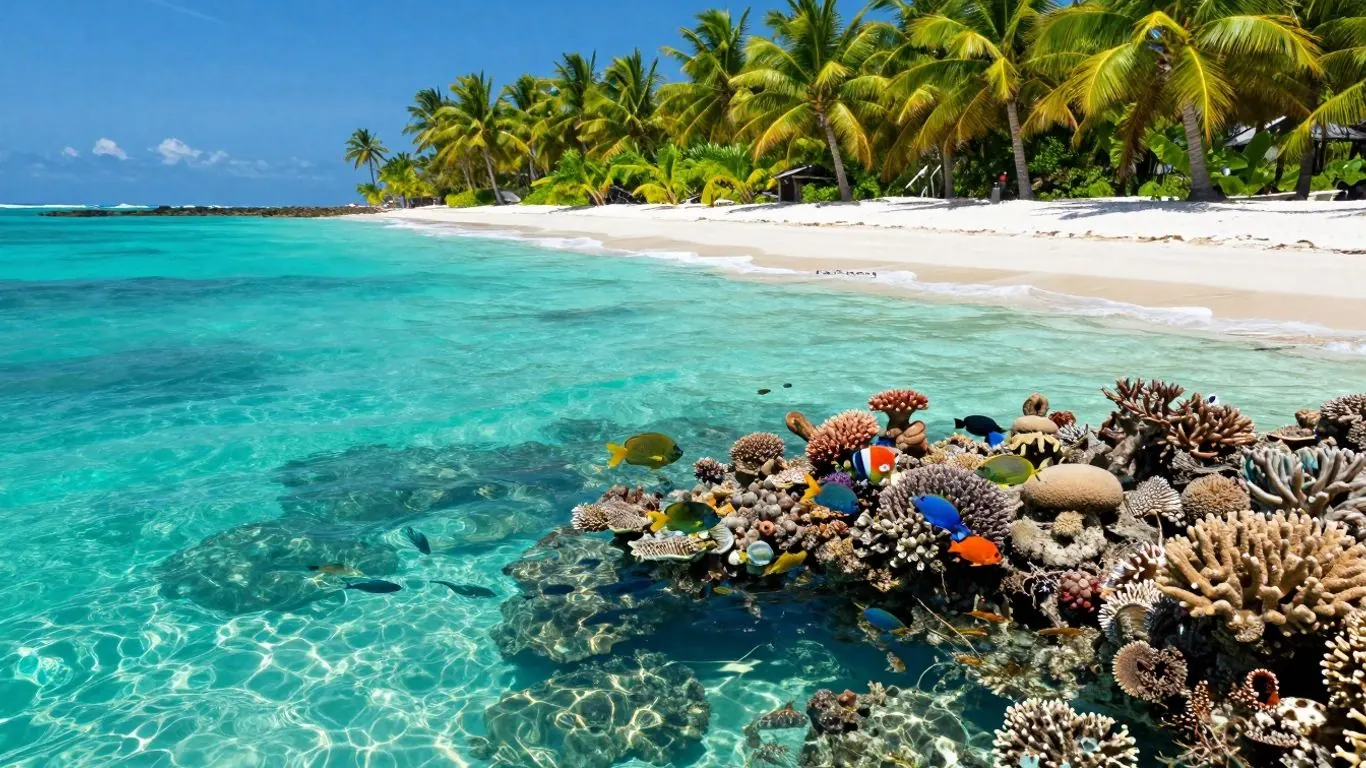
Thinking about a trip to Fiji Kadavu diving? You’ve probably heard it’s a bit different from other spots in Fiji. It’s not packed with big hotels or busy towns. Instead, you get a real feel for Fiji, where boats are the main way to get around and the local culture is front and center. The main draw here is the Great Astrolabe Reef, a massive barrier reef that’s one of the biggest in the world. It’s got amazing coral and tons of sea life, making it a top spot for anyone looking for an unforgettable underwater adventure.
Key Takeaways
Kadavu offers a more remote and authentic Fijian experience, perfect for those seeking an escape from crowds.
The Great Astrolabe Reef is the star attraction, boasting incredible coral formations and abundant marine life, including frequent manta ray sightings.
Divers can explore a variety of sites, from outer reef slopes and passages to shipwrecks and vibrant coral gardens, suitable for different skill levels.
While diving is possible year-round, the winter months (August-October) generally offer better visibility, though summer brings warmer waters.
Planning your trip involves considering accommodation options, with resorts in the north offering modern facilities and access to different sites than those in the south, which focus on the untamed Great Astrolabe Reef.
The Great Astrolabe Reef
The Great Astrolabe Reef is the star of the show here, and for good reason. It’s the fourth-largest barrier reef on the planet, stretching all along Kadavu’s southern edge. Imagine a vibrant, living wall teeming with life, a place that has put Kadavu on the map for serious underwater explorers. You’ll find everything from colorful hard coral formations to dramatic soft coral drop-offs. It’s a spot that offers a huge variety of experiences, from chill drift dives to more energetic rides through passages. Plus, it’s known for manta ray sightings and exciting encounters with sharks.
Kadavu’s Pristine Reef Systems
What makes Kadavu’s reefs so special is their untouched quality. Because the island is a bit off the beaten path, the reefs here are in fantastic shape. You won’t find massive resorts or crowded dive boats; instead, you get a sense of discovering something truly wild. The hard corals grow in huge, colorful stands, creating a backdrop for an incredible amount of marine life. It feels like stepping into a different world, one that’s been protected by its remoteness. You can explore submerged pinnacles, wander through coral gardens, and check out the edges of the outer reefs.
A Diver’s Paradise Off the Beaten Track
Kadavu is one of those places that rewards those who make the journey. It’s not the easiest island to get to, but that’s part of its charm. You get a real taste of authentic Fiji here, where life moves at a slower pace and nature is front and center. The dive resorts are designed to blend in, and the local culture is warm and welcoming. If you’re looking for a place that feels like a true escape, where you can experience amazing underwater sights without the crowds, Kadavu is it. It’s a great spot for macro photographers, wreck fans, and anyone who just loves seeing lots of different critters. You can even explore the SS President Coolidge wreck on nearby Espiritu Santo island if you’re looking for more wreck adventures in the region.
Navigating Kadavu Diving Conditions
When you’re planning a trip to Kadavu for some underwater exploration, it’s good to have an idea of what the conditions are like. It’s not always the same, you know? Things change depending on the time of year and where you are.
Seasonal Diving Opportunities
Kadavu is pretty much a year-round destination for anyone wanting to get wet. But, if you’re looking for the absolute best conditions, aiming for the winter months in the Southern Hemisphere, roughly from August to October, is a good bet. This is when the water tends to be a bit cooler, but the visibility really shines. On the flip side, the summer months, from November to April, bring warmer waters, which can be really pleasant, but you might also see a bit more rain. Honestly, though, even during the summer rains, the seas can be quite calm, so don’t rule it out.
Understanding Visibility and Water Temperatures
Visibility is a big deal for any diver, right? During Kadavu’s drier season, typically August through October, you can expect to see quite far, sometimes up to 100 feet (about 30 meters). It’s pretty amazing when you can see that far underwater. The water temperature during this cooler period usually hovers around 75°F (24°C). Come summer, from November to April, the water warms up considerably, reaching as high as 86°F (30°C). While warmer water is nice, the trade-off can sometimes be slightly reduced visibility compared to the dry season.
Currents and Swells: What to Expect
Most of the spots around Kadavu are pretty protected, which makes for some easy-going dives, especially if you’re newer to this. However, things can get a bit more lively when you venture into the passages or out towards the outer reefs. Here, you might encounter stronger currents. It’s not uncommon to experience some surface swells too, particularly during the winter months when the seas can kick up a bit. Always check with your local guides about the conditions for the day; they know these waters best.
It’s always a good idea to be prepared for a range of conditions. While Kadavu is known for its pristine and often calm waters, understanding the potential for currents and swells, especially in certain areas, will help you have a safer and more enjoyable experience. Listening to your dive operator is key.
Manta Ray Hotspots
Kadavu is a prime spot for seeing manta rays, especially in the southern part of the island. These gentle giants are often found at specific cleaning stations, where smaller fish help them stay clean. It’s quite a sight to see them glide through the water, sometimes in groups. You might even see them performing their graceful underwater ballet.
Schooling Fish and Big Pelagics
Get ready for some action! The waters around Kadavu are teeming with schools of fish. You’ll see vibrant damsels, sergeant majors, and other colorful reef fish darting about. If you’re lucky, you might also spot bigger visitors like reef sharks, barracuda, and maybe even a tuna or two cruising by. The outer reefs and passages are particularly good places to look for these larger marine animals.
Abundant Coral Gardens and Critters
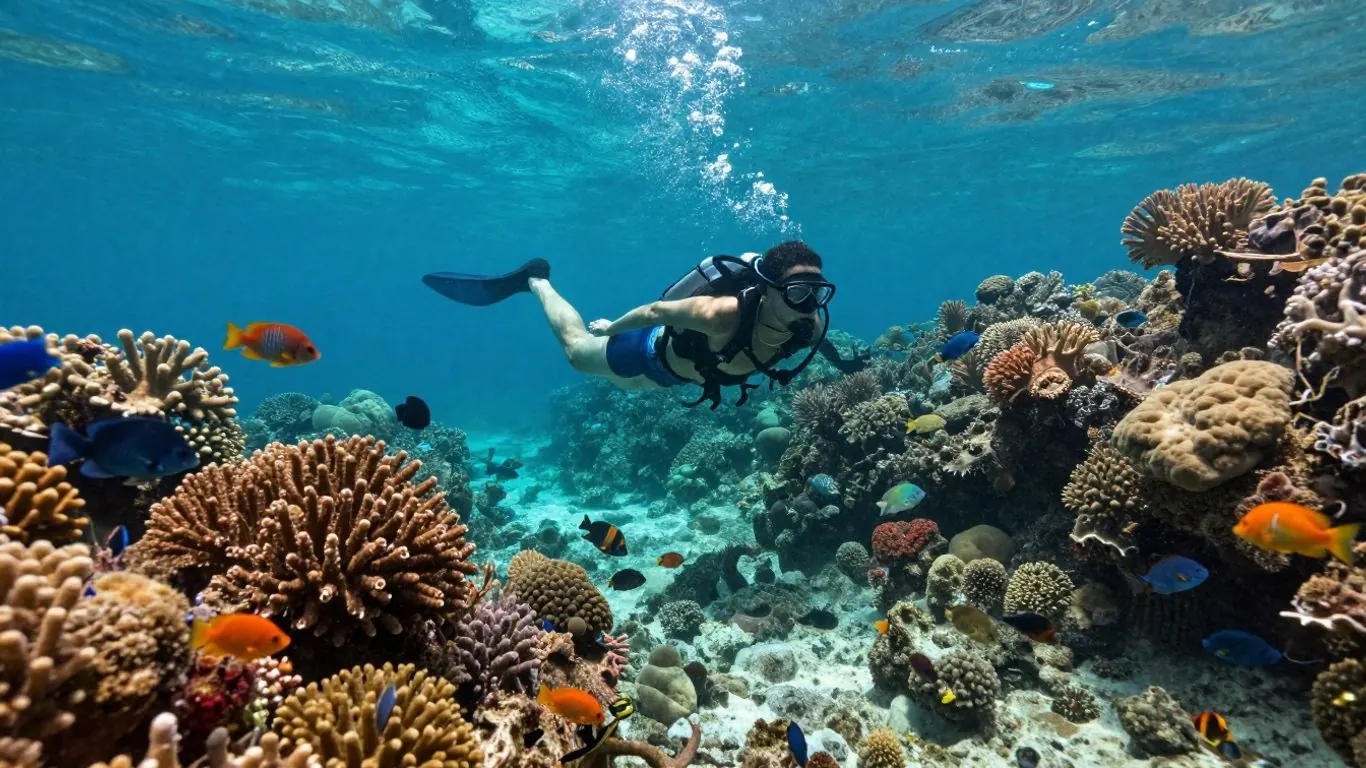
Beyond the big stuff, Kadavu’s reefs are bursting with life. The coral formations themselves are stunning, with a huge variety of hard and soft corals in all sorts of shapes and colors. Look closely, and you’ll find all sorts of smaller creatures hiding among them. Think tiny nudibranchs, camouflaged octopus, and cleaner shrimp ready to tidy up your dive gear. The Pacific Voyager wreck is also a great place to find these smaller, interesting critters.
Kadavu’s reefs are a vibrant tapestry of life, from the majestic manta rays to the tiniest of shrimp. It’s a place where you can truly appreciate the diversity of the ocean.
Outer Reef Slopes and Drop-offs
The Great Astrolabe Reef is Kadavu’s crown jewel, a massive barrier reef that stretches for about 100 kilometers, making it the fourth-largest in the world. Its outer edges are where things get really interesting for divers. You’ll find these incredible slopes that just drop away into the deep blue. The coral growth here is just phenomenal – think vibrant colors and textures everywhere you look. We’re talking about pale blue branching corals, mustard green lettuce leaf types, and violet finger corals, many of them huge examples of their species. It’s a visual feast that’s hard to describe.
Passages and Submerged Pinnacles
Kadavu’s reef isn’t just one long wall; it’s broken up by several passages, which are essentially channels where the ocean currents flow in and out. These passages can create some exciting drift dives, so you’ll want to time your dives with the tides. When the current is running, it’s like a fast-flowing river underwater, whisking you along the reef. You’ll also find submerged pinnacles, which are like underwater mountains. These rocky outcrops are covered in corals and attract lots of fish.
Timing is key when planning dives in the passages to ensure a safe and enjoyable experience.
Hold on tight during drift dives for an exhilarating ride along the reef.
Explore the pinnacles for unique topography and marine life.
Manta Ray Cleaning Stations
One of the biggest draws for divers in Kadavu, especially around the Great Astrolabe Reef, are the manta rays. There are specific spots, known as cleaning stations, where these gentle giants come to have parasites removed by smaller fish. Seeing a manta ray glide gracefully through the water is an unforgettable sight. They often hover around these stations, allowing divers to observe them up close. It’s a truly magical encounter that highlights the health and richness of this marine environment.
Kadavu’s underwater world, particularly the Great Astrolabe Reef, offers a spectacular display of marine biodiversity and geological formations, making it a top destination for those seeking an authentic and awe-inspiring diving adventure.
The Pacific Voyager Wreck
This old ship, the Pacific Voyager, is a really interesting spot. It sits on its side, and you can actually go inside parts of it, like the wheelhouse or the old crew quarters. It’s not huge, but it’s become a home for lots of sea creatures. You might see a meter-long grouper hanging out, or tiny cleaner shrimp that will even pick at your hand if you let them. It’s a great place if you like finding small critters or if you’re into wreck diving. Even if that’s not your main thing, it’s worth checking out.
Seafan Alley’s Unique Topography
Seafan Alley is pretty unique. It’s located on the far west side of Kadavu. The dive starts as you go down a gentle slope, reaching about 20 meters. The reef here is healthy, with lots of lobe corals and sponges. You’ll see pretty pixy hawkfish hiding in finger corals, and green turtles might swim by. The water is super clear, which is a good sign.
Broken Stone’s Cavernous Formations
Broken Stone is part of an area called Alacrity Rocks’. This whole area is known for its tunnels, arches, and caves. Broken Stone itself is like a maze of these formations. If you enjoy exploring underwater caverns, you’ll find plenty to see here. It feels like there’s always another tunnel or archway to swim through.
Soft Coral Bommies and Pinnacles
The northern part of Kadavu offers a different kind of underwater beauty compared to the southern reaches. Here, you’ll find a landscape dotted with soft coral bommies and dramatic pinnacles. These formations create a vibrant, textured environment that’s a joy to explore. Expect to see a good variety of smaller marine life flitting around these structures, making it a great spot for photographers looking for colorful subjects.
Easier Dives for All Levels
Many of the northern sites are known for being more sheltered, making them suitable for divers of all experience levels. The conditions are generally more relaxed, allowing you to take your time and really soak in the scenery. This makes the north a good choice if you’re newer to diving or just prefer a less intense underwater experience. You can often find resorts here that cater well to visitors, offering modern amenities alongside access to these gentler dive spots.
Access to Northern Coastal Reefs
While the north might not boast the same scale of the Great Astrolabe Reef, its own coastal reefs are well worth exploring. These areas often feature healthy coral growth and a good mix of fish. It’s a chance to see a different facet of Kadavu’s marine environment, away from the more famous, and sometimes more challenging, southern sites. You can arrange trips to these northern reefs from local resorts, providing a convenient way to experience what this part of the island has to offer.
The northern dive sites provide a wonderful contrast to the more exposed southern areas. They are perfect for those who appreciate a calmer underwater environment and the chance to see a different array of marine life and coral formations. It’s a side of Kadavu that welcomes everyone, from beginners to seasoned divers looking for a more relaxed pace.
Southern Kadavu Diving Adventures
When you head south in Kadavu, you’re really getting into the wilder side of things. This is where the Great Astrolabe Reef really shows off its untamed beauty. Think big drop-offs and passages where the ocean currents really get going. It’s not for the faint of heart, but the rewards are huge.
Untamed Great Astrolabe Reef
The southern part of the Great Astrolabe Reef is less explored, which means it’s in incredible condition. You’ll find steep walls that drop off into the deep blue, covered in vibrant corals. It’s a place where you feel like you’re one of the few people to ever see it.
High-Energy Passages
This area is known for its passages, which are channels through the reef. When the tide changes, the water rushes through these passages, creating strong currents. This is fantastic for drift dives, where you can just glide along the reef, watching the marine life go by. You might see larger fish here because of the nutrient-rich water.
Remote Diving Locations
Getting to the southern dive sites often means a longer boat ride, but that’s part of the appeal. It keeps the crowds away and preserves the natural environment. You’ll find yourself at secluded spots, often with just your boat and a handful of other divers. It’s a chance to really connect with the ocean.
Here’s what you might encounter:
Manta Rays: The southern waters are a known hangout for manta rays, especially around cleaning stations.
Sharks: Keep an eye out for reef sharks and other larger pelagic species.
Vibrant Corals: Expect to see healthy, colorful hard and soft corals clinging to the reef walls.
The southern reaches of Kadavu offer a raw, powerful diving experience. It’s a place that demands respect but gives back tenfold in unforgettable sights and encounters. If you’re looking for adventure away from the usual tourist trails, this is it.
Unique Kadavu Dive Sites
Kadavu is home to some truly special underwater spots that stand out even in this diver’s paradise. Beyond the famous Great Astrolabe Reef, there are a few places that offer a different kind of adventure, showcasing the island’s diverse marine environments.
Nauporo Passage’s Pelagic Haven
Nauporo Passage is a spot where the currents bring in the big stuff. It’s known for attracting larger marine life, making it a thrilling location for those who enjoy seeing pelagic species. Think of it as a highway for the ocean’s bigger travelers. The visibility here can be excellent, especially when the currents are right, offering clear views of what’s passing by.
What to Expect: Encounters with sharks, barracuda, and other large fish.
Best For: Experienced divers comfortable with currents.
Conditions: Can have strong currents, requiring good buoyancy control.
This passage acts as a natural funnel, concentrating nutrients and attracting a variety of marine animals. It’s a dynamic environment where the ocean’s energy creates opportunities for incredible sightings.
Alacrity Rocks’ Labyrinthine Swim-throughs
Located at the eastern end of the Great Astrolabe Reef, Alacrity Rocks is a collection of sites, and Broken Stone is a prime example. This area is famous for its intricate network of tunnels, arches, and caverns. It feels like exploring an underwater maze, with endless passages to discover. If you enjoy exploring formations and swimming through natural rock structures, this is the place for you.
Key Features: Numerous swim-throughs, arches, and small caves.
Marine Life: Expect to see smaller reef fish, moray eels, and possibly shy octopuses hiding in the nooks.
Photography: Great for wide-angle shots of the formations and macro photography of the critters living within.
Incredible Wall Dives
While not a single named site, Kadavu boasts some stunning wall formations that drop off into the deep blue. These vertical landscapes are covered in soft corals and sponges, creating a colorful tapestry. Descending along a wall offers a unique perspective, with the chance to see different species that inhabit these deeper, more exposed areas. It’s a chance to feel the vastness of the ocean.
Typical Depths: Walls often start around 15-20 meters and drop much deeper.
Marine Life: Look for large schools of fish, reef sharks patrolling the edges, and colorful invertebrates.
Experience: Offers a sense of awe and the chance to observe marine life in its natural, expansive habitat.
Planning Your Kadavu Diving Trip
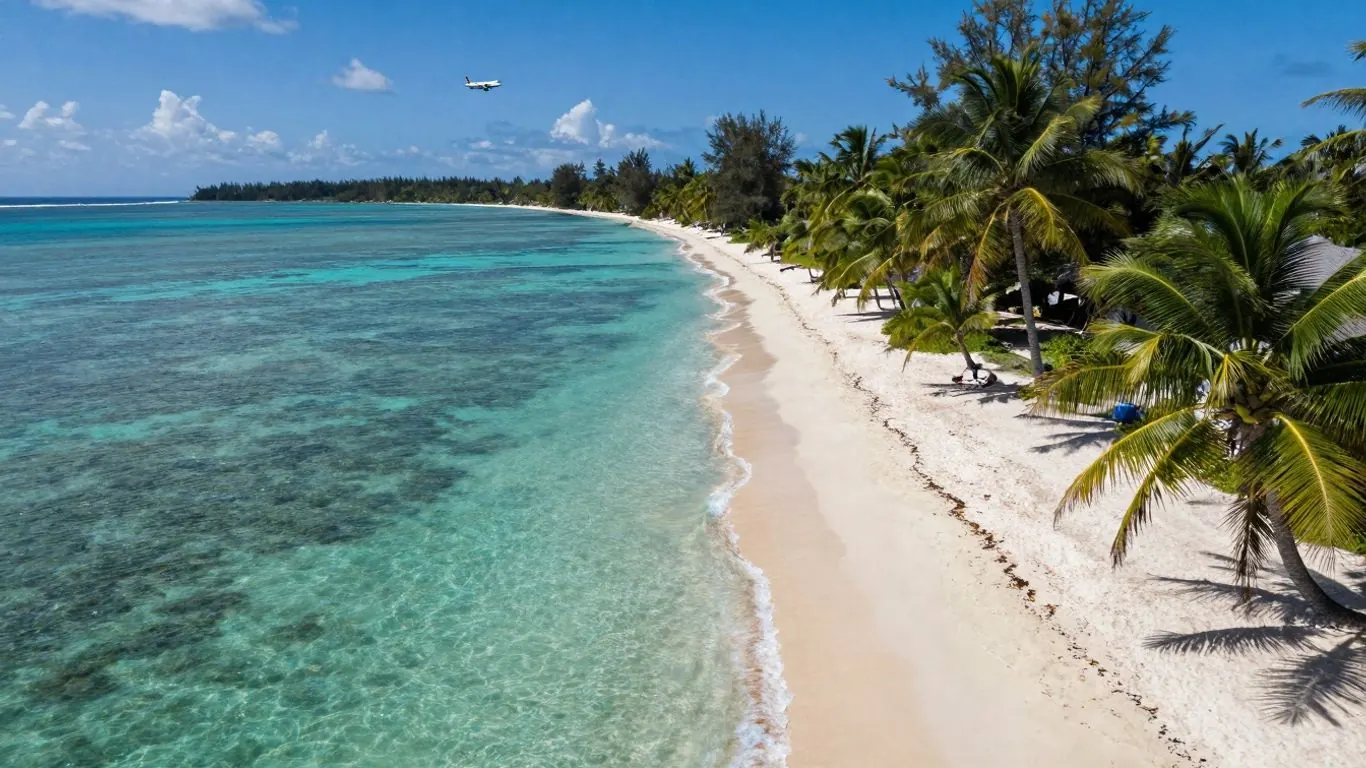
Thinking about heading to Kadavu for some underwater adventures? It’s a fantastic choice, especially if you’re looking for something a bit more off the beaten path. Getting there is pretty straightforward, though it does take a little effort. Most people fly into Nadi International Airport on Fiji’s main island, Viti Levu. From there, you’ll catch a domestic flight directly to Kadavu’s own Vinusea Airport. It’s a short flight, offering some pretty amazing views as you approach the island. While there are ferry options, they’re quite a long haul, so the flight is usually the way to go for most visitors.
When it comes to where you’ll stay, Kadavu offers a range of options that cater to divers. You won’t find huge, bustling resorts here. Instead, think more along the lines of intimate dive lodges and smaller, eco-friendly accommodations that are really in tune with the natural surroundings. These places are often run by people who know the local waters like the back of their hand and can help you arrange all your dives.
Getting to Kadavu Island
Primary Access: Domestic flights from Nadi International Airport (NAN) on Viti Levu to Kadavu Airport (KDV).
Airlines: Fiji Airways typically operates this route.
Alternative (Not Recommended for Time): Ferry services are available but are significantly longer and less convenient.
Accommodation Options for Divers
Kadavu offers a more laid-back experience compared to some of Fiji’s more developed islands. You’ll find a variety of smaller resorts and guesthouses, many of which are specifically geared towards divers. These places often have:
On-site dive centers or close partnerships with local operators.
Rooms or bures designed for comfort after a day of exploring.
Meal plans that make logistics easy.
A focus on sustainable tourism and connecting with the local culture.
Choosing North or South Island Stays
Deciding whether to base yourself in the north or south of Kadavu can influence your diving experience. The northern part of the island tends to have more developed facilities and offers easier dive sites, often featuring soft coral bommies and pinnacles. It’s a great choice if you prefer modern amenities and gentler conditions. The southern part, however, is where you’ll find the untamed Great Astrolabe Reef in its full glory, including many of the famous manta ray cleaning stations and more challenging passages. Some visitors even opt for a split stay, spending a few days in each region to get the best of both worlds. It really depends on what kind of underwater encounters and overall vibe you’re looking for during your trip.
Respecting the Pristine Environment
Kadavu is special because it’s largely untouched. The Great Astrolabe Reef and its surrounding waters are incredibly healthy, and that’s a big part of why people come here. To keep it that way, we all need to be mindful of our actions underwater. Think of it like visiting someone’s home – you want to leave it just as you found it, or even better. This means being careful not to touch or stand on the coral, as it’s a living thing and easily damaged. Even a slight bump can harm it, and it takes a long time to grow back, if at all. We also want to avoid chasing or stressing out the marine life. Getting a great photo is awesome, but not at the expense of the animal’s well-being. Let them come to you, or observe them from a respectful distance. It’s about appreciating the natural beauty without disturbing it.
Understanding Local Marine Regulations
Like any place, Kadavu has rules in place to protect its environment. These aren’t meant to be a hassle; they’re there to make sure the reefs stay vibrant for years to come. You’ll likely hear about marine protected areas, which are like special zones where fishing and other activities are restricted to allow marine life to thrive. It’s important to know where these areas are and to follow any guidelines provided by your resort or dive operator. They’re the local experts and will keep you informed. Generally, it’s about being aware and compliant. For instance, some areas might have specific rules about what you can and cannot collect, though the best practice is to leave everything as you find it.
Sustainable Tourism Practices
Choosing to visit Kadavu means you’re supporting a community that values its natural resources. Many of the local resorts and dive operators are deeply committed to sustainability. This can mean a lot of things, from how they manage waste to how they involve the local community. When you book your trip, consider asking about their eco-friendly practices. Are they using renewable energy? Do they support local conservation efforts? Even small choices, like minimizing your plastic use by bringing a reusable water bottle and bag, can make a difference. It’s about being a conscious traveler and contributing positively to the place you’re visiting. Your choices as a visitor have a ripple effect, helping to preserve Kadavu’s underwater wonders for future generations.
Here are a few simple ways to be a responsible visitor:
Look, don’t touch: Admire the coral and marine life from a safe distance. Avoid physical contact.
Minimize waste: Reduce, reuse, and recycle. Properly dispose of all trash, especially plastics.
Support local: Choose accommodations and tour operators that demonstrate a commitment to environmental and community well-being.
Follow guidelines: Adhere to all local regulations and advice from your dive guides regarding protected areas and marine life interaction.
Your Kadavu Diving Adventure Awaits
Kadavu offers a truly special experience for anyone looking to explore Fiji’s underwater world. With the massive Great Astrolabe Reef right on its doorstep, you’ll find vibrant coral gardens, amazing marine life, and a sense of getting away from it all. Whether you’re new to diving or have been doing it for years, Kadavu has something for you. The island itself is beautiful, and the local culture is warm and welcoming. So, if you’re dreaming of clear waters, colorful reefs, and maybe even a manta ray sighting, Kadavu is definitely a place to consider for your next trip.
What makes Kadavu a special place for diving?
Kadavu is special because it’s not crowded with big resorts. You get to see the real Fiji, with nature and local culture. The Great Astrolabe Reef is huge and healthy, offering amazing underwater sights.
When is the best time to dive in Kadavu?
You can dive in Kadavu all year round. However, from August to October, the water is a bit cooler but offers the clearest views. In the summer, from November to April, the water is warmer, but there might be more rain.
What kind of marine life can I see in Kadavu?
You’ll see lots of cool stuff! Kadavu is famous for manta rays, especially in the south. You can also see big schools of fish, sharks, turtles, and colorful little creatures living in the vibrant coral gardens.
What is the Great Astrolabe Reef like?
It’s one of the biggest barrier reefs in the world, stretching along Kadavu’s south side. It has colorful coral slopes, deep drop-offs, and interesting spots like passages and underwater mountains. It’s great for both easy dives and more adventurous ones.
Are there any shipwrecks to dive on?
Yes, there’s the Pacific Voyager wreck. It’s a good place to look for smaller sea creatures that like to hide in sheltered spots. You can explore parts of the wreck and see fish and shrimps.
What’s the difference between diving in North and South Kadavu?
The south has the wilder Great Astrolabe Reef with lots of hard corals and exciting passages. The north has easier dives with soft corals and pinnacles, and better facilities. You can even stay in both places to see everything!
How do I get to Kadavu?
The easiest way is to fly to Kadavu’s airport from Nadi. There are also ferry options, but they take much longer. Once you’re there, boats are the main way to get around.
Is Kadavu suitable for beginner divers?
Yes, Kadavu has many dive sites that are great for beginners. The northern reefs, for example, have softer corals and are often calmer, making them easier to explore. Many resorts can arrange dives for all skill levels.
Use this guide for trip ideas, not a current quotation or a guarantee of access, safety, inclusions or availability. Confirm the requirements and conditions for your dates, destination and provider before booking.