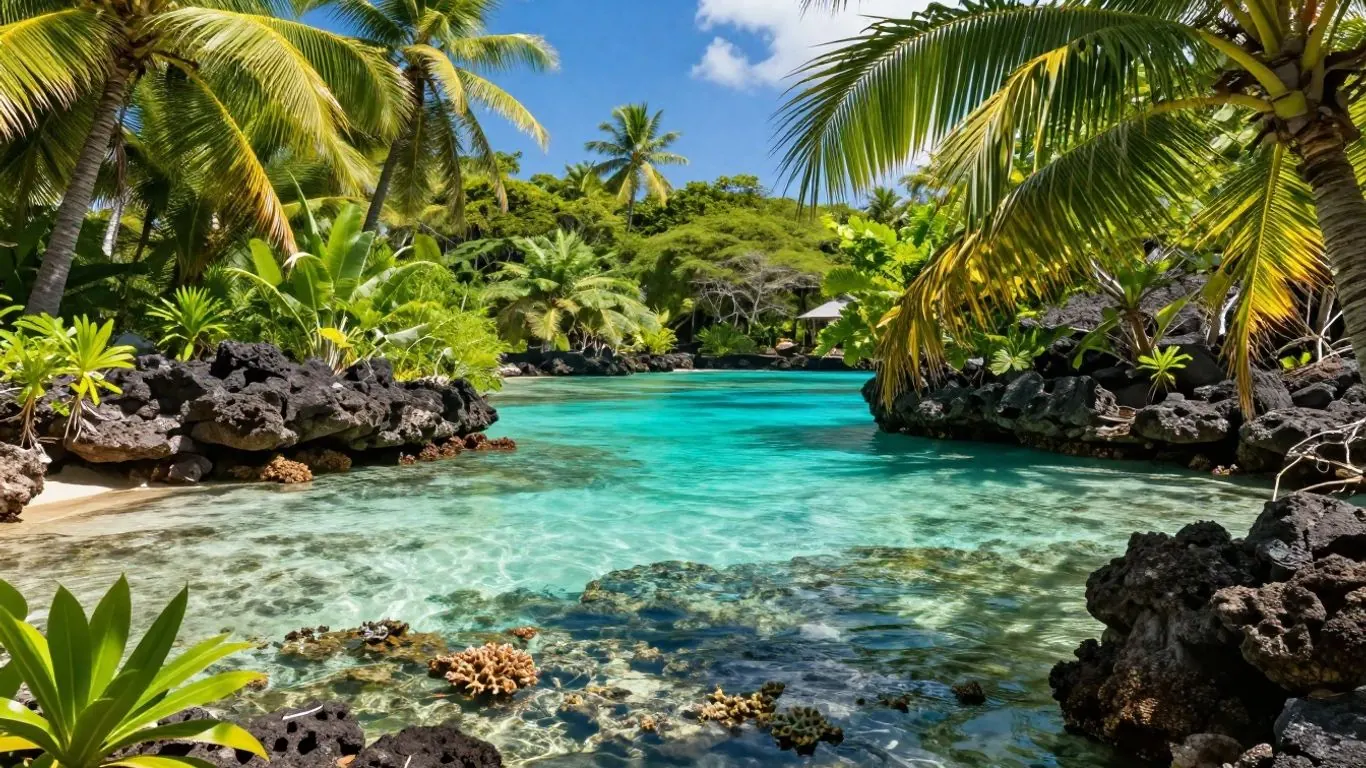
Fiji’s coral reefs are truly something special. They’re packed with all sorts of sea life and are a big part of what makes the islands so beautiful. But, like many places around the world, these underwater wonders are facing some challenges. It’s about enjoying the trip while also being mindful of the environment and the local culture.
Key Takeaways
Fiji’s coral reefs are incredibly diverse and important for the planet, but they are under threat from things like climate change and pollution.
Choosing reef-safe sunscreen and avoiding touching coral while snorkeling or diving are simple ways travelers can help protect Fiji’s coral reefs.
Staying in eco-certified resorts or community-run lodgings supports sustainable practices and benefits local Fijian communities.
Respecting local customs, like participating in a sevusevu ceremony and dressing modestly in villages, makes for more meaningful interactions.
Embracing Fiji Time’ and slowing down allows for a deeper connection with the islands and its people, contributing to a more mindful travel experience.
A Global Treasure Trove of Biodiversity
Fiji’s waters are home to an incredible amount of marine life. Imagine an underwater city teeming with activity – that’s what Fiji’s reefs are like. They host a huge variety of coral species, making them one of the most biodiverse places on the planet. You can find everything from large, plate-like corals to delicate, branching ones, all in vibrant colors. It’s a place where you might see giant clams, colorful starfish, and anemones with their resident clownfish darting in and out. The clarity of the water here is often amazing, making it feel like you’re looking through air rather than water. This rich biodiversity is what makes Fiji’s marine environment so special and worthy of protection.
The Importance of Fiji’s Marine Ecosystems
These reefs are more than just pretty sights; they are vital to the health of the ocean and the people of Fiji. They act as natural barriers, protecting coastlines from strong waves. For many local communities, the reefs are a primary source of food and income through fishing. Healthy reefs mean more fish, which supports both food security and the local economy. The beauty of these underwater worlds also draws visitors, contributing significantly to Fiji’s tourism industry. Protecting these ecosystems is therefore directly linked to the well-being of the nation and its people. It’s a delicate balance that supports life both above and below the water.
Threats Facing Fiji’s Coral Reefs
Unfortunately, these precious ecosystems are facing serious challenges. Climate change is a major concern, leading to warmer ocean temperatures that can stress and damage corals. Pollution from various sources also takes a toll, impacting water quality. Overfishing can disrupt the natural balance of the reef, removing too many fish and affecting the health of the coral. Even tourism, while beneficial, can cause harm if not managed carefully. Practices like touching or standing on coral, or using sunscreens with harmful chemicals, can degrade these fragile environments over time. It’s a complex situation that requires attention from everyone, including visitors who want to enjoy Fiji’s natural beauty. Being aware of these threats is the first step toward helping to safeguard these underwater treasures for the future. For more information on staying safe while exploring Fiji’s waters, you can check out travel safety tips .
Choosing Reef-Safe Sunscreen
When you’re heading out for a day of sun and sea in Fiji, what you put on your skin matters. Many common sunscreens contain chemicals like oxybenzone and octinoxate that can harm coral reefs, even in small amounts. These ingredients can disrupt coral reproduction and growth, essentially making them sick. Making the switch to reef-safe sunscreen is a simple yet impactful way to protect these delicate ecosystems. Look for products that are mineral-based, using zinc oxide or titanium dioxide as their active ingredients. These tend to be much gentler on marine life. It’s a small change in your packing list that makes a big difference to the health of Fiji’s underwater world.
Mindful Snorkeling and Diving Etiquette
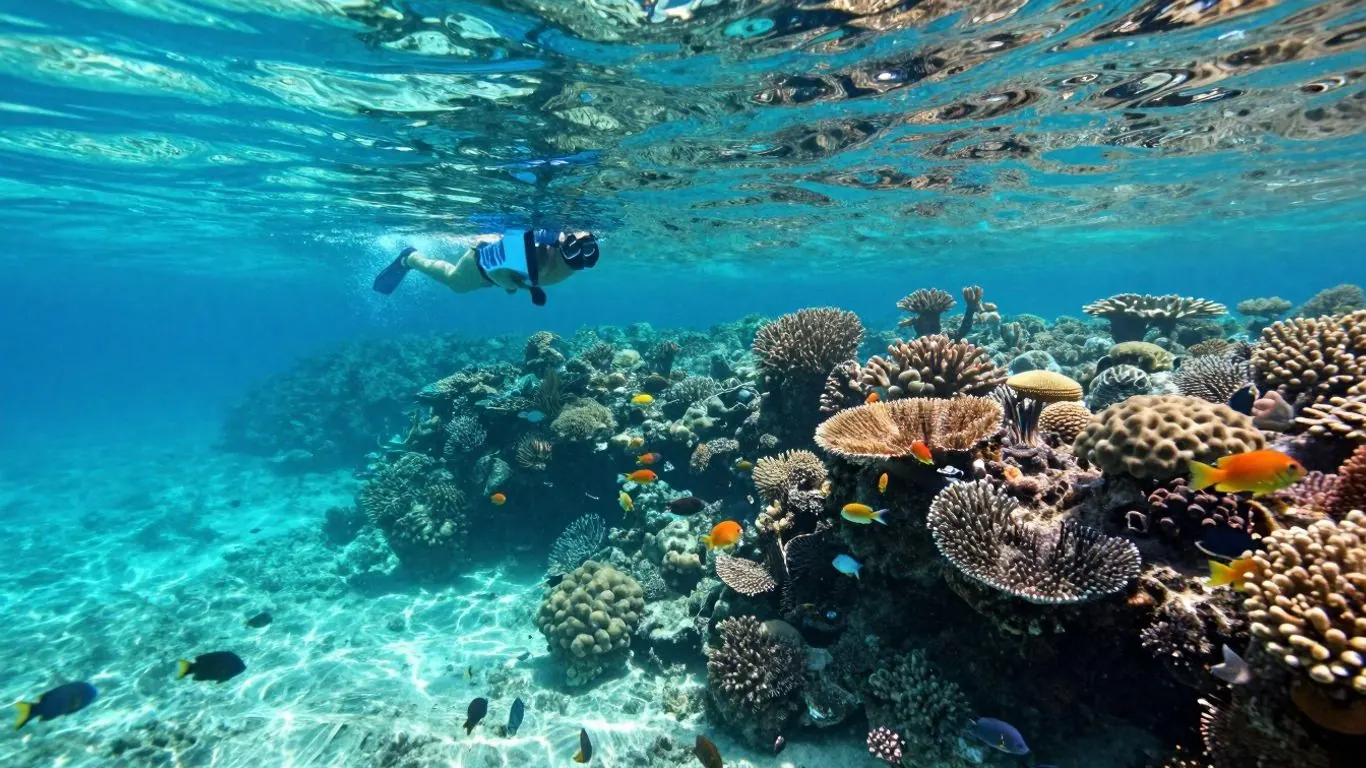
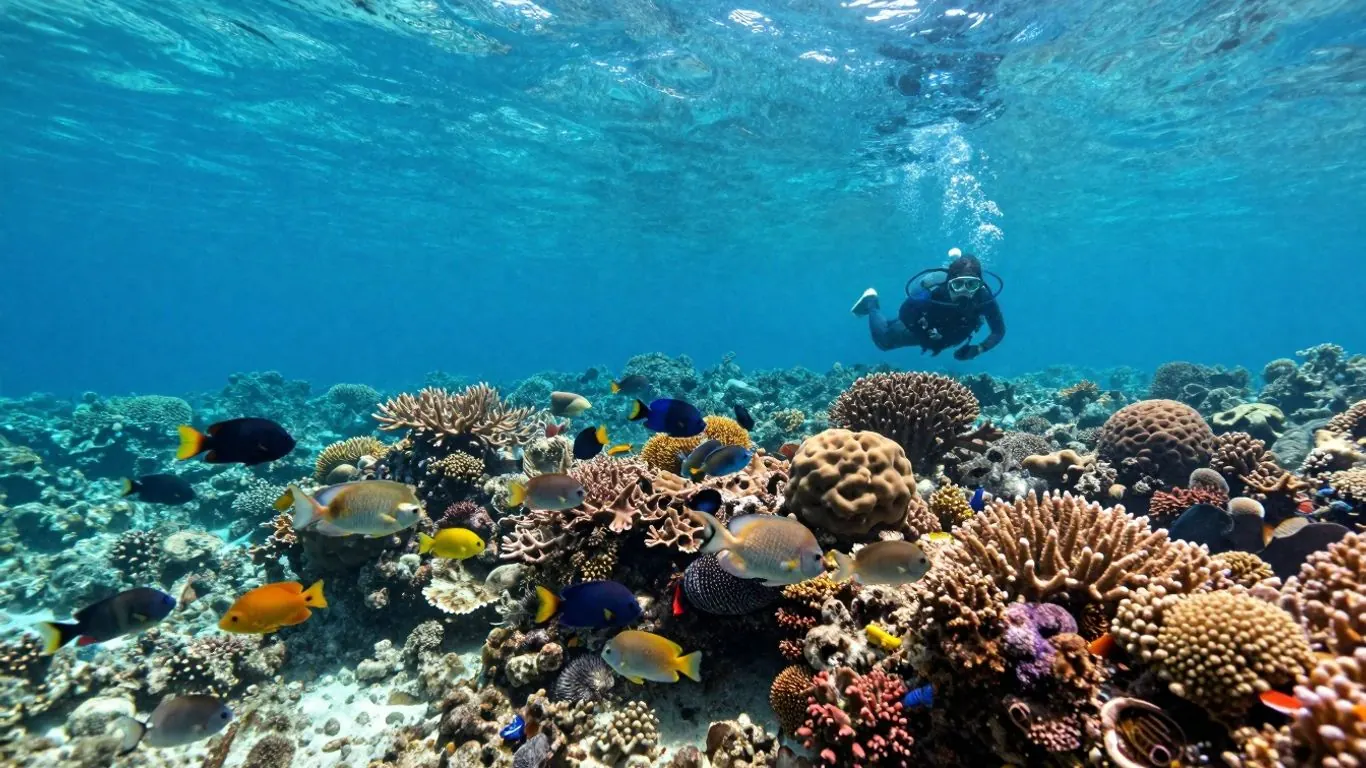
Exploring Fiji’s vibrant underwater landscapes is an unforgettable experience, but it comes with a responsibility. The coral reefs are living structures, and even a gentle touch can cause damage that takes years to recover. When you’re in the water, be aware of your surroundings. Avoid touching or standing on coral formations, no matter how tempting it might be to steady yourself. Keep a safe distance and let the marine life come to you. If you’re using fins, try to keep them from kicking up sand or bumping into the reef. Remember, you’re a visitor in their home.
Here are some guidelines for responsible reef interaction:
Look, don’t touch: Admire the coral and fish from a distance.
Watch your fins: Be mindful of your movements to avoid accidental contact.
No souvenirs: Never take coral, shells, or any other marine life from the reef.
Proper buoyancy: If you’re diving, maintain good buoyancy control to stay off the seabed.
Being mindful in the water means treating the reef with the same respect you would show a fragile piece of art. It’s about appreciating its beauty without disturbing its delicate balance.
Participating in Conservation Efforts
Many visitors want to contribute to the preservation of Fiji’s natural beauty, and there are great ways to get involved. Some resorts and tour operators offer opportunities to participate in reef clean-ups, where you can help remove marine debris that can harm wildlife and damage habitats. Citizen science projects are also becoming more common, allowing travelers to contribute to data collection that helps researchers monitor marine populations, like shark counts or coral health. Even a small effort, like joining a beach clean-up or learning about local conservation initiatives, can make a positive impact. These activities not only help the environment but also offer a deeper connection to the place you’re visiting.
Eco-Conscious Accommodation Choices
When you’re planning your trip to Fiji, thinking about where you’ll stay is a big part of making sure your visit helps, not harms, this beautiful place. It’s not just about finding a comfy bed; it’s about choosing places that care for the environment and the local people. Making thoughtful accommodation choices can significantly boost your positive impact.
Identifying Eco-Certified Resorts
Many resorts in Fiji are stepping up their game when it comes to sustainability. Look for places that have official eco-certifications. These certifications mean they’re meeting certain standards for environmental protection and community support. They often use renewable energy sources, manage their waste responsibly, and source food locally. Some resorts even have their own marine biologists on staff or run programs to educate guests about the local ecosystem. For example, places like Jean-Michel Cousteau Resort are known for their commitment to conservation and education, while Matava Eco Resort operates off the grid using solar power. These kinds of places show that luxury and sustainability can go hand-in-hand.
Supporting Community-Run Lodgings
Staying in community-run accommodations, like village guesthouses or homestays, is a fantastic way to directly support local families and economies. It’s a chance to experience authentic Fijian life and culture in a way that larger resorts often can’t offer. You get to interact with locals, learn about their traditions firsthand, and know that your money is going straight back into the community. This kind of travel provides a deeper connection to the place you’re visiting and helps preserve the unique cultural heritage of Fiji. It’s a win-win for everyone involved.
Practices of Sustainable Stays
Regardless of whether your accommodation is a certified eco-resort or a small community lodge, there are common practices that mark a truly sustainable stay. These are the things that make a real difference:
Water Conservation: Many resorts are implementing systems to reduce water usage, from low-flow fixtures to greywater recycling.
Waste Reduction: Look for places that actively compost organic waste, minimize single-use plastics, and have robust recycling programs.
Local Sourcing: Sustainable accommodations prioritize buying food and supplies from local farmers, fishermen, and artisans, which strengthens the local economy and reduces transportation emissions.
Energy Efficiency: This includes using solar power, energy-efficient lighting, and encouraging guests to be mindful of their energy consumption.
Choosing where you sleep is more than just a logistical decision; it’s an opportunity to align your travel with your values. By selecting accommodations that prioritize environmental stewardship and community well-being, you contribute to the preservation of Fiji’s natural beauty and cultural richness for generations to come. This mindful approach transforms a vacation into a meaningful experience that gives back.
When planning your trip, consider looking into options that align with these principles. You can find more information on responsible travel and accommodation choices to help you plan a trip that respects the beautiful islands of Fiji backpacking in Fiji . This approach ensures your visit is not only enjoyable but also contributes positively to the destination.
Engaging with Local Communities
When you visit Fiji, you’re not just seeing a place; you’re stepping into a vibrant community. Connecting with the people who call these islands home is a big part of what makes a trip here so special. It’s about more than just sightseeing; it’s about genuine interaction and making sure your visit benefits everyone.
The Value of Local Guidance
Forget the generic tours. The best way to really get to know Fiji is by letting locals show you around. They know the hidden spots, the best stories, and the real rhythm of island life. Hiring a local guide means you’re not only getting an authentic experience but also putting money directly into the hands of the people who live there. Think of it as getting the inside scoop from the best possible source. For instance, exploring the shallow lagoons around islands like Rarotonga is best done with someone who knows the tides and safe spots around the coral reef.
Supporting Artisans and Local Businesses
Your purchases can make a real difference. When you buy souvenirs, try to get them directly from the artisans who made them. Whether it’s a beautifully woven mat, intricate shell jewelry, or traditional tapa cloth, these items carry stories and support families. Similarly, eating at local eateries instead of big hotel restaurants means your money helps keep those small businesses thriving. It’s a simple way to contribute to the local economy and take home something truly meaningful.
Experiencing Authentic Fijian Culture
This might involve:
Participating in a traditional kava ceremony, known as a sevusevusevusevu.
Attending local village events or markets.
Learning a few basic Fijian phrases – even a simple Bula! (hello) goes a long way.
Dressing modestly when visiting villages, covering your shoulders and knees.
It’s about being a guest who appreciates and honors the way of life around them.
Remember, traveling with intent means your journey contributes positively. By engaging with local communities, you gain a richer perspective and help preserve the unique spirit of Fiji for generations to come.
Cultural Respect and Meaningful Interactions
It’s about more than just seeing the sights; it’s about connecting with the heart of the islands. When you approach interactions with genuine interest and politeness, you’ll find the Fijian spirit shines even brighter.
Understanding Fijian Customs
Fijian culture is rich and deeply rooted in community and respect. Taking a moment to learn a few basic customs will make your interactions smoother and more appreciated. For instance, when visiting a village, it’s customary to dress modestly. This means covering your shoulders and knees as a sign of respect for local traditions. It’s a simple gesture that shows you value their way of life. Remember, a friendly Bula!
The Significance of Sevusevu Ceremonies
One of the most important traditions you might encounter is the sevusevu ceremony. This is a formal presentation of a gift, usually kava root, to the chief or elders when you first visit a village. It’s a way of asking permission to enter their community and is a sign of respect. Participating in a sevusevu, even as an observer, offers a profound glimpse into Fijian social customs. It’s a moment that truly bridges the gap between visitor and host, making your presence acknowledged and welcomed.
Practicing Photography Etiquette
Fiji is incredibly photogenic, and you’ll want to capture its beauty. However, it’s important to be mindful when taking pictures, especially of people. Always ask for permission before photographing individuals or their homes. A simple gesture and a smile can go a long way. Respecting people’s privacy is key to building trust and ensuring your photos tell a story of genuine connection, not just observation. You can find more information on respectful travel practices at Tourism Fiji.
Engaging with local communities and respecting their customs isn’t just about being a good tourist; it’s about contributing positively to the places you visit. It ensures that the unique cultural heritage of Fiji continues to thrive for generations to come.
Slowing Down for Deeper Connection
When you arrive in Fiji, you’ll quickly notice a different rhythm to life. It’s often called Fiji Time, and it’s more than just a saying; it’s a genuine way of being. Forget the rush and the constant need to tick off every single item on a to-do list. Instead, allow yourself to truly settle in. This means taking moments to simply sit by the ocean, chat with the locals you meet, or enjoy a quiet drink as the sun dips below the horizon. It’s about being present and letting the island’s natural flow guide your experience.
The Art of Being Present
Being present in Fiji is about engaging all your senses. It’s the warmth of the sun on your skin, the sound of the waves, the taste of fresh tropical fruit, and the vibrant colors of the coral reefs. When you’re not rushing, you notice these details. You might find yourself lingering over a conversation with a resort staff member, learning about their village, or spending an extra hour watching the local fishermen bring in their catch. This mindful approach allows for more meaningful interactions and a richer appreciation of the environment and culture around you.
Finding Magic Beyond the Itinerary
Some of the most memorable experiences might be unplanned encounters or spontaneous detours. Perhaps you’ll be invited to share a meal, witness a traditional ceremony, or simply stumble upon a hidden cove. These moments, free from the pressure of an itinerary, create lasting memories and a deeper connection to the place. It’s in these unscripted moments that the true spirit of Fiji reveals itself.
Embracing Fiji Time isn’t about being unproductive; it’s about shifting your focus from doing to experiencing. It’s about recognizing that the most profound connections and discoveries often arise when we allow ourselves the space to simply be.
Offsetting Carbon Emissions from Flights
Getting to Fiji often means a long flight, and those journeys contribute to carbon emissions. It’s a big part of travel, but there are ways to lessen the impact. Think about choosing direct flights whenever possible. Fewer takeoffs and landings mean less fuel burned. Once you’ve booked your flight, look into reputable carbon offset programs. These programs invest in projects that reduce greenhouse gases elsewhere, helping to balance out your flight’s emissions. It’s a way to make your travel a bit greener.
The Benefits of Direct and Longer Stays
When planning your trip, consider the advantages of staying in one place for a longer period. Instead of hopping between islands or resorts for short visits, a longer stay allows you to truly settle in and connect with your surroundings. This not only reduces the carbon footprint associated with frequent travel between locations but also gives you a more relaxed and immersive experience. You’ll have more time to appreciate the local culture, explore natural sites without rushing, and support local businesses more meaningfully.
Traveling Light for Reduced Impact
Packing smart can make a surprising difference. The less weight you bring with you, the less fuel is needed to transport it. This applies not just to your flights but also to any local transport you might use. Think about versatile clothing items you can mix and match, and try to avoid bringing things you’ll likely only use once. A lighter bag makes your journey easier and contributes to a smaller environmental footprint. It’s a simple step that adds up.
Traveling with intention means being mindful of how our actions affect the places we visit. By making conscious choices about how we travel, we can help preserve Fiji’s natural beauty and cultural heritage for generations to come. It’s about leaving a positive mark, not just a footprint.
Fiji’s Commitment to Marine Conservation
Fiji isn’t just about stunning beaches and clear water; it’s also a place deeply invested in protecting its incredible marine life. The government and local communities are working together on some pretty big goals to keep those coral reefs healthy for years to come. It’s a whole nation effort, really.
Nationwide Sustainability Goals
Fiji has set some ambitious targets for sustainability, and protecting the ocean is a huge part of that. They’re aiming to grow their Marine Protected Areas by 30% by 2030. This means more areas where marine life can thrive without too much disturbance. It’s about making sure the ocean can keep supporting both the environment and the people who depend on it. They’re also working to integrate eco-friendly practices across the tourism industry and championing conservation efforts at every level. It’s a big picture approach to safeguarding their natural treasures.
The Loloma Hour Initiative
This is a really neat idea that Tourism Fiji is rolling out. The Loloma Hour program is all about turning a bit of your vacation time into a chance to give back. For one hour each day, visitors can choose to participate in environmental, cultural, or community projects. The idea is that true happiness comes from generosity, and this program lets travelers experience that firsthand while making a positive impact. It’s a way to connect more deeply with Fiji and leave a positive mark.
The Bula Blue Partnership
This partnership between Tourism Fiji and PADI is a big step towards making Fiji a leading sustainable travel destination. The goal is to create the largest network of PADI Eco Centers, which will help boost regenerative travel that benefits local communities. They’re also looking at ways to incorporate programs like Adopt the Blue into all dive sites. This initiative is all about improving the health of the ocean and supporting the people who live there, making sure that tourism helps, not harms. You can find out more about these conservation efforts at PADI Eco Centers.
Protecting Fiji’s reefs isn’t just an environmental issue; it’s deeply tied to the culture and economy of the islands. By setting clear goals and creating programs that involve everyone, Fiji is showing a strong commitment to a healthier ocean future.
Coral Restoration and Education
Fiji is a global hotspot for marine life, and keeping it that way involves a lot of hands-on work. Beyond just protecting what’s already there, there’s a growing movement focused on actively rebuilding and nurturing the reefs. This is where coral restoration and education come into play, offering visitors a chance to be part of the solution.
Planting Climate-Resilient Corals
Reefs face big challenges, especially from changing ocean temperatures. Scientists and local communities are working together to grow corals that can better handle these shifts. Think of it like planting tougher trees in a forest that’s facing new kinds of weather. These efforts often involve setting up coral nurseries, where fragments of healthy coral are carefully tended to before being transplanted back onto damaged reef areas. It’s a slow process, but vital for the long-term survival of these underwater cities. The goal is to give Fiji’s reefs a fighting chance against future environmental changes.
Nurturing Future Marine Stewards
It’s not just about the corals themselves; it’s about the people who will care for them. Many resorts and conservation groups run programs aimed at teaching local children and visiting families about marine ecosystems. These programs often blend fun activities with serious learning. Kids might learn about different fish species, the importance of mangroves, and even get hands-on experience collecting coral fragments from nurseries to plant on the reef. It’s about sparking a lifelong passion for conservation.
Educational Programs for Children
These programs are designed to be engaging and memorable. Imagine a School Under the Sea where children aged six to twelve explore marine protected areas, learn about reef health, and actively participate in planting corals. They often get to interact with local culture too, perhaps planting mangroves or visiting rainforests. These experiences help create a deep connection to the environment. Some programs even set up pen pal friendships with local schools, building bridges between cultures and conservation efforts. It’s a way to ensure that the next generation understands and values Fiji’s incredible natural heritage, making them the guardians of these precious underwater ecosystems .
The success of these initiatives hinges on a collaborative approach, bringing together local knowledge, scientific research, and the enthusiasm of visitors. By participating, even in small ways, travelers can contribute to the resilience and beauty of Fiji’s coral reefs for years to come.
The Success of Namena Marine Reserve
Fiji’s incredible marine life isn’t just protected by big government programs; local communities are playing a massive role. Think about the Namena Marine Reserve. It’s not just a stunning spot for divers; it’s a prime example of how local management can really work. The community there, the Kubulau people, worked with groups like CORAL to set up this large protected area. It’s not just about saving fish; it directly benefits them. These funds help with everything from community projects, like bus shelters, to scholarships for kids. It shows that protecting the ocean can also mean better lives for the people who live by it.
Empowering Local Fishing Practices
Many Fijian islands rely heavily on fishing, not just for food but also for income. When reefs get unhealthy, fishing suffers, and that’s a big problem, especially for smaller, more remote islands like Oneata. These communities are reaching out for help to create sustainable fishing plans. They’re looking at what worked in places like Namena and figuring out how to adapt it for their own needs. It’s about finding a balance – making sure there are enough fish for everyone, now and in the future, without taking too much from the reefs. This kind of local knowledge is incredibly important for Fiji’s sustainable tourism efforts.
Ensuring Food Security Through Conservation
It might seem like a simple idea, but protecting marine areas is directly tied to making sure people have enough to eat. When fishing practices are managed well by the community, it helps keep fish populations healthy. This means more reliable catches for local families. It’s a cycle: healthy reefs mean healthy fish, which means secure food and steady income for the people who depend on the ocean. This approach recognizes that the environment and the community are deeply connected.
Local management isn’t just about rules; it’s about giving communities the tools and support they need to be stewards of their own natural resources. It’s a partnership that benefits both the ocean and the people.
Your Part in Fiji’s Future
Fiji’s reefs are truly a special place, a vibrant world teeming with life that captivates everyone who sees it. As visitors, we get to experience this beauty firsthand, but that also means we have a role to play in keeping it that way. By making thoughtful choices, like using reef-safe sunscreen, not touching the coral, and supporting local communities through responsible tourism, we help protect this incredible environment. It’s not about big, complicated actions; often, it’s the small, everyday decisions that make the biggest difference. So, as you plan your trip and explore the islands, remember that your visit can be a positive force, contributing to the health of Fiji’s reefs and the well-being of its people for years to come. Let’s all do our part to ensure this paradise remains vibrant and healthy.
Why are Fiji’s coral reefs important?
Fiji’s coral reefs are home to many kinds of fish, plants, and sea creatures. They help protect the islands from big waves and storms, and they give food and jobs to local people. These reefs are also a big reason why tourists visit Fiji.
What are the main threats to Fiji’s coral reefs?
The biggest threats are climate change, pollution, and too many visitors. Warmer ocean water can make corals sick, and trash or chemicals from sunscreen can hurt sea life. Overfishing and people touching or stepping on corals also cause damage.
How can I help protect the reefs when I visit Fiji?
You can use reef-safe sunscreen, never touch or stand on coral, and pick up any trash you see. Try to join conservation activities like beach clean-ups or guided snorkeling tours that teach you about reef protection.
What is reef-safe sunscreen, and why should I use it?
Reef-safe sunscreen does not have harmful chemicals like oxybenzone or octinoxate, which can hurt coral and fish. Using reef-safe sunscreen helps keep the water clean and safe for sea life.
Are there eco-friendly places to stay in Fiji?
Yes, many resorts and lodges in Fiji follow eco-friendly practices. Look for places that use solar power, recycle, save water, and support local communities. Some are even run by local families or villages.
How can I show respect for Fijian culture during my trip?
Dress modestly when visiting villages, take part in local ceremonies like the sevusevu (a welcome ritual), and always ask before taking photos of people. Learning a few Fijian words, like Bula’ for hello, is also a nice gesture.
What does Fiji Time’ mean?
Fiji Time’ is a way of life in Fiji. It means things move slower, and people take time to relax and enjoy the moment. As a visitor, it’s good to slow down, be patient, and enjoy the peaceful pace.
Can I get involved in coral restoration or conservation projects?
Yes! Some resorts and local groups offer programs where you can help plant new corals or join educational activities about marine life. These programs often welcome visitors of all ages and help you learn more about protecting the ocean.
Confirm current details
If you want to join a coral planting or reef education program, ask the resort or group directly about current dates, who runs the work and what volunteers actually do before planning your stay around it.