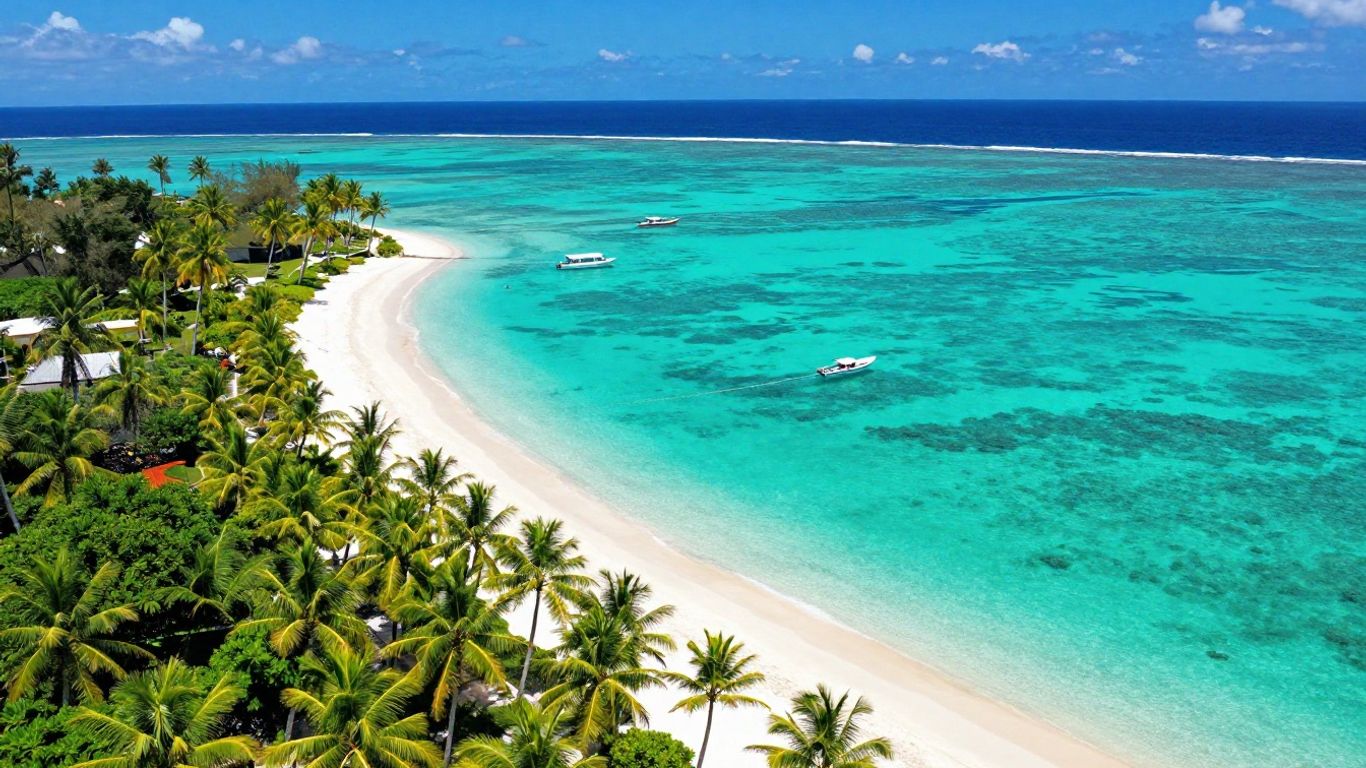
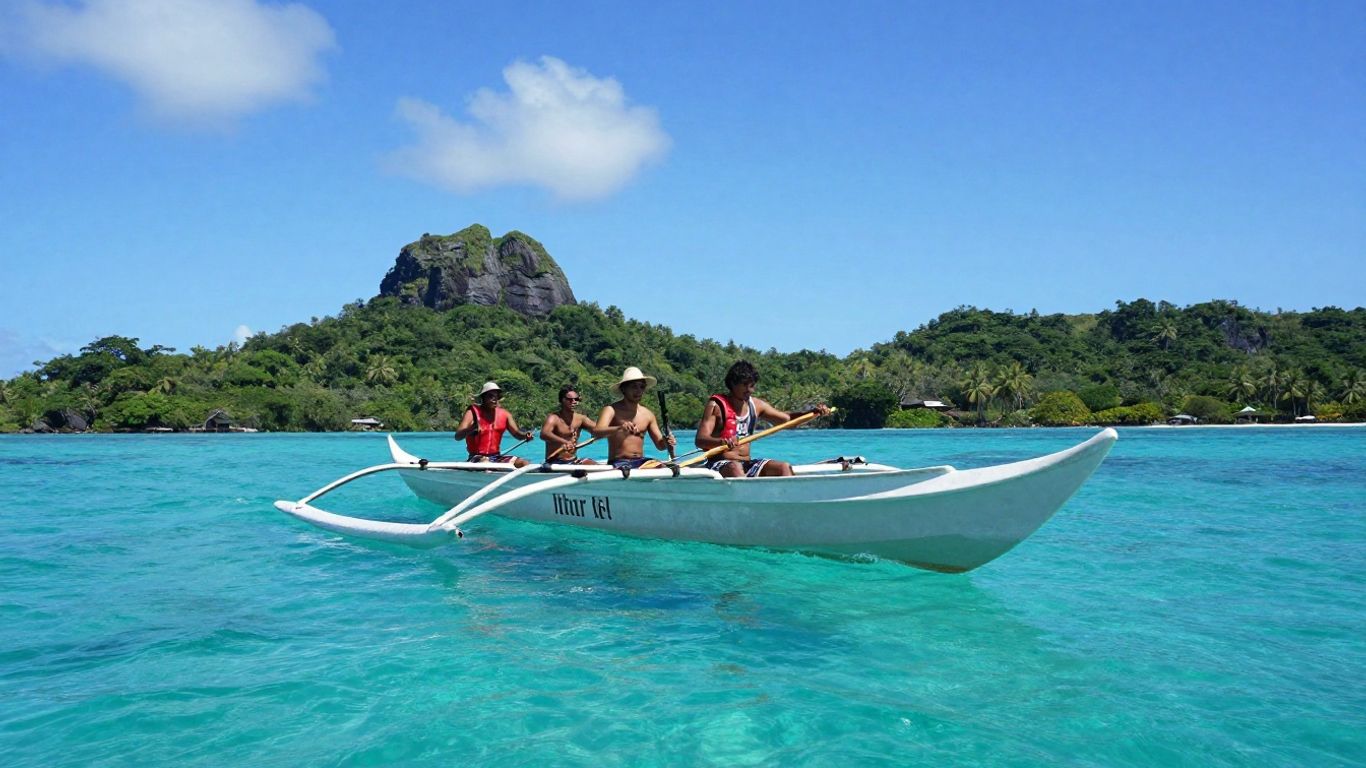
Thinking about a trip to the Fiji Yasawa Islands? You’ve come to the right place. This string of islands is pretty much what dreams are made of – think white sand beaches, super clear water, and just a really chill vibe. Whether you’re looking to get active or just melt into a hammock, there’s something here for everyone. We’ve put together a list of the top things you absolutely have to check out when you visit this slice of paradise.
Key Takeaways
Snorkel or swim with majestic manta rays, especially between May and October.
Hike to a viewpoint on Waya Lailai for amazing sunrise views.
Experience the thrill of diving with bull sharks (for the brave!).
Relax on the famous Blue Lagoon Beach, known for its clear waters and soft sand.
Explore the vibrant marine life and coral at Caw Caw Reef, a protected area.
1. Snorkeling with Manta Rays
Swimming alongside manta rays is one of those Yasawa moments that sticks with you for years. The islands are famous for hosting these gentle giants, especially during manta ray season, which usually runs from June through October. During these months, the narrow channels between the islands fill up with plankton, attracting large groups of reef manta rays that can reach up to 4 meters in width. On a good day, you might find yourself floating above the reef, watching them spin and glide right below you–sometimes just a few feet away.
The coral reef here is considered one of the healthiest you’ll ever see. This is thanks in part to ongoing local conservation efforts that protect the area and help it recover.
Resorts on islands like Drawaqa offer daily snorkeling excursions, often scheduled around the rays’ feeding times for the best chance of an encounter.
Don’t worry if you’re new to snorkeling; most guides give you a quick safety rundown, fit you with fins and a mask, and keep a careful eye out while you’re in the water.
The Yasawas’ clear water means you can often spot much more than just mantas—think parrotfish, butterflyfish, and sometimes even a turtle or two. If you’re lucky, you might catch mantas being cleaned by smaller fish at special stations on the reef—a real show of nature at work.
Stay flexible: The rays’ appearance isn’t guaranteed every day, so give yourself a couple of days to increase your chances.
Bring a rash guard or wetsuit; strong currents are common and help protect against sunburn or accidental scrapes from coral.
Remember: Look, don’t touch. These are wild animals, and safe behavior ensures both your safety and theirs.
Drifting over living coral while a huge manta passes below is quiet and strange in all the best ways—suddenly all the busy parts of your brain go silent. It’s peaceful, surreal, and truly unforgettable.
If seeing manta rays in their natural home is on your list, you’d be hard pressed to find a more welcoming spot than the Yasawa Islands. For more on what makes this snorkeling hotspot so outstanding, check out the wider region’s reputation for vibrant coral gardens .
2. Sunrise Hike on Waya Lailai
Starting the day with the sunrise hike on Waya Lailai island is something that just sticks with you—a memory you’ll be talking about back home. The trail is steep in parts, but the reward at the top is a view of the Yasawa group bathed in early light and surrounded by endless ocean. You move quietly in the dark, flashlight in hand, stepping over tree roots and rocks, with the air still cool from the night before.
Here’s what to expect if you’re planning to catch that sunrise:
Most hikes set out around 5 a.m., so be ready for an early wake-up.
The trail can feel rugged. Closed-toe shoes and extra water are musts.
Local guides often join groups, helping you with the best route and sharing stories along the way.
The climb isn’t the easiest thing you’ll ever do, especially if you’re not a morning person or the idea of climbing before breakfast isn’t your style. But reaching the summit, especially right as the sky starts burning orange and pink over the sea, it’s impossible not to feel like it was worth every tired step.
Even if you’re not usually the hiking type, this is one of those moments where standing above the trees, birds calling on the breeze, and the islands waking up below, just feels pretty special.
If you want a bit of structured info for planning, here’s a quick look:
A sunrise hike like this isn’t just a photo opp—it’s time away from wifi and noise, a real break. You head back for breakfast feeling like you’ve already spent a proper day outdoors, and the rest of the island is waiting for you.
3. Diving with Bull Sharks
For the truly adventurous, Kuata Island offers an unparalleled experience: diving with bull sharks. This isn’t your typical reef shark encounter; these are full-sized bull sharks, and the dive is conducted without a cage. It’s a thrilling, once-in-a-lifetime opportunity that many travelers seek out when visiting the Yasawas.
The shark dives here are a carefully managed operation, developed with input from shark experts. They take place daily, usually in the morning, and accommodate small groups to ensure a more personal and safe interaction. If you’re not a certified diver, don’t worry – introductory diving courses are available, allowing even beginners to participate in this incredible activity.
Here’s what you can expect:
Daily Dive Times: Typically scheduled for 8:00 AM and 11:00 AM.
Group Size: Small groups are maintained for safety and a better experience.
Certification: Certified divers can join, and introductory dives are offered for those without certification.
Location: Primarily conducted around Kuata Island.
This is a chance to witness these powerful creatures in their natural environment, a humbling and unforgettable encounter that highlights the raw beauty of the ocean. It’s an activity that requires a certain level of bravery, but the rewards are immense for those who take the plunge.
4. Blue Lagoon Beach
Blue Lagoon Beach on Nanuya Lailai has become one of the most talked-about stops in the Yasawa Islands—and it’s easy to see why. The sand here is powdery white, gently sloping into unbelievably clear water that’s ideal for swimming and relaxing. The green line of coconut palms behind the beach offers plenty of shade for those long, warm afternoons. You really get a feeling that time slows down here.
You can expect a lot to enjoy at this stretch of coast:
Stunning snorkeling straight off the beach with plenty of fish and occasional sightings of turtles in the bright reefs.
Long walks along the shoreline, where you may come across the famous Lo’s Teahouse—fresh donuts and lemon leaf tea are a must-try.
Calm, shallow water perfect for families, especially those introducing their kids to swimming and snorkeling for the first time.
If you want to see more, small trails cross the island, leading to different viewpoints and to friendly village settlements. There’s this little secret spot not far from the beach—just follow the trail past the tea house—where you can look out at the blue waters towards Turtle Island.
Blue Lagoon Beach isn’t just about lounging. Many come for the snorkeling, but you’ll also see kayaks gliding by in the afternoons and kids—plus adults—making use of floating slides and water toys.
You might be wondering about places to stay. There’s a range of accommodation, from simple thatched bures to slightly more upscale resorts, with some places offering daily Fijian meals cooked by a local host family for an authentic touch.
Blue Lagoon stands out as a spot where the sea is so calm and inviting, kids and adults alike get comfortable in the water fast. There’s something about the mix of natural beauty and relaxed energy that keeps people coming back.
For couples, the area has even made lists of romantic Fiji ideas thanks to its secluded feel and array of low-key, meaningful activities. Whether you want an active day on the water or you just plan to soak up the Fijian sun, Blue Lagoon Beach manages to strike that perfect balance between adventure and total peace.
5. Caw Caw Reef
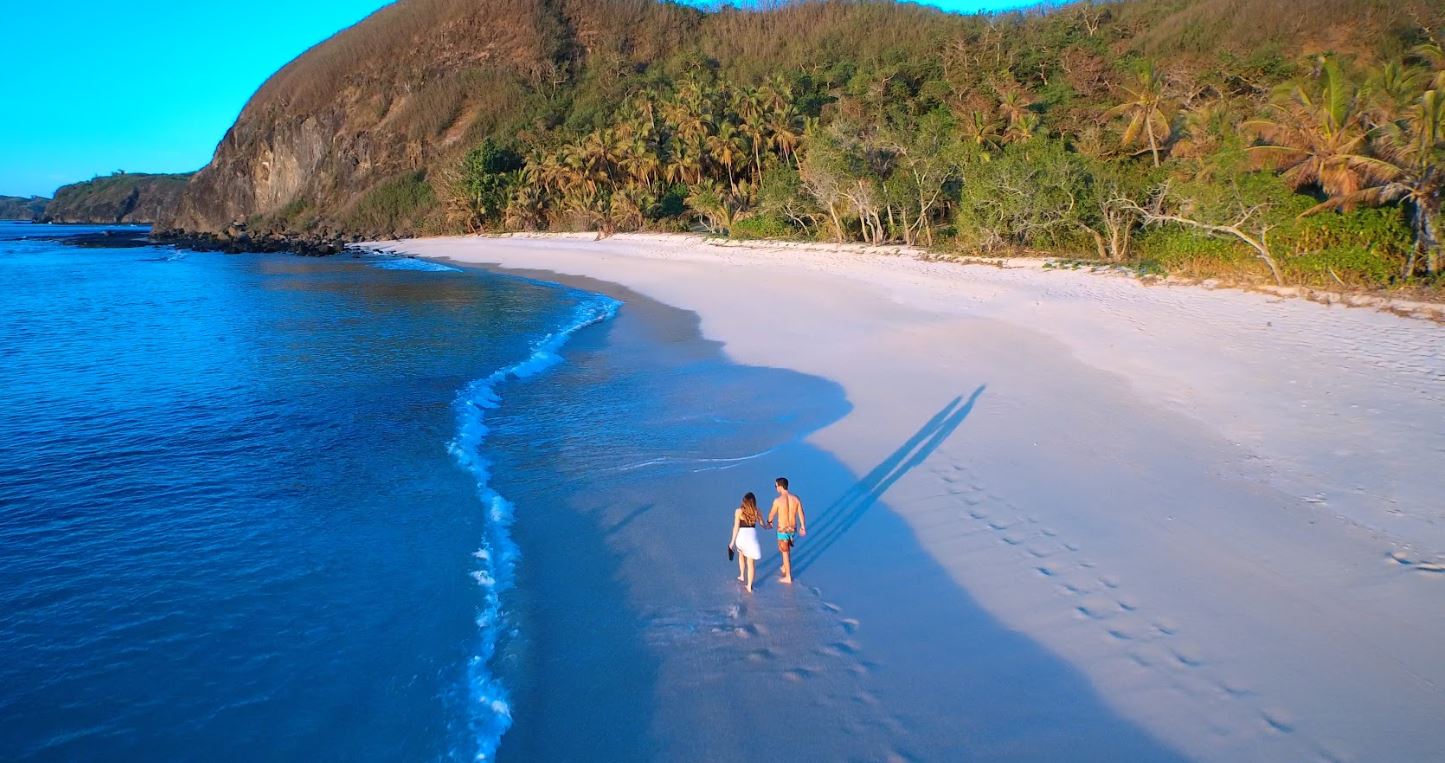
Tucked away on the eastern coast of Yanggeta Island, Caw Caw Reef is a spot that truly feels like a hidden gem within the Yasawa Islands. This area is a protected marine reserve, which means fishing is off-limits, and the result is a thriving underwater world. You’ll find corals bursting with color and a remarkable variety of fish. It’s also a place where you have a good chance of spotting sea turtles gracefully gliding by.
This reef is a fantastic example of what happens when nature is given space to flourish. The protected status allows the marine life to grow and reproduce without disturbance, creating a vibrant ecosystem that’s a joy to explore. Whether you’re snorkeling or just observing from a boat, the sheer abundance of life is impressive.
The health of a reef is often a good indicator of the overall well-being of the marine environment. Caw Caw Reef’s protected status is a testament to the importance of conservation efforts in maintaining these beautiful underwater landscapes for future generations.
For those staying nearby, especially around Yanggeta Island, Caw Caw Reef is an easily accessible excursion. It’s a perfect addition to any island-hopping itinerary, offering a glimpse into a pristine Fijian reef that feels untouched and full of wonder. It’s definitely worth seeking out for a memorable underwater experience.
6. Island Hopping with Yasawa Flyer
Getting around the Yasawa Islands is part of the adventure, and the Yasawa Flyer ferry is your main ticket to exploring this stunning archipelago. Think of it less as just transport and more as a floating viewpoint, offering incredible vistas as you glide between islands. This hop-on, hop-off service makes it super easy to string together multiple island experiences without the hassle of separate bookings.
The Yasawa Flyer operates a daily route, connecting you to most of the major islands. You can purchase a Bula Pass, which is a flexible ticket allowing you to jump on and off the ferry as you please over a set number of days. This is a really smart way to plan your trip, letting you spend a few days on one island and then move on to the next without worrying about individual fares.
Here’s a general idea of how the Bula Pass system works:
Pass Options: Passes are available for various durations, typically ranging from 5 days up to 15 days, catering to different trip lengths.
Flexibility: You can change your itinerary on the go, deciding to stay longer on an island you love or skip one if it doesn’t quite fit your vibe.
Coverage: The ferry stops at most of the popular islands, giving you access to a wide range of accommodations and activities.
Planning your island hopping with the Yasawa Flyer means you can easily visit places like Waya Lailai for its sunrise hikes, Drawaqa Island for manta ray encounters, or Nacula Island to experience local village life. The journey itself is a highlight, with the ferry passing by dramatic volcanic peaks, secluded coves, and stretches of impossibly white sand. Keep your camera ready!
The ferry ride is more than just getting from point A to point B; it’s an integral part of the Yasawa Islands experience. You’ll witness the breathtaking beauty of Fiji’s coastline unfold before your eyes, making every leg of the journey a scenic tour.
7. Kayaking at Sunset
Gliding across the calm Yasawa waters as the sun starts to dip is simply unforgettable. Paddling in a kayak at sunset here gives you a front-row seat to some of the most dazzling colors you’ll ever see. The air cools, the noise of the day fades away, and you get to soak up the quiet magic of the islands.
If you’re planning to kayak in the Yasawa Islands at sunset, here are a few things to keep in mind:
Most resorts offer kayak rentals, so you don’t need to bring your own.
The best time is about 30–45 minutes before the sun actually sets, to catch golden hour and still get back with daylight to spare.
Life jackets are usually included, and currents are mild near main beaches, but always check local advice before you go.
Here’s a quick look at what you can expect:
Watching the sun drop behind the islands from the peace of your own kayak, most visitors say this is when the Yasawas really shine. Bring a camera—just keep it dry—and expect to finish the evening grinning. Sunset in Fiji is hard to beat, but from the water? Pure magic.
8. Visiting Fijian Villages
Stepping into a Fijian village offers a genuine glimpse into the heart of island life. It’s a chance to connect with the local culture beyond the resort beaches. Many villages welcome visitors, and it’s a really rewarding experience to learn about their traditions and daily routines.
The warmth and hospitality of the Fijian people are truly something special. You’ll often be greeted with a friendly "Bula!" and a smile that makes you feel instantly at home. It’s not just about seeing; it’s about experiencing.
Here are a few things you might encounter:
Traditional Homes: Observe the unique architecture of the bure’ (traditional Fijian houses), often built with natural materials.
Community Life: See how the village operates as a close-knit community, with shared responsibilities and a strong sense of togetherness.
Local Crafts: You might have the opportunity to see local artisans at work, creating beautiful crafts from natural resources.
When visiting, it’s customary to participate in a kava ceremony, a significant social ritual. You’ll also likely learn about their history, perhaps through songs or stories passed down through generations. Remember that these are people’s homes, so respectful behavior is key.
Engaging with the local communities provides a deeper appreciation for the Yasawa Islands, moving beyond the stunning scenery to understand the people who call this paradise home. It’s an opportunity to learn and connect in a meaningful way.
Most resorts can help arrange visits to nearby villages, often including a small donation to support the community. It’s a simple way to give back while gaining an authentic cultural experience.
9. Cliff Jumping at Hidden Caves
Hidden within the dramatic limestone cliffs of the Yasawa Islands, you’ll find secret ocean caves that call to anyone after a bit of thrill. Cliff jumping here is a pure rush —you climb up slippery rocks with your heart in your throat, stare down at turquoise water below, and then leap in. The entrance to some of these caves is only revealed at low tide, adding a touch of adventure as you squeeze into shadowy passageways.
Here’s what to expect if you want to try cliff jumping at the caves:
Heights range from just a few feet to over 20 feet, giving you options depending on your nerves that day.
Most trips are run by local guides for safety and to help you find the prime jumping spots.
The caves themselves often glow with blues and greens from the sunlight streaming through cracks in the rock.
After your jump, cool off in the crystal-clear water, or explore underwater nooks with a snorkel.
Blockquote:
Pushing yourself to take that leap isn’t just about the adrenaline—it’s the memory of a shimmering cave, laughter echoing around stone walls, and the feeling you’ll want to relive again and again.
This isn’t just for daredevils. Even if you choose to just watch from the rocks or wade in the shallows, visiting the hidden caves is a standout part of any Yasawa trip. Just bring reef-safe sunscreen, lots of water, and a drybag for your camera—you’ll want to capture that first jump.
10. Kava Ceremony
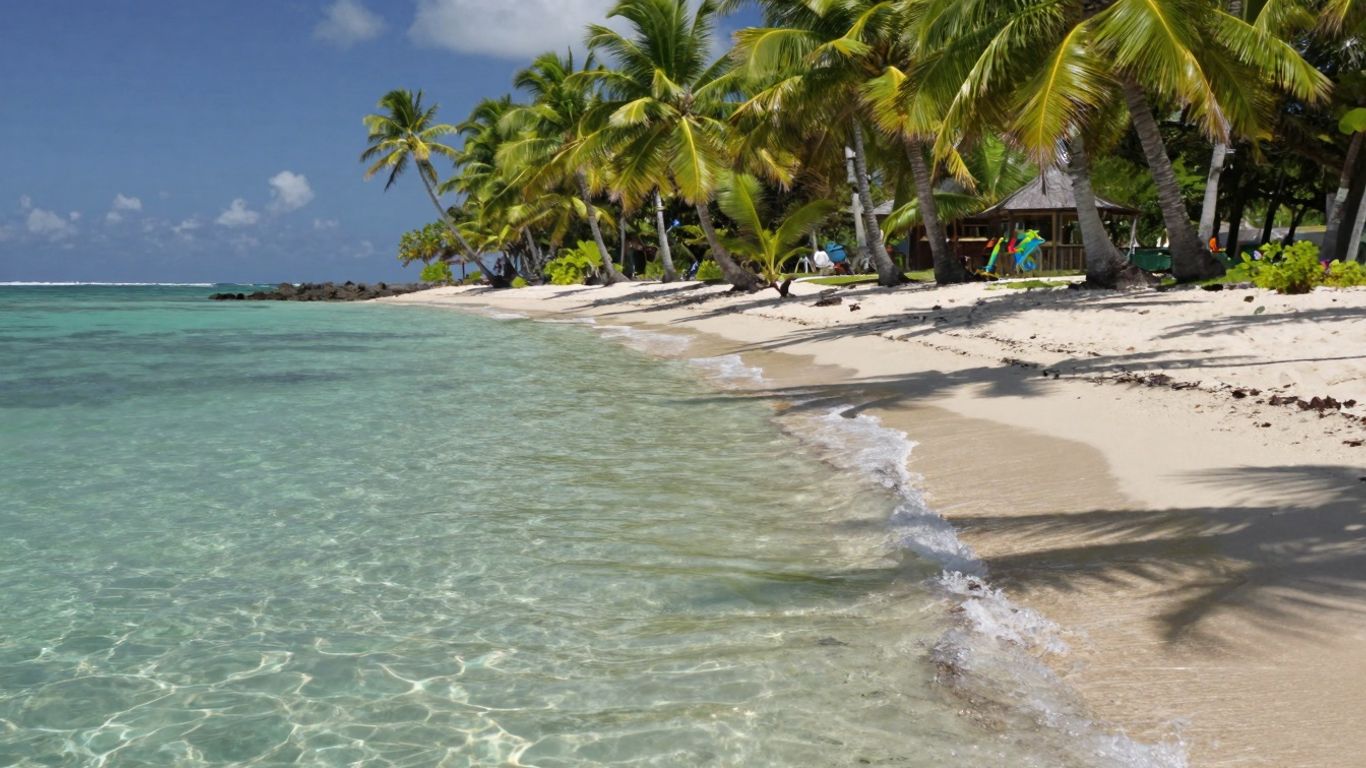
The Kava ceremony is not just an activity—it’s a tradition that invites you into the heart of Fijian hospitality. Kava, made from the ground roots of the yaqona plant, has been central to social gatherings across Fiji for centuries. When you visit the Yasawa Islands, joining a Kava ceremony isn’t just expected, it’s a way to truly connect with your hosts. It’s relaxed, a little bit earthy, and deeply communal.
Here’s how a typical Kava ceremony usually unfolds:
Guests and hosts sit in a circle, often on woven mats, sharing a sense of community and respect.
The freshly prepared Kava is served in a hand-carved wooden bowl, and each person is offered a cup, or "bilo," in turn.
Traditionally, everyone claps once before receiving their drink and three times after, a sign of respect and camaraderie.
The taste of Kava is honestly unmistakable—slightly bitter, with a mouth-numbing finish. You might feel a light buzz or just a deeper sense of calm as you chat and share stories. Sometimes there’s singing, sometimes stories, sometimes everyone just sits together under the stars feeling a little less like strangers.
It’s a moment where time seems to slow down, the ocean hums in the background, and for a little while, you’re part of something much bigger than yourself in the Yasawas.
You don’t have to know all the customs—Fijian hosts love showing you the way and sharing a laugh. Just come with an open mind, try the Kava, and enjoy the experience that’s been a core part of life here for generations.
Conclusion
Wrapping up, the Yasawa Islands really are something special. Whether you’re into hiking up steep hills for sunrise views, snorkeling with manta rays, or just relaxing on a quiet beach, there’s a little bit of everything here. The islands feel untouched, with small resorts and friendly locals who make you feel right at home. Getting around is easy, and you don’t need to spend a fortune to have a great time. I found myself losing track of time, meeting new friends, and just soaking in the scenery. If you’re looking for a place that’s both adventurous and laid-back, the Yasawas are hard to beat. It’s the kind of trip you’ll remember for years, and honestly, I can’t wait to go back.
What’s the best way to get around the Yasawa Islands?
The easiest and most popular way to hop between islands is by using the Yasawa Flyer ferry. It’s like a hop-on-hop-off bus for boats, making it simple and affordable to explore different spots. You can buy passes for a set number of days.
When is the best time to see Manta Rays?
If you’re dreaming of swimming with manta rays, aim for the months between May and October. This is when they are most likely to be seen gliding through the waters around islands like Drawaqa.
Are the Yasawa Islands good for families?
Absolutely! The Yasawa Islands are a fantastic choice for families. There are plenty of activities for kids, like making crafts and exploring, and the resorts often have special programs for them. Plus, the calm waters are great for little ones.
What kind of places can I stay in?
You have lots of choices! You can stay in cozy beach bungalows, more basic homestays to experience local life, or even hostels. Most places are built to blend in with nature, so don’t expect huge hotels.
Is it expensive to visit the Yasawa Islands?
Compared to some other island destinations, the Yasawas can be surprisingly affordable. While luxury options exist, there are also budget-friendly places to stay and activities that don’t cost a lot. Flights are usually the biggest expense.
What if I’m not a certified diver, can I still do shark dives?
Yes, you can! Even if you don’t have a diving certificate, you can often join an introductory diving course to experience the thrill of diving with sharks, like the bull sharks at Kuata Island.
What are some other fun activities besides snorkeling and diving?
There’s loads to do! You can go on sunrise hikes for amazing views, kayak at sunset, visit local Fijian villages to learn about their culture, try cliff jumping at hidden caves, or even participate in a traditional Kava ceremony.
How long should I plan to stay?
Most people find that spending at least one to two weeks is ideal for island hopping in the Yasawas. If you can, try to stay at least two or three nights on each island you visit to really soak it all in without rushing.