So, you’re thinking about backpacking Fiji? Most people picture fancy resorts, but honestly, it’s totally doable on a budget. You can hop between islands using local transport, eat cheap and tasty food, and really get a feel for the place without spending a fortune. It’s all about ditching the fancy stuff and embracing the local vibe. This guide will help you figure out the best Fiji backpacking routes and how to make the most of your trip.
Key Takeaways
The Yasawa Flyer is the main way to get around the Yasawa Islands, but it can be pricey; consider staying longer on fewer islands to save money.
Local buses on the main island of Viti Levu are super cheap for getting around, but they take time, so factor that into your travel plans.
Embrace Fiji Time’ – things move slower here, so relax, go with the flow, and don’t overschedule your days.
Cultural experiences like kava ceremonies and village visits are a big part of Fiji; be respectful and dress appropriately.
Budget-friendly islands like Nacula, Kuata, and Waya offer a mix of stunning scenery, adventure, and cultural immersion.
Navigating Fiji’s Island Hopping Routes
Fiji, a sprawling archipelago of over 300 islands, offers an incredible opportunity for island hopping. While the idea of exploring multiple islands might seem daunting, understanding the main routes and transport options makes it totally manageable. Forget the myth that Fiji is only for luxury travelers; with a bit of planning, you can hop between these tropical gems on a backpacker’s budget.
Understanding the Yasawa Flyer Route
The Yasawa Islands are a popular choice for backpackers, and the primary way to explore them is via the Yasawa Flyer. This large catamaran makes a daily trip up and down the chain, acting as a hop-on, hop-off service. It’s not the cheapest way to travel – expect to spend a significant portion of your budget on these fares over a week – but it’s efficient and safe. The journey itself offers stunning views of the islands, and you can plan your stops to spend several days on different islands before catching the Flyer back down. Booking your first morning departure can help maximize your time.
Daily Service: The Yasawa Flyer runs once a day in each direction.
Island Access: It stops at numerous islands, allowing you to disembark and stay for a few days.
Cost: This is a major expense for backpackers, so factor it into your budget.
Booking: It’s wise to book your passage in advance, especially during peak season.
Exploring the Mamanuca Islands’ Accessibility
Just a short trip from Denarau Marina, the Mamanuca Islands are much closer and easier to access than the Yasawas. Fast catamarans make the journey quick, often getting you to your island destination within the same day. This makes them a great option if you have limited time or prefer shorter travel days. While the cost per hour might be higher than the Yasawa Flyer, the overall travel time saved can be substantial. The Mamanucas are known for their beautiful beaches and accessible snorkeling spots, making them ideal for those who want a more relaxed island experience without long boat rides. Remember to check the last ferry times to avoid unexpected overnight stays.
Connecting with the Coral Coast and Pacific Harbour
For those sticking to the main island of Viti Levu, the Coral Coast and Pacific Harbour regions are easily reachable by local bus. This is a much more budget-friendly way to travel. You can explore areas like the Sigatoka Sand Dunes National Park, visit local villages, and enjoy the coastal scenery. While you might not get the pristine, remote island feel of the Yasawas or Mamanucas, you’ll find a more authentic slice of Fijian life and plenty of opportunities for adventure, like exploring the Upper Navua River gorge. This route offers a different kind of exploration, focusing on the landscapes and culture of Viti Levu itself.
Getting around Fiji is a mix of tourist-focused services and local transport. While the Yasawa Flyer and fast ferries to the Mamanucas are convenient, they come at a cost. Embracing local buses on Viti Levu is a fantastic way to save money and experience daily life. Planning your route around these transport options is key to a successful and affordable backpacking trip.
For those seeking a bit more adventure on Viti Levu, consider river rafting tours for a unique perspective on the island’s interior.
Leveraging Local Buses and Ferries
Getting around Fiji isn’t always about fancy resorts and private transfers. For a real taste of local life and to keep your budget in check, hop on the local buses and ferries. These are the arteries of the islands, carrying everything from school kids to market produce. Buses on the main island, Viti Levu, are frequent and cover most of the Queens Road. They’re a fantastic way to see the countryside roll by, and you’ll likely share your ride with friendly locals eager to chat. For island hopping, the local ferries are your best bet. While they might not be as fast as the tourist-focused catamarans, they offer a more authentic experience and are significantly cheaper. Embrace the journey, not just the destination, and you’ll discover Fiji’s heart.
The Role of Fiji Time’ in Your Itinerary
Forget your rigid schedules and watch-checking habits. Fiji operates on Fiji Time,’ a concept that’s less about being late and more about a relaxed, unhurried approach to life. Things happen when they happen, and that’s okay. This means a bus might leave a little later than scheduled, or a meal might take a bit longer to prepare. Instead of getting frustrated, lean into it. Use this slower pace to observe your surroundings, strike up conversations, or simply enjoy the moment. It’s a chance to decompress and truly soak in the island atmosphere. Trying to rush will only lead to disappointment; going with the flow is key to enjoying your trip.
Cultural Etiquette for Village Visits
When you visit a Fijian village, it’s an honor and an opportunity to experience genuine local life. Showing respect for customs is paramount. Before entering a village, it’s customary to be invited by the chief or elders. When you are, remember to dress modestly – cover your shoulders and knees. It’s also polite to bring a small gift, often kava root or a bundle of tabua (whale’s tooth), though this can be arranged through your accommodation or guide. Always remove your hat and sunglasses before entering a chief’s home or a meeting house. During ceremonies or gatherings, wait to be offered food or drink, and accept it graciously. Listening more than you speak is a good rule of thumb. These simple gestures go a long way in building positive relationships and showing your appreciation for their hospitality.
Remember that Bula’ isn’t just a greeting; it’s a spirit of welcome and connection. Respond with a smile and an open heart, and you’ll find the Fijian people incredibly warm and generous.
Discovering Fiji’s Natural Wonders
Fiji isn’t just about beaches, though it has plenty of those. The real magic for backpackers often lies in venturing a little further, seeking out the raw, untamed beauty that this island nation holds. Think lush rainforests, dramatic waterfalls, and underwater worlds teeming with life. It’s about getting your boots muddy and your skin a little damp from waterfall spray.
Trekking to Waterfalls and Hidden Pools
When you need a break from the sun and sand, heading inland is a fantastic idea. Places like the Colo-I-Suva Forest Park, not too far from Suva, offer a network of trails winding through dense greenery. You’ll find yourself surrounded by tropical plants and the calls of exotic birds. The real reward comes when you stumble upon a clear, tranquil pool perfect for a refreshing dip. It’s a great way to cool off and experience a different side of Fiji. Remember to wear sturdy shoes; the paths can get a bit slippery, especially after rain. Some spots even have rope swings for a bit of extra fun.
Exploring Sigatoka Sand Dunes National Park
On the Coral Coast, the Sigatoka Sand Dunes National Park presents a unique landscape. These aren’t your typical beach dunes; they’re vast, rolling hills of sand shaped by the wind, offering incredible views of the coastline. Hiking here can be a bit of a workout, especially under the Fijian sun, so going in the late afternoon is a good move. Carry plenty of water and maybe a sarong to shield yourself from the wind. The sand actually squeaks underfoot as you reach the crest of the larger dunes. It’s a striking contrast to the lush interior and a great spot for some dramatic photos.
Snorkeling and Diving in Vibrant Reefs
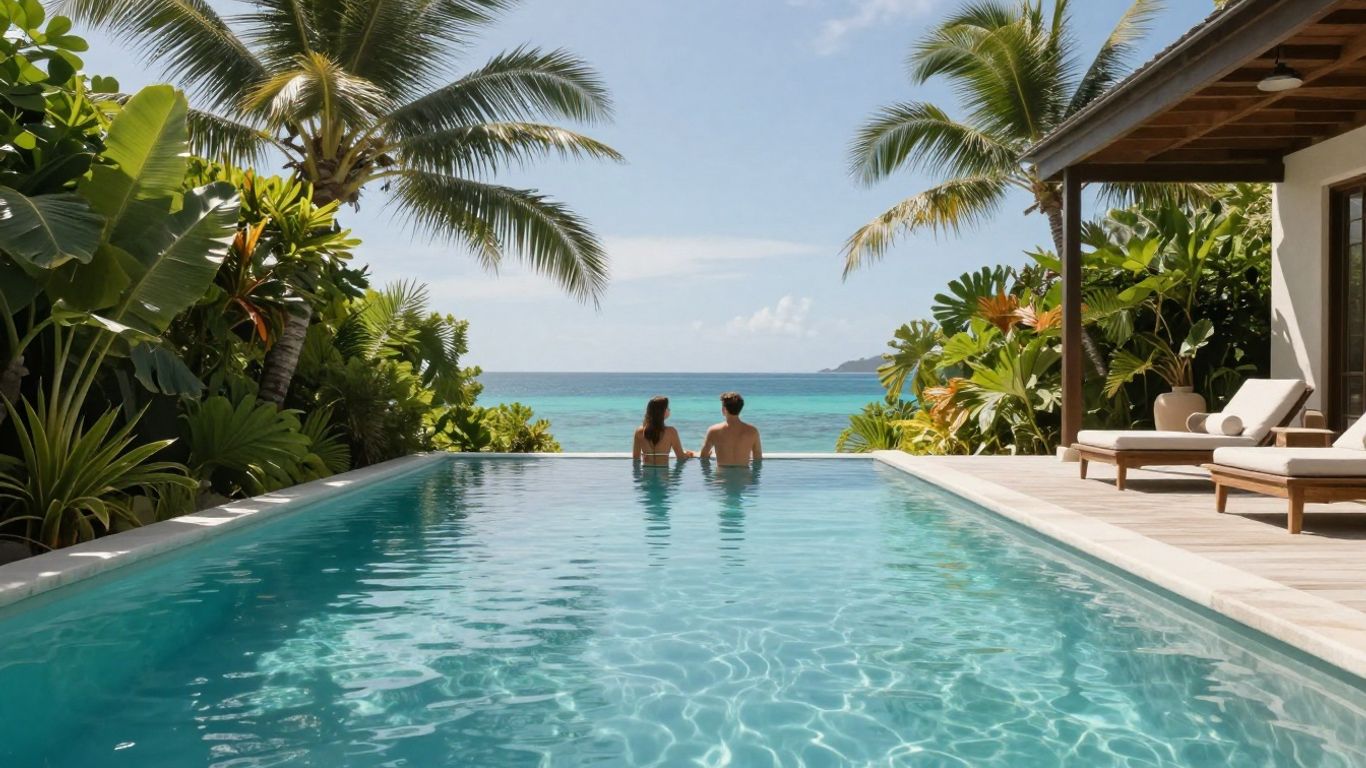
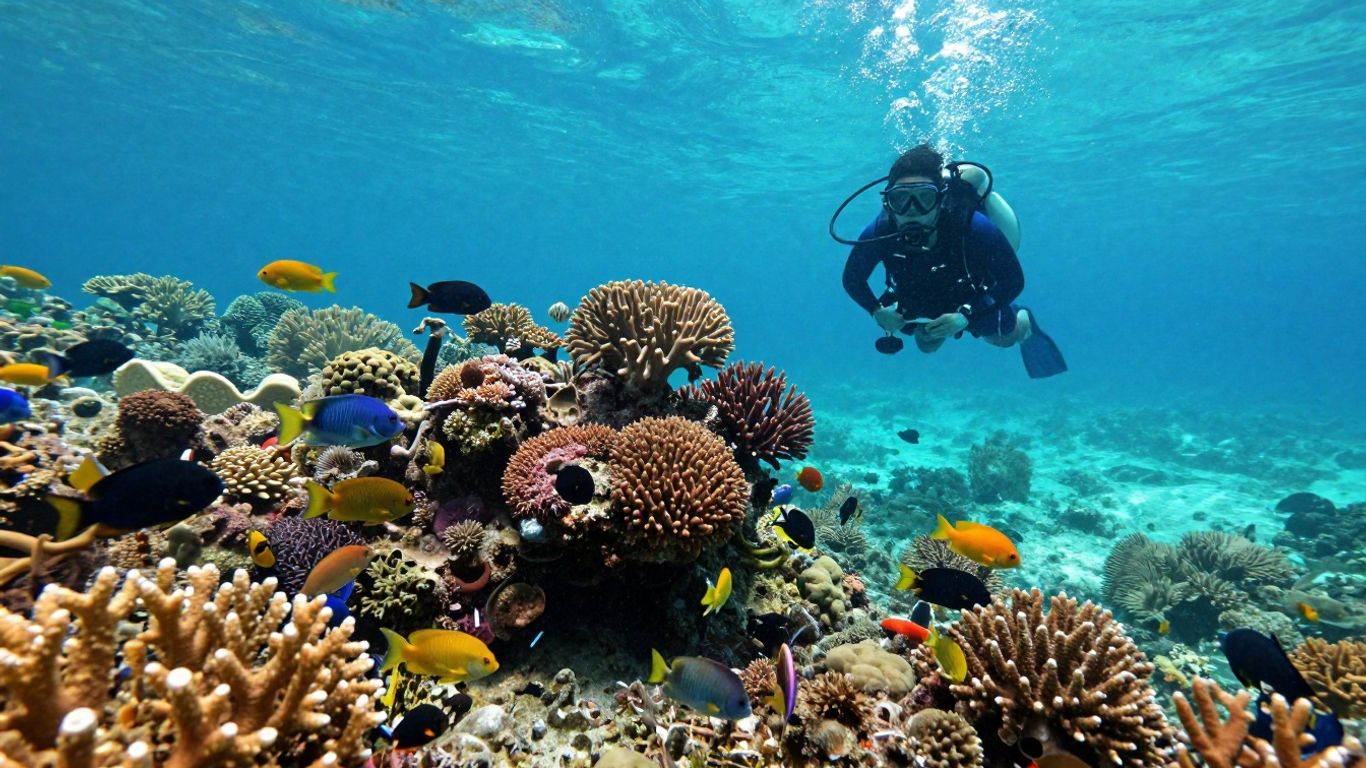
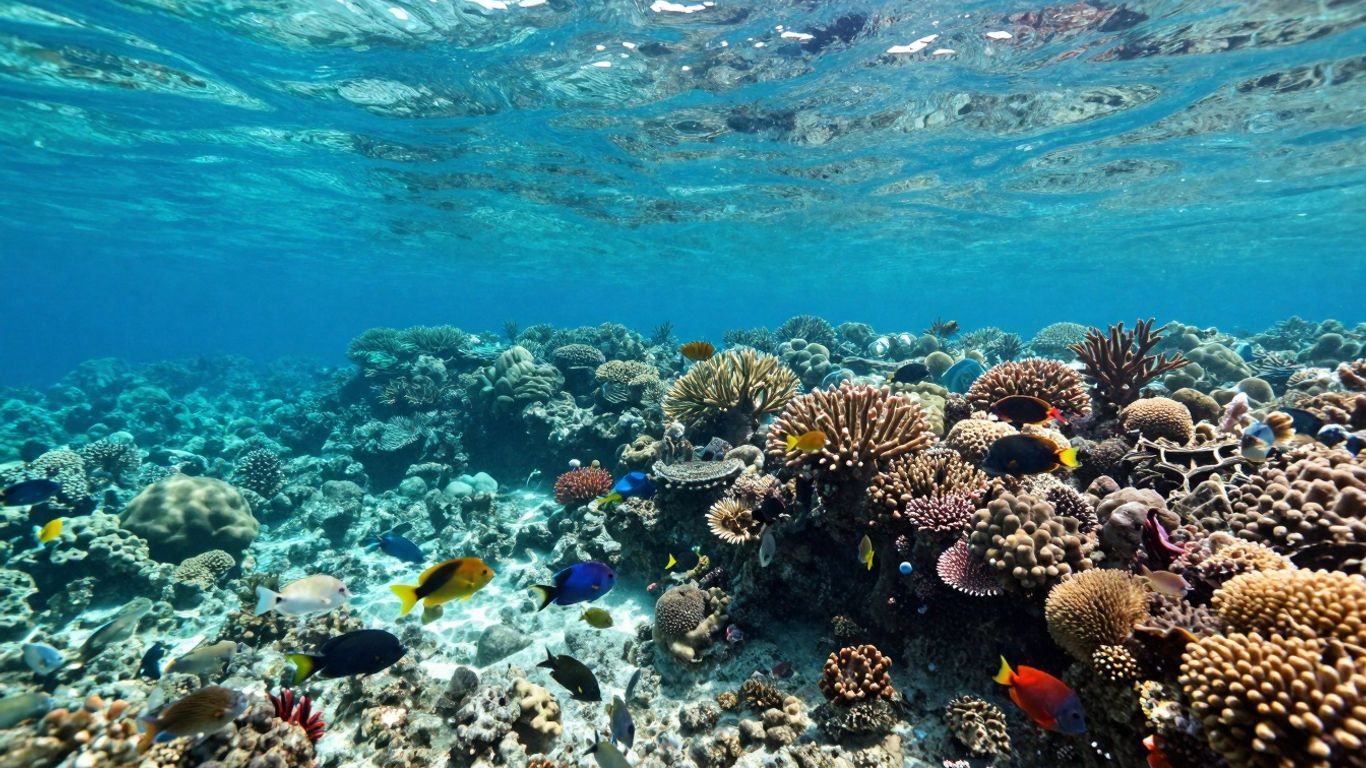
Of course, no trip to Fiji is complete without exploring its underwater treasures. The coral reefs here are world-renowned, bursting with color and marine life. While many islands offer great snorkeling right off the beach, venturing to specific spots can be even more rewarding. The Yasawa Islands, for example, are known for their less crowded waters and pristine coral gardens. You might even get lucky and spot majestic manta rays, especially between May and October. It’s like stepping into another world, a silent, vibrant realm filled with countless fish species. For those interested in a deeper look, many areas offer fantastic diving opportunities, revealing even more of Fiji’s spectacular marine ecosystems. You can find some amazing snorkeling spots that are easily accessible.
Immersive Cultural Experiences
Fiji is more than just stunning beaches and clear blue water; it’s a place rich with traditions and warm, welcoming people. To truly get the most out of your trip, try to connect with the local culture. It’s not just about seeing things, but about participating and understanding.
Participating in Kava Ceremonies
Kava, or yaqona’ as it’s known locally, is a big part of Fijian social life. It’s made from the root of a pepper plant and has a calming effect. You’ll often find ceremonies happening at villages or resorts, especially in the evenings. It’s a sign of welcome and respect. If you’re invited, it’s polite to accept. You’ll usually drink it from a coconut shell, and there are a few simple customs to follow, like clapping after you drink. It’s a pretty unique experience, and definitely a good way to feel connected to the local way of life. Don’t be surprised if your tongue feels a bit numb afterwards!
Experiencing Traditional Lovo Feasts
A lovo’ is a traditional Fijian feast where food is cooked underground. Think of it like a natural earth oven. They dig a pit, heat stones inside, and then wrap food like pork, chicken, fish, and root vegetables (like taro and cassava) in banana leaves or palm fronds. This is all placed on the hot stones and covered with earth to cook slowly for several hours. The result is incredibly tender and flavorful food. Many resorts and villages host lovo nights, often combined with traditional singing and dancing. It’s a fantastic way to taste authentic Fijian cuisine and see a traditional cooking method in action.
Engaging with Local Communities
Getting out and meeting people is what backpacking is all about, right? Fiji is perfect for this. Many islands have small villages where life moves at a different pace. If you get the chance to visit one, remember to be respectful. Dress modestly, especially when visiting a church or a village chief’s home. A small gift, like a bundle of kava root (called sevusevu’), is often appreciated when meeting the chief. You can also support local artisans by buying handicrafts directly from them. This way, your money goes straight to the people making these beautiful items, and you get a genuine souvenir. It’s a great way to support local communities and make your travels more meaningful.
Budget-Conscious Island Stays
Finding a place to rest your head in Fiji doesn’t have to drain your wallet. Many islands offer accommodations that are friendly to backpackers, blending affordability with the stunning Fijian scenery. You’ll often find that "hostels" here are actually beautiful resorts with pools and beaches, where you might even share a meal with honeymooners. It’s a pretty unique setup.
Nacula Island: Remote Beauty and Budget Lodges
Nacula Island, nestled in the Yasawa chain, is a spot that really hits the sweet spot between being out of the way and still having places for travelers on a budget. You can find dorm rooms starting around $25 a night. The famous Blue Lagoon, where a movie was filmed ages ago, is right there, and you can snorkel from the beach. Plus, there are hikes to the top of the island that give you views that are just as good as any fancy resort.
Kuata Island: Adventure and Affordable Stays
If you’re looking for a bit more action, Kuata Island is a great choice. It’s one of the first islands in the Yasawa chain, so it’s not too hard to get to from the mainland, but it feels like a different world. Dorms here can be around $30 a night, and they often have meal plans that are pretty reasonably priced. Kuata is known for its shark diving – a chance to swim with reef sharks without spending a fortune. The snorkeling right off the beaches is also top-notch, with colorful coral just a short swim away.
Waya Island: Cultural Immersion and Volcanic Peaks
For those wanting to really connect with Fijian culture, Waya Island is the place. The island has these dramatic volcanic peaks that make for a really striking landscape. You can visit local villages and even take part in kava ceremonies. Some places offer dorms for about $20 a night and include all your meals. The staff are often locals from the village, which makes the whole experience feel more real and connected.
Many of these "one coconut" accommodations are locally owned, offering a more authentic experience where you might meet the families who run the place.
Here’s a quick look at what you might expect:
Accommodation Type: Often dormitories or basic bures (bungalows).
Price Range: Typically $20 – $35 USD per night for a dorm bed.
Included Amenities: Basic bedding, access to shared bathrooms, and often communal dining areas.
When planning your stay, remember that many smaller islands operate on a cash-only basis. It’s a good idea to withdraw larger amounts less frequently from ATMs in the main towns before you head out to the islands to minimize transaction fees and ensure you have enough cash for your stay.
Planning Your Fiji Backpacking Adventure
So, you’re thinking about hitting up Fiji with a backpack? Awesome choice! It’s totally doable without needing a trust fund. The biggest myth is that Fiji is only for honeymooners with deep pockets. Forget the fancy stuff; think local buses, roll-on ferries, and tasty curry joints. This place runs on "bula" hospitality and the tide charts, not butlers.
Crafting a 7-Day Yasawa Islands Itinerary
If you’ve got about a week, focusing on the Yasawa Islands is a classic backpacker move. It’s a pretty straightforward route, usually involving the Yasawa Flyer ferry. You can get a good feel for island life without feeling too rushed.
Days 1-2: Nadi & Denarau. Start here. It’s the main entry point. You can grab supplies, see a temple, and get your bearings before heading out.
Days 3-4: Kuata Island. This is often the first stop in the Yasawas. It’s known for some decent hiking and maybe even a chance to see reef sharks.
Days 5-6: Nacula Island. Think Blue Lagoon vibes here. It’s a good spot to experience a village and maybe a traditional lovo feast.
Day 7: Return to Nadi. Hop back on the ferry, soak in the last views, and get ready for your flight home.
Extending Your Trip with a 12-Day Plan
Got more time? Lucky you! You can really spread out and soak it all in. The 7-day plan is a great base, but you can add more islands and experiences.
Add Waya Island (Days 8-9): This is where you can really dive into the culture. Think kava ceremonies and epic hikes with amazing views. It’s a bit more rugged and rewarding.
Add Mana Island (Days 10-11): If you want some chill beach time and great snorkeling, Mana is a good call. The accommodation is pretty basic but the location is spot on.
Day 12: Nadi. One last chance for souvenir shopping before you fly out.
Utilizing Island Hopper Passes for Flexibility
Getting around is way easier than you might think. The Yasawa Flyer is the main artery for the Yasawa Islands. You can buy passes that let you hop on and off as you please. It’s way cheaper than booking individual trips and gives you the freedom to change your mind.
The key to a great backpacking trip in Fiji is embracing the local pace. Things move slower here, and that’s part of the charm. Don’t overschedule; allow for spontaneous moments and unexpected detours. This flexibility is what makes backpacking so rewarding.
These passes are a lifesaver for budget travelers. You can find different options depending on how long you plan to travel and how many islands you want to visit. It really helps keep your travel costs in check while letting you see more of the islands. Just make sure to check the ferry schedules, as they don’t run constantly, especially on Sundays.
Essential Packing for Tropical Exploration
Packing for Fiji might seem straightforward – it’s warm, right? But there’s a bit more to it than just shorts and t-shirts, especially if you’re planning to hop between islands and immerse yourself in local life. The key is to pack smart, light, and with a bit of foresight for Fiji’s unique blend of beach bliss and cultural encounters.
Lightweight Clothing and Sun Protection
Think breathable fabrics. Cotton, linen, and quick-dry synthetics are your best friends here. You’ll want loose-fitting clothes that let air circulate. A wide-brimmed hat and good sunglasses are non-negotiable for protecting yourself from the strong tropical sun, which can be intense even on cloudy days. Don’t forget a light, long-sleeved shirt or a sarong to throw over your swimwear for extra sun protection when you’re out on the water or walking between villages.
When visiting villages or more traditional settings, it’s respectful to cover your shoulders and knees. Pack a couple of items that fit this bill – perhaps a light maxi dress or a pair of loose trousers and a modest top. These can double up for cooler evenings too.
Footwear for Trails and Beaches
Your feet will thank you for packing the right shoes. For beach days and casual strolls, a pair of flip-flops or sturdy sandals will do the trick. However, if you plan on exploring inland, hiking to waterfalls, or walking through villages, you’ll want something more supportive. A pair of comfortable walking shoes or sturdy hiking sandals are ideal. They should be able to handle uneven terrain and potentially get wet. Reef shoes or water socks are also a good idea if you plan on doing a lot of snorkeling or exploring rocky shorelines, protecting your feet from sharp coral or sea urchins.
Health and Safety Essentials
Beyond the basics, a few health items can make a big difference. Insect repellent is a must, especially for evenings and if you’re venturing into more rural areas. A basic first-aid kit with bandages, antiseptic wipes, pain relievers, and any personal medications is always wise. Sunscreen with a high SPF is critical, and don’t forget after-sun lotion. Staying hydrated is also key, so consider bringing a reusable water bottle.
Remember that laundry facilities are available on many islands, so you don’t need to pack an outfit for every single day. Aim for versatile pieces that can be mixed and matched, and plan to do laundry every few days. This will significantly lighten your load and make island hopping much easier.
Managing Finances on the Go
Keeping your budget in check while island hopping in Fiji is totally doable, but it does require a bit of planning. The Fijian dollar (FJD) generally offers a good exchange rate for many travelers, which helps stretch your funds further. Being mindful of where you spend can make a big difference in how long you can explore. ATMs are common in larger towns like Nadi and Suva, but it’s always a good idea to have some cash on hand, especially when heading to more remote islands. Some smaller establishments or local markets might not accept cards, and relying solely on them can be tricky.
Understanding Local Currency and ATMs
The primary currency in Fiji is the Fijian Dollar (FJD). You’ll find ATMs in most urban centers and tourist hubs. However, it’s wise to withdraw larger amounts when you have the chance, as fees can add up with each transaction. Some ATMs might have daily withdrawal limits, so plan accordingly. It’s also worth noting that not all ATMs dispense the same amount of cash, so if one doesn’t work, try another.
Cash vs. Card Considerations
While credit cards are accepted at many resorts, larger shops, and tour operators, carrying cash is still important. Smaller guesthouses, local buses, and market vendors often prefer or only accept cash. Some places might also add a surcharge for card payments, typically around 2-3%. For a more authentic experience, like visiting local markets or participating in village visits, cash is king. You might also want to budget a small amount for sevusevu, a traditional gift when visiting a village, which is usually presented in cash. Consider getting a local SIM card to stay connected and avoid expensive resort Wi-Fi fees, which can be a hidden cost.
Budgeting for Activities and Transport
Transport is often one of the biggest expenses. The fast ferries to the Yasawa Islands, while convenient, can be pricey. For a more budget-friendly approach, consider slower local ferries or buses on the main island of Viti Levu. Activities like diving and organized boat trips can also add up quickly. Look for package deals or consider which activities are most important to you. Sometimes, simply enjoying the natural beauty of a beach or going for a hike can be just as rewarding and significantly cheaper. If you’re planning to explore inland Viti Levu, local buses are incredibly affordable and offer a genuine glimpse into daily life. For those looking for a truly immersive experience, researching a Fijian village homestay can offer incredible value and cultural insight, though it’s important to understand travel logistics from Nadi beforehand.
When planning your budget, remember to factor in potential small costs that can accumulate: ATM fees, card surcharges, laundry services, and even sunscreen or insect repellent purchased on remote islands can be more expensive. Small, unexpected expenses are part of travel, but being aware of them helps you prepare.
Here’s a quick look at some potential costs:
Accommodation: Dorms on the main islands can range from FJD 25-45, while island dorms might be FJD 45-80. Some places include mandatory meal plans.
Food: Cooking your own meals with supermarket supplies can cost FJD 15-25 per day. Eating out at local eateries can be FJD 5-12 for a meal.
Transport: Local buses on Viti Levu are very cheap. Fast ferries to the Yasawas can be FJD 110-160 one-way.
Activities: Snorkel trips might cost FJD 60-120. Village walks or waterfall visits often have small entry fees (FJD 5-20).
Beyond the Tourist Trail
While the postcard-perfect beaches and resort islands get a lot of attention, Fiji has so much more to offer if you’re willing to venture a little further. Getting off the beaten path can lead to some truly memorable experiences, connecting you with the real Fiji.
Exploring Inland Viti Levu’s Landscapes
Most travelers stick to the coast, but Viti Levu, the largest island, has a surprisingly wild interior. Think lush rainforests, rolling hills, and a slower pace of life. You can explore areas around Nadi or Suva, but for a real adventure, consider heading inland towards the highlands. It’s a chance to see a different side of Fiji, far from the usual tourist hubs. You might find yourself hiking through dense jungle, discovering hidden waterfalls, or simply enjoying the quiet.
Waterfalls and Hidden Pools: Many of these are accessible via local trails. Some popular spots include the Biausevu Waterfall, which is a beautiful cascade with a natural pool for swimming. For a more adventurous trek, consider the trails in Koroyanitu National Park. Remember to wear sturdy shoes and bring insect repellent.
Local Villages: Venturing inland often means passing through or visiting small villages. Always be respectful, and if you have the chance to be invited in, consider bringing a small gift like kava root or some sweets for the children. It’s a great way to experience genuine Fijian hospitality.
Scenic Drives: Renting a car or hiring a local driver can open up the interior. The roads can be winding and sometimes unpaved, but the scenery is often spectacular. Keep an eye out for local markets along the way.
Discovering Taveuni Island’s Rainforests
Often called the Garden Island,’ Taveuni is a biodiversity hotspot. It’s a place where you can truly immerse yourself in nature. The island is known for its incredibly dense rainforests, dramatic waterfalls, and a more laid-back atmosphere compared to Viti Levu. It’s a bit more effort to get to, usually involving a domestic flight, but it’s well worth it for nature lovers.
Bouma National Heritage Park: This park covers a significant portion of the island and offers stunning natural beauty. It’s home to the famous Tavoro Waterfalls, a series of three cascades where you can swim. The park also has hiking trails that lead to more secluded spots.
The Waitavala Water Slides: These natural rock slides are a unique and fun experience. You can slide down smooth rock faces into clear pools below. It’s a bit of a trek to get there, but it’s a fantastic way to cool off and have some fun.
Birdwatching: Taveuni is a haven for birdlife, with many endemic species. Bring binoculars if you’re interested in spotting some of the island’s unique feathered residents.
Seeking Out Local Markets and Eateries
Food is a huge part of any culture, and Fiji is no exception. While resorts offer plenty of dining options, seeking out local markets and small eateries will give you a more authentic taste of Fijian cuisine and a glimpse into daily life. This is where you’ll find some of the most delicious and affordable food Fiji has to offer.
Namaka Market (Nadi): This is a bustling market where you can find fresh produce, local snacks, and souvenirs. It’s a great place to try tropical fruits and chat with vendors. You can often find cheap, high-quality fruit here.
Local Cookhouses’ or Eateries: Keep an eye out for small, unassuming places that serve local dishes. You might find delicious curries, fried fish, or root vegetables. Don’t be afraid to ask what’s on the menu.
Street Food: In towns and villages, you might find vendors selling things like roti parcels, samosas, or grilled corn. These are often quick, tasty, and very budget-friendly options.
Venturing off the typical tourist path in Fiji rewards you with authentic experiences. It’s about embracing the unexpected, from the vibrant chaos of a local market to the quiet beauty of an inland rainforest. These moments often become the most cherished memories of a trip, offering a deeper connection to the islands and their people.
Your Fijian Adventure Awaits
So, there you have it. Fiji is so much more than just a honeymoon spot; it’s a vibrant, welcoming place that’s totally doable on a backpacker’s budget. From the bustling local buses on Viti Levu to the laid-back ferry rides connecting the Yasawa Islands, adventure is everywhere. You can trade fancy resorts for genuine smiles, market curries for traditional lovo feasts, and hurried schedules for the gentle rhythm of island life. Remember to pack light, keep an open mind, and embrace the Bula’ spirit. Fiji offers a chance to connect with nature and people in a way that stays with you long after you’ve left its shores. Go on, start planning – paradise is calling.
Is Fiji really just for rich people on honeymoons?
Not at all! While Fiji has fancy resorts, it’s also a fantastic spot for backpackers. You can get around using local buses and ferries, eat yummy and cheap food from local places, and stay in simple huts called bures. It’s all about experiencing the real Fiji without spending a fortune.
What’s the best way to travel between the islands?
The most popular way to hop between the Yasawa Islands is the Yasawa Flyer, a ferry that goes up and down the chain once a day. For the Mamanuca Islands, you can catch fast boats from Denarau. On the main island, Viti Levu, local buses are super cheap and a great way to see the sights along the coast.
How much money should I budget for a trip to Fiji?
Fiji can be done on a budget if you’re smart! You’ll spend more on transport between islands if you use the tourist ferries. Eating at local spots and staying in hostels or budget guesthouses will save you a lot. Activities like diving can add up, so pick a few you really want to do.
What should I pack for Fiji?
Pack light, breathable clothing that dries fast. Think shorts, t-shirts, and swimwear. Definitely bring sunscreen, a hat, and bug spray. Comfortable sandals for the beach and sturdy shoes for hiking are a must. It’s also a good idea to pack something modest to wear when visiting villages, like a t-shirt that covers your shoulders.
What is Fiji Time’?
Fiji Time’ means things move at a slower, more relaxed pace. Don’t expect everything to happen instantly! It’s best to go with the flow and enjoy the laid-back island vibe. This also means Sundays can be very quiet as many places close for church.
Is it safe to visit villages in Fiji?
Yes, Fijian villages are generally very welcoming to visitors. It’s important to be respectful of their customs. Always ask permission before taking photos, dress modestly (cover your shoulders and knees), and it’s customary to bring a small gift, like kava root or a contribution, when you visit for the first time. This is called sevusevu’.
Can I use credit cards in Fiji, or do I need cash?
You’ll need cash for many things, especially on the smaller islands where ATMs might be rare or non-existent. Larger resorts and shops in towns like Nadi will accept credit cards, but there might be extra fees. It’s wise to carry enough Fijian dollars (FJD) for smaller purchases and transport.
What are some must-do cultural experiences in Fiji?
Participating in a kava ceremony is a unique cultural experience where you drink a traditional drink made from a plant root. Experiencing a lovo’ feast, where food is cooked underground, is also a treat. Visiting local villages and listening to their beautiful church singing on Sundays are other great ways to connect with Fijian culture.