

Thinking about joining one of the Fiji village tours? You’re in for a real treat. Visiting a Fijian village isn’t like your typical tourist stop. It’s more personal, sometimes a bit awkward at first, but always memorable. You’ll see how people live, what they eat, and how they spend their days—a real break from big resorts. There’s a bit of tradition to follow, but that’s part of the fun. If you want to understand what life is like away from the usual tourist spots, a village visit in Fiji is the way to go.
Key Takeaways
Fiji village tours let you experience real Fijian culture, not just what you see in resorts.
Always bring a small gift, like kava, for the welcoming ceremony—it’s expected and shows respect.
Dress modestly and remove hats or sunglasses when you’re in the village, especially during ceremonies.
Ask before taking photos or entering homes—manners matter a lot in Fijian villages.
Sundays are special in most villages, with church services and quiet time, so plan your visit for another day if possible.
Experiencing Authentic Fijian Culture
Visiting a Fijian village is a chance to step away from the usual tourist path and see how life is really lived. It’s not just about pretty scenery; it’s about connecting with people and their traditions. You’ll see firsthand the strong sense of community that shapes daily life here. This is where you get a real feel for the heart of Fiji.
The Unique Charm of Remote Villages
Many villages are tucked away, far from the hustle of bigger towns. This remoteness has helped keep their way of life and customs strong. You won’t find the same kind of modern changes you might see elsewhere. It’s a look back in time, in a good way, showing a different pace of life.
A Glimpse into Traditional Lifestyles
Life in these villages often revolves around the land and sea. People still fish, grow their own food, and rely on each other. You’ll see homes built in traditional ways and get a sense of how families and communities work together. It’s a simple, yet rich, way of living that has been passed down through generations.
Organizing Your Village Excursion
Planning a visit to a Fijian village is a bit different from booking a hotel. Often, these excursions are arranged through your resort or a local tour operator. They usually handle the logistics, including transportation and sometimes even the traditional gift for the village chief. It’s a good idea to confirm what’s included when you book. If you’re exploring independently, your accommodation or a local contact can often help you connect with a village willing to host visitors. The key is to go through the proper channels to ensure a respectful and welcomed experience.
The Importance of a Respectful Approach
Approaching a village visit with respect is paramount. This isn’t just about following rules; it’s about showing genuine appreciation for the local culture and way of life. Fijians are known for their warmth and hospitality, and they welcome visitors who show consideration for their traditions. Remember that you are a guest in their home, and your actions reflect not only on you but also on other visitors. A little effort goes a long way in building positive connections.
What to Pack for a Village Tour
Packing smart can make your village visit much more comfortable and appropriate. Think practical and respectful. Here’s a quick rundown:
Modest Clothing: Pack lightweight, breathable clothing that covers your shoulders and knees. Think long shorts, skirts, or trousers, and t-shirts or blouses. A sarong or sulu is also a great addition, as it can be used to cover up when needed.
Comfortable Footwear: You’ll likely be doing some walking, so comfortable sandals or walking shoes are a must. Remember, you’ll be removing them frequently when entering homes or communal buildings.
Small Gifts (Optional but Appreciated): While not mandatory, small tokens can be a thoughtful gesture. School supplies like pens, pencils, or notebooks for the children are often well-received. Avoid giving money directly.
Insect Repellent: Especially if visiting during warmer months or near water.
Sun Protection: A hat (which you’ll likely need to remove indoors) and sunscreen.
When you’re invited into a home or a communal space, it’s customary to remove your shoes at the entrance. This simple act shows deference to the sanctity of their living spaces and is a sign of respect for the household. It’s a small gesture that makes a big difference in how you’re perceived by your hosts.
The Customary Gift of Kava
When you visit a Fijian village, the first thing you’ll likely do is participate in the sevusevu ceremony. Think of it as a formal introduction, a way to show respect before you really get to know the community. The main part of this is presenting a gift, usually a bundle of kava root or powder. Kava, made from a plant called Piper methysticum, is a really big deal in Fiji. It’s not just a drink; it’s a symbol of peace and a way to ask for permission to enter their land. Buying this gift, often around $140 for a kilogram, shows you’ve put thought into your visit and respect their traditions. Your hosts will accept it, and this act officially recognizes your presence.
Participating in the Welcoming Ritual
The sevusevu ceremony itself is a structured event. You’ll usually be guided by someone who knows the local customs. There’s a specific way to sit, and often you’ll need to stoop low as you move to your spot – it’s a sign of humility and respect for the elders and the chief. After the initial exchange, you might be offered a bowl of kava, called a bilo’. It’s customary to accept and drink it, usually in one go, rather than sipping. This is a moment of connection, where you’re not just an observer but a participant. It’s a way to cement friendships and feel truly welcomed into the village.
Understanding the Sevusevu Etiquette
There are a few key things to remember during the sevusevu. Firstly, dress modestly – cover your shoulders and knees. When you approach the chief or elders, take off your hat and sunglasses. It’s also polite to carry your bags in your hands, not slung over your shoulder. After the ceremony, you might be invited to sit and chat, known as talanoa’. This is your chance to connect with people on a more personal level. Remember to ask permission before taking photos or entering homes. And if you’re unsure about anything, just ask your guide; they’re there to help you navigate these traditions respectfully.
The sevusevu ceremony is more than just a formality; it’s the foundation of your visit, setting a tone of mutual respect and genuine connection. It’s a beautiful way to acknowledge the host community and begin building a relationship based on shared understanding and appreciation for their way of life.
Modest Dress for Village Visits
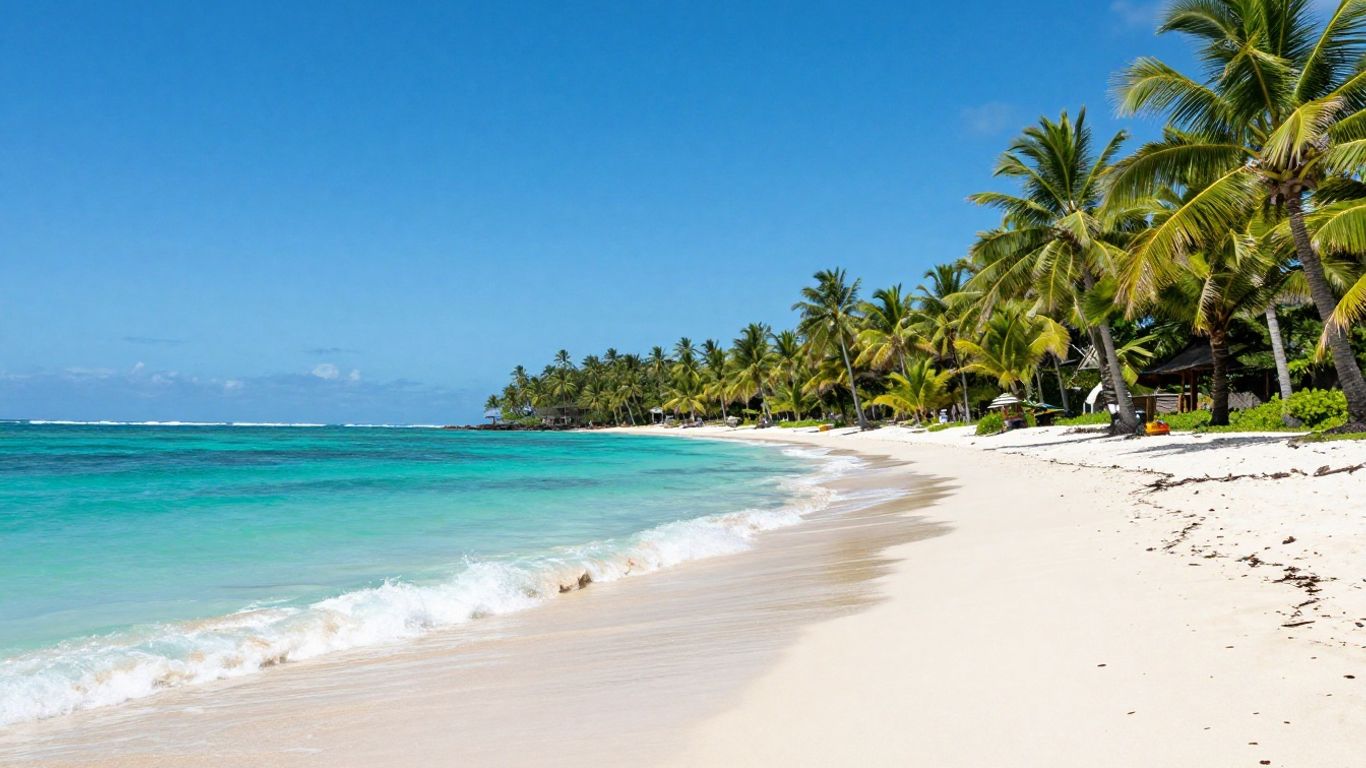
When you step into a Fijian village, think of it as entering someone’s home – you’ll want to dress in a way that shows you respect their space. This usually means covering up a bit more than you might at the beach. For women, this could be a skirt or dress that goes past your knees, and for men, t-shirts and shorts that aren’t too short are a good bet. If you have a sulu,’ which is like a sarong, that’s perfect too. You can easily slip it on and off.
Removing Hats and Sunglasses
It’s a small gesture, but taking off your hat and sunglasses when you’re in the village, especially when interacting with elders or chiefs, really makes a difference. It’s a sign that you’re present and showing deference. Also, you’ll notice people often carry their bags in their hands rather than slinging them over their shoulders. It’s just another way to show you’re mindful of the surroundings and the people.
Asking Permission Before Photography
Before you whip out your camera to snap a photo, it’s always best to ask first. This applies not just to people, but also to entering homes or communal spaces. A simple May I?’ goes a long way. Fijians are incredibly welcoming, and they’re usually happy to let you capture memories, but asking shows you respect their privacy and their space. It’s the same when entering a home – take your shoes off at the door. It’s a sign of respect for their living space.
Remember, these customs aren’t just rules to follow; they’re about showing genuine respect for the people and their way of life. Small acts of consideration can open doors and lead to much richer interactions.
Understanding Local Taboos
Every village has its own set of tabu,’ or taboos, which are cultural practices that are deeply respected. These can vary from place to place. For instance, in many villages, touching someone’s head is considered disrespectful because it’s seen as the most sacred part of the body. It’s always a good idea to ask your guide if there are any specific taboos you should be aware of. Being mindful of these local customs shows you’re making an effort to understand and appreciate their culture.
Interacting with Village Chiefs and Elders
When you visit a Fijian village, you’ll notice there’s a clear structure, and it all starts with the chief and the elders. Think of them as the main decision-makers and the keepers of tradition. If you’re participating in the customary gift-giving, like presenting kava, your guide will show you exactly when and how to do it, usually presenting it to the chief or his representative. It’s a sign of respect, and following your guide’s lead is key here. Always wait for your guide to initiate interactions with chiefs and elders.
Entering Homes and Communal Areas
Villages are built around community, and spaces like the meeting house (Vale ni Bose) or someone’s home are important. Before you step inside any dwelling or communal building, it’s polite to remove your shoes. This shows you respect their space. Also, if you’re invited into a home or the meeting house, don’t just wander in. Wait for your host to guide you. Inside, you might be asked to sit cross-legged on the floor. Stretching your legs out, especially showing the soles of your feet, is seen as disrespectful. Your guide will help you find your spot.
Understanding Local Taboos
Every village has its own set of tabu’ or taboos – things that are not allowed or are considered sacred. These are deeply ingrained customs. For example, touching someone’s head is often a taboo because the head is considered sacred. It’s always a good idea to ask your guide if there are any specific taboos you should be aware of. Being mindful of these local customs shows you genuinely care about their culture and way of life. It’s these small gestures that make a big difference in how you’re received.
The Role of the Meeting House
The village meeting house, known as the Vale ni Bose’, is the central hub for community life. It’s where important discussions happen, formal ceremonies are held, and distinguished guests are welcomed. If you’re invited inside, remember to remove your shoes at the door and avoid wearing hats. Sitting cross-legged is the respectful way to be, with the soles of your feet not facing others. Your guide will let you know where to sit, especially if a kava ceremony is taking place.
The Importance of the Village Church
Sundays are a day of rest and worship in Fijian villages, and the church is a focal point of community spirit. Most village tours don’t operate on Sundays, but if you’re staying in a village, attending the Sunday service is a significant cultural experience. Dressing respectfully for church shows your consideration for this important tradition. Even if you don’t share the same faith, the harmonious singing and the sense of unity are often deeply moving.
Observing Daily Routines
Life in a Fijian village moves at its own pace, often centered around the rhythms of nature and community. You’ll see people tending to gardens, fishing, preparing meals, and children playing. Observing these daily activities offers a genuine look into the fabric of village life. It’s a chance to see how people work together and maintain their traditions. Participating in village activities, like learning to weave or joining in a song, can be a wonderful way to connect with the locals and gain a deeper appreciation for their way of life.
The true essence of a Fijian village lies not just in its structures, but in the shared moments and collective spirit of its people. It’s in the communal meals, the shared laughter, and the mutual respect that binds everyone together.
Sharing a Meal with Your Hosts
Being invited to share a meal is a real honor. It’s more than just food; it’s a chance to really connect with the people who live here. You’ll likely sit on mats on the floor, which is a symbol of everyone being on the same level. Remember to wait for a prayer, often called masu’, before you start eating. It’s a moment of thanks. After the meal, a simple vinaka’ (thank you) goes a long way to show your appreciation for their generosity. It’s these shared moments that really make the visit special.
Participating in Village Activities
Don’t be a wallflower! If there’s a chance to join in, go for it. Whether it’s learning to weave a small mat, trying your hand at a traditional craft, or even just clapping along to some local music, participating shows you’re genuinely interested. It’s a great way to break the ice and build a connection. You might be surprised how much fun you have and how much you learn. Think of it as a cultural exchange where everyone benefits. It’s a chance to experience life beyond the usual tourist path, much like the vibrant traditions found in places like Kiribati [43dc].
Learning Traditional Crafts and Skills
Many villages have artisans who are happy to share their knowledge. You might get to see how they make intricate carvings, weave baskets from palm fronds, or prepare local delicacies. Taking part, even in a small way, is a fantastic way to appreciate the skill and dedication involved. It’s a hands-on experience that offers a deeper insight into the daily lives and resourcefulness of the villagers. You’ll leave with not just a souvenir, but a story and a newfound respect for these age-old practices.
The Sacredness of Sundays in Fijian Villages
Sundays in Fijian villages are set apart. It’s a day for rest, for reflection, and for community worship. Most village tours and activities pause on this day, respecting its special significance. If your visit happens to fall on a Sunday, or if you’re staying in a village homestay, you’ll notice a distinct shift in pace.
Respecting the Day of Rest
Life in the village slows down considerably on Sundays. The usual hustle and bustle gives way to a more tranquil atmosphere. This is a time when villagers focus on spiritual matters and family. It’s important for visitors to be mindful of this and adjust their expectations accordingly. Loud noises or disruptive activities are generally avoided.
Attending a Sunday Church Service
For many, attending a Sunday church service is a highlight of their village experience. Even if you don’t share the same faith, the experience can be profoundly moving. You’ll likely hear the resonant sound of the lali’ (a wooden drum) calling people to worship. The singing, often featuring beautiful harmonies from the choir, needs no translation to be appreciated. It’s a powerful display of community spirit and devotion.
Dress modestly: For church, it’s customary to wear your best attire. For women, this means a long skirt or dress, or a sulu (sarong) if you have one. Shoulders should be covered. Men are preferred to wear long pants and a collared shirt.
No hats: Hats are generally not worn inside the church.
Be respectful: Observe the proceedings quietly and respectfully.
Understanding Village Activities on Sundays
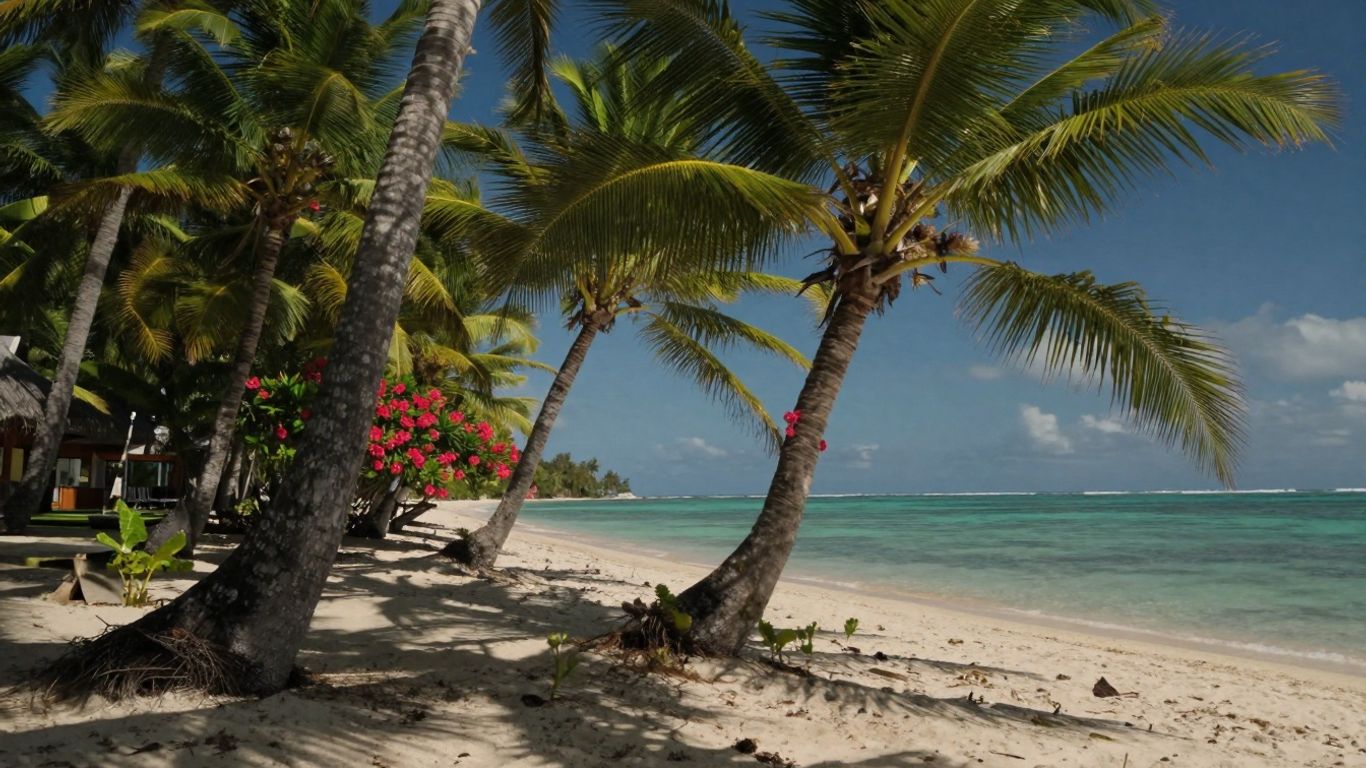
Activities that might be common on other days, like drinking kava or discussing village matters, are typically postponed until after the afternoon church service. The focus remains on religious observance and communal rest. This quiet period allows for a different kind of connection with the village, one that is more about shared peace and observation than active participation.
The rhythm of village life on a Sunday is a gentle reminder of the importance of community, faith, and taking time to pause. It’s a unique window into the values that shape Fijian culture, offering a peaceful contrast to the rest of the week.
Supporting Local Farmers and Fishermen
When you visit a Fijian village, you’re not just a tourist; you’re a guest. And like any good guest, you can show your appreciation in ways that benefit your hosts. Many villages rely on farming and fishing for their livelihood. If you have the chance to buy fresh produce, local crafts, or even some freshly caught fish, it’s a direct way to put your money into the community. It’s not about haggling; it’s about recognizing the effort and skill that goes into what they produce. Think of it as bringing home a piece of Fiji that has a real story behind it, a story that supports the people who made it.
Gifts for School Children
It’s common for children in villages to have very little in terms of school supplies. If you’re thinking about bringing gifts, consider items that can help them learn and grow. Things like pencils, notebooks, crayons, or even simple storybooks can make a big difference. Your thoughtful contribution can directly impact a child’s education and well-being. It’s a gesture that’s always met with gratitude, not just from the kids but from their parents and teachers too. Just remember to ask your guide or hosts if there are any specific needs or preferences before you arrive.
The Impact of Tourism on Village Life
Tourism can be a double-edged sword for villages. When managed thoughtfully, it provides income that can fund community projects, improve infrastructure, and offer opportunities that might not otherwise exist. However, it’s important to be mindful of how your visit affects daily life. Being respectful, not intrusive, and supporting local initiatives helps ensure that tourism benefits the village in a sustainable way. It’s about creating a positive exchange, where visitors gain an authentic experience and the community reaps genuine rewards.
Being aware of the economic realities of village life helps shape your interactions. It’s not just about seeing; it’s about understanding the value of what you experience and how your presence can contribute positively.
Cherishing Your Village Experience
Leaving a Fijian village after a visit often brings a mix of emotions. You’ve likely experienced genuine warmth and a connection that goes beyond a typical tourist encounter. The true takeaway from your time here isn’t just the sights, but the people and the shared moments. Building these connections is what makes the experience so memorable.
Building Lasting Connections
Think of your village visit as the start of a relationship, not just a one-off event. The interactions you’ve had, the stories you’ve heard, and the smiles you’ve shared create a foundation. When you show genuine interest in their lives and participate respectfully, you’re not just a visitor anymore; you become a welcomed guest. These connections can last long after you’ve left the shores of Fiji.
The Lasting Impression of Fijian Hospitality
Fijian hospitality, or veisiko’, is something truly special. It’s about making everyone feel welcome and cared for, often with a generosity that can be humbling. Whether it was sharing a meal, learning a new skill, or simply being invited to sit and chat, these acts of kindness leave a deep impression. It’s this spirit of openness that many visitors remember most vividly.
Encouraging Responsible Tourism
Your visit has an impact, and being a responsible tourist means leaving the village as good as, or better than, you found it. This isn’t just about not littering; it’s about being mindful of your actions and their effects.
Here are a few ways to be a responsible visitor:
Support local artisans: If you have the chance to buy crafts, do so directly from the makers.
Be mindful of resources: Conserve water and electricity where possible, as these can be limited.
Respect cultural practices: Continue to observe the etiquette you’ve learned, even in small ways.
Share your positive experience: Encourage others to visit respectfully, highlighting the importance of cultural sensitivity.
The most profound souvenirs you’ll take home aren’t things you can buy, but the memories of shared laughter, the feeling of belonging, and the lessons learned about community and kindness. These are the treasures that truly enrich your journey.
A Lasting Impression
Stepping away from a Fijian village visit leaves you with more than just photos; it’s a feeling that stays with you. You’ve seen a way of life that’s deeply connected to community and tradition, a gentle rhythm far from our usual hustle. Remember the smiles, the shared moments, and the simple respect shown on both sides. This experience isn’t just about observing; it’s about connecting, even briefly, with the heart of Fiji. Carry that warmth and understanding with you, and you’ll find the spirit of the islands stays long after you’ve departed.
What is the Sevusevu ceremony?
The Sevusevu is a special welcome ceremony where you give a gift, usually kava, to the village chief. It’s a way to show respect and ask permission to visit. You might even get to drink some kava yourself as part of the welcome!
What should I wear when visiting a village?
It’s important to dress modestly. Think covering your shoulders and knees. A sarong, or sulu’, is a great option because it’s easy to wear and take off. Avoid wearing hats or sunglasses inside the village.
Is it okay to take pictures of people?
Always ask for permission before taking photos of people or their homes. Fijians are usually happy to let you, but asking shows you respect their privacy.
What kind of gift should I bring?
The most traditional gift is kava root, which you can buy in markets. This is part of the Sevusevu. If you can’t get kava, other thoughtful gifts like school supplies for the children are also appreciated.
Can I just walk into any house?
No, you shouldn’t enter homes or special buildings without being invited. If you are invited in, remember to take off your shoes at the door. Your guide will let you know what’s okay.
What are some things to avoid doing in a village?
Avoid touching someone’s head, as it’s considered sacred. Also, don’t point your feet at people or stretch your legs out while sitting, especially during ceremonies. Always listen to your guide about local customs, called taboos’.
Why shouldn’t I visit on a Sunday?
Sundays are a very important day for rest and church in Fijian villages. Most tours don’t happen on Sundays, and it’s a day for families and community. If you’re staying in a village, attending church is a great way to experience their culture respectfully.
How can I be a good visitor?
Be polite, speak softly, and show genuine interest in their way of life. Participating in activities like sharing a meal or learning a craft, if invited, is a wonderful way to connect. Remember, your visit helps support the village.