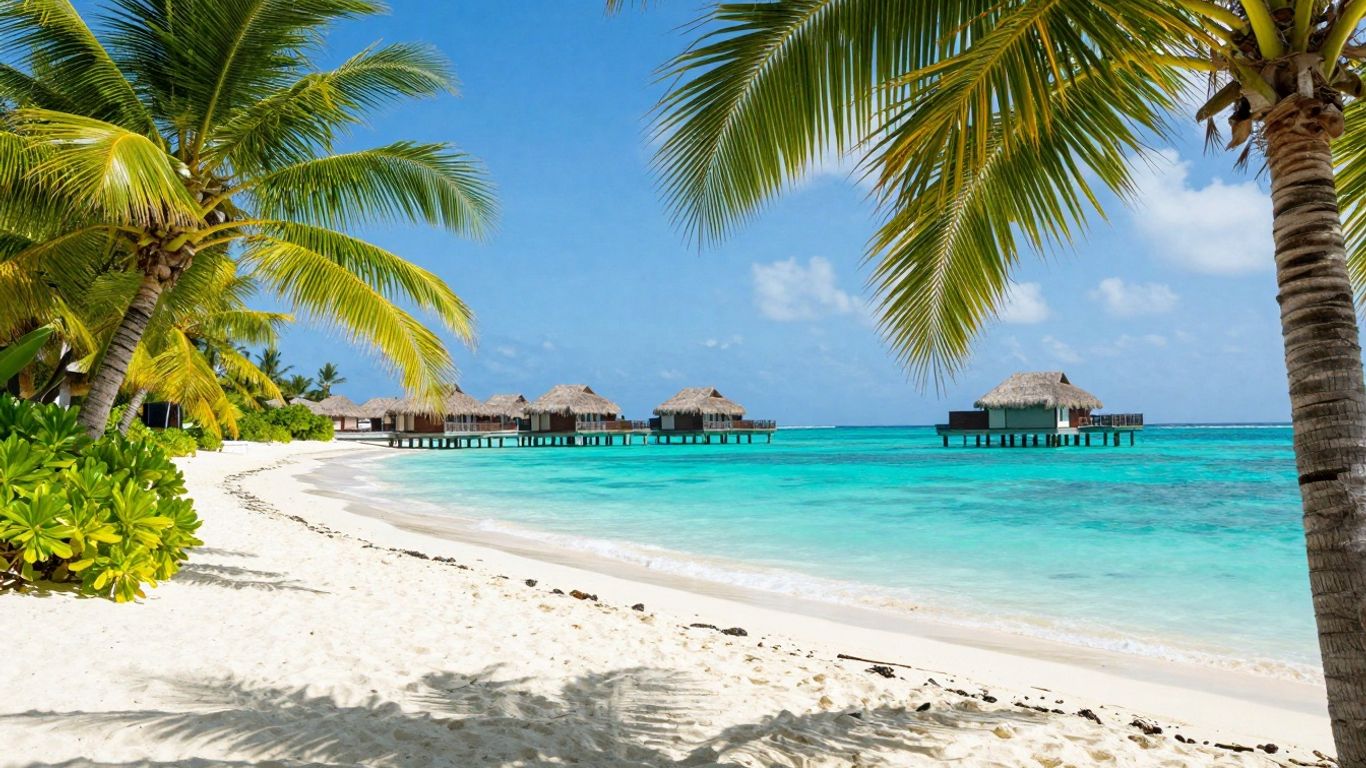
Thinking about a trip to Fiji? Beyond the amazing beaches and clear blue water, this place has some seriously cool festivals. It’s a great way to get a feel for the local vibe and see what makes Fiji so special. If you want to experience the real Fiji, checking out the Fiji festival calendar is a must. It’s where you’ll find the heart of the islands, with music, food, and traditions that have been around for ages. Seriously, don’t just stick to the resorts; these events are where the magic happens.
Key Takeaways
Fiji Day celebrates the country’s independence with nationwide festivities, parades, and community events, offering a look into national pride.
The Bula Festival in Nadi embodies Fiji’s welcoming spirit with pageants, parades, and lively entertainment, showcasing the diverse cultures that make up the islands.
Diwali, a major holiday influenced by India’s heritage, is celebrated with lights and gift-giving, marking a time of new beginnings for many Fijians.
The Hibiscus Festival in Suva is a huge cultural event featuring music, dance, food, and the popular Miss Hibiscus pageant.
Experiencing traditional Meke performances and Kava ceremonies offers a direct connection to Fiji’s rich cultural heritage and social customs.
Embrace Fiji’s Rich Cultural Tapestry
Fiji isn’t just about stunning beaches and crystal-clear waters; it’s a place where traditions run deep and vibrant celebrations paint the islands with color and life. The culture here is a fascinating blend, shaped by the original Melanesian settlers and later influences from India, Europe, and other parts of Asia. This mix creates a unique cultural landscape that’s best experienced firsthand through its many festivals and ceremonies. Understanding these events offers a genuine window into the heart of Fijian life.
Discovering the Diverse Influences on Fijian Celebrations
Fiji’s cultural mosaic is one of its most captivating features. While the Melanesian roots are strong, the significant Indian population has brought its own rich traditions, most notably visible during festivals like Diwali. You’ll also find echoes of European colonial history and smaller communities from other Asian countries, all contributing to the diverse celebrations you might encounter. This blend means that a single festival can sometimes incorporate elements from various traditions, making each experience unique.
Melanesian Heritage: The foundation of Fijian culture, evident in traditional dances (meke) and social customs.
Indian Influence: Brought vibrant festivals like Diwali, influencing food, music, and religious observances.
Other Contributions: Smaller communities add their own unique flavors to the overall cultural mix.
Understanding the Significance of Festivals in Fijian Life
In Fiji, festivals are more than just holidays; they are vital threads in the social fabric. They serve as important occasions for community bonding, passing down traditions, and celebrating key moments in history or the agricultural calendar. For visitors, attending a festival is a chance to witness the genuine warmth and spirit of the Fijian people. It’s an opportunity to connect with locals on a deeper level, moving beyond the typical tourist experience. These gatherings often involve communal meals, music, dance, and storytelling, providing a rich, immersive experience.
Festivals are the heartbeat of Fijian society, bringing people together to share joy, remember their past, and look forward to the future. They are a living expression of the islanders’ values and way of life.
Planning Your Visit Around Key Fijian Festival Dates
To truly make the most of your trip, consider timing your visit to coincide with some of Fiji’s major festivals. This can transform a good vacation into an unforgettable cultural adventure. While the exact dates can vary slightly each year, some key events are consistent.
Planning ahead allows you to book accommodations and flights more easily, especially during popular festival periods. It also gives you time to research specific events within each festival that might interest you most, whether it’s a traditional meke performance or a local market.
The Historical Significance of Fiji Day
It’s a day where the country really comes together to remember that journey and celebrate the diverse mix of people that make up modern Fiji. Think of it as a big national birthday party, but with a lot more parades and speeches.
Experiencing Nationwide Festivities and Local Observances
Across the islands, Fiji Day isn’t just one big event; it’s a whole vibe. You’ll see flag-raising ceremonies happening everywhere, from big cities to small villages. Schools often put on special programs, and communities gather for picnics and get-togethers. It’s a chance for everyone to feel that sense of national pride and connection.
Immersing Yourself in Parades, Performances, and Community Gatherings
The main towns, especially Suva and Lautoka, come alive with parades featuring marching bands, cultural groups in traditional dress, and sometimes even military displays. Beyond the official events, you’ll find local music filling the air, people sharing food, and a general atmosphere of relaxed celebration. It’s a fantastic opportunity to witness the heart of Fijian culture and community spirit firsthand.
Fiji Day offers a genuine glimpse into the nation’s identity, blending historical reflection with vibrant, present-day cultural expression. It’s a day that truly showcases the unity and pride of the Fijian people.
Understanding the Meaning of Bula’ in Fijian Culture
The word "Bula" is more than just a greeting in Fiji; it’s a feeling, a way of life. It translates to "hello" and "welcome," but it carries a much deeper sense of well-being and life. It’s a time when the islands extend their warmest embrace to everyone, making visitors feel instantly at home.
Exploring Pageants, Parades, and Lively Entertainment
The festival is a fantastic platform for showcasing local talent and promoting tourism. You can expect a week filled with:
Pageants: Witness the crowning of the Bula Festival Queen, a highlight that celebrates beauty, intelligence, and community involvement.
Parades: Colorful floats, marching bands, and local groups fill the streets, creating a lively spectacle.
Live Performances: Enjoy traditional Fijian music and dance, alongside contemporary entertainment that keeps the energy high.
Food Stalls: Sample a variety of local delicacies and Pacific fare.
Community Events: Various sports and games often feature, bringing people together for friendly competition.
The festival is a true reflection of Fiji’s diverse cultural makeup and its commitment to celebrating together.
Experiencing the Warm Hospitality of the Fijian People
What truly sets the Bula Festival apart is the genuine warmth and hospitality you’ll encounter. It’s an opportunity to connect with locals, share in their joy, and experience firsthand the "Bula" spirit that defines Fiji. The entire event is designed to make everyone feel included and celebrated, making it a memorable part of any visit to the islands.
The Bula Festival is a week-long celebration that perfectly captures the essence of Fijian culture: a blend of tradition, community spirit, and an infectious sense of welcome. It’s a chance to see the islands come alive with music, dance, and a whole lot of smiles.
The Influence of Indian Heritage on Fijian Traditions
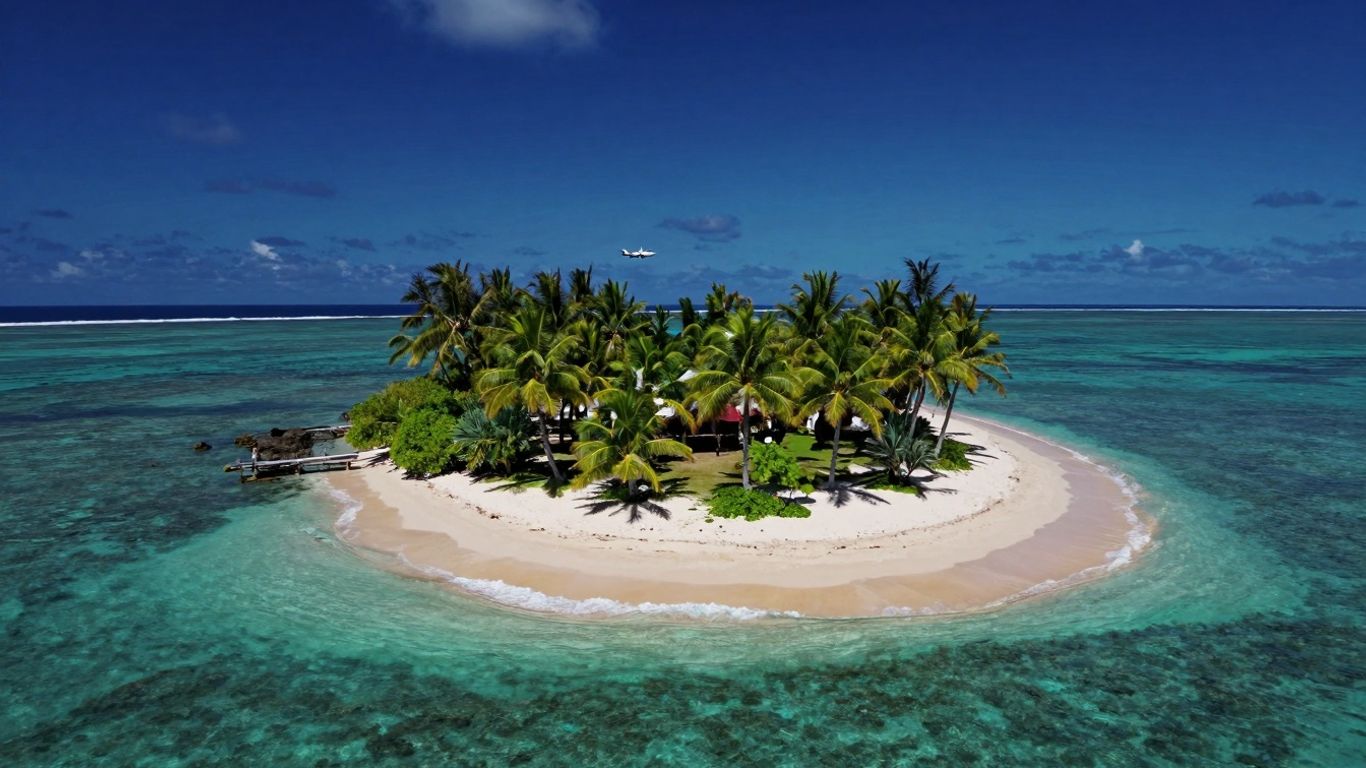
Diwali, often called the "Festival of Lights," is a really significant celebration in Fiji, showing just how much Indian culture has woven itself into the fabric of the islands. It’s not just for the Hindu community; many Fijians, regardless of their background, join in the festivities. This widespread participation is a testament to Fiji’s unique multicultural identity, and it’s even a public holiday, which tells you something about its importance. The holiday honors Lakshmi, the goddess of wealth and prosperity, and it’s a time for new beginnings and a fresh start.
Celebrating the Divinity of Wealth and Prosperity
As the sun sets, homes across Fiji begin to glow. People light up their houses with countless small clay lamps called diyas’ and other lanterns. This isn’t just for decoration; it’s a symbolic act, welcoming the goddess Lakshmi and inviting good fortune and prosperity into the home for the coming year. It’s a beautiful sight, seeing entire neighborhoods illuminated, creating a warm and inviting atmosphere. Families often clean and redecorate their homes beforehand, symbolizing a purification and a readiness to welcome abundance.
Observing the Lighting of Homes and Sharing of Gifts
The core of Diwali in Fiji involves a few key traditions. Homes are meticulously cleaned and often adorned with colorful rangoli patterns made from colored powders or flowers. The lighting of diyas and lanterns is a central ritual, creating a magical ambiance.
Preparation: Homes are cleaned and decorated.
Lighting: Diyas and lanterns are lit to welcome Lakshmi.
Offerings: Prayers and offerings are made to the goddess.
Sharing: Sweet treats and gifts are exchanged among family and friends.
The exchange of sweets and gifts is a big part of Diwali, strengthening bonds between family members and friends. It’s a time for generosity and sharing joy, making everyone feel connected and appreciated. This act of giving reinforces the spirit of community and goodwill that the festival promotes.
Hibiscus Festival: Suva’s Premier Cultural Extravaganza
If you want to get a real feel for Fiji’s vibrant spirit and the warmth of its people, the Hibiscus Festival in Suva is the place to be. Think of it as Suva’s main party of the year, a fantastic mix of local culture, fun, and community spirit.
Experiencing the Heart of Fijian Cheerfulness in Suva
The festival takes over the capital city, turning it into a hub of activity. It’s a chance to see Fiji at its most lively and welcoming. You’ll find people from all walks of life coming together, sharing smiles and enjoying the festive atmosphere. It’s a genuine showcase of what makes Fiji so special – its people.
Sampling Pacific Fare Amidst Music, Dance, and Rides
Get ready for a feast for the senses! The festival grounds are packed with food stalls offering all sorts of delicious Pacific dishes. You can try local favorites, from fresh seafood to traditional root vegetables, all prepared with that distinct Fijian flair. Beyond the food, there’s a constant buzz of music and dance performances, showcasing traditional and contemporary Fijian arts. For families, there are usually rides and games, adding to the carnival-like feel. It’s a full-on entertainment experience.
Witnessing the Crowning of Miss Hibiscus
A major highlight of the festival is the Miss Hibiscus pageant. This isn’t just about beauty; it’s a competition that celebrates intelligence, talent, and a deep connection to Fijian culture. Young women from different communities participate, presenting themselves and their heritage with pride. The crowning of Miss Hibiscus is the grand finale, marking the culmination of the week’s events and celebrating a new ambassador for the festival and the spirit of Fiji.
Exploring the Ancient Custom of Fire Walking
This festival is a really striking display of devotion, rooted in ancient South Indian traditions that have found a unique home in Fiji. It centers around the practice of fire walking, where participants walk barefoot across a pit filled with hot embers. It’s not just a casual stroll; it’s a deeply spiritual act. The whole event is quite a sight, with the glowing coals and the determined faces of those taking part. It’s a powerful reminder of the diverse cultural threads woven into Fiji’s fabric.
Understanding the Significance at Mariamma Temple
The main venue for this intense ritual is often the Mariamma Temple, particularly along the Coral Coast. Mariamma is a Hindu goddess, often associated with protection and healing, and this festival is a way for devotees to show their faith and seek her blessings. It’s believed that by successfully walking across the fire, participants can purify themselves and demonstrate their unwavering belief. The temple becomes a focal point for the community during this time, buzzing with activity and a palpable sense of spiritual energy.
Witnessing Devotion on the Coral Coast
Attending the South Indian Fire Walking Festival offers a chance to witness a profound act of faith firsthand. It’s a tradition that requires significant preparation from the participants. Before the main event, they often undergo a period of fasting, prayer, and other forms of spiritual discipline. This dedication is part of what makes the spectacle so compelling. It’s a chance to see a different side of Fijian culture, one that highlights the deep spiritual connections many people maintain. The atmosphere is charged with anticipation and reverence, making it a memorable experience for anyone who witnesses it.
Discovering Rotuma’s Distinct Cultural Identity
While Rotuma is politically part of Fiji, its people hold onto a heritage that feels distinctly Polynesian. This island group, located north of the main Fijian islands, has its own language, customs, and a history deeply connected to other Pacific cultures. The Fara Festival is a prime example of this unique identity, a celebration that truly sets Rotuma apart.
Experiencing House-to-House Entertainment
The Fara Festival is unlike many other celebrations you might encounter. Instead of a single large gathering, it’s a vibrant, mobile event. Groups of performers – musicians, singers, and dancers – make their way from one household to another. They share their talents, bringing music and merriment directly to the people. It’s a wonderfully inclusive way to celebrate, where the performers actively invite the residents to join in the festivities. This intimate, community-focused approach is what makes Fara so special.
Engaging with Polynesian Traditions
Attending the Fara Festival offers a genuine glimpse into Rotuman life and its Polynesian roots. You’ll witness traditional songs and dances that tell stories and celebrate community bonds. It’s a chance to see how these ancient traditions are kept alive and shared with enthusiasm. The spirit of Fara’ is one of shared joy and cultural pride, making it a memorable experience for anyone lucky enough to be there.
Seasonal Wonders: Whale Watching and Fishing Tournaments
Beyond the scheduled festivals, Fiji offers incredible natural spectacles that draw visitors at specific times of the year. If you’re looking to connect with the ocean and its magnificent inhabitants, timing your visit around these seasonal events can be incredibly rewarding.
Witnessing Humpback Whales in Their Natural Habitat
These gentle giants migrate through the islands, and spotting them is a truly breathtaking experience. The waters off Viti Levu and the Mamanuca Islands are particularly good spots for sightings. Local tour operators run boat trips specifically for whale watching, giving you a chance to see these incredible creatures breach and play. It’s a fantastic way to appreciate Fiji’s marine life and the importance of conservation efforts.
Participating in or Spectating Thrilling Fishing Competitions
Fiji’s abundant seas make it a prime destination for fishing enthusiasts. The Fiji International Game Fishing Tournament is a major event, attracting anglers from all over. But there are also smaller, local competitions happening on islands like Viti Levu and Vanua Levu. Whether you’re an experienced angler looking to cast a line or just want to soak up the competitive atmosphere from the shore, these events are quite lively. Many resorts and tour providers can arrange fishing trips and equipment if you’re keen to join in.
Connecting with Fiji’s Marine Life and Natural Beauty
These seasonal activities offer a different kind of immersion into Fijian life. It’s less about structured celebrations and more about experiencing the raw beauty of the islands and the ocean. You get to see a different side of Fiji, one that’s deeply connected to its natural environment. It’s a chance to witness nature’s grandeur firsthand and perhaps even participate in activities that have been part of island life for generations.
Engaging with these natural events provides a unique perspective on Fiji, highlighting its stunning marine ecosystems and the traditions that surround them. It’s an opportunity to witness incredible wildlife and experience the thrill of ocean-based sports in a truly spectacular setting.
Experiencing Traditional Fijian Dance and Storytelling
When you think about Fiji, you might picture pristine beaches and clear blue waters, but there’s so much more to explore. For a real taste of the islands, you’ve got to check out the Meke. It’s not just a dance; it’s like watching a story unfold right before your eyes. Dancers, dressed in traditional outfits, move to the rhythm of drums and chants, telling tales of ancient legends, epic battles, and important village events. Each performance is a vibrant display of Fijian history and artistry. You can often catch these performances at resorts or cultural centers, especially around Nadi and Suva. It’s a fantastic way to connect with the local culture on a deeper level.
Participating in the Rituals of a Kava Ceremony
Next up is the Kava ceremony, or Yaqona’ as it’s known locally. This is a really important social ritual in Fiji. It’s all about community, respect, and welcoming guests. The drink itself is made from the root of a pepper plant and has a bit of a calming effect. The ceremony has a specific flow: the kava is prepared, then served from a central bowl, usually to the chief guest first. It’s customary to clap once before receiving your cup and three times after you drink. Participating in a Kava ceremony is a genuine way to experience Fijian hospitality and connect with the people. It’s less about the taste of the drink and more about the shared moment and the sense of togetherness it creates.
Deepening Your Understanding of Fijian Heritage
Beyond the Meke and Kava, Fiji’s cultural heritage is rich with other traditions. You’ll find local markets buzzing with activity, where artisans sell beautiful handmade crafts like wood carvings and woven mats. These aren’t just souvenirs; they often carry stories and cultural significance. Engaging with these traditions, whether it’s watching a Meke, sharing a cup of Kava, or admiring local crafts, offers a more complete picture of life in Fiji. It’s about experiencing the warmth and spirit of the islands firsthand.
Engaging with these cultural practices provides a unique window into the heart of Fijian life. It’s an opportunity to learn, connect, and appreciate the traditions that have been passed down through generations.
Your Fijian Adventure Awaits
So, there you have it – a peek into the lively celebrations that make Fiji so special. From the explosion of color at Holi to the national pride of Fiji Day and the welcoming spirit of the Bula Festival, these events offer a real chance to connect with the islands and their people. Planning your trip around one of these festivals can really make your visit unforgettable. It’s more than just seeing the sights; it’s about feeling the rhythm of Fijian life. So, pack your bags, keep an eye on the festival calendar, and get ready for an amazing time in paradise.
What are the main festivals celebrated in Fiji?
Fiji has many exciting festivals! Some of the big ones include Fiji Day, which celebrates the country’s independence. There’s also the Bula Festival, known for its welcoming spirit and fun events. Don’t miss Diwali, the festival of lights, and the Hibiscus Festival in Suva, a huge cultural party. For something unique, check out the South Indian Fire Walking Festival and the Rotuma Fara Festival.
When is the best time of year to visit Fiji for festivals?
The weather is usually great for outdoor events during these months. However, different festivals happen at different times, so it’s a good idea to check a festival calendar before you plan your trip.
Are there any festivals that show Fiji’s different cultural influences?
Absolutely! Fiji is a mix of many cultures. Diwali shows the strong Indian influence with its lights and celebrations. The Bula Festival is all about welcoming everyone and showcasing the different groups that make up Fiji. You’ll see how various traditions come together in many celebrations.
What is the Hibiscus Festival like?
The Hibiscus Festival is Suva’s biggest cultural party! It’s full of energy with music, dancing, and lots of delicious food to try. There are also fun rides and competitions. A highlight is the crowning of Miss Hibiscus, which is a big event.
What happens during Fiji Day?
Across the country, you’ll see parades, listen to speeches, and join in community gatherings. It’s a day where everyone celebrates being Fijian and comes together with pride.
What is special about the Rotuma Fara Festival?
Rotuma is a special island with its own unique Polynesian culture. The Fara Festival is a really cool tradition where singers, musicians, and dancers go from house to house to share their performances and include everyone in the celebration. It’s a very personal and lively way to experience their culture.
Are there festivals related to nature or sports?
Yes! There are also exciting fishing tournaments held throughout the year, attracting anglers from all over. These events let you connect with Fiji’s amazing natural beauty.
How can I learn more about local events?
To find out about specific events happening during your visit, the best places to look are the official Fiji tourism website or local tourism offices. Your hotel might also have brochures or information.
Confirm current details
Confirm current schedules, prices, availability, conditions and local guidance directly with the responsible official source or provider before making a nonrefundable plan.