Planning a trip to Fiji and wondering what to do in its capital city? Suva might not be the first place that comes to mind when you think of Fiji, but this bustling city on the southeastern coast of Viti Levu has its own charm. It’s a place where history meets everyday life, and there are some interesting spots to check out. If you’re looking for a bit of culture, a taste of local life, or just a nice place to wander, this Fiji Suva city guide will point you in the right direction.
Key Takeaways
Visit the Fiji Museum to learn about the island’s history and see artifacts like the rudder from The Bounty.
Take a relaxing stroll through Thurston Gardens, a beautiful botanical garden with a historic clock tower.
Explore Albert Park, a green space used for sports and notable for an emergency landing by an early aviator.
Wander through the Suva Municipal Market to see local produce, seafood, and flowers.
Shop for souvenirs at the Municipal Handicraft Centre located along Stinson Parade.
1. Fiji Museum
Right in the heart of Suva, nestled within the beautiful Thurston Gardens, you’ll find the Fiji Museum. It’s a place where the islands’ past really comes to life. This museum is your best bet for understanding Fiji’s unique history and culture.
Inside, you can see some pretty interesting artifacts. There’s the rudder from the famous HMS Bounty, a reminder of that dramatic mutiny. They also have a display featuring the shoe of a Methodist missionary – a somber but fascinating piece of history. And if you’re looking for something a bit more unusual, keep an eye out for the traditional puffer fish hats; they’re quite the statement piece!
The museum is open every day, usually from 9 am to 4:30 pm. For international visitors, there’s a small entry fee, which is a pretty good deal for the insights you gain.
Here’s a quick look at what you might find:
Artifacts from Fiji’s colonial past
Traditional Fijian crafts and tools
Exhibits on the islands’ natural history
Visiting the Fiji Museum offers a clear window into the nation’s journey, from its earliest inhabitants to its more recent historical events. It’s a quiet spot to learn and reflect.
There’s also a cafe on-site, Ginger Kitchen, which offers nice views over the gardens if you need a break.
2. Thurston Gardens
Right next to the Fiji Museum, you’ll find Thurston Gardens, a lovely spot that feels like a step back in time. These aren’t just any gardens; they’re actually built on the site of the original Suva town, which has quite a dramatic history – it was burned down way back in 1843.
The gardens themselves are a beautiful example of Victorian landscaping, offering a peaceful escape from the city bustle. You can wander through the lush greenery, admire the colorful flowers, and just take a moment to breathe. It’s a great place to have a relaxed picnic or simply enjoy a quiet stroll.
Keep an eye out for the old Clock Tower and the Bandstand, which were put up in 1918 to celebrate the first Mayor of Suva. It’s a nice touch that connects the present-day beauty with the city’s past. If you get peckish, the museum cafe, Ginger Kitchen, has a nice view over the gardens, so you can grab a bite without leaving the peaceful atmosphere.
3. Albert Park
Just across the road from the lush Thurston Gardens, you’ll find Albert Park. This isn’t just any patch of green; it’s a significant spot in Suva, often buzzing with local sports activities. It’s where Fiji’s national cricket teams play, so you might catch a game if you time your visit right. The park is also bordered by some important buildings, including the Parliament of Fiji and the historic Grand Pacific Hotel, giving it a real sense of civic importance.
Albert Park holds a unique place in aviation history. It was here, back in 1928, that aviator Charles Kingsford Smith made an emergency landing during his groundbreaking first trans-Pacific flight from the USA to Australia. Imagine the scene – a pioneering aircraft touching down on this very field!
Here’s a quick look at what makes Albert Park notable:
Sporting Hub: Home to national cricket teams and other local sporting events.
Historical Significance: Site of Charles Kingsford Smith’s emergency landing in 1928.
Architectural Surroundings: Adjacent to key government buildings and the iconic Grand Pacific Hotel.
It’s a great place to take a break, watch some local life unfold, and soak in a bit of Suva’s history and atmosphere.
4. Holy Trinity Cathedral
Standing as Suva’s Anglican cathedral, Holy Trinity Cathedral has a history dating back to the 1950s. While its design by a government architect on a limited budget might not be the most striking, the building is set within a pleasant garden featuring native plants.
Inside, the cathedral is noted for its unique boat-shaped interior, a distinctive architectural feature. It serves as a place of worship and a quiet spot amidst the city’s bustle.
The cathedral’s architecture, though modest, reflects a period of careful planning and resource management, offering a glimpse into the past.
Key features:
Anglican place of worship
1950s architectural style
Native plant gardens
Boat-shaped interior design
5. Sacred Heart Cathedral
Standing as one of Suva’s older and more significant structures, the Sacred Heart Cathedral is a testament to enduring craftsmanship. Its construction spanned an entire century, beginning in 1894 and finally concluding in 1994. The cathedral is built from sandstone that was brought over from Australia, giving it a distinct and solid presence in the city.
Inside, the cathedral is richly decorated, featuring some truly impressive stained glass windows that catch the light beautifully.
While you’re exploring the grounds, you might notice the Tree of Knowledge.’ It’s a unique feature, though its distinction from other trees is a bit of a local mystery.
The cathedral’s long construction period highlights a dedication to its creation, resulting in a landmark that has graced Suva for many years.
6. Ivi Triangle
Right in the middle of Suva, you’ll find a spot called the Ivi Triangle. It’s basically the symbolic heart of the city, and it gets its name from a big, old ivi tree that stands there. It’s a nice place to just pause for a bit.
Underneath the tree, there’s a marker that points out some really important dates in Fiji’s history. Think things like when the first missionaries arrived or when Suva officially became the capital. It’s a quiet little corner that gives you a quick history lesson without even trying.
This intersection is more than just a crossroads; it’s a quiet spot where the city’s past is marked for all to see.
It’s a simple spot, really. You won’t find a lot of hustle and bustle here, which is kind of the point. It’s a place to catch your breath, maybe check out the marker, and then continue on your way. It’s a small but meaningful part of Suva’s urban landscape.
7. Suva Municipal Market
If you want to get a real feel for local life in Suva, you absolutely have to check out the Municipal Market. It’s not just a place to grab some groceries; it’s a vibrant hub where you can see, smell, and taste the heart of Fiji.
This is where locals come to buy and sell everything from fresh produce to handcrafted goods. You’ll find piles of colorful fruits like mangoes, papayas, and pineapples, alongside heaps of root vegetables such as taro and cassava. The air is usually buzzing with activity, with vendors calling out their prices and shoppers haggling good-naturedly.
Here’s a little taste of what you can expect:
Fresh Fruits and Vegetables: Seasonal produce is abundant, offering a true snapshot of what’s growing in Fiji.
Seafood: Depending on the day’s catch, you might find a variety of fish and other seafood.
Local Delicacies: Keep an eye out for traditional Fijian snacks and ingredients.
Flowers: Brightly colored tropical flowers are often available, adding to the market’s visual appeal.
It’s a fantastic spot to pick up some snacks for a picnic or ingredients if you’re staying somewhere with a kitchen. Just be prepared for a lively atmosphere – it’s all part of the experience!
8. Stinson Parade
Stinson Parade offers a pleasant, breezy walk right along Suva’s waterfront. It stretches for about a kilometer, connecting the bustling Suva Municipal Market to the Olympic Pool. This is a great spot to get a feel for the city’s connection to the sea. You’ll often see locals enjoying the view, and it’s a nice place to just slow down for a bit.
As you stroll, you’ll notice the sea wall protecting the city, and on one side, you’ll have views of the harbor. It’s not a long walk, but it’s a refreshing change of pace from the busier parts of the city.
Stinson Parade provides a simple yet enjoyable way to experience Suva’s coastal charm, offering a clear view of the harbor and a connection to the daily life of the city.
Towards the northern end of Stinson Parade, you’ll find the Municipal Handicraft Centre, a good place to pick up some souvenirs. It’s convenient to combine a visit to the market with a walk along the parade and a browse for local crafts.
9. Municipal Handicraft Centre
Right along the northern stretch of Stinson Parade, you’ll find the Municipal Handicraft Centre. This is the spot to pick up those all-important souvenirs to remember your trip to Suva. It’s a great place to find authentic Fijian crafts and gifts.
Inside, you can browse a variety of items, often made by local artisans. Think woven baskets, wooden carvings, shell jewelry, and perhaps some colorful textiles. It’s a good place to get a feel for local craftsmanship and find something unique to take home.
Woven Goods: Look for intricately designed mats, baskets, and fans.
Carved Items: Wooden bowls, figures, and decorative pieces.
Jewelry: Necklaces and bracelets made from shells and seeds.
Textiles: Traditional sulus (sarongs) and other fabric items.
It’s worth remembering that prices can vary, and sometimes a bit of friendly bargaining is part of the experience, though not always expected. It’s a good idea to compare a few stalls if you can, just to get a sense of what’s available and at what price point.
This center is a convenient stop after a walk along Stinson Parade, offering a direct way to support local craftspeople and bring a piece of Fiji back with you.
10. Ratu Sukuna Park
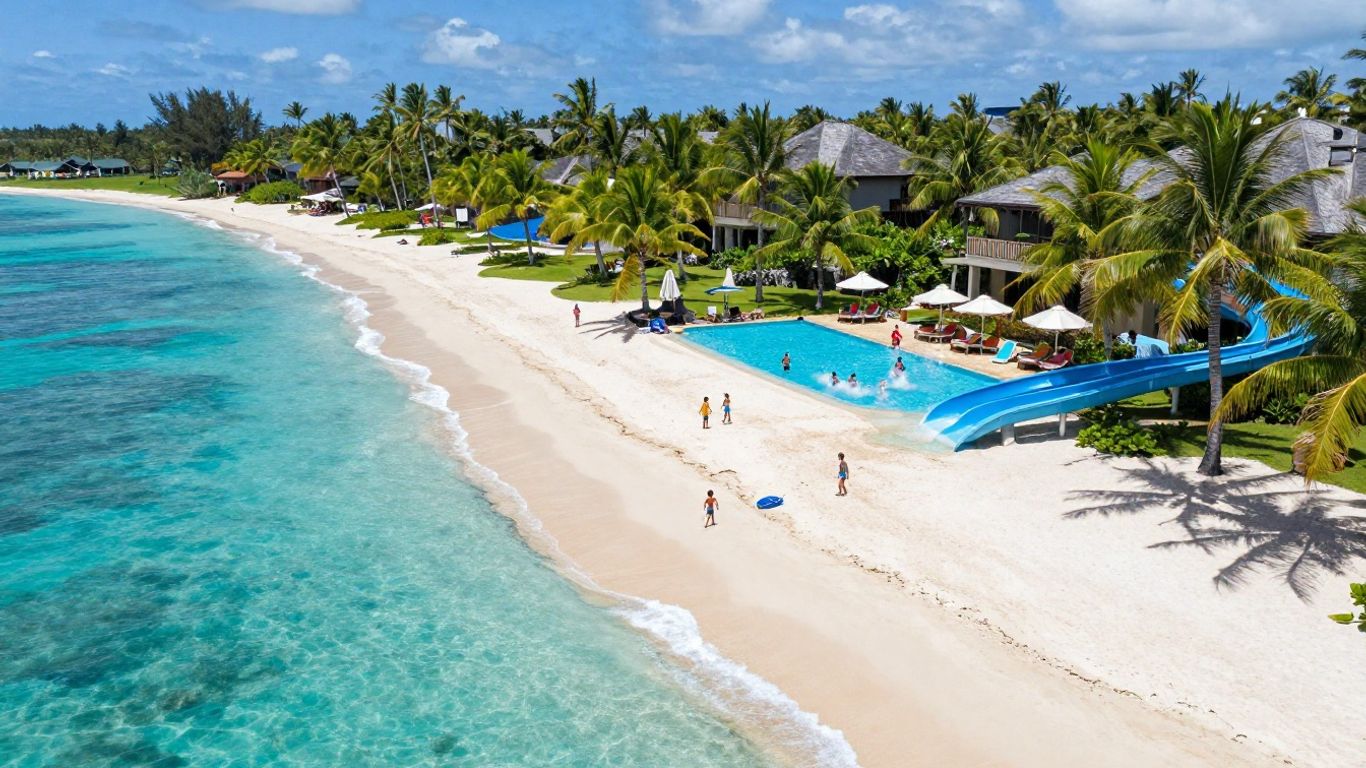
Tucked away at the southern end of Stinson Parade, Ratu Sukuna Park offers a pleasant spot to unwind with views of the harbor. It’s a green space dotted with trees and flower beds, and you’ll often find local vendors selling souvenirs here.
This park is a nice place to take a break from exploring the city.
While not as grand as some of Suva’s other attractions, Ratu Sukuna Park provides a tranquil setting. It’s a good place to sit for a while, perhaps enjoy a snack, and watch the world go by.
Here’s what you might find at Ratu Sukuna Park:
Shaded areas under trees
Colorful flower beds
Opportunities to purchase local crafts
Ratu Sukuna Park is a simple yet charming addition to Suva’s waterfront, offering a quiet corner for reflection and a touch of local commerce.
Your Suva Adventure Awaits
So, there you have it – a glimpse into what makes Suva, Fiji’s capital, a place worth exploring. From its historical roots and cultural treasures at the museum to the simple pleasures of its parks and markets, Suva offers a different kind of Fijian experience. It might not be the typical beach resort, but its unique blend of city life and island charm provides a genuine look at the nation’s heart. Whether you’re here for a day or longer, take the time to wander, discover, and soak in the local atmosphere. You might just find yourself surprised by what this vibrant capital has to offer.
What is Suva known for?
Suva, the capital of Fiji, is a lively city on the island of Viti Levu. It’s a great spot to explore Fiji’s history and culture. You can visit interesting museums, relax in beautiful gardens, check out local markets, and see important buildings like cathedrals.
How do I get to Suva?
Suva is located on the southeastern coast of Viti Levu, Fiji’s largest island. The closest airport is in Nadi, which is about a 120-mile drive away. You can rent a car or take a bus along Queen’s Road to reach Suva.
Is Suva easy to get around?
Yes, Suva is quite small and can be explored on foot. However, it can get hot, and if you visit during the rainy season (November to April), be prepared for possible rain showers. You might want to park your car and walk in smaller loops.
What are the main attractions in Suva?
Some of the top places to visit include the Fiji Museum for history, Thurston Gardens for a peaceful walk, Albert Park for sports and history, and the Holy Trinity Cathedral and Sacred Heart Cathedral for their architecture. Don’t miss the Suva Municipal Market for local goods and the Municipal Handicraft Centre for souvenirs.
What can I see at the Fiji Museum?
The Fiji Museum has fascinating exhibits that tell the story of the country’s past. You can see historical artifacts, like the rudder from the famous Bounty ship, and learn about Fiji’s unique traditions.
What is special about Thurston Gardens?
Thurston Gardens are beautiful botanical gardens with a historic clock tower and bandstand. They are located on the site of the original Suva town and offer a lovely place to relax and enjoy nature. The Fiji Museum is also located here.
Where can I buy local crafts and souvenirs in Suva?
For souvenirs, head to the Municipal Handicraft Centre, which is located along Stinson Parade. You can also find various local items and fresh produce at the Suva Municipal Market.
What is the Ivi Triangle?
The Ivi Triangle is a central spot in Suva, named after an ancient ivi’ tree that grows there. It’s a symbolic heart of the city and has a marker showing important dates in Fijian history.