Travel guide
A good Fiji souvenir can be a useful reminder of a trip and a way to support makers, but it should not be treated as a rushed airport purchase or a reason to pressure a local artist. Start with something you genuinely value, ask about its materials and maker, and leave room in your luggage for a careful return journey.
Look for locally made work
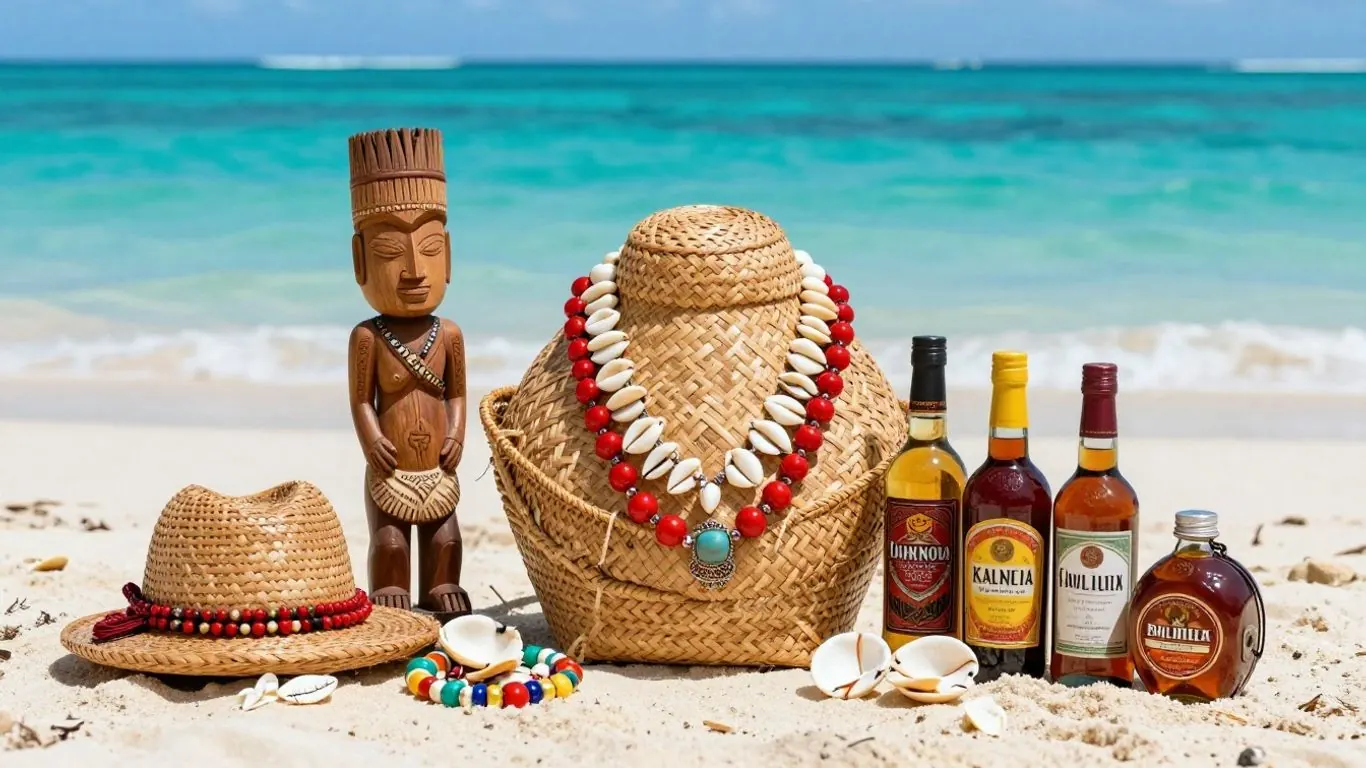
Tourism Fiji highlights Fijian handicrafts such as woven pieces, carved items, shell work and printed masi. A respectful approach is to ask the seller about the item, its materials and how it should be handled, rather than assuming every object carries the same cultural meaning or travel restriction.

Shop without pressure
Take time to compare an item, understand the price and decide whether it is right for you. Tourism Fiji advises travellers to be cautious about unsolicited street approaches and not to feel pressured into a purchase. A polite no is enough when an offer does not feel right.

Plan for transport and border rules
Items made from natural materials, including wood, shells and plants, may need to be declared or may be subject to the requirements of the country you are entering. Tourism Fiji recommends declaring relevant natural-material items and packing fragile carvings or woven goods carefully. Check your airline’s rules and the destination country’s current biosecurity and customs guidance before buying or travelling.
Choose quality over quantity
- Ask what an item is made from and how it was produced.
- Buy only when the seller and setting feel comfortable and transparent.
- Avoid claims that an object is rare, antique or culturally significant unless you can verify them.
- Keep receipts and pack fragile or flat items so they can travel safely.
- Check current airline, customs and biosecurity rules for the country you are entering.
Keep the experience respectful
The most useful souvenir is one you can enjoy without overclaiming its story. Buy with care, respect the maker’s work and use current official travel rules for the final decision about what can go home with you.
Common Fijian crafts
- Masi – bark cloth made from paper mulberry and printed with stencilled patterns; it packs flat but should be kept dry.
- Woven goods – mats, baskets and fans woven from pandanus leaves.
- Carvings – wooden bowls, including the tanoa used for kava, and replica clubs and other carved pieces.
- Shell and seed jewellery – check the materials before you buy.
Where to look
Town markets and handicraft markets give you the widest range and the chance to talk to makers or sellers, while resort shops are convenient but smaller. The Fiji shopping guide lists markets in Nadi, Lautoka, Sigatoka and Savusavu.
What to leave behind
Avoid turtle shell, coral and products from protected wildlife, which are restricted under Fijian law and international trade rules. Be wary of items sold as antique or ceremonial without any way to verify the claim.
Edible and natural-product gifts
Coconut oil, soaps, locally grown coffee and Fijian chocolate are popular, light gifts; see the cocoa tours guide if you want to see where the chocolate comes from. Liquids over the carry-on limit must go in checked luggage, and food, seeds, spices and kava can face import limits or declaration rules in your home country, so check before you buy in quantity.
Keep fragile items and receipts together so declarations at your home border are quick.
When to shop on your trip
Leave most souvenir shopping until later in the trip so fragile pieces do not have to survive every boat and small-plane transfer, but not so late that you are rushing at the airport.
Ask the seller what an item is made from so you can check whether it needs to be declared in the country you are entering, and wrap woven or carved pieces well.
Frequently asked questions
What kinds of handicrafts are made in Fiji?
Tourism Fiji highlights woven pieces, carvings, shell work and printed masi. Ask the seller about the materials and how to care for the item.
Can I take wooden or shell items home?
Often, but natural-material items may need to be declared or meet the rules of the country you are entering. Check that country’s current biosecurity and customs guidance.
How should I respond to pushy sellers?
A polite no is enough. Tourism Fiji advises caution with unsolicited street approaches, and you should never feel pressured to buy.