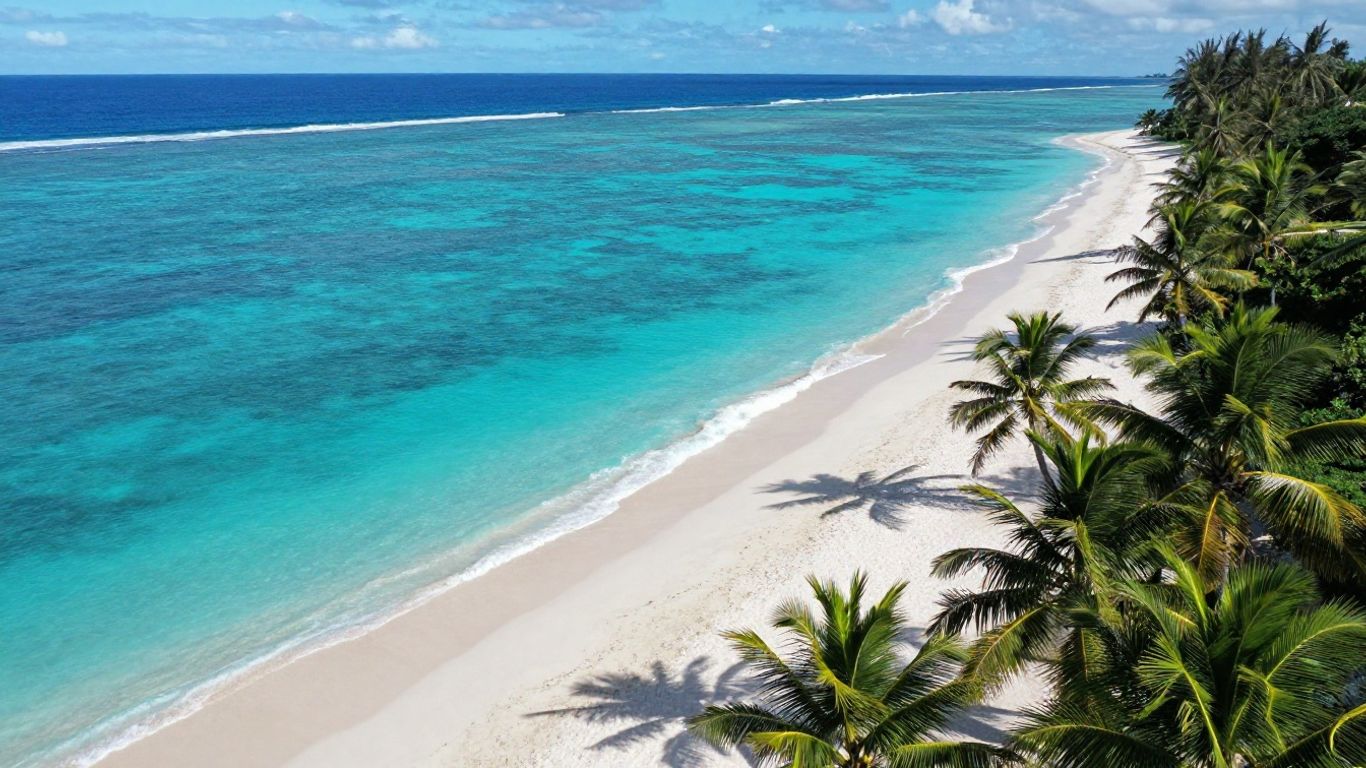
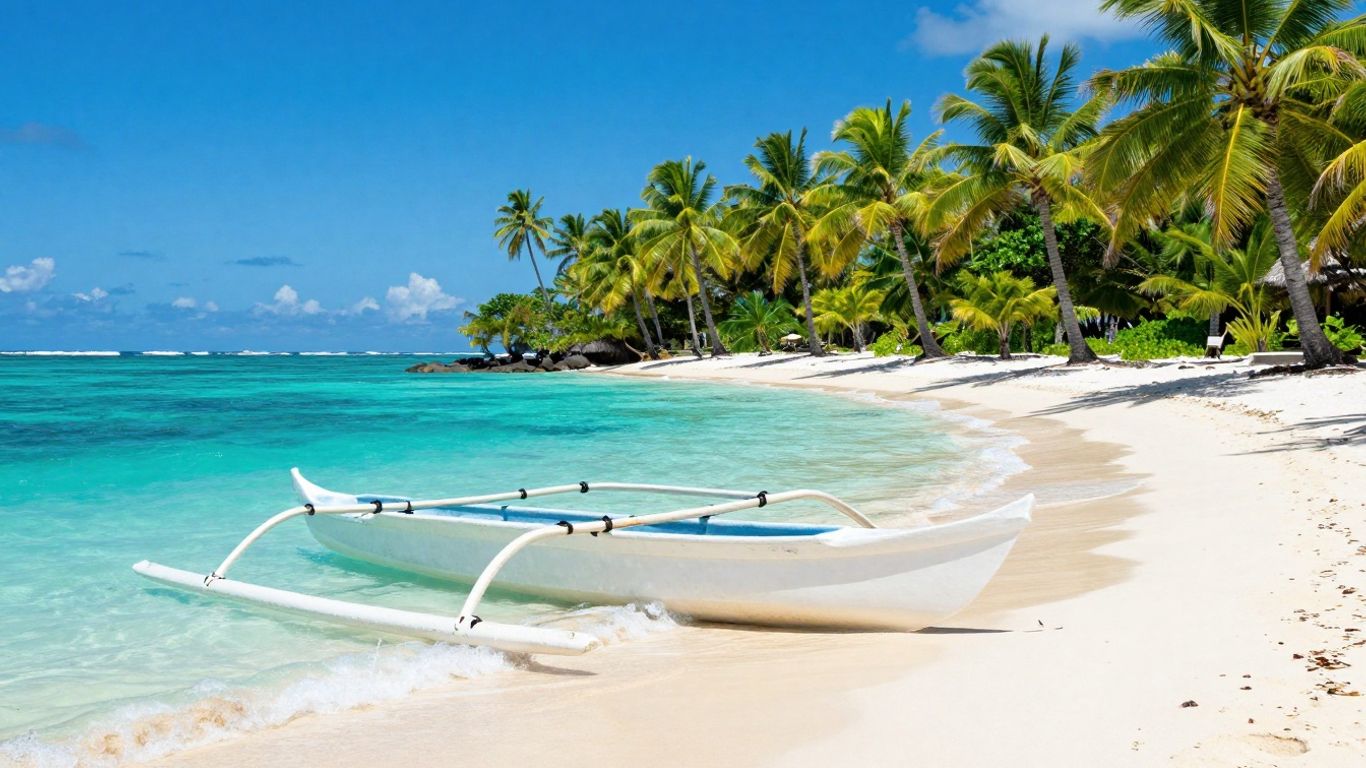
Thinking about a trip to Fiji? Beyond the beaches, there’s a sweet secret waiting to be discovered: cocoa farms. Imagine walking through lush green trees, learning how chocolate is made from the very beginning, and tasting the delicious results. This isn’t just a vacation; it’s a chance to connect with nature and enjoy some amazing treats. If you’re looking for a unique experience, consider adding Fiji cocoa tours to your itinerary.
Key Takeaways
KokoMana, located near Savusavu, offers immersive tours where you can see cocoa trees and learn about chocolate making.
The tours include a walk through a sustainable agroforest, understanding the bean-to-bar process, and a chocolate tasting.
Visitors can learn about KokoMana’s commitment to biodiversity and ethical sourcing practices.
Fiji cocoa tours provide an educational and sensory experience, highlighting the journey from cocoa pod to finished chocolate bar.
Booking in advance is recommended for these unique Fiji cocoa tours, which typically last around 1.5 to 2 hours.
Discover Fiji’s Cocoa Heritage
Fiji’s journey with cocoa is a story rooted in rich soil and a growing appreciation for quality. It’s more than just a crop; it’s a connection to the land and a testament to careful cultivation. This heritage is being actively shaped by farms that blend traditional practices with modern innovation, creating a unique space for cocoa in the Fijian landscape.
A Glimpse into KokoMana’s Agroforest
Imagine walking through a vibrant forest where cocoa trees don’t stand alone. KokoMana, located near Savusavu, has cultivated an agroforest that’s a living example of biodiversity. This isn’t just about growing cocoa; it’s about creating an ecosystem. Here, cocoa trees grow alongside a variety of other food trees and native plants. This mix isn’t accidental. It supports a healthy environment, attracting beneficial insects and birds that play a role in pollination and pest control. Even the farm’s feline residents contribute, helping to protect the ripening pods.
Sustainable Farming Practices
At the heart of Fiji’s cocoa story are the sustainable methods employed by its growers. These practices focus on working with nature, not against it. This means nurturing the soil, conserving water, and promoting a balanced ecosystem within the cocoa farms. It’s a long-term view, aiming to ensure that the land remains productive for generations to come. This approach also extends to the community, with a focus on fair labor and sourcing from local producers.
The Art of Bean to Bar
The transformation of a cocoa pod into a chocolate bar is a fascinating process, often referred to as bean to bar’. It’s a journey that requires patience and skill. From the careful fermentation and drying of the beans to the precise roasting and grinding, each step influences the final flavor. This meticulous process is where the art of chocolate making truly shines, turning a humble bean into a delightful treat.
Immersive Tree to Bar Experience
Ready to see where Fiji’s delicious chocolate begins? A tour at KokoMana offers a truly hands-on look at the entire cocoa journey. You’ll start right in the heart of their unique agroforest , a vibrant mix of cocoa trees and other tropical plants. It’s not just about cocoa; it’s a whole ecosystem buzzing with life. You’ll learn how this diverse planting helps the farm thrive naturally. The tour guides you through every step, from picking the ripe pods right off the trees to the final stages of chocolate making.
Understanding the Chocolate-Making Journey
Ever wondered what happens after the cocoa pod is harvested? KokoMana’s tour breaks down the magic. You’ll get to see and learn about:
Fermentation: How the beans develop their complex flavors.
Drying: Spreading the beans out to get them just right.
Roasting: Bringing out the deep cocoa notes.
Grinding: Turning roasted beans into liquid chocolate.
Tempering: The careful process that gives chocolate its smooth finish and satisfying snap.
It’s a fascinating blend of nature, science, and a good bit of artistry. You’ll even get to taste the sweet, fruity pulp directly from a fresh cocoa pod.
This isn’t just a walk through a farm; it’s an education in how thoughtful farming and careful craft come together to create something truly special. You’ll leave with a new appreciation for every bite of chocolate.
Guided Agroforest Exploration
The KokoMana agroforest is more than just a place where cocoa grows; it’s a carefully designed environment. During your exploration, you’ll discover:
Biodiversity: How over thirty different species of trees and plants grow alongside the cocoa.
Natural Pest Control: The role of beneficial insects and even the farm’s resident cats in protecting the crop.
Sustainable Practices: How this system supports a healthier environment and produces high-quality cocoa beans.
It’s a peaceful setting, just a short drive from Savusavu, where you can connect with nature and learn about responsible agriculture firsthand.
From Cocoa Pod to Chocolate Bar
Walking into KokoMana is like stepping into a chocolate lover’s dream. You get to see the whole process, right from the beginning. It all starts with the cocoa pods, which are colorful and hang from old trees in their special farm. These pods hold the beans that will eventually become chocolate. It’s pretty amazing to think about how something so delicious starts out in a fruit on a tree.
Witnessing the Craftsmanship
After seeing where the beans come from, you get to watch them being turned into chocolate. This isn’t a big factory operation; it’s done in small batches with a lot of care. You’ll see the beans being fermented, washed, and dried. Then comes the roasting, which brings out the flavor, followed by winnowing to remove the shells. The final steps involve grinding the beans into a paste and then tempering the chocolate. Watching the chocolate maker work their magic, especially when they temper the chocolate by hand on a stone table, is truly something special. It’s a mix of old techniques and a lot of skill.
Sensory Delights and Tastings
Of course, no visit is complete without tasting the final product. After learning all about how the chocolate is made, you get to sample KokoMana’s creations. They make dairy-free dark chocolate bars with interesting flavors like chili and sea salt. It’s a great way to experience the unique taste of Fijian cocoa and find a perfect souvenir to take home. You can really taste the difference that the careful process and local ingredients make.
Biodiversity in the Cocoa Agroforest
Fiji’s cocoa farms are more than just places where chocolate starts; they’re vibrant ecosystems. At KokoMana, for instance, cocoa trees aren’t grown in neat, lonely rows. Instead, they’re part of what’s called an agroforest. This means cocoa plants grow alongside many other types of trees and plants, like fruit trees and native species. This mix isn’t just for show. It creates a healthier environment for the cocoa. The variety of plants attracts different kinds of insects and birds. Many of these creatures help pollinate the cocoa flowers, which is needed to grow the pods. Others help keep pests under control naturally. It’s a system that works with nature, not against it.
Ethical Sourcing and Fair Trade
When you think about where your chocolate comes from, it’s good to know that the people growing and making it are treated fairly. KokoMana, for example, makes an effort to work with local people. They hire staff from the community and also buy ingredients like sugar cane and extra cocoa beans from nearby farms. This approach helps support the local economy and ensures that the people involved in the early stages of chocolate production are compensated properly. It’s about building good relationships and making sure everyone benefits.
The Role of Nature in Cocoa Production
Nature plays a big part in how good Fijian cocoa can be. The warm, wet climate is perfect for growing cocoa. But it’s the way the farms are managed that really makes a difference. The agroforestry system, with its mix of plants, helps protect the soil and provides shade for the cocoa trees. This natural environment reduces the need for artificial inputs. Even the farm’s pest control has a natural touch; they have cats roaming the farm to keep rats away from the ripening cocoa pods. It’s a thoughtful way of farming that respects the natural world and produces high-quality cocoa beans.
Savusavu’s Chocolate Haven
Just a short drive from the bustling town of Savusavu, nestled in a green hillside, you’ll find KokoMana. It’s not just a farm; it’s a whole system designed to grow cocoa in a way that works with nature. This place is special because it’s more than just cocoa trees. They’ve planted all sorts of other fruit and native plants too, creating a mini-ecosystem. This mix helps keep the farm healthy, attracting good bugs and birds that help the cocoa grow and keep pests away. They even have a few cats on patrol to keep an eye on things.
KokoMana’s Location Near Savusavu
KokoMana is located just about a seven-minute drive from Savusavu town, making it quite accessible for visitors. It sits on a hillside, surrounded by the lush greenery that Fiji is known for. The farm itself is a beautiful example of how farming can blend with the natural environment.
A Unique Agroforestry System
What makes KokoMana stand out is its agroforestry approach. Instead of rows of just one crop, they grow cocoa alongside many other types of trees and plants. This isn’t just for show; it’s a smart way to farm. This diverse planting means:
Biodiversity: A wide range of plants and trees support a variety of insects and birds.
Natural Pest Control: The ecosystem helps manage pests without needing chemicals.
Soil Health: Different plants contribute to healthier soil over time.
Variety of Produce: Beyond cocoa, the farm can yield other fruits and resources.
This system is a testament to how farming can be both productive and good for the environment.
Meet the Chocolate Artisans
The people behind KokoMana are passionate about chocolate. They combine their knowledge of agriculture with a love for making chocolate from scratch. Their tours give you a look into this process, from the moment the cocoa pod is picked to the final chocolate bar. You get to see the care and attention that goes into each step, from fermenting the beans to roasting and grinding them. It’s a hands-on look at how simple ingredients turn into something delicious.
The farm operates with a strong commitment to ethical practices, employing local people and sourcing ingredients like sugar from nearby farms. This community focus is as important as the quality of the chocolate they produce.
Tour Durations and Scheduling
Ready to explore Fiji’s cocoa world? KokoMana offers an immersive Tree to Bar’ experience that typically lasts about 1.5 to 2 hours. Tours are usually available on weekdays, with sessions often scheduled for mid-morning and mid-afternoon. It’s a good idea to check their specific schedule when you plan your visit, as times can vary. Remember, this is a working farm and chocolate-making operation, so advance booking is definitely the way to go.
Booking Your Fiji Cocoa Tour
Booking your spot is straightforward. You can usually reach out to KokoMana directly via email or phone to reserve your place. They often welcome bookings for individuals, couples, and larger groups. If you’re traveling on a cruise, your excursion desk might also have information on booking KokoMana tours as part of your itinerary. Making a reservation ahead of time helps ensure you get a slot on your preferred day and time.
What to Expect on Your Visit
Your adventure begins with a journey into the heart of the cocoa agroforest. You’ll walk among the trees, learning about the diverse plants that share the space with the cocoa, and how this system supports local wildlife. Guides will explain the entire process, from how the cocoa pods are harvested to the intricate steps of fermentation, drying, and roasting the beans. You’ll get to see the chocolate being made, and of course, the highlight for many is the tasting session at the end. It’s a chance to sample the unique flavors of Fijian chocolate.
Here’s a quick look at what the tour generally includes:
Agroforest Walk: Discover the diverse ecosystem where cocoa grows.
Bean to Bar Process: Witness each stage of chocolate making, from fermentation to tempering.
Tasting Session: Sample KokoMana’s delicious, locally-made chocolate.
Artisan Insights: Learn about the passion and craft behind each bar.
Wear comfortable clothing and walking shoes suitable for a warm climate. Don’t forget sun protection like a hat and sunscreen. Bringing a reusable water bottle is also a good idea to stay hydrated during your exploration.
Exploring KokoMana’s Chocolate Offerings
When you visit KokoMana, you’re not just seeing how chocolate is made; you’re getting a chance to taste the results of all that hard work and care. The farm produces small batches of chocolate, and they really focus on letting the natural flavors of the cocoa beans shine through. They make dairy-free dark chocolate bars, with cocoa percentages typically ranging from 70% to 85%. This means you get a rich, deep chocolate taste that isn’t overly sweet.
Tasting Exotic Flavors
What makes KokoMana’s chocolate really stand out are the unique flavor combinations they create. They use local ingredients and spices to add a special Fijian twist. You might find bars infused with:
Chilli: A gentle warmth that complements the dark chocolate.
Masala Chai: A blend of aromatic spices that brings a cozy, complex note.
Sea Salt: A classic pairing that highlights the chocolate’s richness.
These aren’t your everyday chocolate flavors, and trying them is a big part of the experience. It’s a way to taste Fiji in a completely different form.
Perfect Souvenirs from Fiji
Bringing home a bar of KokoMana chocolate is like taking a delicious piece of Fiji with you. Because they are made in small batches and have these distinctive flavors, they make for really thoughtful and unique gifts for friends and family back home. Plus, supporting KokoMana means you’re supporting sustainable farming and local communities in Fiji. It’s a souvenir you can feel good about.
The journey from a cocoa pod on the tree to a finished chocolate bar is a fascinating process. KokoMana takes you through each step, from fermenting the beans to carefully tempering the chocolate. This attention to detail is what gives their chocolate its distinct character and delightful taste.
Local Ingredients and Partnerships
KokoMana doesn’t just focus on cocoa; they’re all about celebrating Fiji’s natural bounty. You’ll see how they work with other local farms to get things like sugar cane, which is pretty neat. It means they’re not just making chocolate, they’re supporting other growers in the area too. It’s a nice way to keep things local and fresh.
The Importance of Agroforestry
This whole agroforestry thing they’ve got going on is more than just a fancy word. It’s about planting cocoa trees alongside other fruit trees and native plants. This mix helps the environment by bringing in birds and insects that are good for the farm. It’s like a mini-ecosystem that keeps itself healthy. This approach makes the farm more resilient and better for nature.
Community Engagement
When you visit KokoMana, you’re not just seeing a farm; you’re seeing a business that cares about its people. They hire locals, which is a big deal for the community. It shows that they’re invested in Savusavu and want to share the success of their chocolate-making with the folks who live there. It’s a good example of how a business can be part of the local fabric.
From Fermentation to Tempering
Making chocolate is a bit of a process, and it all starts after the cocoa pods are harvested. The beans inside, along with the fruity pulp, are scooped out and put into boxes or piles to ferment. This is where the magic really begins. For several days, the pulp breaks down, and this process changes the chemistry of the bean, developing those complex flavors we love in chocolate. It’s a delicate balance; too short and the chocolate might taste bland, too long and it can get sour.
After fermentation, the beans are washed and then spread out to dry, usually in the sun. This reduces the moisture content, making them stable for storage and transport. Once they’re ready, the real transformation into chocolate begins. The dried beans are roasted, which further develops their flavor and aroma. Then comes winnowing, where the shells are removed, leaving just the cocoa nibs. These nibs are then ground down into a thick liquid called chocolate liquor. This liquor is the heart of all chocolate.
The Science and Art of Chocolate
Turning that chocolate liquor into a finished bar involves more than just melting and pouring. It’s a blend of science and artistry. The liquor is ground even finer, often with sugar and other ingredients, in machines called conches. This conching process can take hours or even days, smoothing out the texture and further developing the flavor profile. It’s here that the chocolate gains its silky feel.
Finally, there’s tempering. This is a controlled heating and cooling process that stabilizes the cocoa butter crystals within the chocolate. Proper tempering gives chocolate its glossy finish, firm snap, and prevents it from blooming (developing white streaks). It’s a step that requires precision and a good understanding of how chocolate behaves.
Appreciating Fine Flavor Cocoa
Not all cocoa is created equal. While commodity cocoa is grown for sheer volume, fine flavor cocoa, like that grown in Fiji, is cultivated for its unique taste characteristics. These beans often come from specific varieties of the cacao tree and are grown in particular environments, contributing to distinct notes – think fruity, floral, nutty, or even spicy. The way the beans are processed, from fermentation to drying and roasting, plays a huge role in bringing out these subtle flavors. When you taste a well-made chocolate from fine flavor beans, you’re experiencing the culmination of nature’s work and the maker’s skill. It’s a journey from a tropical tree to a delightful treat.
Essential Visitor Information
KokoMana is located just a short drive from Savusavu town, nestled in the hills behind Daku Resort. Tours typically run on weekdays, Monday through Friday, with sessions at 10 am and 2 pm. It’s a good idea to book your visit in advance, either by calling them at +679 2989426 or sending an email to [email protected]. While meals aren’t included, the experience itself is quite filling, offering a deep dive into the world of chocolate. Remember to bring cash if you plan on purchasing any of their delicious chocolate creations to take home.
Accessibility and Activity Level
The KokoMana experience is generally considered an easy activity, suitable for most visitors. The tour involves walking through their agroforest and the chocolate-making facility. Comfortable walking shoes are highly recommended , along with light, warm-weather clothing. Don’t forget sun protection like a hat and sunscreen, as you’ll be spending time outdoors. Please note that the farm and factory are not wheelchair accessible.
Making the Most of Your Tour
To truly appreciate your visit to KokoMana, arrive ready to learn and taste. The "Tree to Bar" tour lasts about 1.5 to 2 hours, covering everything from the cocoa pod on the tree to the finished chocolate bar. You’ll get to see the entire process, including fermentation, drying, roasting, and tempering.
Here’s a quick rundown of what to expect:
Agroforest Walk: Explore the diverse farm where cocoa trees grow alongside other tropical plants.
Chocolate Making Process: Witness firsthand how beans are transformed into chocolate.
Tasting Session: Sample KokoMana’s unique, dairy-free chocolate creations.
The farm’s design as an agroforest is a key part of its success, blending cocoa cultivation with a variety of other trees and native plants. This approach not only supports biodiversity but also plays a role in natural pest control and soil health, contributing to the unique flavor profile of their beans.
More Than Just Chocolate
Visiting Fiji’s cocoa farms, like KokoMana, offers a look into a world where nature, community, and craft come together. It’s a chance to see how these special beans are grown in harmony with the land and then turned into delicious chocolate right before your eyes. You get to taste the results of this careful work, and maybe even take a piece of Fiji’s sweet story home with you. It’s a reminder that good things often come from thoughtful practices and a connection to the earth. So, next time you think of Fiji, remember it’s not just about the beaches; there’s a rich, flavorful journey waiting in the cocoa groves.
What is KokoMana and where is it located?
KokoMana is a special farm in Fiji that grows cocoa beans and makes chocolate. It’s located in Savusavu, a town on the island of Vanua Levu. It’s a short drive from Savusavu town, nestled in the hills behind Daku Resort.
What makes KokoMana’s farm unique?
It’s not just a cocoa farm; it’s an agroforest.’ This means they grow cocoa trees alongside many other kinds of fruit trees and native plants. This mix helps nature, like birds and helpful bugs, to thrive, which is good for the cocoa. They even have cats to help protect the cocoa pods!
What is the Tree to Bar’ chocolate tour like?
The tour is about 1.5 to 2 hours long. You get to see where the cocoa pods grow on the old trees in the forest. Then, you follow the whole process of making chocolate, from fermenting and drying the beans to roasting, grinding, and finally making the chocolate bars. It’s like a journey from the tree to your tasty chocolate treat.
What can I expect during the chocolate tasting?
After learning how chocolate is made, you get to taste KokoMana’s delicious chocolates. They make dairy-free dark chocolate bars with interesting flavors like chili and sea salt. It’s a great chance to try unique Fijian chocolate and maybe find a new favorite.
Does KokoMana use sustainable and fair practices?
Yes, KokoMana cares a lot about being sustainable and fair. They work with local people, giving them jobs, and buy ingredients like sugar from nearby farms. They believe in working with nature to grow their cocoa.
How do I book a tour at KokoMana?
You can book your tour by calling them at +679 2989426 or by emailing [email protected]. It’s a good idea to book ahead of time to make sure you get a spot.
What are the tour times and what should I bring?
Tours usually happen on weekdays at 10 am and 2 pm. You should wear comfortable clothes and walking shoes, and bring a hat and sunscreen because it can be warm and sunny. It’s also a good idea to bring cash if you want to buy any chocolate or souvenirs.
Is the tour suitable for everyone?
The tour is described as having an easy activity level,’ but it is not wheelchair accessible. Children under 6 years old can often join for free. It’s a great experience for anyone interested in learning about chocolate and enjoying the beautiful Fijian environment.