
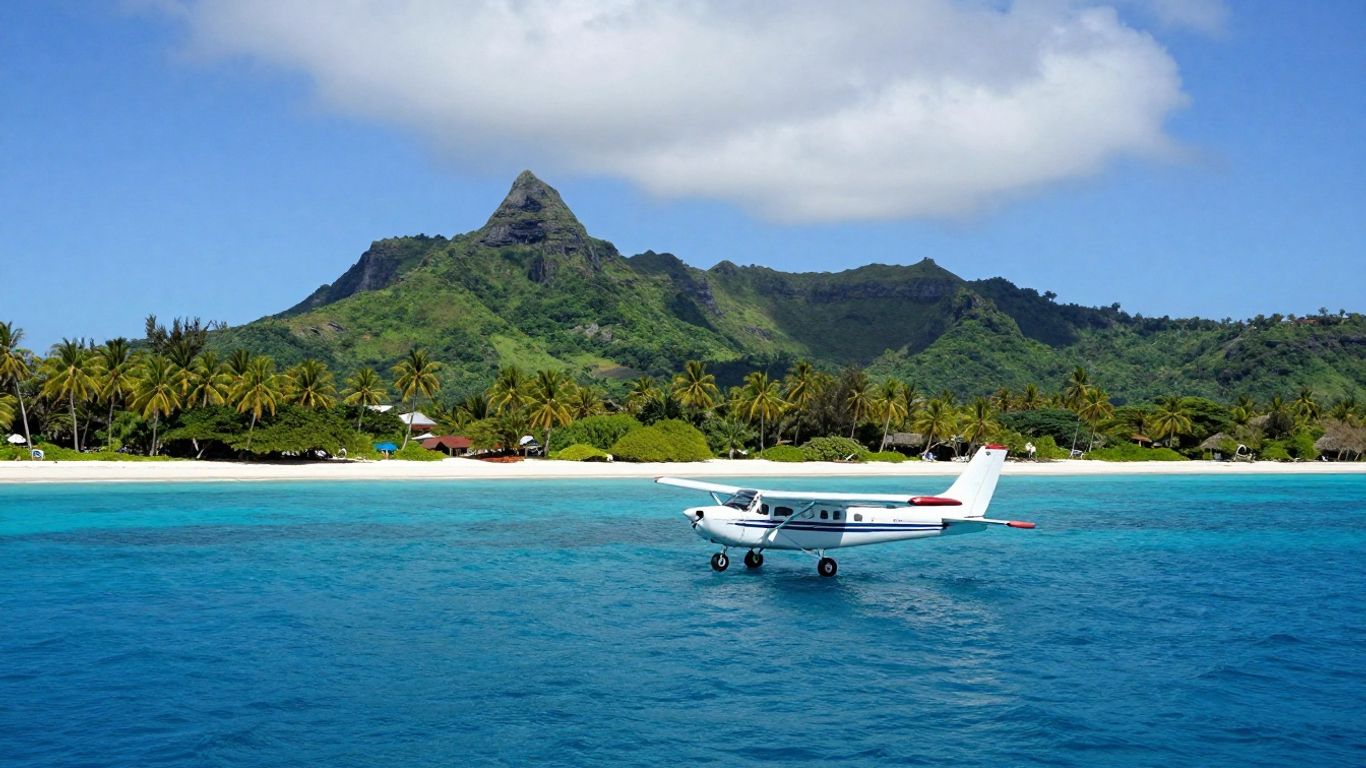
Rotuma, a small island group north of Fiji, has a culture that’s totally its own, even though it’s part of Fiji. Think Polynesian roots, a unique language, and traditions that have been passed down for ages. It’s a place where the past really meets the present, and people are working hard to keep it all alive, especially for the younger generations. We’re going to explore some of the coolest things about Fiji Rotuma culture.
Key Takeaways
The Rotuman language is unique, with ten vowels, and faces endangerment, prompting significant efforts towards its preservation and transmission.
Rotuman culture is celebrated through various traditions, including Rotuma Day, welcoming ceremonies, and festivals showcasing dance, all vital for community identity.
The Rotuman diaspora plays a significant role in maintaining cultural ties, with communities worldwide actively participating in preserving their heritage and language.
Rotuma’s natural environment, rich volcanic landscape, and role in ancient navigation highlight its unique place in the Pacific, influencing its culture and traditions.
A Distinct Polynesian Identity
Even though Rotuma is politically linked to Fiji, its people have a heritage that stands apart. They are ethnically Polynesian, with a culture and language that have developed over centuries, influenced by their island home. This unique identity is something Rotumans hold dear, whether they live on the island or have moved elsewhere.
A Dependency with a Distinct Culture
Rotuma is a dependency of Fiji, but it’s much more than just a territory. It’s a place with its own way of life, its own stories, and its own language. While the island itself is home to a small population, the Rotuman culture thrives globally through its diaspora. This means that even though it’s a small island, its cultural influence is felt far and wide, with communities actively keeping traditions alive.
A Language Unlike Its Neighbors
Rotuman stands out in the Pacific. While it’s politically linked to Fiji, its language isn’t Fijian at all. Instead, it shares more in common with other Polynesian tongues, like those spoken in Tahiti, Tonga, and Wallis and Futuna. This connection makes sense when you look at the history and the way people moved around the Pacific centuries ago. Rotuma’s own unique path, partly due to its distance from other islands, has shaped its language into something special. It’s a living link to a wider Polynesian family, yet distinctly Rotuman.
The Ten Vowels of Rotuman
One of the most fascinating things about the Rotuman language is its vowel system. Most languages have a handful of vowels, but Rotuman boasts ten! These aren’t just slight variations; they create distinct sounds that set the language apart. The vowels are: A, Ä, Å, Ḁ, E, I, Ö, O, Ü, and U. When you combine these with the use of macrons (the little lines above some vowels), you get a sound palette that’s truly unique in the Pacific. Learning these sounds is key to speaking and understanding Rotuman. It’s a beautiful complexity that reflects the language’s long, independent history.
Efforts in Language Preservation
Keeping a language alive, especially one with a smaller number of speakers, takes real effort. Thankfully, many Rotumans, both on the island and in diaspora communities around the world, are dedicated to this. They understand that language is more than just words; it’s a carrier of culture, history, and identity. Initiatives like Rotuma Language Week are important for raising awareness and encouraging people to use and teach the language. People are actively working to pass it down to younger generations through family, community events, and educational resources. It’s a community-wide commitment to making sure the sounds and stories of Rotuma continue for years to come.
The way a language sounds and the words it uses are deeply tied to a people’s way of life and their connection to their homeland. For Rotumans, their language is a vibrant thread connecting them to their ancestors and to each other, no matter where they live.
Cultural Celebrations and Traditions
Rotuma’s vibrant cultural tapestry is woven with threads of celebration and tradition, offering a unique glimpse into the heart of the island’s identity. These events are not just parties; they are living expressions of history, community, and a deep connection to their heritage.
Honoring Heritage on Rotuma Day
Rotuma Day, celebrated annually on May 18th, is a cornerstone event for the Rotuman people. It’s a day to commemorate the island’s distinct status and to actively engage with and celebrate their unique culture. For the Rotuman diaspora, especially in places like New Zealand, Rotuma Day often extends into a week-long series of events. These celebrations frequently highlight the importance of the Rotuman language and identity, particularly for younger generations and migrant communities. They serve as a powerful reminder of the need to keep traditions alive, even far from the homeland.
Festivals Showcasing Dance and Culture
Throughout the year, various festivals provide platforms for showcasing Rotuman culture in its full glory. These events are alive with traditional dances, music, and storytelling, each performance carrying layers of meaning and history. Dance, in particular, has been noted as an important way to communicate with the spiritual world and to influence events. These gatherings are opportunities for both islanders and visitors to witness the beauty and complexity of Rotuman artistic expression.
The Significance of Welcoming Ceremonies
Welcoming ceremonies are deeply ingrained in Rotuman hospitality and social structure. These rituals are more than just a polite greeting; they are formal acknowledgments of a visitor’s arrival and a way to integrate them into the community, even if temporarily. Such ceremonies often involve specific protocols, gift exchanges, and shared meals, demonstrating the Rotuman value placed on relationships and mutual respect. They are a vivid illustration of how tradition shapes everyday interactions and reinforces social bonds.
Legends Dictated by Elders
Rotuman culture has a deep well of stories passed down through generations. These aren’t just simple tales; they’re vital threads connecting the present to the past. For a long time, these stories were shared orally, with elders holding the knowledge and passing it on during gatherings. Think of it like a living library, where each elder was a book, full of wisdom and history. The collection and transcription of these legends have been crucial in preserving this oral tradition.
Themes of Creation and History
The stories themselves cover a wide range of topics. You’ll find creation myths that explain how the world and the Rotuman people came to be. There are also legends about specific places on the island, the origins of certain families, and significant historical events. These narratives often carry moral lessons and explain cultural practices, giving context to why things are done a certain way.
Creation stories: Explaining the beginnings of Rotuma and its people.
Historical accounts: Recounting important events, like invasions or migrations.
Explanations of customs: Detailing the reasons behind traditions and social norms.
The Impact of Historical Events on Language
History hasn’t just shaped the stories; it’s also influenced the Rotuman language itself. For instance, tales of past interactions with other island groups, like the Tongan invasion mentioned in some legends, show how these events left their mark on the vocabulary and even the structure of the Rotuman language. This shows how intertwined language, history, and storytelling really are.
The act of recording these stories, like in the book Tales of a Lonely Island’, has been a significant effort. It bridges the gap between the spoken word of the elders and the written record, making these narratives accessible to future generations and those learning the Rotuman language. It’s a way to keep the voices of the past alive and vibrant.
Global Rotuman Communities
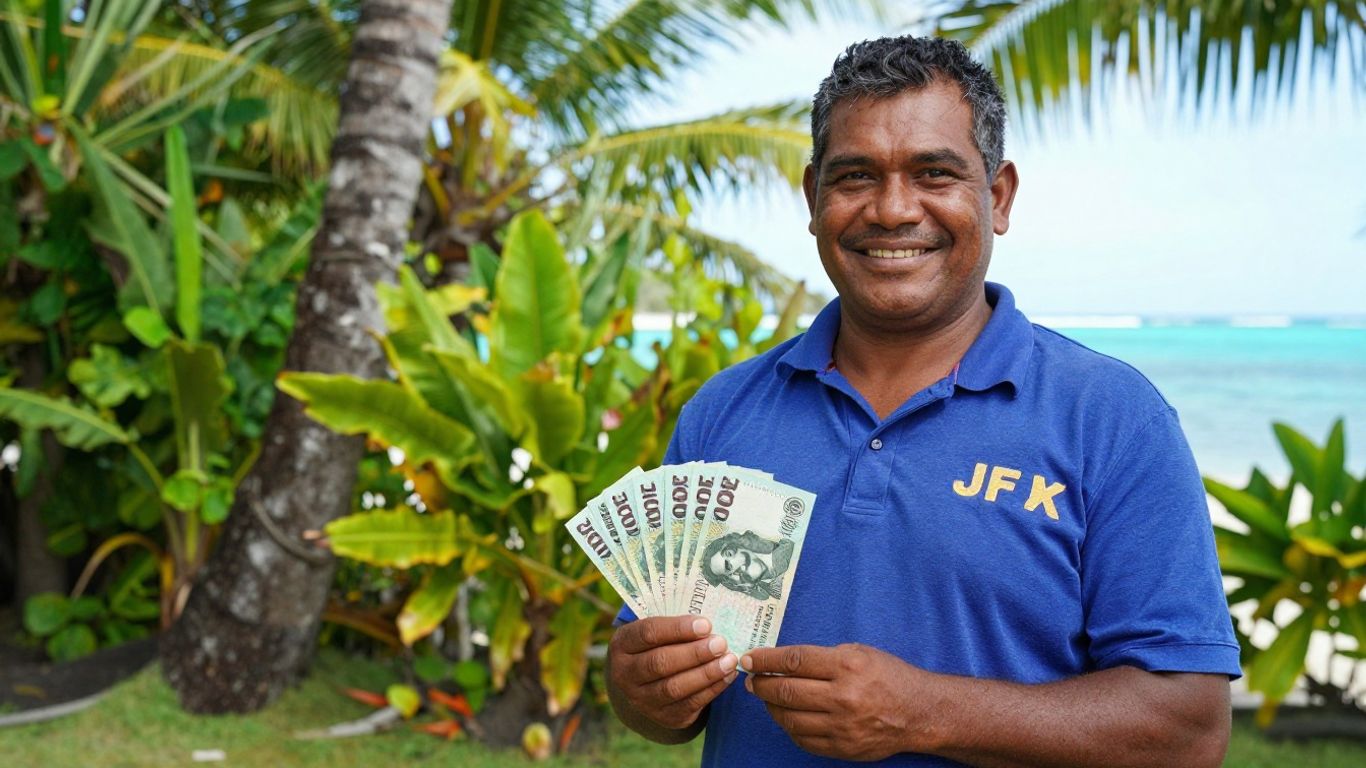
Rotuma’s story isn’t just told on its shores. Over the years, many Rotumans have moved away, seeking opportunities elsewhere. This has created vibrant Rotuman communities in places like Fiji, New Zealand, Australia, and even North America. These groups are like little pieces of Rotuma scattered across the globe, keeping the culture alive far from the island itself. It’s pretty amazing how people carry their heritage with them, no matter where life takes them.
Maintaining Ties to the Homeland
Even though they live far away, these global communities work hard to stay connected to Rotuma. Think of it like a big family reunion that happens across continents. They send support back home, visit when they can, and share news and traditions. This constant back-and-forth is what keeps the bond strong between the island and its people abroad. It’s a two-way street; those on Rotuma also feel the influence and support from their relatives overseas.
The Role of Migrant Communities
These communities abroad do more than just remember Rotuma; they actively help preserve its culture. They organize events, teach the Rotuman language to younger generations who might not be exposed to it daily, and share stories and traditions. It’s a way of making sure that even if someone is born thousands of miles away, they still know where they come from and feel a part of the Rotuman family. They are the keepers of the flame, ensuring the culture continues to thrive outside of its original home.
Spiritual Beliefs and Practices
Rotuman spiritual life is a fascinating blend of traditional beliefs and introduced religions, creating a unique cultural tapestry. While Christianity is now the dominant faith, the echoes of older spiritual concepts still shape how people view the world and their place in it.
The Role of Religion in Rotuman Life
Christianity, primarily through the Methodist and Catholic churches, plays a significant role in daily life on Rotuma. Church services are often central community gatherings, and religious holidays are observed with great importance. This faith provides a moral framework and a sense of community for many.
Evolving Discourse on Spirits
Historically, Rotuman beliefs included a rich pantheon of spirits, or atua. While direct belief in these spirits might be expressed differently today, especially in contrast to Christian doctrine, their influence can still be seen. The way people talk about and interact with the spiritual world has shifted over time, with a greater emphasis on Christian teachings.
The understanding of spiritual beings and their influence has adapted, with traditional concepts often being reinterpreted or integrated within a Christian worldview. This evolution highlights the dynamic nature of belief systems.
Understanding Atua Concepts
The term atua refers to spiritual beings in Rotuman tradition. These could range from ancestral spirits to nature spirits. While direct propitiation might be less common now, the idea that spiritual forces exist and can influence human affairs remains a subtle undercurrent. The distinction between believing in the existence of these beings and trusting or appeasing them became particularly clear when discussing these concepts with Rotumans. Many would affirm belief in the Christian God while seeming to deny belief in atua, but this often meant they no longer actively sought to appease them, rather than denying their historical reality or potential influence.
Existential Beliefs: Questions about whether atua exist.
Evaluative Beliefs: Beliefs about the nature of spirits – whether they are good or bad, trustworthy or not.
Prescriptive/Proscriptive Beliefs: Beliefs about actions that should or should not be taken in relation to spirits to achieve certain outcomes or avoid misfortune.
A Lush Volcanic Landscape
Rotuma isn’t just a dot on the map; it’s a vibrant, living place shaped by its volcanic origins. Imagine islands rising from the deep blue, their slopes covered in thick, green growth. This volcanic soil is incredibly fertile, which is why you’ll find so many local foods thriving here, like taro, yams, and bananas. These aren’t just crops; they’re the foundation of Rotuman meals and traditions. The landscape itself is a mix of dramatic peaks and gentle valleys, all contributing to the island’s unique beauty.
Supporting Diverse Birdlife
Beyond the plants, Rotuma is a haven for birds. It’s recognized as an Important Bird and Biodiversity Area, which means it’s a special spot for many feathered friends, including some that are quite rare. You might spot the Rotuma Myzomela, the Polynesian Starling, or the Fiji Shrikebill. These birds aren’t just pretty to look at; they’re part of the island’s natural balance and a sign of a healthy environment. It’s a place where nature’s sounds are as much a part of the experience as the sights.
A Haven for Ancient Navigators
Long before modern ships, Rotuma played a role in the incredible journeys of Pacific voyagers. Think of it as a crucial pit stop for those who sailed vast distances using the stars and currents. The island’s location made it a natural place to rest, resupply, and perhaps even share knowledge before continuing their epic voyages. This history is woven into the very fabric of Rotuma, connecting the present-day island to a past of incredible exploration and skill.
The island’s isolation, while presenting challenges, has also helped preserve its unique character and natural beauty. It’s a place where the land and sea are deeply intertwined with the lives and culture of its people.
Impact Beyond the Islands
Even though Rotuma is a small island with a population of around 2,000 people, Rotumans living all over the world continue to make a significant mark. They maintain a strong connection to their homeland, celebrating Rotuma Day every year on May 13th to honor their heritage. This global presence means Rotuman culture and influence reach far beyond the shores of their island.
Overrepresentation in Professions
Rotumans have shown a remarkable tendency to excel in various professional fields. This isn’t just a random occurrence; it speaks to a deep-seated drive and a strong sense of community that supports individuals in their pursuits. Whether in health, education, or public service, Rotumans often stand out.
One notable example is Dr. Ofa Dewes MNZM, a Senior Research Fellow at the University of Auckland. She’s been recognized with a New Zealand Order of Merit for her work in health and the Pacific community. Her research focuses on health issues, particularly among Pacific youth, and she actively works with research teams to improve health outcomes for Pacific peoples. Her dedication shows a commitment to making a difference.
Commitment to Health and Well-being
The focus on health and well-being is a recurring theme among Rotuman achievers. This commitment extends to both their own communities and broader society. It’s about ensuring that people have the support and resources they need to live healthy lives.
Community Health Initiatives: Many Rotumans are involved in programs aimed at improving public health, especially within Pacific communities.
Research and Advocacy: Individuals like Dr. Dewes contribute through research, identifying health challenges and proposing solutions.
Cultural Practices: Traditional Rotuman practices often emphasize balance and well-being, which continue to inform modern approaches.
The drive to contribute positively, whether through professional achievements or community service, is a hallmark of the Rotuman spirit. It’s about carrying their heritage forward and making a meaningful impact on the world.
Immersive Cultural Documentation
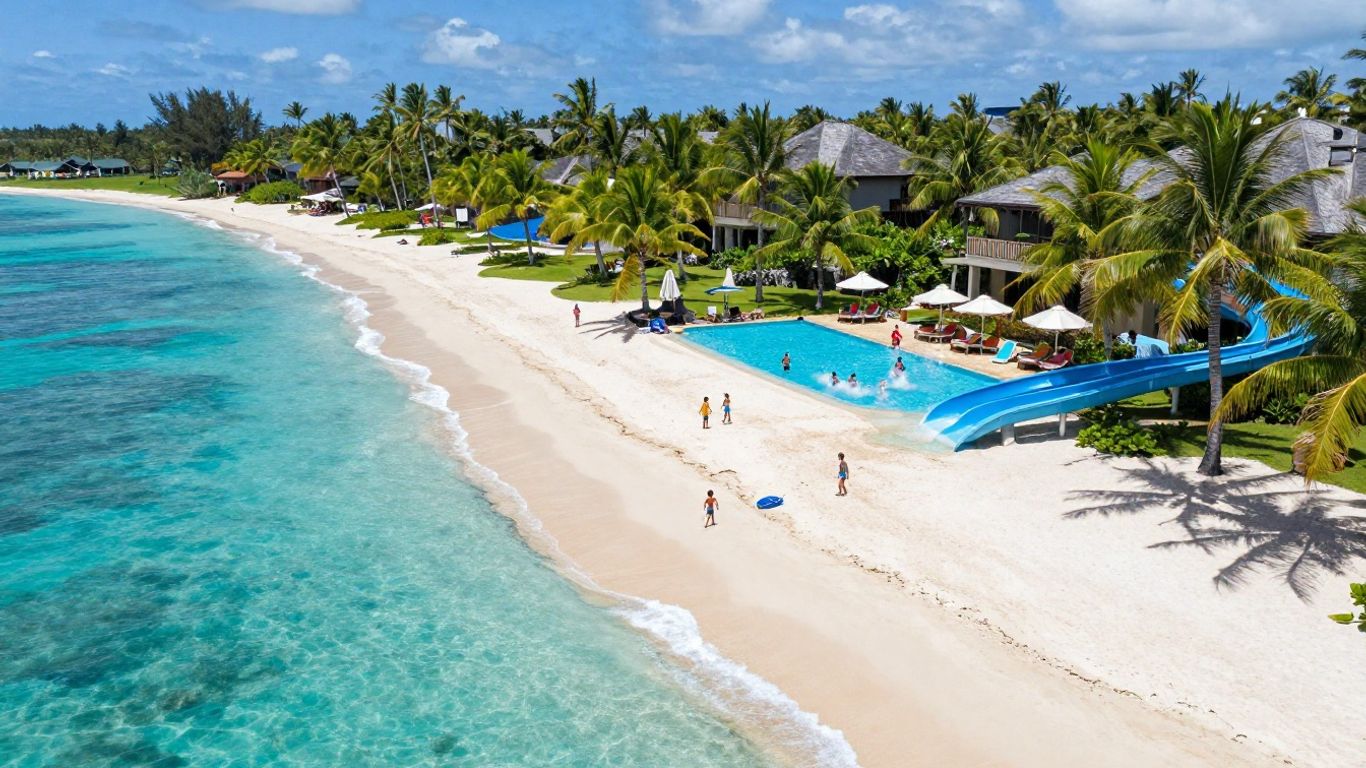
Getting a real feel for Rotuma means looking beyond just the surface. It’s about connecting with the stories and traditions that make this place special. Think about the work being done to record these aspects, like collecting old legends directly from elders. These aren’t just stories; they’re living history, passed down through generations. The island’s unique heritage is being carefully documented so it can be shared.
The Rotuma Project Online
In today’s world, a lot of this cultural exploration happens online. Projects dedicated to Rotuma are popping up, aiming to bring the island’s culture to a wider audience. These digital spaces can be a great starting point for anyone curious about Rotuma. They often feature information on language, history, and daily life, making it easier to learn from afar.
Connecting with Rotuma’s Living Culture
Experiencing Rotuma today is also about understanding its present. While the island has a small resident population, its culture is very much alive. This is evident in how people maintain their traditions, celebrate events like Rotuma Day, and keep their language strong. It’s a culture that has adapted but remains deeply connected to its roots, even with communities spread across the globe.
The Importance of Cultural Transmission
Passing down traditions, language, and stories isn’t just about remembering the past; it’s about keeping Rotuman culture alive and well for the future. It’s how younger generations learn who they are and where they come from. This process isn’t always straightforward, especially with the world changing so fast.
Passing Down a Cultural Legacy
Think of it like a relay race. Each generation receives the baton – the culture – and it’s their job to carry it forward. This involves sharing the big stories, the small customs, and the everyday ways of doing things. It’s about making sure that the unique spirit of Rotuma doesn’t get lost in the shuffle of modern life. This continuous flow of knowledge and practice is what gives Rotuman culture its strength and resilience.
Nurturing Identity Through Language
Language is a huge part of this. It’s not just words; it’s how people think, how they express themselves, and how they connect with each other. When the Rotuman language is spoken and taught, it carries with it the history, the humor, and the heart of the islands. Losing the language means losing a big piece of what makes Rotuma, Rotuma.
The Value of Intergenerational Knowledge
Older folks hold a treasure trove of information. They’ve seen and experienced things that younger people haven’t. Sharing this knowledge, whether it’s about traditional farming, fishing techniques, or the old legends, is incredibly important. It helps everyone understand the world from a Rotuman perspective.
Here’s a look at how this knowledge is shared:
Family Gatherings: Casual chats and shared meals are prime times for passing down stories and customs.
Community Events: Festivals and celebrations provide a public stage for cultural performances and shared experiences.
Mentorship: Direct teaching from elders to younger individuals on specific skills or traditions.
The way knowledge is shared can shift. What was once learned through long journeys into the bush might now be discussed over a quick phone call or seen in a video. While the methods change, the goal remains the same: to keep the cultural flame burning bright.
Embracing the Rotuman Spirit
Rotuma offers a unique window into a vibrant culture that, despite its small size and remote location, holds a deep well of tradition and spirit. From the distinct sounds of its language to the warmth of its people and the stories passed down through generations, experiencing Rotuma is a chance to connect with something truly special. Whether you’re drawn by its history, its language, or simply the desire to learn something new, the Rotuman community welcomes you to explore and appreciate its rich heritage. It’s a journey that promises not just new sights and sounds, but a genuine connection to a resilient and beautiful culture.
What makes Rotuma’s culture special?
Rotuma has a very unique culture because it’s a group of islands that are part of Fiji but have their own special Polynesian background. Even though it’s small, its traditions and language are distinct and have been kept alive for a long time.
What is the Rotuman language like?
The Rotuman language is quite different from its neighbors. It’s more like other Polynesian languages and has 10 vowels, which gives it special sounds not heard elsewhere in the Pacific. It’s considered an endangered language, so people are working hard to keep it spoken.
How do Rotumans celebrate their heritage?
Rotumans celebrate their heritage in many ways, especially on Rotuma Day, which is May 13th. They have festivals with traditional dances and music, and important welcoming ceremonies that show their strong community spirit.
Are there stories passed down in Rotuma?
Yes, Rotuman elders have passed down many legends and stories for generations. These stories often talk about how the world was created, important historical events, and how to live according to their traditions.
Do Rotumans living away from the island stay connected?
Absolutely! Rotumans living in places like New Zealand and Fiji have strong ties to their homeland. They often celebrate Rotuma Day together and work to keep their culture and language alive even when they are far away.
What role does religion play in Rotuma?
Religion is a significant part of life in Rotuma. While the specific beliefs and practices have evolved over time, faith continues to be an important aspect of the community’s identity and daily life.
What is Rotuma like physically?
Rotuma is a beautiful chain of volcanic islands. It’s covered in green forests and has fertile land perfect for growing food. It’s also a safe place for many kinds of birds and was an important stop for ancient sailors navigating the Pacific.
How are Rotumans making a difference in the world?
Even with a small population, Rotumans have made a big impact. They value education highly and are often found in important jobs and professions. They are also committed to improving health and well-being for their communities.