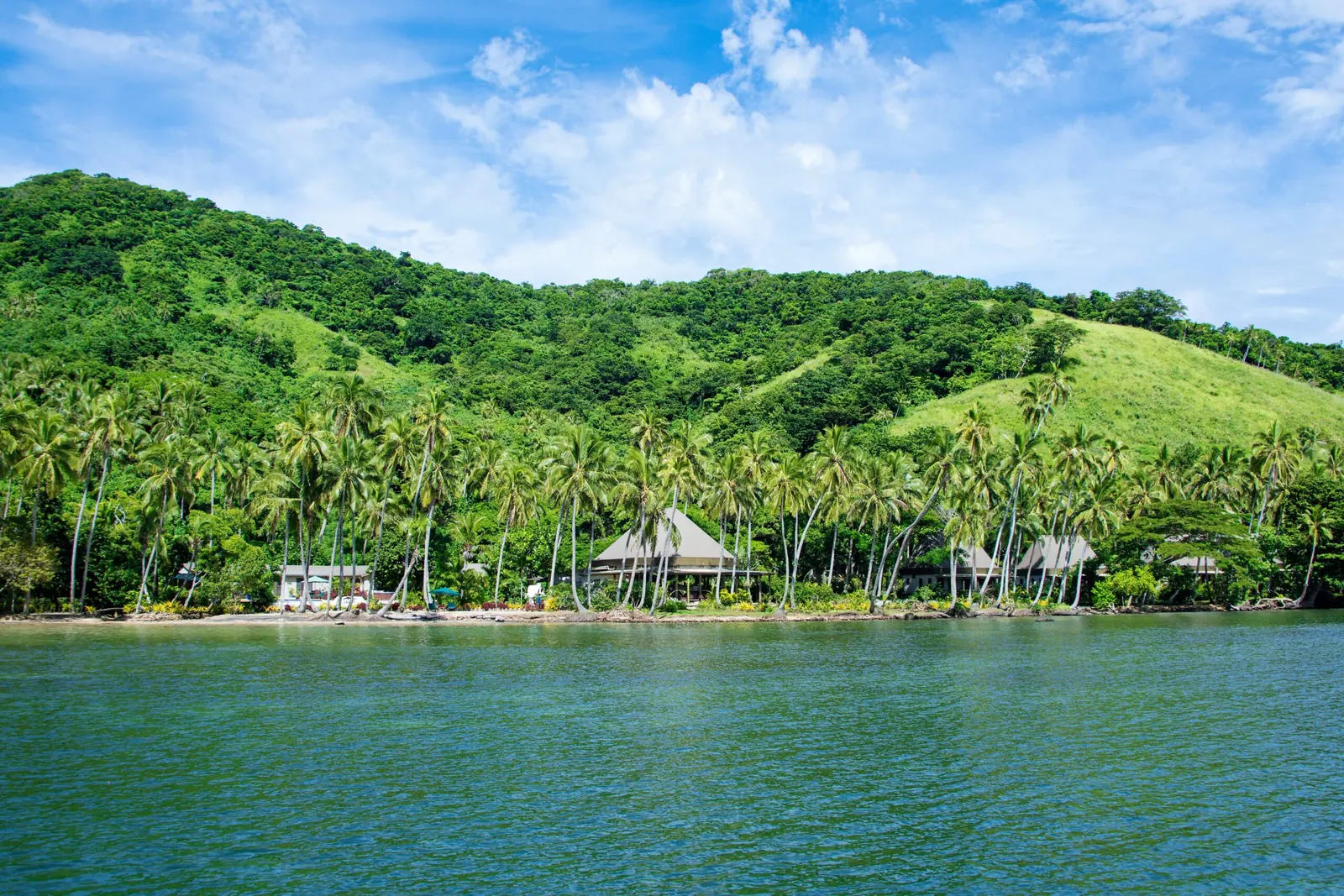
Thinking about seeing some whales and dolphins in Fiji? It’s a pretty cool idea. While commercial tours are still kind of new there, the waters are definitely alive with marine creatures. Fiji has even made a big chunk of its ocean a sanctuary for whales and dolphins, which is great news for conservation and for anyone hoping to spot them. You might see spinner dolphins pretty often, but other big guys like humpback whales are more of a lucky sighting, often seen when people are out fishing or diving. So, if you’re dreaming of a Fiji whale watching adventure, here are a few places and ways you might be able to make it happen.
Key Takeaways
Fiji has declared its ocean waters a sanctuary, offering protection for whales and dolphins.
Spinner dolphins are commonly seen, with resident pods frequently observed.
Some tours focus on Tonga for humpback whale encounters, with Fiji often included for reef exploration.
Various organizations are involved in marine conservation projects in Fiji, offering participation opportunities.
1. NAI’A Fiji Liveaboard Dive Adventures
While NAI’A Fiji Liveaboard Dive Adventures is primarily known for its extensive diving expeditions, they also offer unique seasonal opportunities to witness humpback whales. These aren’t your typical day trips; NAI’A operates as a liveaboard, meaning you’ll be staying on the vessel for the duration of your adventure. This allows for a more immersive experience, taking you to remote locations where whale activity is most prevalent.
Their humpback whale expeditions typically focus on the waters of Tonga, which serve as a major calving and breeding ground for these magnificent creatures. Imagine waking up at sea, ready for a day of searching for these gentle giants. The liveaboard format means you’re always in the best position to observe, with expert guides onboard who can share insights into whale behavior and conservation.
The experience aboard NAI’A is designed to be intimate and educational. You’re not just a passenger; you’re part of a small group dedicated to respectfully observing marine life in its natural habitat. The focus is on understanding and appreciating these animals, rather than just a fleeting glimpse.
While the primary focus of NAI’A is diving, their commitment to marine exploration extends to whale watching. They aim to provide an experience that is both thrilling and contributes to a greater understanding of whale populations in the region. It’s a chance to see Fiji and its surrounding waters from a different perspective, one that centers on the ocean’s largest inhabitants.
2. Oceanic Society Humpback Whale Expedition
This expedition offers a unique two-week journey through the South Pacific, combining the incredible experience of swimming with humpback whales in Tonga with exploring Fiji’s vibrant coral reefs. It’s designed for those who want to connect with nature and contribute to marine conservation.
The trip begins in the Vava’u archipelago of Tonga, a well-known breeding and calving ground for humpback whales. You’ll spend about five days here, with opportunities to observe and even snorkel alongside mother and calf pairs. The waters are known for clear visibility, making it easier to witness whale behaviors like breaching and spy-hopping. It’s important to note that good swimming skills are a must for this part of the adventure.
After Tonga, the expedition moves to Fiji. " You’ll get to explore its shallow, colorful coral gardens, teeming with marine life. This part of the trip is more about snorkeling and appreciating the underwater biodiversity.
Beyond the wildlife encounters, the expedition also includes cultural immersion. You’ll have chances to experience traditional meals and performances in both Tonga and Fiji, learning about the local heritage. A significant aspect of this trip is its conservation focus. Your participation directly supports local ocean conservation projects, including coral restoration and efforts to reduce plastic pollution. The Oceanic Society is a non-profit organization dedicated to marine conservation, and their expeditions are structured to have a positive impact.
This expedition is a fantastic way to witness majestic humpback whales in their natural habitat while also contributing to the preservation of marine ecosystems.
Here’s a look at what’s typically included:
All accommodations and meals as outlined in the itinerary.
Ground transportation between destinations and airport transfers.
Guidance from a dedicated Oceanic Society naturalist.
Activities focused on whale watching, snorkeling, and cultural experiences.
Keep in mind that airfare, alcoholic beverages, and personal gratuities are usually not covered.
This journey is more than just a vacation; it’s an opportunity to engage directly with the ocean’s wonders and support vital conservation work in two beautiful Pacific nations. It’s a chance to create lasting memories while making a difference.
3. Sau Bay Resort
Nestled in a secluded tropical garden setting right on the ocean’s edge, Sau Bay Resort & Spa is a gem for those looking to experience Fiji’s underwater wonders. This place is known for its really good service and peaceful vibe, making it a great spot to base yourself for exploring the nearby reefs. It’s not just about the whale watching, though that’s a big draw; the resort itself is built with sustainability in mind, which is pretty cool.
Sau Bay Resort is perfectly positioned for daily excursions, especially if you’re keen on snorkeling. It offers easy access to some of Taveuni’s most talked-about snorkel spots, including the famous Rainbow Reef. Imagine stepping out from your room and being just a short boat ride away from vibrant coral gardens teeming with life. The resort provides a comfortable and welcoming atmosphere after a day out on the water.
Here’s what you can generally expect during your stay:
Prime Location: Situated next to the Rainbow Reef, offering quick access to prime snorkeling and whale watching areas.
Sustainable Practices: The resort is committed to eco-friendly operations, blending comfort with environmental consciousness.
Relaxing Ambiance: Enjoy the tranquility of a secluded beachfront location with lush surroundings.
Attentive Service: Known for its friendly staff who aim to make your stay memorable.
The resort’s commitment to a natural, oceanfront experience means you’re truly immersed in the beauty of Fiji. It’s a place where you can unwind and connect with the marine environment.
While the resort is a fantastic base, remember that whale sightings are seasonal and depend on many factors. The real magic here is the combination of a comfortable, well-located accommodation and the chance to explore the rich marine ecosystem that Fiji is famous for.
4. Paradise Taveuni

Paradise Taveuni is a place that really lets you get away from it all. It’s located on Taveuni Island, which is known as the "Garden Island" of Fiji, and for good reason – it’s lush and green.
While they don’t specifically advertise whale watching tours as their main thing, their location on Taveuni puts you in a prime spot for experiencing the marine life of the area. If you’re lucky during the right season, you might even spot some whales passing by.
Here’s what you can expect if you choose to stay here:
Beautiful beachfront setting: The resort is right on the water, surrounded by tropical gardens.
Access to marine activities: They can help arrange boat trips for snorkeling and exploring the nearby reefs. This is where whale sightings might happen.
Relaxed atmosphere: It’s a place to unwind and enjoy the natural beauty of Fiji.
The resort’s proximity to the Rainbow Reef makes it a fantastic base for anyone interested in the underwater world. They have contact numbers for reservations in Fiji and even a North America contact, which is pretty handy.
Staying at Paradise Taveuni means you’re choosing a tranquil spot that offers a genuine connection to Fiji’s natural environment. While dedicated whale watching tours might be found elsewhere, the chance to see marine life, including potential whale encounters, is certainly part of the island’s appeal.
5. Tongan Beach Resort
While Tongan Beach Resort isn’t directly in Fiji, it’s a key part of some incredible South Pacific expeditions that often include Fiji. Imagine this: you’re staying right on the beach, in a cozy room at this well-regarded resort. It’s a smaller place, with just 12 rooms, but it boasts 180 meters of sandy shoreline. Your room is practically at the water’s edge, and they’ve got ceiling fans to catch the sea breeze, plus a little balcony with chairs to just chill.
This resort is where you’d likely base yourself for exploring Tonga’s waters, especially if you’re there during humpback whale season. The idea is to get you out on private boats or vehicles for daily adventures. Think about spending your days watching these massive creatures in their natural habitat. It’s a pretty special experience, and the resort provides a comfortable spot to return to after a day of exploring.
The resort’s location is all about that beachfront vibe, offering a relaxed atmosphere after a day of adventure. It’s the kind of place where you can easily step out and feel the sand between your toes.
The focus here is on experiencing the natural beauty of Tonga, with the resort serving as your comfortable home base. It’s a chance to connect with the ocean and enjoy the laid-back island life before potentially heading to Fiji for more exploration.
6. Denarau Island Whale Watching Charter
Whale and dolphin watching tours operating from Denarau offer a convenient option for those staying on the mainland.
These charters often focus on spotting spinner dolphins, which are frequently seen in Fijian waters. While humpback whale sightings are less common from this specific location compared to dedicated expeditions in other regions, the possibility always exists, especially during their migratory seasons.
Charters from Denarau Island provide a accessible way to experience Fiji’s marine biodiversity.
Here’s what you might expect:
Target Species: Primarily spinner dolphins, known for their acrobatic displays.
Duration: Tours typically range from a few hours to a full day, depending on the package.
It’s important to manage expectations when booking a tour from Denarau. These trips are often a blend of dolphin watching and enjoying a day at sea, rather than a specialized whale expedition. The waters around Fiji are a protected sanctuary, which is fantastic news for marine life, but sightings of larger whales can be more sporadic from this particular area.
When considering a charter from Denarau, inquire about the specific areas they explore and the typical sightings reported.
7. Sanasana Dolphin Tour
While Fiji is increasingly recognized for its whale watching potential, particularly for humpbacks during certain seasons, many tours focus on the abundant dolphin populations. The Sanasana Dolphin Tour is a prime example, offering a fantastic opportunity to witness these playful marine mammals in their natural habitat.
These tours are particularly adept at finding pods of spinner dolphins, a species known for its acrobatic displays. It’s quite a sight to see them leaping and spinning through the water, often in large groups. While the primary focus is on dolphins, there’s always a chance of encountering other cetaceans opportunistically, though this is less predictable.
Here’s what you might expect on a typical tour:
Duration: Excursions typically last a few hours, allowing for ample time on the water without taking up an entire day.
What to Bring: Sunscreen, a hat, sunglasses, and a camera are highly recommended. A light jacket might be useful for cooler mornings or breezy conditions.
Marine Life: Spinner dolphins are the stars, but keep an eye out for bottlenose dolphins and other marine life.
Fiji’s waters are a protected sanctuary for whales and dolphins, a designation that helps preserve these incredible creatures and their environment. Choosing a tour like Sanasana’s supports responsible marine tourism and contributes to the ongoing conservation efforts in the region.
8. Tavua Whale Watching Boat
While Fiji is more known for its spinner dolphins, the waters around Tavua can sometimes offer chances to spot larger marine mammals. Commercial whale and dolphin watching tours are still developing in Fiji, meaning opportunities can be a bit more spontaneous.
The Tavua region presents a unique chance for opportunistic sightings of whales and other cetaceans. These tours often combine whale watching with other marine activities, making for a varied day out on the water. Because sightings aren’t guaranteed like they might be in established whale migration routes, the experience feels more like a genuine adventure.
Here’s what you might expect:
Focus on Observation: Tours aim to observe whales and dolphins in their natural environment with minimal disturbance.
Varied Marine Life: Beyond whales, you’ll likely see various dolphin species, sea turtles, and a rich array of birdlife.
Local Knowledge: Guides often have a good understanding of local waters and animal behaviors, increasing your chances of a sighting.
Keep in mind that whale watching in Fiji is often dependent on seasonal movements and luck. While tours from Tavua might not have the same predictability as those in other parts of the world, the thrill of a potential encounter in these pristine waters is part of the appeal. It’s a great way to connect with Fiji’s incredible marine ecosystem.
9. Nadi Whale Watching Charter
While Fiji is more widely recognized for its stunning beaches and vibrant coral reefs, the waters around Nadi also offer opportunities for whale and dolphin watching. Commercial tours are still developing in this region, meaning experiences can be more intimate and less crowded than in some other destinations.
The most common sightings in Fiji are spinner dolphins, which are often seen in resident pods. Observing other whale and dolphin species is typically more opportunistic, often occurring alongside fishing or diving trips.
If you’re looking to embark on a whale watching adventure from Nadi, here’s what you might expect:
Focus on Dolphins: Many charters primarily focus on spinner dolphins due to their frequent presence.
Opportunistic Sightings: Keep an eye out for other marine life; sightings of larger whales are less predictable but can be a thrilling bonus.
Local Operators: Several local operators provide boat trips from the Nadi area.
While Fiji isn’t the primary calving ground like Tonga, there’s always a chance for encounters during this period.
Chartering a boat from Nadi can be a great way to explore the surrounding waters. While the focus might lean towards dolphin pods, the possibility of spotting larger cetaceans adds an element of excitement to any marine excursion. It’s a chance to connect with Fiji’s ocean life beyond the usual reef activities.
For those interested in a more dedicated whale watching experience, especially for humpback whales, expeditions often focus on areas like Tonga, which is a well-known breeding and calving ground. You can find more information on these specialized trips, such as those organized by the Oceanic Society, which sometimes include stops or connections through Fiji. Exploring options like those available in Rurutu can also provide a different perspective on whale encounters in the region.
10. Levuka Dolphin Watching Tours
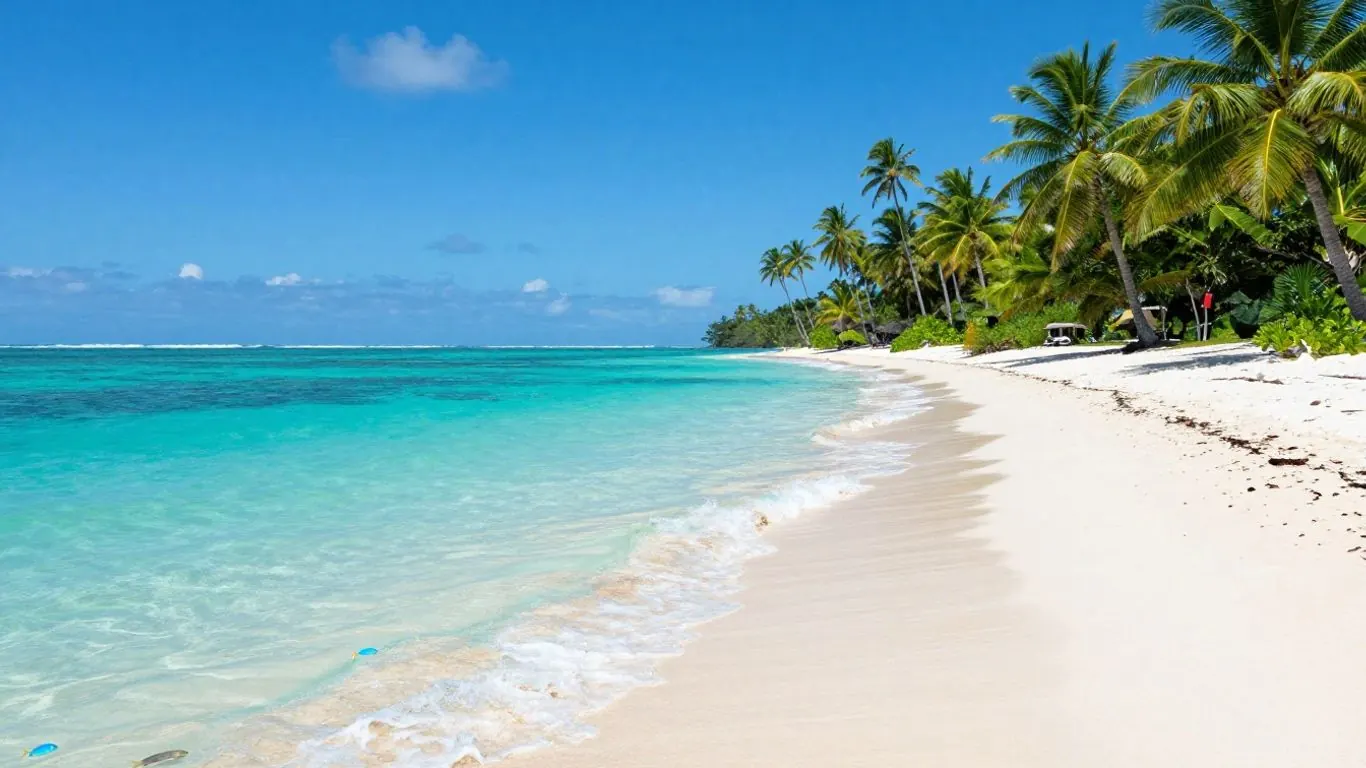
While Fiji is more widely recognized for its stunning beaches and vibrant coral reefs, the waters around Levuka, on the island of Ovalau, offer a unique opportunity to witness marine life, particularly dolphins. Commercial tours specifically focused on dolphin watching are a relatively new development in Fiji, with many operations just beginning to establish themselves.
The most commonly sighted species in these waters is the spinner dolphin, known for its acrobatic leaps and playful nature. These resident pods are frequently observed, making Levuka a promising location for those hoping to catch a glimpse of these intelligent creatures. While the primary focus is often on dolphins, sightings of other whale and dolphin species can occur opportunistically, especially for those engaged in fishing or diving excursions.
The Fijian government has taken steps to protect its marine inhabitants by declaring the nation’s Exclusive Economic Zone a Whale Sanctuary. This initiative aligns with international conservation efforts and aims to promote research and public awareness regarding marine biodiversity.
For visitors interested in a more hands-on conservation experience, several non-governmental organizations offer short-term programs.
If you’re planning a trip to Levuka with the hope of seeing dolphins, here’s what you might expect:
Focus on Spinner Dolphins: Be prepared for the likelihood of encountering spinner dolphins, as they are the most common species.
Conservation Support: Some tours contribute to local marine conservation projects, so your participation can have a positive impact.
The waters surrounding Levuka provide a special window into Fiji’s marine ecosystem. While the infrastructure for dedicated dolphin tours is still developing, the presence of resident spinner dolphin pods makes it a worthwhile destination for marine enthusiasts.
Your Fijian Marine Adventure Awaits
So, there you have it. Fiji is really stepping up its game when it comes to whale and dolphin watching. While spinner dolphins are a common sight, the chance to see other amazing marine life, like humpback whales, is definitely there, especially if you catch the right season. Remember, Fiji is a protected whale sanctuary, which is fantastic news for these creatures and for us who get to witness them. Whether you’re looking for a short trip or a longer expedition that combines whale watching with exploring Fiji’s incredible reefs, there are options out there. It’s a chance to see something truly special and maybe even help out with conservation efforts. Get ready for an unforgettable experience in the beautiful waters of Fiji!
When is the best time to see whales in Fiji?
While spinner dolphins are around all year, humpback whales are usually spotted during their migration season. It’s a special time when these gentle giants come to the warmer waters.
What kind of whales can I see in Fiji?
Spinner dolphins are the most common and are seen year-round. You might also be lucky enough to see humpback whales, especially during their migration. Other whales like pilot whales and false killer whales can also be spotted sometimes.
Are there specific tours for whale watching?
Yes, some tours focus on whale and dolphin watching. Many other boat trips, like diving or fishing tours, might also give you a chance to see whales or dolphins if you’re lucky.
Is Fiji a good place for whale watching?
Absolutely! Fiji has declared its ocean waters a whale sanctuary, meaning they are protected. This helps create a safe environment for whales and dolphins, making it a great place to observe them.
What should I bring on a whale watching tour?
It’s a good idea to bring sunscreen, a hat, sunglasses, and a camera to capture the amazing sights. Comfortable clothing and a light jacket are also recommended, as it can get breezy on the water.
Can I swim with whales in Fiji?
While some tours might offer opportunities to swim with whales in other places like Tonga, in Fiji, the focus is usually on observing them from the boat to respect their space and ensure their safety.
How far out do the boats go?
The distance can vary depending on the tour and where the animals are spotted. Some tours stay closer to shore, while others might venture further out into deeper waters where larger whales are more likely to be found.
Do tours guarantee sightings?
Whale and dolphin watching is an amazing experience, but sightings are never guaranteed as these are wild animals. However, tour operators know the best spots and times, greatly increasing your chances of a wonderful encounter.
Confirm current details
Check with each tour which months it operates, how long boats stay with the animals and what refund or rebooking applies if no whales or dolphins appear.
Use this guide for trip ideas, not a current quotation or a guarantee of access, safety, inclusions or availability. Confirm the requirements and conditions for your dates, destination and provider before booking.