Jumping off cliffs into waterfalls can seem like an amazing adventure, right? The rush of the fall, the cool water hitting you – it’s a pretty wild experience. People have been doing this for ages, drawn to the raw power of nature and the thrill of the leap. But let’s be real, it’s not all fun and games. There are some serious risks involved that you really need to think about before you even consider taking the plunge. We’re talking about hidden dangers, the force of the water, and how to get out safely. So, if you’re dreaming of that perfect waterfall jump, especially somewhere as beautiful as Fiji, it’s super important to know what you’re getting into.
Key Takeaways
Waterfall jumping offers a unique thrill, connecting you with nature’s power, but it’s not without significant risks.
Always check the water depth and look for submerged rocks or debris before jumping; cloudy water hides many dangers.
The force of falling water can be intense, affecting your body upon impact and potentially dragging you.
Consider guided tours, especially for places like Fiji waterfall cliff jumps, to benefit from local knowledge and safety gear.
Being physically ready, packing smart, and respecting the environment are vital for a safe and enjoyable adventure.
The Thrill Of The Leap
There’s something primal and exciting about standing at the edge of a waterfall, the roar of the water filling your ears, and then taking that leap. It’s a rush unlike any other. The feeling of flying, even for a few seconds, before hitting the cool water below is what draws many people to this activity. It’s a chance to push your boundaries and experience a moment of pure, unadulterated freedom. This blend of adrenaline and natural beauty creates an unforgettable experience. Many find that the churning water below actually makes the landing feel softer than you might expect, which can be reassuring for first-timers. It’s a way to connect with nature’s raw power in a very direct and exhilarating way.
A Connection With Nature’s Power
Waterfalls aren’t just pretty sights; they are dynamic forces of nature. Jumping into one is like becoming a part of that force, even if just for a moment. You feel the spray, hear the thunderous sound, and then you’re immersed in the very water that’s been cascading down. It’s a way to feel truly alive and connected to the environment around you. Some describe it as feeling like one with the waterfall itself, a tiny part of its continuous journey downstream. It’s a powerful reminder of the natural world’s grandeur and our place within it.
Historical Roots Of The Activity
While organized tours are a more recent development, the idea of jumping from heights into water likely goes back as far as humans have been exploring their surroundings. Think of it as a natural progression for adventurous spirits. Organized tours, however, started gaining traction in the mid-1990s. Places like the 27 Falls of Damajagua in the Dominican Republic became popular spots, showing how locals enjoyed the thrill and how it could be shared with visitors. These tours often highlight not just the jumps but also the stunning scenery, making it a complete adventure package. The appeal has always been the combination of natural beauty and the sheer excitement of the leap.
Assessing The Risks Of Waterfall Cliff Jumps
Jumping off waterfalls might look like pure fun, but there are some serious things to think about before you take the leap. It’s not just about the height; the water itself and what’s hidden below can be tricky.
Hidden Dangers Beneath The Surface
This is probably the biggest worry. You can’t always see what’s under the water, and that’s where the real problems can hide. Rocks, logs, or even just the bottom of the pool can be much closer than you think. Hitting something unexpected can lead to bad injuries, and sometimes people get stuck.
Unseen rocks: These can be just below the surface or much deeper, making it hard to judge.
Debris: Branches or other things can get washed down and settle at the bottom.
Sudden changes in depth: The pool might be deep in one spot and shallow just a few feet away.
Always try to get a clear look at the landing area before you even consider jumping. If the water is murky or you can’t see the bottom, it’s best to skip it.
The Force Of Falling Water
Waterfalls aren’t just pretty; they have a lot of power. When you jump, the force of the falling water can push you down harder and faster than you expect. This can make it hard to control your entry into the water, and the sudden stop can be jarring to your body, sometimes causing disorientation or even physical harm.
Navigating Currents And Water Exits
Once you’re in the water, getting out can be another challenge. Waterfalls often have currents that can pull you in different directions. If you’re not prepared, these currents can make it difficult to swim to safety or get back to the edge. Some spots might also have steep sides or slippery rocks that make climbing out tough, which could lead to getting stuck or swept away.
It’s easy to get caught up in the excitement, but remember that nature’s power is real. What looks like a fun splash can turn into a dangerous situation if you’re not aware of the risks involved.
Essential Safety Precautions For Jumpers

Before you even think about leaping, taking a moment to really check things out is super important. It might not seem as exciting as the jump itself, but it’s what keeps you safe.
Scouting The Landing Zone
This is probably the most critical step. You need to know exactly where you’re going to land. Look for any rocks, logs, or other debris that might be hidden just below the water’s surface. Sometimes the water looks clear, but there can still be surprises. Always confirm the landing area is completely clear of obstructions. If you can’t see the bottom clearly, it’s best to skip the jump or find a different spot. Watching others jump first can give you a good idea of the conditions, but don’t rely solely on their experience.
Understanding Water Depth And Clarity
Water depth is a huge factor. Too shallow, and you risk serious injury. The force of the falling water can also create undertows or make it hard to tell how deep it really is. If the water is murky, it’s a big red flag. You need to be confident that there’s enough depth to absorb your impact safely. Remember, what looks deep from above might not be.
Recognizing Safe Entry Techniques
Once you’ve scouted and confirmed the safety of the spot, how you enter the water matters. Keep your legs together and straight, like a pencil, and point your toes. This helps you cut through the water cleanly and avoids a painful impact. Keep your arms up by your head to protect yourself and maintain balance. Holding your breath right before you hit the water can also prevent water from rushing up your nose and ears. It’s a good idea to practice these techniques in shallower, safer water first if you’re new to this.
Keep legs straight and together.
Point your toes.
Arms up by your head.
Hold your breath just before impact.
Jumping from waterfalls can be an incredible experience, but it demands respect for the environment and a clear head. Never let peer pressure or a moment of excitement override your good judgment. If something feels off, it probably is.
Exploring places like Ranongga Island can offer amazing waterfall experiences, but always remember to pack essentials and prioritize safety above all else. Always inform someone of your plans before heading out on any adventure.
Choosing Reputable Tour Operators
When you’re looking to experience the thrill of waterfall cliff jumping, going with a guided tour is a really smart move. It’s not just about having someone show you the best spots; it’s about safety and making sure you have a good time without any nasty surprises. These operators know the local conditions, the water levels, and the safest ways to jump.
The Benefits Of Guided Adventures
Opting for a guided adventure means you’re tapping into local knowledge that’s hard to get otherwise. These guides have usually been doing this for years, sometimes decades. They understand the nuances of each waterfall and the surrounding environment. Plus, they handle the logistics, so you can focus on the fun part – the jump!
Expertise in Local Conditions: Guides know when water levels are safe and when they’re too high or too low.
Safety First: They are trained in first aid and rescue techniques, should anything go wrong.
Access to Prime Locations: They often know about hidden gems or the best jump points that aren’t obvious.
Equipment Provision: Reputable companies provide necessary safety gear, like helmets and life vests.
What To Expect From Professional Guides
A good tour operator will start with a thorough briefing. They’ll explain the risks, demonstrate proper jumping techniques, and point out any potential hazards. You’ll likely see a range of jumps, from beginner-friendly ledges to more challenging heights, allowing you to progress at your own pace. They’re there to build your confidence and make the experience memorable for all the right reasons. For instance, some tours might involve rappelling down parts of the waterfall before reaching jump points, adding another layer to the adventure. It’s about a controlled thrill, not just a wild leap.
Relying on experienced guides is key. They’ve seen it all and know how to manage the risks associated with jumping into moving water. Their guidance turns a potentially dangerous activity into a manageable adventure.
Ensuring Proper Safety Equipment
Safety equipment is non-negotiable. A professional guide service will always provide you with the right gear. This typically includes:
Helmets: To protect your head from impacts.
Life Vests: To keep you afloat, especially in deeper or more turbulent water.
Wetsuits (if applicable): For warmth and protection in cooler climates.
Sturdy Footwear: To prevent slips on wet rocks.
Always ask about their safety protocols and what equipment they provide. If a company seems hesitant to discuss safety or doesn’t offer proper gear, it’s a red flag. Choosing a well-established operator, like those found in Samoa , significantly increases your chances of a safe and exhilarating experience.
Iconic Global Locations
When the call of adventure beckons, certain spots around the globe have become legendary for their waterfall cliff jumping opportunities. These aren’t just places to jump; they’re destinations that offer a complete experience, often combining breathtaking natural beauty with the thrill of the leap. Think of places like the Mico River in Mexico’s San Luis Potosi State, known for its stunning cascades and clear pools perfect for a jump. Or consider the dramatic cliffs of Negril, Jamaica, where sunset jumps are a rite of passage. For those seeking a truly unique experience, the waterfalls of Fiji offer a tropical paradise setting for this exhilarating activity.
Discovering Fiji Waterfall Cliff Jumps
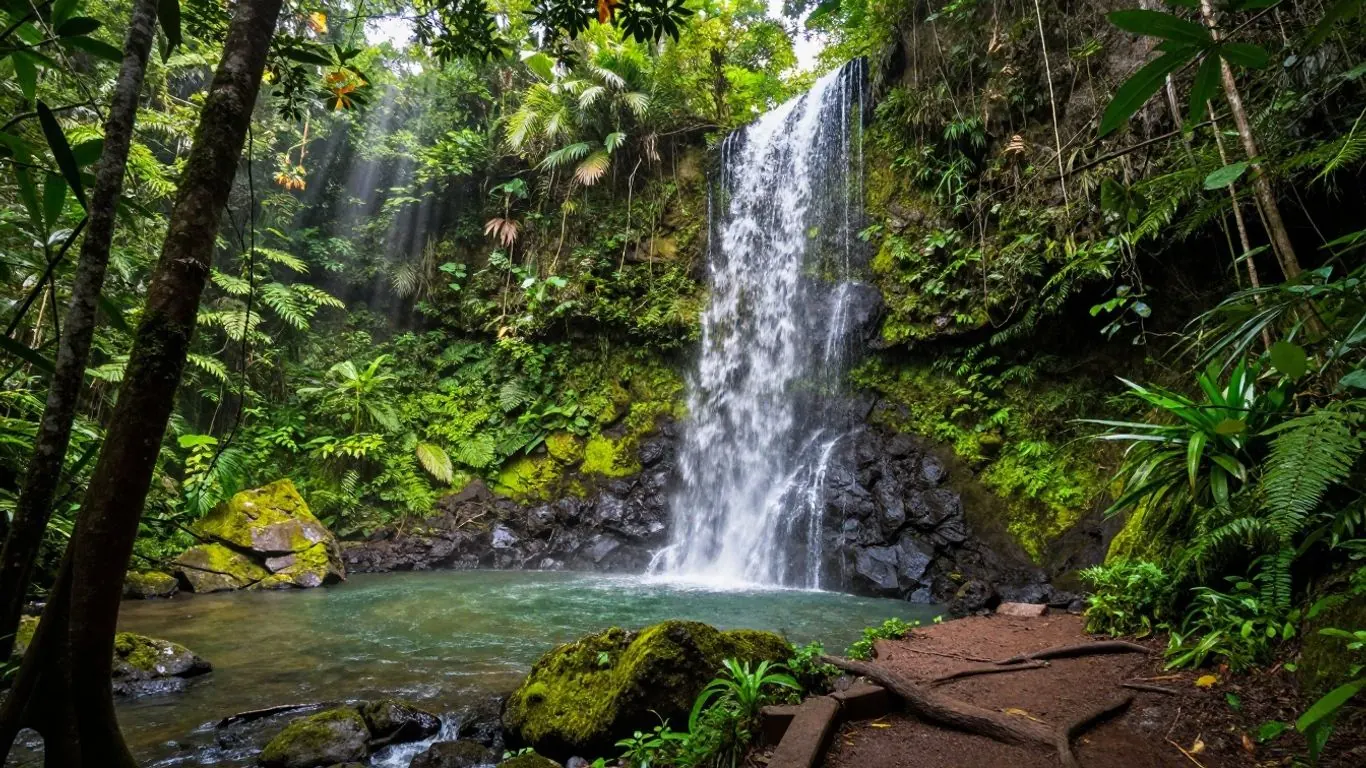
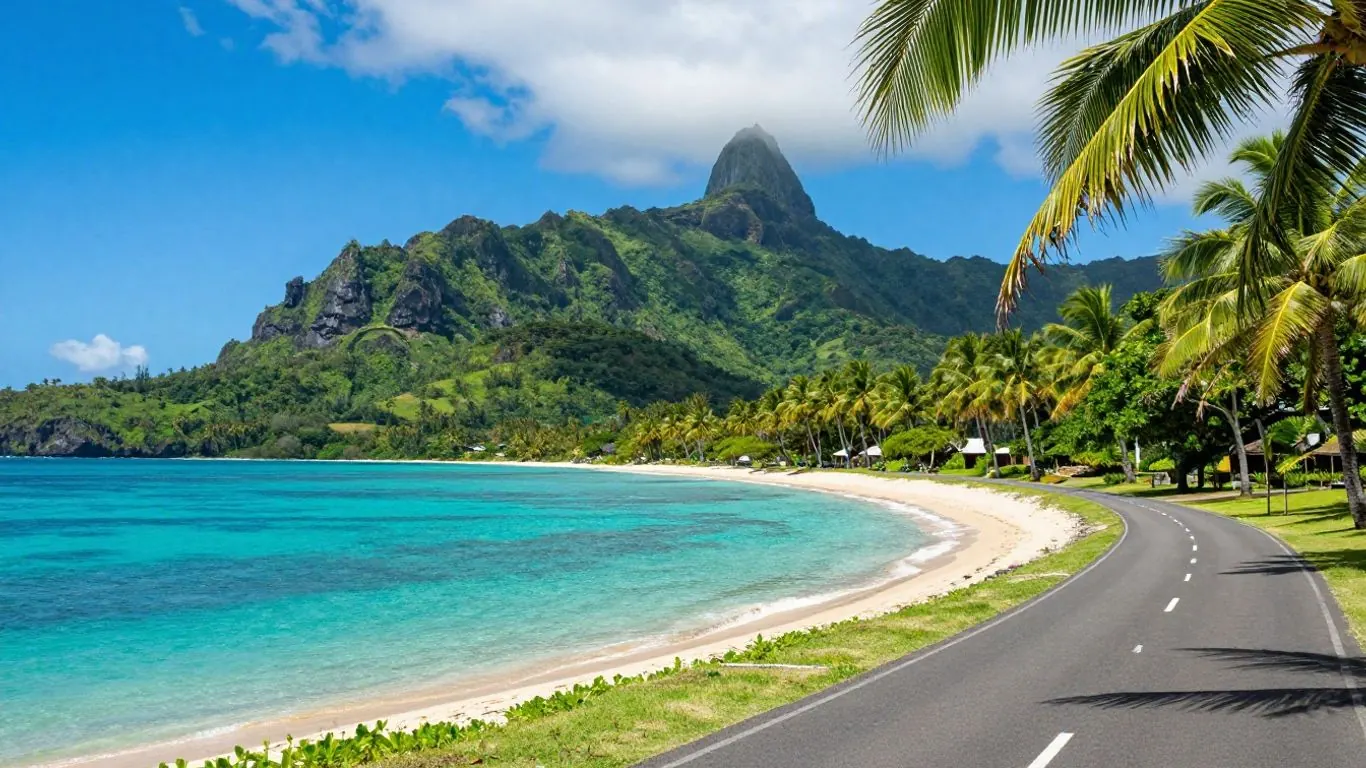
Fiji, often called the "Soft Coral Capital of the World," is also a hidden gem for waterfall cliff jumping. Beyond its pristine beaches and vibrant reefs, the islands boast numerous inland waterfalls with natural pools that are ideal for a jump. Imagine leaping into crystal-clear water surrounded by lush rainforest, the sound of the cascade filling the air. While specific named locations for commercial tours might be fewer than in other regions, exploring with local guides can reveal incredible, less-trafficked spots. The combination of warm climate, stunning tropical scenery, and accessible waterfalls makes Fiji a dream destination for adventurers.
Unique Natural Water Parks

Some destinations feel like nature’s own amusement parks, offering a variety of jumps and natural slides. These locations often feature multiple tiers of waterfalls, allowing for jumps of varying heights and challenges. You might find yourself navigating a series of smaller cascades before reaching a larger, more impressive drop. These natural water parks provide a dynamic environment where the thrill can be sustained through a series of exhilarating experiences. It’s about more than just one jump; it’s about exploring the entire aquatic landscape and finding your perfect launch point.
Preparing For Your Waterfall Adventure
Getting ready for a waterfall cliff jump isn’t just about showing up; it’s about being smart and prepared. Think of it like packing for any big trip, but with a bit more focus on safety and the unique environment you’re about to experience. Proper preparation is key to a memorable and safe adventure.
Physical And Mental Readiness
Before you even think about the jump, consider your own physical condition. Are you comfortable with heights? Do you have any medical conditions that might be aggravated by the activity? It’s a good idea to be in decent shape, as hiking to the jump spot can sometimes be part of the adventure. Mentally, you’ll want to be in a good headspace. Excitement is great, but nerves are normal too. The key is to manage those nerves and approach the jump with a clear, focused mind. If you’re feeling overly anxious, it might be worth reconsidering the jump or talking to your guide about your concerns.
What To Pack For The Excursion
Packing the right gear makes a huge difference. You’ll want to bring:
Swimsuit: Obvious, but important!
Quick-dry towel: Nobody likes a soggy towel.
Water shoes or sturdy sandals: For hiking to the spot and protecting your feet.
Waterproof bag: To keep your phone, keys, and any other essentials dry.
Sunscreen and insect repellent: Protect yourself from the elements.
Plenty of water and snacks: Staying hydrated and energized is vital.
Some tour operators might provide specific gear like life jackets or helmets, so check with them beforehand. If you’re planning on exploring the surrounding areas, like island drives, remember to be mindful of local wildlife.
Respecting Local Environments
Waterfalls and their surrounding natural areas are often delicate ecosystems. It’s important to leave them as you found them, or even better. This means packing out everything you pack in, staying on marked trails, and not disturbing any plants or animals. Being a responsible visitor helps preserve these beautiful places for others to enjoy. Remember, you’re a guest in nature’s playground.
Approaching a waterfall jump with respect for the environment and a clear head will significantly improve your experience. It’s about more than just the thrill; it’s about connecting with nature responsibly.
A Final Word on Waterfall Jumps
So, while the allure of leaping from a waterfall is undeniable, it’s really important to remember the risks. We’ve talked about hidden rocks, tricky currents, and the sheer force of the water itself. It’s easy to get caught up in the excitement, but a moment of caution can prevent a lifetime of regret. If you’re drawn to the thrill, consider looking for guided tours or spots specifically set up for this kind of activity. Safety should always be the top priority, letting you enjoy the adventure without the serious dangers. Think it over, be smart, and make sure your memories are good ones.
Why do people like jumping off waterfalls?
Jumping off waterfalls can be super exciting! It gives you a rush of adrenaline and makes you feel connected to nature’s power. For some, it’s like being part of the waterfall itself, a thrilling experience that many find unforgettable.
What are the biggest dangers when cliff jumping at waterfalls?
The biggest dangers include hidden rocks or objects underwater that you can’t see. The force of the falling water can also push you down harder than expected, and strong currents can make it hard to get out of the water safely. It’s also tricky to know how deep the water is before you jump.
How can I make sure a spot is safe for jumping?
Always check the landing area thoroughly before jumping. You need to be sure about the water’s depth and clarity. If you can’t clearly see the bottom or if there are any signs of hidden dangers, it’s best not to jump. Look for clear entry points without obstacles.
Is it better to jump with a guide or go alone?
Going with a professional guide is much safer. They know the best spots, understand the water conditions, and can provide safety gear like helmets and life jackets. They also help you learn the right way to jump and enter the water, reducing the risk of getting hurt.
What should I do to get ready for a waterfall jumping trip?
Be physically ready for the adventure, meaning you’re in decent shape. Mentally, be prepared for the thrill and any potential risks. Pack essentials like sunscreen, water, and appropriate swimwear. Most importantly, be respectful of the natural environment around the waterfall.
Are there any famous places known for waterfall cliff jumping?
Yes, there are many amazing spots around the world! Places like the Mico River in Mexico, Costa Rica’s waterfalls (like those near Arenal Volcano), and the 27 Falls of Damajagua in the Dominican Republic are popular. Always research and consider going with a guided tour to these or other locations.
Confirm current details
Water depth, flow and submerged rocks at a waterfall change with rainfall. Jump only where a local guide confirms it is safe that day, and skip it after heavy rain.