For most Canadians, Fiji is the easier and better-value South Pacific trip: there is a nonstop flight from Vancouver, English is spoken everywhere, and the island resorts suit families as well as couples. Tahiti and its islands (French Polynesia) cost more and usually need a connection through the United States, but they offer the classic overwater bungalow, dramatic volcanic scenery and a French-Polynesian culture you won't find in Fiji. The right choice depends on who is travelling and what the trip is for.
The short comparison
| Fiji | Tahiti and her islands | |
|---|---|---|
| Flights from Canada | Nonstop from Vancouver, about 11 hours | Connect via Los Angeles, San Francisco or Honolulu |
| Main language for visitors | English | French and Tahitian; English at hotels and tours |
| Currency | Fijian dollar (FJD) | Pacific franc (XPF) |
| Canadian entry | No visa for tourist stays up to 4 months | No visa for tourist stays up to 90 days |
| Typical resort style | Beachfront bures on small islands, many family resorts | Overwater bungalows around lagoons |
| Overall cost | Wide range, from budget to luxury | Higher at every level |
| Rainy and cyclone season | November to April | November to April |
Entry details come from the Government of Canada's travel advice for Fiji and French Polynesia; check both again before you book, as rules can change.
Getting there from Canada
This is the biggest practical difference. Fiji Airways flies nonstop between Vancouver and Nadi several times a week year-round, and its codeshare with WestJet lets travellers from Calgary, Edmonton, Winnipeg, Toronto and Halifax connect on one ticket. From Nadi, many Mamanuca island resorts are a short boat or helicopter ride away.
For Tahiti, Tahiti Tourisme lists nonstop flights from Los Angeles, San Francisco and Honolulu, about eight hours from the West Coast. Canadians fly to one of those gateways first and clear US customs on the way. Every international flight lands at Faa'a near Papeete, and most visitors then take a domestic flight to Bora Bora, Moorea by ferry, or another island. That second hop adds time and cost, and on a short trip it can take a day each way.
In practice, a Fiji trip from Vancouver loses less time to travel, which matters most on a one-week holiday.
Cost: where the money goes
French Polynesia is consistently the more expensive destination, in our experience, across accommodation, meals, activities and inter-island flights. Fiji has a far wider spread of options, from family-run island lodges to private-island luxury, so it is easier to match the trip to a budget.
- Accommodation: overwater bungalows in Bora Bora and Moorea set the price level in Tahiti. In Fiji, beachfront bures at a good island resort usually cost less than a comparable overwater stay.
- Meals: many Fiji island resorts offer meal plans or all-inclusive rates. In Tahiti, eating out at resorts adds up quickly, so meal plans are worth pricing.
- Transfers: Fiji's boat transfers are generally cheaper than the domestic flights most Tahiti itineraries need.
Exchange rates move both currencies against the Canadian dollar, so compare total package prices in CAD rather than nightly rates. Our Fiji travel cost guide gives a fuller breakdown of the Fiji side.
Resort styles and scenery
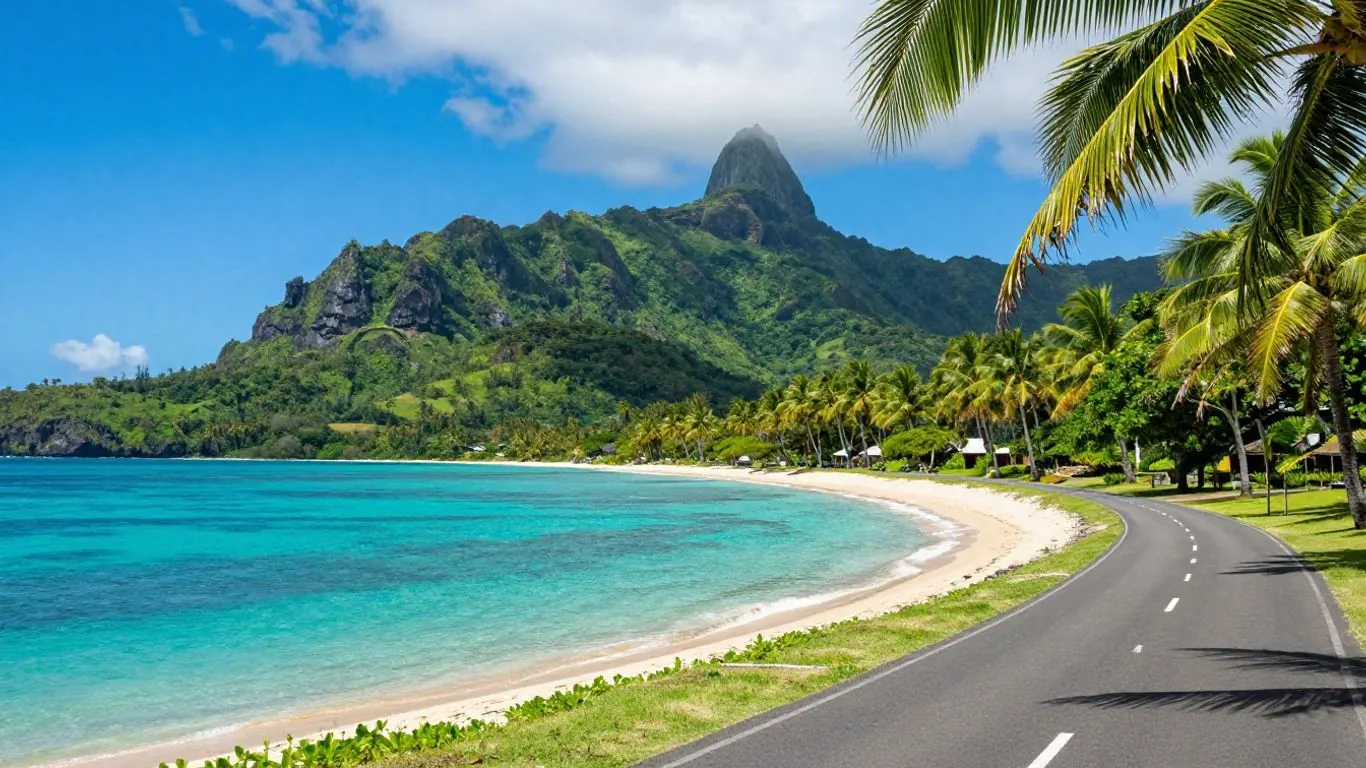
Tahiti's islands are high and volcanic, with jagged peaks rising behind turquoise lagoons, and the overwater bungalow is the signature stay. Bora Bora is the famous image, but Moorea, Taha'a and the atolls of the Tuamotus each have a different feel.
Fiji has more than 300 islands, ranging from the dry, sandy Mamanucas and Yasawas off Nadi to lush Taveuni and the reefs of Kadavu. Most resorts are beachfront bures rather than overwater, although a few, such as Likuliku Lagoon Resort on Malolo, do offer overwater bures. Our guide to Fiji's islands shows how the regions differ.
If you already know Bora Bora is the dream, our Fiji vs Bora Bora comparison goes deeper on that specific choice.
Culture and everyday atmosphere
Fiji's warmth is the first thing most travellers mention. Resort staff greet guests with "bula" and many resorts are run with strong ties to nearby villages. The culture blends iTaukei (Indigenous Fijian) traditions such as meke dance and the lovo earth-oven feast with Indo-Fijian food and festivals, so curries and roti sit alongside coconut-cream dishes.
French Polynesia combines Polynesian culture with a French influence in food, language and daily life. Tattooing, Tahitian dance and the outrigger canoe are central, and the Heiva i Tahiti festival is the biggest cultural celebration of the year. Away from resorts, you will hear more French than English, which some travellers love and others find harder work.
Trip length and timing
Both destinations share the same broad seasons: a drier, slightly cooler stretch from about May to October and a hotter, more humid rainy season from November to April, when the Government of Canada notes that cyclones are most likely. Canadian winter escapes therefore fall in the wetter months in both places. That doesn't rule them out, but it makes flexible bookings and travel insurance with trip-interruption cover more important.
Trip length is where the two really separate. Because Fiji is one nonstop flight away and most island transfers are short, seven nights gives you a proper stay, and ten allows two islands. A Tahiti trip from Canada needs a US connection, often an overnight, and then a domestic flight, so we suggest at least nine or ten nights to make the travel time worthwhile, and longer if you want two islands. If your time off is fixed at one week, that difference alone often decides the question.
Which suits whom
- Families with children: Fiji, clearly. Kids' clubs, family bures, calm lagoons and a nonstop flight make it far easier.
- Honeymooners wanting overwater: Tahiti, if the budget allows. It has many more overwater options and the scenery to match.
- Couples on a value-conscious budget: Fiji, where an adults-only island resort costs less and takes less travel time.
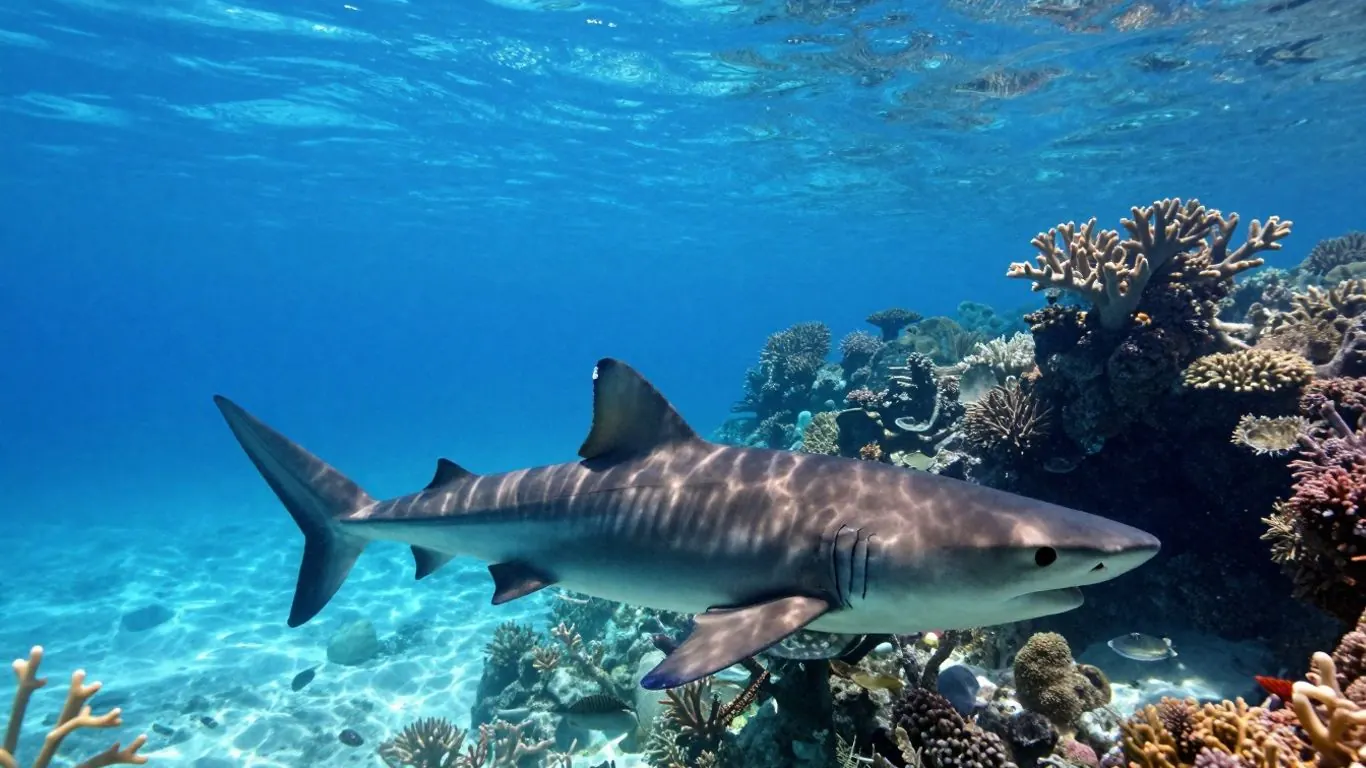
- Divers: both are excellent. Fiji is known for soft coral; French Polynesia for sharks and drift dives in the Tuamotus.
- Travellers with one week: Fiji. With two weeks or more, Tahiti's extra travel time matters less.
- Multi-generation groups: Fiji, for the range of room types and resort activities.
Bottom line
Start with your budget, your travel time and who is coming. If the trip is a family holiday or a first visit to the South Pacific, Fiji is the easier fit; if it is a once-in-a-lifetime honeymoon centred on an overwater bungalow, Tahiti deserves a serious look. For more romantic stays on the Fiji side, see our Fiji honeymoon resorts, and we can price both destinations side by side when you plan with us.
Frequently asked questions
Can I combine Fiji and Tahiti in one trip?
Yes, but combining them usually means extra flights and connections, so check current routings and allow time. With less than two weeks, we suggest choosing one.
Is the weather different between Fiji and Tahiti?
Not much. Both are warm year-round, with a drier season roughly May to October and a rainy and cyclone season from November to April.
Which is better for snorkelling straight from the beach?
Both have good options. In Fiji, many Mamanuca and Yasawa resorts have reef close to shore; in Tahiti, lagoon snorkelling is excellent around Moorea and Bora Bora.