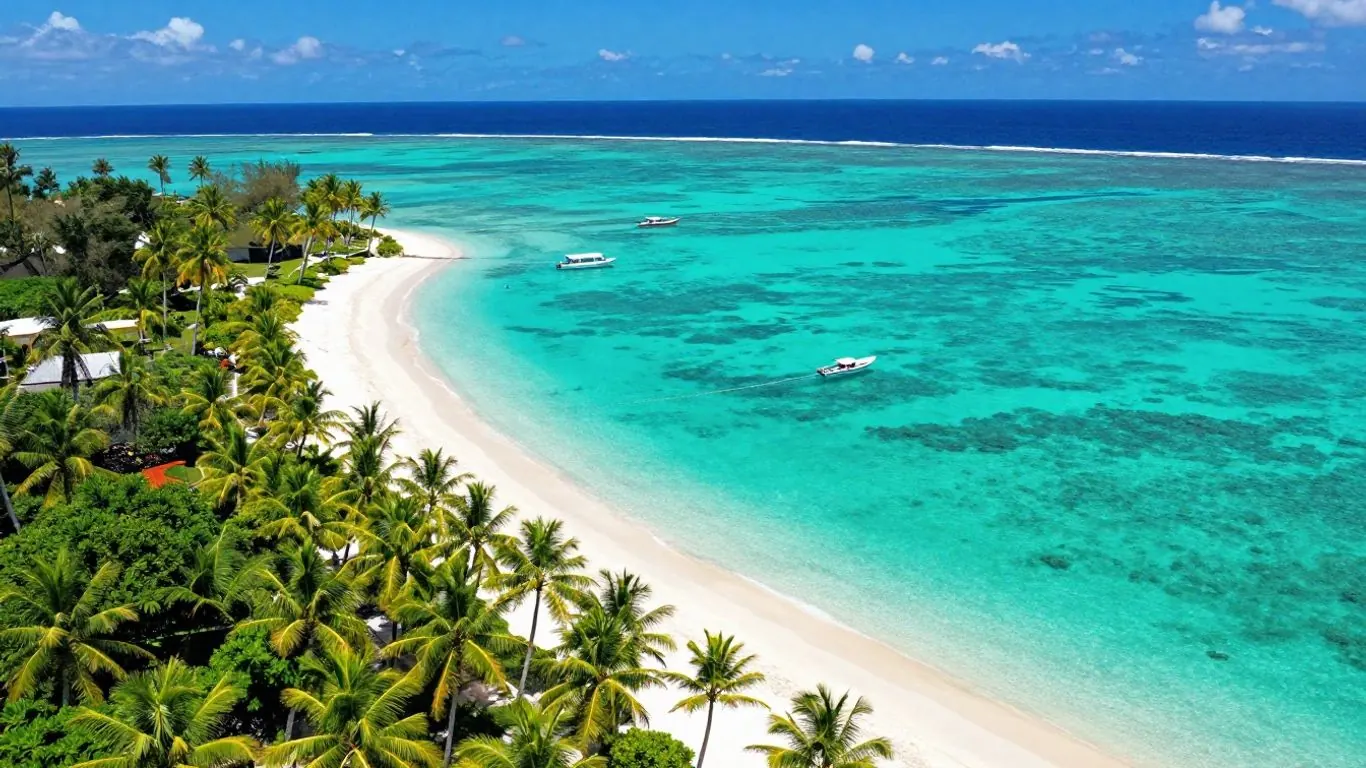
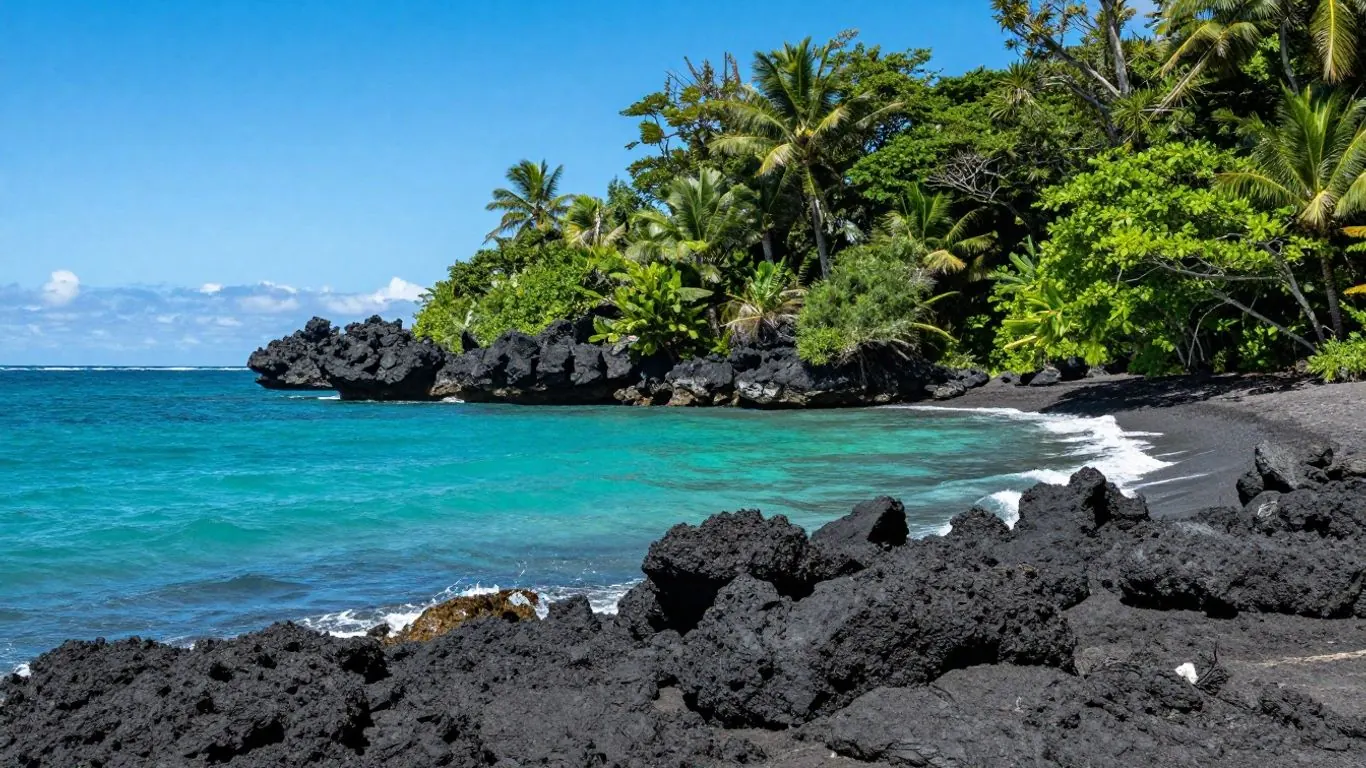
Fiji, a scattering of islands in the South Pacific, is famous for its stunning beaches. But did you know many of these are born from ancient volcanic activity? This article dives into the unique Fiji volcanic beaches, exploring their origins, the best spots to visit, and how to make the most of your trip to these incredible shores.
Key Takeaways
Fiji’s islands, including its beaches, were formed by volcanic activity millions of years ago.
Islands like Taveuni, Qamea, and Waya offer distinct volcanic beach experiences, from black sands to dramatic coastlines.
Getting to Fiji’s volcanic beaches can involve boat rides or hikes, so plan your travel time wisely.
The dry season (May to October) is generally best for visiting Fiji’s beaches, offering clearer waters but potentially more crowds.
Beyond the sand, enjoy marine life, local culture, and various water activities when exploring Fiji volcanic beaches.
Geological Foundations Of The Archipelago
Fiji, a collection of over 330 islands scattered across the South Pacific, owes its very existence to fiery geological processes. Most of these islands are ancient, formed over 150 million years ago through intense volcanic activity. Imagine a time when molten rock spewed from the ocean floor, gradually building up landmasses that would eventually become the lush, tropical paradises we see today. This volcanic past is the bedrock of Fiji’s dramatic landscapes, from towering peaks to the very sands that grace its shores. The archipelago’s formation is a testament to the powerful forces shaping our planet. Understanding this geological heritage gives you a deeper appreciation for the unique environments you’ll encounter.
Ancient Volcanic Activity Shaping Landscapes
The legacy of Fiji’s volcanic origins is etched into every island. While many of the volcanoes are long dormant, their influence is undeniable. You can see it in the rugged terrain, the fertile soils that support vibrant rainforests, and, of course, the distinctive beaches. These aren’t just any tropical sands; many are born from the erosion of volcanic rock, giving them unique colors and textures. Exploring these islands is like stepping back in time, witnessing the slow, steady work of nature reclaiming and transforming the land. It’s a fascinating process that has created a truly remarkable destination.
The islands themselves are a living museum of geological history, where the dramatic forces of the past have sculpted breathtaking natural beauty. From the highest points to the deepest ocean trenches surrounding the islands, the volcanic past is ever-present.
Here’s a glimpse into the types of volcanic features you might encounter:
Calderas: Large, collapsed volcanic craters, often now filled with water or lush vegetation.
Lava Flows: Ancient solidified lava streams that have shaped the island’s topography.
Volcanic Cones: The classic mountain shapes formed by eruptions, some now covered in dense jungle.
Geothermal Activity: While less common, some areas may still show signs of residual heat from their volcanic past, like hot springs.
These features contribute to the diverse environments found across Fiji, influencing everything from the soil composition to the coastal formations. For those interested in the raw power of geology, exploring these volcanic landscapes can be an incredibly rewarding experience, similar to discovering volcanic hikes in the Pacific .
This geological foundation is what sets the stage for the unique volcanic beaches that await exploration, offering a stark contrast to the typical white-sand stereotypes. It’s a reminder that even in paradise, powerful natural forces have been at play. You can learn more about dramatic volcanic landscapes around the world to see how Fiji fits into the global picture.
Exploring The Diverse Fiji Volcanic Beaches
Fiji’s coastline is a tapestry woven with threads of ancient volcanic activity, creating a stunning array of beaches that go far beyond the typical white sand. These shores tell a story of geological forces, offering unique textures, colors, and experiences for every traveler. From the striking black sands to dramatic cliff-lined coves, each beach presents a different facet of Fiji’s volcanic heart.
Taveuni Island’s Black Sand Shores
Taveuni, often called the "Garden Island," boasts some truly remarkable volcanic beaches. Here, the sand often takes on a deep, dark hue, a direct result of the island’s fiery past. Imagine walking along shores where lush, tropical rainforest tumbles right down to meet the dark sand, creating a dramatic contrast. These aren’t just places to relax; they’re gateways to adventure. You might find tidal pools brimming with tiny marine creatures right at your feet, or perhaps a vibrant coral reef just a short swim from the shore. It’s a place where the raw power of nature is on full display, offering a different kind of tropical beauty.
Qamea Island’s Volcanic Sands
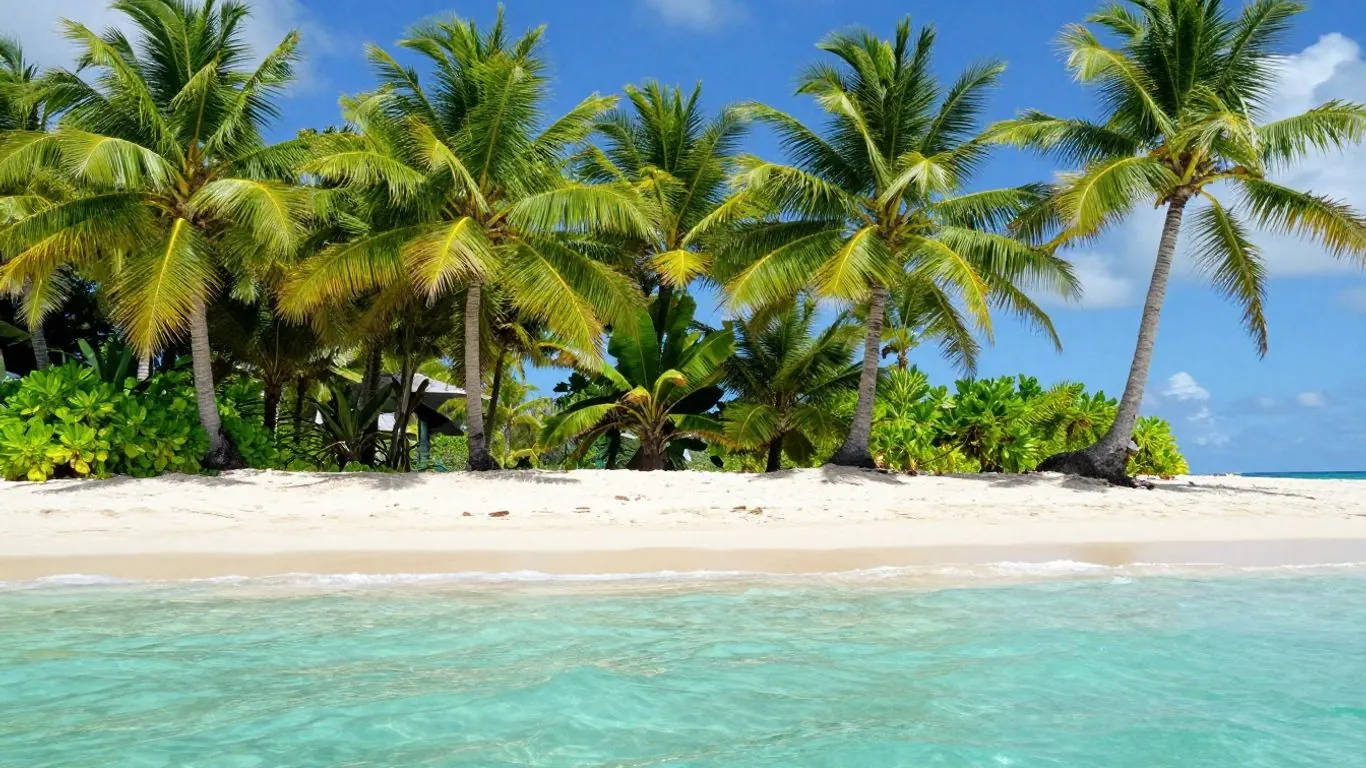
Just a stone’s throw from Taveuni, Qamea Island offers another perspective on Fiji’s volcanic heritage. While some of its beaches might surprise you with softer, lighter sands, the underlying volcanic origins are still present. Picture yourself strolling along palm-fringed stretches, the gentle waves lapping at the shore. These beaches are perfect for a more relaxed pace, with calm waters inviting a swim or snorkel. The offshore reefs here are easily accessible, making it simple to explore the underwater world without needing to venture too far. It’s a classic tropical dream, but with that subtle volcanic character.
Waya Island’s Dramatic Volcanic Coastline
Heading to the Yasawa Islands, Waya Island presents a truly dramatic volcanic landscape. Here, the beaches are often nestled within secluded coves, framed by rugged, towering cliffs that speak of ancient eruptions. The coastline is a masterpiece of natural sculpting. You can swim in the clear waters beneath these imposing peaks, finding quiet bays perfect for unwinding. Snorkeling among the vibrant coral gardens that thrive just offshore, with the imposing volcanic terrain as your backdrop, is an unforgettable experience. It’s a place that feels both wild and incredibly beautiful, a testament to the powerful forces that shaped these islands .
Fiji’s volcanic beaches offer a unique visual and tactile experience, distinct from the typical postcard image of tropical shores. They are a direct connection to the islands’ fiery origins, providing a rich backdrop for exploration and relaxation.
Coastal Journeys And Accessibility
Getting to Fiji’s volcanic beaches is part of the adventure, and understanding how to move around will make your trip smoother. Some shores are right off the main roads, easy to get to with just a short walk. Others, though, are a bit more hidden, maybe needing a boat ride or a bit of a hike through the island’s interior. It’s a trade-off, really: do you want quick access, or are you up for a little effort to find a more secluded spot?
Navigating Fiji’s Varied Coastlines
Fiji’s coastline isn’t one-size-fits-all. You’ll find everything from wide-open bays to tiny, tucked-away coves. Some are easily reached from popular resorts, while the most stunning volcanic sands might be further afield. This means planning your transport is key. For many of the more remote or smaller island beaches, a boat is your best bet. This could be a scheduled ferry, a private charter, or even a local fishing boat.
Easily Accessible Beaches: Often found near main roads or larger resorts, these are great for a quick visit or if you have limited mobility. Think of places like Natadola Beach on the Coral Coast.
Boat-Access Only Beaches: Many gems, especially in island groups like the Yasawas or Lau, require a boat trip. This opens up a world of pristine, less-crowded shores.
Hike-In Beaches: Some volcanic beaches are nestled at the end of short trails, offering a rewarding walk through tropical scenery before you hit the sand.
Balancing Travel Time With Beach Experiences
When you’re planning your days, it’s smart to think about how much time you want to spend traveling versus actually relaxing on the beach. Trying to see too many places in one day can leave you feeling rushed and exhausted. It’s better to pick a few spots that are geographically close or easily linked by your chosen transport.
The real magic of Fiji’s beaches often lies in slowing down. Rushing from one spot to another means you miss the subtle shifts in sand color, the unique rock formations, and the quiet moments that make each volcanic beach special. Give yourself permission to linger.
Island Hopping For Comprehensive Exploration
If you’re keen to see a variety of volcanic beaches, island hopping is the way to go. Groups like the Mamanuca Islands or the Yasawa Islands are well-suited for this, with regular boat services connecting them. You could start your journey in the Mamanucas, known for their vibrant reefs and lively atmosphere, and then head to the Yasawas for a more laid-back vibe. This approach lets you experience different coastal landscapes and island cultures without spending too much time in transit. For those looking for a truly unique island experience, the Lau Group offers a diverse range of scenery.
Here’s a quick look at how travel time might affect your beach choices:
Remember, the most memorable beach experiences often come from embracing the journey itself , not just the destination. Whether you’re on a comfortable cruise or a local ferry, the views along Fiji’s coast are always worth appreciating. Paul Gauguin Cruises provides options for comfortable travel, making the journey part of the enjoyment.
Optimal Timing For Fiji Beach Visits
Figuring out the best time to visit Fiji’s volcanic beaches really depends on what you’re looking for. It’s not just about avoiding rain; it’s about balancing crowds, prices, and the kind of experience you want. Fiji has two main seasons, and each has its own pros and cons for beach lovers.
The Dry Season Advantage
Generally, the period from May to October is considered the dry season in Fiji. This is when you’ll find the most pleasant weather for spending your days lounging on the sand or exploring the waters. The humidity drops, and you’ll see fewer rainy days. This makes it the prime time for activities like swimming, snorkeling, and simply enjoying the sunshine without too much interruption. Clearer skies often mean better visibility underwater, which is a big plus if you’re keen on seeing the marine life around those volcanic shores. Of course, this ideal weather comes with a trade-off: it’s also peak tourist season. You’ll likely encounter more people at popular spots, and prices for flights and accommodation tend to be higher. If you’re planning a trip during these months, booking well in advance is a good idea. It’s the best time for a trip to Fiji’s peak season .
Navigating The Wet Season
The wet season typically runs from November to April. During these months, Fiji experiences higher humidity and more frequent rainfall. Don’t let the name fool you, though; it doesn’t usually rain all day, every day. Often, you’ll get heavy downpours in the afternoon or evening, with sunny periods in between. The upside to visiting during the wet season is that there are fewer tourists, and you might find better deals on travel and lodging. The landscape also looks incredibly lush and vibrant during this time. However, the rain can sometimes affect water clarity, making snorkeling or diving less ideal. Some volcanic beaches might also experience rougher seas. It’s a trade-off between potentially less predictable weather and a more relaxed, budget-friendly experience.
Shoulder Seasons For A Balanced Experience
If you’re looking for a middle ground, consider the shoulder seasons. These are the periods just before and after the peak dry season, typically around late April to early May and again in late October to early November. During these times, you can often find a good balance. The weather is usually still quite pleasant, with a lower chance of heavy rain than in the wet season, but the crowds haven’t fully arrived or have started to thin out. This can mean better prices and a more laid-back atmosphere on the beaches. You might still get the occasional shower, but overall, it’s a great way to experience Fiji’s volcanic coastlines without the peak season hustle. It’s similar to how Punta Mita offers a tropical feel with varying weather patterns.
Here’s a quick look at what to expect:
Dry Season (May – October): Best weather, clearer waters, higher prices, more crowds.
Wet Season (November – April): Higher humidity, chance of rain, fewer crowds, lower prices, lush scenery.
Shoulder Seasons (Late April/Early May, Late Oct/Early Nov): Good balance of weather, fewer crowds, potentially better prices.
Ultimately, the best’ time to visit Fiji’s volcanic beaches is subjective. It depends on your priorities. Are you chasing perfect sunshine, seeking solitude, or trying to stick to a budget? Understanding these seasonal patterns will help you pick the time that best suits your dream beach getaway.
Beyond The Sand: Activities And Culture
While Fiji’s volcanic beaches are undeniably stunning, the experience extends far beyond the shoreline. Engaging with the local culture and participating in activities both in and out of the water will truly enrich your visit. Many resorts and local communities offer opportunities to connect with Fijian traditions and the vibrant marine world surrounding these unique shores.
Marine Encounters Near Volcanic Shores
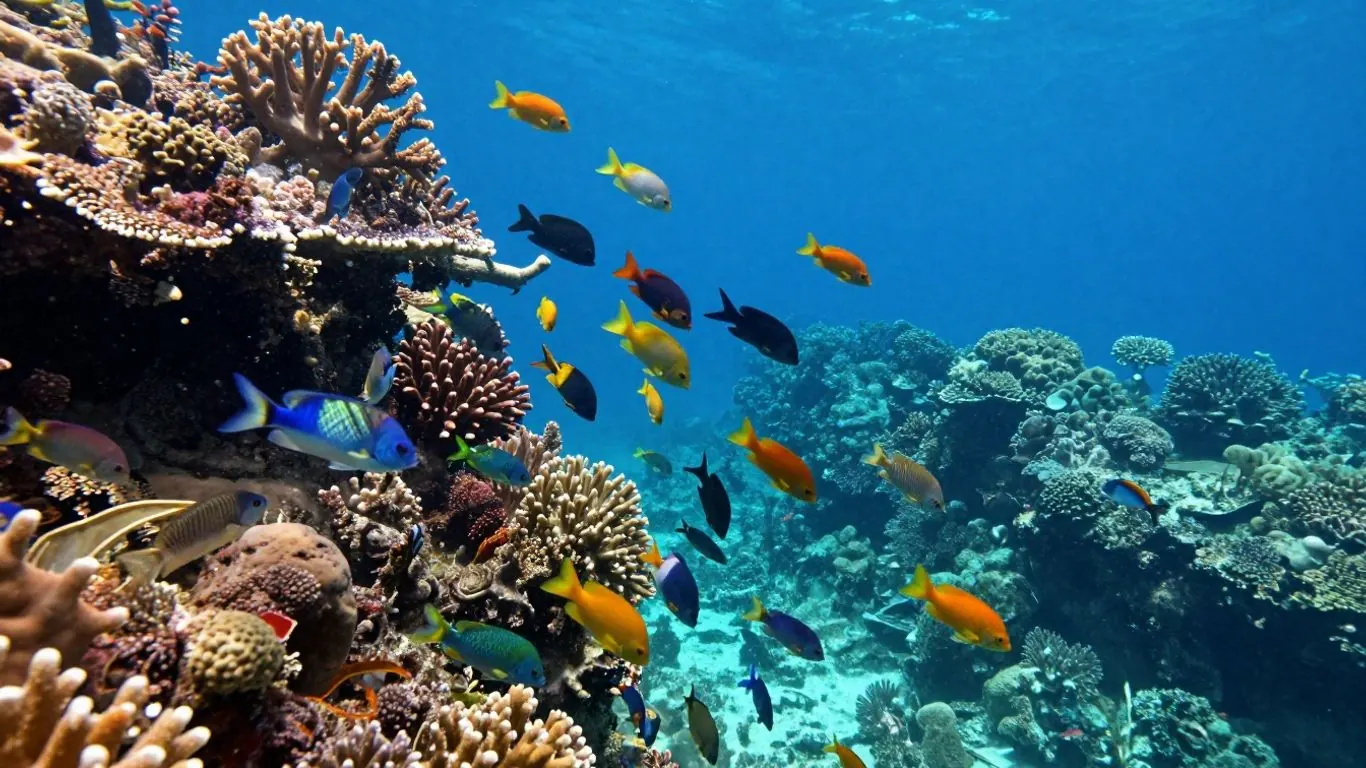
Fiji’s volcanic origins have created fascinating underwater landscapes, making the waters around these beaches prime spots for marine exploration. You can expect to see a variety of colorful fish and coral formations. Some areas are particularly known for:
Snorkeling: Many volcanic beaches have accessible reefs just a short swim from the shore, perfect for a casual snorkel.
Diving: For a more immersive experience, consider guided diving trips. The underwater topography can be quite dramatic.
Kayaking and Paddleboarding: These offer a peaceful way to observe the marine life from the surface, especially in calmer lagoons.
The waters around Fiji are teeming with life, offering a spectacular display of underwater biodiversity.
Cultural Immersion In Coastal Villages
Visiting a local village provides a genuine glimpse into Fijian life. These communities often welcome visitors, sharing their customs and daily routines. Participating in a village visit can include:
Traditional Welcoming Ceremonies: Experience the warmth of Fijian hospitality.
Learning Local Crafts: Try your hand at weaving palm fronds or making shell jewelry.
Sharing Stories: Elders often share ancient legends and insights into their way of life.
Engaging with local communities offers a deeper appreciation for the islands and their people, transforming a simple beach holiday into a meaningful cultural exchange.
Consider a Fijian village homestay for a truly immersive experience. Many villages are located near the coast and offer a chance to understand the connection between the people and their environment.
Adventures On And Off The Water
Beyond the typical beach activities, Fiji offers a range of adventures that highlight its unique geography and culture. Whether you’re seeking thrills or a more relaxed pace, there’s something for everyone.
Hiking: Explore the volcanic landscapes by taking trails that lead to scenic viewpoints overlooking the coast.
Island Hopping: Use boats to visit multiple volcanic beaches and discover hidden coves.
Local Cuisine: Sample traditional Fijian dishes, often prepared using local ingredients and cooking methods like the lovo’ (underground oven).
Exploring the diverse landscapes of Fiji means embracing both the natural beauty and the cultural richness that these volcanic shores have to offer.
Planning Your Fiji Volcanic Beach Itinerary
Figuring out how to see Fiji’s volcanic beaches can feel a bit like putting together a puzzle, but it’s totally doable. The key is to group places that are close to each other. Think about it – you don’t want to spend all your vacation time just traveling between islands, right? The Mamanuca and Yasawa Islands are a good starting point because they’re pretty easy to get to, often by boat or even a quick seaplane ride. You could spend a few days exploring the Mamanucas, maybe hitting up some spots with great snorkeling, and then hop over to the Yasawas for a more laid-back vibe. It’s all about making the most of your time.
Clustering Regions For Efficient Travel
To really get a feel for Fiji’s volcanic shores without feeling rushed, it makes sense to focus on specific island groups. The Mamanuca and Yasawa Islands are a natural pairing, offering a range of experiences from lively to serene. You can easily arrange boat transfers between them, making your travel days smoother. Another option is to explore the islands closer to the main island, Viti Levu, like the Coral Coast, which gives you access to different types of volcanic sand beaches and coastal scenery. Planning your trip around these clusters means less time on ferries and more time actually enjoying the beaches. It’s a smart way to see more without the travel fatigue. You can find great resources for planning your Fiji vacation that highlight these island combinations.
Prioritizing Beach Experiences
When you’re planning, think about what kind of beach experience you’re after. Are you looking for dramatic black sand shores with rugged backdrops, or do you prefer softer sands with calm waters perfect for swimming? Some beaches, like those on Taveuni Island, are known for their striking black sand, often framed by lush rainforest. Others, like on Qamea Island, might offer a more classic tropical feel with palm trees and gentle surf. It’s a good idea to pick a few must-see spots and then allow for some spontaneous discoveries. Don’t try to cram too many into one day; each beach has its own charm that deserves some time to appreciate. A good rule of thumb is to aim for maybe three to five beaches over your trip, giving each one a decent amount of time.
Embracing Flexibility In Your Plans
Even with the best plans, things can change, especially when you’re island hopping. Weather can be unpredictable, and sometimes a boat might be delayed. It’s wise to build some wiggle room into your itinerary. If you planned a full day at one beach and it turns out to be too crowded or the weather isn’t cooperating, having a backup option or just being open to exploring a nearby spot can save the day. For instance, if you’re on Kadavu, you might find that sticking to a more focused 4-day itinerary allows for adjustments based on local conditions. Being flexible means you’re more likely to roll with any punches and still have an amazing time. Remember, the goal is to relax and enjoy the beauty of Fiji, not to stick rigidly to a schedule that causes stress.
Fiji’s volcanic beaches offer a unique tapestry of landscapes. By grouping your visits geographically and being open to adjustments, you can craft an itinerary that balances seeing diverse shores with truly experiencing each one. Don’t forget to factor in travel time between islands and allow for spontaneous moments of discovery.
Your Fijian Beach Adventure Awaits
So, as we wrap up our exploration of Fiji’s volcanic shores, it’s clear that these islands offer more than just pretty sand. From the dark, rich volcanic beaches to the softer, white sand stretches, each spot has its own story. Whether you’re looking to dive into the blue, hike a coastal trail, or just relax under a palm tree, Fiji has a beach for you. Remember to plan a bit, maybe visit a few different kinds of beaches to really see what’s out there, but don’t forget to just slow down and enjoy the moment. The real magic of Fiji is in its natural beauty and the warm welcome you’ll find everywhere. We hope this inspires you to plan your own trip to these incredible islands.
What makes Fiji’s beaches volcanic?
Fiji is made up of islands that were formed by volcanoes a long, long time ago. Over millions of years, these volcanoes created the land, and the beaches you see today are often made of sand and rocks that came from that ancient volcanic activity. Some beaches have dark sand because of this.
Which islands have the most interesting volcanic beaches?
Islands like Taveuni and Qamea are known for their beautiful black sand beaches, which are a direct result of volcanic rock. Waya Island also has dramatic coastlines shaped by its volcanic past, with cool cliffs and coves.
Is it hard to get to Fiji’s volcanic beaches?
Getting to some beaches is easy, while others might take a bit more effort, like a boat trip or a short hike. It’s good to plan your travel time so you can enjoy the beaches without feeling rushed. Sometimes, the most amazing spots are a little harder to reach.
When is the best time to visit Fiji’s beaches?
The best time is usually during the dry season, from May to October. The weather is nicer for swimming and exploring. But, if you want fewer crowds and maybe better prices, the wet season (November to April) can also be a good time, though you might get some rain.
What can I do at these volcanic beaches besides swim?
There’s lots to do! You can go snorkeling or diving to see colorful fish and coral reefs near the shore. Many volcanic beaches are also close to rainforests, so you can hike and enjoy nature. You can also visit local villages to learn about Fijian culture.
How should I plan my trip to see different volcanic beaches?
It’s smart to group islands that are close to each other to save travel time. For example, you could visit a few beaches in the Mamanuca or Yasawa Islands together. Don’t try to see too many in one day; give yourself enough time to really enjoy each special beach.