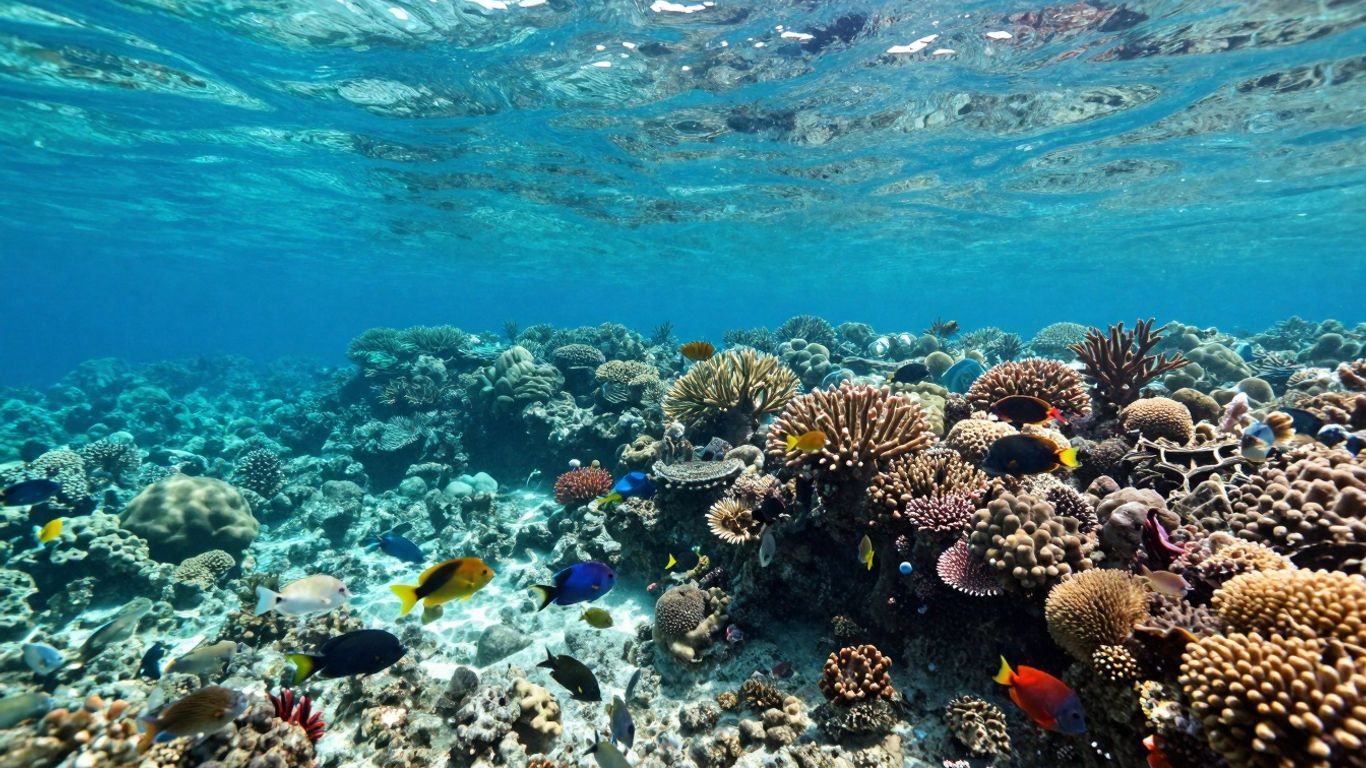
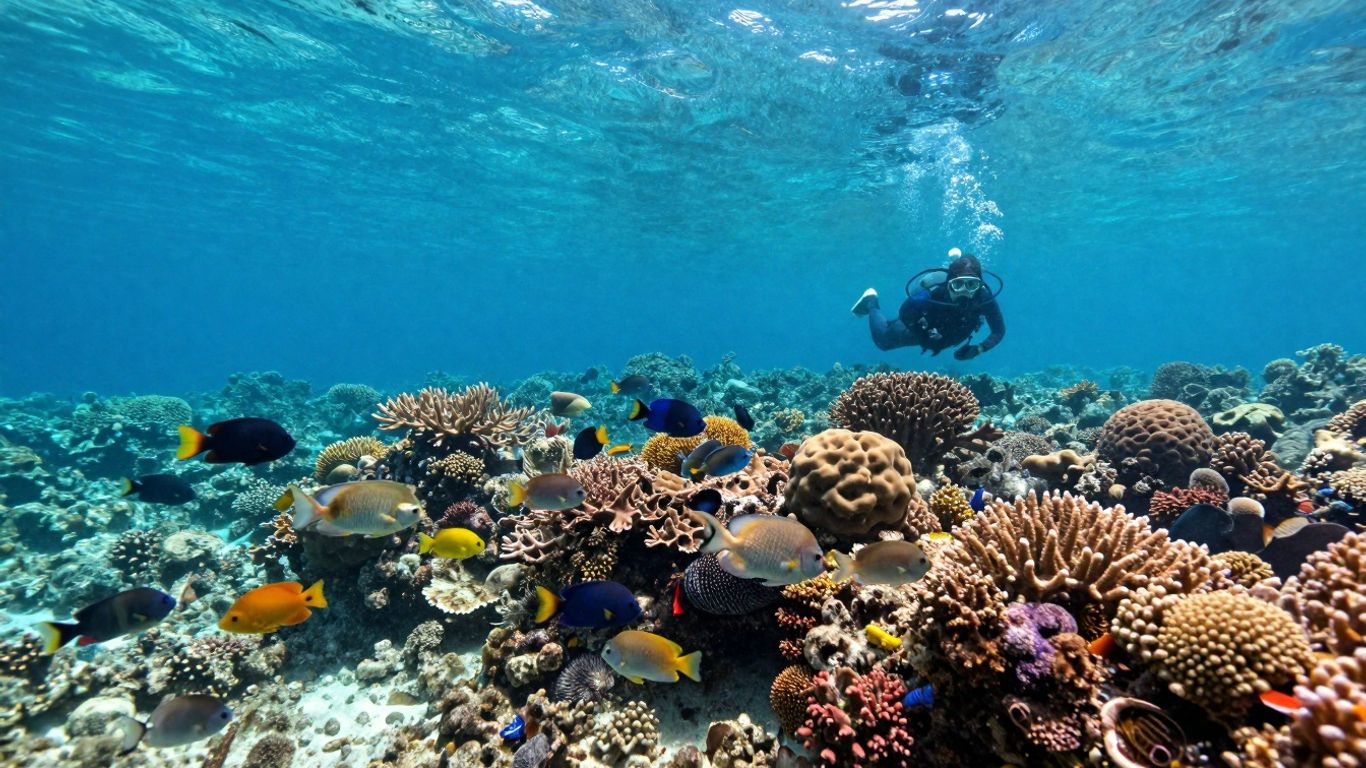
Fiji is a dream destination for anyone curious about what lies beneath the waves. Imagine warm, clear water teeming with life – that’s what Fiji underwater offers. It’s known as the Soft Coral Capital of the World, and for good reason. You can expect to see an incredible variety of fish and corals, making it a top spot for people who love exploring the ocean. Whether you’re just starting out or have been exploring for years, Fiji has something special waiting for you.
Key Takeaways
Fiji is celebrated globally as the Soft Coral Capital of the World,’ showcasing a stunning array of colorful underwater landscapes.
The waters around Fiji are home to a vast diversity of marine life, including graceful manta rays, various shark species, and countless reef fish.
Premier locations like Beqa Lagoon, Kadavu’s Astrolabe Reef, and Vatu-i-Ra offer unique underwater experiences, from shark encounters to vibrant coral gardens.
Regions such as Somosomo Strait and Namena Marine Reserve are known for their strong currents and healthy ecosystems, attracting experienced explorers.
Fiji provides excellent opportunities for beginners to learn scuba diving with certified instructors and practice eco-conscious exploration.
The Soft Coral Capital
Fiji really lives up to its nickname, the "Soft Coral Capital of the World." Seriously, the colors down there are unreal. Imagine swimming through gardens of coral that look like they’re made of velvet, in every shade of purple, pink, and orange you can think of. It’s not just pretty to look at, either. These soft corals are part of a huge, healthy ecosystem that supports tons of other sea life. You’ll see them swaying gently in the currents, and it’s easy to understand why divers flock here just for this spectacle. It’s like a whole different planet beneath the waves, bursting with life and color.
Abundant Marine Biodiversity
Beyond the corals, the sheer variety of creatures you can see is mind-blowing. We’re talking about over 1,200 types of fish and around 400 kinds of coral. You might spot a shy clownfish peeking out from its anemone, a majestic sea turtle gliding by, or even a reef shark cruising in the distance. It’s not uncommon to see schools of fish so big they look like shimmering clouds. Keep an eye out for the smaller stuff too – the intricate patterns on a nudibranch or the camouflaged scorpionfish can be just as fascinating. It’s this incredible mix of life that makes every single trip underwater feel like a new adventure.
Year-Round Ideal Conditions
One of the best things about exploring Fiji’s underwater world is that you can pretty much do it anytime. The water temperature stays warm, usually between 24 to 30 degrees Celsius (75 to 86°F), so you don’t need a super thick wetsuit. Plus, the visibility is often fantastic, meaning you can see for quite a distance. This combination of pleasant water temps and clear views makes it a great spot for anyone wanting to explore, whether you’re just starting out or you’ve been exploring the ocean for years. It really makes planning a trip a lot easier when you know the conditions are likely to be good.
Fiji’s underwater environment is a treasure trove of natural beauty, offering a dazzling display of colors and life that captivates all who venture beneath its surface. The consistent, favorable conditions mean that this vibrant world is accessible and enjoyable throughout the year, inviting exploration and wonder.
Iconic Fiji Underwater Encounters
Fiji’s waters are teeming with life, and seeing some of its most famous residents up close is a major draw for visitors. It’s not just about the coral, though that’s amazing too. It’s about the creatures that call these reefs home.
Graceful Manta Ray Sightings
Spotting a manta ray is often a highlight for anyone exploring Fiji’s underwater world. These huge, graceful animals, sometimes called "gentle giants," glide through the water with an elegance that’s captivating. You might see them feeding in plankton-rich areas or just cruising along. The best chances to see these magnificent creatures are often in specific locations known for their plankton blooms.
Here are some spots where manta rays are frequently seen:
Kadavu and the Astrolabe Reef
Drawaqa Island in the Yasawa Islands
Namena Marine Reserve
Somosomo Strait
Encounters with Gentle Giants
Beyond the mantas, Fiji offers encounters with other large, impressive marine life. Think sea turtles munching on seagrass or even sharks patrolling the reefs. Sharks, often misunderstood, play a vital role in keeping the reef ecosystem healthy. Fiji is home to many different shark species, and some tours even let you get quite close, like the shark feeding experiences in Beqa Lagoon. It’s a chance to see these predators in their natural environment, which is pretty incredible.
Observing sharks in their natural habitat can be a profound experience, offering a new perspective on these often-feared animals and their importance to the ocean’s balance.
Diverse Reef Inhabitants
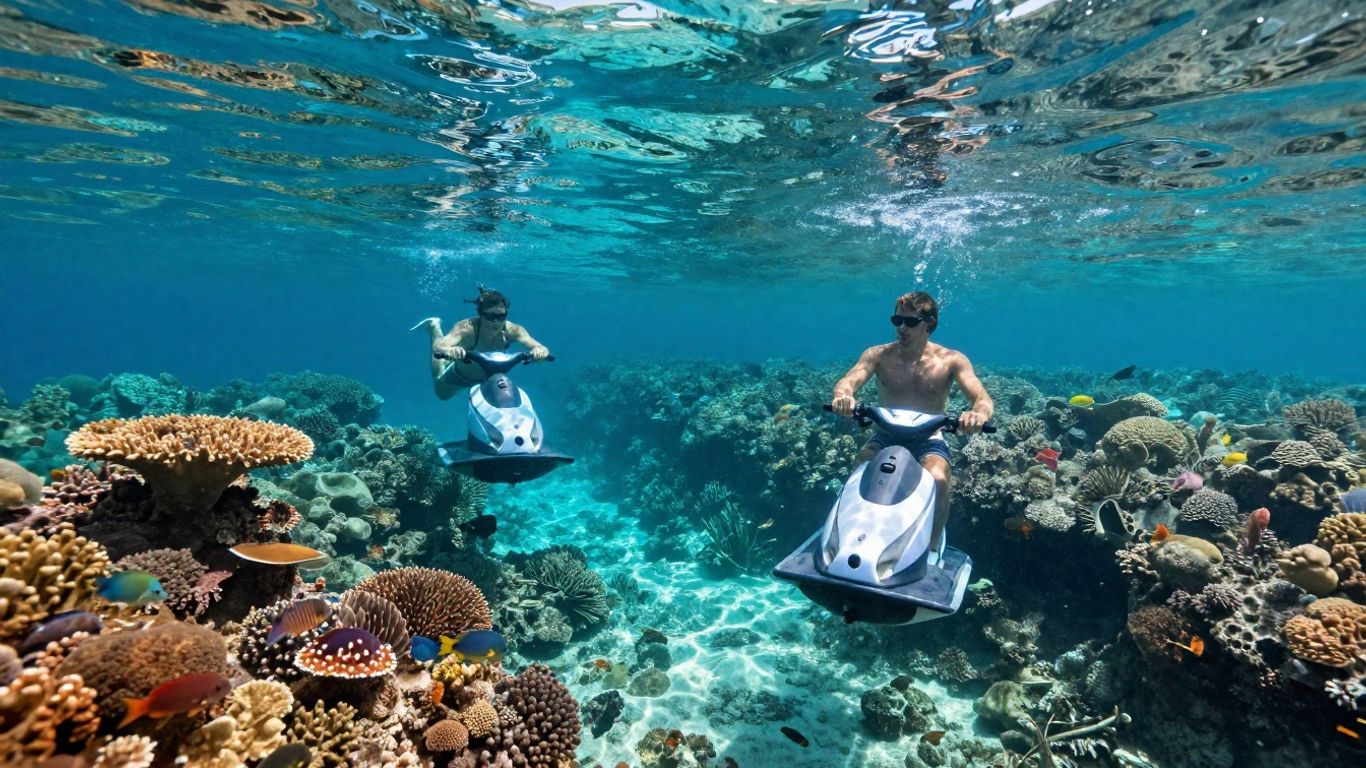
But it’s not all about the big guys. The reefs themselves are alive with activity. You’ll see countless smaller fish darting around, from tiny clownfish playing in anemones to larger parrotfish keeping the coral clean. Keep an eye out for camouflaged critters like scorpionfish or the vibrant colors of ribbon eels. It’s like a bustling city down there, with something new to discover around every corner. You can find Fiji’s rich biodiversity in many of its protected areas.
Beqa Lagoon’s Shark Diving
Beqa Lagoon is a name that comes up a lot when people talk about diving in Fiji, and for good reason. It’s famous for its shark encounters, offering a chance to see multiple species in their natural habitat. Think of it as a thrilling underwater safari. The lagoon itself is quite large, with over a hundred different spots to explore, so there’s plenty for both beginners and those with more experience.
Variety of Shark Species: Expect to see bull sharks, tiger sharks, and various reef sharks.
Reef Structures: Explore vibrant coral gardens and interesting underwater topography.
Accessibility: Easily reachable from the Coral Coast.
This area provides a unique opportunity to witness apex predators up close, making it a highlight for many visitors seeking an adrenaline rush.
Kadavu and the Astrolabe Reef
If you’re looking for something truly vast, the Astrolabe Reef off Kadavu Island is the place. It’s one of the biggest barrier reefs in the world, and it’s a major spot for bigger fish to hang out and breed. You might see tuna, marlin, and giant trevally cruising by. It’s a bit more remote than Beqa, which means fewer crowds and a more untouched feel to the underwater world.
World-Class Barrier Reef: The sheer size of the Astrolabe Reef is impressive.
Pelagic Life: Great chances to see large, open-water fish.
Remote Location: Offers a more secluded and pristine experience.
Vatu-i-Ra’s Coral Gardens
Known also as Bligh Water, Vatu-i-Ra is a collection of dive sites that really showcase Fiji’s soft coral beauty. Places like Yellow Mellow’ are named for their stunning yellow corals, while Wheatfields’ looks like an underwater meadow with waving anemones. It’s also known for spots where fish seem to appear out of nowhere, creating a lively scene. The currents here can be strong, so it’s often recommended for those with a bit more comfort in the water.
Vibrant Soft Corals: Famous for colorful coral formations.
Abundant Fish Life: Expect schools of fish and diverse reef dwellers.
Unique Site Names: Sites like Black Magic Mountain’ hint at the spectacular experiences.
Exploring Fiji’s Underwater Regions
Fiji is made up of over 300 islands, and each region offers something a little different for those exploring beneath the waves. It’s not just one big aquarium; think of it more like a collection of diverse neighborhoods, each with its own vibe and residents.
The Somosomo Strait’s Currents
This channel between Taveuni and Vanua Levu is famous for its moving water. It’s not a place for beginners to just float around; you’ll often be drifting along with the current. But that’s where the magic happens! The flow brings nutrients, which feed the incredible soft corals and attract schools of fish. You might see turtles cruising by or even a manta ray using the current to its advantage. Visibility here can be surprisingly good, sometimes up to 100 feet, so even with the movement, you can see a lot. It’s a dynamic spot that really shows off the power of the ocean.
Namena Marine Reserve’s Health
Just off the coast of Vanua Levu, the Namena Marine Reserve is a protected area, and you can really tell. The coral here is healthy, and the fish life is abundant. It feels like a well-kept secret, with lots of untouched sites. You can expect to see all sorts of reef fish, from tiny clownfish darting in and out of anemones to larger angelfish. Sometimes, you might even spot an octopus camouflaged against the reef. It’s a great place to experience Fiji’s underwater world without too many crowds. Many operators offer trips here, taking you to some of the more remote spots.
Bligh Waters for Experienced Divers
Also known as Vatu-i-Ra Passage, this area is often recommended for those with a bit more experience. It’s known for its vibrant coral gardens and sometimes strong currents, similar to the Somosomo Strait. Sites like Yellow Mellow’ are famous for their soft yellow corals, while Wheatfields’ looks like an underwater meadow with waving anemones. Black Magic Mountain’ is another spot where you can witness an incredible number of fish. These waters are a testament to Fiji’s reputation as the Soft Coral Capital of the World. It’s a place where you can really appreciate the intricate beauty of the reefs and the diverse life they support. If you’re looking for a visually stunning experience with a bit of a challenge, Bligh Waters is definitely worth considering for your Fiji holiday .
Learning to Scuba Dive
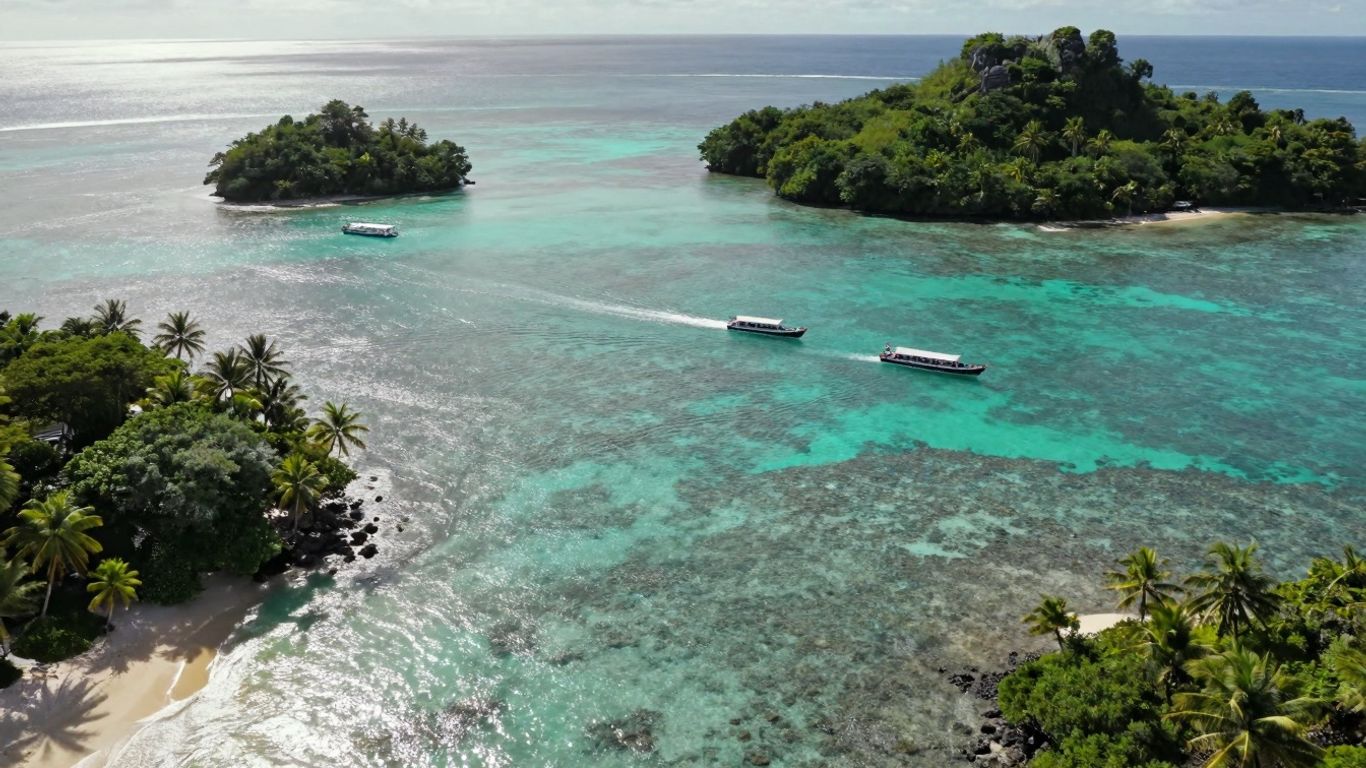
So, you’re thinking about trying scuba diving for the first time in Fiji? That’s awesome! It might seem a little daunting at first, especially with all the amazing underwater sights you’ll want to see. But don’t worry, Fiji is a fantastic place to start. Many dive centers here are set up specifically to help newcomers get comfortable. You’ll usually begin with some basic theory and practice in a pool or a very shallow, calm spot. This is where you get used to breathing underwater and how your gear works. The goal is to build your confidence before you even think about going deeper.
First Open Water Experiences
Once you’ve got the hang of the basics, it’s time for your first real underwater exploration. Imagine descending into clear, warm water, with colorful fish swimming around you. For beginners, dive sites are chosen carefully – think shallow reefs with lots of life but not strong currents. You’ll always be with an instructor, who will guide you and make sure you feel safe and relaxed. It’s a pretty incredible feeling, being able to breathe and move around in this totally different world. Some places even offer beginner-friendly dives at sites known for sharks, which sounds wild, but it’s done in a very controlled way and can be surprisingly peaceful.
Eco-Conscious Diving Practices
It’s really important, especially when you’re new to diving, to learn how to be a good steward of the ocean. Many dive operations in Fiji are committed to protecting the reefs. They’ll teach you how to avoid touching coral, how to watch marine life without disturbing it, and why it’s important to keep the ocean clean. You’ll learn about the delicate balance of the underwater ecosystem and how even small actions can make a big difference. It’s about enjoying the beauty while also making sure it stays beautiful for everyone, now and in the future.
Here’s a quick rundown of what to expect in a beginner course:
Theory Sessions: Understanding basic dive principles and safety.
Pool/Confined Water Practice: Getting comfortable with your equipment and breathing underwater.
Open Water Dives: Applying your skills in a natural environment under supervision.
Marine Etiquette: Learning how to interact responsibly with the underwater world.
Learning to scuba dive in Fiji is more than just a holiday activity; it’s an introduction to a whole new perspective. The focus is on safety, comfort, and respect for the marine environment, making your first underwater adventures both thrilling and responsible.
Planning Your Fiji Diving Trip
So, you’re thinking about diving in Fiji? Awesome choice! It’s a pretty amazing place, and getting ready for your trip doesn’t have to be complicated. Let’s break down what you need to sort out before you even get your fins wet.
Gear Rental Availability
First things first: gear. If you’re staying at a resort, they might have basic snorkeling stuff you can borrow. But for actual scuba gear – think wetsuits, masks, tanks, and all that – you’ll usually rent it from a dive shop or the company you’re going out with. Some resorts might have gear on-site, but most will point you to a good local spot. It’s super important to have your certification card with you; you won’t be able to rent scuba gear without it.
Choosing Your Dive Operator
This is a big one. The right dive operator can make or break your trip. You want a company that knows the local spots inside and out, prioritizes safety, and ideally, cares about the environment. Look for operators with good reviews, especially from other divers. Some places are known for smaller groups, which means a more personal experience. Others might specialize in certain types of dives, like shark encounters or exploring specific reefs. Do a little digging online or ask your accommodation for recommendations.
Conservation Through Diving
When you’re in a place as beautiful as Fiji’s underwater world, it’s easy to see why protecting it matters. Many dive operators are really involved in conservation efforts. You might find they have specific practices to minimize their impact, like avoiding touching coral or feeding fish. Some even offer opportunities for you to get involved, like participating in reef clean-ups or learning about local marine protection projects. It’s a great way to feel like you’re contributing something positive while you’re there.
Fiji’s marine life is incredibly diverse, and it’s up to all of us to help keep it that way. Being mindful of your actions underwater, choosing eco-friendly operators, and supporting local conservation initiatives are all small steps that make a big difference for the future of these beautiful reefs.
Ready to Dive In?
So, you’ve read all about the amazing things waiting for you under the waves in Fiji. From the colorful soft corals to the big guys like manta rays and sharks, there’s a whole lot to see. Whether you’re a total beginner just wanting to try snorkeling or a seasoned diver looking for a new challenge, Fiji really does have something for everyone. It’s more than just looking at pretty fish, though; it’s about experiencing a vibrant world and maybe even learning a bit about keeping it safe for the future. Honestly, it sounds like a pretty incredible trip, right?
What makes Fiji known as the Soft Coral Capital of the World’?
Fiji is called the Soft Coral Capital of the World’ because its waters are filled with amazing, colorful soft corals that look like underwater flowers. These corals create a stunning backdrop for all sorts of sea creatures, making Fiji a top spot for divers who love bright, lively reefs.
What kind of marine animals can I expect to see when diving in Fiji?
You’ll see a huge variety of sea life! Think schools of bright fish, graceful sea turtles munching on seagrass, and even big, gentle manta rays gliding through the water. You might also spot clownfish playing in anemones or colorful reef eels. Fiji’s waters are teeming with life.
Are there specific places in Fiji famous for seeing manta rays?
Yes, there are! You have a great chance of seeing manta rays at Manta Reef near Kadavu Island, around Drawaqa Island in the Yasawa Islands, and in the Namena Marine Reserve. They also show up in the waters off Wakaya Island and Gau.
Is Fiji a good place for beginners to try scuba diving?
Absolutely! Fiji offers many dive spots perfect for beginners. You can take lessons and get certified in calm, clear waters. Many dive centers focus on helping new divers feel comfortable and safe as they explore the underwater world for the first time.
Where are some of the best dive spots in Fiji for experienced divers?
Experienced divers often head to places like Beqa Lagoon for its famous shark dives, where you can see several types of sharks. Kadavu and the Astrolabe Reef offer chances to see large fish, and the Bligh Waters (also known as Vatu-i-Ra) are known for exciting currents and deep dives that attract bigger sea creatures.
How can I make sure my diving trip in Fiji is eco-friendly?
You can choose dive operators who are committed to protecting the ocean. Many places in Fiji focus on responsible diving, teaching you how to avoid touching corals and respecting marine life. Supporting these eco-conscious centers helps keep Fiji’s underwater world healthy for everyone to enjoy.