Planning a trip to Fiji? Awesome! With over 300 islands, getting around might seem a bit tricky, but don’t worry. This guide breaks down all the ways you can explore this beautiful country, from hopping between islands on a ferry to zipping between them on a plane. We’ll cover the basics of Fiji transportation so you can spend less time figuring out logistics and more time enjoying the sun and sand.
Key Takeaways
Ferries and boats are the main way to travel between Fiji’s many islands, connecting popular spots like the Mamanucas and Yasawas, with options ranging from fast catamarans to slower cargo ferries.
Domestic flights offer a quicker way to reach more distant islands, with Fiji Airways and Northern Air operating routes from Nadi and Suva.
On the larger islands like Viti Levu and Vanua Levu, buses and minivans are common and affordable for getting around, while taxis are available for convenience.
Specialized transport like seaplanes and helicopters are available for luxury transfers to resorts, offering exclusive access and stunning views.
Understanding Fiji Time’ is important; be prepared for flexible schedules and embrace a relaxed approach to travel, especially when relying on public transport.
Understanding Fiji’s Unique Transportation Landscape
Fiji, a stunning collection of over 300 islands, presents a travel experience unlike any other. Forget the idea of hopping in a car and driving from one end to the other; here, the ocean is your highway. The main islands, Viti Levu and Vanua Levu, have decent road networks, but to truly explore the magic of Fiji, you’ll need to embrace its aquatic and aerial routes. Getting around Fiji is an adventure in itself, blending the practical with the picturesque. It’s a place where schedules can be a bit flexible, so going with the flow is key. Think of it less as a rigid itinerary and more as a series of wonderful discoveries, each island offering its own slice of paradise.
Embracing Fiji Time’ for Seamless Travel
Ah, Fiji Time.’ It’s more than just a saying; it’s a way of life here. This relaxed approach to schedules means that things might not always run precisely on time, and that’s perfectly okay. Instead of getting frustrated, try to lean into it. It’s an invitation to slow down, enjoy the moment, and perhaps strike up a conversation with a local. This mindset is particularly important when relying on ferries or local boats, where departure times can shift. Embrace the unexpected, and you’ll find your travels become much more enjoyable and less stressful. It’s all part of the charm of visiting Fiji .
Key Transportation Hubs: Nadi and Suva
When you first arrive in Fiji, chances are you’ll land at Nadi International Airport (NAN) on the main island of Viti Levu. Nadi is the primary gateway for most international visitors and serves as a major hub for domestic travel, especially for reaching the popular Mamanuca and Yasawa Islands via ferry from Port Denarau. Suva, the capital city located on the southeastern side of Viti Levu, is another significant transport center. It’s the main hub for inter-island shipping and cargo, connecting to many of the outer islands, and also has an airport with domestic flight services. Understanding these two hubs is your first step in planning how to move between Fiji’s diverse islands.
Nadi: Your likely arrival point, gateway to Mamanucas and Yasawas, main domestic airport.
Suva: Capital city, hub for outer-island shipping, secondary domestic airport.
Port Denarau: Main departure point for ferries to the Mamanuca and Yasawa island groups.
Planning your journey around these hubs will make your inter-island travel much smoother. It’s wise to book popular ferry routes and domestic flights in advance, especially during peak seasons, to avoid disappointment.
Connecting to Popular Island Groups: Mamanucas and Yasawas
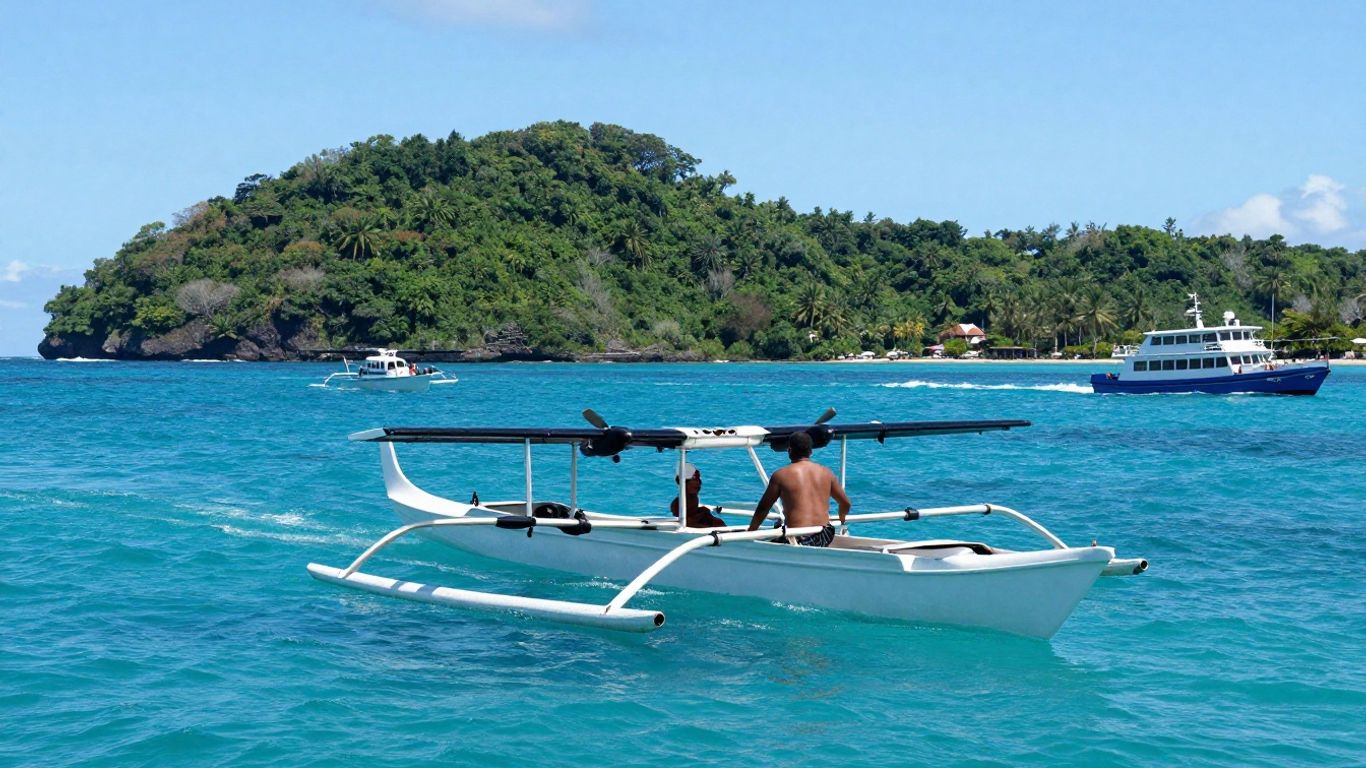
When you’re ready to leave the main islands behind and explore Fiji’s stunning outer reaches, the ferry and boat network becomes your best friend. For the most popular island chains, the Mamanucas and Yasawas, you’ll find a well-established system of fast catamarans and resort-operated vessels. These typically depart from Port Denarau, near Nadi. The Yasawa Flyer is a well-known option, making daily trips along the Yasawa chain and stopping at numerous islands. You can usually book tickets online or through your accommodation. If you’re planning to visit several islands, look into the hop-on-hop-off Bula Pass; it can be a really convenient way to travel for up to 15 days.
These faster services are designed with tourists in mind, offering a comfortable journey to many resort destinations.
Exploring Other Islands: Schedules and Considerations
Reaching other island groups like Vanua Levu, Taveuni, Kadavu, or the Lomaiviti islands often involves a different kind of ferry. These are typically slower, mixed passenger and cargo vessels. They might not run as frequently as the tourist ferries, and their schedules can change without much notice, so it’s always a good idea to check departure times a few days ahead. Some of these routes can be quite long, even overnight. It’s wise to pack layers, a travel pillow, and some snacks to make the journey more pleasant. Remember that weather can sometimes cause cancellations, so flexibility is key.
Here’s a general idea of some routes and approximate fares:
Companies like Goundar Shipping and Patterson Brothers operate many of these routes. Comfort levels can vary greatly from one boat to another.
When traveling on these mixed ferries, especially to less-visited islands, expect a more rustic experience. It’s common for these vessels to carry all sorts of goods, from produce to fuel drums, and sometimes even livestock. Embrace the local vibe, but be prepared for a less polished journey than the tourist-focused catamarans.
Local Boat Charters: Adventure and Caution
For a more spontaneous or direct trip between nearby islands, local boat charters are an option. These are often smaller motorboats and can be a quick way to get from point A to point B, especially if you’re traveling with a group and can share the cost. Operators can usually be found through your accommodation or by asking around locally. However, it’s really important to exercise caution with these. Safety equipment might be minimal, and it’s best to only consider these trips in very calm weather conditions. Always discuss the destination and agree on a fare before you set off. For those seeking a bit more adventure and a direct connection to places not served by regular ferries, these charters can be a good choice, but safety should always be the top priority when you explore Fiji’s islands .
Water taxis are also available for faster, private transfers, particularly between Port Denarau and the Mamanuca and Yasawa islands. While more expensive, they offer a direct and speedy way to reach your resort, often available 24/7.
Major Airlines and Their Routes
When you’re looking to cover serious ground between Fiji’s islands, hopping on a domestic flight is often the quickest way to go. While the ferry networks are great for certain popular routes, sometimes you just need to get there faster, and that’s where the planes come in. Fiji has a surprisingly good network of small airports and airstrips scattered across its many islands, making air travel a viable option for reaching many destinations.
Fiji Link, which is basically the domestic arm of Fiji Airways, is a major player here. They connect the main hubs like Nadi and Suva to a variety of other islands. Think places like Labasa on Vanua Levu, Taveuni, Savusavu, and even further afield to islands like Kadavu. Northern Air is another company that offers services, often flying to some of the same spots but also reaching others like Gau and Koro. These flights are typically on smaller propeller planes, so the experience is a bit different from a big international jet.
The flight between Suva and Nadi is surprisingly short, usually around 30 minutes, making it a convenient link between the two main urban centers. It’s a good option if you’re connecting from an international flight or need to switch between the two cities quickly.
Connecting to Remote Islands by Air
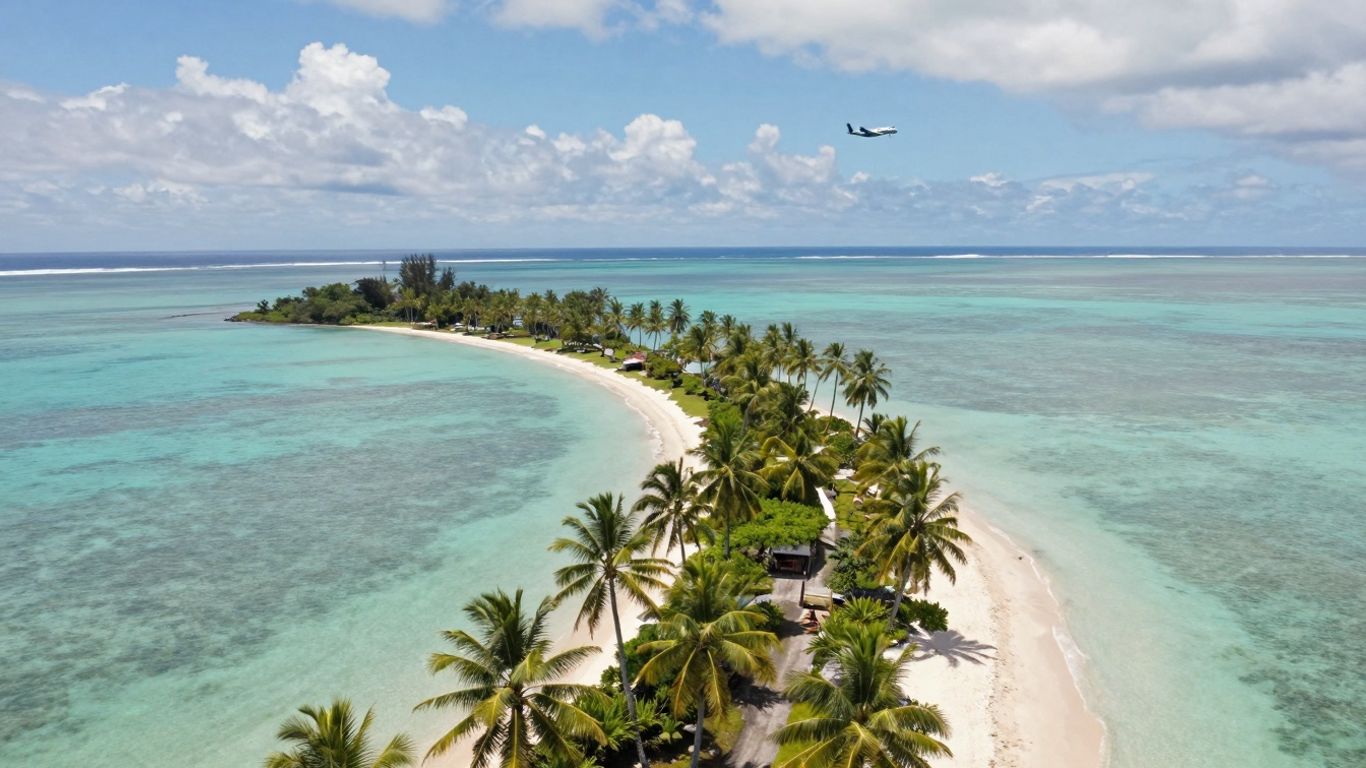
For those aiming for more remote archipelagos or islands that are a real trek by sea, domestic flights become almost essential. While the Mamanucas and Yasawas are well-served by ferries, places like Taveuni, Kadavu, or the Lau Group often have flight schedules that are more practical for travelers with limited time. These flights can offer spectacular views as you soar over the turquoise waters and coral reefs – a pretty amazing way to see Fiji from above.
It’s worth noting that these flights are generally on smaller aircraft. This means baggage allowances can be quite strict. You’ll often find limits around 10 to 15 kg for checked luggage on basic fares. If you’re planning on bringing a lot of gear, like surfboards or diving equipment, it’s a good idea to check with the airline well in advance to see if they can accommodate you and what the extra costs might be. Sometimes, booking these special items needs to be done ahead of time.
Weather can play a big role in domestic flight schedules in Fiji. While generally more reliable than boat schedules, delays or cancellations due to rain or wind are not unheard of, especially during cyclone season. It’s always wise to build a little flexibility into your plans when flying between islands.
Luggage Restrictions and Travel Tips
When flying domestically in Fiji, packing light is key. As mentioned, the baggage allowance on these smaller planes is usually quite limited, often around 15kg per person for checked baggage. If you’re traveling with more, be prepared for potential excess baggage fees, which can add up. It’s best to confirm the exact limits with your chosen airline before you fly.
Here are a few tips to keep in mind for your domestic flights:
Check schedules in advance: While generally more reliable than ferries, flight times can change. It’s good to reconfirm your flight details a day or two before you travel.
Pack smart: Given the luggage limits, think about what you really need. Quick-dry clothing and versatile items are your friends.
Arrive early: Even though they’re smaller flights, arriving at the airport a bit ahead of time is always a good idea, especially at busier hubs like Nadi or Suva. This gives you time to check in without rushing.
Consider flight deals: Sometimes, you can find surprisingly good deals on domestic flights, especially if you book in advance or keep an eye on airline websites. It can make flying almost as cost-effective as some of the faster ferry options for longer distances. You can often find great deals on Fiji Airways.
While not as common for standard tourist routes, there are also seaplane and helicopter services available for more exclusive transfers, often connecting directly to resorts. These are definitely a splurge but offer unparalleled access and incredible views.
The Role of Buses in Local Travel
When you’re looking to get around Fiji’s two largest islands, Viti Levu and Vanua Levu, buses are definitely the way most locals travel. They’re pretty much the backbone of getting from place to place on these islands. You’ll find them running along the main roads, connecting towns and even reaching smaller villages. It’s a really affordable way to see the countryside and get a feel for everyday life here. Just be prepared for a more basic experience; these aren’t luxury coaches, but they get the job done.
Minivans and Carriers for Village Connections
Beyond the regular buses, you’ll also see a lot of minivans and what are called carrier’ vans. Minivans are a bit quicker than buses and often stop by the side of the road to pick people up, kind of like a shared taxi service. They can be a good option if you’re in a hurry between towns. The carrier vans are a bit different – think more of an open-back truck with benches. These are the ones you’ll see on the dirt roads, taking people and their goods from villages to the local markets. They’re super basic but really connect the rural areas.
Taxis: Convenience and Negotiation
For a bit more comfort and direct travel, taxis are readily available, especially in the larger towns like Suva and Nadi. They’re great for getting straight to your accommodation or for shorter trips where a bus might not be convenient. It’s always a good idea to agree on the fare before you start your journey, especially if you’re heading out of town or to a less common destination. While some taxis have meters, many operate on a negotiated rate, so a little friendly discussion upfront can save any confusion later on.
Seaplane Services for Exclusive Access
For those seeking a truly unique perspective and swift access to more remote resorts, seaplanes offer an unparalleled experience. Imagine lifting off from the water and soaring over the turquoise lagoons, with your island destination appearing like a jewel below. These services are particularly popular for reaching resorts in the Mamanuca and Yasawa island groups, providing a direct and scenic route that bypasses traditional ferry terminals. Seaplanes connect you to the heart of Fiji’s beauty with remarkable speed and style. It’s a fantastic way to start your vacation feeling like you’ve arrived in paradise from the moment you depart.
Helicopter Transfers to Resorts
Helicopter transfers represent the pinnacle of convenience and luxury for reaching Fiji’s exclusive resorts. If your accommodation is situated on a secluded island or a less accessible location, a helicopter can provide a direct, door-to-door service. This mode of transport is not just about getting from point A to point B; it’s about the journey itself. The aerial views of Fiji’s islands, coral reefs, and crystal-clear waters are simply breathtaking. It’s an efficient way to maximize your time enjoying your resort rather than spending it in transit.
Speed and Efficiency: Reach your destination in minutes, not hours.
Unmatched Views: Experience Fiji’s stunning geography from a bird’s-eye perspective.
Exclusive Access: Ideal for resorts with limited traditional transport links.
Private Flight Options for Ultimate Comfort
For the ultimate in privacy, flexibility, and comfort, chartering a private aircraft is the way to go. This option is perfect for families, groups, or individuals who prioritize a personalized travel experience. You set the schedule, the departure point, and the destination, allowing for a completely customized itinerary. Whether you’re hopping between islands for business or pleasure, a private flight ensures a stress-free and luxurious journey. It’s about having your own aerial limousine, ready to whisk you away to your next Fijian adventure at a moment’s notice.
When considering these premium transport options, remember that luggage allowances can be stricter than on commercial flights. It’s always best to confirm weight and size restrictions with the provider in advance to avoid any last-minute issues. Planning ahead is key to enjoying these high-end services without a hitch.
Safety and Best Practices for Fiji Transportation
Getting around Fiji is part of the adventure, but it’s always smart to keep a few things in mind to make sure your journeys are smooth and safe. Think of it like this: you wouldn’t jump into the ocean without checking the waves, right? Same idea applies here.
Maritime Safety Recommendations
When you’re hopping between islands, especially on the smaller boats or even the larger ferries, a few simple rules go a long way. Always pay attention to the crew’s instructions. They know the waters and the vessels best. Make sure your life jacket fits properly and know where to find it. If you’re traveling on a smaller charter boat, it’s a good idea to chat with the captain beforehand about the planned route and any potential weather changes. Don’t overload the boat with excessive luggage, and keep your balance, especially when moving around.
Listen to the captain and crew.
Locate and check your life jacket.
Secure your belongings.
Avoid sudden movements on board.
Road Travel Precautions
Roads in Fiji can be a bit unpredictable. You might encounter potholes, unpaved sections, or even animals wandering near the road. If you’re in a bus or minivan, hold on tight, especially when the vehicle is moving. It’s generally best to avoid traveling by road after dark if you’re not familiar with the area, as lighting can be poor and road conditions can be harder to see. If you’re taking a taxi, try to use ones recommended by your accommodation or a reputable taxi stand. Keep your valuables secure and out of sight.
Driving at night on unlit roads, especially outside of major towns, can present unexpected challenges. It’s wise to stick to daylight hours for road travel if you’re unfamiliar with the local conditions.
Choosing Reputable Transport Providers

This is a big one. Whether you’re booking a ferry, a domestic flight, or a taxi, do a little homework. Look for established companies with good reviews. For taxis, especially in busy areas like Nadi or Suva, stick to official vehicles. If you’re unsure, ask your hotel or resort for recommendations. When booking tours or transfers, make sure you understand what’s included and what isn’t. A little bit of research upfront can save you a lot of hassle later on. Remember, if something feels off, it’s okay to look for another option.
Cost-Effective Travel Options
Fiji can be an amazing destination without breaking the bank. The key is to be smart about how you move around. While some transport options are definitely pricier, there are plenty of ways to see the islands without spending a fortune.
Budgeting for Inter-Island Ferries
Ferries are generally your most budget-friendly option for getting between the main islands and the popular island groups like the Mamanucas and Yasawas. While fast catamarans can add up, the slower, more traditional ferries or cargo ships are significantly cheaper. These might take longer, and the comfort level can vary, but they offer a more authentic experience and a chance to see more of the ocean. Booking ferry tickets in advance, especially during peak season, can sometimes secure better rates.
Here’s a rough idea of what to expect:
Affordable Domestic Flight Deals
Domestic flights are the quickest way to reach more distant islands, but they come with a higher price tag. However, keep an eye out for deals. Sometimes, booking directly with local airlines or looking for off-peak travel times can lead to savings. If you’re traveling between the main islands of Viti Levu and Vanua Levu, or to slightly more remote spots, compare flight prices with ferry options. For shorter hops to resort islands near Nadi, like those in the Mamanucas, ferries are almost always the more economical choice. Consider flying only when the distance or time saved truly justifies the cost. You can find flights to various island airports, making remote island access possible, though often at a premium.
Local Bus and Minivan Fares
On the main islands, especially Viti Levu and Vanua Levu, buses are the workhorses of local transport and incredibly cheap. You can travel long distances between towns for just a few dollars. Minivans offer a slightly faster, though sometimes more erratic, alternative for inter-town travel. These are great for short hops and getting a feel for local life. Carriers, essentially modified pickup trucks, are even more basic and often serve rural areas, connecting villages to markets. While not always the most comfortable, they are very inexpensive.
Traveling by local bus or minivan is a fantastic way to immerse yourself in Fijian culture. Expect spontaneous stops, lively conversations, and a genuine glimpse into daily life. While schedules can be flexible, embracing this rhythm is part of the adventure and a huge money-saver.
For example, a bus ride from Nadi to Lautoka might only cost around FJ$3-FJ$4, and city buses in Suva are often around FJ$1 per ride. These local options are where you’ll see the biggest savings compared to taxis or private transfers.
Combining Transport Modes for Efficiency
Figuring out how to hop between Fiji’s many islands can feel like a puzzle, but with a little thought, you can create a trip that flows nicely. It’s not just about getting from point A to point B; it’s about making the journey part of the adventure. Think about mixing things up – maybe a fast ferry to one island group, then a smaller local boat to a more secluded spot, or even a quick domestic flight to cover more ground. The key is to balance speed, cost, and the kind of experience you’re after.
Here’s a way to think about putting it all together:
Start with the big picture: Which island groups are you most interested in? The Mamanucas and Yasawas are popular for a reason, but don’t overlook places like Kadavu or the islands in the Lomaiviti group.
Map out your must-sees: List the islands you absolutely want to visit. This will help you see where they are in relation to each other.
Consider travel times: A ferry might take several hours, while a flight is much quicker. Factor this into your daily plans.
Look at connections: How easy is it to get from one ferry or flight to your next mode of transport? Sometimes, you might need to spend a night on a main island between legs of your journey.
The Hop-On Hop-Off Bula Pass
For those planning to explore multiple islands, especially within the Mamanuca and Yasawa chains, the Bula Pass is a fantastic option. It’s essentially a flexible ticket that lets you jump on and off various ferries operated by South Sea Cruises over a set period, usually up to 15 days. This pass takes a lot of the guesswork out of booking individual trips and can be quite economical if you plan on moving around a lot. It’s a great way to experience island hopping in Fiji without the stress of constant ticket purchases. You can usually purchase these passes online in advance or through your accommodation.
Flexibility for Unforeseen Schedule Changes
Now, about Fiji Time. It’s a real thing, and it means schedules aren’t always set in stone. Ferries can be delayed due to weather, or sometimes just because that’s how things roll here. Instead of getting frustrated, try to build some wiggle room into your plans. If a ferry is late, you might miss a connection. It’s wise to have a backup idea, or at least be prepared to relax and go with the flow. Sometimes, these unexpected pauses lead to the most interesting experiences, like striking up a conversation with a local at the dock or discovering a hidden gem while waiting.
Embrace the unexpected. Fiji’s charm often lies in its unscripted moments. While planning is important, allowing for spontaneity will make your trip richer and more memorable. Don’t overschedule yourself; leave room for discovery and relaxation. The best adventures often happen when you least expect them.
When planning, always double-check the latest ferry and flight schedules, as they can change. It’s also a good idea to confirm your bookings a day or two before you travel, especially if you’re heading to more remote islands where services might be less frequent.
Embracing the Journey: Your Fijian Adventure Awaits
So, there you have it – a look at how to get around Fiji. From the rumble of a local bus on Viti Levu to the gentle sway of a ferry heading towards the Yasawas, or the quick zip of a domestic flight to a more distant isle, Fiji offers a travel experience that’s as varied as its stunning landscapes. Remember, a little flexibility and a willingness to embrace Fiji Time’ will go a long way. Don’t be afraid to ask locals for tips, and always keep safety in mind, especially when venturing out on the water. Each journey, whether by land or sea, is part of the adventure, a chance to connect with the islands and their warm spirit. Pack your bags, keep an open mind, and get ready to discover the magic of Fiji, one island hop at a time.
What’s the best way to travel between the main islands of Fiji?
For popular spots like the Mamanuca and Yasawa Islands, fast ferries are super convenient. They leave from Port Denarau. If you’re heading to islands like Taveuni or Kadavu, domestic flights are the quickest option. Sometimes, slower, bigger ferries also connect to other islands, but their schedules can be a bit tricky.
Is it easy to get around the main island, Viti Levu?
Totally! Viti Levu has a good network of buses and minivans that travel along the main roads. Taxis are also available, but it’s a good idea to agree on the price before you hop in, especially if you’re not in a city.
What is Fiji Time’ and how does it affect travel?
Fiji Time’ means things often run on a more relaxed schedule. Buses might leave a little late, or drivers might stop to chat. It’s best to just go with the flow and not stress too much about exact timings, especially when catching ferries or flights.
Are domestic flights expensive in Fiji?
Domestic flights can be pricier than buses or ferries, but they save a lot of time, especially for longer distances. Sometimes, you can find good deals online, making them almost as cheap as a ferry. Keep in mind that luggage space on these smaller planes is usually limited.
What should I know about taking local boats?
For exploring smaller, nearby islands or reaching less common spots, local motorboats are sometimes an option. It’s important to only travel in calm weather and to be aware that these boats might not always have the best safety gear. Always ask locals for advice.
Are there any special transport options for reaching fancy resorts?
Yes! Some high-end resorts offer private seaplane or helicopter transfers. This is a really quick and stylish way to get to your island paradise, offering amazing views along the way.
What’s the safest way to travel in Fiji?
When using ferries, always wear a life jacket on smaller boats and listen to the crew. For road travel, stick to official taxis, especially at night, and make sure your luggage is loaded where you can see it. It’s also smart to check the weather, particularly during cyclone season from November to April.
Can I use a hop-on-hop-off pass for island hopping?
Definitely! The Bula Pass is a great option if you plan to visit several islands in the Mamanuca or Yasawa groups. It lets you hop on and off ferries for a set period, giving you lots of flexibility for your island adventures.