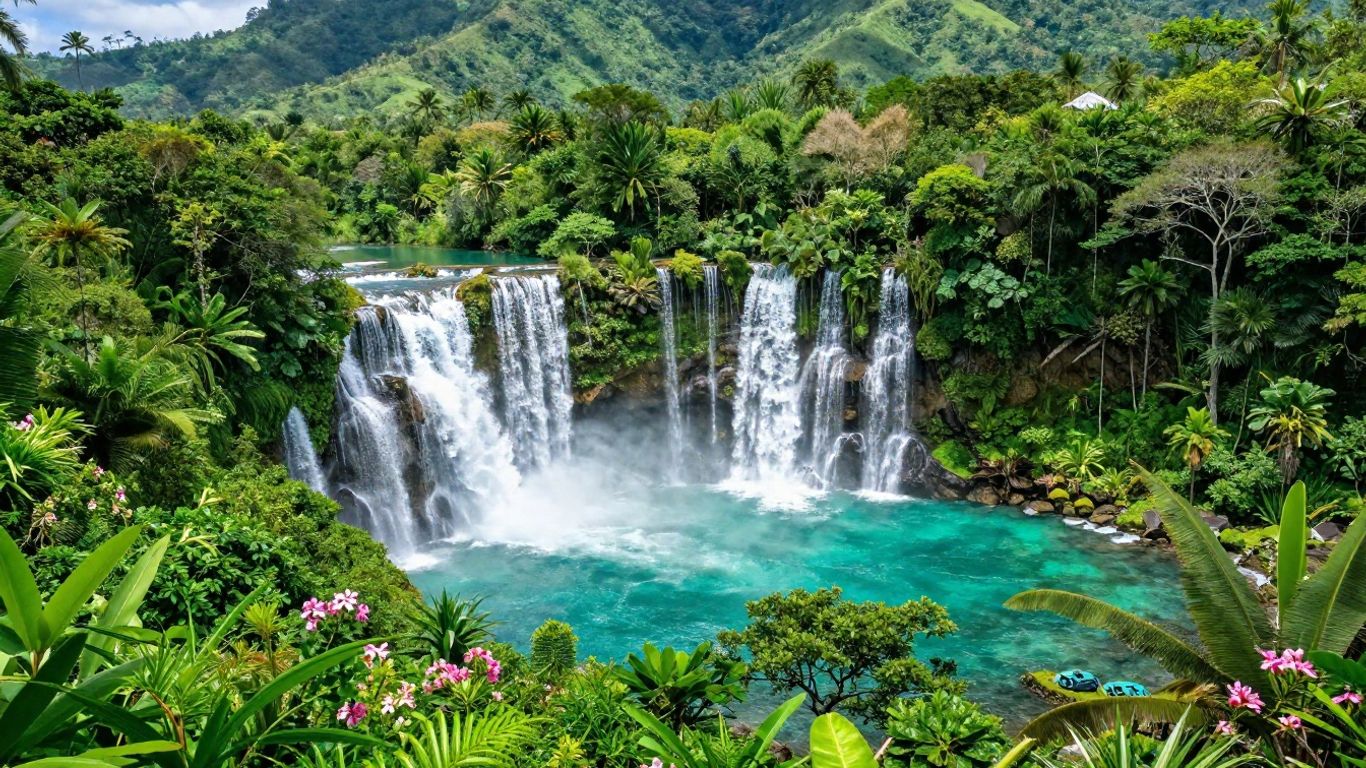
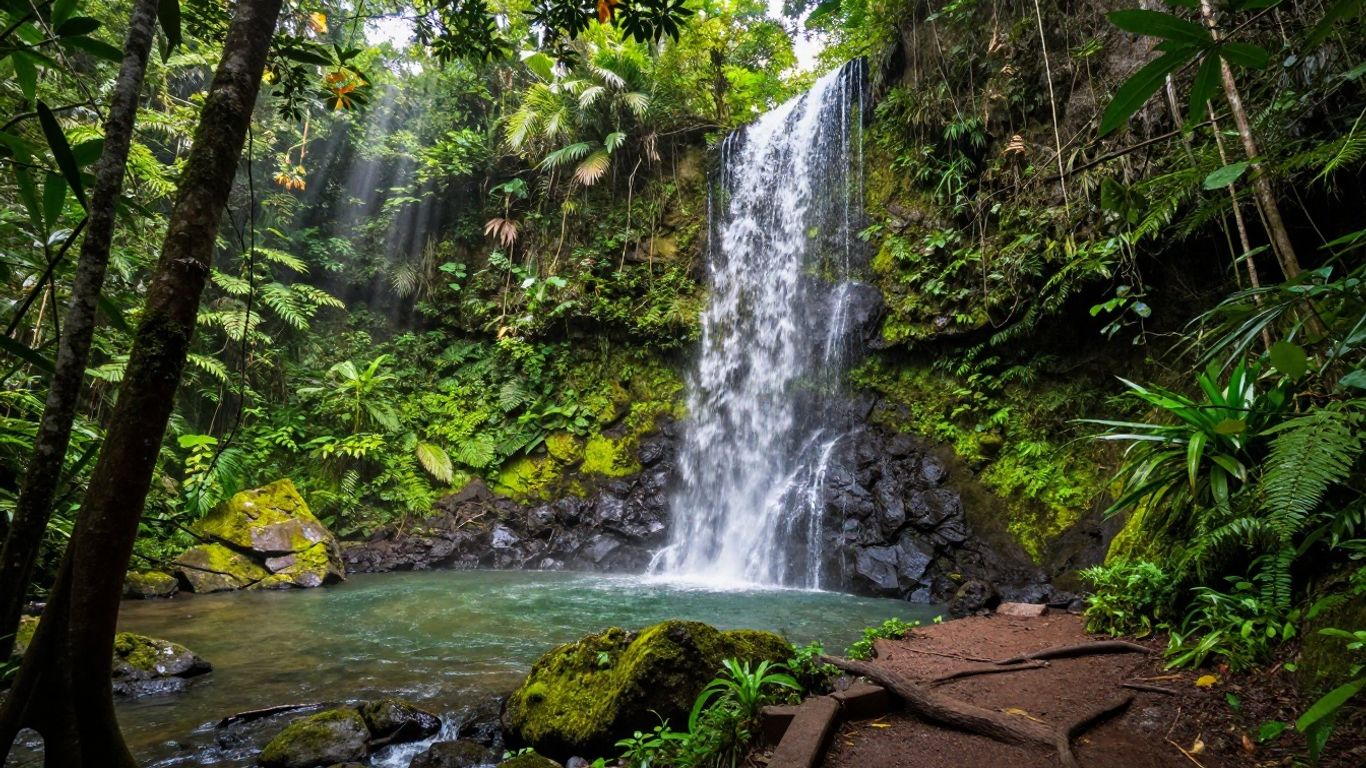
Taveuni Island, often called the Garden Isle, is a real gem in Fiji. It’s famous for its lush rainforests and, you guessed it, lots of waterfalls! If you’re looking for some amazing Fiji Taveuni waterfalls to explore, you’ve come to the right place. From easy strolls to more adventurous climbs, there’s something for everyone.
Key Takeaways
Tavoro Waterfalls offer a beautiful triple cascade experience within Bouma National Heritage Park, with easy access to the first fall.
The Lavena Coastal Walk leads to Wainibau Waterfall, a scenic route with opportunities for swimming and exploring coastal beauty.
Waitavala Water Slide provides a unique, natural thrill, but visitors should be cautious, especially after heavy rain.
Bouma National Park covers most of Taveuni Island, showcasing its rich rainforests, endemic plants, and diverse wildlife.
Planning your trip involves considering the best times to visit, packing appropriately, and potentially hiring local guides for a richer experience.
Discover Taveuni’s Premier Fiji Waterfalls
Taveuni Island, often called the Garden Isle,’ is a paradise for anyone who loves the sound of rushing water. While Fiji is famous for its beaches, Taveuni offers something different: a lush interior packed with incredible waterfalls. If you’re planning a trip, you absolutely have to check out a few of the island’s most stunning cascades.
Tavoro Waterfalls: A Triple Cascade
Located within the Bouma National Heritage Park, the Tavoro Waterfalls are a real highlight. You’ll find three distinct falls here, each with its own charm. The first one is the biggest and easiest to get to, with a nice big pool for swimming and spots for a picnic. It’s just a short walk from the park entrance. If you’re feeling a bit more adventurous, you can hike up to the second and third falls. The views from up there are pretty amazing, offering a different perspective of the rainforest.
Wainibau Waterfall: The Coastal Gem
For a different kind of waterfall experience, Wainibau Waterfall is a must-see. It’s located at the end of the Lavena Coastal Walk, a beautiful trail that follows the island’s coast. Getting to the waterfall itself involves a bit of a swim or wade through a cool gorge, which is part of the adventure. The walk to get there is pretty special too, with lots of pretty flowers and chances to see local birds. You can also arrange for a boat to take you directly to the falls, which is a nice option if you want to save your energy.
Waitavala Water Slide: Natural Thrills
If you’re looking for something a bit more playful, the Waitavala Water Slide is where it’s at. This isn’t your typical waterfall; it’s a long, smooth rock slide carved by nature. It’s located not too far from Waiyevo town. You just walk a short distance from the road, and you’re there. It’s a lot of fun, but it can be a bit bumpy, so it’s best to go when it hasn’t rained heavily. Wearing shorts and reef shoes is a good idea to make the ride more comfortable. It’s a great spot to get some fun photos, too.
These waterfalls are more than just pretty sights; they are vital parts of Taveuni’s ecosystem and cultural landscape. Remember to tread lightly and respect the natural beauty you encounter.
Exploring Bouma National Heritage Park
Bouma National Heritage Park is the big reason many people visit Taveuni, and honestly, it’s easy to see why. This park takes up a huge chunk of the island, like 80% of it, which means it’s packed with all sorts of natural beauty. Think lush rainforests, vibrant plants you won’t find anywhere else, and of course, those famous waterfalls.
Gateway to Tavoro’s Cascades
The park’s main entrance is where you’ll find the Tavoro Waterfalls, and it’s super accessible. There’s a small fee to get in, which goes towards keeping the place looking good. The first waterfall is just a short walk from the visitor center. It’s pretty impressive, with a big pool at the bottom that’s perfect for a dip. They’ve even got changing rooms and picnic spots, so you could easily spend a good chunk of your day just here. If you’re feeling a bit more adventurous, there are trails leading up to the second and third cascades, offering different views and a bit more of a hike.
The Lavena Coastal Walk
This is a really popular trail, and it starts from Lavena Village. It follows the coast for about 10 kilometers round trip. The path is mostly flat and well-maintained, winding through pretty scenery with lots of flowers and native birds. You’ll cross a river using a rope, which is kind of fun, and pass by some lovely beaches and little lagoons along the way. The walk leads you to Wainibau Waterfall, which is at the end of the trail. To get right to the falls, you’ll need to wade or swim a bit upstream through a cool gorge. If that sounds like too much effort, you can also arrange for a boat to take you there.
Protecting Taveuni’s Natural Wonders
Bouma National Heritage Park isn’t just about pretty sights; it’s also about looking after the island’s unique environment. The park plays a big role in conserving Taveuni’s special rainforests and the plants and animals that live there. It’s a place where the local communities are involved in conservation efforts, helping to make sure that future visitors can enjoy the same natural beauty.
The park’s existence highlights the importance of balancing tourism with the preservation of natural habitats and the cultural heritage of the island’s residents.
Planning Your Fiji Taveuni Waterfalls Adventure
Thinking about visiting Taveuni’s waterfalls? It’s a great idea, but a little planning goes a long way. This island, often called the Garden Isle, is packed with natural beauty, and knowing a few things beforehand will make your trip smoother.
Best Times to Visit
When you decide to go can really shape your experience. The weather on Taveuni is tropical, meaning it’s warm year-round. However, there are distinct wet and dry seasons.
Dry Season (May to October): This period generally offers less rain, more sunshine, and lower humidity. It’s ideal for hiking and outdoor activities, as trails are less likely to be muddy and the risk of flash floods is lower. Visibility for photos is usually better too.
Wet Season (November to April): Expect more frequent, though often brief, downpours. While it’s warmer and lusher, the rain can make some trails slippery and increase the flow of waterfalls, which can be both a spectacle and a hazard. Some activities might be affected by heavy rain.
The shoulder months, like May and October, can offer a nice balance of good weather and fewer crowds.
What to Pack for Your Hike
Packing smart means you’ll be comfortable and ready for whatever the trails throw at you. Think light, quick-drying, and practical.
Footwear: Sturdy, closed-toe hiking shoes or waterproof trail runners are a must. Water shoes or sturdy sandals are good for getting into the water at the falls. Flip-flops are best left for the resort.
Clothing: Lightweight, quick-drying clothes are key. Bring swimwear for a dip, a light rain jacket or poncho (even in the dry season, a quick shower can happen), and a hat for sun protection.
Gear: A small backpack to carry your essentials, plenty of water (staying hydrated is super important!), high-SPF sunscreen, insect repellent, a basic first-aid kit, and a waterproof bag for your phone and camera.
Guided Tours and Local Insights
While you can certainly explore some areas on your own, a guided tour can add a lot to your adventure. Local guides know the trails, the best times to go, and can share stories and information you wouldn’t find in a guidebook.
Local guides often have a deep connection to the land and can point out unique plants, birds, and cultural sites. They also help support the local economy, which is a win-win.
Tour Operators: Many resorts can arrange day trips or multi-day excursions. Look for companies that focus on eco-tourism and responsible travel.
Village Visits: Some tours include stops in local villages, offering a chance to experience Fijian culture firsthand. Always be respectful of local customs and traditions.
Customization: Discuss your interests with tour operators. Whether you’re after challenging hikes or a more relaxed experience, they can often tailor an itinerary for you.
The First Cascade: Accessible Beauty
When you first arrive at Tavoro, you’ll likely be greeted by the sight of the first waterfall. It’s the biggest of the three and the easiest to get to, making it a popular spot. There’s a nice big pool at the bottom, perfect for a dip on a warm day. You’ll find changing rooms here too, and picnic tables if you want to relax for a while. It’s really quite beautiful, with water tumbling down into the clear pool below. This first cascade is a fantastic introduction to Taveuni’s watery wonders.
Ascending to the Upper Falls
If you’re feeling a bit more adventurous, a path leads up from the first waterfall to the second and third cascades. The hike isn’t too long, maybe 30 to 40 minutes, and it offers some really nice views as you climb. The upper falls are a bit smaller than the first, but they have their own charm. It’s a good way to see more of the park and get a bit of exercise.
Picnic Spots and Changing Facilities
As mentioned, the area around the first Tavoro waterfall is well-equipped. There are designated picnic spots, so you can easily spend a few hours here enjoying the scenery. The changing facilities are also handy if you plan on taking a swim in the plunge pool. It makes the whole experience much more comfortable, especially if you’re traveling with family.
Tavoro is part of the larger Bouma National Heritage Park, which protects a significant portion of Taveuni Island. The park is a testament to the island’s lush rainforest and abundant plant life, earning Taveuni its nickname, The Garden Isle’.
Embarking on the Lavena Coastal Walk
Reaching Wainibau Waterfall is an adventure in itself, typically accessed via the stunning Lavena Coastal Walk. This well-trodden path, stretching about 10 kilometers roundtrip from Lavena Village, hugs Taveuni’s dramatic coastline. It’s a journey through Bouma National Heritage Park, where you’ll find yourself surrounded by lush vegetation and the sounds of native birds. The walk itself is mostly flat, making it manageable for many, but be prepared for a few river crossings, sometimes with the help of ropes.
Navigating the Gorge
Once you arrive at the general area of Wainibau Waterfall, the real excitement begins. The waterfall itself is nestled at the head of a beautiful gorge. To get right up to its base, you’ll likely need to swim or wade upstream through the cool, clear water. It’s a refreshing and immersive experience, allowing you to truly connect with the natural beauty of the place. The gorge walls create a dramatic backdrop, making the final approach feel quite special.
Alternative Access by Boat
If a long hike or a bit of wading isn’t quite your style, there’s another way to experience Wainibau. You can arrange to hire a boat that will take you directly to the waterfall. This is a great option if you want to conserve your energy for enjoying the falls or if you’re interested in exploring other hidden cascades that tumble directly into the sea along this picturesque coast. It offers a different perspective and can be a quicker way to reach this watery wonder.
Experience the Waitavala Water Slide
If you’re craving something more adventurous than a quiet waterfall swim, the Waitavala Water Slide near Waiyevo is where the excitement ramps up. Carved by water over years, this 50-meter natural slide winds down slick rocks, delivering both laughter and a shot of adrenaline. You don’t need to be an expert to try it, but bring an open mind—and maybe a sense of humor for the bumps along the way.
A Natural Playground Near Waiyevo
The Water Slide is only a short walk from the main road, yet it feels totally hidden.
You’ll likely spot friendly local children who know all the best ways to ride the slide.
Towards the bottom, there’s a shallow pool to slow your landing, but the ride itself can be fast and unpredictable, adding to the fun.
The smooth rocks form channels, some gentle and some steeper.
Safety Precautions for the Slide
To get the most out of your visit, keep a few safety tips in mind:
Don’t go after heavy rain – the currents can get stronger and make the rocks extra slippery.
Wear reef shoes, shorts, and a rash guard to soften bumps and scrapes.
Always check the pool for debris before sliding.
Watch how the locals do it—they have handy tips.
Capturing the Adventure
The Waitavala Water Slide is hugely photogenic, so you’ll want your camera.
Action cameras like a GoPro work best since you’ll be getting wet.
Look for dramatic shots of friends sliding or group photos at the splash pool.
Try early morning or late afternoon for softer light and fewer crowds.
Most people walk away from Waitavala with both new bruises and big grins—the bumps fade, but the memory of barreling down a wild, jungle slide sticks around for years.
Taveuni’s Unique Rainforest Landscape
Taveuni, often called the Garden Isle,’ is a special place in Fiji. While many islands boast beaches, Taveuni is covered in thick, green rainforest. This lush environment is what makes its waterfalls so spectacular. The island is basically a giant, living plant, with so much green you’ll wonder if you’ve stepped into another world. It’s this rich plant life that feeds the many streams and rivers, creating the stunning cascades we’re here to explore.
The Abundance of Fiji Waterfalls
It’s no exaggeration to say Taveuni has a lot of waterfalls. They’re everywhere, tumbling down hillsides and hidden in the jungle. Some are easy to get to, like the Tavoro Falls, while others require a bit more effort, like the hike to Wainibau. Then there’s Waitavala, which isn’t so much a waterfall as a natural waterslide. The sheer number and variety of these watery attractions are what make Taveuni a must-visit for anyone who loves nature.
Endemic Flora and Fauna
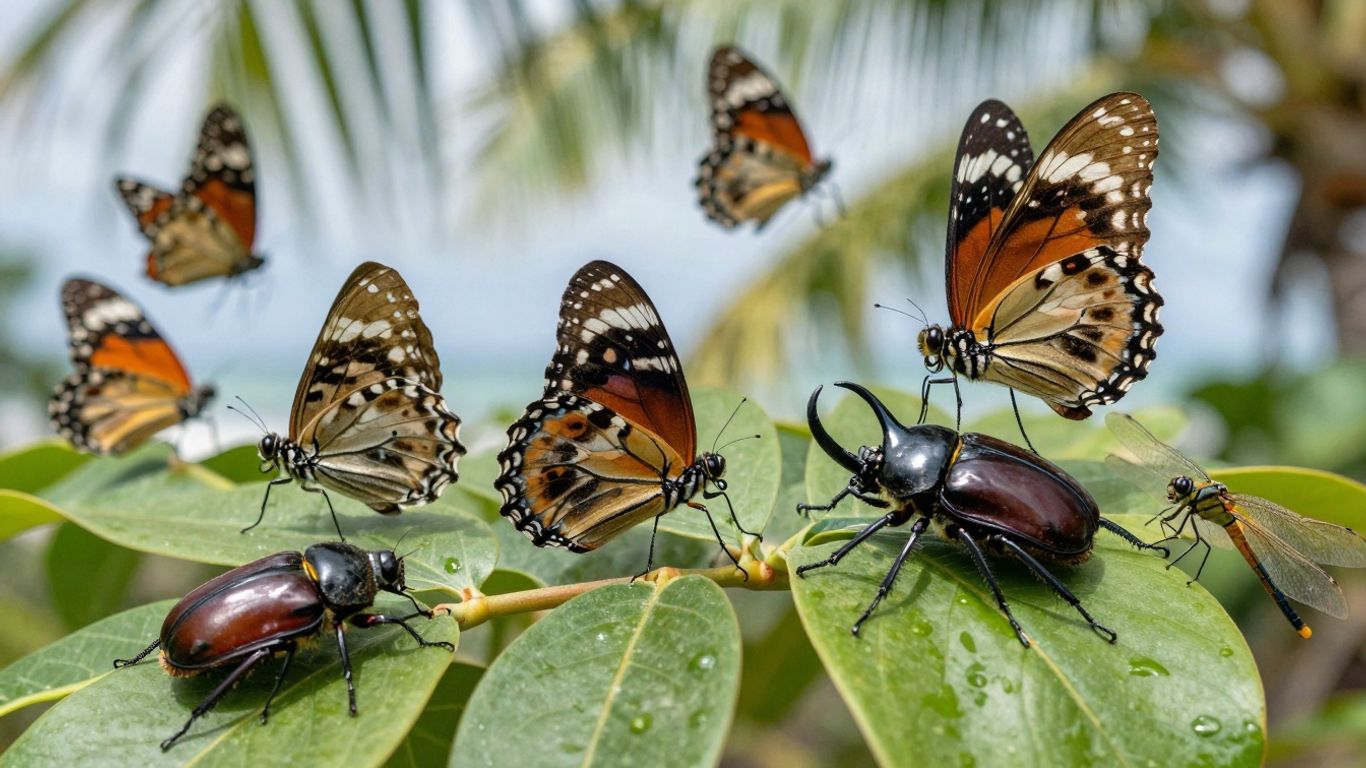
Because Taveuni is so isolated and has such a unique environment, it’s home to plants and animals you won’t find anywhere else. The rainforest is full of them. Keep an eye out for colorful birds and strange insects as you hike. The plants themselves are amazing, too, with giant ferns and flowers you’ve probably never seen before. It’s a living laboratory out there, and the waterfalls are just one part of the incredible ecosystem.
The island’s geography, with its central mountain ridge, helps create the perfect conditions for rainfall and runoff, feeding the countless streams that carve their way through the dense jungle. This constant water flow is the lifeblood of Taveuni’s vibrant ecosystem and the source of its many beautiful waterfalls.
Hiking Trails and Scenic Vistas
Taveuni Island, often called the Garden Isle, is a hiker’s paradise, especially when it comes to its waterfalls. The trails here aren’t just about getting from point A to point B; they’re an experience in themselves, winding through lush rainforests and offering glimpses of the island’s stunning natural beauty.
Trails within Bouma National Park
Bouma National Heritage Park is the heart of Taveuni’s hiking scene. The park boasts several well-maintained trails, with varying levels of difficulty. The most famous are the paths leading to the Tavoro Waterfalls. The first cascade is easily accessible with a short, gentle walk from the park entrance. For those seeking more, the trails ascend to the second and third Tavoro falls, offering a bit more of a workout and rewarding you with different perspectives of the cascades.
Panoramic Views from Higher Falls
As you climb towards the upper Tavoro Falls, the landscape opens up. The effort is well worth it, as you’re treated to sweeping views of the surrounding rainforest canopy and, on a clear day, the sparkling blue waters of the Pacific Ocean. These higher vantage points provide fantastic photo opportunities and a chance to truly appreciate the island’s dramatic topography.
Coastal Paths and Hidden Lagoons
Beyond the Tavoro area, the Lavena Coastal Walk offers a different kind of hiking adventure. This trail meanders along the island’s rugged coastline, passing by secluded beaches and tranquil lagoons. It’s a relatively flat path, making it accessible for many, and it provides direct access to the magnificent Wainibau Waterfall. Keep an eye out for vibrant tropical flowers and listen for the calls of native birds along the way.
The trails on Taveuni are more than just paths; they are invitations to immerse yourself in the island’s vibrant ecosystem. Each step reveals new wonders, from the smallest fern to the grandest vista.
Local Villages and Cultural Encounters
As you explore Taveuni’s stunning natural beauty, you’ll find that the island’s charm extends beyond its waterfalls and rainforests. Several villages are nestled near or within the boundaries of Bouma National Heritage Park, offering a glimpse into the local Fijian way of life. These communities are an integral part of the island’s identity and play a role in preserving its natural treasures.
Villages Bordering Bouma Park
Four main villages are known to be situated around the park’s perimeter: Waitabu, Vidawa, Korovou, and Lavena. Lavena Village, in particular, is a common starting point for the scenic Lavena Coastal Walk, which leads to the beautiful Wainibau Waterfall. These villages are not just points on a map; they are living communities where traditional customs are still practiced.
Interacting with Local Communities
When visiting these villages, remember that you are a guest. A friendly greeting, like Bula!’ (hello), goes a long way. Many tours and hikes are organized with the involvement of local guides, providing a wonderful opportunity to learn about the island’s history, flora, fauna, and cultural practices directly from those who call Taveuni home. Engaging respectfully with the local people can enrich your experience immensely.
Respecting Cultural Sites
When you encounter local villages or cultural landmarks, it’s important to be mindful and respectful. Always ask permission before taking photographs of people or their homes. If you have the chance to visit a village church or community hall, dress modestly. Understanding and honoring local customs shows your appreciation for the Taveuni way of life.
The rhythm of life in these villages is closely tied to the land and sea. Visitors often find a warm welcome and a genuine sense of community, making interactions a highlight of their trip.
Respecting the Natural Environment
When you’re out exploring Taveuni’s amazing waterfalls, remember that these places are special. They’re part of a living ecosystem, and it’s up to all of us to keep them that way. Stick to the marked paths to avoid disturbing plants and soil. Please don’t leave any trash behind – pack out everything you pack in. This means wrappers, bottles, and any other waste. Also, avoid taking any natural souvenirs like rocks or flowers; let others enjoy them too.
Staying Hydrated and Prepared
Hiking in a tropical environment means staying hydrated is super important. Always carry plenty of water, more than you think you’ll need. The humidity can be high, and you’ll be working up a sweat. Wear comfortable, sturdy shoes with good grip, especially if you plan on climbing or walking on slippery rocks. Lightweight, quick-drying clothing is also a good idea. Don’t forget insect repellent, sunscreen, and a hat to protect yourself from the sun and any bugs.
Understanding Local Conditions
Weather in Taveuni can change, and heavy rain can affect trail conditions and water levels. It’s wise to check the forecast before you head out. Some trails might become muddy or slippery after rain, and certain areas, like the Waitavala Water Slide, can be unsafe if the water is too high. If you’re unsure about the conditions, it’s always best to ask a local or a guide. They have the most up-to-date information about what’s safe and what’s not.
Planning ahead makes for a much more enjoyable and safe trip. Knowing what to expect and being prepared for different scenarios means you can focus on the beauty around you instead of worrying about unexpected issues. It’s all about being a responsible visitor to this incredible island.
Your Taveuni Waterfall Adventure Awaits
So, Taveuni really is a special place if you love waterfalls. Whether you’re looking for a quick dip at Tavoro, a longer trek to Wainibau, or a wild ride down Waitavala, there’s something for everyone. It’s not just about the water, though; it’s about the whole experience – the rainforest, the birds, the quiet paths. Getting to these spots is part of the fun, and honestly, it makes the reward feel even better. Pack your walking shoes, maybe a waterproof camera, and get ready to see some of Fiji’s most amazing natural beauty. You won’t regret it.
How do I get to the Tavoro Waterfalls on Taveuni Island?
To reach the Tavoro Waterfalls, you first need to get to Bouma National Heritage Park. There is a small entry fee at the visitor center. From there, it’s a short walk to the first waterfall. If you want to see the second and third falls, you’ll need to hike uphill along a marked path.
What should I bring for a waterfall hike on Taveuni?
It’s best to wear comfortable walking shoes, bring a water bottle, sunscreen, bug spray, and a hat. If you plan to swim, pack a swimsuit, towel, and maybe a change of clothes. Reef shoes are helpful for rocky or slippery spots.
Is it safe to swim at the waterfalls?
Yes, swimming is allowed at most waterfalls, especially at the first Tavoro Waterfall, which has a large pool. However, always check the water conditions and avoid swimming after heavy rain, as currents can be strong.
Can I visit the Waitavala Water Slide any time of year?
You can visit the Waitavala Water Slide most of the year, but it’s best to avoid it right after heavy rain because the rocks can get slippery and the water can be too fast. Always check with locals before sliding.
Are there guided tours for the waterfall hikes?
Yes, many local tour companies and resorts offer guided hikes to the waterfalls. Guides can share stories about the area, help you stay safe, and show you the best spots for photos.
How long does it take to hike the Lavena Coastal Walk to Wainibau Waterfall?
The Lavena Coastal Walk is about 10 kilometers round trip and usually takes 3 to 5 hours, depending on your pace and how long you spend at the waterfall. The trail is mostly flat and passes through beaches, forests, and small streams.
Can I visit the waterfalls without a guide?
Yes, you can explore most of the waterfalls on your own. The main paths are well-marked, especially in Bouma National Heritage Park. However, having a guide can make your trip easier and more interesting.
Are there places to eat or buy snacks near the waterfalls?
There are picnic tables near the first Tavoro Waterfall, so you can bring your own food. Some villages near the park may have small shops, but it’s a good idea to pack snacks and water before your hike.