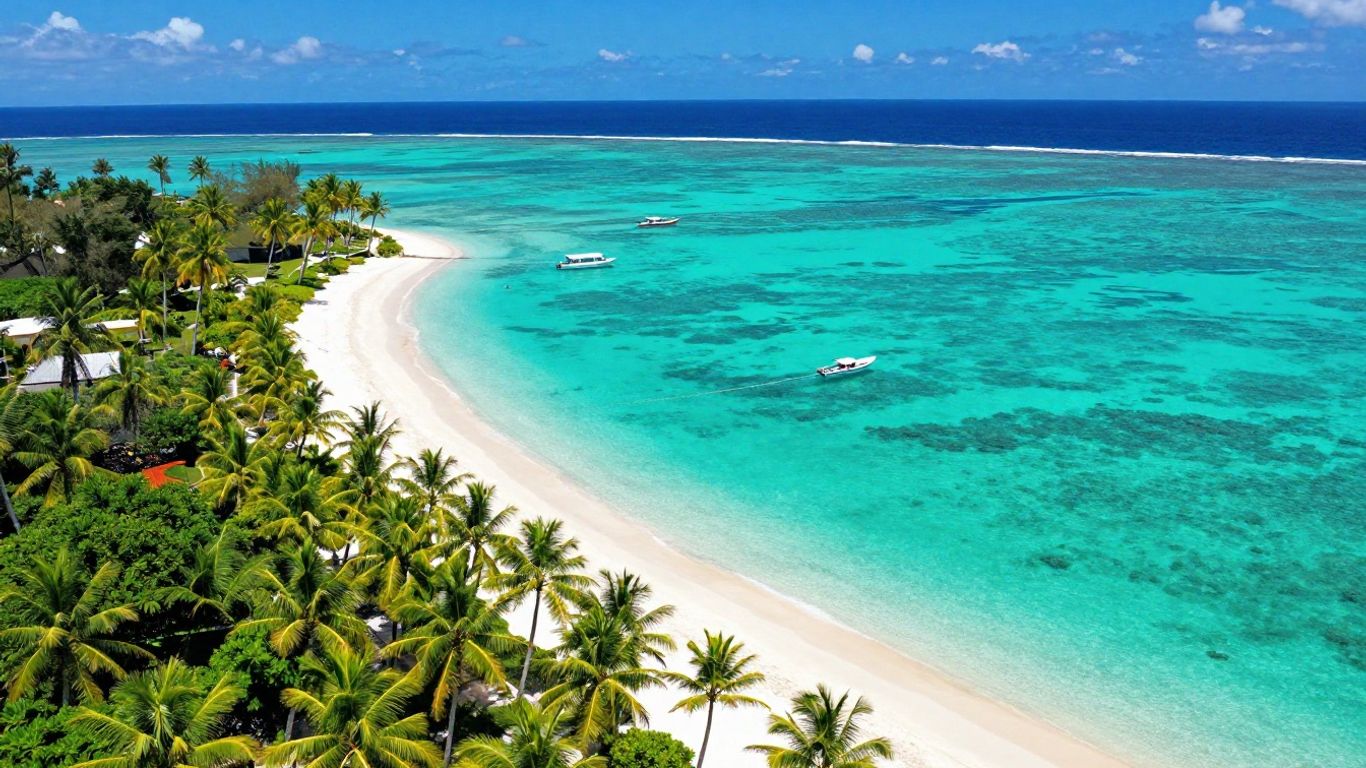
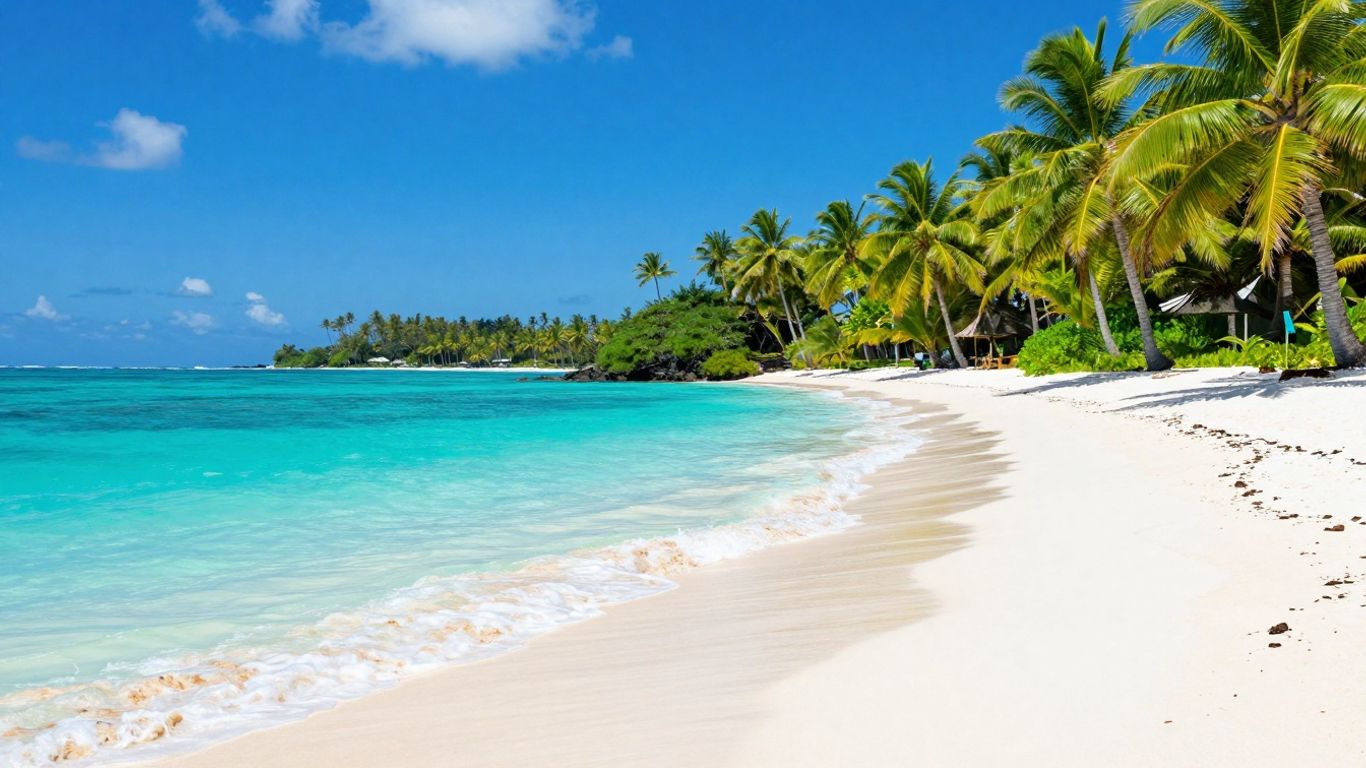
Fiji is a pretty amazing place if you’re into surfing. It’s got these famous waves that people talk about all over the world. While some of the spots are definitely for the pros, there are also some chill places where beginners can get their feet wet. We’re talking about some of the best Fiji surfing beaches here, so whether you’re just starting out or you’ve been riding waves for years, there’s likely something for you.
Key Takeaways
Fiji offers a variety of surf spots, from challenging reef breaks to more beginner-friendly beach breaks.
The Mamanuca Islands are a prime location for world-class waves like Cloudbreak and Restaurants.
The Coral Coast provides less crowded options, including spots like Frigates Pass and Sigatoka Rivermouth.
The best time for consistent swells is generally from March to November, with warmer, smaller waves in the summer months.
Always be mindful of reef safety and local surf etiquette when exploring Fiji’s surf beaches.
1. Cloudbreak
Cloudbreak. Just saying the name probably conjures up images of perfect, peeling lefts for a lot of surfers. It’s located in the Mamanuca Islands, a bit offshore from Tavarua Island, and it’s pretty much a bucket-list wave for anyone serious about surfing. This isn’t your average beach break; it’s a powerful, world-class left-hand reef break that can get seriously big.
This wave is famous for its multiple barrel sections and the sheer power it holds. When the swell hits just right, it can offer rides that go on for a good distance, with sections that can barrel. It’s the kind of wave that has hosted professional competitions, and you can see why. It demands respect and skill.
Here’s a quick rundown of what makes Cloudbreak so special:
Wave Type: Left-hand reef break.
Swell Direction: Best with South to Southwest swells.
Size: Can handle serious size, from manageable 4-6 feet to well over 20 feet on big days.
Tides: Works on most tides, but often best around mid to high tide.
Wind: Northeast to Southeast winds are typically offshore.
Getting to Cloudbreak usually involves a boat trip from one of the nearby islands. It’s not a wave you can just paddle out to from the beach. Because of its power and the reef below, it’s generally considered an advanced to expert-level wave. Beginners and even intermediates might find it a bit much, especially when it’s firing.
The best time to catch Cloudbreak in its prime is generally between March and November, with the peak season often falling between May and October. During these months, the South Pacific swells are most consistent. While it can be surfed at smaller sizes, its true magic happens when there’s a solid swell pushing through. It’s a wave that truly lives up to its legendary status.
2. Restaurants
When you hear the name "Restaurants," you might think of food, but for surfers, this spot is all about the waves. Restaurants is a left-hand reef break that sits just off Tavarua Island, and it’s famous for its near-perfect tubes and the kind of rides you dream about on flat days. On good days, Restaurants produces fast, hollow waves that can seem to go on forever.
Let’s break down why Restaurants stands out for surfers:
The take-off is quick and the ride feels buttery smooth if you get the timing right.
It’s less intimidating than Cloudbreak, with waves that are about half the size—but still powerful and punchy.
Intermediate surfers, in particular, find Restaurants a great spot to push their limits and sharpen their skills, especially when they’ve outgrown beach breaks but aren’t ready for massive reef barrels.
Don’t be surprised if you find yourself paddling back out, grinning ear to ear—there’s a reason some call it the skate park on water. The water is clear, the vibe is laid-back, and every now and then you’ll score a wave that sticks in your mind long after your board’s dried off.
Expect fewer crowds here than its big brother Cloudbreak, but make sure you know your limits—the reef is sharp, and the take-off zone can be busy when it’s pumping. Still, if you’re ready to step up your game, Restaurants is the spot that makes you remember why you picked up a surfboard in the first place.
3. Frigates Pass
Frigates Pass is a serious wave, often mentioned in the same breath as Cloudbreak, and for good reason. This is a powerful, hollow left-hand reef break that can throw out some seriously long rides, sometimes stretching over 150 meters. It’s a spot that really shines when the swell picks up, offering incredible opportunities for tube riding. Because of its intensity and the reef below, Frigates is best suited for intermediate to advanced surfers who have a good handle on their boards.
Getting to Frigates requires a boat trip, as it’s located about 20 kilometers offshore. This means it’s often less crowded than some of the more accessible breaks, which is a big plus if you’re looking for more space to yourself. The journey out is part of the adventure, and the reward is a world-class wave that can rival some of the best.
This wave is known for its consistency and power, making it a must-visit for experienced surfers.
Here’s a quick rundown:
Wave Type: Left-hand reef break
Best For: Intermediate to Advanced surfers
Swell Direction: Primarily SW
Wave Size: Can handle significant swell, with longer rides possible on bigger days.
While Frigates Pass offers a thrilling experience, it’s important to respect the power of the ocean and the reef. Proper preparation and an understanding of your own skill level are key to enjoying this incredible Fijian surf spot safely.
4. Natadola Beach
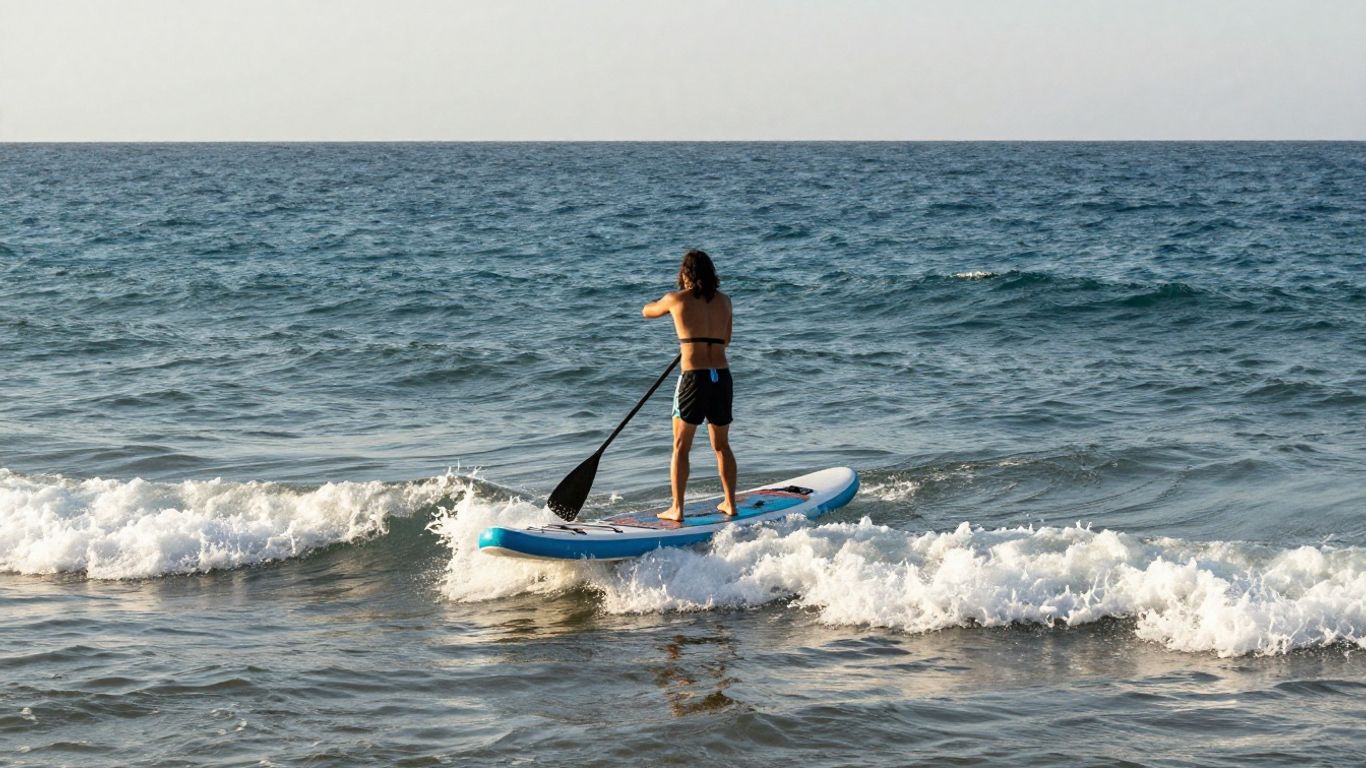
Natadola Beach stands out as one of Fiji’s only genuine beach breaks, giving you a rare surfing experience compared to the region’s reef-dominated coastline. What makes Natadola special is its versatility: you’ll find both lefts and rights, with wave shapes that range from cruisy walls to short, punchy barrels. The shoreline is easy to reach—no need for boat rides—and the inviting white sand means you can relax between sessions.
What Surfers Like About Natadola Beach
Good for all levels: From first-timers catching mellow inside waves to seasoned riders hunting bigger sets farther out, there’s space for everyone.
Mix of wave types: You might get rolling, forgiving waves one day and more challenging barrels the next, depending on the tides and swells.
Safe by Fiji standards: While some reefs in Fiji can feel intimidating, Natadola’s break is generally forgiving, though currents and shifting conditions mean caution is always wise.
With its blend of beauty and accessible surf, Natadola Beach manages that rare balance—one session here can be both relaxing and exciting, bringing new energy no matter your skill level.
5. Namotu
Namotu Left is a really classy left-hand wave located in the Mamanuca Islands. It’s not quite as intense as some of the other famous breaks in Fiji, but don’t let that fool you – it still packs a punch and offers some seriously long rides.
This spot is known for its consistent swell and can provide excellent, walling lefts no matter the size. You’ll also find occasional barrel sections if the conditions line up just right. It’s a great year-round wave, but it really shines when the prevailing easterly trade winds are blowing offshore, which is common during the winter months (May to October). Even when those winds aren’t cooperating, you can still find good conditions with light and variable winds from November to April, especially when SW groundswells and SE swells roll in.
Keep an eye out for strong currents, particularly on an outgoing tide.
Here’s a quick rundown:
Wave Type: Left-hand reef break
Best Swell Direction: SW, SE
Wind Direction: ESE (offshore)
Tide: Mid to high tide is generally best
While it’s a bit more forgiving than some of Fiji’s heavier waves, Namotu Left still offers plenty of excitement for surfers looking for a quality left-hand experience without the extreme challenge. It’s a spot that rewards good positioning and offers a fun, engaging surf session.
6. Sigatoka Rivermouth
Right where the Sigatoka River meets the ocean, you’ll find a beach break that’s a bit different from Fiji’s usual reef setups. This spot is known for its shifting sandbanks, which can create some fun, punchy waves. It’s a great place to check out if you’re looking for something less crowded and a bit more raw.
The waves here can be a bit unpredictable because they depend heavily on the sandbanks. You might find a nice, long left-hander that barrels, or sometimes, shorter, quicker rights that peel back towards the river channel. It’s a bit of a lottery, but that’s part of the charm.
When the conditions are right, usually with a WSW to SE swell and a NW-NE wind, it can offer a decent surf. However, it’s not always the best choice. After heavy rain, the water can get murky, and it’s a good idea to be aware that bull sharks have been spotted in the area. So, maybe check the water clarity before you paddle out.
Here’s a quick rundown:
Wave Type: Beach break
Best For: Intermediate surfers looking for something different
Swell Direction: WSW to SE
Wind: NW to NE
Caution: Avoid after heavy rain due to murky water and potential shark presence.
This spot offers a unique experience compared to the famous reef breaks. It’s a good reminder that Fiji has a variety of waves, and sometimes the less-talked-about spots can surprise you with their character.
7. Hideaways
Tucked away on the Coral Coast, Hideaways is a right-hand reef break that offers a thrilling experience for intermediate to advanced surfers. It’s located just a short paddle from the Hideaway Resort, making it super accessible. This wave is known for its hollow, fast, and ledgey barrel, which really comes alive around high tide. It starts working well with swells as small as less than 3 feet and can handle up to 6 feet plus, making it a year-round spot, though it’s most consistent between May and October.
The best conditions at Hideaways are when the trade winds are light, as they can blow side-onshore and affect the wave quality.
Here’s a quick rundown of what to expect:
Wave Type: Right-hand reef break.
Best Tide: High tide.
Swell Size: Works from <3ft up to 6ft+.
Consistency: Year-round, best May-October.
Skill Level: Experienced surfers.
Because of its hollow and fast nature, Hideaways is best suited for those who are comfortable riding powerful waves and can handle a bit of a challenge. It’s a fantastic spot for getting some quality barrel time if you time your visit and the conditions right. For a more relaxed vibe and to truly immerse yourself in the natural beauty of Fiji, consider staying at Uprising Beach Resort which offers an authentic Fijian experience.
8. Swimming Pools
Swimming Pools is a spot that really lives up to its inviting name. It’s positioned among Fiji’s famous surf breaks, attracting surfers who want a friendlier, more approachable wave. This is the place people go when they want consistency and fun without worrying about challenging, heavy surf. The gentle breaks make it fantastic for those moving up from beginner status, or anyone keen to just enjoy the ride while building up skill.
Waves at Swimming Pools are much mellower than Fiji’s heavy reef breaks, often rolling in smooth and glassy, perfect for a longboard session.
The spot handles a range of swell sizes but keeps its forgiving shape, helping you work on technique in safe conditions.
Peak surfing here runs from May to October, when trade winds cooperate and southwest swells line up perfectly.
Swimming Pools is also less crowded compared to world-famous spots like Cloudbreak. This means you get more time on the waves with less pressure from experienced locals—ideal if you want to improve your confidence or just have a chilled-out day on the water. For those considering a surfing trip here, Fiji’s travel options, whether you want quick direct access or a relaxing scenic route, are worth looking into, like the luxurious train options available on the mainland.
If you want to build up your surfing level without feeling rushed or overwhelmed, you genuinely can’t go wrong with a session at Swimming Pools.
9. Wilkes Passage
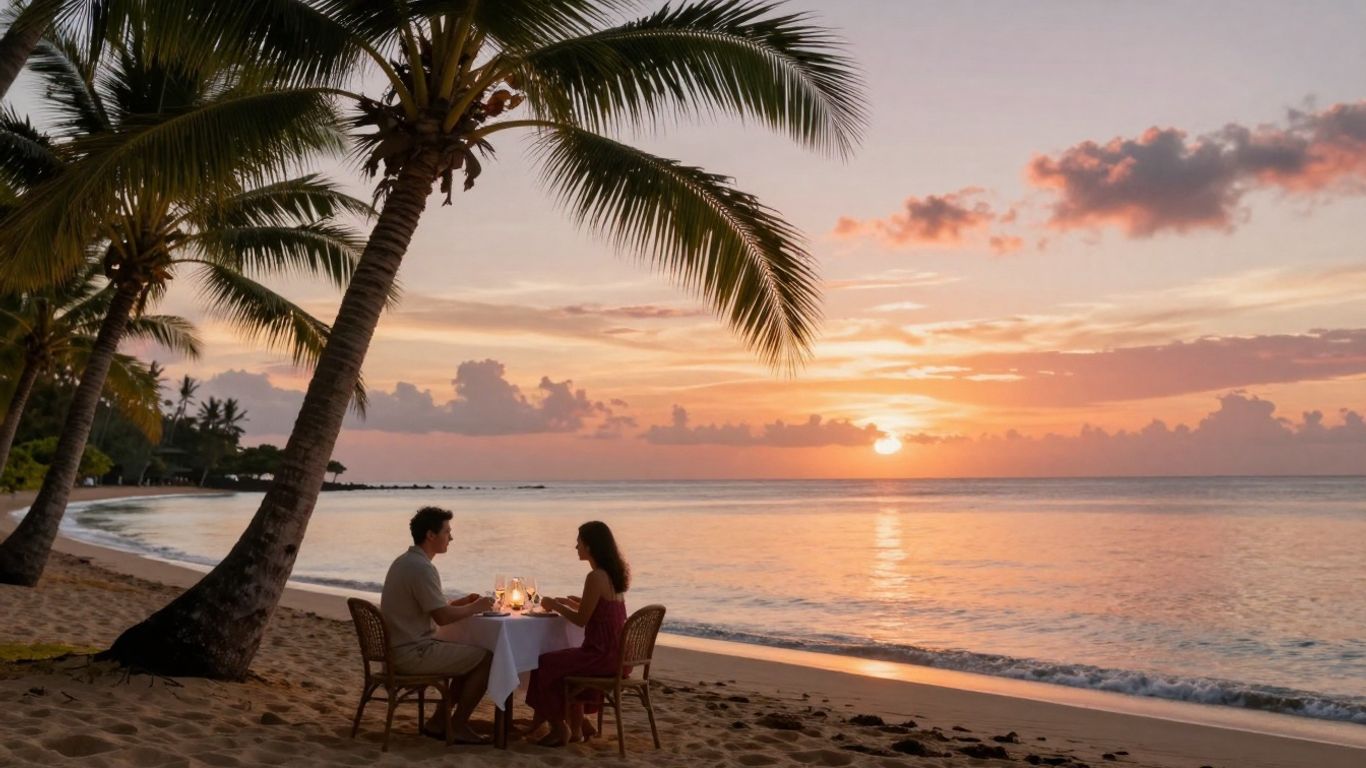
Wilkes Passage is a favorite among surfers for its extended, smooth right-handers and seriously clear water. You’ll find it just northwest of Namotu Island, on the opposite side of the passage. This break isn’t close to shore—expect a boat trip to reach it, but that means quieter sessions and great scenery while you wait for waves.
On the right day, Wilkes can stretch out long rides, sometimes up to 500 meters. It’s a relatively deep reef, which makes it a calmer choice than some of Fiji’s shallow, heavier breaks. At smaller sizes, beginners who already have some board control can test themselves and grow their skills here, but when the waves pick up over 3 feet, it’s best left to intermediates and above. The conditions are pretty reliable too, with NE to NW winds and S to SW swells lining things up nicely most of the year.
A quick look at why Wilkes Passage stands out:
Consistent, friendly take-offs at small to medium sizes
Long walls, perfect for practicing your cutbacks and enjoying a relaxed ride
Boat access means fewer crowds and a real ‘adventure’ feeling
Suitable for mixed abilities, though best for intermediates when the surf gets over chest high
The journey out to Wilkes feels a little bit magical, with turquoise water all around and the anticipation of smooth, rolling waves waiting for you. It’s a spot where memories are made—whether it’s your first clean right-hander or just another perfect day in the Pacific.
10. King Kong Left
King Kong Left is a serious wave, tucked away in the Kadavu Passage. This spot is known for its powerful, long left-handers that peel over a shallow reef. It’s a wave that demands respect and rewards experienced surfers with a truly memorable ride. When the swell lines up just right, you can expect some of the longest and fastest rides in the South Pacific, with waves occasionally hitting the 8-foot mark. Getting here involves a boat trip, which adds to its remote allure, but the effort is definitely worth it for those seeking a challenging and exhilarating surf.
When to Go
While Fiji offers surfable conditions year-round, the prime season for consistent swells, including those that power King Kong Left, runs from April to October. During these months, you’ll find the most reliable conditions, with swells often reaching impressive sizes. For King Kong Left specifically, look for South to Southwest or East swells, with Northeast to East winds being ideal. Be mindful that this break can get particularly challenging at lower tides.
Skill Level
King Kong Left is generally considered an intermediate to advanced wave. While it might be surfable for intermediates on smaller days, its true potential and power are best suited for experienced surfers who are comfortable with reef breaks and powerful waves.
This wave is not for the faint of heart. Its shallow reef and powerful nature mean that a good supply of spare boards might be a wise precaution for those attempting it on bigger days.
Ready to Ride the Waves?
So, there you have it – Fiji really does have something for everyone when it comes to surfing. From the challenging breaks that seasoned pros dream about to gentle waves perfect for those just starting out, this island nation delivers. We’ve looked at spots across the Mamanucas, the Coral Coast, and even Taveuni, showing just how diverse the surfing scene is here. Remember to respect the ocean, the local culture, and most importantly, have an amazing time out on the water. Grab your board, pack your bags, and get ready for an unforgettable Fijian surf adventure.
What is the best time of year to go surfing in Fiji?
The prime time for surfing in Fiji is generally from March to November. During these months, you’ll find consistent swells coming from the southwest and offshore trade winds, which create ideal conditions for many of the famous breaks.
Are there good surf spots for beginners in Fiji?
Absolutely! While Fiji is known for its challenging reef breaks, spots like Natadola Beach offer gentler waves that are perfect for those just starting out. Many surf schools also operate in these areas.
What kind of waves can I expect in Fiji?
Fiji offers a wide variety of waves. You’ll find powerful, hollow reef breaks that are world-famous, like Cloudbreak. But there are also fun beach breaks and mellower reef waves suitable for different skill levels.
Do I need a boat to get to the best surf spots?
Many of Fiji’s most famous surf breaks, especially those in the Mamanuca Islands like Cloudbreak and Restaurants, are located offshore and are best accessed by boat. However, some spots, like Natadola Beach, are right on the mainland.
What should I bring for a surf trip to Fiji?
Besides your surfboards, it’s a good idea to pack reef booties for protection, reef-friendly sunscreen, a rash guard, extra leashes, and a hat to shield you from the sun. A basic first-aid kit is also wise.
Is surfing in Fiji safe?
Surfing in Fiji can be very safe if you take precautions. Always be aware of the reef, check tide charts, know your entry and exit points, and respect local surfing etiquette. For challenging breaks, it’s best to go with experienced surfers or guides.
Can I rent surfboards or take lessons in Fiji?
Yes, many resorts and surf camps in Fiji offer surfboard rentals and surf lessons for all levels. It’s a great way to get acquainted with the local breaks and learn from experienced instructors.
What’s the difference between the peak season and summer season for surfing?
The peak season (March-November) brings bigger swells and more consistent waves, but also more crowds. The summer season (December-February) usually offers smaller, cleaner waves and fewer people, which can be perfect for learning or enjoying less intense surf.