Thinking about a fishing trip to Fiji? It’s a pretty amazing place to cast a line, honestly. You’ve got these incredible blue waters and a real chance to catch some big fish. Whether you’re a seasoned pro or just starting out, Fiji sport fishing offers something special. It’s more than just the fishing, though; the whole experience is pretty unforgettable.
Key Takeaways
Fiji’s waters are prime spots for catching impressive sport fish.
The Mamanuca and Yasawa Islands offer fantastic fishing opportunities.
Giant Trevally, Wahoo, Tuna, and Mahi-Mahi are popular targets.
Choosing the right charter and guides is important for a good trip.
Planning your trip around seasonal patterns will help you find the best action.
The Allure of Fiji’s Waters
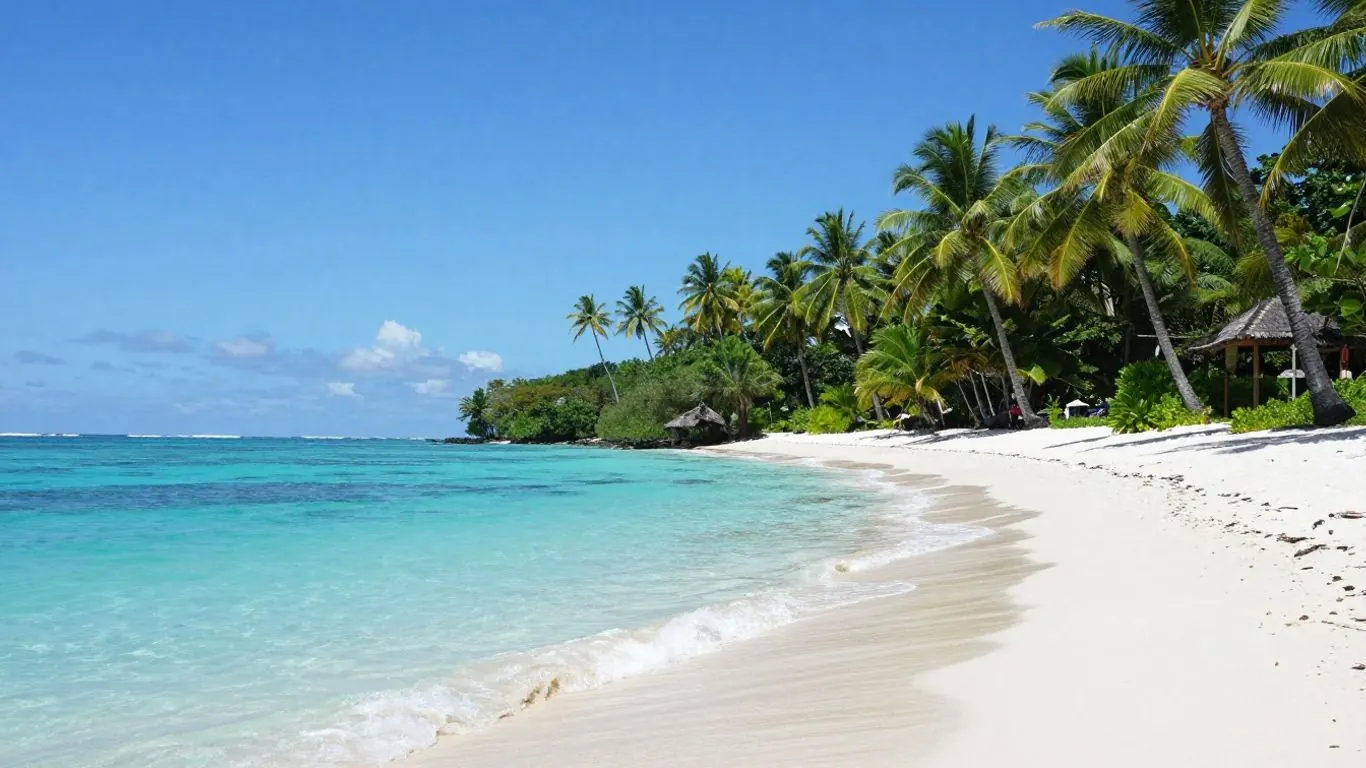
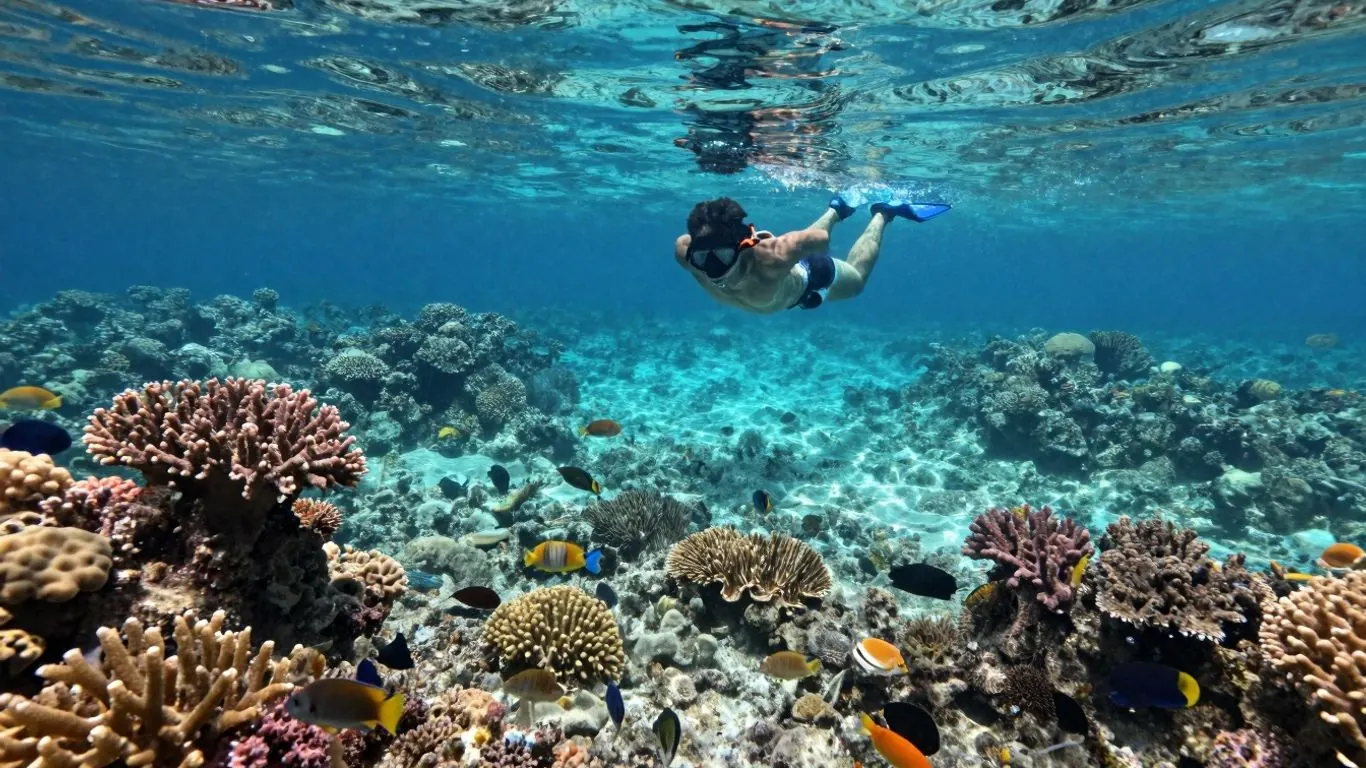
Fiji, a scattering of over 300 islands in the South Pacific, is more than just postcard-perfect beaches and clear turquoise waters. Beneath the surface lies a vibrant underwater world teeming with diverse marine life, making it a premier destination for sport fishing enthusiasts. The warm, tropical currents create an ideal environment for a wide array of game fish, from powerful pelagics to elusive inshore species. The sheer abundance and variety of fish found here are what draw anglers from across the globe. It’s a place where the ocean’s bounty feels almost limitless, offering a truly wild and rewarding fishing experience.
Unforgettable Angling Experiences
Imagine the thrill of battling a powerful Giant Trevally in crystal-clear shallows, or the explosive strike of a Wahoo on a trolled lure. Fiji offers a spectrum of angling adventures to suit every preference. Whether you’re casting poppers to cruising GTs, trolling for speedsters like Wahoo and Mahi-Mahi, or dropping jigs to the depths for other pelagic species, the action is often non-stop. Each day on the water presents new opportunities and challenges, promising memories that last a lifetime. The pristine environment and the fight of these incredible fish combine to create an unparalleled sport fishing adventure.
Your Gateway to Trophy Catches
Fiji is renowned for its potential to deliver trophy-sized catches. The remote, less-pressured waters surrounding many of its islands mean that fish have the chance to grow to impressive sizes. Anglers have the opportunity to target species that are considered the pinnacle of sport fishing, such as the aforementioned Giant Trevally, which can exceed 100 pounds. Beyond the GTs, the waters are home to formidable opponents like Dogtooth Tuna, Yellowfin Tuna, and various species of Marlin. Planning your trip with experienced local guides significantly increases your chances of encountering and landing these magnificent specimens.
Here’s a glimpse of what you might encounter:
Giant Trevally (GT): Known for their incredible strength and aggressive strikes.
Wahoo: Fast, powerful fish that often hit lures at high speeds.
Tuna: Including Yellowfin and Dogtooth, offering a serious test of endurance.
Mahi-Mahi: Colorful and acrobatic, a favorite for many anglers.
Marlin: While less common than in some other destinations, the possibility of encountering a Blue or Black Marlin exists.
The success of your trip often hinges on choosing the right location and working with guides who know these waters intimately. Their knowledge of fish behavior, seasonal patterns, and the best fishing spots is invaluable for maximizing your chances of a successful and memorable outing.
Exploring the Mamanuca Islands
The Mamanuca Islands are a popular spot for a reason. Think crystal-clear waters, vibrant coral reefs, and a good chance of hooking into some serious sport fish. It’s a chain of about 20 islands, and many of them are ringed by reefs that act as natural fish attractors. You’ll find a mix of shallow flats, drop-offs, and deeper channels here, which means a variety of species can call this area home. It’s a great place for anglers who want a bit of everything, from casting to reef edges to trolling in the open water just beyond the coral. The accessibility from the main island of Viti Levu also makes it a convenient choice for many visitors.
The Yasawa Chain’s Hidden Gems
If you’re looking for something a little more off the beaten path, the Yasawa Islands are worth considering. This chain stretches further northwest and generally sees fewer boats than the Mamanucas. The waters here are often described as pristine, with dramatic volcanic backdrops and secluded bays. The fishing can be fantastic, especially for those willing to venture a bit further out. You might find yourself casting to schools of fish in quiet lagoons or trolling along underwater seamounts that attract larger pelagic species. It’s a bit more of an adventure to get here, but the rewards can be significant in terms of both the fishing and the sheer beauty of the place.
Offshore Adventures Beyond the Reef
For the angler who dreams of tackling the giants, heading offshore is where it’s at. Just beyond the protective barrier reefs that surround many of Fiji’s islands lies the deep blue ocean. This is the domain of powerful game fish like marlin, tuna, and wahoo. Trolling large lures or rigged baits in these waters is a common and effective technique. The drop-offs and underwater canyons found here are prime feeding grounds for these large predators. It’s a different kind of fishing than what you’ll find closer to shore – more about covering water and encountering the truly pelagic species that roam the open ocean. The thrill of a big game fish hitting your line in the vast Pacific is an experience unlike any other.
Here’s a quick look at what you might encounter:
Mamanuca Islands: Good mix of inshore and nearshore opportunities. Accessible and popular.
Yasawa Chain: More remote, pristine waters, potential for less pressured fishing.
Offshore Waters: Deep blue ocean, targeting large pelagic species like marlin and tuna.
Target Species for Fiji Anglers
Fiji’s waters are teeming with a variety of sport fish that draw anglers from all over the globe. When you cast a line here, you’re in for a chance at some truly impressive catches. The warm, clear tropical waters provide a perfect environment for these powerful and often beautiful creatures to thrive.
The Mighty Giant Trevally
Often called GTs, Giant Trevallies are the undisputed kings of the inshore reefs and flats. These fish are incredibly strong and put up a fight that will test even the most seasoned angler. They can grow to be quite large, with specimens exceeding 100 pounds not uncommon. Targeting GTs usually involves casting poppers or other surface lures to sighted fish on the shallow reefs, or sometimes jigging deeper structures. The explosive strike and the ensuing battle are what make GT fishing so addictive.
Wahoo and Tuna Pursuits
When you head offshore, the pelagic action heats up. Wahoo are known for their incredible speed and razor-sharp teeth, making them a thrilling target. They often hit trolled lures or baits at high speeds. Then there are the tunas – Yellowfin and Dogtooth are the most sought-after species. Yellowfin tuna are powerful swimmers and great fighters, often found in deeper waters or around FADs (Fish Aggregating Devices). Dogtooth tuna, while less common, are formidable predators with a distinctive appearance and a reputation for being tough opponents.
Mahi-Mahi and Other Pelagics
Mahi-Mahi, also known as Dorado or Dolphinfish, are another popular offshore target. They are known for their vibrant colors and acrobatic leaps when hooked. Mahi-Mahi are often found around floating debris or weed lines, and they readily strike trolled lures and bait. Beyond these, Fiji’s offshore waters can also yield other exciting pelagic species like Sailfish and Marlin, though these are typically encountered on deeper bluewater expeditions. The sheer diversity means there’s always something exciting to chase.
The thrill of sport fishing in Fiji isn’t just about the size of the fish, but the variety and the sheer power they exhibit. Each species offers a unique challenge and a memorable angling experience, making every trip out on the water an adventure.
Selecting the Right Vessel
When you’re looking to book a sport fishing trip in Fiji, the boat itself is a big deal. You’ll find everything from smaller, nimble skiffs perfect for inshore exploration to larger, fully-equipped sportfishing yachts designed for offshore battles. Think about what kind of fishing you want to do. If you’re dreaming of chasing marlin far out at sea, you’ll need a vessel built for those conditions – something stable with plenty of range and the right gear. For casting poppers at giant trevally on shallow reefs, a more open deck and easy access to the water might be more important. Most reputable charters will have detailed descriptions of their boats online, including size, amenities, and the type of fishing they specialize in. Don’t hesitate to ask questions about the boat’s safety features and its typical operating range.
Understanding Charter Options
Fiji offers a variety of charter setups to fit different needs and budgets. You can go for a full-day charter, which usually gives you the most time on the water to cover different fishing grounds. Half-day trips are great if you’re short on time or want to combine fishing with other island activities. Some operators also offer multi-day packages, which are ideal for serious anglers wanting to explore remote areas or target specific species. It’s also worth looking into whether the charter is private or shared. A private charter means the boat and crew are all yours for the day, offering flexibility and a personalized experience. Shared charters can be more budget-friendly, but you’ll be fishing with other anglers.
Meet Your Expert Guides
The captain and crew are really what make or break a fishing trip. In Fiji, you’ll find local guides who have grown up fishing these waters and possess an incredible knowledge of fish behavior, migration patterns, and the best spots. Look for charters that highlight their guides’ experience and local insight. A good guide won’t just steer the boat; they’ll be able to teach you techniques, help you with your gear, and share stories about the local culture and marine life. They are your partners in making the most of your time on the water. A truly great guide will make you feel like you’re fishing with a knowledgeable friend.
When selecting a charter, consider the type of fishing you’re most interested in. Are you after pelagic speedsters like wahoo and tuna, or are you more drawn to the brute strength of giant trevally in shallower waters? Your target species will heavily influence the type of boat and the fishing grounds your charter will focus on. Discuss your aspirations with potential charter operators to find the best match for your angling goals.
Essential Gear and Tackle
Getting the right gear ready is a big part of making sure your fishing trip in Fiji goes smoothly. You don’t want to be out on the water wishing you had something you left behind, or worse, using something that just isn’t up to the task. Think of it like packing for any big adventure – the right tools make all the difference.
Rod and Reel Recommendations
For the kind of sport fishing you’ll find in Fiji, you’ll want gear that can handle some serious power. We’re talking about fish that can pull hard and make long runs. For larger game like Giant Trevally, a heavy-duty rod is a must. Look for something in the 7-foot to 8-foot range, with a strong backbone. A good reel to match would be a high-quality spinning reel or a conventional reel with a good drag system, capable of holding plenty of line. Think about reels in the 8000 to 10000 size range for spinning, or a sturdy conventional reel that can handle 30-50 pound test line.
For lighter tackle and smaller species, or when casting poppers for trevally, a slightly lighter setup might be more enjoyable. A 6-foot to 7-foot rod with a medium-heavy action paired with a 4000 to 6000 size spinning reel can be a lot of fun. The key is having a reel with a smooth, reliable drag that won’t give out when a fish decides to make a break for it.
Lures, Baits, and Terminal Tackle
What you tie onto your line is just as important as the rod and reel. For trolling, especially for wahoo and mahi-mahi, you’ll want a selection of lures that mimic baitfish. Think about colorful skirts, deep-diving plugs, and maybe some surface poppers. When casting for Giant Trevally, heavy poppers and stickbaits are popular choices. They create a lot of commotion on the surface, which is exactly what you want to attract those aggressive fish.
If you’re planning on using live bait, which can be incredibly effective, make sure you have the right hooks. Circle hooks are often recommended as they tend to hook fish in the corner of the mouth, making for easier release if that’s your plan. You’ll also need a good supply of leaders – monofilament or fluorocarbon leaders are good choices, and for toothy critters like wahoo, you might even consider a short wire leader to prevent cut-offs.
Poppers and Stickbaits: Great for surface action, especially for GTs.
Trolling Lures: Skirted lures, Ilanders, and deep divers for pelagics.
Jigs: For vertical jigging, especially in deeper water.
Live Bait Rigs: Circle hooks, swivels, and appropriate leader material.
Essential Accessories for the Day
Beyond the main fishing gear, there are a few other things that will make your day on the water much better. A good pair of polarized sunglasses is a must. They cut down on glare, letting you see into the water better to spot fish and structure. Sun protection is also key – a wide-brimmed hat, long-sleeved performance shirts, and plenty of sunscreen will save you from a nasty sunburn. Don’t forget a good pair of pliers for hook removal, a sturdy fishing knife, and maybe a small tackle bag or waterproof pack to keep your essentials organized and dry.
Packing the right gear means you’re prepared for whatever the ocean throws at you. It’s about being ready to cast, fight, and land those trophy fish without being held back by inadequate equipment. Think about durability and reliability when making your choices.
Here’s a quick checklist:
Polarized Sunglasses
Sunscreen (high SPF)
Wide-brimmed Hat
Long-sleeved UPF Clothing
Pliers for hook removal
Fishing Knife
Waterproof Bag or Pack
Camera (to capture the memories!)
Seasonal Patterns and Opportunities
Figuring out the best time to cast a line in Fiji is key to a successful trip. While you can find good fishing year-round, certain periods really shine for specific species. The warmer months, generally from November to April, often bring calmer seas and are fantastic for pelagic species like Mahi-Mahi and Wahoo. This is also when the marlin action can heat up, especially around the outer reefs and seamounts.
On the flip side, the cooler, drier months from May to October can offer more stable weather patterns, which is great for longer offshore excursions. This period is often prime time for Giant Trevally (GT) and other reef-associated species, as they tend to be more active and aggressive. Don’t discount the shoulder seasons, though; they can offer a great balance of good fishing and fewer crowds.
Understanding Weather and Tides
Fiji’s weather is tropical, meaning you can expect warmth and humidity. The wet season (November to April) can bring rain showers, sometimes heavy, but they often pass quickly. The dry season (May to October) is generally more pleasant with less humidity and more consistent sunshine. For sport fishing, especially offshore, calm seas are a big plus, and these are more common during the dry season. Always keep an eye on the weather forecast leading up to and during your trip.
Tides play a significant role too. Fishing around the changing tides – the ebb and flow – can be incredibly productive. Slack tide, when the water is moving the least, is often a good time to target GTs around structure, as they use the slack to ambush prey. Moving water, especially during incoming tides, can bring baitfish closer to shore and reefs, attracting predators. Your charter captain will be an expert at reading the tides and planning the best fishing times around them.
Planning Your Trip for Peak Action
To really maximize your chances, consider what you want to catch. If giant trevally are your main target, aiming for the dry season (May-October) is a solid bet. For a shot at multiple pelagic species like wahoo and mahi-mahi, the warmer months (November-April) often provide the best opportunities. Marlin are present year-round but tend to be more active during the warmer months and around the full moon.
Here’s a quick rundown to help you plan:
November – April (Warm/Wet Season): Excellent for Mahi-Mahi, Wahoo, Tuna, and Marlin. Expect warmer temperatures and potential for rain showers.
May – October (Cool/Dry Season): Prime time for Giant Trevally (GT), Tuna, and other reef species. Generally more stable weather and calmer seas.
Remember that fishing is dynamic. Even during off-peak times, you can have incredible days. Flexibility and working with experienced local guides are your best tools for success, no matter the season.
Trolling Strategies for Pelagics
Trolling is a fantastic way to cover a lot of water when you’re out after those big pelagic fish like wahoo and tuna. It’s all about setting up your lures or baits to mimic fleeing prey, making them irresistible to a hungry predator. The key is to vary your spread – use a mix of deep-diving lures, surface poppers, and maybe even some skirted lures to attract attention from different depths and angles. Speed is also a big factor; wahoo often prefer a faster troll, while tuna might be more responsive to a slower, more natural presentation. Don’t be afraid to experiment with different lure colors and sizes based on the conditions and what you’re seeing (or not seeing) on the sounder. A well-executed trolling spread can be the difference between a quiet day and a reel-screaming adventure.
Casting and Jigging for Inshore Species
When you’re fishing closer to shore, around reefs, or in shallower waters, casting and jigging become your go-to methods. This is where you’ll often encounter species like giant trevally or smaller reef fish. For casting, think about lures that can be worked erratically to trigger a strike – stickbaits, poppers, and soft plastics can all be very effective. The retrieve is important here; mix up your speed and add pauses to give the fish a chance to react. Jigging involves dropping a weighted lure to the bottom and then working it back up with a rhythmic motion. This can be incredibly effective for fish holding close to structure. Pay attention to the bottom contour and any signs of baitfish, as this will tell you where the predators are likely to be lurking.
Live Baiting for Ultimate Bites
Sometimes, nothing beats the natural appeal of live bait. When targeting particularly wary or large fish, presenting a lively baitfish can be the most effective strategy. This often involves using a circle hook to help ensure a good hook-up and make release easier if that’s your goal. You’ll want to rig your bait so it swims naturally, whether you’re drifting it or slow-trolling. The trick is to let the fish take the bait properly before setting the hook – a common mistake is to set it too early. Patience is key here. When a fish takes the bait, let it run for a few seconds, feel the weight, and then give a firm but smooth hook-set. It’s a classic technique for a reason, and it can produce some truly spectacular results when done right.
Catch and Release Guidelines
When you’re out on the water in Fiji, practicing good catch and release is super important. It helps keep the fish populations healthy for everyone to enjoy, now and in the future. The goal is to get the fish back in the water as quickly and with as little stress as possible. If you plan on releasing your catch, try to handle the fish minimally. Wet your hands before touching the fish, or better yet, use a wet glove or a soft, wet landing net. Avoid touching the gills or eyes. If a fish is deeply hooked, it’s often best to cut the line as close to the hook as you can rather than trying to remove it, which can cause more damage. For larger, powerful fish, consider using a dehooker tool to safely remove the hook while keeping the fish in the water.
Respecting Marine Ecosystems
Fiji’s waters are teeming with life, and it’s our job to be good stewards of this environment. Think about where you’re fishing. Avoid anchoring on coral reefs, as this can cause significant damage. If you’re using live bait, make sure it’s sourced responsibly and not invasive to the local waters. Be mindful of any protected areas or species. Sometimes, just observing the incredible biodiversity without disturbing it is the best approach. Remember, the health of the fish is directly tied to the health of their home.
Sustainable Fishing for the Future
Making smart choices today means more fishing adventures tomorrow. This involves understanding local regulations, which can change, so it’s always good to check with your charter operator or local authorities. It also means thinking about the size and number of fish you keep. If you’re unsure about a particular species’ status or size limits, it’s better to err on the side of caution and release it. Sustainable fishing is about balance – enjoying the sport while making sure the marine life thrives.
Here are a few pointers to keep in mind:
Handle fish gently: Wet hands or gloves, avoid squeezing, and minimize air exposure.
Use appropriate tackle: Lighter leaders can spook fish, but overly heavy ones can cause more damage if a fish breaks off.
Know your limits: Be aware of any size or bag limits for species you intend to keep.
Choose your battles: Sometimes, letting a particularly large or old fish go is the best thing for the gene pool.
The ocean is a shared resource. Our actions today directly impact the fishing experiences of generations to come. By adopting responsible practices, we ensure the vibrant marine life of Fiji continues to flourish.
What to Pack for the Tropics
Getting ready for a sport fishing trip to Fiji means packing smart. You’ll want lightweight, quick-drying clothing. Think breathable fabrics that can handle the heat and humidity. Don’t forget a wide-brimmed hat and sunglasses with UV protection to shield you from the strong sun. A good pair of polarized sunglasses is a must for spotting fish. Also, pack reef-safe sunscreen – it’s important for protecting the delicate marine environment. Comfortable, water-friendly footwear is key, whether it’s boat shoes or sturdy sandals. A light rain jacket is a good idea too, just in case of tropical showers.
Lightweight, long-sleeved shirts and pants (for sun protection)
Shorts and t-shirts
Swimwear
Hat with a brim
Polarized sunglasses
Reef-safe sunscreen
Insect repellent
Waterproof bag or dry sack
Camera and extra batteries
Personal medications
Understanding Local Regulations
Fiji has specific rules in place to protect its marine life, and it’s important to be aware of them before you cast a line. Most charters will handle the specifics, but it’s good to have a general idea. This includes understanding any size or bag limits for certain species, and knowing which areas might be protected or require special permits. Adhering to these regulations helps ensure that Fiji’s incredible fishing grounds remain healthy for generations to come. You can find more detailed information on Fiji’s fishing regulations through local authorities or your charter operator.
Travel and Accommodation Tips
When planning your trip, consider booking your accommodation and flights well in advance, especially if you’re traveling during peak season. Many resorts offer sport fishing packages that can simplify your planning. Think about where you want to base yourself; some islands offer more remote, tranquil experiences, while others are closer to prime fishing spots. If you’re looking for a truly immersive experience, consider staying at a fishing lodge or a resort known for its angling services. Getting around Fiji is often done by boat or small aircraft, so factor that into your travel plans. Booking your charter in advance is highly recommended to secure your preferred dates.
Planning ahead is key to a smooth and enjoyable fishing expedition. Researching your accommodation options and understanding the local transport will make your journey much more relaxed, allowing you to focus on the excitement of the fishing ahead.
Immersive Cultural Encounters
Fiji is more than just incredible fishing; it’s a place where you can connect with a vibrant culture. You’ll likely have chances to experience traditional Fijian life. Think about attending a meke , a performance of song and dance that tells ancient stories. Or perhaps you’ll be invited to a kava ceremony, a ritual that’s central to Fijian social customs. It’s a chance to see a different way of life, one that’s deeply connected to the land and sea. These moments offer a genuine glimpse into the heart of Fiji.
Relaxing Island Escapes
After a day out on the water, Fiji offers plenty of ways to unwind. Imagine kicking back on a pristine beach, the sound of gentle waves in the background. Many resorts and lodges are situated in stunning locations, perfect for just soaking up the tropical atmosphere. You can enjoy a leisurely swim, read a book under a palm tree, or simply take in the breathtaking views. It’s about finding that perfect balance between adventure and pure relaxation.
The Warmth of Fijian Hospitality
One thing that truly stands out in Fiji is the friendliness of its people. Fijians are known for their welcoming nature, often referred to as the friendliest people in the world.’ You’ll feel this warmth from the moment you arrive, whether it’s from your charter crew, lodge staff, or people you meet in local villages. They are genuinely happy to share their home with visitors, making your trip feel less like a vacation and more like visiting family. This hospitality is a big part of what makes a Fiji sport fishing trip so memorable.
Your Next Adventure Awaits
So, you’ve read through the basics of sport fishing. It’s a sport that offers a bit of everything – a chance to connect with nature, test your skills, and maybe even catch dinner. Whether you’re wading into a quiet stream or casting from a boat on a big lake, the experience is what matters. Remember to always be prepared, respect the waters, and most importantly, have fun out there. The fish are waiting, and your next great story is just a cast away. We hope this guide has given you the confidence to get started or to try something new on your next outing. Tight lines!
What kind of fish can I catch in Fiji?
Fiji is famous for its big game fish! You can go after powerful Giant Trevally, speedy Wahoo, and Tuna. Mahi-Mahi, also known as Dorado, are another popular target. There are also many other cool fish you might reel in!
Where are the best places to fish in Fiji?
The Mamanuca Islands are a top spot, with clear waters perfect for fishing. The Yasawa Islands offer more hidden gems and amazing fishing experiences. If you want a real challenge, heading out beyond the coral reefs into the deep ocean can lead to incredible catches.
When is the best time to go sport fishing in Fiji?
The fishing can be great year-round, but certain times are better for specific fish. Generally, the warmer months often bring more pelagic fish closer to shore. It’s always a good idea to check the local fishing reports and consider the tides and weather when planning your trip for the best action.
Do I need to bring my own fishing gear?
Most sport fishing trips in Fiji come with charter services that provide the necessary gear. This usually includes rods, reels, and basic tackle. However, it’s wise to check with your charter company beforehand. You might want to bring some personal favorite lures or any specialized equipment you prefer.
What are the most common fishing techniques used in Fiji?
Trolling is a very common method for catching fast-swimming fish like Wahoo and Tuna out in the open water. For fish closer to shore or around reefs, casting lures and jigging are popular. Live bait fishing can also be incredibly effective for attracting big bites from various species.
What should I pack for a fishing trip in Fiji?
You’ll want to pack light, breathable clothing suitable for a tropical climate. Don’t forget sunscreen, a hat, sunglasses, and insect repellent. Comfortable, non-slip footwear is also a good idea. And of course, bring your swimwear for a dip after a day on the water!
Are there any rules about catching and releasing fish in Fiji?
Yes, responsible fishing is important! Many charters follow catch and release practices, especially for certain species or sizes, to help protect fish populations. It’s good to understand and follow local guidelines to ensure the marine life in Fiji stays healthy for years to come.
What makes fishing in Fiji a unique experience?
Beyond the amazing fishing, Fiji offers a truly special experience. You can immerse yourself in the local culture, relax on beautiful islands, and enjoy the incredibly friendly and welcoming nature of the Fijian people. It’s a perfect blend of thrilling sport and a wonderful tropical getaway.