Thinking about your next trip and dreaming of clear blue water and colorful fish? Fiji is pretty amazing for snorkeling, seriously. It’s got these incredible underwater scenes that work for pretty much anyone, whether you’re just starting out or you’ve been doing this for ages. We’ve put together a list of some of the best spots to check out for Fiji snorkeling, so you can plan your adventure.
Key Takeaways
Fiji offers stunning underwater sights perfect for Fiji snorkeling adventures.
From marine reserves to famous reefs, there’s a spot for every skill level.
The Namena Marine Reserve is known for its rich variety of sea life and coral.
Great Astrolabe Reef is one of the longest barrier reefs, great for spotting diverse sea creatures.
Areas like Beqa Lagoon and the Yasawa Islands provide unique experiences, including chances to see sharks and manta rays.
1. Namena Marine Reserve
Nestled between Fiji’s two main islands, Viti Levu and Vanua Levu, the Namena Marine Reserve is a protected area that truly showcases the vibrant underwater world Fiji is famous for. Established in 1997, this no-take’ zone is a sanctuary for an incredible array of marine life, making it a top-tier spot for anyone looking to explore Fiji’s underwater gems. You can access this incredible place via resorts like Jean-Michel Custeau Resort or by staying on a live-aboard vessel.
The reserve is particularly known for its stunning coral gardens and the sheer abundance of fish species. It’s a place where you can expect to see everything from tiny, colorful reef dwellers to larger pelagic species. The health of the coral here is exceptional, providing a breathtaking backdrop for your snorkeling adventures.
Here’s what makes Namena Marine Reserve stand out:
Exceptional Biodiversity: Expect to see a wide variety of hard and soft corals, along with countless species of reef fish.
Protected Environment: As a marine reserve, it’s a haven for marine life, allowing populations to thrive.
Potential for Whale Sightings: During certain times of the year, it’s even a calving site for humpback whales, offering a rare and awe-inspiring possibility.
The clear waters and the protected nature of this reserve mean that even beginners can have a fantastic experience spotting colorful fish darting through the coral. It’s a place that feels alive and untouched.
For those interested in experiencing this underwater paradise, consider looking into resort packages that offer guided snorkeling tours.
2. Great Astrolabe Reef
The Great Astrolabe Reef, located off the coast of Kadavu Island, is a truly massive underwater structure, holding the title of the largest barrier reef in the entire Pacific. It’s a place that really shows off Fiji’s underwater beauty, with over 75 miles of both soft and hard corals. You can spend hours just floating above, watching the vibrant colors and the sheer amount of life it supports.
This reef is fantastic for all skill levels, from those just starting out to seasoned snorkelers. The shallow coral lagoons are packed with all sorts of colorful critters, starfish, and countless reef fish. It’s like swimming in a giant, living aquarium. You’ll see everything from tiny, shy creatures hiding in the nooks to larger schools of fish moving in unison.
Here’s what makes it special:
Incredible Coral Diversity: Expect to see a wide array of coral formations, from delicate branching corals to large, brain-like structures, all in brilliant hues.
Abundant Marine Life: The reef is a haven for tropical fish, anemones with their resident clownfish, and even larger creatures like sea turtles and manta rays can sometimes be spotted.
Vast Expanse: Its sheer size means there are always new areas to explore, offering a different experience each time you visit.
This reef is a must-see for anyone wanting to experience the best of Fiji’s underwater world. It’s a place where you can truly connect with nature and witness the vibrant ecosystem up close. For those looking for accommodation with easy access, consider staying at Matava Resort, which is known for its proximity to great snorkeling spots on Waya Island. Exploring this reef is a highlight of island hopping in Fiji.
3. Beqa Lagoon
Just off the southern coast of Viti Levu, Beqa Lagoon is a real gem for anyone wanting to explore Fiji’s underwater world. It’s a place that really lives up to the hype, with waters so clear you can see for ages. What makes Beqa Lagoon stand out, though? Well, it’s famous for its incredible shark encounters. You can actually snorkel or dive with several species of sharks here, including bull sharks and reef sharks, in their natural environment. It’s a thrilling experience, for sure, but it’s also managed in a way that feels safe and respectful of the marine life.
Beyond the sharks, the lagoon is packed with life. You’ll find colorful coral gardens teeming with all sorts of fish. Think schools of vibrant tropical fish darting through anemones, just like you see in the movies. It’s a fantastic spot for both beginners and those with more experience, as there are areas suitable for all skill levels. The sheer variety of marine creatures you can spot here is pretty amazing.
Here’s a little of what you might see:
Various species of reef sharks
Schools of colorful reef fish (like angelfish and butterflyfish)
Vibrant coral formations
Sea turtles gliding by
It’s a place that really gives you a sense of Fiji’s rich marine biodiversity. The accessibility from the main island makes it a popular choice, and for good reason. It’s a chance to see something truly special.
Beqa Lagoon offers a unique opportunity to witness some of Fiji’s most impressive marine inhabitants up close. It’s a place where the underwater landscape is as dynamic as the creatures that call it home, providing a memorable experience for visitors.
4. Yasawa Islands
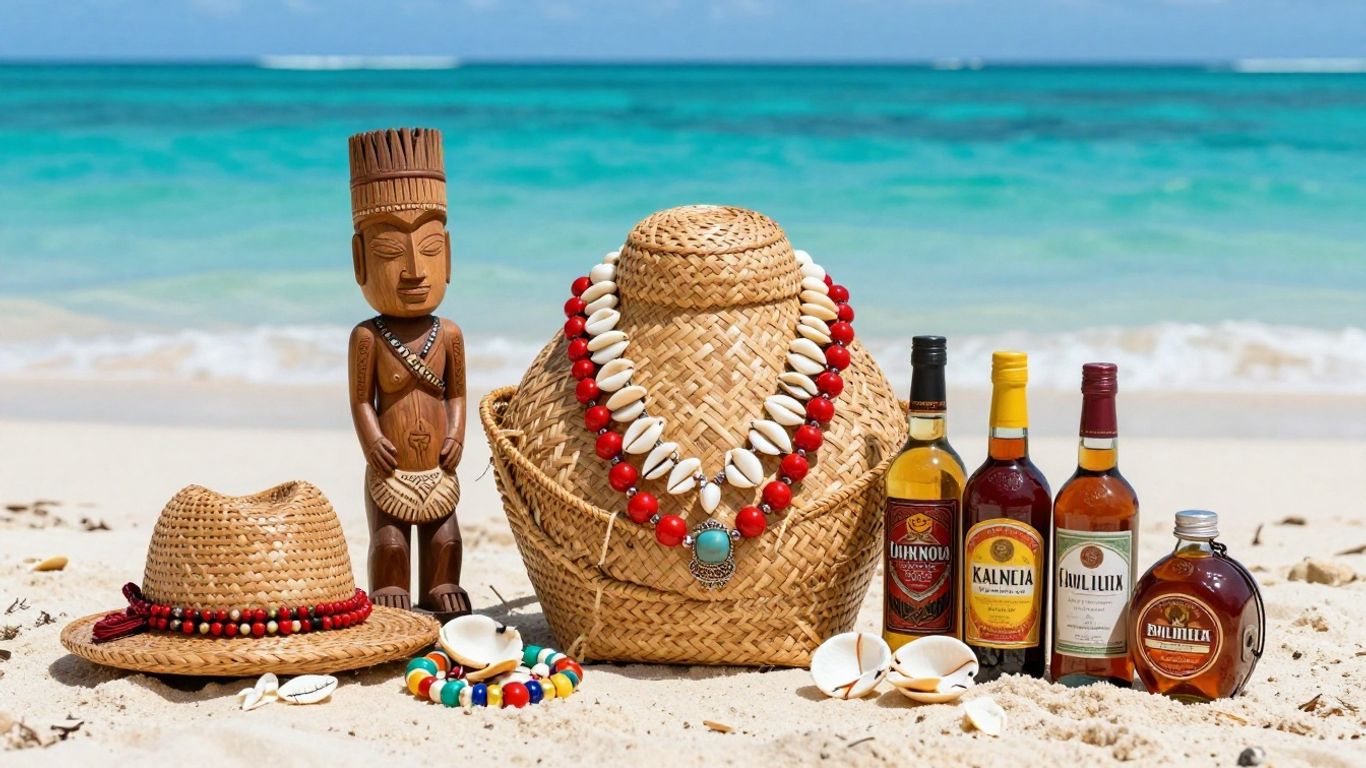
The Yasawa Islands are a chain of about 20 volcanic islands in Fiji’s Western Division, and they’re pretty spectacular for anyone wanting to explore underwater. If you’re looking for a bit of adventure and the chance to see some larger marine life, this is a great place to start. Think manta rays and maybe even hammerhead sharks if you’re really lucky.
What makes the Yasawas special for snorkeling is the mix of clear waters and the dramatic underwater topography. You’ve got vibrant coral gardens, but also drop-offs and channels where currents can bring in interesting visitors. It’s not just about the small, colorful fish, though there are plenty of those too – angelfish and butterflyfish are common sights.
Here’s a little of what you might encounter:
Vibrant Coral Formations: Expect to see a good variety of hard and soft corals, creating colorful backdrops for fish.
Larger Marine Life: Keep an eye out for manta rays, especially during certain seasons, and other larger pelagic species.
Diverse Reef Fish: Schools of smaller, brightly colored fish are a constant presence, darting in and out of the coral.
The Yasawa Islands offer a fantastic blend of accessibility and exciting marine encounters. While some spots are great for beginners, others might require a bit more confidence due to currents, making it a good destination for a range of skill levels.
Getting to the Yasawas usually involves a boat trip or a small seaplane from the main island of Viti Levu. Once there, many resorts offer direct access to snorkeling spots right off the beach or a short boat ride away. It’s a good idea to check with your accommodation about the best local sites and any specific conditions.
5. Mamanuca Islands
The Mamanuca Islands are a cluster of 20 islands that are just a short boat ride from the main island of Viti Levu. This makes them super accessible for a day trip or a longer stay. You’ll find crystal-clear waters here, perfect for seeing all sorts of fish and coral.
The Mamanucas are a fantastic choice for snorkelers of all levels, offering a vibrant underwater world without requiring a long journey. It’s a place where you can easily spend your days exploring the reefs. Many resorts are located right on the water, so you can literally step off the beach and into the ocean to start snorkeling.
Here’s what makes snorkeling here so great:
Vibrant Coral Gardens: Expect to see a wide array of colorful corals, from delicate fan corals to sturdy brain corals. These form the foundation for a bustling ecosystem.
Diverse Marine Life: Keep an eye out for schools of tropical fish like angelfish, butterflyfish, and damselfish. You might also spot sea turtles gracefully swimming by or even small reef sharks in the distance.
Accessible Reefs: Many of the best snorkeling spots are just a short swim from shore, making it easy for beginners to get comfortable.
For those specifically hoping to see manta rays, Barefoot Manta and Mantaray Island Resort are excellent starting points for snorkeling in the Mamanuca Islands, particularly for those seeking manta ray encounters. These locations offer prime opportunities to explore the underwater beauty of the region. While the currents can sometimes be a factor, especially in certain channels, most areas are calm and protected, ideal for a relaxed snorkeling experience. It’s a truly picturesque setting that lives up to Fiji’s reputation as a tropical paradise.
6. Taveuni Island
Often called the Garden Island, Taveuni is a real gem for anyone looking to explore Fiji’s underwater world. It’s a place where lush green landscapes meet vibrant coral reefs, offering a bit of everything for snorkelers.
What makes Taveuni special is its accessibility. You don’t always need a boat to find amazing spots. For instance, the Lavena Coastal Walk provides direct access to some fantastic snorkeling areas right from the shore. It’s a great way to ease into the experience, especially if you’re new to snorkeling or prefer to stay close to land. You can spend hours just drifting along, watching the fish dart through the coral.
Taveuni’s natural beauty extends below the water’s surface, with a healthy ecosystem that supports a wide array of marine life. The clarity of the water here is often remarkable, allowing for clear views of the colorful underwater scenery.
Here are a few things you might encounter while snorkeling around Taveuni:
Various reef fish like parrotfish and angelfish
Sea turtles gracefully swimming by
Colorful nudibranchs, which are small sea slugs with striking patterns
Healthy coral formations in a range of shapes and colors
For those who enjoy a bit of adventure, exploring the waters around Taveuni can be incredibly rewarding. The island’s commitment to preserving its natural environment means the reefs are generally in good condition. It’s a place where you can truly appreciate the underwater world without feeling overwhelmed. If you’re planning a trip, checking out shore snorkeling options can give you a head start on finding the best accessible spots.
7. Somosomo Strait
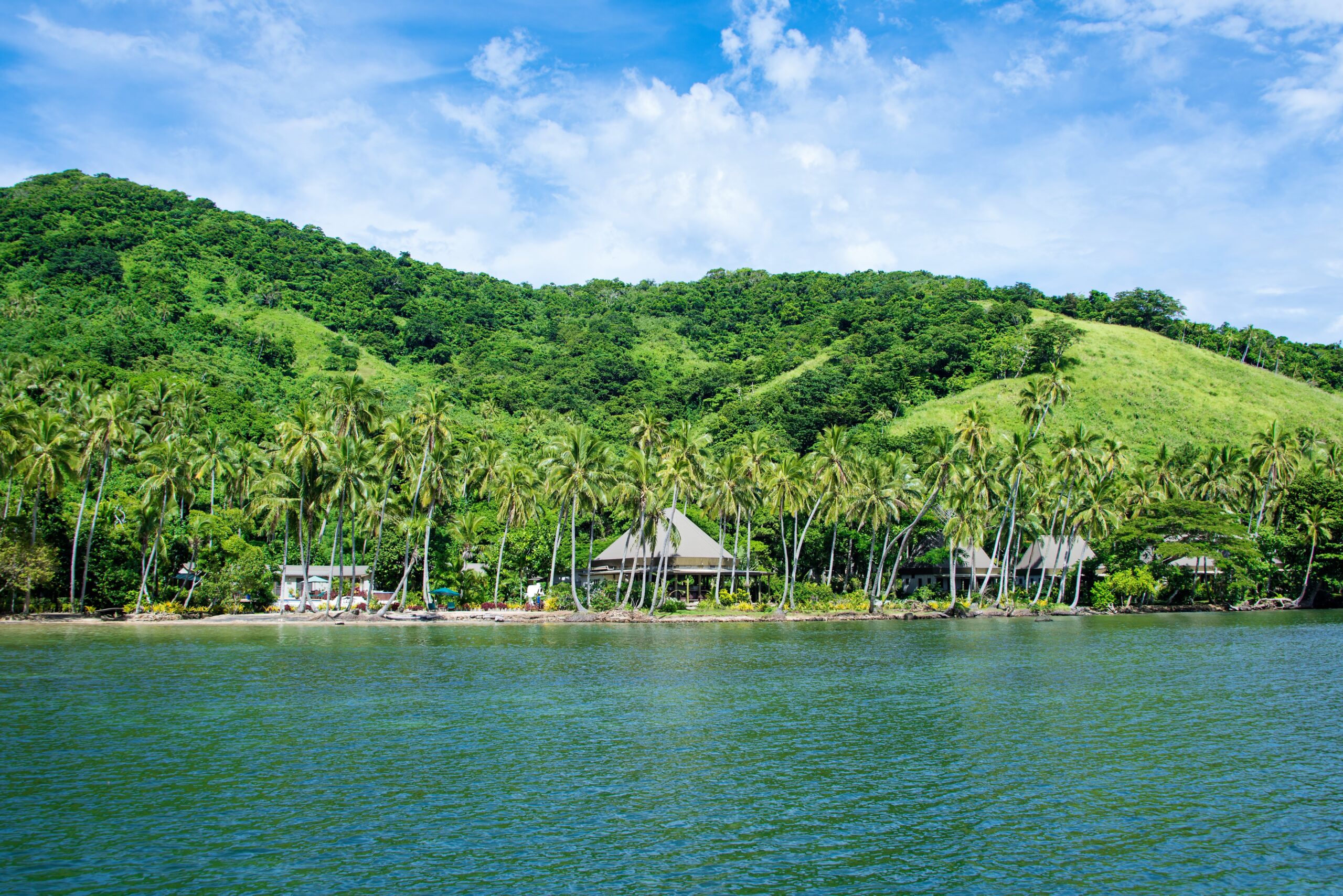
Nestled between the islands of Viti Levu and Vanua Levu, the Somosomo Strait is a place that truly comes alive with the ocean’s rhythm. It’s part of the famous Rainbow Reef, known for its incredibly vibrant soft corals. The strong tidal currents here are what make this spot so special, feeding the corals and creating a dynamic underwater environment. While these currents can present a bit of a challenge, they also mean you’ll be treated to a spectacular display of marine life. Think schools of fish darting by and a kaleidoscope of colors from the corals themselves.
For those looking to experience the strait, it’s often best approached with a bit of planning. The currents mean it’s more suited for those with some experience in the water, perhaps snorkelers who are comfortable with a bit of a push from the ocean. It’s a place where you can really feel the power of the sea.
Here’s what you might encounter:
Vibrant soft corals in a rainbow of colors.
Schools of various reef fish.
The occasional larger pelagic species.
It’s a spot that rewards those who are prepared and ready to go with the flow. If you’re interested in seeing this underwater spectacle, consider looking into Fiji’s marine life tours that might include this area. It’s a unique part of Fiji’s underwater world that offers a different kind of snorkeling adventure.
8. Bligh Water
Bligh Water is a bit of a wild card, situated right between Fiji’s two main islands, Viti Levu and Vanua Levu. It’s known for its currents, which can be pretty strong, so it’s probably best suited for those who have a bit more experience in the water. But if you’re up for a bit of a challenge, the payoff is huge.
This area is absolutely packed with marine life. You might see pods of dolphins playing, maybe even a whale if you’re lucky, and of course, tons of colorful fish darting around. It’s common to spot big schools of barracuda and jackfish cruising in the currents, and keep an eye out for sea turtles gliding by. The sheer volume and variety of fish here are truly something to behold.
Because of the currents, it’s a spot where you can really see fish behavior that’s different from calmer waters. It’s a dynamic environment that attracts a lot of activity.
Bligh Water offers a more adventurous snorkeling experience, where the ocean’s energy brings a unique display of marine life. It’s a place that rewards those who are comfortable with a bit of a challenge and want to see Fiji’s underwater world at its most active.
9. Manta Ray Island
If you’re dreaming of swimming alongside gentle giants, Manta Ray Island is your spot. Nestled in a calm bay, this place is a known hangout for manta rays, especially between May and October. Some of these magnificent creatures can have a wingspan of up to 20 feet, which is pretty incredible to witness up close. Gliding through the water with them is an experience that really sticks with you.
The best time to visit for manta ray sightings is typically from May to October.
While the main draw here is the chance to see mantas, the surrounding waters also host a good variety of other marine life. You’ll find colorful fish darting around the coral, and the sheltered bay makes it a pleasant place to snorkel, even if the currents are a bit stronger elsewhere.
Here’s what you might encounter:
Manta Rays (May-October)
Various reef fish
Interesting coral formations
Manta Ray Island offers a unique opportunity to observe these large, graceful animals in their natural habitat. It’s a truly awe-inspiring encounter that beginners and experienced snorkelers alike can appreciate.
Getting to Manta Ray Island usually involves arranging a boat trip, often from nearby resorts or tour operators. It’s worth planning ahead to make sure you catch this amazing spectacle. You can find information on tours and accommodations that focus on this area when looking at Fiji’s stunning beaches .
10. Beqa Island
Beqa Island, a gem located just off the southern coast of Viti Levu, is a place that truly captures the spirit of Fiji’s underwater wonders. While it’s often mentioned in the context of diving, its fringing reefs offer some interesting snorkeling opportunities too, especially for those who are comfortable venturing a little further from shore or joining a boat trip.
The island is renowned for its dramatic coral formations, including impressive reef walls and intriguing caves. These underwater landscapes create a dynamic environment where marine life thrives. You might spot schools of fish darting through the coral gardens, and if you’re lucky, perhaps a sea turtle gliding by.
While Beqa Lagoon is more famous for shark encounters, Beqa Island itself provides a more serene snorkeling experience. It’s a good spot to appreciate the intricate details of the coral and observe the smaller, colorful reef fish that call these structures home. The clarity of the water here is usually quite good, allowing for decent visibility.
Here’s what you might encounter:
Vibrant soft and hard corals
Various species of reef fish, from small damselfish to larger angelfish
Occasional sightings of larger marine life like turtles or rays
Beqa Island offers a more intimate connection with Fiji’s marine environment. It’s a place where the focus is on the natural beauty of the reefs themselves, providing a peaceful backdrop for exploration. The underwater topography here is quite varied, adding an element of discovery to your snorkel.
For snorkelers, it’s best to go with a local guide or join a tour that knows the best spots around the island. They can take you to areas with calmer waters and abundant marine activity, making your visit more enjoyable and productive.
Your Fijian Underwater Adventure Awaits
So, there you have it – a glimpse into Fiji’s incredible underwater world, perfect for everyone from those dipping their toes in for the first time to seasoned explorers. Whether you’re drawn to the gentle giants of the Manta Ray Island or the vibrant coral gardens of the Great Astrolabe Reef, Fiji truly offers something special. It’s a place where you can easily spend your days mesmerized by the colorful fish and intricate coral formations. Remember to pack your gear, respect the ocean, and get ready for an unforgettable experience. Fiji’s warm waters and stunning marine life are calling – it’s time to answer!
What’s the best time of year to go snorkeling in Fiji?
The dry season, from May to October, is generally the best time for snorkeling in Fiji. The weather is usually sunny and calm, with less rain, making for clearer water and more comfortable snorkeling conditions.
Do I need to be an expert swimmer to snorkel in Fiji?
Not at all! Fiji has many spots perfect for beginners. You just need to be comfortable in the water. Most resorts offer gear and sometimes even lessons if you’re feeling a bit unsure.
What kind of marine life can I expect to see?
Fiji is famous for its incredible underwater world! You can see colorful coral gardens, schools of tropical fish like clownfish and angelfish, sea turtles, and sometimes even manta rays or reef sharks. It’s like swimming in a giant, natural aquarium!
Do I need to bring my own snorkeling gear?
While you can often rent gear from resorts or tour operators, bringing your own mask and snorkel can ensure a better fit and comfort. However, if you prefer not to pack it, rentals are widely available.
Are there any specific safety tips for snorkeling in Fiji?
Always snorkel with a buddy, be aware of currents (especially in areas like Bligh Water or Somosomo Strait), wear reef-safe sunscreen to protect your skin and the coral, and never touch or stand on the coral. Listen to your guide if you’re on a tour.
Which islands are best for snorkeling beginners?
The Mamanuca and Yasawa Islands are fantastic for beginners. They often have calm, clear waters and shallow reefs close to shore, making it easy and enjoyable to explore the underwater beauty without needing to go too far out.
What about advanced snorkelers or divers?
For those seeking more adventure, places like the Great Astrolabe Reef, Namena Marine Reserve, and Bligh Water offer deeper dives, stronger currents, and a chance to see larger marine life and more complex reef systems.
Is it expensive to snorkel in Fiji?
Snorkeling itself can be quite affordable. While some remote resorts or specialized tours might have higher costs, many places offer snorkeling as part of their activities, or you can simply rent gear and explore accessible reefs from the beach. Your biggest expense will likely be accommodation and travel.
Use this guide for trip ideas, not a current quotation or a guarantee of access, safety, inclusions or availability. Confirm the requirements and conditions for your dates, destination and provider before booking.